Cheese Pancakes with Apple
Cheese Pancakes with Apple have always been the weekend treat that pulls the family to the kitchen table, and the very first bite brings back a memory of sunlit mornings and laughter. I remember the day I learned to make these, elbows deep in a sticky, curdled looking batter that somehow turned into warm, tender rounds studded with tiny pockets of apple. From that first successful batch, they became my quick route to comfort food that still feels a little special.
I like to make a small skillet batch when I have a spare hour, and serve them straight from the pan while the edges are slightly crisp and the centers are pillowy. My approach leans on simple ingredients and a few careful techniques, because that is what turns a modest mixture of farmers cheese, flour, and eggs into something worth lingering over. Guests often ask what makes them so balanced, and I tell them it is the little fizz from the baking soda and vinegar, and the sweet snap of apple throughout.
Over the years I have adjusted small details, like the oil temperature and how much flour I dust on each patty, and those tiny changes made a huge difference. There is a rhythm to forming, dredging, and frying that I enjoy, and it gives me a chance to breathe and pay attention to textures and smells. When the kitchen smells faintly of warm cinnamon and melting cheese, I know they are close to ready. Serve them with jam, sour cream, or nothing at all, and you will see why they are a family favorite.
Recipe Snapshot
34 mins
10 mins
24 mins
Medium
250 kcal
Eastern European
Gluten-Free, Low FODMAP
Breakfast
Large bowl, Electric hand mixer, Small ramekin, Large non-stick pan, Flat ice cream scoop or tablespoon, Spatula
What Sets This Cheese Pancakes with Apple Apart
Comfortingly Familiar Texture
I love how Cheese Pancakes with Apple combine a tender, creamy interior with a lightly crisp exterior. The texture is what keeps me coming back for more, because the contrast between the soft farmers cheese and the golden edges feels both nostalgic and refined.
Bright, Natural Sweetness
The addition of diced apple brings bright, natural sweetness and a little juiciness that balances the tang of the cheese. I prefer it this way, since the fruit adds freshness and avoids overpowering the batter with sugar.
Simple Ingredients, Big Results
One of the biggest reasons I rely on this recipe is how few ingredients are needed. With pantry staples like flour, eggs, and a touch of sugar, you can make something that tastes like it took hours to prepare. I often make them when I want fuss free comfort that still impresses visitors.
Playful Technique That Rewards Attention
The little fizz you get when combining baking soda and vinegar is a chef trick I adore. It is small and quirky, and it lifts the batter so the pancakes stay light. Paying attention to oil temperature and dredging makes the difference between flat patties and perfectly puffed rounds.
Versatile Serving Options
Finally, I love that these pancakes adapt to many meals. They are equally at home with a smear of jam at brunch or with a dollop of sour cream for a cozy dessert. That flexibility is why I keep this recipe in my regular rotation.
What You’ll Need for Cheese Pancakes with Apple
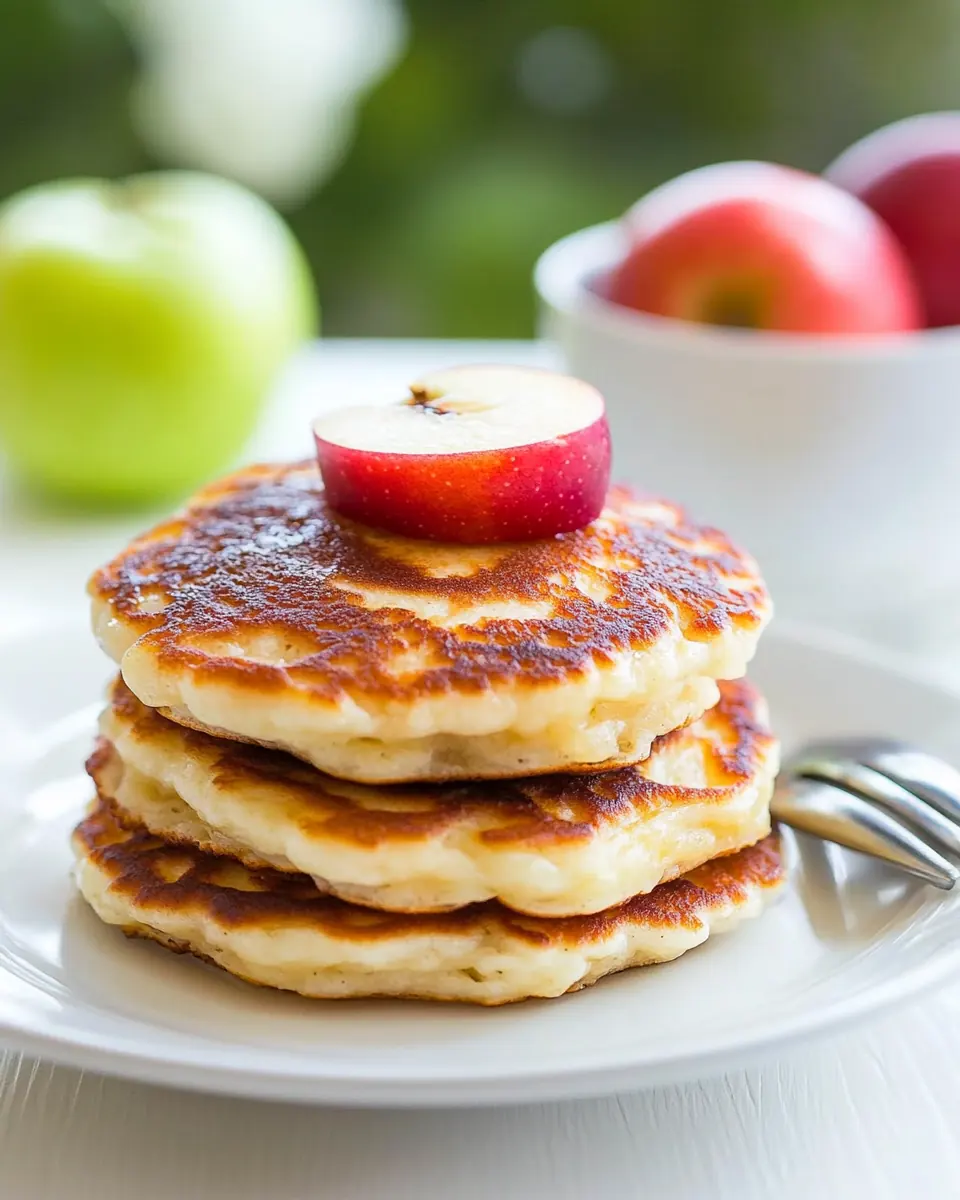
These ingredients work together like a small, harmonious orchestra. The creamy mainstay of farmers cheese provides body and tang, while the structural role falls to all purpose flour. Eggs bind, sugar sweetens, and the tiny lift from baking soda plus vinegar adds air and lightness. The diced apple lends freshness and texture, and a bit of oil helps achieve golden edges during sautéing.
- 2 cups farmers cheese, homemade or store-bought: Provide a rich, tangy base and creamy texture that yields tender, slightly tangy pancakes when mixed with eggs and flour. Add moisture and structure while contributing subtle dairy sweetness and a pleasant curdled appearance when warmed. Combine well to avoid lumps and to distribute curds evenly throughout the batter.
- 4 large eggs: Bind wet and dry ingredients together while adding lift and richness, creating a tender crumb and helping the pancakes set during cooking. Whisk thoroughly to incorporate air for lighter pancakes and to emulsify with the farmers cheese and flour. Use room-temperature eggs for best blending and consistent batter texture.
- 3/4 cups all-purpose flour + 1/2 cup for dredging: Stabilize and bulk the batter, offering structure so pancakes hold their shape during frying; reserve 1/2 cup for dredging to create a light protective coating on each patty. Blend into the cheese and egg mixture until smooth to avoid dense pockets, and use the extra flour to absorb excess moisture from the apple and cheese. Sift or whisk before measuring to ensure accurate volume.
- 3 tbsp granulated sugar: Sweeten the batter lightly to balance the tang of the cheese and the brightness of the apple, contributing mild caramelization during cooking. Adjust amount to taste if you prefer sweeter or more neutral pancakes, and dissolve the sugar well to avoid grainy texture. Combine with eggs and cheese to distribute sweetness evenly.
- 1/2 tsp salt: Enhance overall flavor by adding a small amount of salt to heighten sweetness and balance the dairy flavors, preventing a flat taste. Dissolve into the batter for even seasoning throughout the pancakes. Keep measurements accurate since excess salt can overpower delicate flavors.
- 1/2 tsp cinnamon: Add warm, aromatic spice that complements the apple and cheese, giving depth and a cozy note to each pancake. Sprinkle into the dry or wet mixture to ensure even distribution and avoid clumping. Adjust slightly based on personal preference for spiciness.
- 1 tsp baking soda: Provide gentle leavening to help pancakes puff slightly and achieve a lighter texture without large holes, especially when combined with the vinegar for an instant reaction. Mix evenly into the dry ingredients to ensure consistent rise. Measure precisely to avoid a chemical aftertaste.
- 1 tsp white vinegar: React with baking soda to produce carbon dioxide bubbles, boosting rise and creating a tender crumb; also introduce a mild tang that complements the cheese. Add to the wet ingredients briefly to activate before cooking and mix promptly. Use immediately after combining to maximize leavening effect.
- 1 medium apple, any variety, peeled, cored and finely diced (about 1 1/2 cups): Contribute fresh fruitiness, moisture, and subtle acidity that brightens the pancakes while adding pleasant texture from the finely diced pieces. Peel, core, and dice finely so the apple cooks through quickly and distributes evenly without making the batter soggy. Choose a slightly firm variety to hold shape during sautée and frying.
- Light olive oil, canola or vegetable oil, to sautee: Provide a neutral, high-heat-friendly fat for sautéeing the diced apple and for shallow frying the pancakes until golden and crisp at the edges. Use an oil with a mild flavor to avoid overpowering the delicate cheese and apple notes, and control temperature to prevent burning. Add just enough to coat the pan for even browning.
Preparation Steps for Cheese Pancakes with Apple
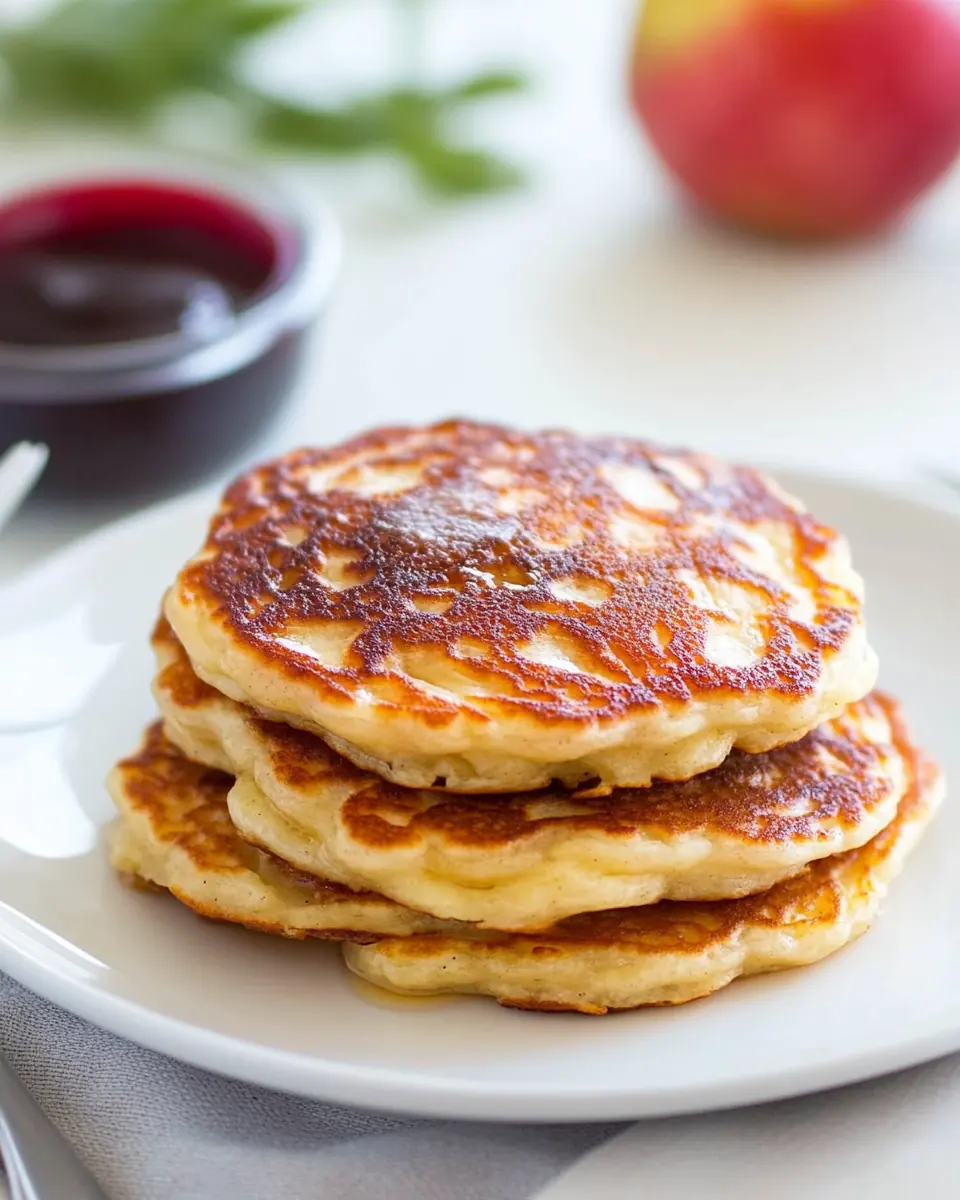
These pancakes are approachable, but they reward careful attention. Below is a detailed walk through each direction from mixing to frying, with sensory cues and troubleshooting tips so you know you are on track.
- How to Make Farmer Cheese Pancakes:: The scent of the batter coming together is mild and tangy, with a whisper of dairy that promises richness. At this stage I focus on the bowl, listening for the slight change in texture as eggs emulsify into the farmers cheese . The reason this pre-step matters is that it sets the stage for a cohesive batter later on, preventing pockets of dry flour or unevenly mixed curds. A common mistake here is overbeating which can make the mixture too loose and difficult to shape; if you notice a very runny consistency, let it rest for a few minutes to hydrate the flour and firm up slightly.
- In a large bowl combine 2 cups farmers cheese, 4 eggs, 3/4 cup flour, 3 Tbsp sugar, 1/2 tsp salt and 1/2 tsp cinnamon. Use an electric hand mixer on medium speed and mix just until well blended.: As you mix, watch how the batter transforms from separate curds and eggs into a cohesive, slightly lumpy batter with flecks of cinnamon and cheese. The sound of the mixer will shift to a steadier hum when things are combined. This technique helps distribute the flour and sugar evenly, which is essential for uniform texture during cooking. Avoid overmixing because that can break down curds too much and yield a pasty final texture; stop as soon as the ingredients look homogenous and fold any remaining bits gently with a spatula.
- Place 1 tsp baking soda into a small ramekin and add 1 tsp vinegar then stir to combine. It should fizz. Pour this mixture into the batter and mix until well blended. Use a spatula to fold in diced apples. The mixture will thicken slightly as it stands.: The fizz is an immediate sensory cue, a small pop of activity that indicates the leavening is alive. When you pour the foamy mixture in, you will notice the batter lighten and tiny air bubbles appear, which translate to fluffiness when cooked. The diced apple should be folded in gently so it does not mash and release too much juice; otherwise the batter can become soggy. A typical pitfall is waiting too long to add the fizzed solution, which reduces its leavening power. Mix and proceed promptly to retain the lift.
- Heat a large non-stick pan over medium/low heat and add 2 to 3 Tbsp oil.: As the pan warms, you will see a faint shimmer on the surface and the oil will thin and spread. The correct temperature is crucial, because too hot and the outside will brown before the center cooks through, too cool and the pancakes will absorb oil and become greasy. I test the pan by flicking a drop of batter in; it should sizzle gently, not erupt. A common error is using high heat to rush cooking, which results in an undercooked interior while the exterior appears done, so keep the flame moderate and steady.
- Fill a shallow bowl with 1/2 cup flour. Add batter a heaping tablespoon at a time (I used a flat ice cream scoop). Sprinkle flour generously over the top then gently lift pancake and pat from one hand to another to remove excess flour.: You will notice the flour forms a thin shell around each mound, helping create a protective crust while frying. The tactile sensation of patting away excess flour is oddly satisfying and essential, because too much dredge creates a dry, chalky mouthfeel. Aim for a light dusting that clings but does not cake. One thing to watch for is inconsistent sizes; try to scoop similarly sized portions so they cook evenly and you do not have to juggle timing in the pan.
- Saute in hot oil over med/low heat about 3 min per side. Flip when starting to form tiny bubbles on top. Transfer to a platter and serve warm with your favorite topping such as jam and sour cream!: As the pancakes sizzle, you will smell warm cinnamon and a gentle toasty note from the cheese. Tiny bubbles forming on the surface are your flip cue, and the edges should be golden but not dark brown. When you lift one gently with a spatula the underside should be a caramelized shade signaling readiness. The reason slow frying matters is it allows the interior to set without burning the outside. A common mistake is flipping too often, which prevents a stable crust from forming; let them cook undisturbed until you see those surface bubbles. Serve immediately for best texture, as they tend to soften if held too long.
- What I really mean to say is smothered in jam and sour cream. Absolutely delicious!: The final sensory pleasure is the contrast between warm pancakes and cool, tangy sour cream or a bright jam. The interplay of sweet, tart, and creamy heightens each bite and creates a balanced mouthfeel. If your pancakes feel oily after plating, it usually means the pan was too hot or the oil was too plentiful, so blot quickly with a paper towel before serving. Enjoy them while they are warm for the optimal combination of texture and flavor.
Expert Tips about Cheese Pancakes with Apple
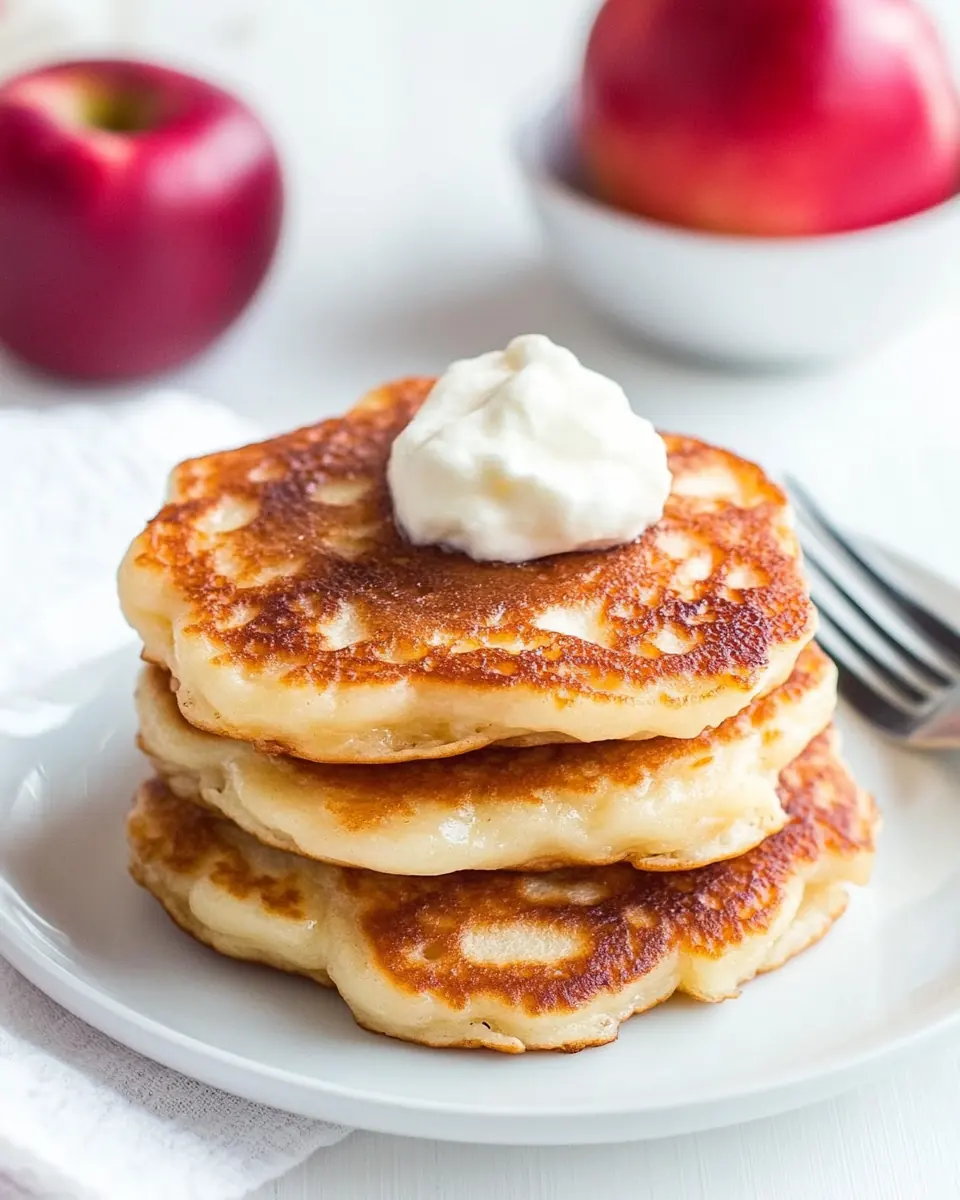
Here are my best, practiced tips to get these pancakes consistently right. Follow them and you will notice improvements in texture, flavor, and presentation.
- Measure flour correctly, spoon it into the cup and level it off rather than scooping, to avoid dense, flour heavy pancakes that feel pasty.
- Let the batter rest briefly, about five to ten minutes, so the flour hydrates and the batter thickens just enough to shape easily without spreading too thinly.
- Use a neutral oil with a medium smoke point such as canola or vegetable oil, which browns the pancakes evenly without imparting strong flavors or smoking excessively.
- Pat the dredged pancakes gently to remove excess flour before frying, this prevents a dry outer shell and promotes a delicate crispness instead.
- Flip only once, when small bubbles appear on the surface, to allow a stable crust to develop and avoid tearing or uneven browning.
- Serve immediately for best texture, the contrast between warm centers and crisp edges is most pronounced right out of the pan, while they are still slightly steaming.
What to Serve With Cheese Pancakes with Apple
These pancakes are flexible and pair beautifully with various accompaniments. Whether you want a simple brunch or a cozy dessert, the serving options below cover casual to celebratory moments.
- Jam or fruit preserves, a spoonful of tart berry jam complements the tangy farmers cheese and echoes the natural sweetness of the apple.
- Sour cream or yogurt, a dollop adds cool creaminess and a pleasant tang that balances the fried exterior.
- Powdered sugar dusting, light and decorative, it gives a gentle sweetness without overpowering the dish.
- Fresh fruit, serve with sliced apples or berries to reinforce the fruit element and add freshness.
- Warm tea or coffee, ideal for breakfast or brunch, providing a warm beverage companion to the tender pancakes.
- Occasions, these shine for a leisurely weekend brunch, a cozy family breakfast, or a welcoming dish during fall gatherings; they are also gentle on schedules during Ramadan mornings when you want something comforting and substantial.
- Storage tips, cool completely and refrigerate in an airtight container for up to two days, then rewarm gently in a low oven to revive crispness.
- Seasonal pairing, autumn apples and warm cinnamon make this a perfect fall breakfast, though it is lovely any time you have sweet apples in the fruit bowl.
FAQ
Conclusion
These Cheese Pancakes with Apple are special because they balance creamy, tangy cheese with tender apple pieces and a lightly crisp exterior. The simple chemistry of baking soda and vinegar gives them a pleasant lift, and a brief rest plus attentive frying yields reliably great texture. I encourage you to give them a try this weekend; they reward patience and small adjustments with warm, comforting flavors that are easy to share. Whether you serve them with jam, sour cream, or a dusting of sugar, they make for a memorable, cozy meal that is approachable enough for any home cook.
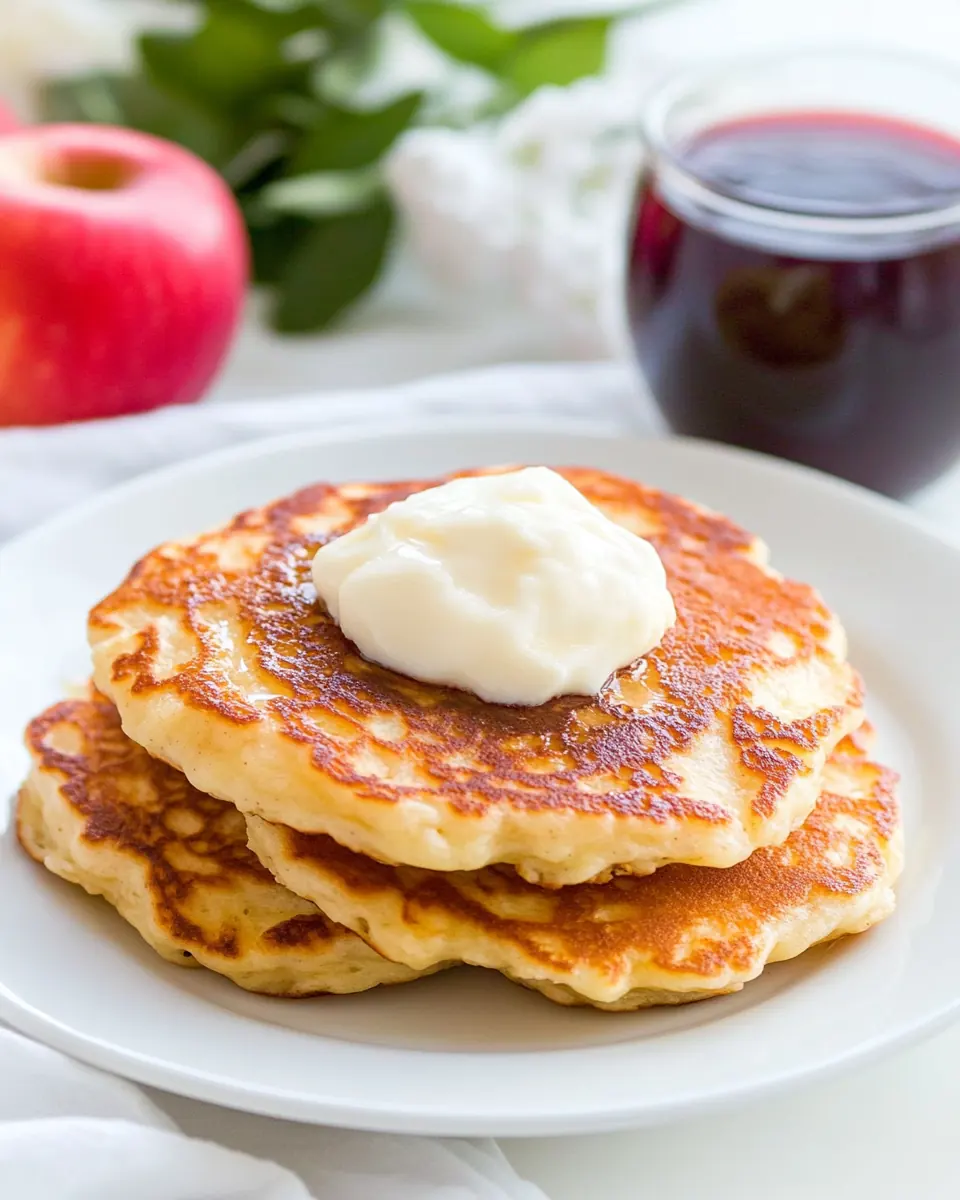
Cheese Pancakes with Apple
Ingredients
Equipment
Method
- How to Make Farmer Cheese Pancakes:: The scent of the batter coming together is mild and tangy, with a whisper of dairy that promises richness. At this stage I focus on the bowl, listening for the slight change in texture as eggs emulsify into the farmers cheese . The reason this pre-step matters is that it sets the stage for a cohesive batter later on, preventing pockets of dry flour or unevenly mixed curds. A common mistake here is overbeating which can make the mixture too loose and difficult to shape; if you notice a very runny consistency, let it rest for a few minutes to hydrate the flour and firm up slightly.
- In a large bowl combine 2 cups farmers cheese, 4 eggs, 3/4 cup flour, 3 Tbsp sugar, 1/2 tsp salt and 1/2 tsp cinnamon. Use an electric hand mixer on medium speed and mix just until well blended.: As you mix, watch how the batter transforms from separate curds and eggs into a cohesive, slightly lumpy batter with flecks of cinnamon and cheese. The sound of the mixer will shift to a steadier hum when things are combined. This technique helps distribute the flour and sugar evenly, which is essential for uniform texture during cooking. Avoid overmixing because that can break down curds too much and yield a pasty final texture; stop as soon as the ingredients look homogenous and fold any remaining bits gently with a spatula.
- Place 1 tsp baking soda into a small ramekin and add 1 tsp vinegar then stir to combine. It should fizz. Pour this mixture into the batter and mix until well blended. Use a spatula to fold in diced apples. The mixture will thicken slightly as it stands.: The fizz is an immediate sensory cue, a small pop of activity that indicates the leavening is alive. When you pour the foamy mixture in, you will notice the batter lighten and tiny air bubbles appear, which translate to fluffiness when cooked. The diced apple should be folded in gently so it does not mash and release too much juice; otherwise the batter can become soggy. A typical pitfall is waiting too long to add the fizzed solution, which reduces its leavening power. Mix and proceed promptly to retain the lift.
- Heat a large non-stick pan over medium/low heat and add 2 to 3 Tbsp oil.: As the pan warms, you will see a faint shimmer on the surface and the oil will thin and spread. The correct temperature is crucial, because too hot and the outside will brown before the center cooks through, too cool and the pancakes will absorb oil and become greasy. I test the pan by flicking a drop of batter in; it should sizzle gently, not erupt. A common error is using high heat to rush cooking, which results in an undercooked interior while the exterior appears done, so keep the flame moderate and steady.
- Fill a shallow bowl with 1/2 cup flour. Add batter a heaping tablespoon at a time (I used a flat ice cream scoop). Sprinkle flour generously over the top then gently lift pancake and pat from one hand to another to remove excess flour.: You will notice the flour forms a thin shell around each mound, helping create a protective crust while frying. The tactile sensation of patting away excess flour is oddly satisfying and essential, because too much dredge creates a dry, chalky mouthfeel. Aim for a light dusting that clings but does not cake. One thing to watch for is inconsistent sizes; try to scoop similarly sized portions so they cook evenly and you do not have to juggle timing in the pan.
- Saute in hot oil over med/low heat about 3 min per side. Flip when starting to form tiny bubbles on top. Transfer to a platter and serve warm with your favorite topping such as jam and sour cream!: As the pancakes sizzle, you will smell warm cinnamon and a gentle toasty note from the cheese. Tiny bubbles forming on the surface are your flip cue, and the edges should be golden but not dark brown. When you lift one gently with a spatula the underside should be a caramelized shade signaling readiness. The reason slow frying matters is it allows the interior to set without burning the outside. A common mistake is flipping too often, which prevents a stable crust from forming; let them cook undisturbed until you see those surface bubbles. Serve immediately for best texture, as they tend to soften if held too long.
- What I really mean to say is smothered in jam and sour cream. Absolutely delicious!: The final sensory pleasure is the contrast between warm pancakes and cool, tangy sour cream or a bright jam. The interplay of sweet, tart, and creamy heightens each bite and creates a balanced mouthfeel. If your pancakes feel oily after plating, it usually means the pan was too hot or the oil was too plentiful, so blot quickly with a paper towel before serving. Enjoy them while they are warm for the optimal combination of texture and flavor.
Notes
- Measure flour correctly, spoon it into the cup and level it off rather than scooping, to avoid dense, flour heavy pancakes that feel pasty.
- Let the batter rest briefly, about five to ten minutes, so the flour hydrates and the batter thickens just enough to shape easily without spreading too thinly.
- Use a neutral oil with a medium smoke point such as canola or vegetable oil, which browns the pancakes evenly without imparting strong flavors or smoking excessively.
- Pat the dredged pancakes gently to remove excess flour before frying, this prevents a dry outer shell and promotes a delicate crispness instead.
- Flip only once, when small bubbles appear on the surface, to allow a stable crust to develop and avoid tearing or uneven browning.
- Serve immediately for best texture, the contrast between warm centers and crisp edges is most pronounced right out of the pan, while they are still slightly steaming.