Sweet Potato Cauliflower Mash
Sweet Potato Cauliflower Mash is one of those dishes I turn to when I want comfort without heaviness, a side that feels luxurious yet honest.
The first time I made Sweet Potato Cauliflower Mash I was rushing between errands and needed something that would please guests and sit well with a busy weeknight. I remember the kitchen filling with a gentle, sweet steam as the sweet potatoes and cauliflower simmered together, the aroma reminding me of cozy family dinners. I loved how the texture shifted as I mashed, from chunky to satin smooth, and how a small pat of butter transformed the whole pot into something silkier and more indulgent.
Since then I’ve used this mash at holiday tables and casual suppers, sometimes using more broth for a looser finish, other times whipping it extra smooth for a more elegant presentation. There is something satisfying about taking two humble vegetables and coaxing out their best qualities, letting their natural sweetness and mildness shine. When I serve Sweet Potato Cauliflower Mash, people always ask for the recipe, probably because it feels both familiar and a little elevated.
Recipe Snapshot
25 mins
10 mins
15 mins
Easy
180 kcal
American
Gluten-Free, Vegan
Side Dishes
Large pot, Potato masher, Food processor or immersion blender, Colander
The Beauty of This Sweet Potato Cauliflower Mash
Velvety Texture without Overdoing It
I adore how Sweet Potato Cauliflower Mash blends the creaminess of sweet potatoes with the delicate body of cauliflower. The result is a mash that feels decadent, yet it never becomes cloying. When I mash them together, the mix becomes silky without needing heavy cream, which keeps the mouthfeel satisfying and light.
Kid Friendly and Crowd Friendly
My family always approves of this mash because the flavors are simple and comforting. The gentle sweetness of the sweet potatoes masks any vegetal edge from the cauliflower, so picky eaters tend to eat it happily. I often double the batch for gatherings because it scales cleanly and stays good on a buffet for a while.
Flexible for Dietary Needs
I like that this recipe adapts easily. Using a vegan butter substitute keeps the dish plant based, while still delivering richness. The base of vegetable broth helps control sodium and flavor, and I can tweak salt levels to suit guests. That flexibility makes me reach for it when I have friends with varied diets.
Speed and Simplicity
One reason this dish is a regular is how quickly it comes together. With a short simmer and straightforward mashing or blending, you can go from raw vegetables to a finished side in a single pot. I value recipes that let me focus on the main course, not babysitting a complicated side.
Comfort with a Fresh Twist
Finally, the combination feels both familiar and modern. It nods to traditional mashed roots while introducing a lighter note with cauliflower. When I serve it, guests comment on the balance between sweet and savory, and I love watching them take that first spoonful.
What Goes Into Sweet Potato Cauliflower Mash
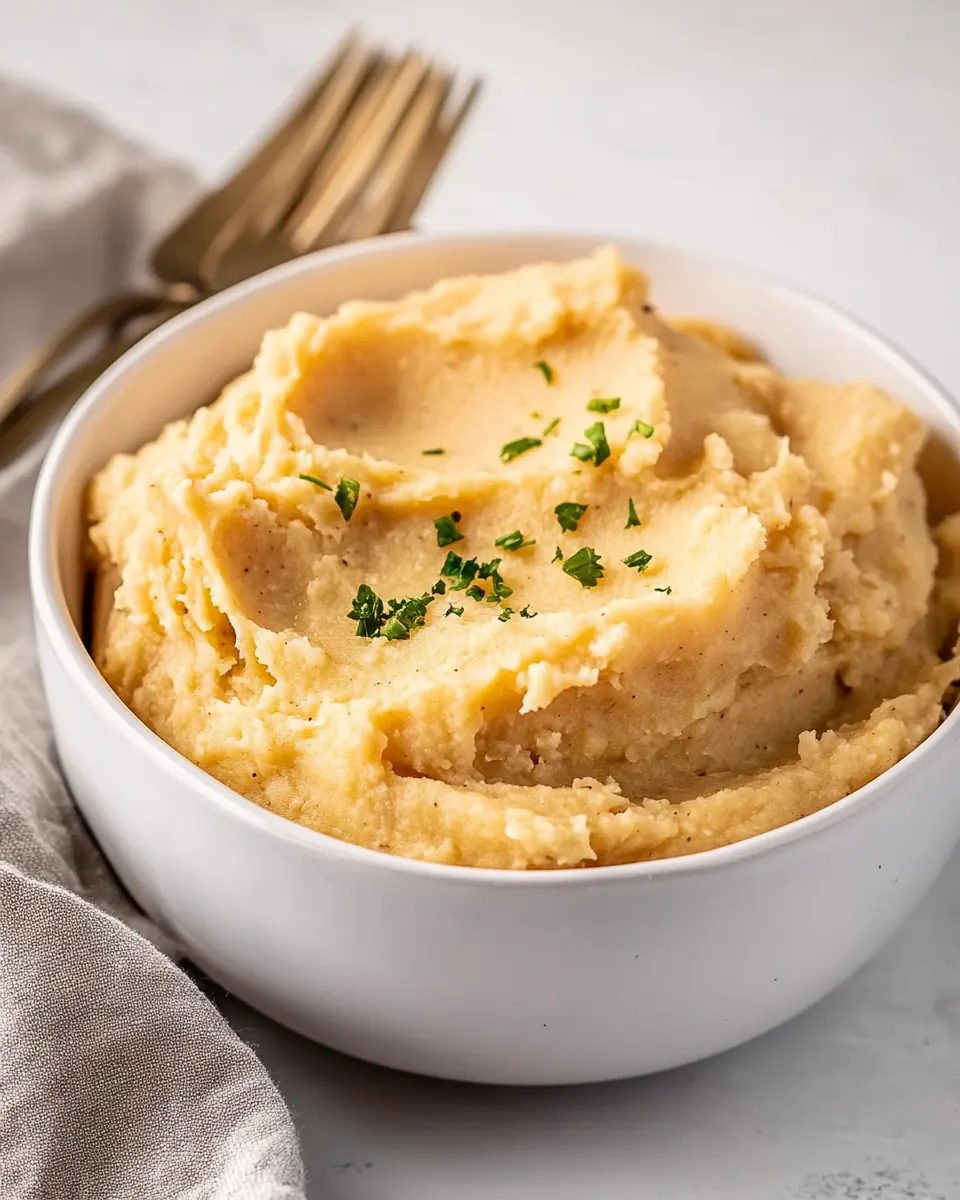
These ingredients are chosen to create a balanced mash that is creamy, savory, and just slightly sweet. The sweet potatoes bring body and natural sweetness, while the cauliflower lightens the texture so the final mash is silky rather than heavy. The vegetable broth infuses flavor while controlling moisture, salt seasons, granulated garlic adds warmth and depth, and the butter or vegan substitute rounds everything into a luxurious finish.
- 4 sweet potatoes medium, peeled and cut into 2" pieces: Peel and cube to provide a naturally sweet, starchy base that mashes smoothly; cooks until fork-tender and balances savory flavors in the dish.
- 1 head of cauliflower cut into florets: Steam or simmer florets to add a mild, creamy texture that lightens the mash; blends well with sweet potatoes for a smoother mouthfeel.
- 4 cups vegetable broth or water: Simmer as the cooking liquid to ensure vegetables cook evenly and absorb flavor; can be substituted with water for a more neutral taste.
- 1 tablespoon salt more as needed: Season early in the cooking process to enhance overall flavor and help draw out the vegetables' natural tastes; adjust to preference after mashing.
- 2 teaspoons granulated garlic: Sprinkle to introduce a savory, garlicky note that complements the sweetness and brings subtle depth without overwhelming the dish.
- 1/4 cup butter or vegan butter substitute: Melt into the finished mash to add richness and silkiness; provides a creamy mouthfeel and helps bind the puree together.
The Method for Sweet Potato Cauliflower Mash
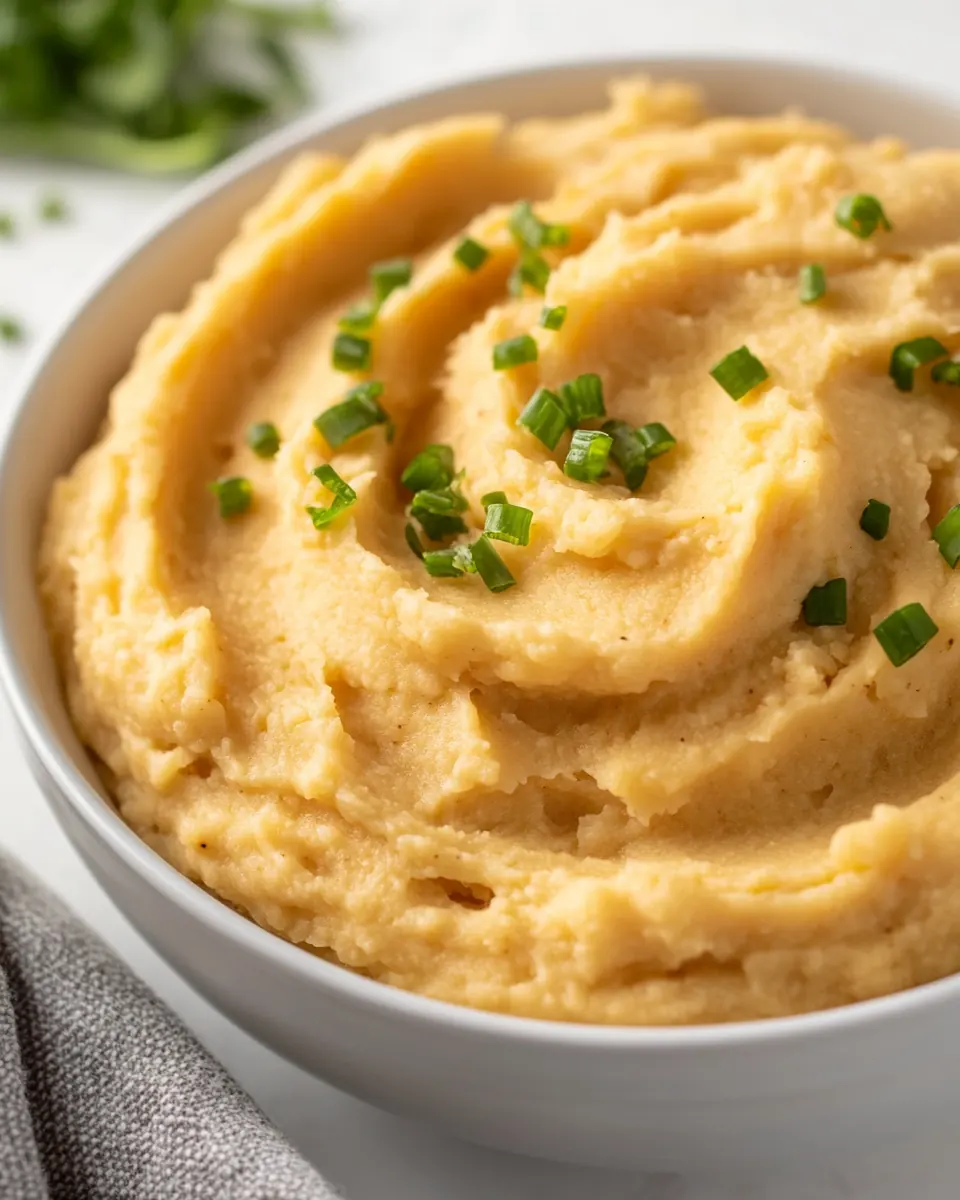
I like to approach this recipe as a relaxed, sensory cooking session. The pot will tell you a lot through scent and sound, and a gentle hand during mashing or blending makes all the difference. Below I expand the simple directions into detailed steps so you can follow along confidently.
- Place sweet potatoes, cauliflower, broth/water, and salt into a large pot. Bring to a boil, reduce heat, and simmer for 15-20 minutes, until vegetables are fork-tender and easily mashed.: As the pot heats, you will notice a faint steam rising and a subtle mix of sweet and vegetal aromas, signaling the combination is starting to meld. The reason for adding all ingredients together is even cooking, which ensures the sweet potatoes and cauliflower reach tenderness at the same time. A common misstep is overcrowding the pot, which can lead to unevenly cooked pieces, so use a pot with room for a gentle simmer and stirring.
- Drain off broth/water and return vegetables to the pot. Add granulated garlic and vegan butter substitute. Mash with a potato masher, and adjust salt to taste.: You will hear a steady bubble that should quiet when you lower the heat, and the scent will deepen into a warm, roasted root aroma. Fork tenderness is the sensory cue to aim for, because undercooked vegetables result in a lumpy mash. If you rush this step by keeping the heat too high, the edges may overcook while the centers remain firm, so maintain a gentle simmer and test frequently.
- Alternately, process mixture in a food processor or use an immersion blender until smooth and creamy.: When you pour off the cooking liquid, the kitchen will release a concentrated, earthy scent as steam escapes. Returning the vegetables to the pot lets residual heat continue to soften them while preparing for mashing. Be careful not to discard too much liquid if you prefer a looser mash, instead reserve a cup to adjust consistency later. A frequent error is draining without reserving liquid, which removes a valuable tool for controlling texture.
- Add granulated garlic and vegan butter substitute: As you add the granulated garlic and the butter or vegan substitute, the aroma shifts with a savory, buttery warmth that lifts the vegetables. These ingredients are added now so the residual heat melts and disperses them evenly, creating a cohesive flavor. Avoid adding cold liquids at this point, because they can lower the temperature and make it harder for fats to integrate smoothly.
- Mash with a potato masher, and adjust salt to taste: When you begin mashing, you will feel the texture move from chunky to a more satiny body under the masher, and the sound will be a soft, rhythmic thump. Mashing releases starches and helps the sweet potatoes and cauliflower bind, creating that pleasing mouthfeel. Taste as you go and add more salt if needed; too little salt leaves the mash flat, while too much is difficult to correct once blended, so season gradually.
- Alternately, process mixture in a food processor or use an immersion blender until smooth and creamy: If you choose a food processor or immersion blender, the texture becomes uniformly silky, and you may notice a glossy finish as the starches shear and the fats emulsify. This technique is ideal when you want a refined presentation. One pitfall is over-processing, which can turn the mash gluey, so pulse or pulse and check frequently to stop at the desired creaminess.
Change It Up
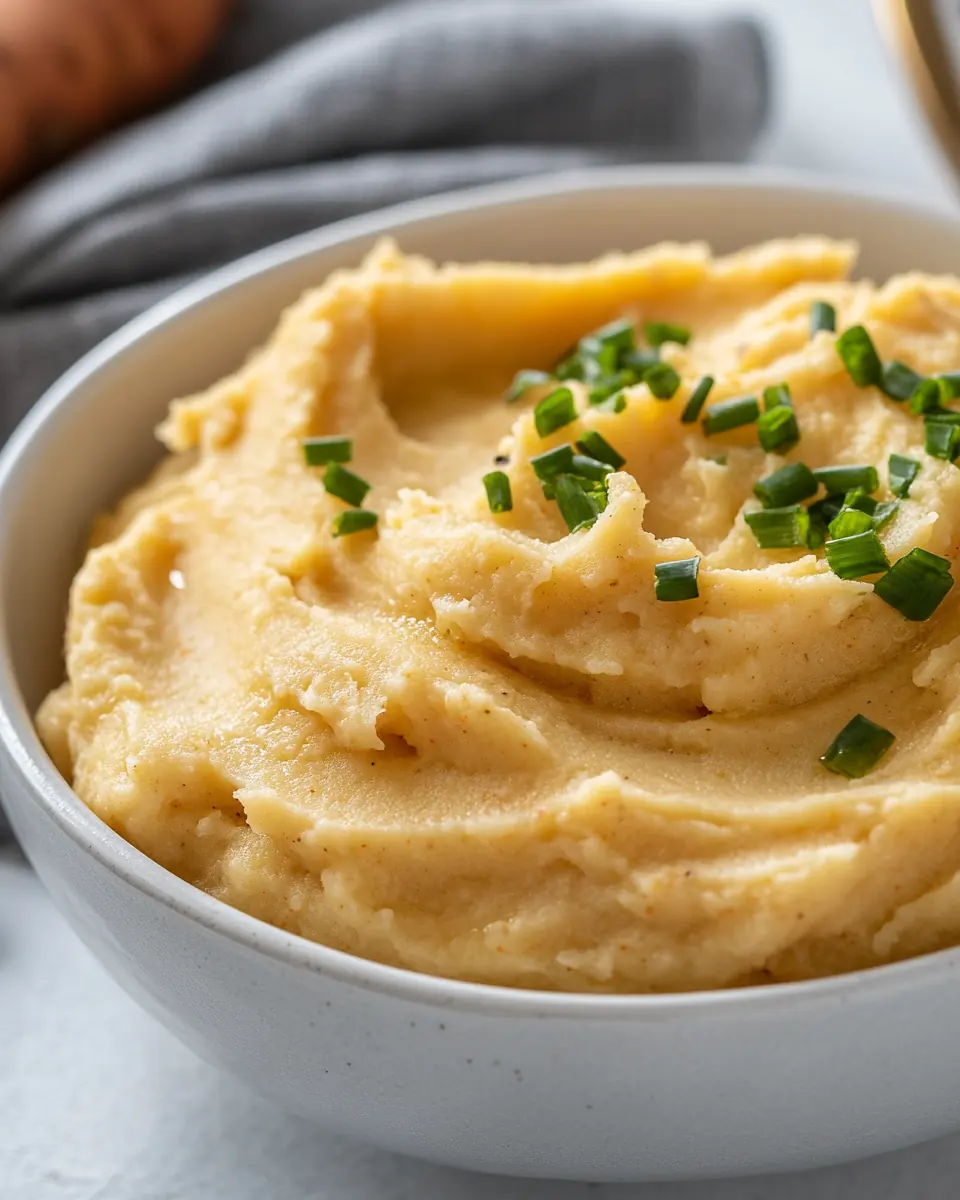
This section offers practical variations and techniques to adapt the mash for different textures, diets, and occasions. Each tip starts with a clear action and then explains the reason and result, so you can experiment confidently.
- Roast before boiling — Roasting the sweet potatoes and cauliflower until caramelized adds a deeper, nutty flavor and a slightly drier texture, which can yield a richer mash. I like this when serving alongside simple proteins because the roast notes create contrast.
- Use broth for flavor — Swapping water for vegetable broth infuses the mash with a savory backbone, especially useful if you want to reduce added salt. It gives complexity without extra effort.
- Adjust butter amount — Increase or decrease the butter or vegan substitute to control richness; more fat will produce a silkier mouthfeel, while less will keep the dish lighter for casual meals.
- Keep some texture — If you enjoy a rustic feel, mash by hand and leave small chunks of sweet potato and cauliflower for pleasant variation in bite and visual appeal.
- Warm bowls before serving — Heating serving bowls helps maintain temperature and preserves the creamy texture until the first spoonful reaches the table, which makes a noticeable difference for dinner guests.
- Control salt carefully — Because the natural sweetness can mask seasoning, add salt in stages and taste after mashing to avoid oversalting, which is hard to reverse.
Serving Suggestions
I like to present Sweet Potato Cauliflower Mash as a comforting side that pairs with many mains, and the serving approach can change the meal from weekday dinner to holiday table. Here are thoughtful ways to serve it so the dish feels intentional.
- Family dinner — Serve a generous scoop of the mash next to roasted vegetables and a protein, keeping portions casual so everyone can help themselves at the table.
- Holiday centerpiece — Spoon the mash into a shallow serving dish, smooth the top, and dot with additional butter or a drizzle of warmed vegan substitute for an attractive, glossy finish.
- Weeknight sides — Plate individual portions with a spoonful of the mash beside simple sautéed greens to create a balanced, quick weeknight meal.
- Make ahead and reheat — Store in an airtight container in the refrigerator for up to three days; reheat gently on the stove with a splash of reserved cooking liquid to restore creaminess.
- Potluck friendly — Keep the mash warm in a covered casserole and top with a few pats of butter before serving so it looks fresh and inviting on a buffet table.
- Seasonal pairing — In fall, pair with roasted root vegetables and braised greens to highlight seasonal flavors and colors.
FAQ
Conclusion
Sweet Potato Cauliflower Mash stands out because it marries creamy comfort with lightness, yielding a side that feels both indulgent and approachable. Give it a try the next time you want something that pleases a crowd yet stays simple to prepare. It’s an ideal recipe for busy weeknights and special meals alike, and once you master the balance of texture and seasoning you’ll find yourself returning to it often.
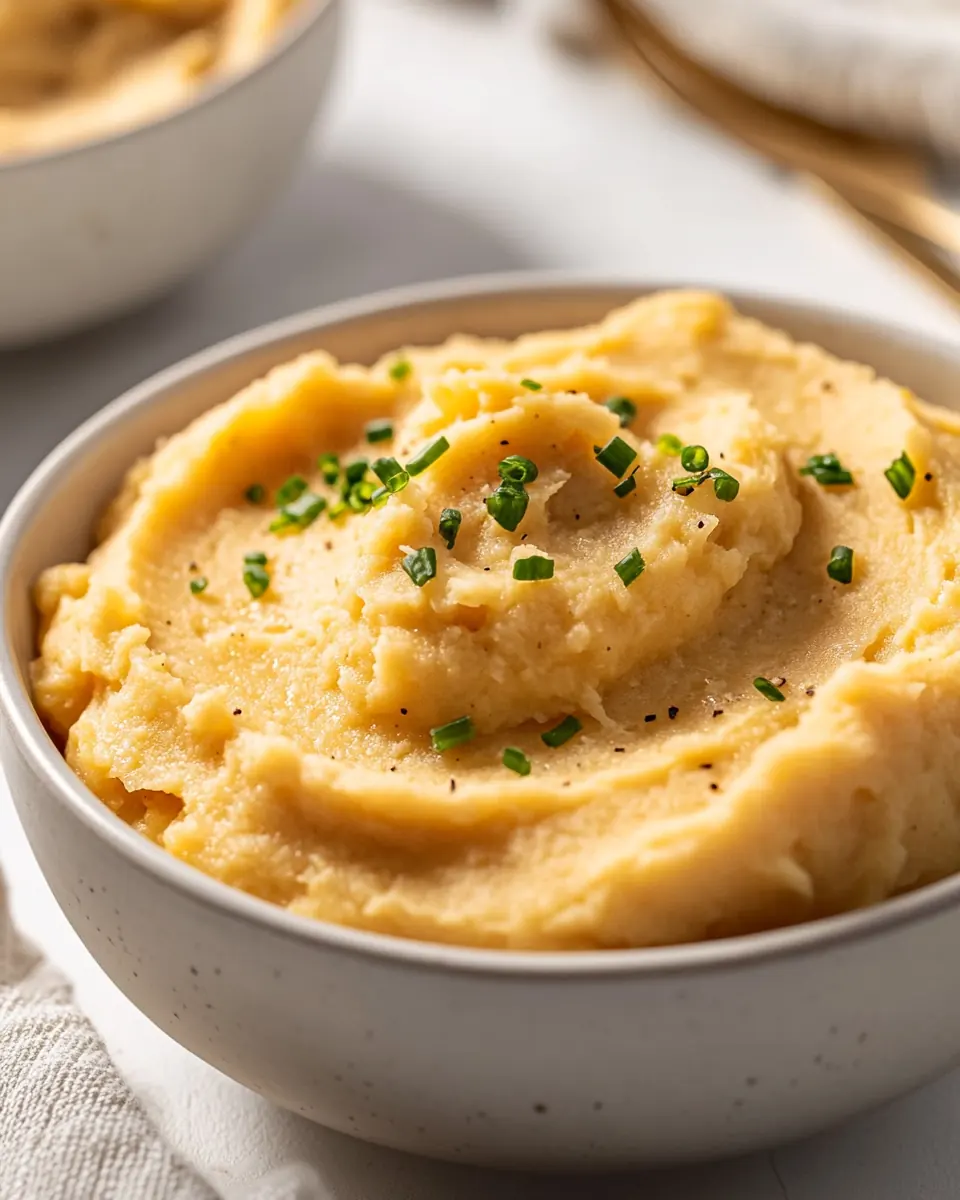
Sweet Potato Cauliflower Mash
Ingredients
Equipment
Method
- Place sweet potatoes, cauliflower, broth/water, and salt into a large pot. Bring to a boil, reduce heat, and simmer for 15-20 minutes, until vegetables are fork-tender and easily mashed.: As the pot heats, you will notice a faint steam rising and a subtle mix of sweet and vegetal aromas, signaling the combination is starting to meld. The reason for adding all ingredients together is even cooking, which ensures the sweet potatoes and cauliflower reach tenderness at the same time. A common misstep is overcrowding the pot, which can lead to unevenly cooked pieces, so use a pot with room for a gentle simmer and stirring.
- Drain off broth/water and return vegetables to the pot. Add granulated garlic and vegan butter substitute. Mash with a potato masher, and adjust salt to taste.: You will hear a steady bubble that should quiet when you lower the heat, and the scent will deepen into a warm, roasted root aroma. Fork tenderness is the sensory cue to aim for, because undercooked vegetables result in a lumpy mash. If you rush this step by keeping the heat too high, the edges may overcook while the centers remain firm, so maintain a gentle simmer and test frequently.
- Alternately, process mixture in a food processor or use an immersion blender until smooth and creamy.: When you pour off the cooking liquid, the kitchen will release a concentrated, earthy scent as steam escapes. Returning the vegetables to the pot lets residual heat continue to soften them while preparing for mashing. Be careful not to discard too much liquid if you prefer a looser mash, instead reserve a cup to adjust consistency later. A frequent error is draining without reserving liquid, which removes a valuable tool for controlling texture.
- Add granulated garlic and vegan butter substitute: As you add the granulated garlic and the butter or vegan substitute, the aroma shifts with a savory, buttery warmth that lifts the vegetables. These ingredients are added now so the residual heat melts and disperses them evenly, creating a cohesive flavor. Avoid adding cold liquids at this point, because they can lower the temperature and make it harder for fats to integrate smoothly.
- Mash with a potato masher, and adjust salt to taste: When you begin mashing, you will feel the texture move from chunky to a more satiny body under the masher, and the sound will be a soft, rhythmic thump. Mashing releases starches and helps the sweet potatoes and cauliflower bind, creating that pleasing mouthfeel. Taste as you go and add more salt if needed; too little salt leaves the mash flat, while too much is difficult to correct once blended, so season gradually.
- Alternately, process mixture in a food processor or use an immersion blender until smooth and creamy: If you choose a food processor or immersion blender, the texture becomes uniformly silky, and you may notice a glossy finish as the starches shear and the fats emulsify. This technique is ideal when you want a refined presentation. One pitfall is over-processing, which can turn the mash gluey, so pulse or pulse and check frequently to stop at the desired creaminess.
Notes
- Roast before boiling — Roasting the sweet potatoes and cauliflower until caramelized adds a deeper, nutty flavor and a slightly drier texture, which can yield a richer mash. I like this when serving alongside simple proteins because the roast notes create contrast.
- Use broth for flavor — Swapping water for vegetable broth infuses the mash with a savory backbone, especially useful if you want to reduce added salt. It gives complexity without extra effort.
- Adjust butter amount — Increase or decrease the butter or vegan substitute to control richness; more fat will produce a silkier mouthfeel, while less will keep the dish lighter for casual meals.
- Keep some texture — If you enjoy a rustic feel, mash by hand and leave small chunks of sweet potato and cauliflower for pleasant variation in bite and visual appeal.
- Warm bowls before serving — Heating serving bowls helps maintain temperature and preserves the creamy texture until the first spoonful reaches the table, which makes a noticeable difference for dinner guests.
- Control salt carefully — Because the natural sweetness can mask seasoning, add salt in stages and taste after mashing to avoid oversalting, which is hard to reverse.