Preheat oven to 425 degrees F.: As the oven warms, you will notice a dry heat building, which helps the crust develop crispness quickly. This high initial temperature encourages the outer layers of the pie crust dough to set and brown while giving the filling time to heat through without overcooking the edges. Listen for a quiet click as the oven cycles, and expect a faint warm, toasty aroma once it reaches temperature. A common mistake is skipping preheating, which results in a soggy, underbaked crust because the dough will not have that sharp blast of heat it needs to puff and crisp.
Unroll pie dough on a sheet of parchment paper and use a rolling pin to roll the crust to 13 inches.: You will feel the dough relax as you roll, and it should spread easily on the parchment without sticking if it is cold. Keep your strokes even and rotate the dough occasionally to maintain a circular shape, and a light dusting of flour on the surface will prevent tearing. When the rolled dough measures about 13 inches, the edges will look smooth and slightly translucent in spots where it is thin. Avoid rolling so thin that the dough becomes fragile, which can tear when folded; if that happens, patch gently with a small dough scrap.
Place the cherry pie filling in the center of the pie crust, leaving a 3 inch boarder. Fold the pie crust over the pie filling, leaving the center exposed.: The filling will sit cool and glossy against the pale dough, and you should be mindful to mound it slightly toward the center so juices remain contained. The 3 inch border gives you enough pastry to fold over without smothering the center, creating the classic galette frame. One reason this works is the exposed center allows steam to escape while the rim crisps, preserving both texture and a beautiful presentation. Resist the urge to push the filling too close to the edge, as juices can escape and cause burn spots on the baking surface.
Brush the top of the pie crust with milk and sprinkle with sugar. Bake for 25 minutes, or until the pie crust is golden brown.: As you fold, the dough will gently pleat where it overlaps, creating a rustic, attractive edge. Use your fingers to press and tuck small sections, creating overlapping folds that hold without needing to seal. The contrast between the folded, golden rim and the bubbling fruit center is pleasing to the eye, and the slightly thicker edge also provides a satisfying chew. A typical error here is overworking the dough, which warms it and can make the crust tough; work quickly with cool hands.
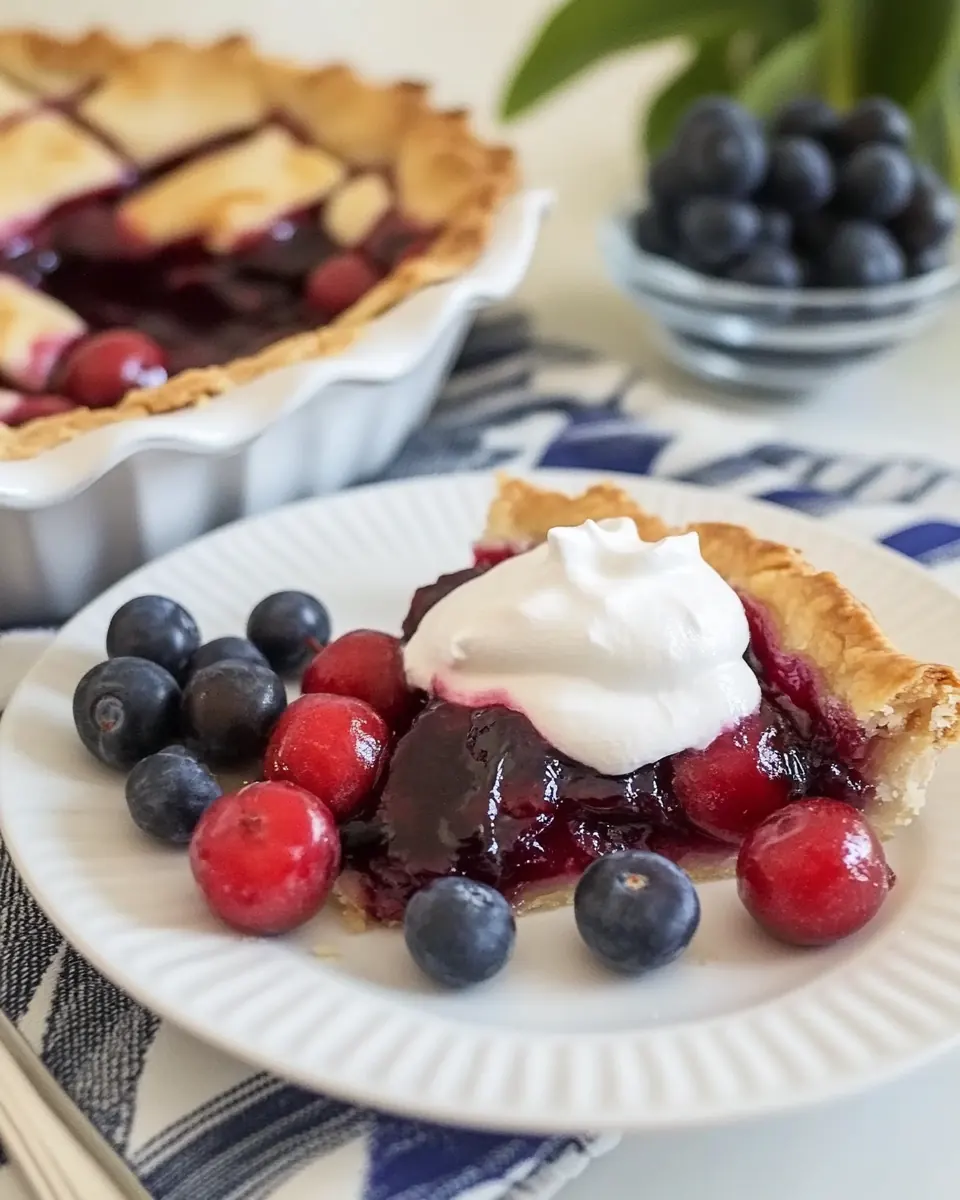
Serve warm with cool whip and fresh blueberries. Enjoy!: The milk will soak into the outer layers and promote a deep, even golden color while the sugar melts into tiny crystallized pockets. Apply a thin, uniform coat using a pastry brush or the back of a spoon to avoid saturating the dough. Visually you will see the crust take on a slight sheen before it enters the oven, and that sparkle transforms into a delicate crunch after baking. Too heavy an application of milk can lead to soggy patches, so be conservative.
Bake for 25 minutes, or until the pie crust is golden brown.: During baking, the kitchen will fill with an intoxicating aroma of toasted butter and bubbling cherries, and you may hear soft crackles as the crust expands. Watch for the edges to turn a deep golden hue and the filling to show gentle bubbling, especially near the center and vents. These cues indicate the sugar has caramelized and the filling has thickened. If you bake longer than necessary, the crust can darken too much, so check visually near the 20 minute mark and plan to rotate the tray if your oven has hot spots.
Serve warm with cool whip and fresh blueberries. Enjoy!: The warm galette against the cold creaminess of the cool whip creates a perfect temperature contrast that enhances perceived sweetness. Spoon a moderate portion onto plates, adding a dollop of the whipped topping and a scattering of fresh blueberries for brightness. The first bite should offer a crisp edge giving way to a juicy, fruit saturated center and a cool finish from the topping. A common misstep is serving it too long after baking, which causes the crust to lose its crispness and the topping to melt into the fruit; serve soon after slicing for the best texture.