Classic Snowball Cookies
Classic Snowball Cookies have been a staple in my kitchen ever since a neighbor handed me a paper bag of them after a blustery winter playdate.
That first bite, the tender crumb dusted in a snowy coat of powdered sugar, felt like a warm apology from winter itself. Over the years, I learned little tricks, like chilling the dough so the shapes hold and pulsing the nuts briefly so they disappear into the cookie instead of stealing the spotlight. Friends started asking for the recipe every holiday, and I began bringing trays to potlucks, watching people close their eyes as they tasted childhood and comfort.
What I love most about these cookies is how forgiving they are. You do not need an exacting pastry chef mindset to succeed, just a good hand for rolling and a patient moment to dust them properly. Making a batch always turns into a small ritual, where the kitchen gets quiet except for the whisper of a sieve and the soft clink of a baking sheet. Those pauses, and the aroma of toasted nuts mingling with warm butter, are the reasons I keep returning to this recipe year after year.
Recipe Snapshot
33 mins
15 mins
18 mins
Medium
150 kcal
American
Gluten-Free, Low FODMAP
Desserts
Large mixing bowl, Hand mixer, Wooden spoon, Baking sheets, Parchment paper or silicone baking mat, Cookie scoop or tablespoon, Shallow bowl for powdered sugar, Wire rack
Why We Love This Classic Snowball Cookies
Comforting texture everyone remembers
I adore how Classic Snowball Cookies deliver a melt in your mouth texture that feels almost fragile, yet satisfying. The tender, shortbread like crumb gives way to a fine dusting of powdered sugar, creating a soft contrast that makes each bite feel special. I find guests slow down when they eat one, because the cookie practically dissolves on the tongue.
Simple ingredient list with big payoff
There is honesty in this recipe. With basic pantry staples like all purpose flour and unsalted butter, you get a bakery quality cookie with minimal fuss. I appreciate recipes that reward technique over obscure ingredients, and this one absolutely does. I often tell friends that a good cookie is about balance, and this dough proves it.
Versatile for holidays and everyday
I make these for holiday trays, but they are equally at home next to a coffee mug on a drizzly Tuesday. Because they keep well, they make great gifts too. When I bring a tin to a neighbor, it says care more than a store bought box ever could.
Customizable without losing soul
While the classic maintains its identity, there is room to make it yours. Choosing different nuts or coarser chop levels slightly shifts the texture and flavor, but the cookie remains unmistakable. I like that freedom, because it invites creativity while preserving a beloved core.
Reliable results for bakers of any level
I love recommending this recipe to friends who are new to baking. The steps are straightforward, and when you follow a few technique tips, the results are predictably lovely. That dependability is why I return to Classic Snowball Cookies season after season.
Recipe Ingredients for Classic Snowball Cookies
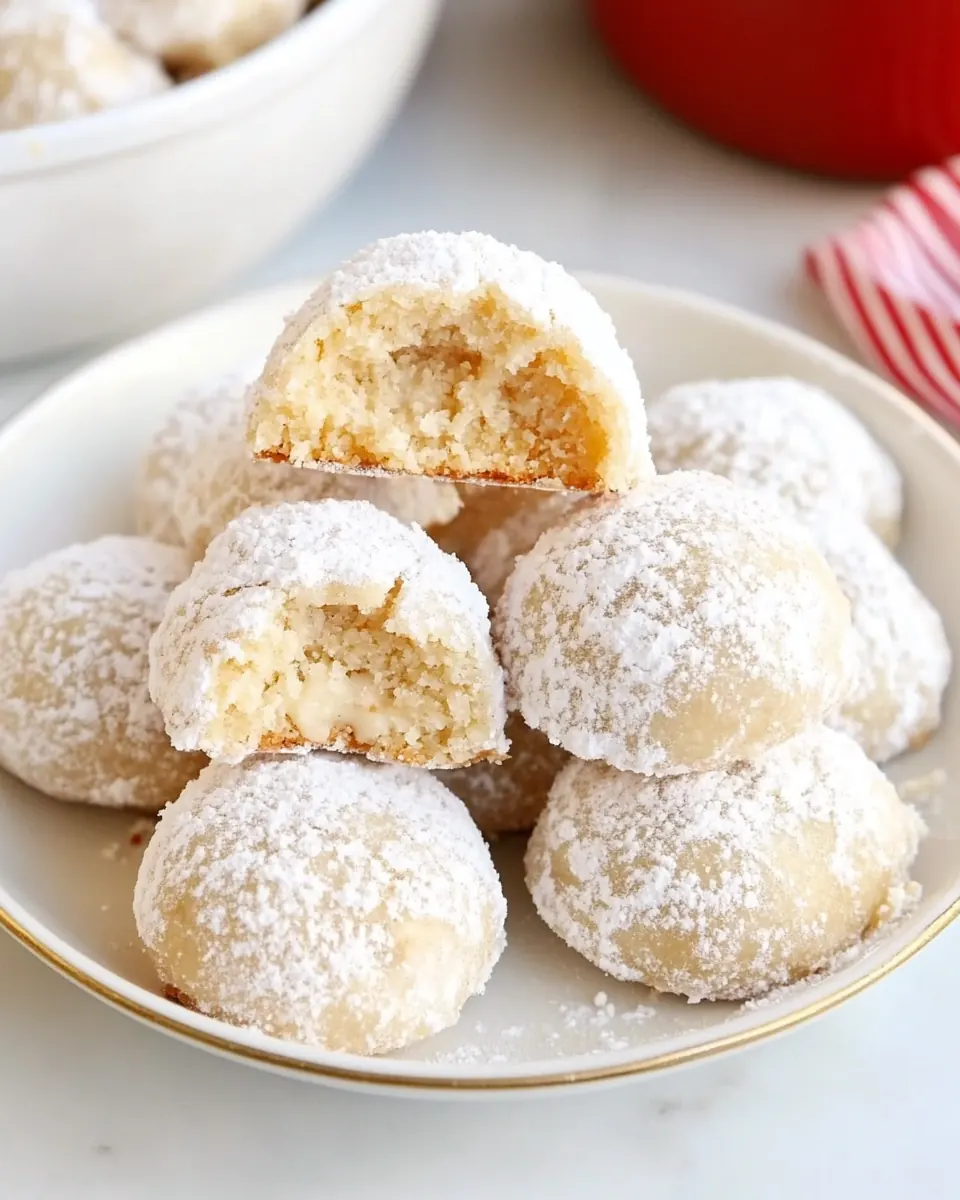
These ingredients come together to create a delicate, crumbly cookie that holds up well to rolling in powdered sugar. The star players are the unsalted butter which brings richness, the all purpose flour that builds the tender structure, and the nuts which add a toasted note and gentle bite. Each component has a clear job, and together they create that signature melt in your mouth texture.
- 1 cup unsalted butter softened: Soften and cream to create a tender, melt-in-your-mouth base that helps bind dough and provide rich flavor and moisture throughout the cookie.
- 1/4 cup granulated sugar: Sweeten the dough subtly and contribute to structure by slightly aerating when creamed with butter, balancing the overall sweetness of the cookie.
- 1 teaspoon pure vanilla extract: Impart a warm, aromatic flavor and enhance the overall profile; add during mixing to distribute vanilla evenly and lift the cookies' aroma.
- 2 cups all-purpose flour: Provide the bulk and structure of the cookie while developing gluten to hold shape; sifted or measured accurately for a light, delicate crumb.
- 3/4 cup chopped nuts see note: Add crunchy texture and nutty flavor contrast; chopped finely or coarsely to preference and folded in to create pockets of savory richness.
- 1 cup powdered sugar for rolling cookies: Coat the finished cookies with a fine, snowy layer to add sweetness and a classic appearance while dissolving slightly into the cookie surface.
Step by Step Guide for Classic Snowball Cookies
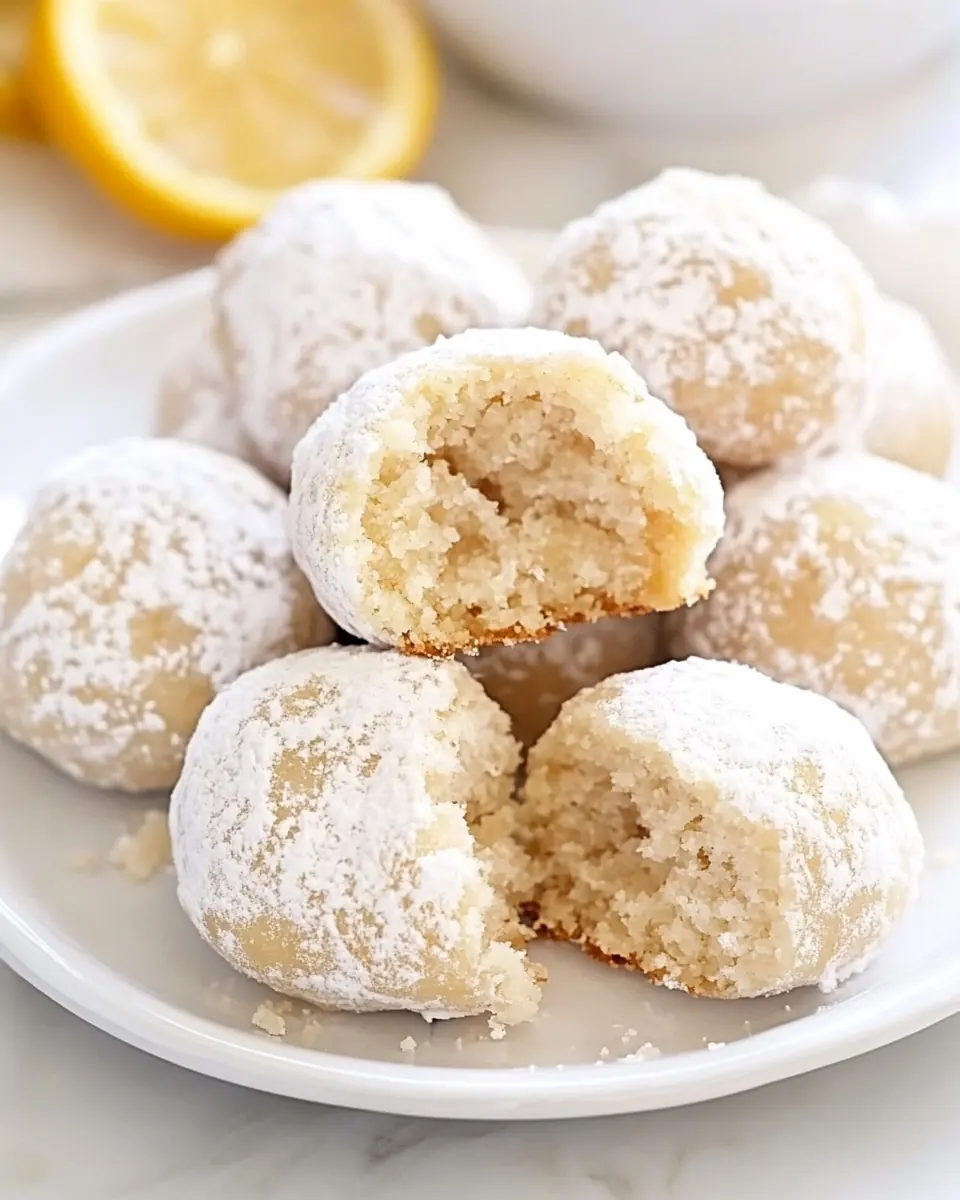
These directions are friendly and approachable. I like to walk through them slowly, so you can sense the dough transform from crumbly to smooth, and then to little snowy mounds fresh from the oven. Take your time with each sensory cue and the chill, and you will be rewarded.
- In a large mixing bowl, cream butter with a hand mixer for 30 seconds.: From the moment you begin, notice the texture change as the butter softens and becomes silky, producing a faint sheen and a gentle mechanical whisper from the beaters. This short creaming lifts the fat slightly, which helps incorporate the sugar more evenly later. If the butter looks greasy or separated, it was too warm; move the bowl to the fridge for a few minutes to firm it up. Avoid overcreaming here because you do not want to aerate the dough too much, which can lead to spreading during baking.
- Add granulated sugar and cream for 3 minutes until light and fluffy.: As you work in the granulated sugar , feel the mixture become lighter and observe a pale color emerge, with tiny air bubbles forming on the surface. The sound of the mixer will change to a softer hum as the texture smooths. This longer creaming step builds the cookie's tender crumb, so do not rush it. A common error is to under-cream, which yields dense cookies, or to over-cream, which can make them too tender and prone to losing shape.
- Add vanilla extract and mix in.: When you add the vanilla , take a breath and notice the aroma lift immediately, turning a simple dough into something more fragrant. Mix just until the vanilla is incorporated, a few short pulses with the mixer will do. Overmixing at this stage can develop gluten once flour is added, so stop as soon as the scent is even throughout the bowl. If the vanilla pools as liquid, let the mixture sit briefly so it blends uniformly.
- Add chopped nuts and flour. Mix in. The dough will be thick. You can use a wooden spoon to mix in the dry ingredients.: As you fold in the chopped nuts and all purpose flour , the texture will shift to a dense, sandy dough that holds together when pressed. You should see small flecks of toasted nut throughout. Using a wooden spoon helps protect against over mixing, which keeps the cookies tender. Watch for a shaggy mixture turning into a cohesive mass; if it is crumbly and not coming together, press gently with your hands to bring it into a ball. Avoid prolonged stirring, which is the typical mistake that toughens cookies.
- Cover the bowl and chill the dough for 30 minutes, to make it easier to roll.: Chilling firms the butter , making the dough easier to shape and preventing excessive spread during baking. You will notice the dough become more solid and easier to scoop after about 30 minutes. If you skip this rest, the cookies are likely to flatten. For a firmer result, chill slightly longer, but not so long that the dough is rock hard, which makes rolling difficult.
- Preheat oven to 325° F. Line two large baking sheets with parchment paper or silicone baking mat.: When the oven reaches 325° F , it provides a gentle environment that bakes the cookies through without browning them too much. Lining sheets prevents sticking and encourages even heat contact across the bottoms. You should hear a soft hum from the oven and feel steady warmth near the vent. Placing cold dough onto unlined sheets can cause uneven bottoms, so prepare your sheets first. A frequent misstep is using a too hot oven, which can brown the exterior before the center sets.
- Scoop 1 tablespoon of dough and roll it into balls. Place on a baking sheet, spacing them about 2" apart.: As you scoop and roll, feel the dough hold its shape in your palms, slightly crumbly but cohesive. The surface should be smooth with visible nut flecks. Spacing the balls about 2" apart gives them room to bake without crowding. If you notice dough sticking to your hands, chill them briefly or lightly flour your palms. Commonly, bakers make balls too large, which affects bake time and interior texture, so stick to the tablespoon measure.
- Bake cookies for 16 to 18 minutes.: During baking you will see the cookies remain pale with faint edges, and the aroma of toasted nuts and warm butter will fill the kitchen. The surface may develop tiny hairline cracks but should not brown significantly. The sound is mostly quiet, except for a faint oven hum. If cookies brown aggressively, your oven is too hot or the tray is too low; rotate trays mid bake if your oven has hotspots. Avoid opening the oven frequently, which causes temperature fluctuations and can change the texture.
- Cool cookies completely.: Cooling allows the centers to set and prevents the powdered sugar from melting when rolled. You will notice the cookies firm and their aroma settle into a more nutty note as they cool. A wire rack speeds this process by allowing air to circulate underneath. Rolling warm cookies is a common mistake because the sugar will dissolve into the surface, leaving a glossy finish rather than a snowy coat.
- Place powdered sugar in a shallow bowl. Roll cookies in sugar, repeat twice if needed for a thicker layer.: When you roll the cooled cookies in powdered sugar , the tactile moment is gratifying as the fine sugar clings and creates that iconic white blanket. If you repeat the roll, you will build a deeper coating that stays put. Use a shallow bowl to fully submerge the rounded top, and tap off excess gently. Rolling too early or using warm cookies will cause the sugar to melt away, so patience here preserves the look and texture.
Make It Your Own
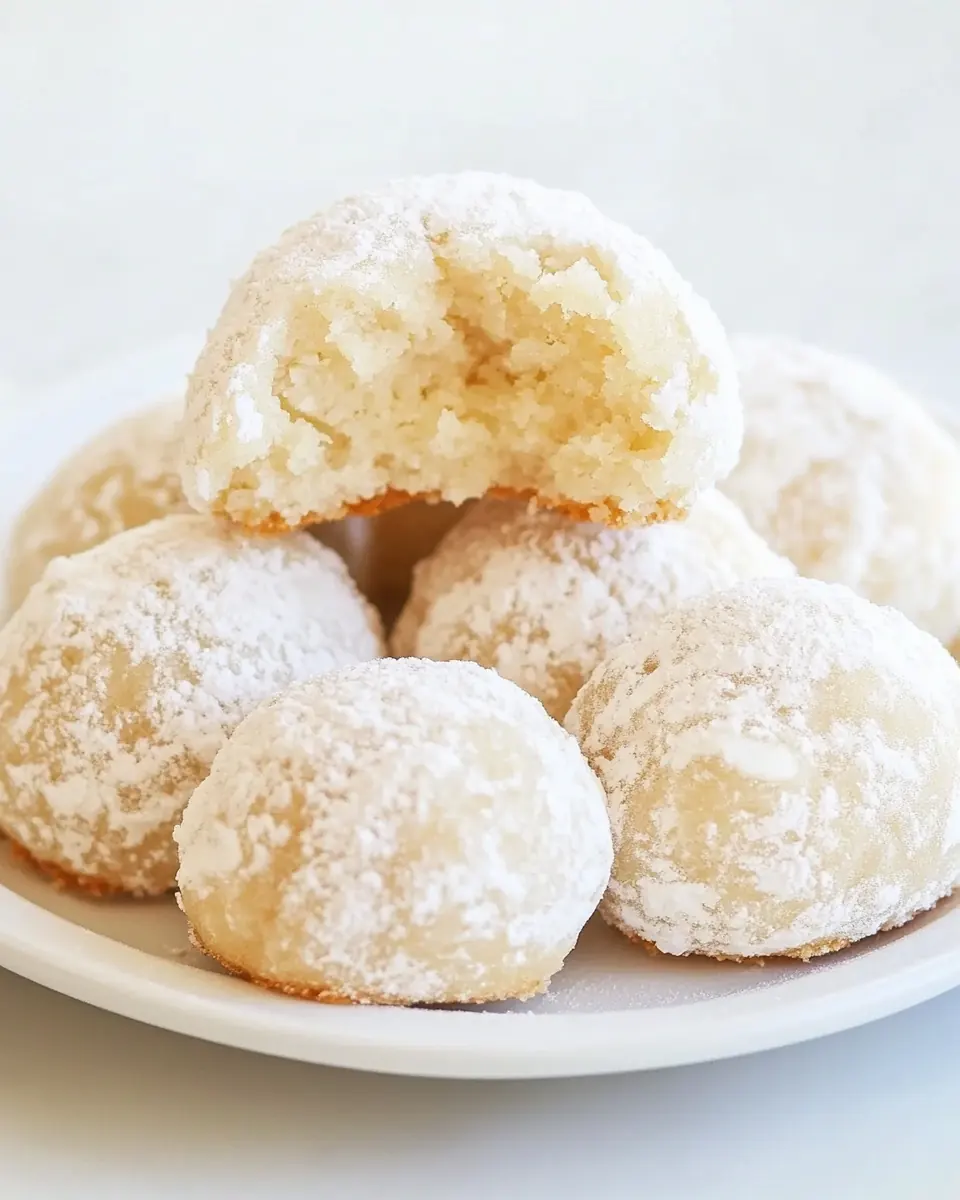
These tips will help you personalize Classic Snowball Cookies while keeping the classic texture intact. Small adjustments can make a big difference, so try one change at a time and notice the result.
- Toast the nuts lightly before chopping to deepen flavor without overpowering the cookie.
- Pulse nuts in short bursts if you prefer a uniform texture that folds smoothly into the dough.
- Chill longer if your kitchen is warm, a firmer dough is much easier to shape and creates a neater finish.
- Double roll in powdered sugar for a thicker, snowier coating that lasts through handling and gifting.
- Use a cookie scoop for consistent sizes so all cookies bake evenly and finish together.
- Store in an airtight tin layered with parchment to keep them fresh and the sugar intact for several days.
How to Serve Classic Snowball Cookies
Serving these cookies is part ceremony and part practicality. They shine when given space to be admired, but they also travel well and fit into many occasions. Consider how the presentation and pairing affect the experience.
- Holiday trays display them alongside other cookies on a platter, letting their snowy look stand out among colorful candies.
- Gift tins are perfect for neighbors and hosts, layered with parchment so each cookie keeps its coating intact during transit.
- Tea time pairs them with simple black or herbal teas, the gentle sweetness complementing a cup without overpowering it.
- After dinner serve a small plate of two or three with coffee for a modest, sweet finish to a meal.
- Storage tip place them in an airtight container at room temperature, separated by parchment, to keep the texture tender for several days.
- Occasion idea these are ideal for winter gatherings, cookie swaps, and festive celebrations where a classic, nostalgic cookie feels right at home.
FAQ
Conclusion
What makes this recipe special is its timeless balance of buttery, tender dough and a delicate powdered sugar finish that evokes holidays and quiet afternoons alike. Give these cookies a try, and you will see how a few simple techniques transform pantry staples into something memorable. Bring a tin to someone you like, savor one with your afternoon tea, or make them for a festive table; they are built to share and to comfort.
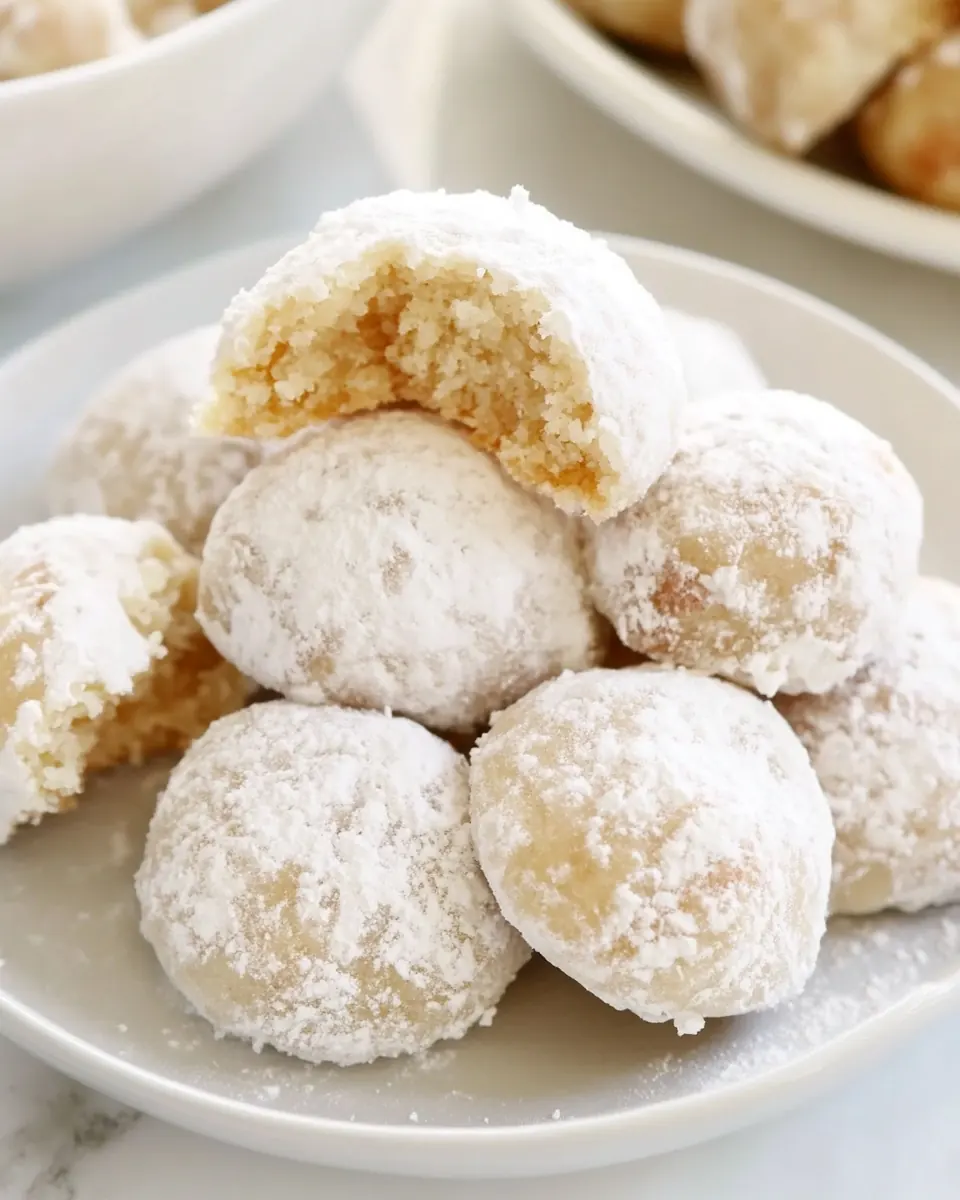
Classic Snowball Cookies
Ingredients
Equipment
Method
- In a large mixing bowl, cream butter with a hand mixer for 30 seconds.: From the moment you begin, notice the texture change as the butter softens and becomes silky, producing a faint sheen and a gentle mechanical whisper from the beaters. This short creaming lifts the fat slightly, which helps incorporate the sugar more evenly later. If the butter looks greasy or separated, it was too warm; move the bowl to the fridge for a few minutes to firm it up. Avoid overcreaming here because you do not want to aerate the dough too much, which can lead to spreading during baking.
- Add granulated sugar and cream for 3 minutes until light and fluffy.: As you work in the granulated sugar , feel the mixture become lighter and observe a pale color emerge, with tiny air bubbles forming on the surface. The sound of the mixer will change to a softer hum as the texture smooths. This longer creaming step builds the cookie's tender crumb, so do not rush it. A common error is to under-cream, which yields dense cookies, or to over-cream, which can make them too tender and prone to losing shape.
- Add vanilla extract and mix in.: When you add the vanilla , take a breath and notice the aroma lift immediately, turning a simple dough into something more fragrant. Mix just until the vanilla is incorporated, a few short pulses with the mixer will do. Overmixing at this stage can develop gluten once flour is added, so stop as soon as the scent is even throughout the bowl. If the vanilla pools as liquid, let the mixture sit briefly so it blends uniformly.
- Add chopped nuts and flour. Mix in. The dough will be thick. You can use a wooden spoon to mix in the dry ingredients.: As you fold in the chopped nuts and all purpose flour , the texture will shift to a dense, sandy dough that holds together when pressed. You should see small flecks of toasted nut throughout. Using a wooden spoon helps protect against over mixing, which keeps the cookies tender. Watch for a shaggy mixture turning into a cohesive mass; if it is crumbly and not coming together, press gently with your hands to bring it into a ball. Avoid prolonged stirring, which is the typical mistake that toughens cookies.
- Cover the bowl and chill the dough for 30 minutes, to make it easier to roll.: Chilling firms the butter , making the dough easier to shape and preventing excessive spread during baking. You will notice the dough become more solid and easier to scoop after about 30 minutes. If you skip this rest, the cookies are likely to flatten. For a firmer result, chill slightly longer, but not so long that the dough is rock hard, which makes rolling difficult.
- Preheat oven to 325° F. Line two large baking sheets with parchment paper or silicone baking mat.: When the oven reaches 325° F , it provides a gentle environment that bakes the cookies through without browning them too much. Lining sheets prevents sticking and encourages even heat contact across the bottoms. You should hear a soft hum from the oven and feel steady warmth near the vent. Placing cold dough onto unlined sheets can cause uneven bottoms, so prepare your sheets first. A frequent misstep is using a too hot oven, which can brown the exterior before the center sets.
- Scoop 1 tablespoon of dough and roll it into balls. Place on a baking sheet, spacing them about 2" apart.: As you scoop and roll, feel the dough hold its shape in your palms, slightly crumbly but cohesive. The surface should be smooth with visible nut flecks. Spacing the balls about 2" apart gives them room to bake without crowding. If you notice dough sticking to your hands, chill them briefly or lightly flour your palms. Commonly, bakers make balls too large, which affects bake time and interior texture, so stick to the tablespoon measure.
- Bake cookies for 16 to 18 minutes.: During baking you will see the cookies remain pale with faint edges, and the aroma of toasted nuts and warm butter will fill the kitchen. The surface may develop tiny hairline cracks but should not brown significantly. The sound is mostly quiet, except for a faint oven hum. If cookies brown aggressively, your oven is too hot or the tray is too low; rotate trays mid bake if your oven has hotspots. Avoid opening the oven frequently, which causes temperature fluctuations and can change the texture.
- Cool cookies completely.: Cooling allows the centers to set and prevents the powdered sugar from melting when rolled. You will notice the cookies firm and their aroma settle into a more nutty note as they cool. A wire rack speeds this process by allowing air to circulate underneath. Rolling warm cookies is a common mistake because the sugar will dissolve into the surface, leaving a glossy finish rather than a snowy coat.
- Place powdered sugar in a shallow bowl. Roll cookies in sugar, repeat twice if needed for a thicker layer.: When you roll the cooled cookies in powdered sugar , the tactile moment is gratifying as the fine sugar clings and creates that iconic white blanket. If you repeat the roll, you will build a deeper coating that stays put. Use a shallow bowl to fully submerge the rounded top, and tap off excess gently. Rolling too early or using warm cookies will cause the sugar to melt away, so patience here preserves the look and texture.
Notes
- Toast the nuts lightly before chopping to deepen flavor without overpowering the cookie.
- Pulse nuts in short bursts if you prefer a uniform texture that folds smoothly into the dough.
- Chill longer if your kitchen is warm, a firmer dough is much easier to shape and creates a neater finish.
- Double roll in powdered sugar for a thicker, snowier coating that lasts through handling and gifting.
- Use a cookie scoop for consistent sizes so all cookies bake evenly and finish together.
- Store in an airtight tin layered with parchment to keep them fresh and the sugar intact for several days.