Measure out the cooked chicken, shredded or chopped, and set it aside in the fridge. Alternatively, see note 1 for instructions to cook chicken specifically for this soup.: The kitchen fills with anticipation when I pull the prepared chicken from the fridge; the meat should be cool and easy to shred or chop so it folds into the soup without falling apart. Smell is subtle, just clean poultry aroma, which reassures me the base protein is ready. This resting preserves juices, which keeps the texture pleasant in the final bowl. A common mistake here is using hot chicken straight from cooking, which can raise the soup temperature unexpectedly and change cooking times, so keep it chilled until needed.
In a large, heavy-bottomed soup pot, heat the oil over medium heat. Once oil is shimmering, add the onion, celery, and carrot. Season with salt and pepper. Sauté, stirring frequently, until the vegetables are very tender, about 8 minutes.: As the olive oil warms, it reaches a soft shimmer and you can hear a gentle sizzle when the diced onion hits the pot. The vegetables release sweet, savory aromas as they soften and the color deepens from pale to translucent then lightly golden. This step builds the flavor foundation, breaking down fibers so they integrate into the broth. The pitfall here is cooking too hot, which causes scorching; keep the flame at medium and stir frequently so everything softens evenly without browning too quickly.
Add minced garlic, chicken bouillon, and curry powder to the pot. Stir for 1 minute or until the mixture is very fragrant. Pour in chicken stock or broth and bring the soup to a boil. Once boiling, add uncooked rice and stir. Return the soup to a boil, cover the pot, reduce heat to low, and simmer for 10–15 minutes or until the rice is tender.: The instant you stir in the garlic and curry powder , the air shifts to spicy, warm notes, and the bouillon deepens the savory profile. Listen for a quick intensification of aroma in about 30 seconds, indicating the spices have bloomed. This short toast extracts essential oils from the curry and harmonizes the savory base. Avoid leaving spices in the hot oil too long, which can turn them bitter; a minute is usually perfect.
While the rice is cooking, melt the butter in a separate medium pot over medium heat. Stir in flour and season to taste with a dash of salt and pepper. Cook, whisking constantly, for 1 minute. Slowly pour in the milk while whisking vigorously, until the mixture is smooth. Simmer until the mixture is nicely thickened; stir in the heavy cream to warm it up. Keep this mixture warm, stirring occasionally, until the rice in the other pot is tender.: When the chicken stock hits the pot, the sizzling quiets and a steam cloud rises, carrying the melded aromatics. Bringing the liquid to a boil ensures the basmati rice begins cooking at an even temperature and absorbs the seasoned broth. Visual cues include a rolling boil before adding the rice and a steady gentle bubble once it is simmering. A common error is adding rice before the liquid is fully hot, which can cause uneven cooking and gummy grains.
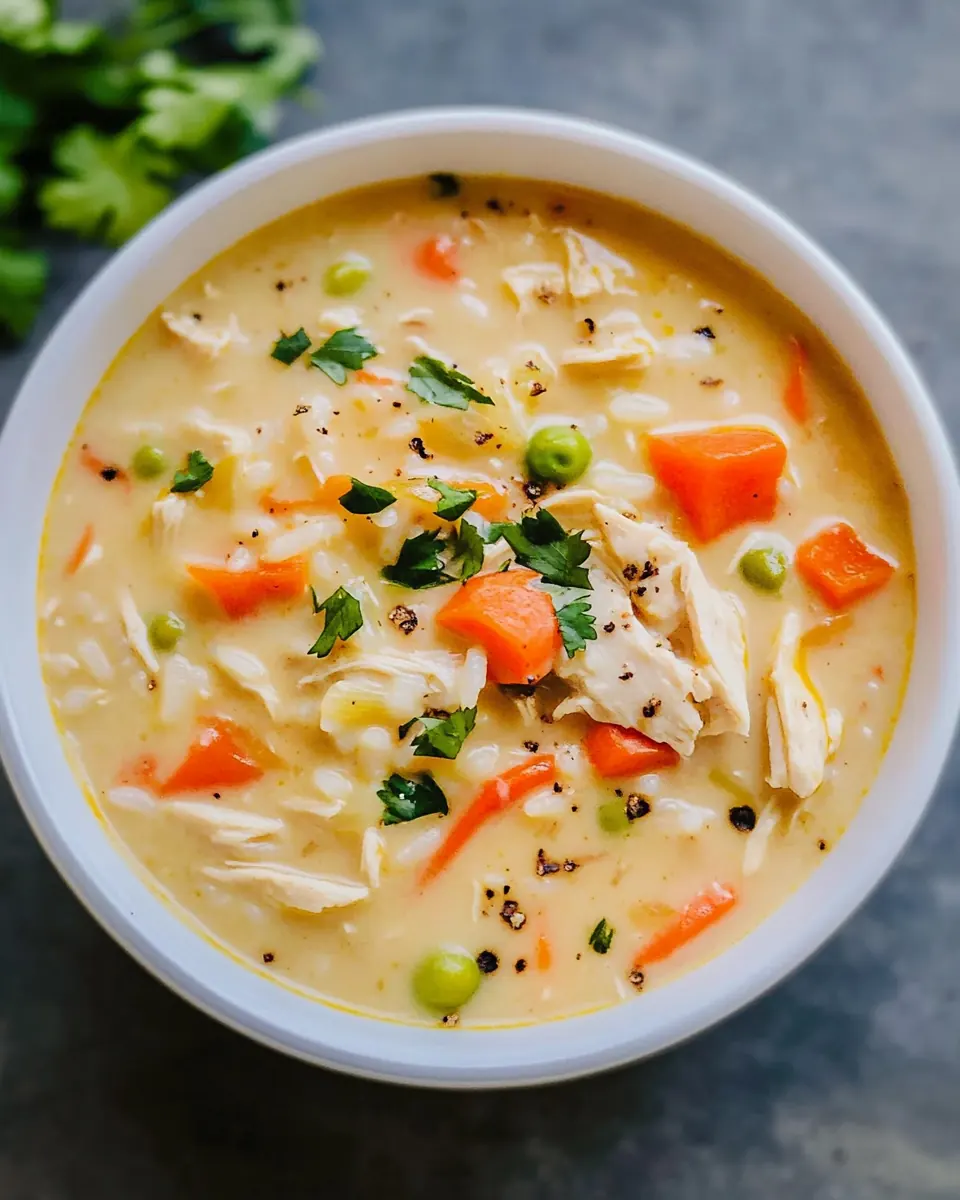
Once rice is tender, stir in the prepared chicken. Pour in the cream base and stir everything together. Remove the soup from the heat. If desired, stir in parsley and add lemon juice to taste. Season once more if needed.: As the pot simmers, the rice plumps, releasing a faint toasty scent; you should notice grains expand and the broth thicken slightly. Keeping the pot covered traps steam so the rice cooks through without the liquid evaporating too quickly. Check tenderness after about 10 to 15 minutes; the rice should be soft but not falling apart. Over stirring during this stage can release extra starch and make the soup gluey, so resist frequent agitation.
Ladle the soup into bowls and serve with warm naan. Enjoy!: The butter should shimmer and pour into a glossy pool before you sprinkle in the flour . Whisking constantly creates a smooth paste that smells faintly nutty once it cooks for a minute; this removes any raw flour taste. A well made roux is critical for the final silky texture, transforming thin milk into a luscious cream. If the roux browns too dark, it can alter the soup’s flavor, so keep the color light and the heat moderate.
Slowly pour in the milk while whisking, then simmer until thickened: As warm milk is streamed into the roux, the mixture should become glossy and homogenous with no lumps; the rhythm of pouring and whisking creates that silkiness. The scent shifts to a comforting dairy aroma while the texture goes from paste to velvety liquid. Simmer until the mixture coats the back of a spoon, which signals the right thickness. If you add cold milk too quickly, it can form lumps, so temper by pouring slowly while whisking.
Stir in the heavy cream to warm it up: Adding the heavy cream enriches the base, giving it a fuller mouthfeel and a slightly sweet dairy scent. Warm it gently so it integrates without breaking, and keep stirring occasionally to maintain smoothness. The cream helps the soup cling to each spoonful, enhancing the final mouthfeel. A common oversight is boiling the dairy aggressively, which risks separation, so keep it at a gentle simmer.
Once rice is tender, stir in the prepared chicken: When I fold cold shredded chicken into the hot pot, the meat warms through and releases a savory note that blends with the curry body. The texture contrast of tender rice and soft chicken feels balanced and satisfying. Stir gently to avoid shredding the chicken into tiny bits; a coarse texture makes the bowl more interesting. Avoid adding the chicken too early or it will become dry from prolonged heat.
Pour in the cream base and stir everything together, then remove from heat: Pouring the milk and cream mixture into the main pot creates a thick, unified broth that coats the back of a spoon and offers a pleasing sheen. The combined aromas—dairy, curry, cooked vegetables—become rounded and inviting. Taking the pot off heat stops any overcooking and preserves the delicate dairy texture. A mistake to avoid is overheating after adding the cream base, which can break the emulsion and change the mouthfeel.
Stir in cilantro and add lemon juice to taste, then season if needed: Adding finely chopped cilantro introduces a bright herbal lift, and a small splash of lemon juice balances the richness. The citrus scent will cut through the dairy, refreshing the palate. Taste carefully and adjust salt and pepper sparingly, because the bouillon already contributes sodium. Over acidifying with lemon can mask the curry profile, so add incrementally.
Ladle the soup into bowls and serve with warm naan: As you spoon the steaming soup, steam will carry all the layered aromas to the table. Serving with warmed naan gives a tactile contrast, allowing scooping and sipping. The final presentation matters because a simple garnish like cilantro makes the bowl look fresher and more inviting. A final pitfall is serving without a warm accompaniment; cold bread can feel dissonant with a hot, silky soup.