Chicken Korma
Chicken Korma is the recipe I reach for when I want comfort with a touch of ceremony, a bowl that feels like a warm embrace after a long day. The first time I made this dish I was fumbling through a spice drawer I barely knew, and what came out was a fragrant, silky curry that made even skeptical eaters ask for seconds. From that night on, this dish became a quiet celebration in my kitchen.
Years of tinkering have taught me how to coax the deepest flavor from simple elements, and with Chicken Korma I love how the textures play together. Tender pieces of chicken swim in a creamy, nutty sauce that carries subtle warmth rather than heat. It is the kind of meal you can serve for a casual weeknight or for guests when you want to impress without fuss.
There is also a ritual aspect to making Chicken Korma, the small steps that reward patience. Caramelizing thinly sliced onions until they become jammy, toasting cashews until they release their aroma, and blooming whole spices in ghee to perfume the kitchen, these little actions add up. Every time I make it I remember the first pan I burned while learning, and laugh at how forgiving the recipe is when you pay attention.
Recipe Snapshot
50 mins
20 mins
30 mins
Medium
550 kcal
Indian
Gluten-Free, Low FODMAP
Dinner
Large pot
The Magic of This Chicken Korma
Silky, layered texture
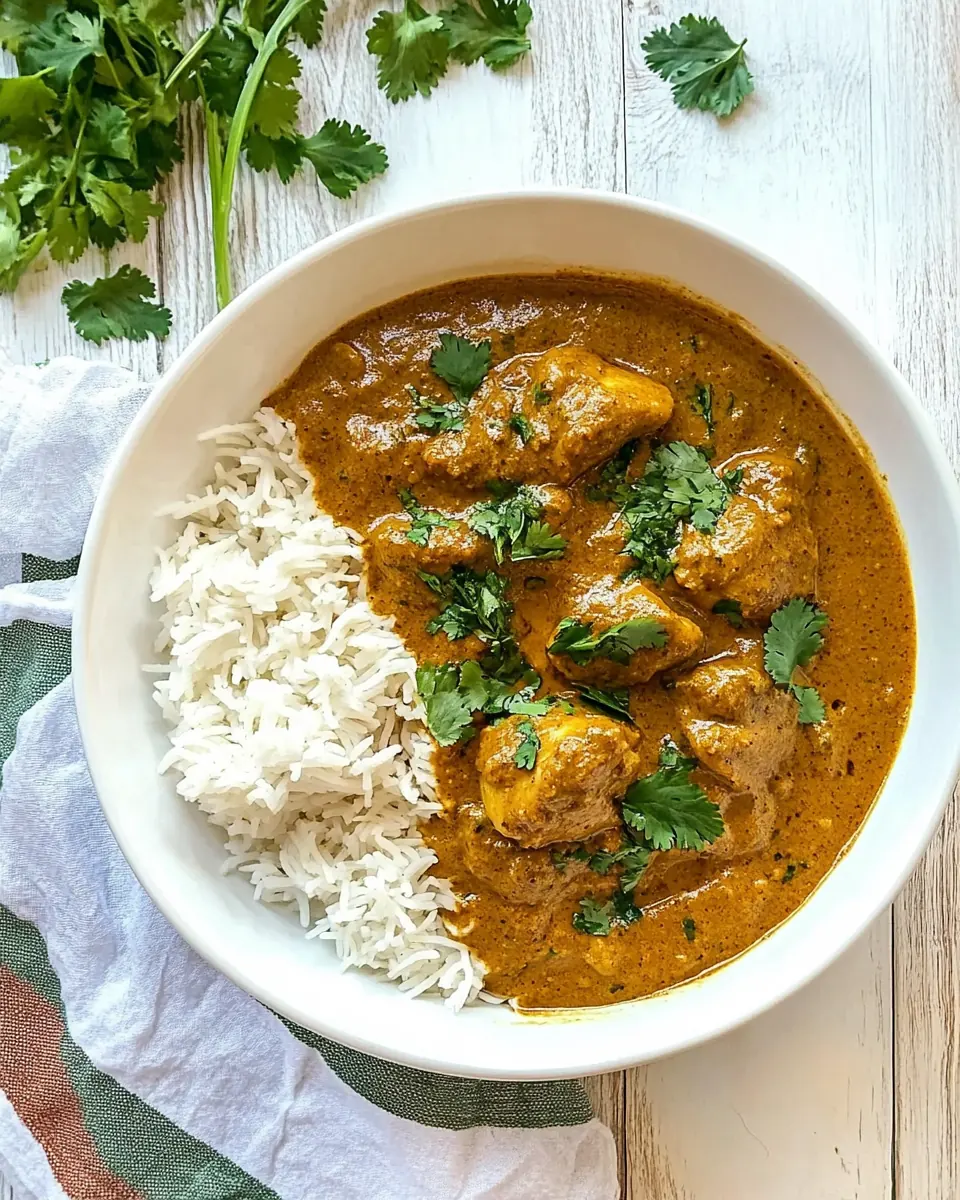
I love how Chicken Korma creates a sauce that feels rich yet balanced. The combination of pureed onions, cashews, and yogurt produces a velvety body that clings to each piece of chicken. When I spoon it over rice the sauce paints the grains, and that luxurious mouthfeel is why I keep coming back to this recipe.
Fragrant whole spices
Blooming a few whole spices in ghee transforms the aroma of the entire dish. I always let the bay leaf, cinnamon, cloves, cardamom, and peppercorns sizzle briefly until they wake up and perfume the fat. This step gives the curry depth and an inviting scent that fills the house, making every meal feel special.
Comfort with restrained heat
This version uses Kashmiri chili powder for color and a gentle warmth, not for overpowering spice. I appreciate how the dish stays mellow, letting the spices and creaminess speak. If you prefer bolder heat you can experiment, but for family dinners I like the soothing balance this recipe offers.
Flexible, family friendly
What I always mention when friends ask is how adaptable Chicken Korma is. It works for a cozy night in or for making ahead and reheating without losing charm. Leftovers keep well in the fridge, and I often find the flavors knit together even more after a day, which makes it great for meal planning.
Easy to master techniques
The recipe highlights small techniques that pay off, like caramelizing onions slowly and toasting spices in fat. I like teaching these to novice cooks because they build confidence and yield reliably tasty results. Once you understand the sensory cues, this dish becomes a dependable favorite in your rotation.
Everything You Need for Chicken Korma
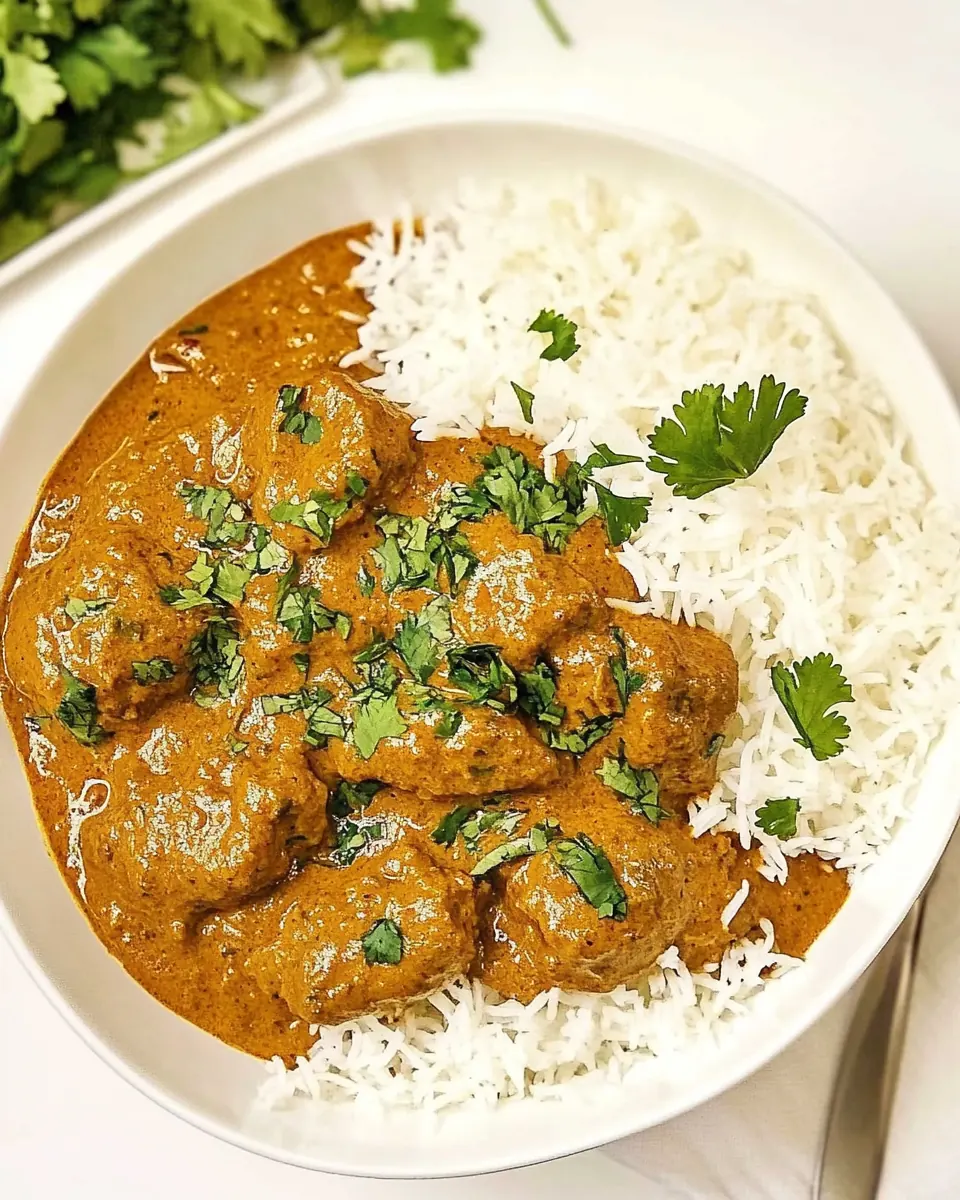
The ingredients for Chicken Korma are about layering flavor and texture. Each item plays a clear role, from the creamy foundation of yogurt and cashews, to the aromatic lift of whole spices and garam masala. You are building a sauce that is rich, balanced, and gently spiced, and the quality of a few key players makes all the difference.
- 11/2 lbs chicken thighs boneless, skinless: Trimmed and boneless, provides the primary protein and rich mouthfeel for the korma while absorbing the marinade and spices for tender results.
- 3 tablespoon plain yogurt preferably Indian dahi (curd/yogurt): Creamy and slightly tangy, contributes moisture and mild acidity to tenderize the chicken and build a silky, authentic korma base.
- 1/2 teaspoons salt: Seasoning salt that enhances overall flavor balance and helps bring out the natural taste of the chicken and other spices.
- 1 tablespoon Kashmiri chili powder: Vibrant and mildly smoky, offers color and a gentle heat characteristic of Kashmiri chilis while adding visual appeal to the curry.
- 1 teaspoon garam masala: Warm and aromatic spice blend that rounds out the curry with complex notes of cloves, cinnamon, and pepper, finishing the dish.
- 1/4 cup ghee: Clarified butter that imparts a nutty, rich flavor and provides a high-heat fat for sautéing aromatics and building the curry’s base.
- 2 medium red onions peeled and thinly sliced: Sliced and caramelized, delivers sweetness and depth when browned, forming the fragrant foundation of the korma’s sauce.
- 1/2 cup cashews roasted, unsalted: Rich and creamy nut that enriches the sauce when ground or blended, lending body and a subtle buttery flavor to the korma.
- 2 tablespoon ginger-garlic paste: Concentrated paste that gives robust, savory backbone and pungent warmth; helps integrate the flavors of onion and spices into the chicken.
- 1/3 cup plain yogurt preferably Indian dahi (yogurt): Additional creamy yogurt added to create a luscious, tangy sauce and to help mellow the spice while adding richness.
- 2 tablespoon ghee: Extra ghee used later to bloom whole spices and finish the curry with gloss and an extra layer of buttery aroma.
- 1 bay leaf preferably Indian bay leaf: Fragrant bay leaf used whole to infuse a subtle earthy, camphor-like aroma during simmering and removed before serving.
- 1 cinnamon stick: Sweet and woody bark added whole to impart warm, aromatic depth and a cinnamon sweetness that complements the korma spices.
- 10 whole cloves: Intensely aromatic spice that contributes a heady, warm flavor and a touch of sweetness when toasted whole in ghee.
- 5 green cardamom pods: Aromatic pods that add a floral, citrusy lift and bright green notes when bruised and cooked whole in the curry.
- 10 whole black peppercorns: Pungent and warming whole peppercorns that bring bright heat and complexity when toasted and simmered in the sauce.
- 1/3 cup hot water: Hot water used to adjust the sauce consistency and help blend ground nuts and yogurt into a smooth, simmering curry.
- 1 teaspoon salt: Secondary seasoning to maintain balanced saltiness throughout cooking and ensure the chicken and sauce are properly seasoned.
- 1 teaspoon garam masala: Used again to deepen the warm spice profile and ensure consistency of flavor between the marinade and the finished korma.
- 1 teaspoon ground coriander: Citrusy, slightly bitter powder that contributes earthy, herbal notes and complements the garam masala in layered spice complexity.
- 1 teaspoon Kashmiri chili powder: Repeated for color and mild heat to harmonize with other spices and reinforce the korma’s characteristic reddish hue.
- 1/3 heavy cream or half and half: Rich dairy that smooths and enriches the sauce, lending a velvety finish and mellowing the spices for a luxurious mouthfeel.
- Basmati rice: Fragrant long-grain rice typically used as an accompaniment to soak up the korma sauce and provide a neutral, aromatic base.
- cilantro chopped for garnish (optional): Fresh herb garnish that adds bright, grassy aroma and color contrast when sprinkled on top just before serving, optional.
- almonds sliced and toasted, for garnish (optional): Toasted nuts offering crunchy texture and a toasty, slightly sweet finish when scattered over the finished korma as an option.
The Method for Chicken Korma
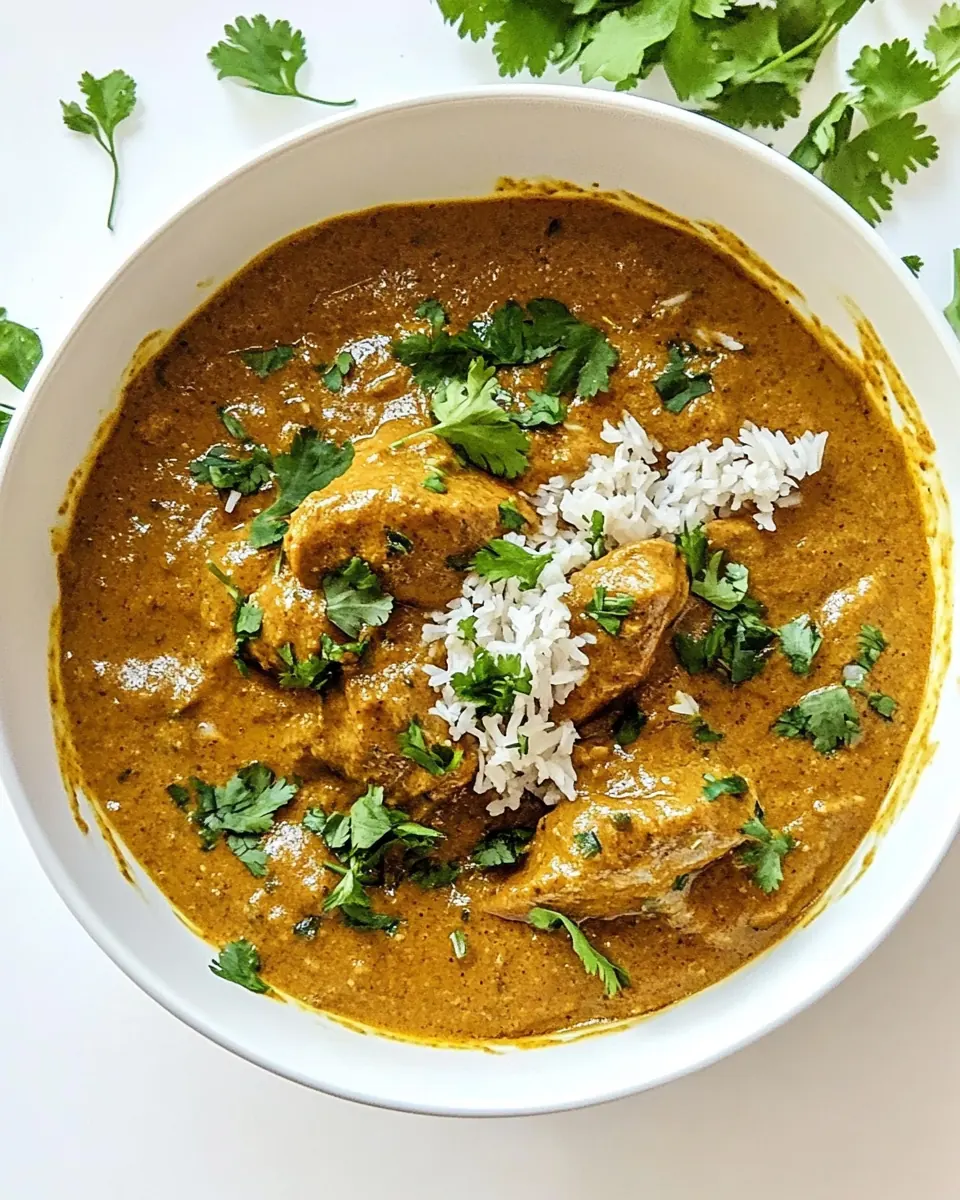
Let me walk you through the cooking flow, step by step. The method relies on patient caramelization and careful spice toasting, and when you pay attention to scent and color the results feel effortless. I like to keep tools close and taste as I go, so the curry evolves steadily.
- Place the chicken pieces in a large bowl and add the yogurt, salt, Kashmiri powder, and garam masala. Use your hands or two wooden spatulas to stir everything together until the chicken is completely coated. Set aside.: The room fills with a tangy, spiced scent as the yogurt and powders hit the chicken . At this stage you will notice the surface of the meat taking on a light coating, and the yogurt begins to cling to the pieces. This initial contact helps break down proteins slightly for a tender texture during cooking, and it also ensures the spice color will penetrate the meat. A common mistake is to skip adequate mixing, which can leave pockets of seasoning and uneven flavor. Use clean hands or two wooden spatulas to work the marinade so every piece is evenly covered, then set the bowl aside to rest and develop flavor.
- Heat the ghee in a large saucepan over medium heat.: As the ghee warms it will release a warm, buttery aroma that signals it is ready. The surface of the fat will shimmer, and you may see small wisps of steam. This is the moment to watch closely because fat that is too cool will not bloom spices, while overheated ghee can brown too fast and take on a bitter note. A common pitfall is allowing the pan to smoke, so adjust the flame to maintain a medium heat and keep the scent clean and nutty.
- Add the onions with a sprinkle of salt. Cook, stirring often, until lightly browned and starting to caramelize, about 15 to 20 minutes. Allow to cool briefly.: The onions will go through stages, from soft and translucent to golden, then to jammy brown. You will hear gentle sizzles and notice a deepening sweetness in the kitchen. Stirring often prevents sticking and ensures even caramelization, which builds the sauce base. A typical error is rushing this step with high heat, which leads to uneven browning and burnt edges. Patience here yields the savory sweetness that gives the korma its backbone.
- Place the onions, cashews, ginger-garlic paste, and yogurt into a blender and purée until smooth and silky, about 1 minute. Check the consistency – it should be similar to a somewhat thin gravy. Add about 1/2 cup of water and purée again. Set aside.: The mixture should transform into a glossy purée that is slightly pourable, and its aroma will meld into a rich, nutty perfume. The texture matters, because a coarse blend will leave grainy bits rather than a silk sauce. If the purée is too thick, add about 1/2 cup of water and purée again to reach a thin gravy consistency. Avoid overthinning which will dilute flavor. A common oversight is not cooling the onions enough before blending, which can cause a hot splatter; allow a brief cooldown for safety.
- In the same pan that you cooked the onions, add 2 more tablespoon of ghee over medium heat. Once melted, add the bay leaf, cinnamon stick, cloves, cardamom, and peppercorns. Let simmer for 1 to 2 minutes.: When the whole spices hit the warm ghee they will pop and release fragrant oils, and the aroma will deepen into a toasty, warm bouquet. Watch for tiny crackles and a rapid bloom of scent. This brief tempering is essential because it infuses the fat with spice, which then distributes through the sauce. The mistake some cooks make is skipping this step or doing it on too high a flame, leading to bitter flavors from overtoasted spices. Keep the heat steady and smell for a bright, fragrant note.
- Add the chicken and cook, stirring often, for about 10 minutes (the chicken won't be fully cooked at this point).: As the chicken hits the pan you will hear a satisfying sizzle and see the edges firm up and take on a pale golden color. Stirring keeps pieces from sticking and helps them sear evenly, locking in juices. You are looking for a change in surface texture, not complete doneness, because this pre-sear develops flavor. A common error is overcrowding the pan which causes steaming instead of browning, so give the pieces breathing room or work in batches if needed.
- Add the onion/cashew paste to the pot. Swish the hot water in the blender (to clean the insides somewhat) and pour into the pot. Stir in the salt, garam masala, coriander, and Kashmiri. Cover, reduce the heat to medium-low and let simmer for 10 minutes.: Rich, aromatic steam will rise when the purée meets the warmed pot, and the sauce will thicken as it hits the hot surface. Swish the hot water used in the blender into the pot to capture every bit of flavored purée, then stir in the salt , garam masala , ground coriander, and Kashmiri chili powder. These seasonings layer complexity, and as the mixture simmers the flavors knit together into a cohesive sauce. A typical mistake is underseasoning at this stage, so taste after a few minutes and adjust carefully. Cover, reduce the heat to medium low and let simmer for 10 minutes to allow the flavors to marry.
- Remove the lid and stir in the cream. Cover, and simmer for another 10 minutes, or until chicken is cooked through, but still very tender.: Once you remove the lid you will notice a glossy surface and the crema like texture of the sauce. Stirring in the cream mellows the spices and gives the curry a silky finish. After adding the cream, cover again and simmer for another 10 minutes, or until chicken is cooked through but still tender. The gentle simmer allows connective tissue to break down without drying the meat. A common mistake is boiling vigorously after adding dairy, which can cause separation; keep the heat low and steady.
- Serve at once with prepared basmati rice. Garnish with chopped cilantro and toasted almond slices, if desired.: During these final minutes the sauce deepens and clings to each piece, and you will sense a full, rounded aroma and a slightly thickened consistency. Check one piece to ensure it is cooked through and yields easily to a fork. Overcooking will make the chicken tough, so rely on texture rather than time alone. If the sauce seems too thick, a splash of hot water will loosen it while maintaining flavor.
- Serve at once with prepared basmati rice: The final presentation is important, because steam and aroma rise as you plate. Spoon the Chicken Korma over fluffy Basmati rice , and garnish with chopped cilantro and toasted almonds if desired for color and contrast. The contrast of silky sauce and fragrant rice makes each bite balanced and satisfying. A common misstep is letting the curry sit too long before serving, which dulls the aromas, so serve promptly and enjoy the vibrant interplay of textures.
Change It Up
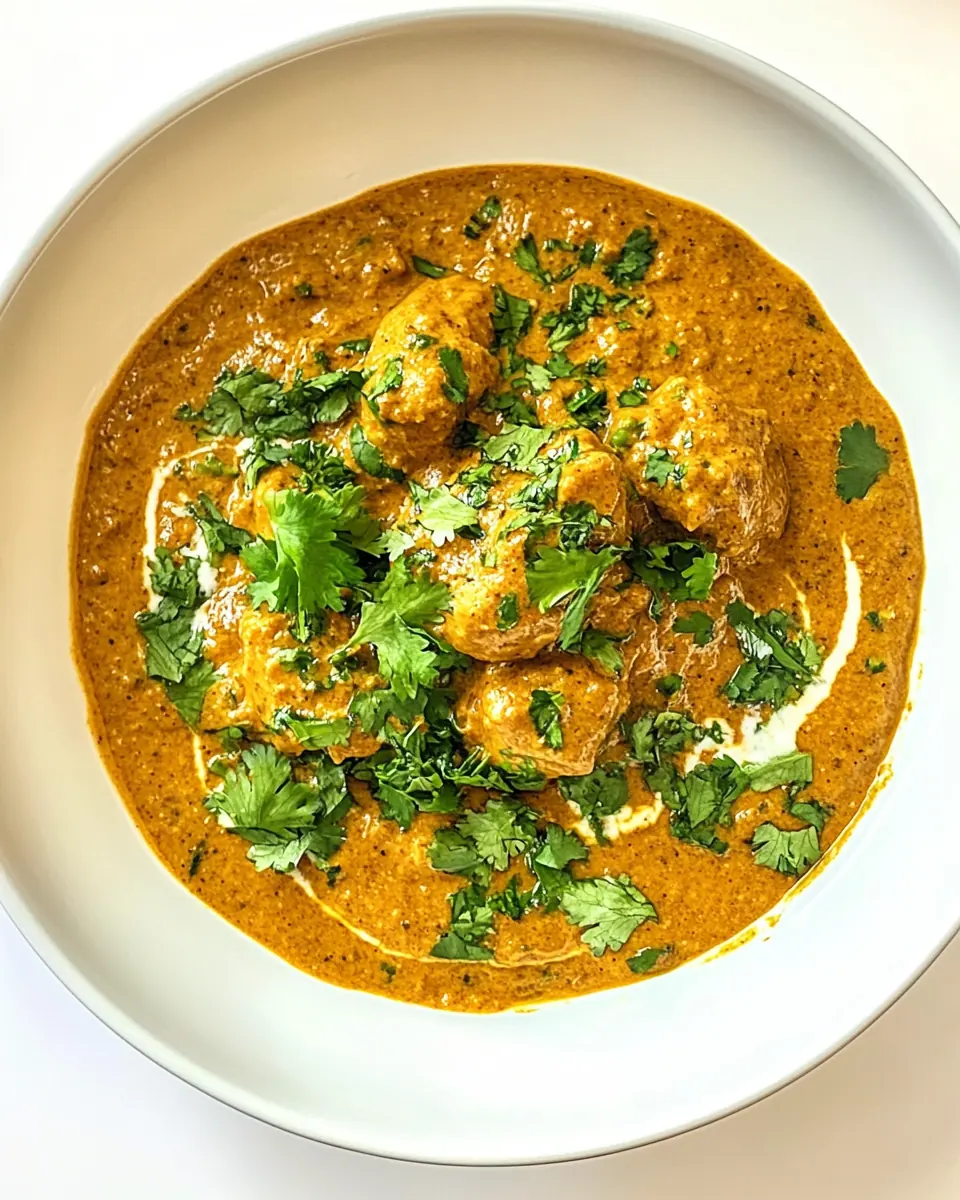
If you want to vary the experience, these tips help you tune texture, aroma, and presentation. I like to experiment with garnishes and subtle ingredient swaps while keeping the core technique unchanged. Below are practical suggestions I use to make each batch feel slightly different.
- Swap the finishing dairy Try half and half instead of heavy cream for a lighter finish that keeps silkiness while reducing richness.
- Boost nuttiness Increase the cashew quantity slightly and roast them longer for a more pronounced nutty backbone in the sauce, but watch they do not burn.
- Brighten with fresh herb Finish with chopped cilantro just before serving to add herbal brightness that cuts through the cream.
- Adjust spice gently Add a touch more Kashmiri chili powder if you prefer stronger color and mild heat, adding in small increments and tasting as you go.
- Make ahead advantage Prepare the curry a day ahead and refrigerate, the flavors meld and often taste even better after resting overnight.
What to Serve Alongside Chicken Korma
This dish pairs beautifully with simple sides that let the sauce shine. I prefer fragrant rice and minimal accompaniments that provide texture contrast. For gatherings you can add small plates for variety, and for quiet dinners a single well chosen partner is perfect.
- Fluffy Basmati rice Cooked with a touch of salt, it soaks up the sauce and offers a neutral, fragrant base for each spoonful.
- Light salad A crisp salad with cucumber and a squeeze of lemon cuts the richness and refreshes the palate between bites.
- Warm flatbreads Serve plain warm breads to mop up the sauce, they complement the texture without competing with the flavors.
- Occasion ideas This recipe works for casual weeknights, dinner parties, or festive meals during Ramadan evenings where a comforting main feels appropriate.
- Storage tips Cool quickly and refrigerate in an airtight container for up to five days, or freeze portions for longer storage.
- Seasonal pairings I enjoy this all year, pairing lighter sides in summer and heartier pulses or roasted vegetables in cooler months.
FAQ
Conclusion
This Chicken Korma shines because of its layered aromatics, silky cashew and onion based sauce, and tender pieces of chicken that soak up every bit of flavor. Give it a try at your next dinner, whether you need a comforting weeknight meal or an effortless showstopper for guests. I hope it becomes one of those recipes you make often, the kind that comforts and impresses without needing a fuss, and that each time you cook it you notice a small improvement in technique and satisfaction.
Chicken Korma
Ingredients
Equipment
Method
- Place the chicken pieces in a large bowl and add the yogurt, salt, Kashmiri powder, and garam masala. Use your hands or two wooden spatulas to stir everything together until the chicken is completely coated. Set aside.: The room fills with a tangy, spiced scent as the yogurt and powders hit the chicken . At this stage you will notice the surface of the meat taking on a light coating, and the yogurt begins to cling to the pieces. This initial contact helps break down proteins slightly for a tender texture during cooking, and it also ensures the spice color will penetrate the meat. A common mistake is to skip adequate mixing, which can leave pockets of seasoning and uneven flavor. Use clean hands or two wooden spatulas to work the marinade so every piece is evenly covered, then set the bowl aside to rest and develop flavor.
- Heat the ghee in a large saucepan over medium heat.: As the ghee warms it will release a warm, buttery aroma that signals it is ready. The surface of the fat will shimmer, and you may see small wisps of steam. This is the moment to watch closely because fat that is too cool will not bloom spices, while overheated ghee can brown too fast and take on a bitter note. A common pitfall is allowing the pan to smoke, so adjust the flame to maintain a medium heat and keep the scent clean and nutty.
- Add the onions with a sprinkle of salt. Cook, stirring often, until lightly browned and starting to caramelize, about 15 to 20 minutes. Allow to cool briefly.: The onions will go through stages, from soft and translucent to golden, then to jammy brown. You will hear gentle sizzles and notice a deepening sweetness in the kitchen. Stirring often prevents sticking and ensures even caramelization, which builds the sauce base. A typical error is rushing this step with high heat, which leads to uneven browning and burnt edges. Patience here yields the savory sweetness that gives the korma its backbone.
- Place the onions, cashews, ginger-garlic paste, and yogurt into a blender and purée until smooth and silky, about 1 minute. Check the consistency - it should be similar to a somewhat thin gravy. Add about 1/2 cup of water and purée again. Set aside.: The mixture should transform into a glossy purée that is slightly pourable, and its aroma will meld into a rich, nutty perfume. The texture matters, because a coarse blend will leave grainy bits rather than a silk sauce. If the purée is too thick, add about 1/2 cup of water and purée again to reach a thin gravy consistency. Avoid overthinning which will dilute flavor. A common oversight is not cooling the onions enough before blending, which can cause a hot splatter; allow a brief cooldown for safety.
- In the same pan that you cooked the onions, add 2 more tablespoon of ghee over medium heat. Once melted, add the bay leaf, cinnamon stick, cloves, cardamom, and peppercorns. Let simmer for 1 to 2 minutes.: When the whole spices hit the warm ghee they will pop and release fragrant oils, and the aroma will deepen into a toasty, warm bouquet. Watch for tiny crackles and a rapid bloom of scent. This brief tempering is essential because it infuses the fat with spice, which then distributes through the sauce. The mistake some cooks make is skipping this step or doing it on too high a flame, leading to bitter flavors from overtoasted spices. Keep the heat steady and smell for a bright, fragrant note.
- Add the chicken and cook, stirring often, for about 10 minutes (the chicken won't be fully cooked at this point).: As the chicken hits the pan you will hear a satisfying sizzle and see the edges firm up and take on a pale golden color. Stirring keeps pieces from sticking and helps them sear evenly, locking in juices. You are looking for a change in surface texture, not complete doneness, because this pre-sear develops flavor. A common error is overcrowding the pan which causes steaming instead of browning, so give the pieces breathing room or work in batches if needed.
- Add the onion/cashew paste to the pot. Swish the hot water in the blender (to clean the insides somewhat) and pour into the pot. Stir in the salt, garam masala, coriander, and Kashmiri. Cover, reduce the heat to medium-low and let simmer for 10 minutes.: Rich, aromatic steam will rise when the purée meets the warmed pot, and the sauce will thicken as it hits the hot surface. Swish the hot water used in the blender into the pot to capture every bit of flavored purée, then stir in the salt , garam masala , ground coriander, and Kashmiri chili powder. These seasonings layer complexity, and as the mixture simmers the flavors knit together into a cohesive sauce. A typical mistake is underseasoning at this stage, so taste after a few minutes and adjust carefully. Cover, reduce the heat to medium low and let simmer for 10 minutes to allow the flavors to marry.
- Remove the lid and stir in the cream. Cover, and simmer for another 10 minutes, or until chicken is cooked through, but still very tender.: Once you remove the lid you will notice a glossy surface and the crema like texture of the sauce. Stirring in the cream mellows the spices and gives the curry a silky finish. After adding the cream, cover again and simmer for another 10 minutes, or until chicken is cooked through but still tender. The gentle simmer allows connective tissue to break down without drying the meat. A common mistake is boiling vigorously after adding dairy, which can cause separation; keep the heat low and steady.
- Serve at once with prepared basmati rice. Garnish with chopped cilantro and toasted almond slices, if desired.: During these final minutes the sauce deepens and clings to each piece, and you will sense a full, rounded aroma and a slightly thickened consistency. Check one piece to ensure it is cooked through and yields easily to a fork. Overcooking will make the chicken tough, so rely on texture rather than time alone. If the sauce seems too thick, a splash of hot water will loosen it while maintaining flavor.
- Serve at once with prepared basmati rice: The final presentation is important, because steam and aroma rise as you plate. Spoon the Chicken Korma over fluffy Basmati rice , and garnish with chopped cilantro and toasted almonds if desired for color and contrast. The contrast of silky sauce and fragrant rice makes each bite balanced and satisfying. A common misstep is letting the curry sit too long before serving, which dulls the aromas, so serve promptly and enjoy the vibrant interplay of textures.
Notes
- Swap the finishing dairy Try half and half instead of heavy cream for a lighter finish that keeps silkiness while reducing richness.
- Boost nuttiness Increase the cashew quantity slightly and roast them longer for a more pronounced nutty backbone in the sauce, but watch they do not burn.
- Brighten with fresh herb Finish with chopped cilantro just before serving to add herbal brightness that cuts through the cream.
- Adjust spice gently Add a touch more Kashmiri chili powder if you prefer stronger color and mild heat, adding in small increments and tasting as you go.
- Make ahead advantage Prepare the curry a day ahead and refrigerate, the flavors meld and often taste even better after resting overnight.