S’mores Ice Cream Pie
S’mores Ice Cream Pie came into my life on a sunlit afternoon when I wanted to recreate that campfire magic without leaving the backyard. I remember juggling a bowl of softened ice cream and a pan of warm crumbs, feeling the sticky sweetness of the marshmallow topping on my fingertips as I hurried to keep everything from melting. It felt like a tiny, delicious rescue mission, and that first bite, cool and creamy with a crack of toasted sweetness, made all the fuss worthwhile.
Over the years I’ve made S’mores Ice Cream Pie for summer barbecues, late night cravings, and surprise guests who refuse to leave without a slice. Each time I tweak the textures, testing how the chilled filling holds against a crisp, buttery crust and a browned marshmallow crown. Friends often ask how a frozen dessert can feel so indulgent, and I tell them it’s all about contrasts, from the crunchy graham cracker base to the creamy, yielding ice cream and that warm, whisper of caramel on the top.
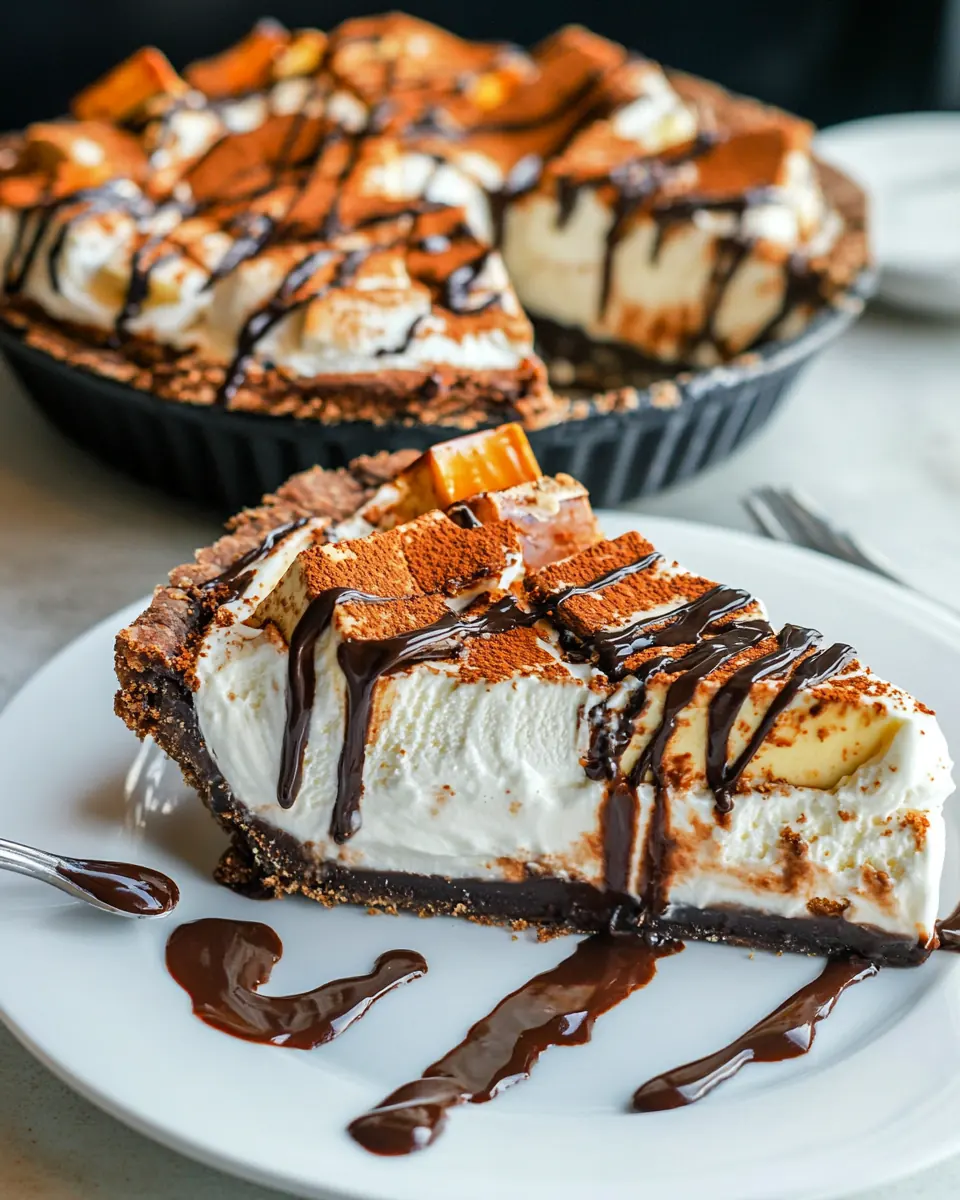
There’s a little theater to serving this pie too, because the slices look dramatic coming out of the freezer with glossy topping and a soft heart. When I bring out a pie, conversations slow, shoulders relax, and people lean in for a taste. That’s been the magic for me: a simple combination of familiar ingredients turning into a dessert that sparks smiles and stories. If you value easy showstoppers and reliable, comforting flavors, this version will become a regular in your repertoire.
Recipe Snapshot
40 mins
30 mins
10 mins
Medium
300 kcal
American
Gluten-Free, Low FODMAP
Desserts
Pie plate, Stand mixer, Candy thermometer, Small saucepan, Wire rack
Why You Need This S’mores Ice Cream Pie
Brings Campfire Nostalgia to Your Table
I love that S’mores Ice Cream Pie captures the smoky sweet memory of toasted marshmallows without needing an open flame. You get that toasted top and crunchy crust, while keeping everything chilled and easy to serve, so it feels both festive and approachable.
Textural Contrast That Wins Every Time
What thrills me is the play between the crisp graham cracker crust, the dense, creamy ice cream, and the billowy, toasted marshmallow topping. Each bite shifts textures, which keeps people intrigued and reaching for more.
Versatility for Entertaining
I often bring this pie to summer gatherings because it travels well from freezer to table, and you can finish it with a broil for dramatic browning, or keep it simply frozen for neat slices. It scales easily, and you can use store bought ice cream to save time while still impressing the crowd.
Technique That Elevates Flavor
Using a stabilized marshmallow topping made with hot syrup and gelatin gives the pie structure and a glossy finish that holds up in the freezer. I appreciate that this step turns a casual dessert into something reliably elegant.
Comfort Food, Refined
Finally, I adore that this is comfort food with a grown up touch. The salted butter notes in the crust and the option to drizzle warm sauce at serving time make each slice feel intentionally crafted, not thrown together.
What You’ll Need for S’mores Ice Cream Pie
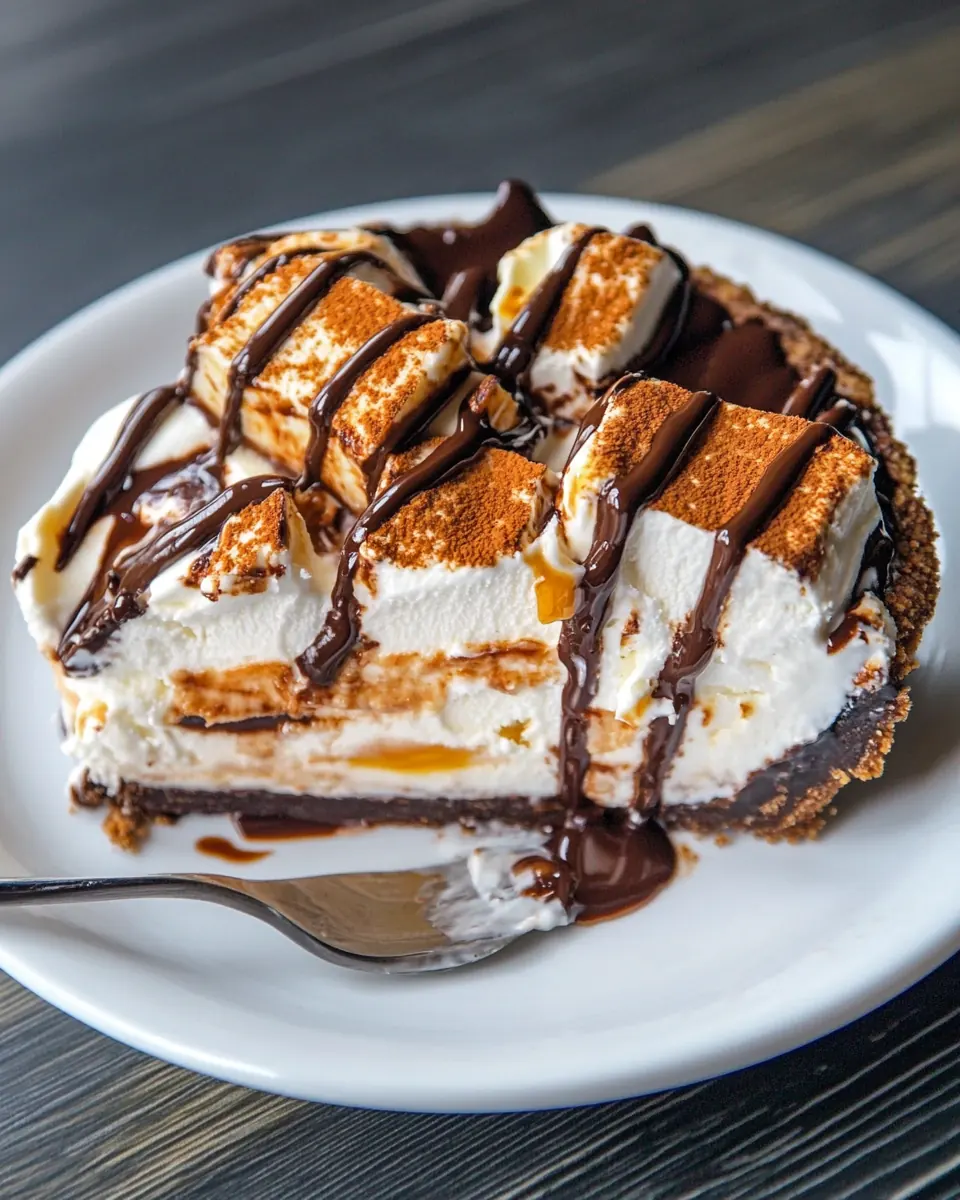
The ingredient list for S’mores Ice Cream Pie is straightforward but purposeful. Each element plays a distinct role: the graham cracker crumbs form a crunchy, slightly sweet base, melted butter binds and adds richness, while the ice cream provides the cool, creamy center. The marshmallow topping uses egg whites, sugar, corn syrup, and gelatin to create a stable, glossy finish that can be toasted for showstopping color and texture.
- 1 1/2 cups (180 g) Graham cracker crumbs: Crushed finely to form the base and provide a crisp, sweet foundation that contrasts creamy fillings; helps bind the crust when mixed with melted butter and sugar. Adds classic graham flavor that complements chocolate and marshmallow components in a S'mores pie.
- 3 tablespoons sugar: Sprinkled into the crust mixture to balance richness and add subtle sweetness; helps the crumbs adhere when combined with melted butter. Also used to sweeten other components if needed, contributing to overall flavor harmony.
- 4 tablespoons (55 g) unsalted butter, melted: Melted and incorporated into the graham crumbs to create a cohesive, sliceable crust; provides rich mouthfeel and helps set the crust as it cools. Unsalted option allows precise control of salt level in the dessert.
- 2 pints (1 qt, 1 l) ice cream, homemade or store-bought: Softened or slightly melted to spread into the prepared crust, delivering the main frozen creaminess and primary flavor of the pie; can be vanilla, chocolate, or another complementary flavor. Using homemade ice cream allows customization, while store–bought offers convenience and consistent texture.
- 1 envelope (7 g) unflavored gelatin powder: Bloomed and dissolved to stabilize a marshmallow or meringue topping, giving structure and a glossy finish that holds peaks; helps set the topping so it maintains form at room temperature briefly. Unflavored gelatin provides firming properties without altering taste.
- 1/4 cup plus 1/3 cup (60 ml, and 80 ml) cold water: Divided and used to bloom the gelatin and adjust syrup consistency; cold water first hydrates gelatin, while the additional cold water can dilute or cool syrup components. Ensures proper gelatin activation and correct texture in the topping or fillings.
- 1/3 cup (100 g) light corn syrup: Added to the meringue or marshmallow syrup to create a smooth, pliable, and glossy texture; helps prevent crystallization and yields a soft, spreadable topping. Light corn syrup also contributes moisture and stability to whipped preparations.
- 1/2 cup (100 g) sugar: Used to sweeten the syrup for the meringue or marshmallow topping and to stabilize whipped egg whites when cooked into a hot sugar syrup; controls sweetness level and texture. Granulated sugar also assists in achieving glossy, stable peaks when combined with syrup and egg whites.
- 3 large egg whites, at room temperature: Whipped to soft or stiff peaks to create a light, airy marshmallow-style topping or stabilized meringue; provides volume, structure, and a toasted finish when lightly browned. Using room–temperature whites ensures maximum volume and stable foam.
- 1 1/2 teaspoons pure vanilla extract: Added to the meringue or whipped mixture for flavor enhancement and to round out sweetness; contributes a floral, warm note that complements chocolate and graham flavors. Pure vanilla also helps mask any eggy notes in the topping.
Step by Step Guide for S’mores Ice Cream Pie
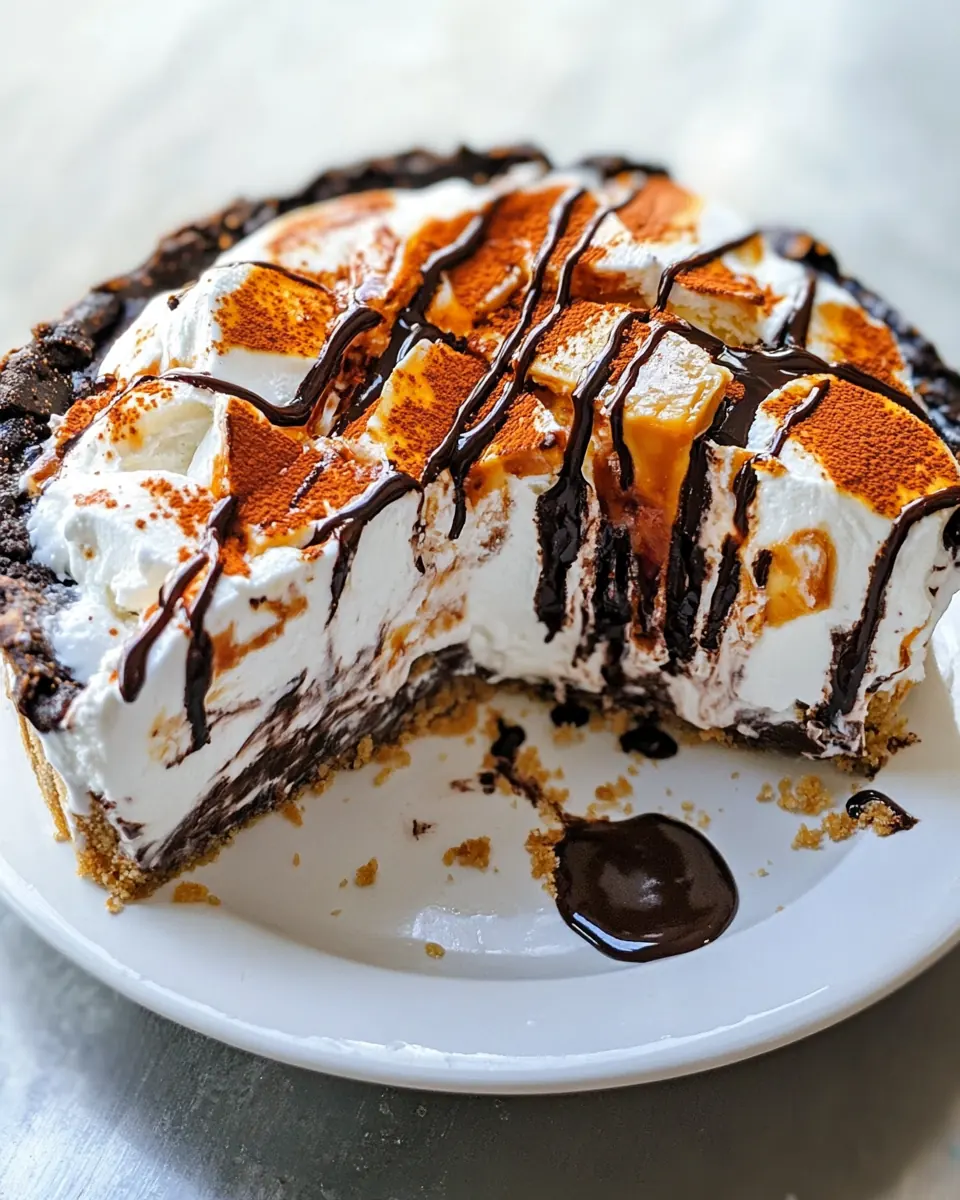
These instructions walk you through building a sturdy crust, a smooth frozen center, and a glossy toasted topping. Read each step slowly and enjoy the sensory clues you get as the pie comes together. Gather everything before you start so the hot syrup stage goes smoothly.
- Mix together the Graham crackers, sugar and butter until the crumbs are thoroughly moistened. Press them into a 9-inch (23 cm) pie tin or ovenproof pie plate (see Note at end of recipe), using a drinking glass to get the bottom of the pie crust flat, pressing the crumbs up the side with your fingers. Freeze the crust for 30 minutes.: The scent of warm butter and sweet graham cracker crumbs is immediate and comforting, and you'll feel the mixture transform from dry flakes to a cohesive, sandy mass in your hands. Pressing the crumbs releases their toasted, wheaty aroma, which foreshadows the crust's final flavor. This binding step matters because a well moistened crust will hold slices without crumbling. A common mistake here is under pressing the crust into the pan, which causes a loose base; press firmly and evenly using the bottom of a glass for an even surface.
- Preheat the oven to 375ºF (190ºC). Remove the pie crust from the freezer and bake until the crust is browned, about 10 minutes. Cool on a wire rack.: As you press, you'll notice the crumbs compact and shine slightly from the butter . Creating a uniform edge helps the filling sit neatly inside, and working the crumbs up the side gives the pie a classic profile. This shaping matters because the crust defines the structural support for the softened ice cream . Avoid leaving thin spots, which can cause leaks or uneven slices; if a section seems thin, add a pinch more crumbs and press until even.
- When the crust is cool, let the ice cream soften a bit so it's spreadable, and carefully spread it into the prepared pie shell, being careful not to break the sides. (Tip: Sometimes it helps to beat the ice cream on medium speed in a stand mixer, fitted with the beater attachment, until it's smooth and soft enough to spread.) Return the pie to the freezer.: Sliding the crust into the freezer firms the butter and sets the shape, so the crust will maintain integrity when you bake or fill it. The cold also reduces the chance of shrinkage or sagging when the crust later meets heat. A typical oversight is skipping this chill, which often leads to a crust that slumps; allow the full thirty minutes for best results.
- Sprinkle the gelatin over the 1/4 cup (60 ml) cold water in a small bowl. Let stand 5 minutes.: You will smell the faint warmth of the oven and feel a steady rise in kitchen temperature, which prepares the crust for a quick bake. This step is essential because a preheated environment browns the crust evenly and crisps it without over drying. Not preheating can lengthen bake time and cause uneven color, so make sure the oven reaches temperature before the crust goes in.
- In a small saucepan fitted with a candy thermometer, heat the remaining 1/3 cup (80 ml) cold water, corn syrup, and sugar over medium heat. Put the egg whites in the bowl of a stand mixer fitted with the whip attachment.: The visual cue is a golden, slightly darker edge and a toasted aroma that signals caramelized sugars and set butter . Baking firms the crust so it resists sogginess from the filling. If it browns too quickly, tent the edges with foil to prevent burning; a common mistake is leaving it too long which yields a bitter taste, so watch it closely in the final minutes.
- When the syrup reaches about 210ºF (99ºC), begin whipping the egg whites. When the syrup reaches 245ºF (119ºC), with the mixer on high speed, in a slow, steady stream, pour the hot syrup into the egg whites, aiming between the whip and the side of the bowl. (If the syrup hits the whip, it'll cling to the side of the bowl, rather than incorporated into the egg whites.): Cooling lets the crust finish setting and stops carryover cooking, which would otherwise continue crisping the base. The sound here is subtle, a faint settling as the crust contracts slightly. This pause matters because a hot or warm crust will melt the ice cream prematurely when you fill the pie. Avoid rushing to fill while the crust is piping hot, as that causes a soggy edge.
- Scrape the gelatin into the still-warm saucepan, stirring it until the gelatin is dissolved, then whip it into the egg whites. Continue to beat on high speed until the marshmallow topping is room temperature. Remove the ice cream pie from the freezer and spread the topping over the pie. (If you want to finish it later, you can return the marshmallow-topped pie to the freezer. Or you can broil the topping now and return it to the freezer as well, to serve later.): Softening the ice cream releases its aromatic notes and makes it silky and easier to smooth without tearing the crust. You want a spreadable, not melted, consistency so the filling sets firmly once refrozen. A common misstep is over softening, which leads to drips and longer refreeze time; aim for a scoopable, spreadable texture.
- To finish the pie, turn on the broiler of your oven. Place the pie on an upper rack of the oven and until the top is browned, watching it carefully so it browns evenly and doesn't burn.: Refreezing the pie after filling gives the center time to firm so the marshmallow topping sits correctly on a stable surface. You'll feel the cold radiate from the pie when you place it back, reassuring you the structure is locking in. Skipping this refreeze risks the topping sliding or losing shape; allow enough time to reach a firm consistency.
- Remove from the oven. To slice and serve, dip in a long, sharp knife in hot water and cut a slice of the pie, without wiping the blade: the hot water will prevent the marshmallow topping from sticking to the blade. For clean slices, you may need to rinse and wipe the blade of the knife clean between slices.: The gelatin blooms as it absorbs the water , swelling into a softer, granular mass and giving off a neutral scent. This hydration is crucial because it ensures the gelatin dissolves uniformly when warmed, preventing lumps that would ruin the topping's texture. Rushing this bloom is a typical mistake and can result in gritty strands in the final topping; give it the full five minutes.
- Serve with warm salted butter chocolate sauce.: As the mixture warms you'll see it go from murky to gleaming, and steam will rise sweetly, hinting at the syrup's concentration. The candy thermometer is your guardrail for precision; proper temperatures create a stable marshmallow. A frequent error is skipping the thermometer, which risks an under or overcooked syrup and an unstable topping, so monitor the thermometer closely.
- Put the egg whites in the bowl of a stand mixer fitted with the whip attachment: The whites will already smell faintly fresh and will whip to a soft, white foam that holds air and sheen. Whipping at the right moment ensures you incorporate the hot syrup into glossy, stable peaks. One mistake is starting with cold egg whites, which whip more slowly and to lower volume; room temperature whites are best.
- When the syrup reaches about 210ºF (99ºC) begin whipping the egg whites: At this point you begin forming the structure that will receive the hot syrup, so the sound shifts to a steady, airy hum as the whites gain body. This coordination matters because the hot syrup must be poured into actively whipping whites to properly cook and stabilize them. If you wait too long to begin whipping, the whites may not incorporate the syrup smoothly, leading to uneven texture.
- When the syrup reaches 245ºF (119ºC) with the mixer on high speed in a slow steady stream pour the hot syrup into the egg whites aiming between the whip and the side of the bowl: The stream of syrup hissing softly as it hits the bowl warms the whites and transforms them into a glossy, marshmallow mass. Pouring carefully prevents the syrup from splattering and ensures even integration. A common pitfall is pouring too quickly which can deflate the foam or cause uneven cooking; a thin, steady stream is crucial.
- Scrape the gelatin into the still warm saucepan stirring it until the gelatin is dissolved then whip it into the egg whites: The faint steam and gentle scent of dissolved gelatin signal smooth incorporation, and once folded in, the mixture becomes thicker and silkier. This step stabilizes the topping so it stays lofty and sliceable. If the gelatin is not fully dissolved, you risk gritty bits in the topping, so stir until completely clear.
- Continue to beat on high speed until the marshmallow topping is room temperature: As you beat, the topping will lose heat and become glossy and billowy, with a marshmallow scent developing as the sugars cool. Waiting for room temperature prevents the topping from melting the frozen filling beneath, and yields a spreadable, stable finish. A mistake here is stopping too early while the topping is warm, which makes it slump; cool fully to room temperature.
- Remove the ice cream pie from the freezer and spread the topping over the pie: Spreading the topping creates soft peaks and a canvas for toasting, and you'll notice a sweet, airy aroma mingling with the cold scent of the pie. The contrast between the chilled filling and the room temperature topping is dramatic, and getting an even layer helps achieve clean slices later. Avoid pressing the topping too thin, which diminishes its visual and textural impact.
- To finish the pie turn on the broiler of your oven and place the pie on an upper rack of the oven until the top is browned watching it carefully so it browns evenly and doesn't burn: Under the broiler the topping will singe to a rich amber, producing smoky caramel notes and a crisp surface that snaps slightly when you cut a slice. The visual is worth the attention, but the window between beautifully browned and burnt is narrow, so watch constantly. A common mistake is leaving the oven door open or stepping away, which risks charring; stay close and rotate as needed for even color.
- Remove from the oven to slice and serve dip in a long sharp knife in hot water and cut a slice of the pie without wiping the blade: The hissing sound of a hot knife meeting cool topping is oddly satisfying, and the blade will slice cleanly through the toasted crust and frozen center. The hot water prevents the marshmallow from sticking, producing neat portions. If you wipe the blade between slices you may drag the topping, so instead reheat the knife as needed for tidy cuts.
- Serve with warm salted butter chocolate sauce: The warm sauce pooled beside each slice melts the edge of the frozen center slightly, creating a tender contrast that enhances the pie's flavor spectrum. Pouring the sauce introduces a glossy, slightly salty note that ties together the sweet elements. Avoid drowning the slice in sauce, which can overwhelm the balanced textures; a modest drizzle is all you need.
Recipe Tips about S’mores Ice Cream Pie
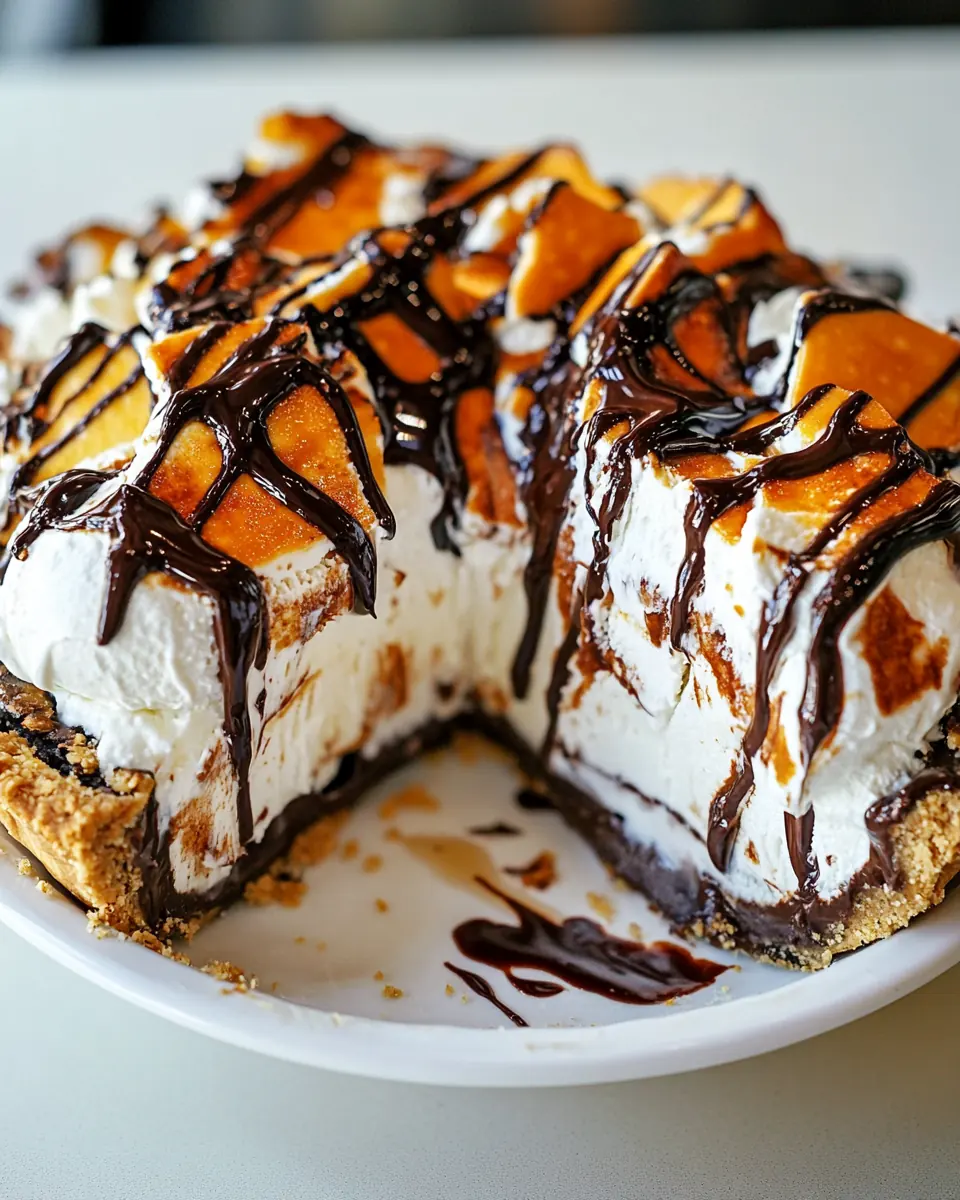
These tips collect what I’ve learned from making this pie dozens of times, so you can avoid common pitfalls and get bakery worthy results at home. Read them before you begin and keep the list nearby while you work.
- Firm crust foundation Press the crumb mixture firmly and evenly into the pan, using the bottom of a glass to create a compact base that will support the frozen filling without crumbling when sliced.
- Softening the ice cream Bring the ice cream to a spreadable consistency on the counter for just a few minutes, then smooth it quickly to avoid melting; it should be soft enough to spread but still cold so it refreezes firmly.
- Bloom the gelatin properly Allow the gelatin to absorb the cold water fully before adding it to the warm syrup to ensure it dissolves without lumps, which helps the topping set with a velvety texture.
- Thermometer discipline Rely on a candy thermometer for the syrup stage, heating to the specified temperature so the topping stabilizes and holds its shape after cooling.
- Broil with attention When toasting the marshmallow topping, use short intervals and stand nearby; the difference between golden and charred happens fast, so rotate for even browning.
Perfect Matches for S’mores Ice Cream Pie
This pie pairs beautifully with simple accompaniments and is well suited to summer gatherings, casual dinners, or any time you want a nostalgic dessert. Below I outline serving ideas, storage tips, and occasions where this dessert shines.
- Serve slightly warmed sauce Offer a warm salted butter chocolate sauce for guests to drizzle, adding a rich, glossy counterpoint to the frozen center and enhancing the chocolate notes.
- Occasion friendly This dessert is perfect for summer barbecues and evening get togethers where you want a dramatic, shareable finale that can be prepped in advance.
- Portioning guidance Slice with a hot, sharp knife for neat wedges. For parties, keep the pie in the freezer until moments before serving to maintain a firm texture that holds up on the plate.
- Storage tips After browning the topping you can freeze the pie for a few days; wrap tightly to prevent freezer burn and slice straight from the freezer using the hot knife method for clean pieces.
- Seasonal pairing This dessert feels especially at home in warm months when guests crave cool treats, though its cozy toasted notes also work well for casual autumn gatherings.
FAQ
Conclusion
This S’mores Ice Cream Pie stands out because it balances chilled creaminess with crunchy and toasted textures, creating a nostalgic yet refined dessert experience. It’s approachable enough to prepare ahead, yet dramatic enough to impress guests, and the finishing browning adds a lovely smoky sweetness. Give it a try at your next gathering, and savor how a handful of simple components can come together to create something memorable and shareable.
S'mores Ice Cream Pie
Ingredients
Equipment
Method
- Mix together the Graham crackers, sugar and butter until the crumbs are thoroughly moistened. Press them into a 9-inch (23 cm) pie tin or ovenproof pie plate (see Note at end of recipe), using a drinking glass to get the bottom of the pie crust flat, pressing the crumbs up the side with your fingers. Freeze the crust for 30 minutes.: The scent of warm butter and sweet graham cracker crumbs is immediate and comforting, and you'll feel the mixture transform from dry flakes to a cohesive, sandy mass in your hands. Pressing the crumbs releases their toasted, wheaty aroma, which foreshadows the crust's final flavor. This binding step matters because a well moistened crust will hold slices without crumbling. A common mistake here is under pressing the crust into the pan, which causes a loose base; press firmly and evenly using the bottom of a glass for an even surface.
- Preheat the oven to 375ºF (190ºC). Remove the pie crust from the freezer and bake until the crust is browned, about 10 minutes. Cool on a wire rack.: As you press, you'll notice the crumbs compact and shine slightly from the butter . Creating a uniform edge helps the filling sit neatly inside, and working the crumbs up the side gives the pie a classic profile. This shaping matters because the crust defines the structural support for the softened ice cream . Avoid leaving thin spots, which can cause leaks or uneven slices; if a section seems thin, add a pinch more crumbs and press until even.
- When the crust is cool, let the ice cream soften a bit so it's spreadable, and carefully spread it into the prepared pie shell, being careful not to break the sides. (Tip: Sometimes it helps to beat the ice cream on medium speed in a stand mixer, fitted with the beater attachment, until it's smooth and soft enough to spread.) Return the pie to the freezer.: Sliding the crust into the freezer firms the butter and sets the shape, so the crust will maintain integrity when you bake or fill it. The cold also reduces the chance of shrinkage or sagging when the crust later meets heat. A typical oversight is skipping this chill, which often leads to a crust that slumps; allow the full thirty minutes for best results.
- Sprinkle the gelatin over the 1/4 cup (60 ml) cold water in a small bowl. Let stand 5 minutes.: You will smell the faint warmth of the oven and feel a steady rise in kitchen temperature, which prepares the crust for a quick bake. This step is essential because a preheated environment browns the crust evenly and crisps it without over drying. Not preheating can lengthen bake time and cause uneven color, so make sure the oven reaches temperature before the crust goes in.
- In a small saucepan fitted with a candy thermometer, heat the remaining 1/3 cup (80 ml) cold water, corn syrup, and sugar over medium heat. Put the egg whites in the bowl of a stand mixer fitted with the whip attachment.: The visual cue is a golden, slightly darker edge and a toasted aroma that signals caramelized sugars and set butter . Baking firms the crust so it resists sogginess from the filling. If it browns too quickly, tent the edges with foil to prevent burning; a common mistake is leaving it too long which yields a bitter taste, so watch it closely in the final minutes.
- When the syrup reaches about 210ºF (99ºC), begin whipping the egg whites. When the syrup reaches 245ºF (119ºC), with the mixer on high speed, in a slow, steady stream, pour the hot syrup into the egg whites, aiming between the whip and the side of the bowl. (If the syrup hits the whip, it'll cling to the side of the bowl, rather than incorporated into the egg whites.): Cooling lets the crust finish setting and stops carryover cooking, which would otherwise continue crisping the base. The sound here is subtle, a faint settling as the crust contracts slightly. This pause matters because a hot or warm crust will melt the ice cream prematurely when you fill the pie. Avoid rushing to fill while the crust is piping hot, as that causes a soggy edge.
- Scrape the gelatin into the still-warm saucepan, stirring it until the gelatin is dissolved, then whip it into the egg whites. Continue to beat on high speed until the marshmallow topping is room temperature. Remove the ice cream pie from the freezer and spread the topping over the pie. (If you want to finish it later, you can return the marshmallow-topped pie to the freezer. Or you can broil the topping now and return it to the freezer as well, to serve later.): Softening the ice cream releases its aromatic notes and makes it silky and easier to smooth without tearing the crust. You want a spreadable, not melted, consistency so the filling sets firmly once refrozen. A common misstep is over softening, which leads to drips and longer refreeze time; aim for a scoopable, spreadable texture.
- To finish the pie, turn on the broiler of your oven. Place the pie on an upper rack of the oven and until the top is browned, watching it carefully so it browns evenly and doesn't burn.: Refreezing the pie after filling gives the center time to firm so the marshmallow topping sits correctly on a stable surface. You'll feel the cold radiate from the pie when you place it back, reassuring you the structure is locking in. Skipping this refreeze risks the topping sliding or losing shape; allow enough time to reach a firm consistency.
- Remove from the oven. To slice and serve, dip in a long, sharp knife in hot water and cut a slice of the pie, without wiping the blade: the hot water will prevent the marshmallow topping from sticking to the blade. For clean slices, you may need to rinse and wipe the blade of the knife clean between slices.: The gelatin blooms as it absorbs the water , swelling into a softer, granular mass and giving off a neutral scent. This hydration is crucial because it ensures the gelatin dissolves uniformly when warmed, preventing lumps that would ruin the topping's texture. Rushing this bloom is a typical mistake and can result in gritty strands in the final topping; give it the full five minutes.
- Serve with warm salted butter chocolate sauce.: As the mixture warms you'll see it go from murky to gleaming, and steam will rise sweetly, hinting at the syrup's concentration. The candy thermometer is your guardrail for precision; proper temperatures create a stable marshmallow. A frequent error is skipping the thermometer, which risks an under or overcooked syrup and an unstable topping, so monitor the thermometer closely.
- Put the egg whites in the bowl of a stand mixer fitted with the whip attachment: The whites will already smell faintly fresh and will whip to a soft, white foam that holds air and sheen. Whipping at the right moment ensures you incorporate the hot syrup into glossy, stable peaks. One mistake is starting with cold egg whites, which whip more slowly and to lower volume; room temperature whites are best.
- When the syrup reaches about 210ºF (99ºC) begin whipping the egg whites: At this point you begin forming the structure that will receive the hot syrup, so the sound shifts to a steady, airy hum as the whites gain body. This coordination matters because the hot syrup must be poured into actively whipping whites to properly cook and stabilize them. If you wait too long to begin whipping, the whites may not incorporate the syrup smoothly, leading to uneven texture.
- When the syrup reaches 245ºF (119ºC) with the mixer on high speed in a slow steady stream pour the hot syrup into the egg whites aiming between the whip and the side of the bowl: The stream of syrup hissing softly as it hits the bowl warms the whites and transforms them into a glossy, marshmallow mass. Pouring carefully prevents the syrup from splattering and ensures even integration. A common pitfall is pouring too quickly which can deflate the foam or cause uneven cooking; a thin, steady stream is crucial.
- Scrape the gelatin into the still warm saucepan stirring it until the gelatin is dissolved then whip it into the egg whites: The faint steam and gentle scent of dissolved gelatin signal smooth incorporation, and once folded in, the mixture becomes thicker and silkier. This step stabilizes the topping so it stays lofty and sliceable. If the gelatin is not fully dissolved, you risk gritty bits in the topping, so stir until completely clear.
- Continue to beat on high speed until the marshmallow topping is room temperature: As you beat, the topping will lose heat and become glossy and billowy, with a marshmallow scent developing as the sugars cool. Waiting for room temperature prevents the topping from melting the frozen filling beneath, and yields a spreadable, stable finish. A mistake here is stopping too early while the topping is warm, which makes it slump; cool fully to room temperature.
- Remove the ice cream pie from the freezer and spread the topping over the pie: Spreading the topping creates soft peaks and a canvas for toasting, and you'll notice a sweet, airy aroma mingling with the cold scent of the pie. The contrast between the chilled filling and the room temperature topping is dramatic, and getting an even layer helps achieve clean slices later. Avoid pressing the topping too thin, which diminishes its visual and textural impact.
- To finish the pie turn on the broiler of your oven and place the pie on an upper rack of the oven until the top is browned watching it carefully so it browns evenly and doesn't burn: Under the broiler the topping will singe to a rich amber, producing smoky caramel notes and a crisp surface that snaps slightly when you cut a slice. The visual is worth the attention, but the window between beautifully browned and burnt is narrow, so watch constantly. A common mistake is leaving the oven door open or stepping away, which risks charring; stay close and rotate as needed for even color.
- Remove from the oven to slice and serve dip in a long sharp knife in hot water and cut a slice of the pie without wiping the blade: The hissing sound of a hot knife meeting cool topping is oddly satisfying, and the blade will slice cleanly through the toasted crust and frozen center. The hot water prevents the marshmallow from sticking, producing neat portions. If you wipe the blade between slices you may drag the topping, so instead reheat the knife as needed for tidy cuts.
- Serve with warm salted butter chocolate sauce: The warm sauce pooled beside each slice melts the edge of the frozen center slightly, creating a tender contrast that enhances the pie's flavor spectrum. Pouring the sauce introduces a glossy, slightly salty note that ties together the sweet elements. Avoid drowning the slice in sauce, which can overwhelm the balanced textures; a modest drizzle is all you need.
Notes
- Firm crust foundation Press the crumb mixture firmly and evenly into the pan, using the bottom of a glass to create a compact base that will support the frozen filling without crumbling when sliced.
- Softening the ice cream Bring the ice cream to a spreadable consistency on the counter for just a few minutes, then smooth it quickly to avoid melting; it should be soft enough to spread but still cold so it refreezes firmly.
- Bloom the gelatin properly Allow the gelatin to absorb the cold water fully before adding it to the warm syrup to ensure it dissolves without lumps, which helps the topping set with a velvety texture.
- Thermometer discipline Rely on a candy thermometer for the syrup stage, heating to the specified temperature so the topping stabilizes and holds its shape after cooling.
- Broil with attention When toasting the marshmallow topping, use short intervals and stand nearby; the difference between golden and charred happens fast, so rotate for even browning.