Chicken Lasagna
Chicken Lasagna is one of those recipes that found me on a rainy evening when I needed comfort that felt grown up and familiar at the same time.
I remember standing in my kitchen with a bowl of shredded chicken left over from Sunday, a block of mozzarella rescued from the back of the fridge, and a stubborn craving for something saucy and layered. I wanted the satisfaction of a cozy casserole but without the heaviness that sometimes comes with beef. Over the years I tweaked this version until it felt just right for family dinners and for nights when guests pop over unannounced.
What I love about Chicken Lasagna is how forgiving it is. You can mix a velvety white sauce with tender spinach, fold in creamy ricotta, and let bubbling mozzarella bring everything together. Every bite offers a contrast, the soft noodles, the creamy filling, the faintly crisped top, and a whisper of parmesan that brightens the whole dish. I often make a pan to share, then tuck leftovers into the fridge for an easy reheat that tastes even better the next day.
Recipe Snapshot
1 hr 15 mins
30 mins
45 mins
Medium
450 kcal
Italian
Gluten-Free, Low FODMAP
Dinner
Large pot, Large saucepan, Whisk, 9 x 13 casserole dish, Oven, Baking sheet or foil
The Appeal of This Chicken Lasagna
Comfort Without Compromise
I love how Chicken Lasagna delivers comfort food vibes yet feels lighter than a traditional beef lasagna. The creamy bechamel in this recipe keeps the layers silky and cohesive, and because we use shredded chicken, the dish stays tender and not overly dense. When I serve it, people always remark that it tastes indulgent, but not heavy, which makes it a weeknight winner and a weekend showstopper.
Speed and Simplicity
From the start I wanted this to be approachable. Using shredded rotisserie chicken or cooked breast saves a heap of time, and the techniques are straightforward. I can get the sauce going on the stovetop while the noodles cook. That parallel work means the oven time is mostly passive, so you can prep a salad or set the table while it finishes. For busy evenings, that kind of time economy is a real lifesaver.
Layered Textures That Shine
What sets this apart are the distinct textures. The ricotta mixture gives a creamy, slightly tangy layer, while the bechamel with wilted spinach adds moisture and a silky mouthfeel. The melted mozzarella and toasted top bring those golden, slightly crisp edges that everyone fights over. I pay attention to how each component behaves so the final slice holds together but still yields a melt in the mouth experience.
Flavor Harmony
Seasoning here is simple but purposeful. A touch of parmesan and parsley brightens the whole casserole, and just enough black pepper and sea salt brings depth without masking the delicate chicken. I appreciate recipes that rely on balance rather than heavy handed spices, and this one highlights natural flavors beautifully.
Make Ahead and Shareability
This Chicken Lasagna holds up beautifully as leftovers and it freezes well, which makes it ideal for meal prep or sharing with neighbors. When I bring a pan to gatherings, it travels easily and reheats into the same comforting, creamy experience. It has become my go to for potlucks because it scales without losing its charm.
What’s In This Chicken Lasagna
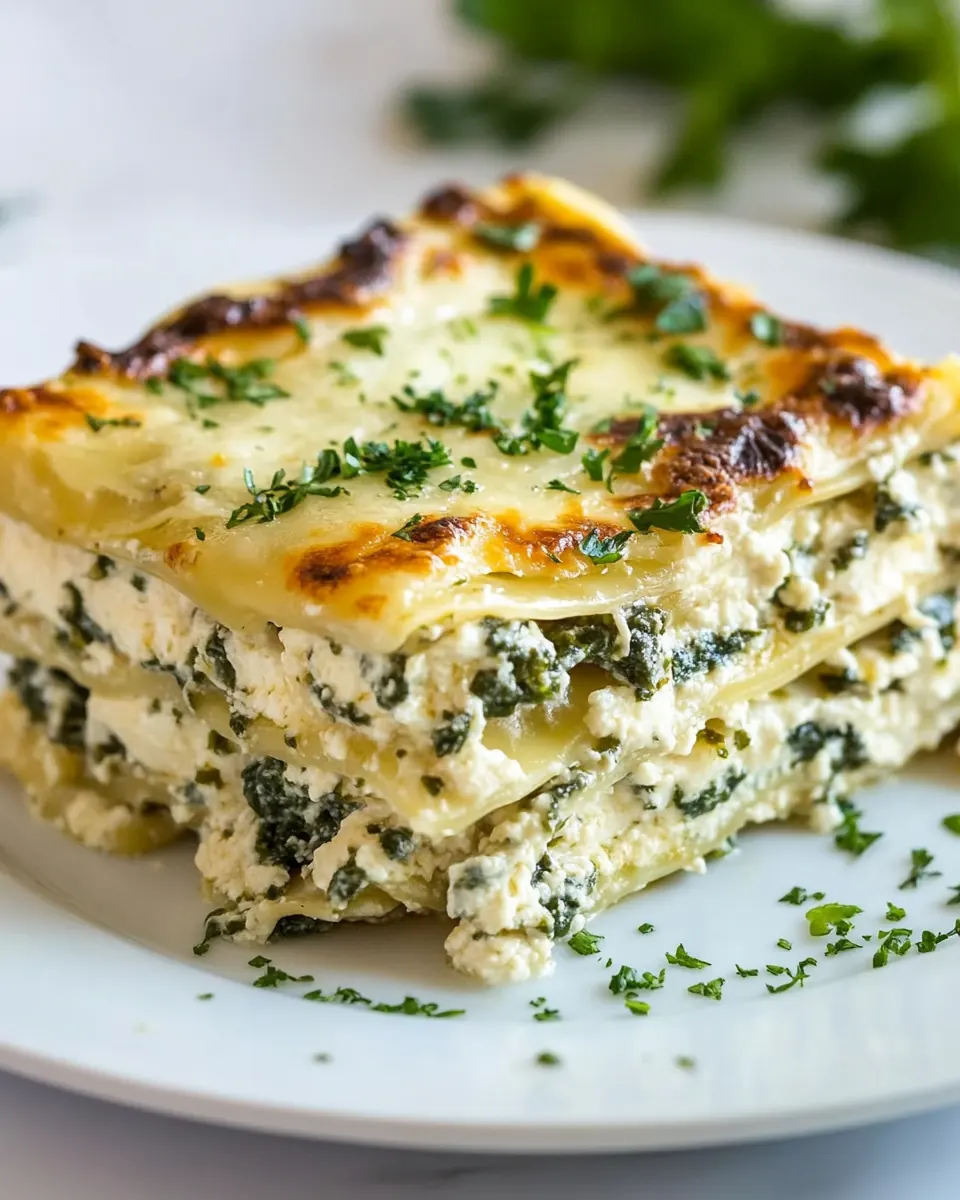
The ingredients here are chosen to build a creamy, well balanced lasagna that is both comforting and refined. I focus on three key players: the shredded chicken for protein and texture, the bechamel that binds the layers and provides silkiness, and the trio of cheeses that bring tang, creaminess, and melt. Together they create layers that slice neatly yet stay saucy, giving you an inviting cross section on the first serving plate.
- 9 lasagna noodles, cooked al dente: Boiled to al dente and layered to provide the structural base of the lasagna, offering tender chew that holds sauces and fillings without becoming mushy. Ensure noodles are cooled slightly and arranged to avoid overlapping gaps for even assembly and baking. Salted water during boiling enhances overall dish seasoning and helps the pasta absorb flavors while baking.
- 4 cups shredded rotisserie chicken, or cooked from 2 lbs chicken breast: Shredded finely and mixed throughout the layers to supply savory, protein-rich substance that contrasts with creamy cheeses. Use rotisserie for convenience or cooked breasts for control of seasoning and texture; distribute evenly to ensure each slice has balanced chicken. Warm slightly before layering to avoid cooling the béchamel and to meld flavors during baking.
- 1 tbsp olive oil: Heated briefly to sauté aromatics or to coat the pan for browning, contributing a subtle fruity note and preventing sticking. Use measured amount to control fat content and to help soften onions and garlic without overwhelming the sauce. Add at start of aromatic cooking to release flavors and create a glossy base.
- 1 medium onion, finely chopped: Chopped finely and sautéed to build a sweet, savory aromatic foundation for the sauce, adding moisture and texture to each layer. Cook until translucent to release natural sugars and deepen the overall flavor of the béchamel and filling. Evenly distributed pieces ensure warm, tender bites throughout the lasagna.
- 4 tbsp unsalted butter: Melted to create a rich, smooth roux when combined with flour for the béchamel, adding depth and a silky mouthfeel. Use quality unsalted butter so you can control salt levels, and heat gently to avoid browning before adding flour. Incorporate fully to achieve a lump-free sauce that binds the layers.
- 1/3 cup all-purpose flour: Whisked into melted butter to form a roux that thickens the béchamel, contributing structure and eliminating raw flour taste. Cook briefly until fragrant but pale, then slowly add liquids to create a smooth, stable white sauce that coats the chicken and noodles. Proper incorporation ensures creamy consistency without graininess.
- 2 1/2 cups chicken broth: Simmered into the roux to form the primary liquid body of the béchamel, lending savory depth and chicken flavor to the sauce. Warm broth before adding to prevent lumps and to control sauce thickness, adjusting amount for desired creaminess. Use good-quality broth to enhance overall taste without extra seasoning.
- 1 1/2 cups half and half, (or equal parts of heavy cream and milk): Poured in with the chicken broth to enrich and mellow the béchamel, providing creaminess and a tender mouthfeel that complements the cheeses. Substitute combination of heavy cream and milk if preferred to match desired richness; temper into the roux gradually for smooth texture. Controls final sauce body and richness in the lasagna.
- 5 oz fresh spinach, coarsely chopped: Chopped coarsely and folded into the filling to add fresh herbaceous flavor, color, and a tender leafy contrast to the creamy layers. Wilt briefly in the béchamel or sauté beforehand to reduce moisture and prevent a watery casserole. Even distribution ensures bursts of green and nutrition in each serving.
- 2 tsp sea salt: Measured precisely to season the sauce and fillings, enhancing flavors without overpowering the creamy elements; helps balance the richness of dairy and chicken. Sprinkle into béchamel and ricotta mixtures, tasting as you go to avoid over-salting. Sea salt contributes clean, bright seasoning that lifts the entire dish.
- 1/2 tsp black pepper: Ground and added to provide mild heat and aromatic warmth that complements the herbs and cheeses, balancing the savory profile. Use freshly cracked pepper for best fragrance and adjust to personal preference while mixing sauces. Even sprinkling ensures subtle, consistent peppery notes in each bite.
- 3 garlic cloves, minced: Minced and sautéed with onions to create pungent, aromatic depth that permeates the béchamel and chicken filling, enhancing savory complexity. Add toward the end of aromatic sautéing to avoid burning and to keep a fresh garlic flavor. Properly cooked garlic melds with dairy for a rounded, savory backbone.
- 15 oz ricotta: Blended into the cheese layer to contribute creamy tang and body, helping bind the shredded chicken and other cheeses for cohesive slices. Use whole ricotta for best texture; drain lightly if overly wet to avoid thinning the lasagna. Combining with egg and herbs ensures stability and richness in the filling.
- 1 large egg: Beaten and mixed into the ricotta to act as a binder that firms the cheese layer during baking and improves sliceability. Incorporate fully to create a uniform, slightly custardy texture when combined with cheeses and chicken. Fresh egg also adds subtle richness and helps set the filling.
- 1/4 cup parsley: Chopped and stirred into the ricotta mixture to provide fresh herbal brightness and visual contrast, lifting the creamy layers with a mild, grassy taste. Use flat-leaf parsley for best flavor and chop finely to distribute evenly. Parsley also adds a pleasant color accent to each portion.
- 1/4 cup parmesan cheese: Grated and folded into the cheese filling to contribute sharp, nutty umami and to enhance overall savory complexity of the lasagna. Blend thoroughly with ricotta and shredded cheeses so the parmesan melts into the sauce and layers, creating depth of flavor. A little goes a long way to boost richness.
- 3 cups mozzarella cheese, 12 oz by weight, divided (reserve 1 cup for topping): Shredded and layered for gooey, melty texture and mild milky flavor, providing the classic stretchy cheese pull that crowns each serving; reserve part for topping to form a golden crust. Distribute evenly between layers to ensure concatenated melting and binding of ingredients. Use divided amount as specified for proper cheesiness balance.
How to Make Chicken Lasagna
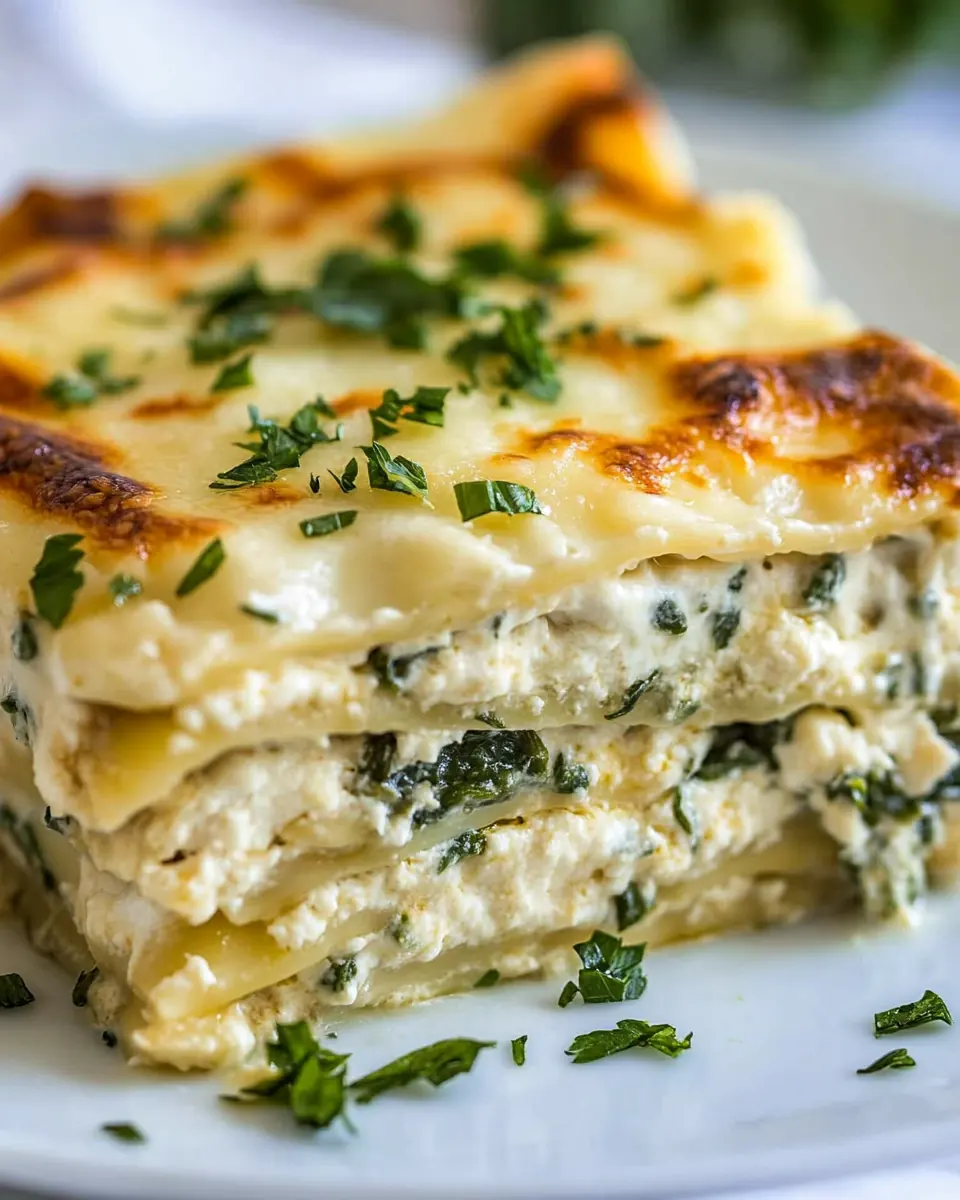
These steps are conversational but thorough, guiding you through building the layered lasagna. Work with parallel tasks like boiling the noodles while you start the sauce, and keep tasting as you go. Layering is satisfying, so take your time to get even portions into each layer before baking.
- Preheat oven to 375˚F. Cook pasta in a large pot of salted water until al dente according to package instructions then drain hot water and add cold water to the pot to stop the cooking process and prevent noodles from sticking together. Shred 4 cups of chicken.: The moment the oven goes on you are committing to the finish, and the warm oven aroma later will feel like a reward. You'll notice a slight savory steam when the pasta cooks and the noodles should still have a firm bite when you taste them, that tells you they will hold up in the layers. Rapidly cooling the noodles in cold water halts carryover cooking and prevents them from becoming limp, which is essential so they do not turn mushy in the oven. One common mistake is letting the noodles sit and stick together, so toss them lightly with a drizzle of olive oil or separate them on a sheet as they cool. If your chicken is oily or wet, pat it dry so it does not add excess moisture to the lasagna.
- Place a pot or large saucepan over medium heat, add 1 Tbsp olive oil and saute onions for 3-4 minutes or until softened. Add 4 Tbsp butter and whisk in 1/3 cup flour. Continue whisking 3 minutes or until flour mixture is golden.: As the onion softens you'll smell a gentle sweetness, and that scent becomes the savory backbone of the sauce. When you add the butter and flour , a pale roux forms; stirring constantly creates a smooth paste that, when cooked to a golden hue, eliminates raw flour taste and adds a nutty depth. The sound will be a soft bubble rather than a vigorous sizzle if the heat is right. If you rush and let the roux brown too fast or burn, it will lend a bitter edge, so keep the heat moderate and the whisk moving. The whisking also prevents lumps, and if any form, a splash of warm liquid later will help smooth them out.
- Add 2 1/2 cups chicken broth, 1 1/2 cups half and half, 2 tsp salt, and 1/2 tsp black pepper. Whisk until smooth and simmer 5 minutes until thickened to a light gravy consistency.: When the liquids meet the roux the sauce will quickly transform from paste to silk, and you'll see it thicken as it simmers. The aroma will become fuller, with the broth adding savory notes while the half and half brings creaminess. Cook until it coats the back of a spoon with a light, pourable consistency. Avoid boiling aggressively which can break emulsions or make the sauce grainy; a gentle simmer is best. If your sauce ends up too thin, simmer a little longer, stirring frequently. If it gets too thick, whisk in a splash of broth to loosen it.
- Add minced garlic and chopped spinach, and stir to combine then remove from heat.: Adding the minced garlic and spinach at this stage preserves their bright flavors and prevents the garlic from becoming bitter. The spinach will wilt into the warm sauce, releasing a fresh, vegetal aroma and a tender green texture. Stirring gently incorporates the leaves without overworking them. Removing from heat preserves the creamy texture and prevents the dairy from separating; if you accidentally overheat, stir vigorously off the heat and a touch more cream can help bring the sauce back together.
- In a large bowl, whisk together: ricotta, egg, 2 cups mozzarella cheese, 1/4 cup parmesan, and 1/4 cup parsley.: ricotta, egg, 2 cups mozzarella cheese, 1/4 cup parmesan, and 1/4 cup parsley. : The bowl will yield a thick, cohesive ricotta mixture that spreads easily. As you whisk, the egg binds the curds and the cheeses melt into a creamy, slightly elastic filling. The fresh scent of parsley lifts the mixture, and the texture should be smooth without being runny. If the ricotta feels grainy, a quick beat or a hand mixer for a few seconds smooths it out. Avoid adding too much liquid here, because a sloppy cheese layer will make the lasagna difficult to slice cleanly.
- Add a little bechamel sauce on the bottom of a 9 x 13 casserole dish, add 3 noodles, add 1/2 ricotta sauce, 1/2 shredded chicken then ladle 1/3 of spinach sauce over the chicken.: The initial smear of bechamel prevents sticking and ensures the bottom layer stays moist. When you place the three noodles, space them so edges overlap slightly for structural integrity. Dollop half of the ricotta mixture, scatter half the shredded chicken , and then gently ladle a third of the spinach bechamel so the ingredients marry without shifting. The visual cue is a glossy, even coverage of sauce. A mistake people make is piling too much filling in one spot which causes uneven baking; distribute evenly and press gently so layers sit flush.
- Add 3 noodles, 1/2 ricotta cheese, 1/2 shredded chicken, and 1/3 spinach sauce.: Repeat the layering rhythm to build height and consistency. As you add the second set of noodles and fillings, press lightly with the back of a spoon so there are no air pockets which can cause drying. You should hear a soft settling sound as the layers compact. Keep an eye on balance, making sure each ingredient covers the noodles in an even layer. If you notice a soggy spot forming, a slight rearrangement before baking can fix it; avoid overfilling the pan.
- Add 3 noodles, remaining 1/3 sauce, and sprinkle on reserved 1 cup cheese.: The final noodle layer seals in the fillings, and pouring the remaining sauce over it invites even cooking and browning. Sprinkle the reserved cup of mozzarella evenly to create that coveted golden top. The cheese will melt into a glossy sheet and then brown under the broiler for texture. If your top looks patchy, spread a little more sauce before adding cheese to encourage uniform melting.
- Cover and bake: arrange 10-12 toothpicks over the top to keep the foil from touching the cheese then cover with a large sheet of foil. Bake on the center rack in a preheated oven at 375˚F for 45 minutes then uncover and broil 2-3 minutes to brown the cheese. Rest at least 10 minutes uncovered before slicing.: arrange 10-12 toothpicks over the top to keep the foil from touching the cheese then cover with a large sheet of foil. Bake on the center rack in a preheated oven at 375˚F for 45 minutes then uncover and broil 2-3 minutes to brown the cheese. Rest at least 10 minutes uncovered before slicing. : During the covered bake you'll notice a gentle bubbling at the edges, and the aroma will fill the kitchen with creamy, toasty notes. The toothpick trick prevents the foil from sticking to the cheese so the top remains intact and glossy. After baking, a quick broil will add caramelized color and a slight crisp, but watch closely since cheese can go from golden to burnt quickly. Resting is essential; it allows the layers to settle so slices hold together. Cutting too soon is a common error that yields sloppy pieces, so be patient and let the pan cool slightly before serving.
Recipe Variations about Chicken Lasagna
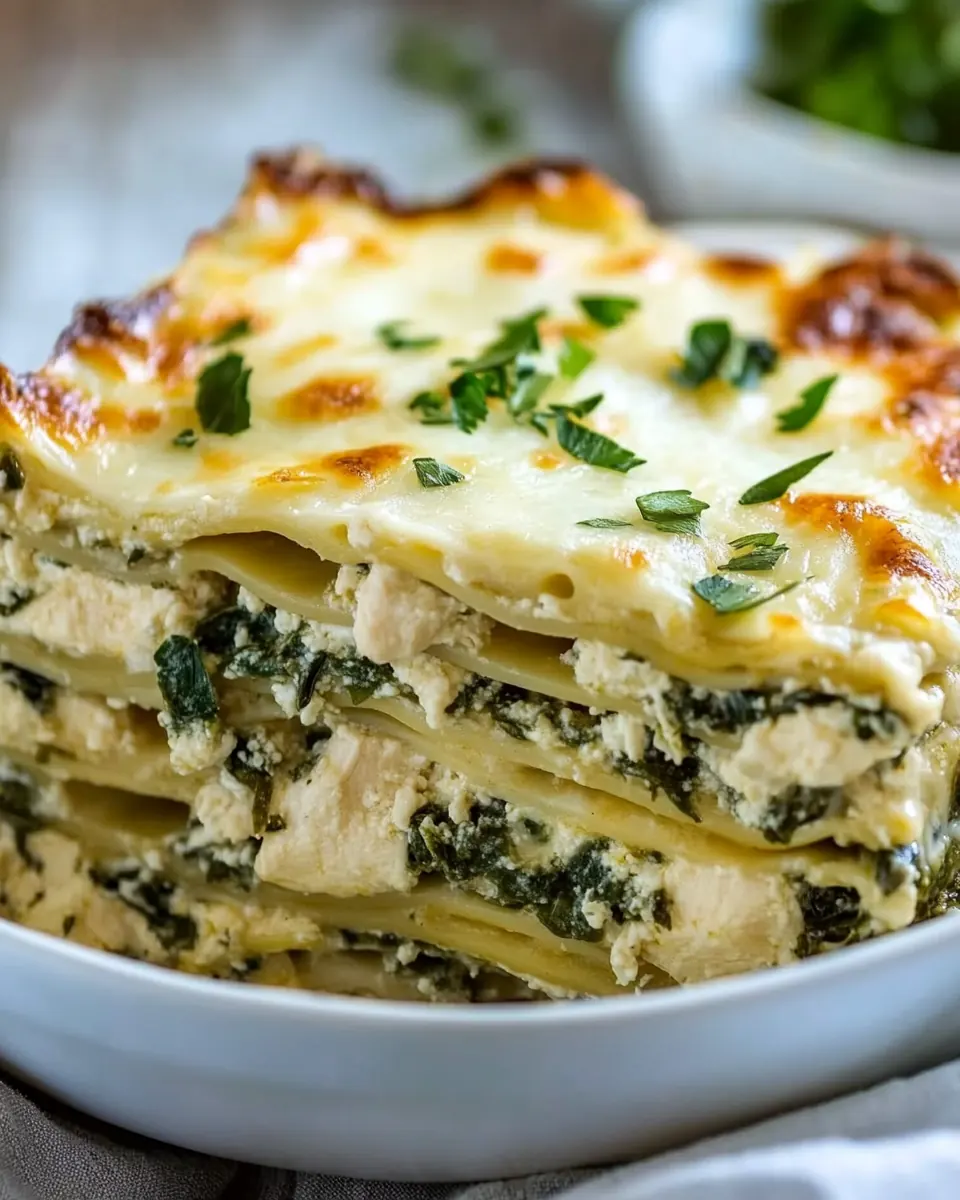
This list explores variations and small shifts you can make to the core method to suit tastes, time constraints, or available pantry items. Each tip begins with a bolded lead so you can skim to ideas quickly.
- Use Rotisserie for Speed – If you are short on time, swap in shredded rotisserie chicken to skip poaching or roasting. It adds savory depth and frees you to focus on the sauce and assembly.
- Make It Ahead – Assemble the lasagna up to the point of baking and refrigerate up to 24 hours. Bring it to room temperature for 20 minutes before popping it in the oven to ensure even cooking.
- Switch Dairy for Creaminess – If you want a richer bechamel, replace the half and half with a heavier cream and a splash of milk to maintain pourable consistency while increasing silkiness.
- Fresh vs Dried Pasta – Use no boil lasagna sheets if you prefer a simpler assembly; reduce the sauce slightly to avoid excess liquid so the sheets soften correctly while baking.
- Extra Greens – Fold extra chopped spinach into the ricotta mixture for more vegetal flecks and added color if you want a heartier vegetarian note alongside the chicken.
- Cheese Swap – If you want a tangier profile, increase parmesan slightly and reduce mozzarella by a little to keep the melt but boost savory umami.
What to Serve With Chicken Lasagna
This section outlines complementary sides, occasions, storage guidance, and serving styles to make the most of your pan of Chicken Lasagna. Choose a few simple elements to round out the meal and let the lasagna shine.
- Simple Green Salad – A crisp salad with a light vinaigrette cuts through the richness of the lasagna and adds a refreshing counterpoint suitable for dinner or a casual Sunday lunch.
- Garlic Bread – Warm slices brushed with olive oil and garlic complement the cheesy top, and they are great for mopping up any lingering sauce when serving family style.
- Steamed Vegetables – Lightly steamed seasonal vegetables such as broccoli or green beans provide color and texture contrast, and they make the meal feel balanced and approachable.
- Occasions – This dish works for weeknight dinners, potlucks, and holiday gatherings where a comforting main that feeds many is appreciated. It travels well and reheats reliably for buffet style service.
- Storage Tips – Cool fully before covering and refrigerate for up to four days. For freezing, wrap tightly and freeze up to three months; thaw overnight in the refrigerator before reheating gently in the oven.
- Reheating – Reheat slices covered at a low oven temperature until warmed through to preserve moisture, or microwave covered briefly with a splash of water to ward off dryness.
- Serving Style – Serve slices with a garnish of fresh parsley and a light sprinkle of reserved parmesan for brightness, and offer extra black pepper at the table for those who like a little heat.
FAQ
Conclusion
This Chicken Lasagna stands out because it balances creamy bechamel, tender shredded chicken, and melty cheeses into one comforting yet approachable casserole. I hope the layered textures and familiar flavors inspire you to make it soon, whether for a family dinner or a make ahead meal. Give it a try, savor the golden top and silky interior, and enjoy the way leftovers deepen in flavor the next day. It’s one of those dishes that rewards patience and invites sharing around the table.
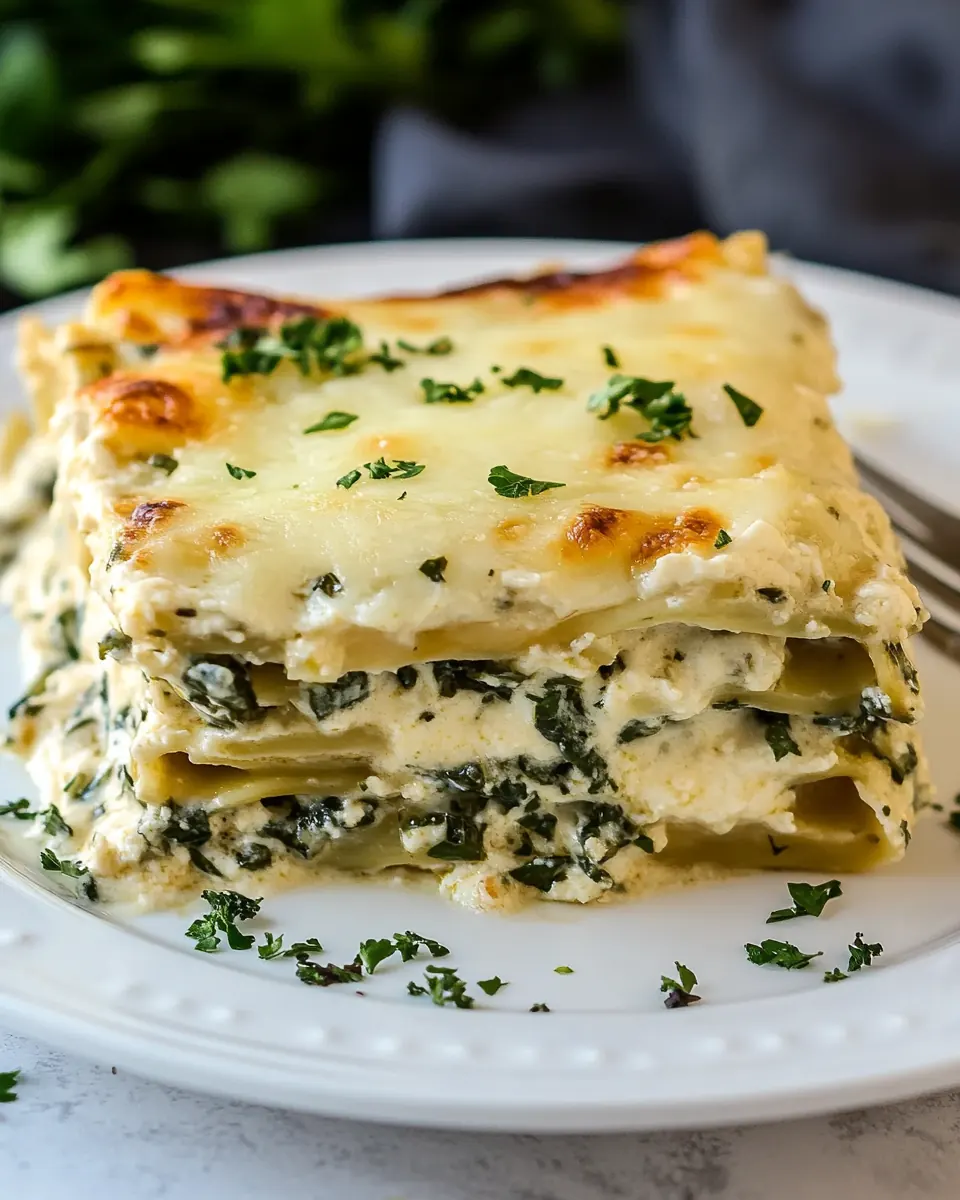
Chicken Lasagna
Ingredients
Equipment
Method
- Preheat oven to 375˚F. Cook pasta in a large pot of salted water until al dente according to package instructions then drain hot water and add cold water to the pot to stop the cooking process and prevent noodles from sticking together. Shred 4 cups of chicken.: The moment the oven goes on you are committing to the finish, and the warm oven aroma later will feel like a reward. You'll notice a slight savory steam when the pasta cooks and the noodles should still have a firm bite when you taste them, that tells you they will hold up in the layers. Rapidly cooling the noodles in cold water halts carryover cooking and prevents them from becoming limp, which is essential so they do not turn mushy in the oven. One common mistake is letting the noodles sit and stick together, so toss them lightly with a drizzle of olive oil or separate them on a sheet as they cool. If your chicken is oily or wet, pat it dry so it does not add excess moisture to the lasagna.
- Place a pot or large saucepan over medium heat, add 1 Tbsp olive oil and saute onions for 3-4 minutes or until softened. Add 4 Tbsp butter and whisk in 1/3 cup flour. Continue whisking 3 minutes or until flour mixture is golden.: As the onion softens you'll smell a gentle sweetness, and that scent becomes the savory backbone of the sauce. When you add the butter and flour , a pale roux forms; stirring constantly creates a smooth paste that, when cooked to a golden hue, eliminates raw flour taste and adds a nutty depth. The sound will be a soft bubble rather than a vigorous sizzle if the heat is right. If you rush and let the roux brown too fast or burn, it will lend a bitter edge, so keep the heat moderate and the whisk moving. The whisking also prevents lumps, and if any form, a splash of warm liquid later will help smooth them out.
- Add 2 1/2 cups chicken broth, 1 1/2 cups half and half, 2 tsp salt, and 1/2 tsp black pepper. Whisk until smooth and simmer 5 minutes until thickened to a light gravy consistency.: When the liquids meet the roux the sauce will quickly transform from paste to silk, and you'll see it thicken as it simmers. The aroma will become fuller, with the broth adding savory notes while the half and half brings creaminess. Cook until it coats the back of a spoon with a light, pourable consistency. Avoid boiling aggressively which can break emulsions or make the sauce grainy; a gentle simmer is best. If your sauce ends up too thin, simmer a little longer, stirring frequently. If it gets too thick, whisk in a splash of broth to loosen it.
- Add minced garlic and chopped spinach, and stir to combine then remove from heat.: Adding the minced garlic and spinach at this stage preserves their bright flavors and prevents the garlic from becoming bitter. The spinach will wilt into the warm sauce, releasing a fresh, vegetal aroma and a tender green texture. Stirring gently incorporates the leaves without overworking them. Removing from heat preserves the creamy texture and prevents the dairy from separating; if you accidentally overheat, stir vigorously off the heat and a touch more cream can help bring the sauce back together.
- In a large bowl, whisk together: ricotta, egg, 2 cups mozzarella cheese, 1/4 cup parmesan, and 1/4 cup parsley.: ricotta, egg, 2 cups mozzarella cheese, 1/4 cup parmesan, and 1/4 cup parsley. : The bowl will yield a thick, cohesive ricotta mixture that spreads easily. As you whisk, the egg binds the curds and the cheeses melt into a creamy, slightly elastic filling. The fresh scent of parsley lifts the mixture, and the texture should be smooth without being runny. If the ricotta feels grainy, a quick beat or a hand mixer for a few seconds smooths it out. Avoid adding too much liquid here, because a sloppy cheese layer will make the lasagna difficult to slice cleanly.
- Add a little bechamel sauce on the bottom of a 9 x 13 casserole dish, add 3 noodles, add 1/2 ricotta sauce, 1/2 shredded chicken then ladle 1/3 of spinach sauce over the chicken.: The initial smear of bechamel prevents sticking and ensures the bottom layer stays moist. When you place the three noodles, space them so edges overlap slightly for structural integrity. Dollop half of the ricotta mixture, scatter half the shredded chicken , and then gently ladle a third of the spinach bechamel so the ingredients marry without shifting. The visual cue is a glossy, even coverage of sauce. A mistake people make is piling too much filling in one spot which causes uneven baking; distribute evenly and press gently so layers sit flush.
- Add 3 noodles, 1/2 ricotta cheese, 1/2 shredded chicken, and 1/3 spinach sauce.: Repeat the layering rhythm to build height and consistency. As you add the second set of noodles and fillings, press lightly with the back of a spoon so there are no air pockets which can cause drying. You should hear a soft settling sound as the layers compact. Keep an eye on balance, making sure each ingredient covers the noodles in an even layer. If you notice a soggy spot forming, a slight rearrangement before baking can fix it; avoid overfilling the pan.
- Add 3 noodles, remaining 1/3 sauce, and sprinkle on reserved 1 cup cheese.: The final noodle layer seals in the fillings, and pouring the remaining sauce over it invites even cooking and browning. Sprinkle the reserved cup of mozzarella evenly to create that coveted golden top. The cheese will melt into a glossy sheet and then brown under the broiler for texture. If your top looks patchy, spread a little more sauce before adding cheese to encourage uniform melting.
- Cover and bake: arrange 10-12 toothpicks over the top to keep the foil from touching the cheese then cover with a large sheet of foil. Bake on the center rack in a preheated oven at 375˚F for 45 minutes then uncover and broil 2-3 minutes to brown the cheese. Rest at least 10 minutes uncovered before slicing.: arrange 10-12 toothpicks over the top to keep the foil from touching the cheese then cover with a large sheet of foil. Bake on the center rack in a preheated oven at 375˚F for 45 minutes then uncover and broil 2-3 minutes to brown the cheese. Rest at least 10 minutes uncovered before slicing. : During the covered bake you'll notice a gentle bubbling at the edges, and the aroma will fill the kitchen with creamy, toasty notes. The toothpick trick prevents the foil from sticking to the cheese so the top remains intact and glossy. After baking, a quick broil will add caramelized color and a slight crisp, but watch closely since cheese can go from golden to burnt quickly. Resting is essential; it allows the layers to settle so slices hold together. Cutting too soon is a common error that yields sloppy pieces, so be patient and let the pan cool slightly before serving.
Notes
- Use Rotisserie for Speed - If you are short on time, swap in shredded rotisserie chicken to skip poaching or roasting. It adds savory depth and frees you to focus on the sauce and assembly.
- Make It Ahead - Assemble the lasagna up to the point of baking and refrigerate up to 24 hours. Bring it to room temperature for 20 minutes before popping it in the oven to ensure even cooking.
- Switch Dairy for Creaminess - If you want a richer bechamel, replace the half and half with a heavier cream and a splash of milk to maintain pourable consistency while increasing silkiness.
- Fresh vs Dried Pasta - Use no boil lasagna sheets if you prefer a simpler assembly; reduce the sauce slightly to avoid excess liquid so the sheets soften correctly while baking.
- Extra Greens - Fold extra chopped spinach into the ricotta mixture for more vegetal flecks and added color if you want a heartier vegetarian note alongside the chicken.
- Cheese Swap - If you want a tangier profile, increase parmesan slightly and reduce mozzarella by a little to keep the melt but boost savory umami.