Easy to Make Popovers
Easy to Make Popovers have a way of stealing the show whenever I bring them to the table. The first time I made them I was chasing a crisp top and a custardy interior, and that combination became an instant obsession for weekend brunches with friends. I remember standing at the oven door watching the batter puff into tall, golden shapes, the kitchen filling with a warm, toasty aroma that felt like a small celebration.
These days I often turn to Easy to Make Popovers when I need something that feels special but does not demand hours of fuss. They pair beautifully with a simple scatter of herbs or a smear of softened butter, and they are forgiving enough that you can chat while they rise. I love how the texture balances crisp edges and a tender interior, it makes every bite a little discovery.
When I serve them, people always ask for the secret. I tell them it is patience and temperature control, and a batter that is smooth and well combined. Over the years I have learned tiny habits that help, like preheating the tin and making sure the batter is the right consistency. Those small steps turn out to be everything.
Recipe Snapshot
40 mins
10 mins
30 mins
Medium
150 kcal
American
Gluten-Free, Low FODMAP
Appetizers
Oven, Popover pan or muffin tin, Sheet tray, Large bowl, Whisk, Blender
The Charm of This Easy to Make Popovers
Airy, impressive results every time
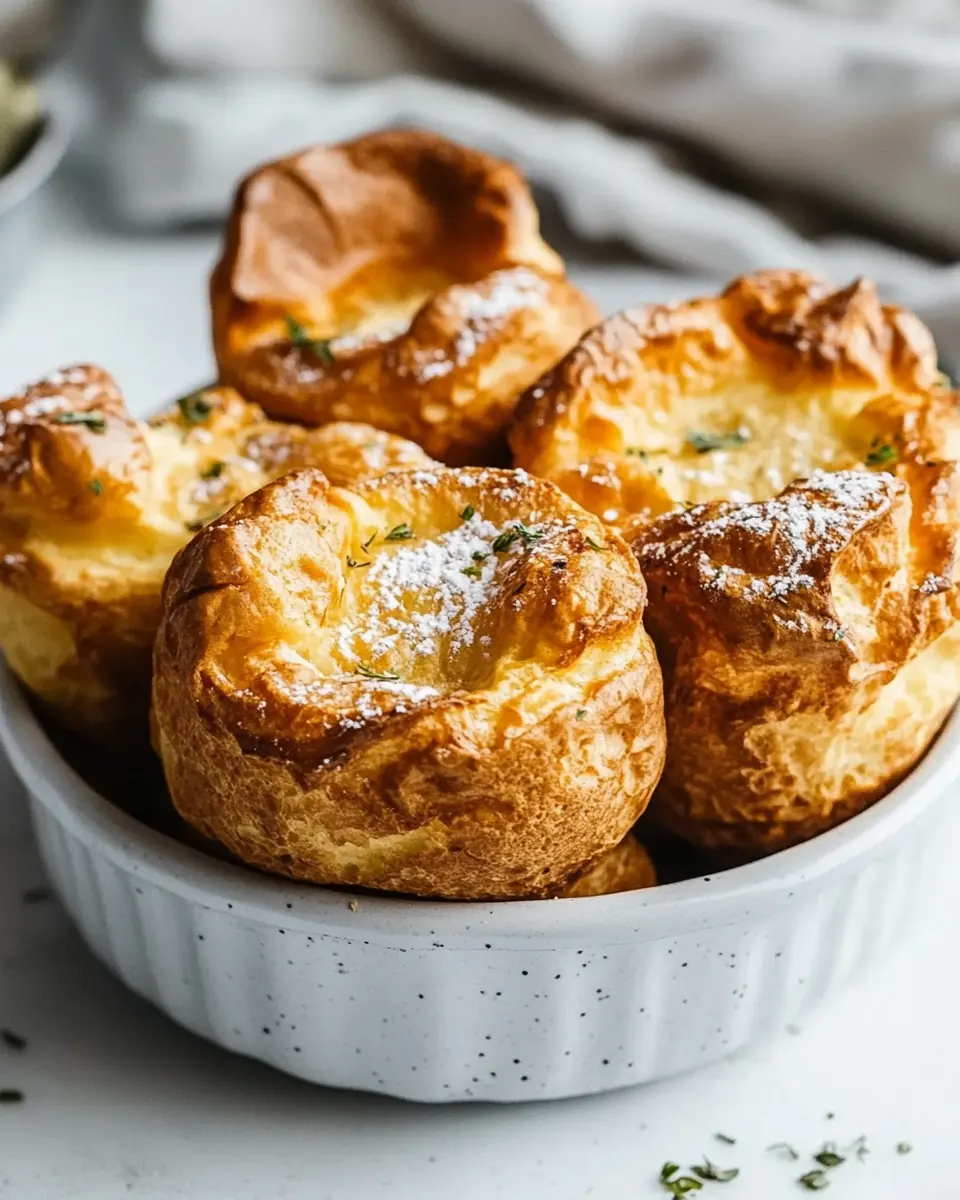
I adore how Easy to Make Popovers transform from a humble batter into dramatic towers. The contrast between the thin, crisp shell and the soft, slightly custardy center gives a textural thrill that keeps me reaching for another piece. When you get the rise right, it looks like you spent far more time and skill than you actually did.
Minimal ingredients, maximum impact
One reason I keep coming back to this recipe is the elegant simplicity of the ingredient list. With eggs, milk, flour, a little butter, and salt, you get something that tastes refined without needing any fancy pantry items. For busy mornings or last minute guests, that simplicity is a lifesaver.
Fast to the table, great for entertaining
I love serving these at brunch because they are quick and impressive. The hands on time is short, and the visual payoff is huge. It gives me room to focus on conversation and small finishing touches, rather than spending the whole morning in the kitchen.
Flexible and forgiving
Over multiple bakes I learned that small variations in batter thickness or oven behavior do not ruin the outcome. If a batter needs smoothing, blending fixes it. If your pan size differs, you can still adapt. That forgiving nature makes this recipe a favorite when I am experimenting or cooking for a crowd.
Comfort with a rustic charm
There is something comforting and slightly nostalgic about pulling a tray of warm, puffed popovers from the oven. They pair with so many things, from a simple butter smear to a savory soup, and they always feel like a treat. That combination of comfort and showmanship is why I keep making them.
Main Ingredients for Easy to Make Popovers
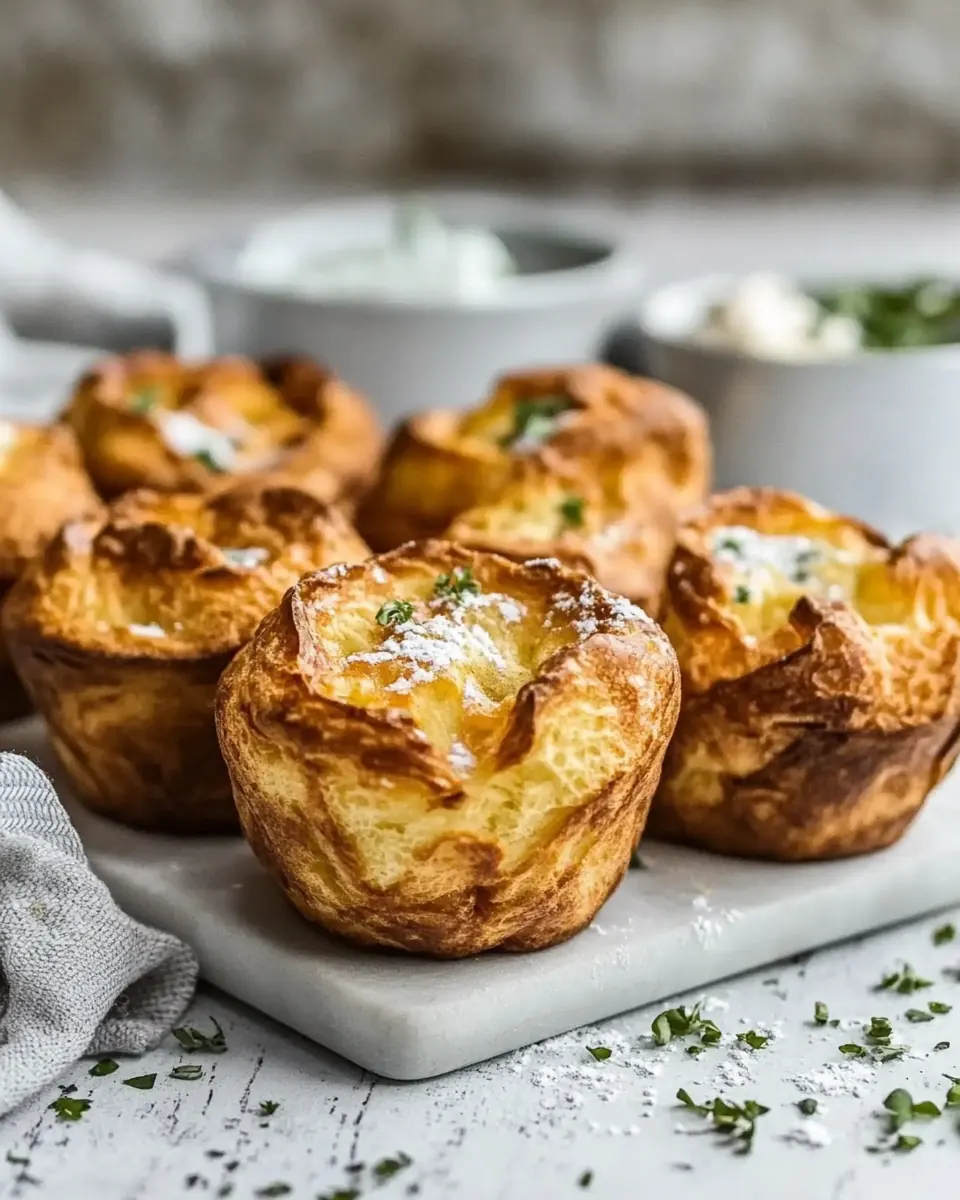
These components come together to deliver tall, airy popovers with a crisp outer shell and a soft, airy interior. Each ingredient plays a clear role: the eggs provide structure and lift, the milk adds moisture and richness, the flour creates the framework, the butter gives flavor and a touch of tenderness, and the salt amplifies everything. Using whole milk and properly measured flour helps produce the right steam and texture as they bake.
- 8 large eggs: Whisk vigorously to incorporate air and provide structure; eggs bind the batter and create steam pockets that give popovers their signature rise. Beat until uniform to ensure even texture and glossy batter, which helps produce a tender crumb.
- 1/4 cup melted unsalted butter: Pour warm melted butter to add rich flavor and tenderize the crumb; butter also helps coat the pan for easier release. Stir just until distributed so the fat integrates without cooling the batter too quickly.
- 3 cups whole milk: Heat gently and stir into the mixture to thin the batter and add moisture; whole milk contributes fat for a richer taste and creamier texture. Use room-temperature milk to help the batter rise evenly and prevent dense spots.
- 3 cups all-purpose flour: Sift or whisk to provide body and structure; all-purpose flour supplies the gluten needed to trap steam and form the airy walls of the popovers. Measure accurately and avoid overmixing to keep the result light rather than tough.
- 3/4 teaspoons ea salt: Season lightly to enhance and balance flavors; salt strengthens gluten slightly and rounds out the buttery and eggy notes. Add precisely to avoid overpowering the delicate popover profile.
Preparation Steps for Easy to Make Popovers
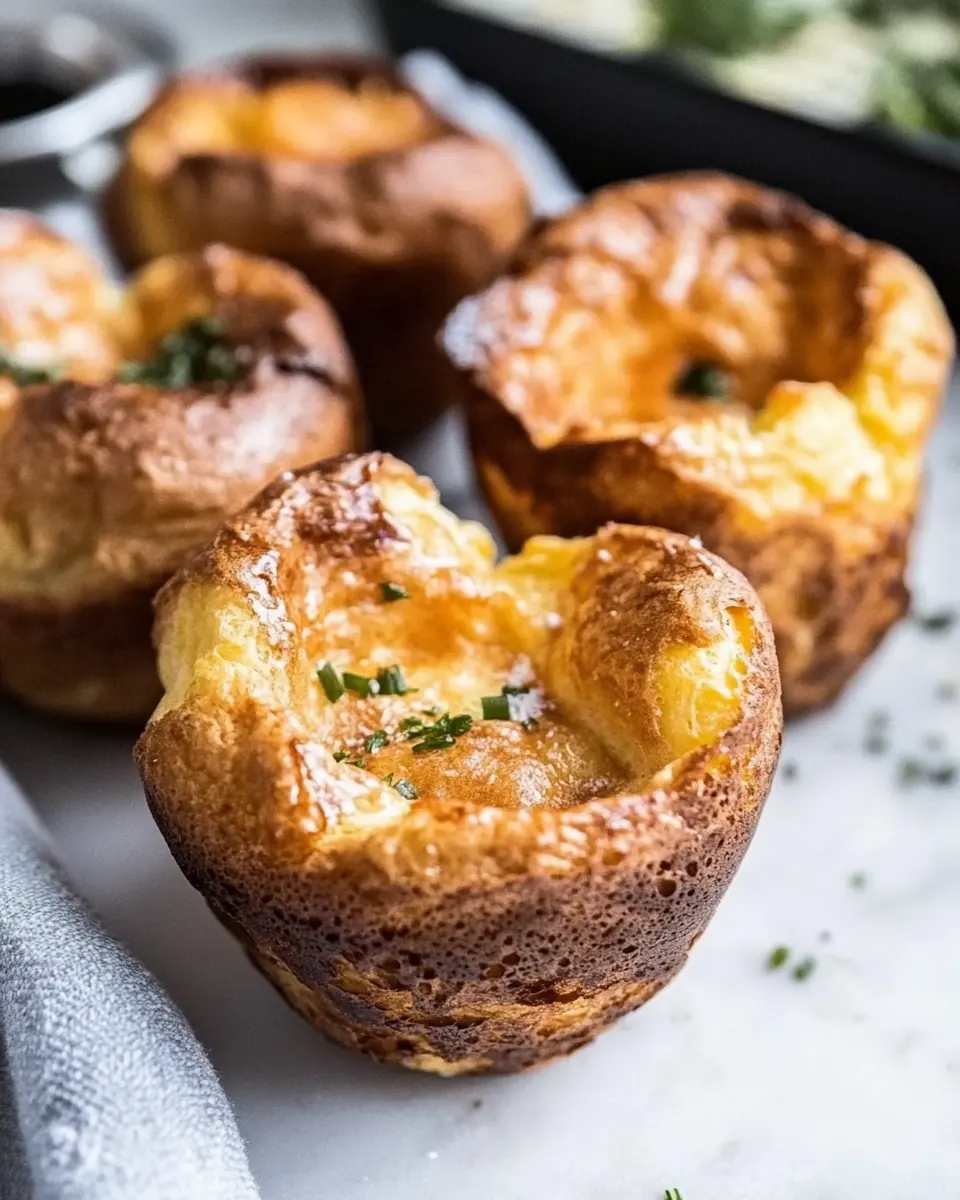
These directions are straightforward, but attention to detail gives rise to the tall, crisp popovers we love. I will walk you through each step with sensory cues and troubleshooting help so you know what success looks and smells like.
- Preheat the oven to 425°.: The oven should feel like a blast of dry heat when you open it, and the hot air is essential for creating immediate steam that makes the batter surge upward. You want an intensely hot environment so the exterior sets quickly while the interior expands. A common pitfall is not preheating long enough, which results in limp popovers rather than tall ones, so resist the urge to rush this step.
- Add the popover pan or muffin tin to a sheet tray and preheat in the oven for 10 minutes.: The sight of the shiny tin warming through the rack is reassuring, and when you quickly place batter into a scorching metal cup it sizzles, signaling strong lift to come. The tray helps stabilize the pan and ensures even heat transfer. If you skip this or use a cool pan, the batter will stick and won't climb, so always preheat the metal until it is uniformly hot.
- In a large bowl whisk together the eggs, butter, and milk until combined and smooth.: As you whisk, the mixture should become glossy and slightly thickened, with the melted butter fully incorporated and no streaks. The aroma will be dairy sweet and comforting. The reason for thoroughly combining now is to ensure even distribution of fat and liquid so pockets of unmixed butter do not create uneven rise. If lumps persist, it will affect texture, so stop and blend if needed.
- Next in a separate large bowl whisk together the flour and salt until combined and then add in the wet ingredients.: The dry mixture should look uniform and pale, and when you pour the wet mixture in you will notice the batter initially look shaggy before smoothing out. Mixing in this order prevents pockets of salt or flour from forming and helps the batter hydrate evenly. A common mistake is overworking the batter at this stage, which can develop gluten and lead to tougher popovers, so mix just until combined.
- Whisk until completely smooth and set aside. If you cannot get it completely smooth, add it to a blender and blend on high for 30 seconds.: When the batter is right it will fall from the whisk in a ribbon and show no lumps, with a consistency that is pourable yet slightly viscous. Blending ensures complete smoothness and helps incorporate more air for lift. If you skip smoothing, small flour pockets can expand oddly and create uneven interiors, so use a blender as a reliable rescue.
- Take the preheated pan out of the oven and immediately spray with non-stick spray. Evenly pour in the batter until each cup is about 2/3 to 3/4 of the way full.: The hot metal will hiss when you spray it, a small reward that means the batter won't cling. As you fill, the batter should glisten and settle, and the level should leave room for dramatic rise. Overfilling leads to spills and underfilling yields short popovers, so aim for the 2 3 to 3 4 guideline.
- Bake at 425° for 20 minutes and then at 325° for 10 minutes.: In the first phase you will see a rapid swell, with the edges turning bronzed and crisp while the centers remain soft and slightly bobbing. After 20 minutes lowering the temperature to 325° allows the interior to finish without burning the exterior, producing a tender crumb. A mistake people make is opening the oven early to peek, which drains heat and can cause collapse; avoid opening until the full bake time has elapsed.
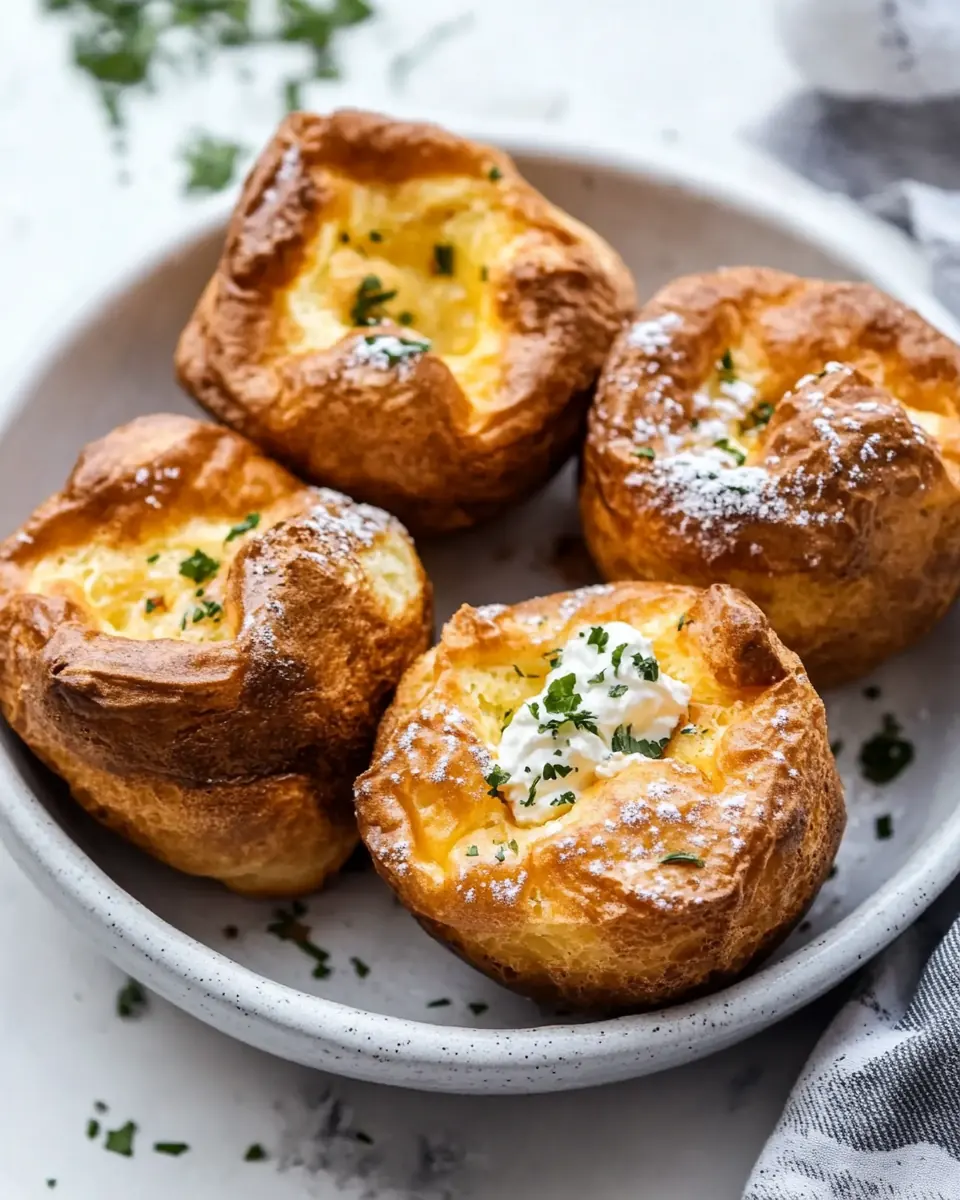
- Serve.: Once removed, the popovers should sound hollow when tapped and feel crisp on the outside while still warm inside. Serve immediately for the best contrast of textures, offering butter or a spread alongside. If you wait too long they will soften and lose that dramatic crispness, so plan to bring them to the table right away.
Tips and Tricks about Easy to Make Popovers
These tips reflect what I have learned from many bakes, and they focus on practical adjustments that improve texture and consistency. Read them before you begin for a smoother, more confident bake.
- Bring dairy and eggs to room temperature: Taking the chill off your eggs and milk helps them combine smoothly with the butter, reducing mixing time and preventing cold pockets that can inhibit rise.
- Preheat the pan on a sheet tray: Heating the popover pan on a tray stabilizes it and ensures even transfer of heat to each cup, which supports uniform lift across the tray.
- Use a thin, pourable batter: The ideal batter flows easily into the cups and creates steam quickly in the oven, which is essential for tall, hollow centers.
- Do not overmix dry and wet too vigorously: Stir just until combined to avoid excessive gluten development that could make the interior chewy rather than tender.
- Lower the oven after initial rise: Starting hot then finishing at a lower temperature lets the interior set slowly, preventing an overbrowned exterior with an undercooked center.
- Serve immediately for best texture: Popovers are at their peak as soon as they come out, when exteriors are crisp and interiors still warm and airy.
Pairing Suggestions for Easy to Make Popovers
Popovers are versatile and can be dressed up for many occasions. Below are serving ideas, storage suggestions, and pairing recommendations to help you decide how to present them. These options suit casual breakfasts, formal brunches, and weeknight dinners alike.
- Simple breakfast spread: Serve warm popovers with softened butter and a selection of preserves for a light morning meal that feels elegant yet fuss free.
- Brunch centerpiece: Arrange popovers next to a bowl of scrambled eggs or a platter of fresh fruit for a colorful, shareable brunch table.
- Savory accompaniment: Pair popovers with a warm soup or stew where guests can tear and dip, the crisp exterior adding textural contrast to brothy or creamy bowls.
- Entertaining tip: If you need to make ahead, bake and cool completely, then reheat in a hot oven for a few minutes to restore crispness before serving.
- Storage and freezing: Refrigerate covered for up to three days, or freeze in an airtight container for up to two months; thaw overnight in the fridge before reheating to keep texture intact.
- Seasonal pairings: In spring and summer, highlight light salads and herb butters, while in cooler months serve alongside heartier soups and warm spreads for comforting combinations.
FAQ
Conclusion
Easy to Make Popovers stand out because they transform a handful of simple ingredients into an impressive, airy pastry with a crisp exterior and tender interior. Try them when you want a showy yet uncomplicated addition to brunch or a comforting side for a cozy meal. I hope you enjoy the ritual of watching them rise as much as I do, and that these tiny towers of warm, buttery bread find a regular place on your table.
Easy to Make Popovers
Ingredients
Equipment
Method
- Preheat the oven to 425°.: The oven should feel like a blast of dry heat when you open it, and the hot air is essential for creating immediate steam that makes the batter surge upward. You want an intensely hot environment so the exterior sets quickly while the interior expands. A common pitfall is not preheating long enough, which results in limp popovers rather than tall ones, so resist the urge to rush this step.
- Add the popover pan or muffin tin to a sheet tray and preheat in the oven for 10 minutes.: The sight of the shiny tin warming through the rack is reassuring, and when you quickly place batter into a scorching metal cup it sizzles, signaling strong lift to come. The tray helps stabilize the pan and ensures even heat transfer. If you skip this or use a cool pan, the batter will stick and won't climb, so always preheat the metal until it is uniformly hot.
- In a large bowl whisk together the eggs, butter, and milk until combined and smooth.: As you whisk, the mixture should become glossy and slightly thickened, with the melted butter fully incorporated and no streaks. The aroma will be dairy sweet and comforting. The reason for thoroughly combining now is to ensure even distribution of fat and liquid so pockets of unmixed butter do not create uneven rise. If lumps persist, it will affect texture, so stop and blend if needed.
- Next in a separate large bowl whisk together the flour and salt until combined and then add in the wet ingredients.: The dry mixture should look uniform and pale, and when you pour the wet mixture in you will notice the batter initially look shaggy before smoothing out. Mixing in this order prevents pockets of salt or flour from forming and helps the batter hydrate evenly. A common mistake is overworking the batter at this stage, which can develop gluten and lead to tougher popovers, so mix just until combined.
- Whisk until completely smooth and set aside. If you cannot get it completely smooth, add it to a blender and blend on high for 30 seconds.: When the batter is right it will fall from the whisk in a ribbon and show no lumps, with a consistency that is pourable yet slightly viscous. Blending ensures complete smoothness and helps incorporate more air for lift. If you skip smoothing, small flour pockets can expand oddly and create uneven interiors, so use a blender as a reliable rescue.
- Take the preheated pan out of the oven and immediately spray with non-stick spray. Evenly pour in the batter until each cup is about 2/3 to 3/4 of the way full.: The hot metal will hiss when you spray it, a small reward that means the batter won't cling. As you fill, the batter should glisten and settle, and the level should leave room for dramatic rise. Overfilling leads to spills and underfilling yields short popovers, so aim for the 2 3 to 3 4 guideline.
- Bake at 425° for 20 minutes and then at 325° for 10 minutes.: In the first phase you will see a rapid swell, with the edges turning bronzed and crisp while the centers remain soft and slightly bobbing. After 20 minutes lowering the temperature to 325° allows the interior to finish without burning the exterior, producing a tender crumb. A mistake people make is opening the oven early to peek, which drains heat and can cause collapse; avoid opening until the full bake time has elapsed.
- Serve.: Once removed, the popovers should sound hollow when tapped and feel crisp on the outside while still warm inside. Serve immediately for the best contrast of textures, offering butter or a spread alongside. If you wait too long they will soften and lose that dramatic crispness, so plan to bring them to the table right away.
Notes
- Bring dairy and eggs to room temperature: Taking the chill off your eggs and milk helps them combine smoothly with the butter, reducing mixing time and preventing cold pockets that can inhibit rise.
- Preheat the pan on a sheet tray: Heating the popover pan on a tray stabilizes it and ensures even transfer of heat to each cup, which supports uniform lift across the tray.
- Use a thin, pourable batter: The ideal batter flows easily into the cups and creates steam quickly in the oven, which is essential for tall, hollow centers.
- Do not overmix dry and wet too vigorously: Stir just until combined to avoid excessive gluten development that could make the interior chewy rather than tender.
- Lower the oven after initial rise: Starting hot then finishing at a lower temperature lets the interior set slowly, preventing an overbrowned exterior with an undercooked center.
- Serve immediately for best texture: Popovers are at their peak as soon as they come out, when exteriors are crisp and interiors still warm and airy.