Preheat oven to 375˚F. Cook pasta in a large pot of salted water until al dente according to package instructions then drain hot water and add cold water to the pot to stop the cooking process and prevent noodles from sticking together. Shred 4 cups of chicken.: The moment the oven goes on you are committing to the finish, and the warm oven aroma later will feel like a reward. You'll notice a slight savory steam when the pasta cooks and the noodles should still have a firm bite when you taste them, that tells you they will hold up in the layers. Rapidly cooling the noodles in cold water halts carryover cooking and prevents them from becoming limp, which is essential so they do not turn mushy in the oven. One common mistake is letting the noodles sit and stick together, so toss them lightly with a drizzle of olive oil or separate them on a sheet as they cool. If your chicken is oily or wet, pat it dry so it does not add excess moisture to the lasagna.
Place a pot or large saucepan over medium heat, add 1 Tbsp olive oil and saute onions for 3-4 minutes or until softened. Add 4 Tbsp butter and whisk in 1/3 cup flour. Continue whisking 3 minutes or until flour mixture is golden.: As the onion softens you'll smell a gentle sweetness, and that scent becomes the savory backbone of the sauce. When you add the butter and flour , a pale roux forms; stirring constantly creates a smooth paste that, when cooked to a golden hue, eliminates raw flour taste and adds a nutty depth. The sound will be a soft bubble rather than a vigorous sizzle if the heat is right. If you rush and let the roux brown too fast or burn, it will lend a bitter edge, so keep the heat moderate and the whisk moving. The whisking also prevents lumps, and if any form, a splash of warm liquid later will help smooth them out.
Add 2 1/2 cups chicken broth, 1 1/2 cups half and half, 2 tsp salt, and 1/2 tsp black pepper. Whisk until smooth and simmer 5 minutes until thickened to a light gravy consistency.: When the liquids meet the roux the sauce will quickly transform from paste to silk, and you'll see it thicken as it simmers. The aroma will become fuller, with the broth adding savory notes while the half and half brings creaminess. Cook until it coats the back of a spoon with a light, pourable consistency. Avoid boiling aggressively which can break emulsions or make the sauce grainy; a gentle simmer is best. If your sauce ends up too thin, simmer a little longer, stirring frequently. If it gets too thick, whisk in a splash of broth to loosen it.
Add minced garlic and chopped spinach, and stir to combine then remove from heat.: Adding the minced garlic and spinach at this stage preserves their bright flavors and prevents the garlic from becoming bitter. The spinach will wilt into the warm sauce, releasing a fresh, vegetal aroma and a tender green texture. Stirring gently incorporates the leaves without overworking them. Removing from heat preserves the creamy texture and prevents the dairy from separating; if you accidentally overheat, stir vigorously off the heat and a touch more cream can help bring the sauce back together.
In a large bowl, whisk together: ricotta, egg, 2 cups mozzarella cheese, 1/4 cup parmesan, and 1/4 cup parsley.: ricotta, egg, 2 cups mozzarella cheese, 1/4 cup parmesan, and 1/4 cup parsley. : The bowl will yield a thick, cohesive ricotta mixture that spreads easily. As you whisk, the egg binds the curds and the cheeses melt into a creamy, slightly elastic filling. The fresh scent of parsley lifts the mixture, and the texture should be smooth without being runny. If the ricotta feels grainy, a quick beat or a hand mixer for a few seconds smooths it out. Avoid adding too much liquid here, because a sloppy cheese layer will make the lasagna difficult to slice cleanly.
Add a little bechamel sauce on the bottom of a 9 x 13 casserole dish, add 3 noodles, add 1/2 ricotta sauce, 1/2 shredded chicken then ladle 1/3 of spinach sauce over the chicken.: The initial smear of bechamel prevents sticking and ensures the bottom layer stays moist. When you place the three noodles, space them so edges overlap slightly for structural integrity. Dollop half of the ricotta mixture, scatter half the shredded chicken , and then gently ladle a third of the spinach bechamel so the ingredients marry without shifting. The visual cue is a glossy, even coverage of sauce. A mistake people make is piling too much filling in one spot which causes uneven baking; distribute evenly and press gently so layers sit flush.
Add 3 noodles, 1/2 ricotta cheese, 1/2 shredded chicken, and 1/3 spinach sauce.: Repeat the layering rhythm to build height and consistency. As you add the second set of noodles and fillings, press lightly with the back of a spoon so there are no air pockets which can cause drying. You should hear a soft settling sound as the layers compact. Keep an eye on balance, making sure each ingredient covers the noodles in an even layer. If you notice a soggy spot forming, a slight rearrangement before baking can fix it; avoid overfilling the pan.
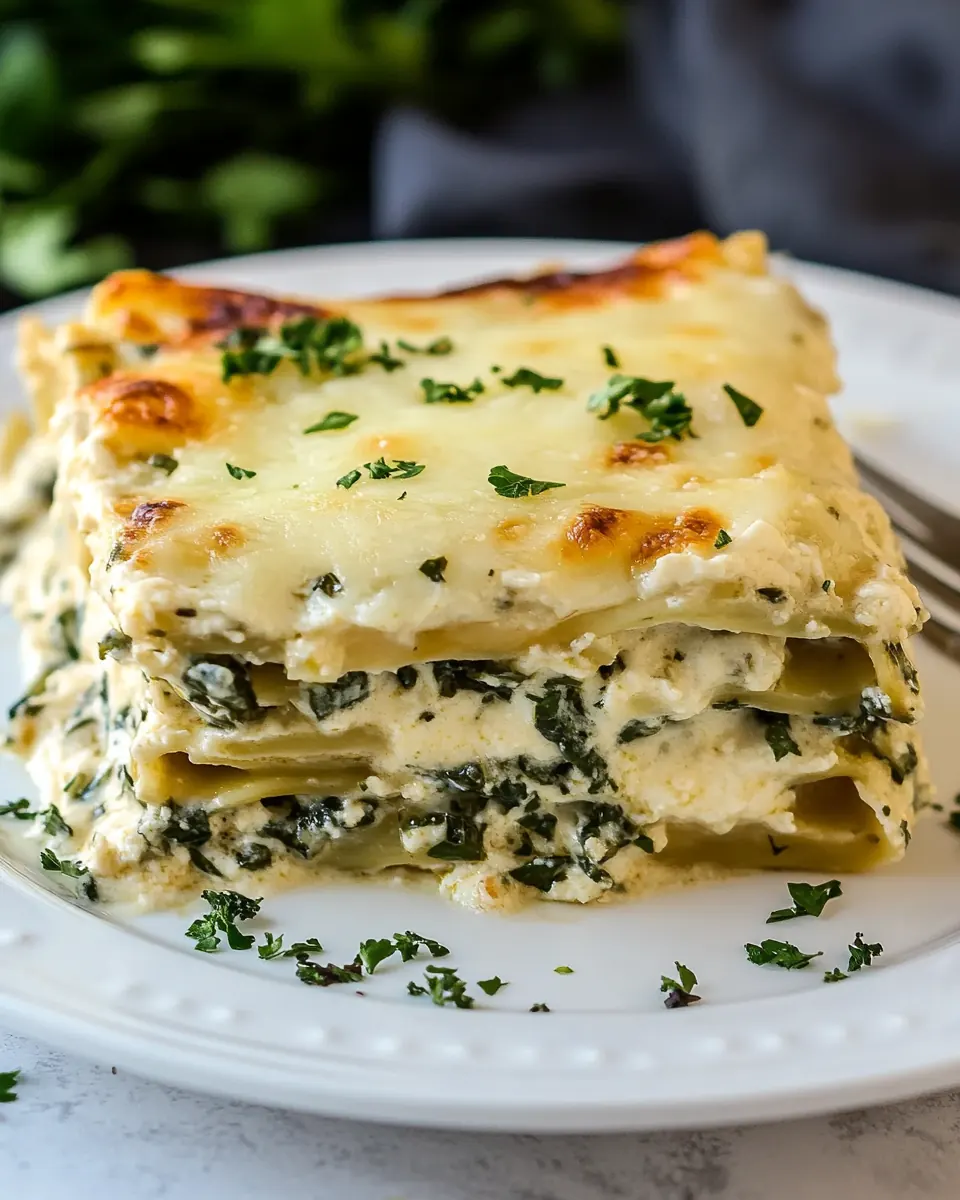
Add 3 noodles, remaining 1/3 sauce, and sprinkle on reserved 1 cup cheese.: The final noodle layer seals in the fillings, and pouring the remaining sauce over it invites even cooking and browning. Sprinkle the reserved cup of mozzarella evenly to create that coveted golden top. The cheese will melt into a glossy sheet and then brown under the broiler for texture. If your top looks patchy, spread a little more sauce before adding cheese to encourage uniform melting.
Cover and bake: arrange 10-12 toothpicks over the top to keep the foil from touching the cheese then cover with a large sheet of foil. Bake on the center rack in a preheated oven at 375˚F for 45 minutes then uncover and broil 2-3 minutes to brown the cheese. Rest at least 10 minutes uncovered before slicing.: arrange 10-12 toothpicks over the top to keep the foil from touching the cheese then cover with a large sheet of foil. Bake on the center rack in a preheated oven at 375˚F for 45 minutes then uncover and broil 2-3 minutes to brown the cheese. Rest at least 10 minutes uncovered before slicing. : During the covered bake you'll notice a gentle bubbling at the edges, and the aroma will fill the kitchen with creamy, toasty notes. The toothpick trick prevents the foil from sticking to the cheese so the top remains intact and glossy. After baking, a quick broil will add caramelized color and a slight crisp, but watch closely since cheese can go from golden to burnt quickly. Resting is essential; it allows the layers to settle so slices hold together. Cutting too soon is a common error that yields sloppy pieces, so be patient and let the pan cool slightly before serving.