Chicken Potato Soup
Chicken Potato Soup has been my go to when I need comfort in a bowl, a simple remedy for cold nights and tired days. The very first time I made this, I was coming home from a long shift and all I wanted was something warm, honest, and easy to eat. I used a modest grocery haul and a heavy pot, and the way the kitchen filled with savory broth and simmered herbs felt like a small, personal celebration.
I remember standing by the stove while the aroma of chicken and thyme rose, thinking I had somehow found a shortcut to feeling cozy. The potatoes softened until they gave slightly under my spoon, and the leeks added that gentle onion like sweetness without overpowering the soup. That night I ladled bowls for friends who ended up staying longer than planned, trading stories while the soup kept warm, the steam fogging our glasses. Each spoonful was a reminder that the best meals are often the simplest ones, made with care and patience.
Recipe Snapshot
50 mins
15 mins
35 mins
Medium
350 kcal
American
Paleo, Whole30
Soups
Large soup pot or Dutch oven, Ladle, Cutting board, Chef’s knife, Forks for shredding
Why This Chicken Potato Soup Stands Out
Comforting, familiar flavor
I adore how Chicken Potato Soup tastes like childhood evenings, without being cloying. The combination of simmered chicken and tender potatoes yields a mellow savory backbone that feels both grounding and soothing. I find readers come back to this recipe when they want predictable warmth.
Simple pantry friendly
One reason I keep this recipe in my rotation is that the ingredients are approachable. Most of these items, like carrots and celery, are staples I usually have on hand. When time is short, this soup becomes my reliable go to, because it does not demand specialty items to shine.
Flexible for family meals
I’ve served this at weeknight dinners and casual Sunday gatherings. It scales nicely, and the texture appeals to kids and adults alike. I like that you can shred the chicken fine for little ones or leave chunkier pieces for heartier appetites.
Balanced texture and richness
The silkiness from the half and half gives the broth a pleasing body without weighing it down. The Yukon Gold potatoes break down just enough to slightly thicken the soup, while still offering little bites of soft potato. That balance is what keeps me coming back to the recipe.
Quick but nourishing
I love that this soup gets on the table quickly, yet feels like something that took time. The method lets flavors develop in the broth and rewards gentle attention, and I often find it’s the dish I choose when I want fast comfort with real home style flavor.
What You’ll Need for Chicken Potato Soup
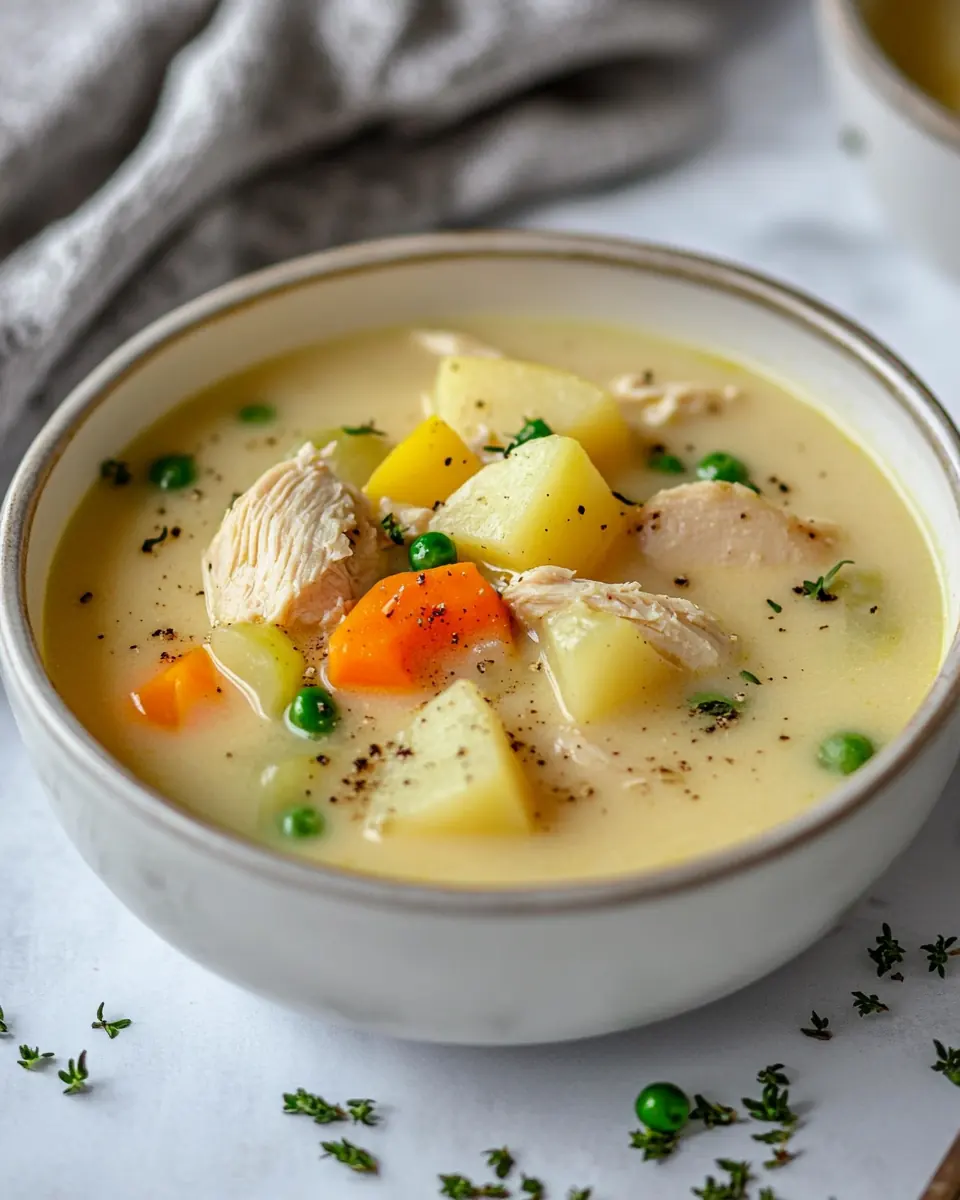
These ingredients are a study in harmony. I think of the recipe as three teams: the aromatic base, the hearty vegetables, and the finishing touches that add creaminess and seasoning. Together they create a broth that is both bright and soothing, with the chicken providing savory depth and the potatoes giving texture and body.
- 1 1/2 pounds boneless, skinless chicken breasts: Provide lean protein and body to the soup while staying low in fat; cook until opaque and shred or dice to distribute throughout the broth. Offer a mild flavor that soaks up herbs and broth, keeping the texture tender rather than stringy when properly poached or simmered.
- 8 cups chicken broth: Form the flavorful liquid base that carries seasonings and cooks the vegetables; simmer to extract savory depth and meld ingredients together. Help control the soup's saltiness and richness while providing a clear, comforting body for the finished dish.
- 3 medium leeks, white and light green parts only, sliced: Add a sweet, mild onion-like flavor and subtle texture while softening into the broth; slice the white and light green parts thinly to release sweetness without overwhelming. Clean and separate layers thoroughly to remove grit before slicing so the soup remains smooth and free of sandy bits.
- 3 carrots, sliced: Introduce natural sweetness, color, and slight firmness that holds up during simmering; slice evenly so pieces cook uniformly. Contribute earthy undertones and balance the savory broth while adding nutritional fiber and beta-carotene.
- 3 ribs celery, sliced: Contribute aromatic freshness and a crisp texture that mellows with cooking; slice ribs evenly to infuse a subtle vegetal base note. Work with leeks and carrots to create a classic mirepoix-like foundation that supports the soup's savory profile.
- 1 1/2 pounds Yukon Gold potatoes, diced: Provide starchy body and a creamy mouthfeel as potatoes soften and partly break down; dice into uniform pieces to ensure even cooking. Help thicken the broth naturally and add a comforting heartiness that makes the soup satisfying and filling.
- 2 teaspoons dried thyme leaves: Deliver warm, herbal notes and subtle earthiness that complement poultry and vegetables; sprinkle in early to allow flavors to bloom while simmering. Use measured teaspoons to avoid overpowering the delicate balance of the soup.
- 1/2 cup half-and-half: Lend a touch of creaminess and richness without making the soup overly heavy; stir in near the end of cooking to prevent curdling. Smooth the texture and slightly mellow acidic or sharp flavors for a silkier finish.
- Kosher salt to taste: Season to enhance and balance all flavors, adjusting gradually to taste during cooking and at the end. Use sparingly if broth is salted to avoid over-seasoning, tasting as you go for the desired salt level.
- Freshly ground black pepper to taste: Add mild heat and aromatic depth that brightens flavors when freshly ground over the finished soup; season to taste. Grind just before serving to preserve volatile oils and maximum flavor impact.
- Fresh parsley, chopped, for garnish (optional): Provide a fresh, bright finishing note and visual color contrast when chopped and sprinkled as garnish; add just before serving for maximum vibrancy. Optional use can lift the overall flavor profile with a hint of herbal freshness.
Recipe Directions for Chicken Potato Soup
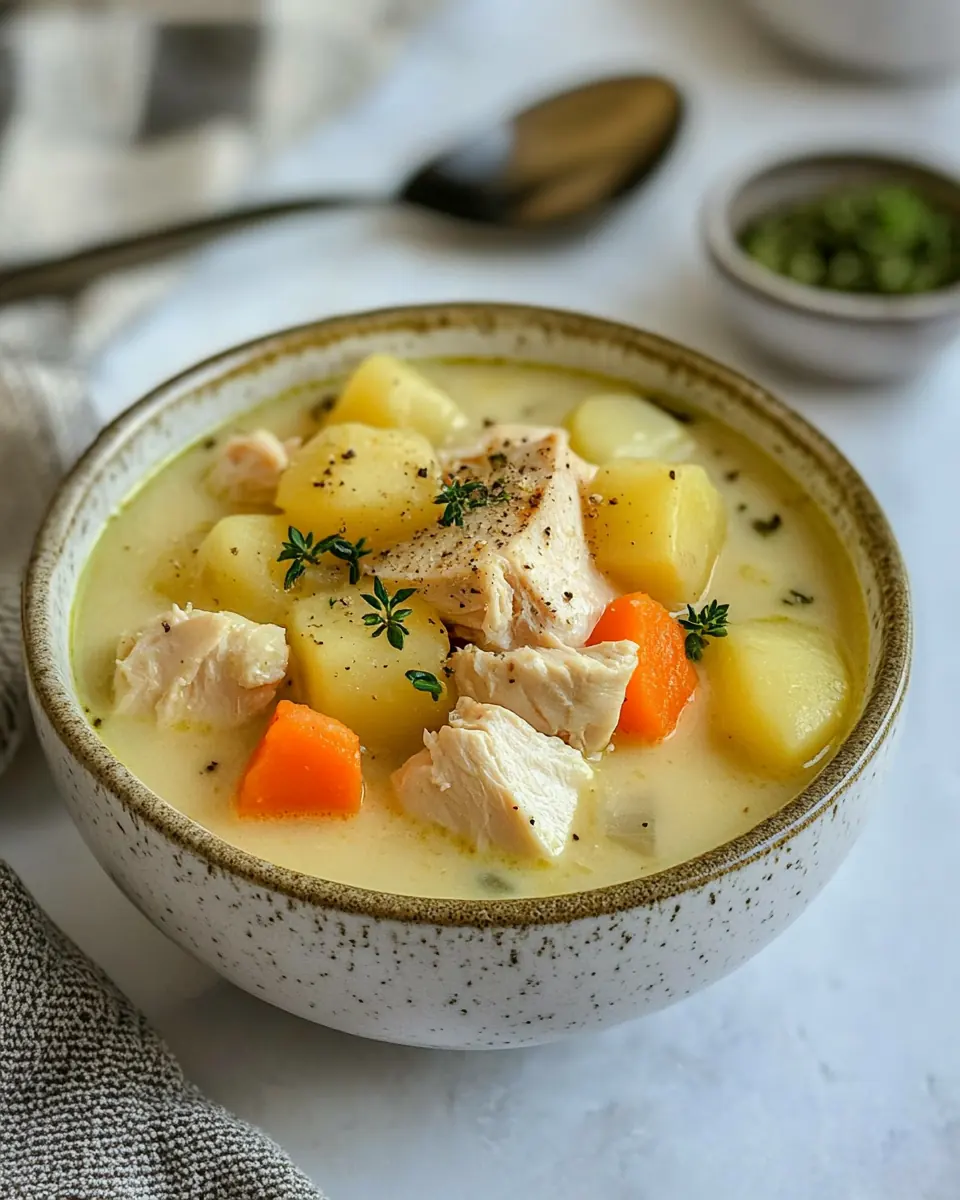
These directions move from building a flavorful broth to finishing with creamy enrichment, and they are forgiving enough for cooks at every level. Read through once so you know the rhythm, then follow each step, and you will end up with a deeply satisfying bowl.
- Place the chicken breasts in a large soup pot or Dutch oven. Pour in enough chicken broth to cover the chicken by about an inch. If necessary, add water to achieve this level. Bring the mixture to a boil over medium-high heat, then lower the heat and let it simmer for 15 minutes.: The aroma begins as the pot warms, and you will hear a gentle hiss as the liquid touches the hot metal, which signals the start of extraction. The reason we submerge the chicken is to coax savory gelatin and flavor into the broth, creating depth. Expect the kitchen to smell faintly meaty and cozy. Avoid boiling aggressively, because that makes the chicken tough and the broth cloudy; a steady simmer is the goal. If your pot is too small, the chicken might not cook evenly, so use something roomy enough.
- Once cooked, transfer the chicken to a plate to cool. When it's cool enough to handle, shred the chicken into bite-sized pieces.: You'll see the liquid level rise until the chicken is just submerged with a thin water buffer. This ensures even cooking and flavor transfer. If you need to add water, do so carefully, because diluting too much will weaken the taste. I recommend using warm broth to avoid shocking the pot, and skim any foam that appears for a clearer soup. Leaving the broth low can leave parts of the chicken undercooked, which is a common oversight.
- While the chicken is cooling, add the leeks, carrots, celery, potatoes, and dried thyme to the broth in the pot. Bring the broth back to a boil, then reduce the heat and simmer until the vegetables are tender, about 10 minutes.: You'll notice bubbles build and then settle into a gentle motion, which is the ideal simmer. That soft rolling simmer extracts collagen and concentrates flavor without making the meat stringy. Listen for a soft bubbling rather than a furious boil. Over simmering at high heat will toughen the chicken , so keep your eye on the flame and adjust as needed.
- Stir the shredded chicken and half-and-half into the pot with the broth and vegetables.: The moment you lift the chicken out the broth smells deeper and richer, a sign flavor has migrated into the liquid. Let the chicken cool until safe to handle, which makes shredding easier and prevents you from scalding your fingers. Cooling briefly also preserves moisture in the meat. Rushing to shred hot meat can lead to steam burns, so be cautious and wait a few moments.
- Season the soup to taste with the kosher salt and freshly ground black pepper. Continue to cook and stir the soup over medium heat until it's thoroughly heated, about 7-10 minutes more.: The texture should be tender and easy to pull apart, creating pleasing ribbons of protein. Shredding releases juices that will rejoin the broth and enhance the mouthfeel. Use two forks or your hands once cooled, pulling with the grain for the best texture. If you shred too finely you lose satisfying meaty bites, so aim for bite sized pieces.
- Serve the soup while hot, garnished with chopped fresh parsley if desired.: As these vegetables hit the hot liquid you will hear a soft sound and see the broth bubble more energetically, releasing their aromatic compounds. The vegetables build layers of flavor, with the leeks giving sweet nuance and the potatoes adding body. Stir them gently so nothing sticks to the bottom. A typical mistake is adding everything unevenly chopped; consistent size ensures simultaneous tenderizing.
- Bring the broth back to a boil then reduce the heat and simmer until the vegetables are tender about 10 minutes: Watch for the potatoes to become fork tender and the carrots to yield when pierced, which are your visual cues. The smell will become fuller and slightly sweeter as the vegetables release their starches and sugars. Avoid overcooking, because the vegetables will turn mushy and the texture will be one note. If you need a firmer bite, check a minute earlier than expected.
- Stir the shredded chicken and half and half into the pot with the broth and vegetables: You will notice the broth turns creamier and more luxurious, with steam carrying gentle dairy notes. Incorporating the half and half at moderate heat prevents separation and gives body to the soup. Stir until everything is evenly distributed and you see a uniform, slightly opaque broth. Do not boil vigorously after adding dairy, as that can cause curdling; gentle warmth is best.
- Season the soup to taste with the kosher salt and freshly ground black pepper: Seasoning unlocks the flavors, so taste and adjust incrementally. The salt brightens the savory notes while the black pepper adds a finishing bite. After seasoning, continue to cook and stir over medium heat until thoroughly heated about 7 to 10 minutes, so the flavors meld. Over salting is easy, so add small amounts and taste between additions to avoid going too far.
- Continue to cook and stir the soup over medium heat until it is thoroughly heated about 7 to 10 minutes more: The pot will give off a comforting steam and you will see small bubbles at the surface, indicating the soup is hot and ready. This time lets the flavors harmonize and any remaining raw notes dissipate. Stir occasionally to prevent sticking and to ensure even heat. If you forget to stir you may end up with a scorched bottom, which will taint the whole batch.
- Serve the soup while hot garnished with chopped fresh parsley if desired: The final presentation is simple but effective, with bright green parsley adding color and a fresh aroma right before serving. Ladle into warmed bowls so the soup stays hot longer, and notice how the first spoonful delivers savory broth, tender vegetables, and soft chicken all at once. Avoid adding garnish too early as it will wilt; wait until just before serving for the best visual and textural contrast.
Tips and Tricks about Chicken Potato Soup
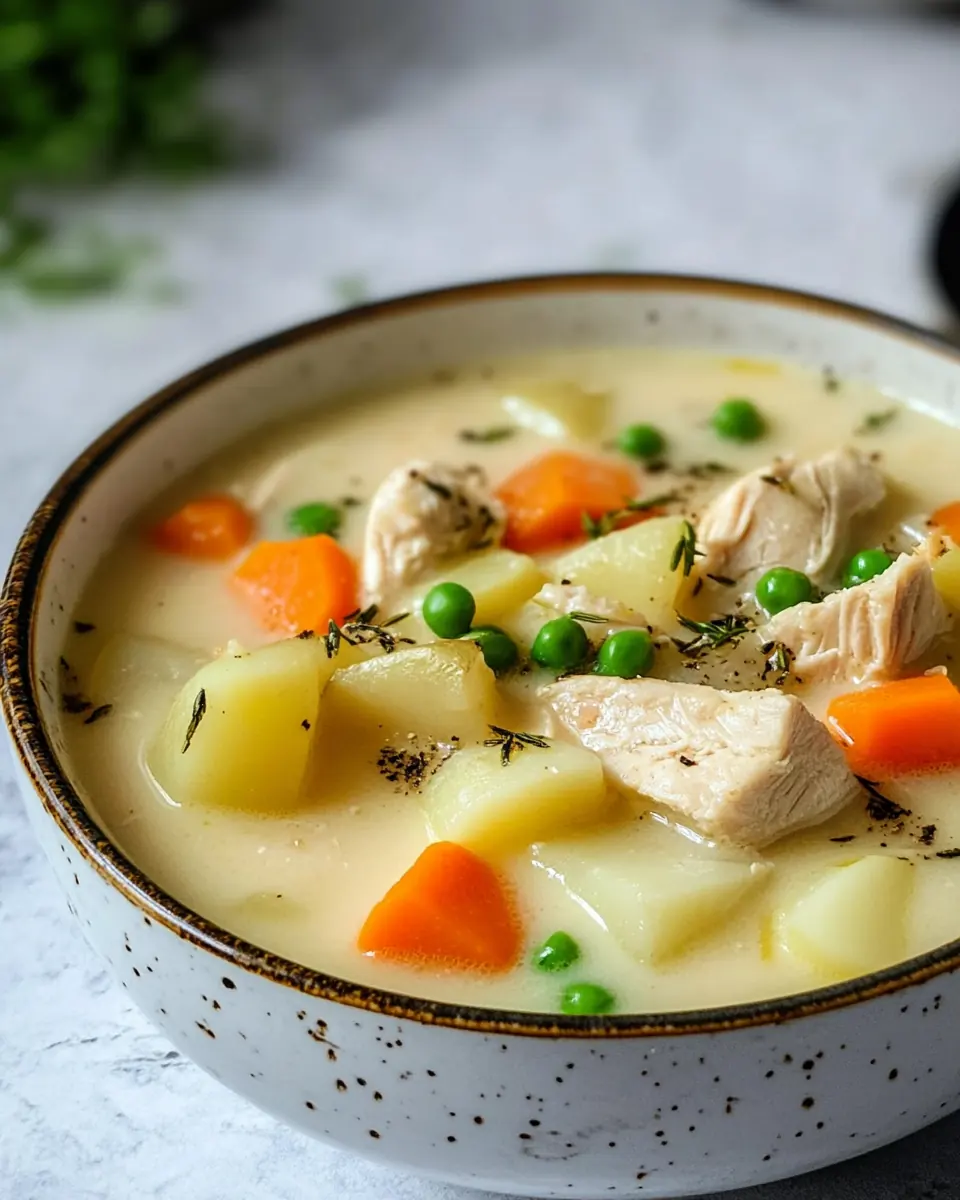
I like to collect a few small practices that make each bowl of this soup feel carefully crafted. These tips are practical and my own shortcuts from years of making similar brothy meals.
- Choose low sodium broth: Starting with a low sodium chicken broth lets you tune the seasoning precisely, preventing over salted results by the end of cooking.
- Trim and wash leeks thoroughly: The white and light green parts of the leeks hide grit, so slice and rinse them in a bowl of water to pull out sand before adding them to the pot.
- Evenly dice potatoes: Uniform Yukon Gold potatoes cook at the same pace, giving consistent texture and avoiding pockets of raw or overly mushy pieces.
- Shred warm but not hot chicken: Let the cooked chicken cool slightly before shredding so it holds moisture and yields tidy pieces instead of evaporating juices.
- Finish gently with dairy: When adding the half and half, keep the heat moderate to preserve a smooth, unified broth without curdling or separation.
What Complements This Chicken Potato Soup
This soup pairs well with simple, approachable sides and suits a wide range of occasions, from casual weeknight dinners to cozy winter meals. Think about texture contrast and freshness when planning accompaniments.
- Crusty bread or dinner rolls: Warm, crusty bread soaks up the creamy broth and adds a satisfying chew alongside tender vegetables.
- Light green salad: A simple dressed salad adds brightness and a crisp textural contrast to the soft soup for a balanced plate.
- Light sandwiches: An open faced sandwich with mild cheese complements the bowl without competing with the soup’s gentle flavors.
- Occasions: Serve this for a family dinner, lunch with friends, or as part of a Ramadan iftar where a nourishing, easy to digest option is appreciated.
- Storage tips: Cool the soup to room temperature, then refrigerate in airtight containers for up to four days, or freeze portions for up to three months. Reheat gently over low heat to preserve texture and avoid breaking the dairy.
- Seasonal pairing: This recipe is perfect for winter evenings when hearty, warming bowls are most welcome; it also works in early spring when you want a comforting transitional dish.
FAQ
Conclusion
Chicken Potato Soup stands out for its straightforward ingredients and deeply comforting flavor, a bowl that feels like an embrace on chilly nights. I encourage you to give it a try, whether you need a quick weeknight meal or a simple dish to share with friends. The methods are forgiving, and the results are reliably satisfying, so take your time with the simmer and enjoy the warm memories each spoonful brings.
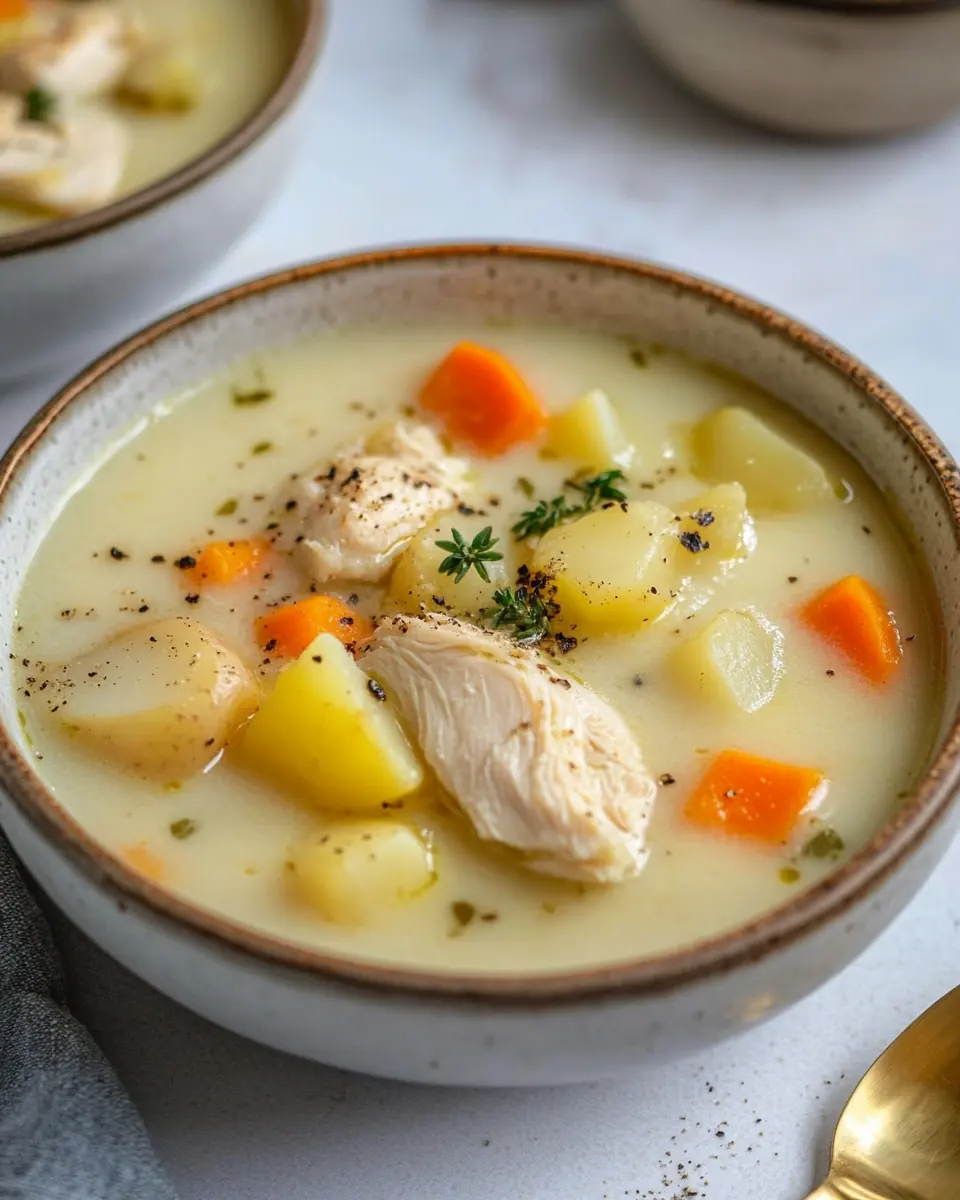
Chicken Potato Soup
Ingredients
Equipment
Method
- Place the chicken breasts in a large soup pot or Dutch oven. Pour in enough chicken broth to cover the chicken by about an inch. If necessary, add water to achieve this level. Bring the mixture to a boil over medium-high heat, then lower the heat and let it simmer for 15 minutes.: The aroma begins as the pot warms, and you will hear a gentle hiss as the liquid touches the hot metal, which signals the start of extraction. The reason we submerge the chicken is to coax savory gelatin and flavor into the broth, creating depth. Expect the kitchen to smell faintly meaty and cozy. Avoid boiling aggressively, because that makes the chicken tough and the broth cloudy; a steady simmer is the goal. If your pot is too small, the chicken might not cook evenly, so use something roomy enough.
- Once cooked, transfer the chicken to a plate to cool. When it's cool enough to handle, shred the chicken into bite-sized pieces.: You'll see the liquid level rise until the chicken is just submerged with a thin water buffer. This ensures even cooking and flavor transfer. If you need to add water, do so carefully, because diluting too much will weaken the taste. I recommend using warm broth to avoid shocking the pot, and skim any foam that appears for a clearer soup. Leaving the broth low can leave parts of the chicken undercooked, which is a common oversight.
- While the chicken is cooling, add the leeks, carrots, celery, potatoes, and dried thyme to the broth in the pot. Bring the broth back to a boil, then reduce the heat and simmer until the vegetables are tender, about 10 minutes.: You'll notice bubbles build and then settle into a gentle motion, which is the ideal simmer. That soft rolling simmer extracts collagen and concentrates flavor without making the meat stringy. Listen for a soft bubbling rather than a furious boil. Over simmering at high heat will toughen the chicken , so keep your eye on the flame and adjust as needed.
- Stir the shredded chicken and half-and-half into the pot with the broth and vegetables.: The moment you lift the chicken out the broth smells deeper and richer, a sign flavor has migrated into the liquid. Let the chicken cool until safe to handle, which makes shredding easier and prevents you from scalding your fingers. Cooling briefly also preserves moisture in the meat. Rushing to shred hot meat can lead to steam burns, so be cautious and wait a few moments.
- Season the soup to taste with the kosher salt and freshly ground black pepper. Continue to cook and stir the soup over medium heat until it's thoroughly heated, about 7-10 minutes more.: The texture should be tender and easy to pull apart, creating pleasing ribbons of protein. Shredding releases juices that will rejoin the broth and enhance the mouthfeel. Use two forks or your hands once cooled, pulling with the grain for the best texture. If you shred too finely you lose satisfying meaty bites, so aim for bite sized pieces.
- Serve the soup while hot, garnished with chopped fresh parsley if desired.: As these vegetables hit the hot liquid you will hear a soft sound and see the broth bubble more energetically, releasing their aromatic compounds. The vegetables build layers of flavor, with the leeks giving sweet nuance and the potatoes adding body. Stir them gently so nothing sticks to the bottom. A typical mistake is adding everything unevenly chopped; consistent size ensures simultaneous tenderizing.
- Bring the broth back to a boil then reduce the heat and simmer until the vegetables are tender about 10 minutes: Watch for the potatoes to become fork tender and the carrots to yield when pierced, which are your visual cues. The smell will become fuller and slightly sweeter as the vegetables release their starches and sugars. Avoid overcooking, because the vegetables will turn mushy and the texture will be one note. If you need a firmer bite, check a minute earlier than expected.
- Stir the shredded chicken and half and half into the pot with the broth and vegetables: You will notice the broth turns creamier and more luxurious, with steam carrying gentle dairy notes. Incorporating the half and half at moderate heat prevents separation and gives body to the soup. Stir until everything is evenly distributed and you see a uniform, slightly opaque broth. Do not boil vigorously after adding dairy, as that can cause curdling; gentle warmth is best.
- Season the soup to taste with the kosher salt and freshly ground black pepper: Seasoning unlocks the flavors, so taste and adjust incrementally. The salt brightens the savory notes while the black pepper adds a finishing bite. After seasoning, continue to cook and stir over medium heat until thoroughly heated about 7 to 10 minutes, so the flavors meld. Over salting is easy, so add small amounts and taste between additions to avoid going too far.
- Continue to cook and stir the soup over medium heat until it is thoroughly heated about 7 to 10 minutes more: The pot will give off a comforting steam and you will see small bubbles at the surface, indicating the soup is hot and ready. This time lets the flavors harmonize and any remaining raw notes dissipate. Stir occasionally to prevent sticking and to ensure even heat. If you forget to stir you may end up with a scorched bottom, which will taint the whole batch.
- Serve the soup while hot garnished with chopped fresh parsley if desired: The final presentation is simple but effective, with bright green parsley adding color and a fresh aroma right before serving. Ladle into warmed bowls so the soup stays hot longer, and notice how the first spoonful delivers savory broth, tender vegetables, and soft chicken all at once. Avoid adding garnish too early as it will wilt; wait until just before serving for the best visual and textural contrast.
Notes
- Choose low sodium broth: Starting with a low sodium chicken broth lets you tune the seasoning precisely, preventing over salted results by the end of cooking.
- Trim and wash leeks thoroughly: The white and light green parts of the leeks hide grit, so slice and rinse them in a bowl of water to pull out sand before adding them to the pot.
- Evenly dice potatoes: Uniform Yukon Gold potatoes cook at the same pace, giving consistent texture and avoiding pockets of raw or overly mushy pieces.
- Shred warm but not hot chicken: Let the cooked chicken cool slightly before shredding so it holds moisture and yields tidy pieces instead of evaporating juices.
- Finish gently with dairy: When adding the half and half, keep the heat moderate to preserve a smooth, unified broth without curdling or separation.