Cinnamon Butter
Cinnamon Butter has been my little kitchen secret for brightening toast, rolls, and warm scones since I first tried it at a weekend brunch with friends.
That morning I remember sitting at the table while someone passed a ramekin of soft, fragrant spread and I kept reaching for more. The texture was impossibly smooth, the aroma of cinnamon and honey warm and inviting, and every bite felt cozy and a little indulgent. Over time I adjusted the balance of sweetness and spice, learning that a whisper more cinnamon can lend autumnal depth, while a little extra honey brightens the finish. I always use good quality unsalted butter, and that choice alone elevates the whole experience.
Making Cinnamon Butter became a ritual for me on slow weekend mornings. I let the butter come to the right softness on the counter, then beat it until it turns pillowy, folding in the powdered sugar until it melts into the fat and the cinnamon flakes settle like tiny specks of warmth. Guests often ask for the recipe because it feels homemade and comforting, not overly sweet, and perfectly spreadable. If you love small pleasures that make everyday bread feel special, this is the one to keep in your fridge.
Recipe Snapshot
6 mins
5 mins
1 mins
Easy
100 kcal
American
Gluten-Free, Low FODMAP
Desserts
Electric mixer, Mixing bowl, Airtight container
What Sets This Cinnamon Butter Apart
Warm, approachable flavor
I love how Cinnamon Butter brings gentle warmth to whatever it touches. The combination of cinnamon and honey is familiar but refined, and it never overwhelms. I reach for it when I want a simple upgrade without fuss.
Versatility at the table
We use this spread across breakfasts, tea time, and holiday bread baskets. It pairs nicely with both soft rolls and crusty slices, and it even makes a plain biscuit feel like a special treat. I keep a jar on hand because it solves the “what to serve” question instantly.
Speed and simplicity
The recipe is almost absurdly quick. With just a handful of pantry staples, you can have a creamy spread in minutes. That ease means I actually make it often, not just on special occasions, and I think you will too.
Customizable sweetness and spice
I appreciate that you can tweak the honey and cinnamon to taste. When I want something more dessert like, I add a hair more powdered sugar. When I need a subtler note, I cut back on the honey. This flexibility makes it a keeper for many palates.
Great for gifting and gatherings
When friends visit, a small jar of Cinnamon Butter feels thoughtful and handmade. It stores well for several days, so I can prepare it ahead and focus on other dishes. Every host I know appreciates a condiment that looks and tastes homemade.
Ingredients for Cinnamon Butter
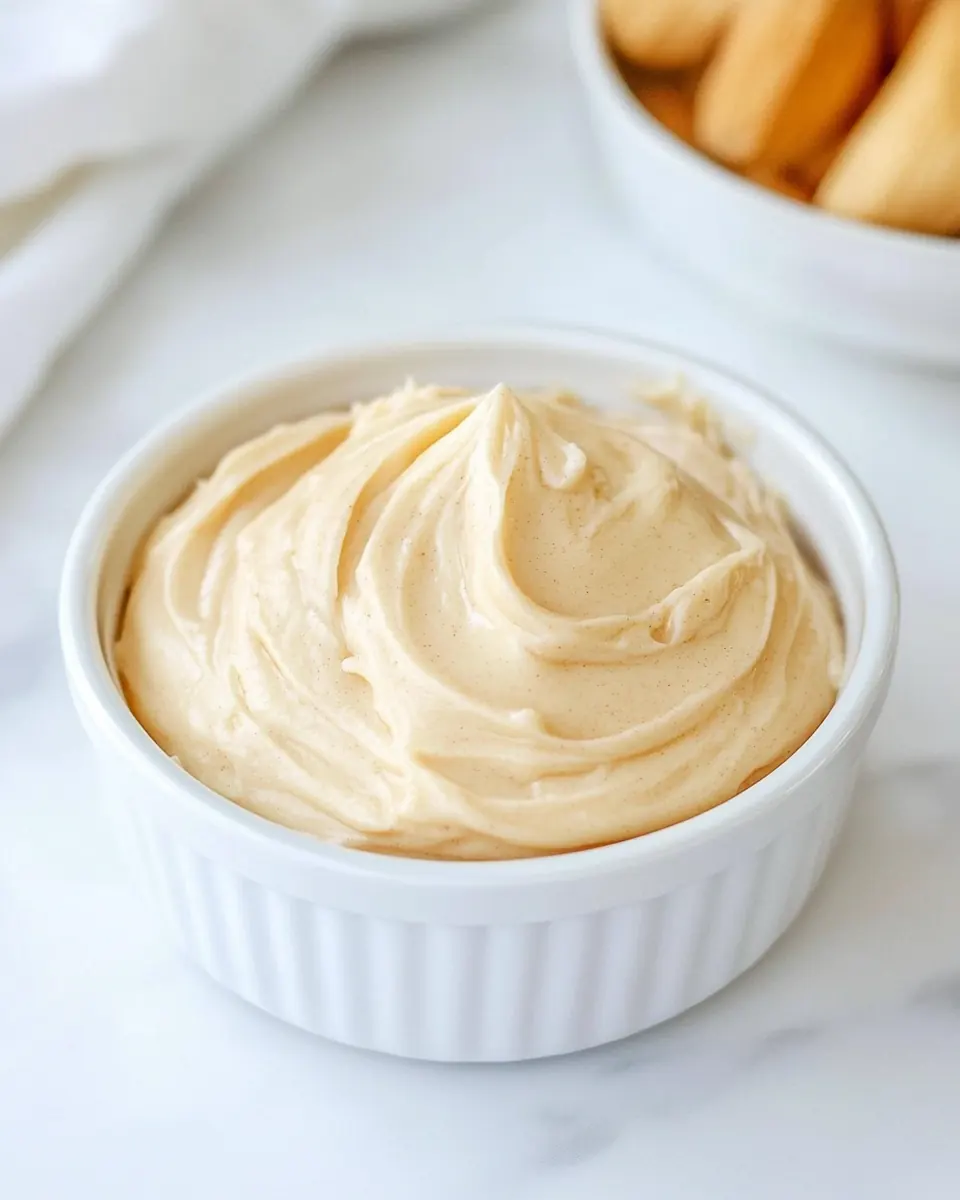
These ingredients are intentionally simple, each playing a clear role. The unsalted butter provides the creamy base and carries flavors. Powdered sugar adds sweetness and helps maintain a smooth, spreadable texture. A touch of honey brings floral depth and gentle moisture, while cinnamon gives that warm aromatic signature. Together they create a balanced spread that is silky, scoopable, and richly flavored.
- 1/3 cup unsalted butter, room temperature: Softens and binds other components while contributing a rich, creamy mouthfeel; used at room temperature to whip smoothly and ensure even incorporation into the cinnamon butter spread.
- 1/4 cup powdered sugar: Adds sweetness and stabilizes texture without graininess; powdered form dissolves into the butter to create a smooth, spreadable consistency and balances the honey's flavor.
- 1 1/2 tablespoons honey: Provides concentrated natural sweetness and a subtle floral note; thins the mixture slightly for easier spreading and enhances overall depth of flavor in the butter.
- 3/4 teaspoon cinnamon: Imparts warm, aromatic spice and distinctive cinnamon flavor; used in small amount to season and complement the sweetness while delivering a fragrant finish.
Instructions for Cinnamon Butter
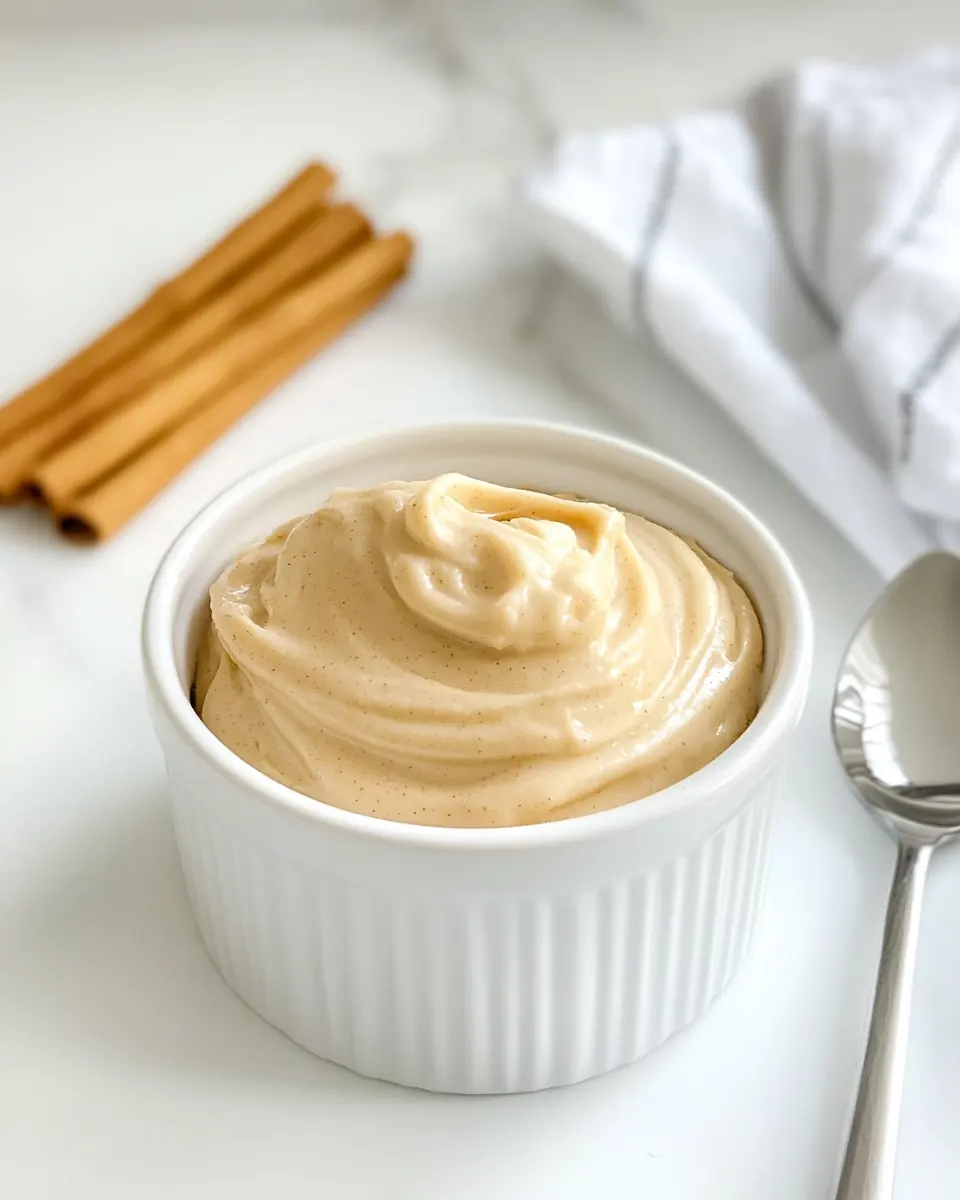
This recipe is intentionally short and hands on, so you’ll be moving quickly from softening to whipping. Read the steps through once, then gather your few ingredients and a mixing tool. The steps that follow expand on sensory cues and troubleshooting so your spread comes out silky every time.
- It is vital that the butter is very soft. Do not soften it in the microwave, instead allow it to sit out on the counter for about an hour.: The moment you touch the butter should be yielding but not melted, with a cool, creamy feel that keeps its shape when scooped. Visually you want no pools of oil and no hard, cold lumps; the surface should indent easily with a finger. When beaten, properly softened butter traps tiny air bubbles that make the texture light and spreadable, instead of dense. If the butter is too firm you will get uneven lumps and poor integration with the powdered sugar , and if it is too soft or melted the mixture can separate and become greasy. A good fix for slightly over softened butter is to chill it briefly for five to ten minutes until it firms up a touch, then continue. Listen for the subtle change in mixing resistance; the paddle should glide through smoothly without sloshing.
- Using an electric mixer to beat all the ingredients together until creamy and smooth.: As you start mixing, you will hear a steady, light whir and see the pale butter begin to lighten in color as it incorporates air. The aroma of cinnamon and honey will become more pronounced as the particles disperse. The goal is a ribbon like, velvety texture free of gritty sugar pockets and visible streaks of cinnamon . The reason an electric mixer helps is that it can consistently aerate the spread, creating a soft, spreadable mouthfeel that hand mixing struggles to match. A common mistake is overbeating, which warms the butter and can cause a slightly oily finish, so stop as soon as the mix looks homogeneous and glossy. If you spot clumps of powdered sugar scrape the bowl and beat again briefly. Smell and touch are your best guides: it should smell sweet and spiced, and the texture should be billowy yet stable.
- Serve immediately or store in an airtight container in the fridge for up to 5 days.: Freshly made Cinnamon Butter will be soft and easily spreadable on warm bread, with the honey shining through as a glossy note. If you refrigerate it, the texture firms up; allow it to sit at room temperature for about 15 to 20 minutes before serving so it becomes scoopable again. Proper storage prevents absorption of other odors and keeps the flavors bright. A common misstep is leaving it uncovered in the fridge, which can result in a dried surface or fridge flavors seeping in. When serving chilled, run a knife under warm water and dry it to easily slice smooth portions, and always use a clean utensil to avoid contamination.
Recipe Tips about Cinnamon Butter
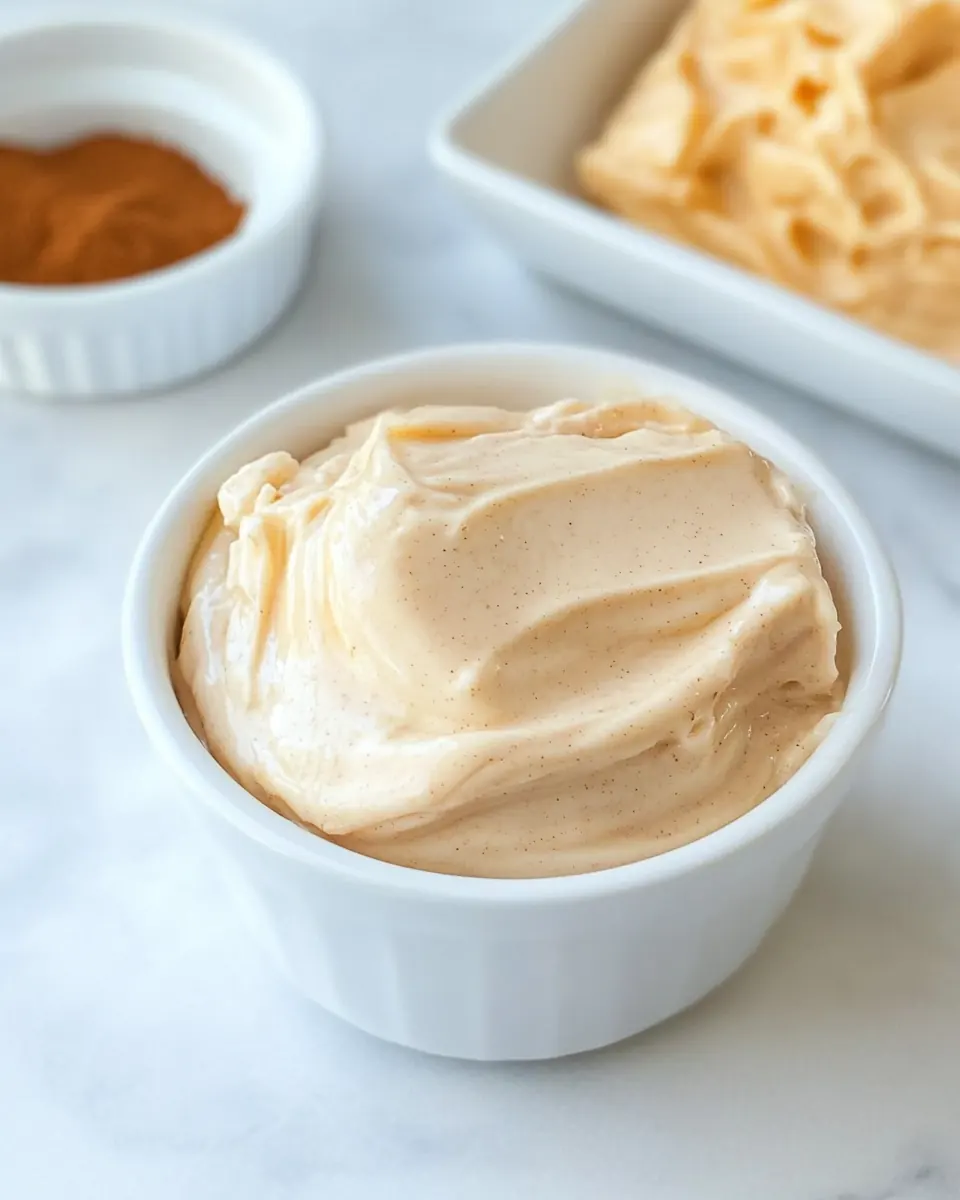
I like to collect a few reliable tips so the spread is effortless every time. Below are focused, practical notes I rely on when I make Cinnamon Butter, from ingredient choices to storage strategies.
- Softening is everything, always let the butter sit at room temperature until it yields to gentle pressure, this ensures a smooth, airy texture when whipped.
- Measure accurately, particularly for the powdered sugar and cinnamon, since small changes significantly affect sweetness and spice balance.
- Use good quality butter, because the flavor and mouthfeel come primarily from the butter itself.
- Beat just until combined, overworking the mixture can warm it and make it look shiny and oily rather than light and fluffy.
- Store in a small jar, using an airtight container keeps the flavors fresh for up to five days and makes for a prettier presentation when serving guests.
Serving Ideas for Cinnamon Butter
Cinnamon Butter is a lovely multipurpose spread that lifts simple baked goods and festive breads. Below are thoughtful serving suggestions and occasions where it shines, along with storage and pairing ideas to help you plan presentations or gifts.
- Warm rolls and biscuits, spread a generous spoonful on freshly baked rolls or biscuits for brunch, the heat will melt the spread slightly and highlight the honey and cinnamon.
- Toast and bagels, use on toasted bread or bagels for an easy breakfast that feels special without extra effort, pair with a hot cup of tea or coffee.
- Scones and pastries, serve alongside scones for afternoon tea, the creamy texture complements flaky pastries and adds a sweet spice note.
- Gifting and hostess jars, spoon into small jars with a ribbon for a handmade gift, include a note suggesting pairing with warm bread or biscuits.
- Seasonal occasions, excellent for fall and winter gatherings where warm spices are welcome, or any time you want to elevate a simple spread at holiday brunches.
- Storage and prep, refrigerate up to five days, bring to room temperature before serving so it becomes spreadable, and always use a clean utensil when scooping.
FAQ
Conclusion
Cinnamon Butter stands out because it turns simple bread into an indulgent little moment with minimal effort. I encourage you to try it the next time you have fresh rolls or toast, because a small jar of this spread makes everyday bites feel special. It is quick to prepare, endlessly adaptable in sweetness and spice, and perfect for gifting or keeping on hand for cozy breakfasts and welcoming guests.
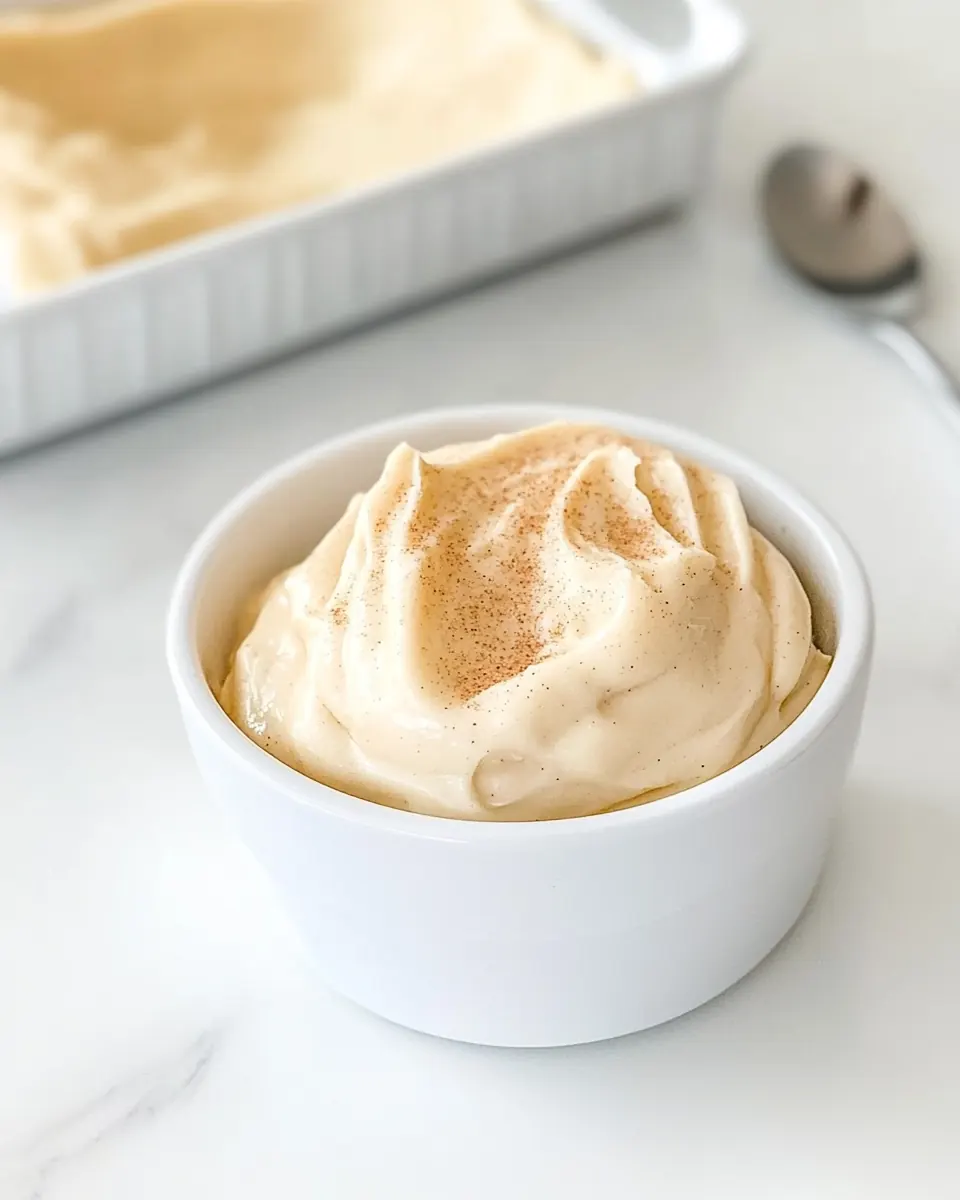
Cinnamon Butter
Ingredients
Equipment
Method
- It is vital that the butter is very soft. Do not soften it in the microwave, instead allow it to sit out on the counter for about an hour.: The moment you touch the butter should be yielding but not melted, with a cool, creamy feel that keeps its shape when scooped. Visually you want no pools of oil and no hard, cold lumps; the surface should indent easily with a finger. When beaten, properly softened butter traps tiny air bubbles that make the texture light and spreadable, instead of dense. If the butter is too firm you will get uneven lumps and poor integration with the powdered sugar , and if it is too soft or melted the mixture can separate and become greasy. A good fix for slightly over softened butter is to chill it briefly for five to ten minutes until it firms up a touch, then continue. Listen for the subtle change in mixing resistance; the paddle should glide through smoothly without sloshing.
- Using an electric mixer to beat all the ingredients together until creamy and smooth.: As you start mixing, you will hear a steady, light whir and see the pale butter begin to lighten in color as it incorporates air. The aroma of cinnamon and honey will become more pronounced as the particles disperse. The goal is a ribbon like, velvety texture free of gritty sugar pockets and visible streaks of cinnamon . The reason an electric mixer helps is that it can consistently aerate the spread, creating a soft, spreadable mouthfeel that hand mixing struggles to match. A common mistake is overbeating, which warms the butter and can cause a slightly oily finish, so stop as soon as the mix looks homogeneous and glossy. If you spot clumps of powdered sugar scrape the bowl and beat again briefly. Smell and touch are your best guides: it should smell sweet and spiced, and the texture should be billowy yet stable.
- Serve immediately or store in an airtight container in the fridge for up to 5 days.: Freshly made Cinnamon Butter will be soft and easily spreadable on warm bread, with the honey shining through as a glossy note. If you refrigerate it, the texture firms up; allow it to sit at room temperature for about 15 to 20 minutes before serving so it becomes scoopable again. Proper storage prevents absorption of other odors and keeps the flavors bright. A common misstep is leaving it uncovered in the fridge, which can result in a dried surface or fridge flavors seeping in. When serving chilled, run a knife under warm water and dry it to easily slice smooth portions, and always use a clean utensil to avoid contamination.
Notes
- Softening is everything, always let the butter sit at room temperature until it yields to gentle pressure, this ensures a smooth, airy texture when whipped.
- Measure accurately, particularly for the powdered sugar and cinnamon, since small changes significantly affect sweetness and spice balance.
- Use good quality butter, because the flavor and mouthfeel come primarily from the butter itself.
- Beat just until combined, overworking the mixture can warm it and make it look shiny and oily rather than light and fluffy.
- Store in a small jar, using an airtight container keeps the flavors fresh for up to five days and makes for a prettier presentation when serving guests.