Chocolate Snowball Cookies
Chocolate Snowball Cookies have been my go to winter treat when I want something that feels both nostalgic and fancy at the same time. The first time I made these I was juggling a kettle, a stack of handwritten cards, and a playlist of holiday songs, and those crackled, powdered sugar coated rounds somehow made the whole evening feel stitched together. I remember handing one to a neighbor through the gate, and her face lit up in a way that made me realize small cookies can carry a lot of warmth.
One snowy afternoon I decided to riff on a classic, swapping in unsweetened cocoa powder and extra finely ground walnuts to create a deeper, almost fudgy center under that snowy coat of powdered sugar. The process is oddly calming, because the dough chills quietly while you sip something warm, and the result is worth the patience. These little rounds are crisp at the edges, tender inside, and deliver that satisfying powdered sugar cloud when you bite into them.
Recipe Snapshot
29 mins
20 mins
9 mins
Medium
120 kcal
American
Gluten-Free, Low FODMAP
Desserts
food processor
What’s Great About This Chocolate Snowball Cookies
Comforting Seasonal Appeal
I love how Chocolate Snowball Cookies feel tied to winter, they’re the kind of cookie I bring to gatherings that need a gentle, cozy note. The combination of the slightly bitter cocoa powder with the sweet dusting of powdered sugar creates a balance that makes each bite interesting rather than cloying. When you serve them at a holiday table, they read as both homemade and a little bit elevated.
Textural Contrast
These cookies get their charm from texture, the finely ground walnuts fold into the dough and give a subtle, nutty crunch that plays against the soft interior. I appreciate recipes that think about texture because that contrast is what keeps a cookie memorable. The light crack on top is also part of the experience, a visual cue that tells you the interior will be delicate and tender.
Simple, Reliable Process
What draws me to this recipe is how straightforward it is. You don’t need exotic tools or ingredients, just a basic mixer and a food processor for the nuts. The steps are forgiving, which makes it a great choice when you want beautiful results without stress. That reliability means I make them for neighbors, school events, and last minute get togethers.
Make Ahead Friendly
I often chill the dough a day ahead, it gives the flavors time to meld and makes portioning morning of a breeze. Chilling also helps the cookies hold their shape so you get evenly baked rounds with that signature crackled surface. This is a boon when you are prepping for a party and need to spread the work over two days.
Kid Approved and Crowd Ready
Finally, these cookies are crowd pleasers. Kids love rolling them in powdered sugar, and adults appreciate the nuanced chocolate flavor from the unsweetened cocoa powder. They travel well, stack neatly in tins, and look festive on dessert platters, so they’re consistently among the first to disappear.
What to Gather for Chocolate Snowball Cookies
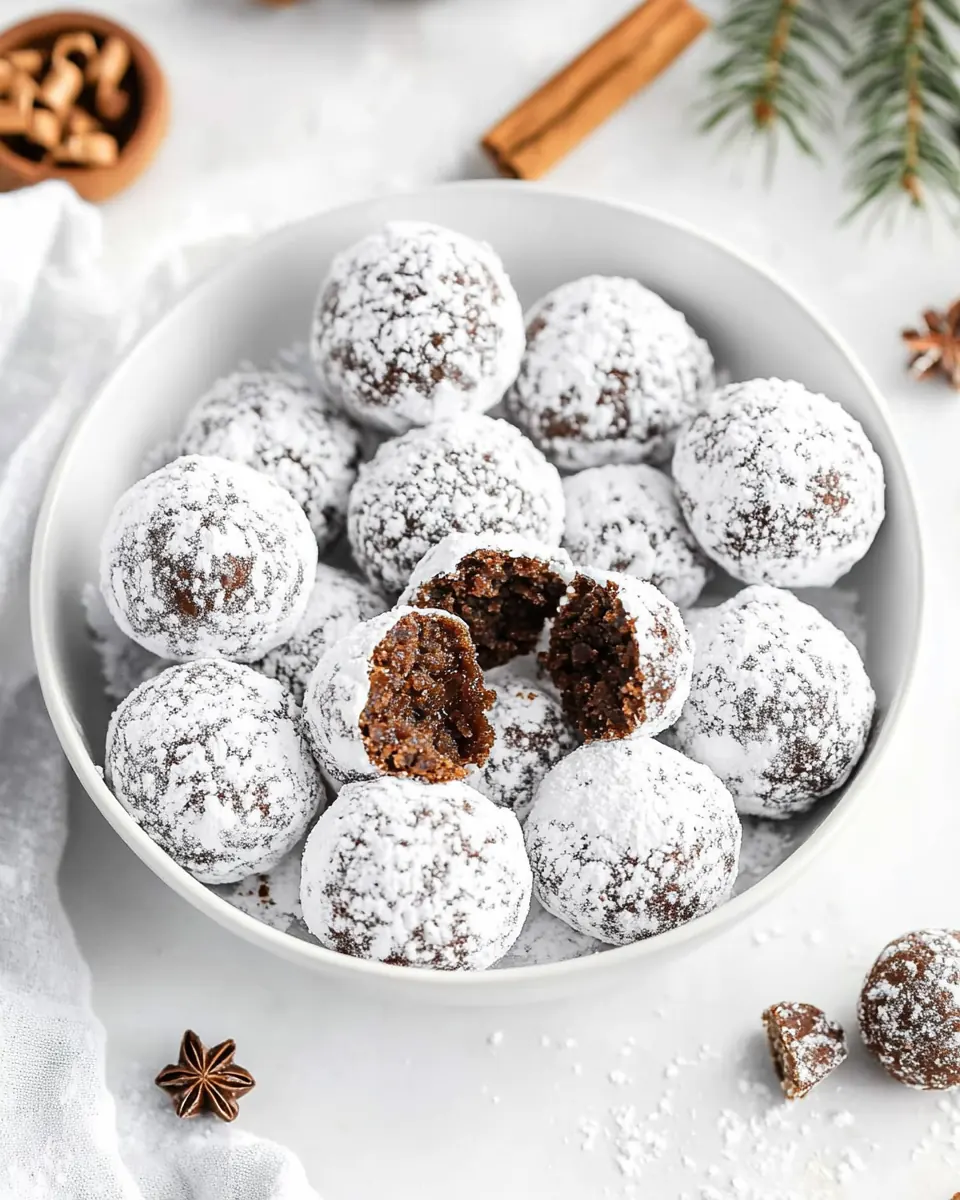
These ingredients work together to create a cookie that is balanced in flavor and texture. The buttery base provides richness, while the brown sugar and vanilla add depth. The finely ground walnuts contribute nutty texture, and the unsweetened cocoa powder gives a chocolate backbone without overpowering sweetness. The finishing roll in powdered sugar provides that snowy look and a melt in the mouth sprinkle on every bite.
- 3/4 cup packed brown sugar: Adds deep caramel sweetness and moisture to baked goods while enhancing chewiness and contributing to a tender crumb when creamed with butter.
- 3/4 cup softened unsalted butter: Provides creamy richness and fat that creates a smooth, tender texture and helps incorporate air when creamed with sugar for lift.
- 1 large egg: Adds structure and stability to the dough while contributing moisture and richness; eggs help bind ingredients and aid in leavening.
- 1/4 cup milk: Contributes liquid to hydrate dry ingredients, loosen dough for proper consistency, and help dissolve sugars for even texture.
- 1 teaspoon vanilla extract: Imparts aromatic sweetness and enhances the overall flavor profile, rounding out chocolate notes and complementing nuts and sugar.
- 2 cups all-purpose flour: Supplies the primary dry structure and bulk for the cookies, developing gluten when mixed and providing the base for chewiness and shape.
- 1/4 cup unsweetened cocoa powder: Introduces a concentrated chocolate flavor and dark color while slightly drying the dough, intensifying cocoa notes in the finished cookie.
- 1/4 teaspoon baking soda: Adds a small amount of alkaline lift, reacting with acids to produce carbon dioxide for subtle leavening and a lighter texture.
- 1 teaspoon baking powder: Provides a reliable chemical leavening boost that releases carbon dioxide when heated, contributing to rise and a tender crumb.
- 1/2 teaspoon salt: Balances sweetness and strengthens gluten slightly while enhancing flavor; essential for controlling taste and texture in the dough.
- 1 1/2 cups walnuts: Contributes crunchy texture, rich nutty flavor, and a toasty depth; also adds fat that enriches mouthfeel and contrasts the sweetness.
- 1 cup powdered sugar, for rolling: Creates a sweet, snowy coating that adds visual appeal and an initial melt-in-the-mouth sweetness when rolled around warm cookies.
Cooking Instructions for Chocolate Snowball Cookies
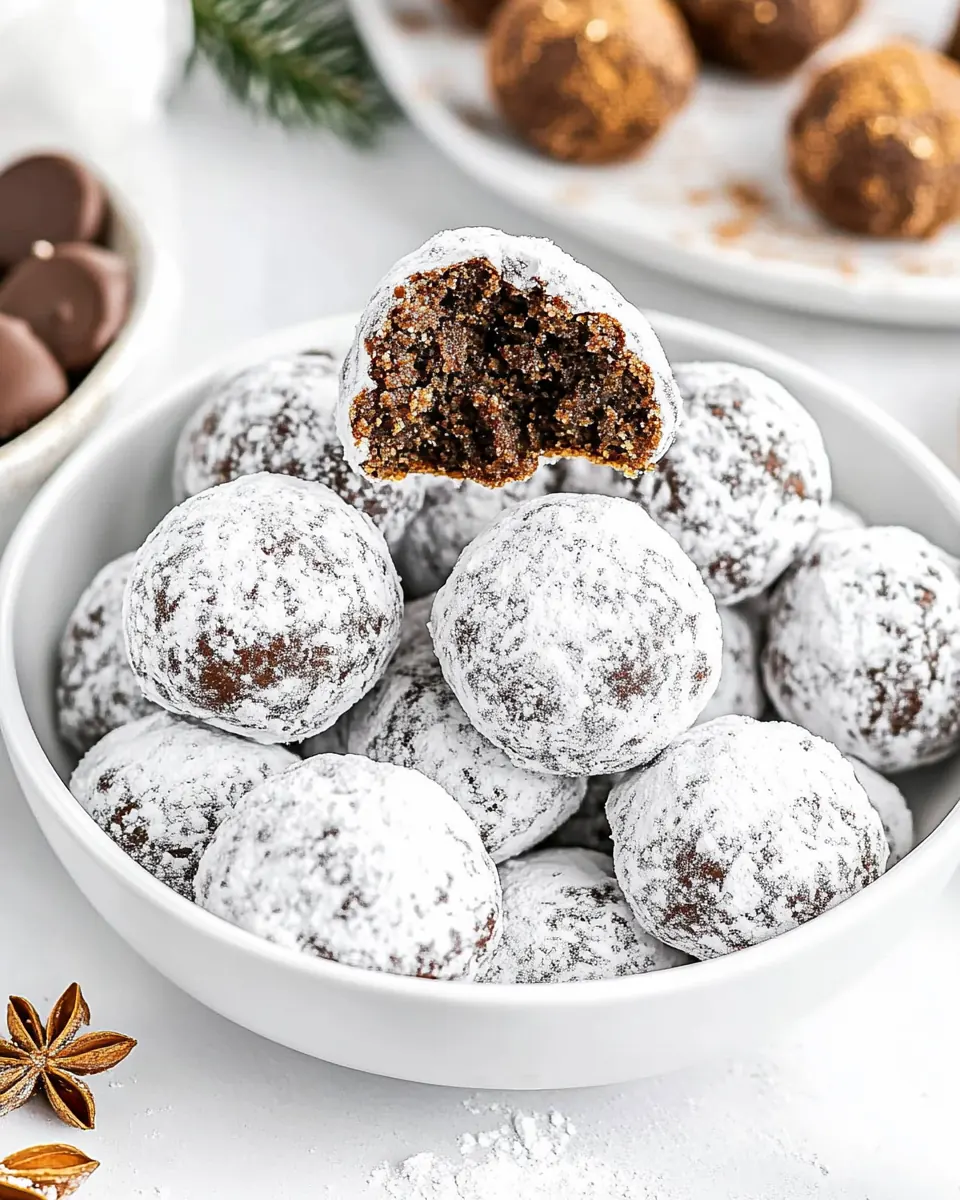
These instructions will guide you through the process with a friendly, step by step voice. I’ll walk you through what to look for, how the dough should feel at each stage, and the small adjustments that make a big difference. Keep your workspace organized and move calmly from one step to the next.
- Add 1 1/2 cups walnuts to a food processor and pulse until very finely ground. Set aside.: You will notice the nuts breaking down into a fine, sandy texture and releasing a warm, toasty aroma, which signals they are ready. The fine grind ensures the nuts distribute evenly through the dough so you get subtle crunch without large chunks that change the bite. Watch carefully in the processor, pulsing in short bursts to avoid overheating and producing walnut butter, which will make the dough greasy. If you over process, refrigerate the ground nuts for 15 to 20 minutes to firm them up before mixing.
- Add 3/4 cup packed brown sugar and 3/4 cup softened unsalted butter to a large bowl and beat with a hand mixer or stand mixer fitted with the paddle attachment until light and fluffy, about 3 minutes.: You should see the mixture turn paler and increase slightly in volume, with a creamy, aerated texture that traps tiny air pockets, which will help the cookies be tender. The smell will be sweet and buttery, and the brown sugar will lend a faint caramel fragrance. A common error is using butter that is too soft or melted, which prevents proper aeration and leads to flat cookies, so aim for butter that yields to gentle pressure but holds shape.
- Add 1 large egg, 1/4 cup milk, and 1 teaspoon vanilla extract and mix until combined.: At this point the mixture will become smoother and silkier, and you will notice the aroma of vanilla bloom through. The egg contributes to structure and richness while the milk slightly loosens the batter for smoother incorporation of dry ingredients. Avoid over mixing here as it can develop gluten in the flour later, leading to tougher cookies; mix just until homogenous.
- In a medium bowl, whisk together 2 cups all-purpose flour, 1/4 cup unsweetened cocoa powder, 1/4 teaspoon baking soda, 1 teaspoon baking powder, and 1/2 teaspoon salt.: The whisking action distributes the cocoa powder and leavening evenly so you get uniform color and rise. You should see an even, fine brown mixture free of streaks. Sifting is helpful if the cocoa is clumpy. A pitfall is not whisking thoroughly, which can leave pockets of leavener that create uneven texture or bitter spots.
- Slowly add the flour mixture to the butter mixture until completely combined. Stir the walnuts into the dough until incorporated. Cover with plastic wrap and chill in the refrigerator for at least 4 hours, or overnight.: As you fold in the dry mix you will feel the dough thicken and the aroma will shift to a richer, chocolate scent. Folding gently prevents overworking, which protects tenderness. Once the walnuts are folded in you will see flecks of nut through the dough, and the texture should be cohesive and slightly firm. Chilling solidifies the fats so the cookies hold shape while baking and deepens flavor. Do not skip chilling, or the dough may spread too much and lose its crackled top.
- After the dough has chilled, preheat the oven to 350 degrees Fahrenheit. Scoop the dough into 1-inch balls and place them on an ungreased baking sheet.: Preheating ensures even bake from the start, and the oven will have a steady heat that helps the cookie dome and crack as intended. The chilled dough will feel firm to the touch and roll into clean balls, and placing them on ungreased sheets encourages the classic edge texture. Space the balls appropriately, and if they feel too soft, return them to chill briefly. A frequent mistake is not preheating long enough, resulting in uneven rise and texture.
- Bake for 8-9 minutes, or until the tops begin to crack. Remove the cookies from the oven and let them cool completely on cooling racks.: During baking you will notice the surface set and small cracks appear, releasing a nutty, cocoa aroma. The edges may firm slightly while the centers remain soft, which is perfect for the intended tender bite. Cooling on racks avoids trapped steam that can make bottoms soggy. Resist the urge to remove them immediately, as they continue to set; pulling them too soon can cause collapse or underbaked centers.
- Roll the cooled cookies in 1 cup powdered sugar before serving.: Rolling warmed cookies can cause the sugar to melt into clumps, so wait until completely cool; the powdered sugar should dust the surface evenly, creating that snowy look. The contrast between the dark cookie and white coating is visually striking, and the sugar melts subtly on the tongue, giving a delicate, melt away sensation. If you see the sugar turning pasty, the cookies were still warm, so cool a bit longer before rolling.
Expert Tips about Chocolate Snowball Cookies
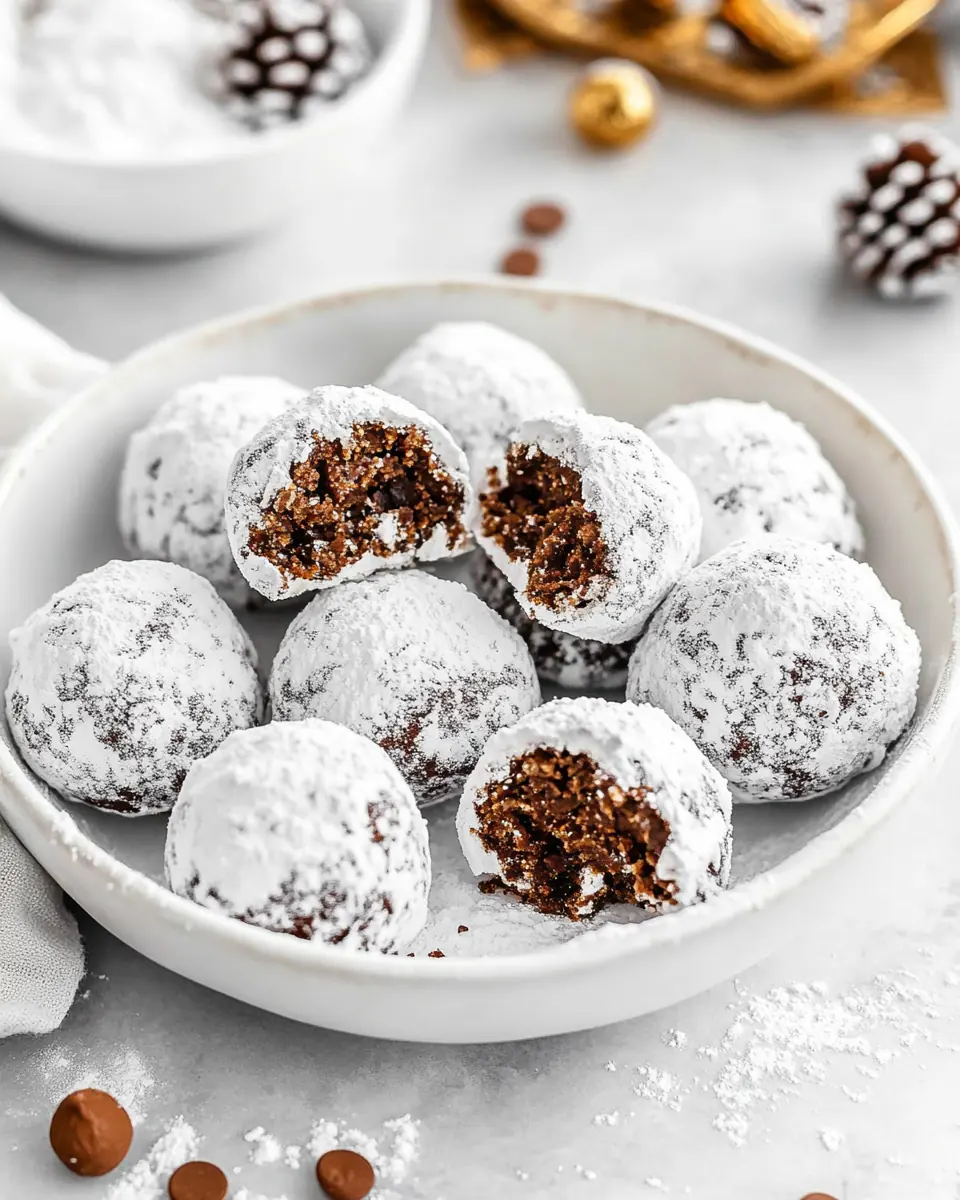
I like to keep a few finishing and timing tricks in my back pocket when making these cookies. Below are practical tips that I use when I want consistent results and a little extra polish before serving.
- Pulse in short bursts when grinding the walnuts so you get a fine, sandy texture rather than nut butter, which would make the dough oily.
- Chill longer if needed to firm up dough that feels too soft to roll, this helps maintain round shapes and the signature crackled top.
- Room temperature mixing for the butter ensures proper aeration when creaming with brown sugar, leading to lighter cookies.
- Sift the cocoa powder if it’s clumpy to ensure even color and prevent streaks in the dough.
- Cool completely before rolling in powdered sugar so the coating stays dry and evenly distributed.
Serving This Chocolate Snowball Cookies
These cookies are versatile and fit many occasions, from afternoon tea to holiday platters. Below I detail serving ideas, pairings, and storage guidance so your batch stays fresh and looks beautiful when presented.
- Holiday cookie tins, arrange the cookies in layers separated by parchment paper for gifting during Christmas gatherings, they transport well and look festive.
- Party platters, display them with other small cookies on a large platter for dessert tables at winter parties, the contrast of white sugar and dark cookie adds visual interest.
- Tea time, serve a few with a warm cup of tea or coffee for an afternoon pick me up, the powdered sugar pairs nicely with a robust hot drink.
- Make ahead, bake and store in an airtight container at room temperature for up to five days, or freeze for longer storage after baking and cooling completely.
- Freezing, flash freeze on a tray then transfer to a sealed container, they thaw quickly and retain texture, perfect for preparing ahead of events.
- Labeling, if gifting, include a small note about chilling time and that the cookies are best within a week for optimal freshness.
FAQ
Conclusion
These Chocolate Snowball Cookies combine nutty depth and a snowy powdered sugar finish to create a cookie that feels both classic and cozy. They are forgiving to make, travel well, and always look festive on a platter, which makes them a reliable choice for holiday baking or sharing with neighbors. I encourage you to give them a try, take your time with the chilling step, and enjoy the small ritual of rolling and coating each cookie before you serve them.
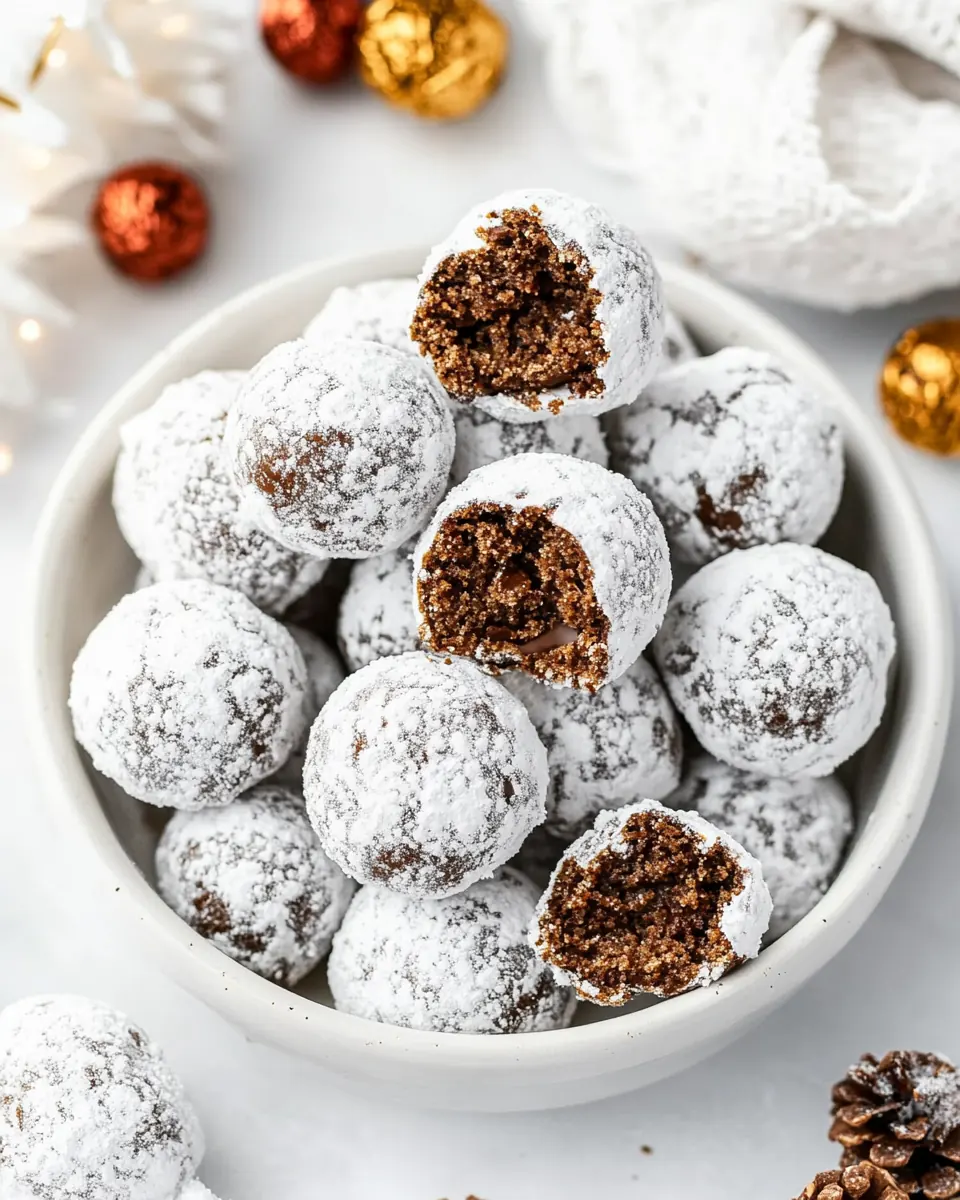
Chocolate Snowball Cookies
Ingredients
Equipment
Method
- Add 1 1/2 cups walnuts to a food processor and pulse until very finely ground. Set aside.: You will notice the nuts breaking down into a fine, sandy texture and releasing a warm, toasty aroma, which signals they are ready. The fine grind ensures the nuts distribute evenly through the dough so you get subtle crunch without large chunks that change the bite. Watch carefully in the processor, pulsing in short bursts to avoid overheating and producing walnut butter, which will make the dough greasy. If you over process, refrigerate the ground nuts for 15 to 20 minutes to firm them up before mixing.
- Add 3/4 cup packed brown sugar and 3/4 cup softened unsalted butter to a large bowl and beat with a hand mixer or stand mixer fitted with the paddle attachment until light and fluffy, about 3 minutes.: You should see the mixture turn paler and increase slightly in volume, with a creamy, aerated texture that traps tiny air pockets, which will help the cookies be tender. The smell will be sweet and buttery, and the brown sugar will lend a faint caramel fragrance. A common error is using butter that is too soft or melted, which prevents proper aeration and leads to flat cookies, so aim for butter that yields to gentle pressure but holds shape.
- Add 1 large egg, 1/4 cup milk, and 1 teaspoon vanilla extract and mix until combined.: At this point the mixture will become smoother and silkier, and you will notice the aroma of vanilla bloom through. The egg contributes to structure and richness while the milk slightly loosens the batter for smoother incorporation of dry ingredients. Avoid over mixing here as it can develop gluten in the flour later, leading to tougher cookies; mix just until homogenous.
- In a medium bowl, whisk together 2 cups all-purpose flour, 1/4 cup unsweetened cocoa powder, 1/4 teaspoon baking soda, 1 teaspoon baking powder, and 1/2 teaspoon salt.: The whisking action distributes the cocoa powder and leavening evenly so you get uniform color and rise. You should see an even, fine brown mixture free of streaks. Sifting is helpful if the cocoa is clumpy. A pitfall is not whisking thoroughly, which can leave pockets of leavener that create uneven texture or bitter spots.
- Slowly add the flour mixture to the butter mixture until completely combined. Stir the walnuts into the dough until incorporated. Cover with plastic wrap and chill in the refrigerator for at least 4 hours, or overnight.: As you fold in the dry mix you will feel the dough thicken and the aroma will shift to a richer, chocolate scent. Folding gently prevents overworking, which protects tenderness. Once the walnuts are folded in you will see flecks of nut through the dough, and the texture should be cohesive and slightly firm. Chilling solidifies the fats so the cookies hold shape while baking and deepens flavor. Do not skip chilling, or the dough may spread too much and lose its crackled top.
- After the dough has chilled, preheat the oven to 350 degrees Fahrenheit. Scoop the dough into 1-inch balls and place them on an ungreased baking sheet.: Preheating ensures even bake from the start, and the oven will have a steady heat that helps the cookie dome and crack as intended. The chilled dough will feel firm to the touch and roll into clean balls, and placing them on ungreased sheets encourages the classic edge texture. Space the balls appropriately, and if they feel too soft, return them to chill briefly. A frequent mistake is not preheating long enough, resulting in uneven rise and texture.
- Bake for 8-9 minutes, or until the tops begin to crack. Remove the cookies from the oven and let them cool completely on cooling racks.: During baking you will notice the surface set and small cracks appear, releasing a nutty, cocoa aroma. The edges may firm slightly while the centers remain soft, which is perfect for the intended tender bite. Cooling on racks avoids trapped steam that can make bottoms soggy. Resist the urge to remove them immediately, as they continue to set; pulling them too soon can cause collapse or underbaked centers.
- Roll the cooled cookies in 1 cup powdered sugar before serving.: Rolling warmed cookies can cause the sugar to melt into clumps, so wait until completely cool; the powdered sugar should dust the surface evenly, creating that snowy look. The contrast between the dark cookie and white coating is visually striking, and the sugar melts subtly on the tongue, giving a delicate, melt away sensation. If you see the sugar turning pasty, the cookies were still warm, so cool a bit longer before rolling.
Notes
- Pulse in short bursts when grinding the walnuts so you get a fine, sandy texture rather than nut butter, which would make the dough oily.
- Chill longer if needed to firm up dough that feels too soft to roll, this helps maintain round shapes and the signature crackled top.
- Room temperature mixing for the butter ensures proper aeration when creaming with brown sugar, leading to lighter cookies.
- Sift the cocoa powder if it’s clumpy to ensure even color and prevent streaks in the dough.
- Cool completely before rolling in powdered sugar so the coating stays dry and evenly distributed.