Citrus Salmon Tray Bake
Citrus Salmon Tray Bake is one of those easy, bright meals I turn to when the days are long and I want dinner to feel effortless yet special.
I remember the first time I made Citrus Salmon Tray Bake for friends on a warm evening, balancing a bowl of fluffy grain on the table while the scent of citrus and herbs filled the kitchen. We chatted over a glass of iced tea as the oven worked its magic, and when I pulled the tray out the room went quiet for a beat, everyone savoring that caramelized edge on the salmon and the sweet roasted notes of the tomatoes and onion. It felt like a small triumph, proof that good food can be simple and celebratory at the same time.
Since then, this recipe has slid easily into my rotation for summer dinners, quick weeknight suppers when we want something nourishing without fuss, and casual gatherings where I want to spend time with people instead of the stove. The bright citrus and fresh herbs cut through the richness of the salmon, while the tray roasting brings out a gentle sweetness in the vegetables. I always cook a grain on the side to soak up the juices so no one misses a drop.
Recipe Snapshot
30 mins
10 mins
20 mins
Medium
450 kcal
American
Gluten-Free, Keto
Dinner
Oven, Baking sheet, Parchment paper, Food processor, Saucepan
Why This Citrus Salmon Tray Bake Is a Winner
Bright, Balanced Flavor
I love how Citrus Salmon Tray Bake pairs the natural richness of salmon with sharp citrus notes from lime and lemon. The acid wakes up the palate, making each bite vibrant, while the honey tames the tartness with a whisper of sweetness. That contrast keeps the dish from feeling heavy, and I find it perfect when I want something lively after a hot day.
Minimal Hands On Time
One of the reasons I reach for this recipe is the hands off nature. Once you dress the salmon and arrange the vegetables, the oven does the rest. I can tidy the kitchen, set the table, or make a simple grain, and the tray roast delivers reliably well cooked salmon every time. For busy evenings, this kind of low effort, high reward setup is invaluable.
Versatile and Family Friendly
I appreciate that Citrus Salmon Tray Bake suits many occasions. It slides from a weeknight family meal to an informal dinner with friends without missing a beat. The flavors are accessible for picky eaters because the citrus is mellowed with honey and herbs, and the roasted vegetables become sweet and tender, which most people enjoy.
One Tray, Easy Cleanup
Using a single lined baking sheet means fewer dishes and less stress after dinner. The juices from the salmon mingle with the vegetables, concentrating flavor and creating a natural sauce to spoon over a grain. That simplicity keeps me cooking this again and again, especially when I want a satisfying meal without a sink full of pans.
Fresh Herb Impact
Finally, the fresh basil and cilantro bring a lift that dried herbs cannot match. I find blending them into the citrus mixture infuses the salmon with fragrant, green notes throughout, rather than just a surface garnish. That technique makes the herb presence feel intentional and bright, and it turns a simple roast into something that tastes thoughtful and polished.
Everything You Need for Citrus Salmon Tray Bake
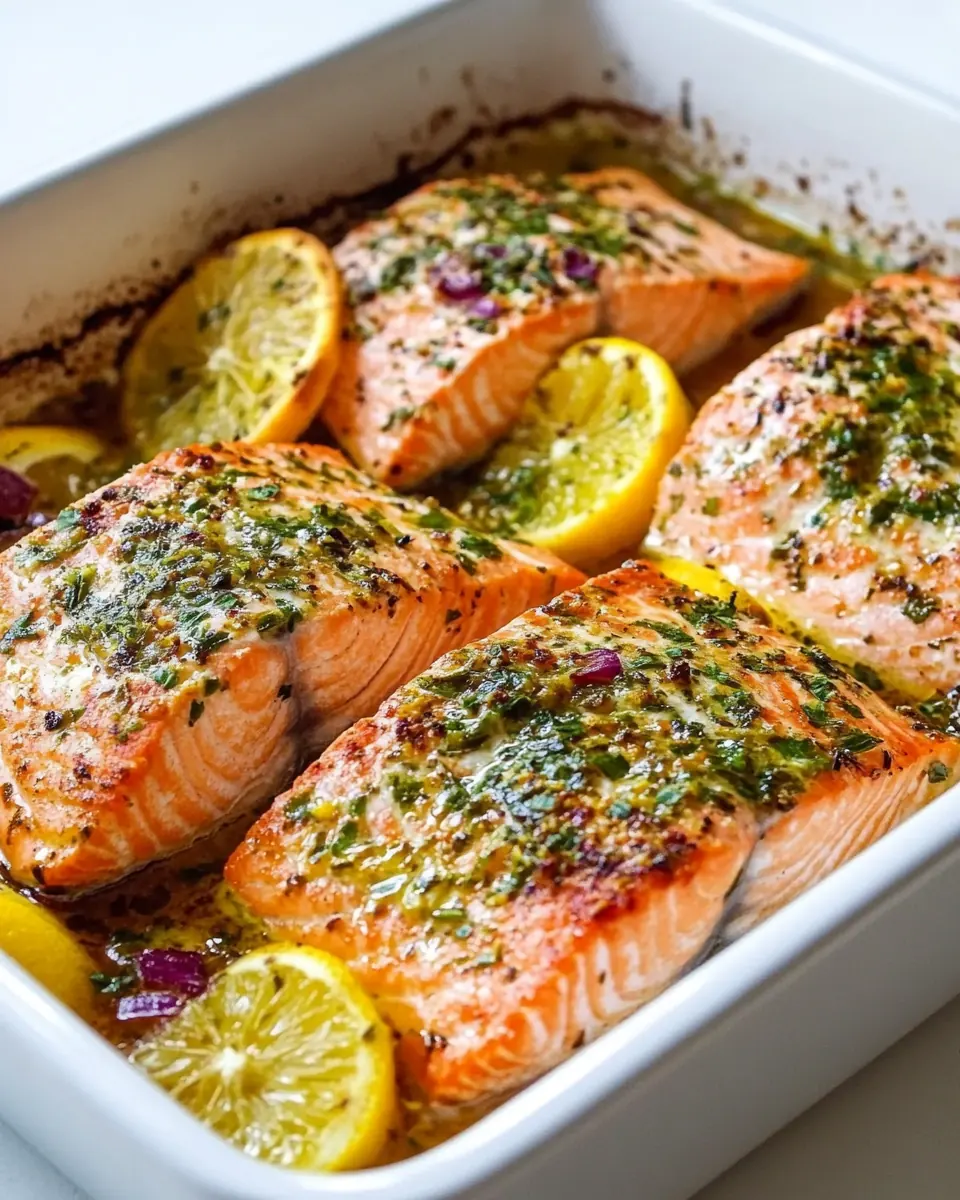
These ingredients are chosen to work in harmony: bright citrus and fresh herbs bring lift, while the salmon provides richness and the assortment of vegetables offers texture and sweetness when roasted. The oil and honey help with caramelization and mouthfeel, and the millet soaks up the savory citrus juices for a complete plate.
- 1 lime juiced and zested: Squeeze and grate to extract bright citrus oils and tangy juice that balance the dish; use both zest and juice for an aromatic lift that complements salmon and herbs.
- 1 lemon juiced and zested: Squeeze and grate to provide acidity and fragrant citrus notes that brighten the tray bake; include both zest and juice to layer flavor with the lime.
- 1 garlic clove: Crush and mince to release pungent, savory aromatics that infuse the marinade and vegetables; use finely chopped garlic so it disperses evenly during roasting.
- 1 tablespoon olive oil: Drizzle and whisk to create a light, fruity base for the marinade that helps distribute flavors and prevents sticking during cooking; use extra-virgin for best aroma.
- 1/4 cup basil fresh, stems removed: Chop coarsely to add fresh, sweet-herb flavor and vibrant green color; remove stems to avoid bitterness and chop leaves to release their aromatic oils into the dish.
- 3 tablespoons cilantro fresh, stems removed: Roughly chop to contribute bright, citrusy-herb notes with a slightly peppery finish; remove stems and fold into the marinade for a fresh, lively contrast to the rich salmon.
- 1 tablespoon honey: Stir and dissolve to introduce a touch of natural sweetness that balances acidity and enhances caramelization on roasted vegetables and salmon; adjust quantity to taste.
- 2 pounds salmon fillet about 4 medium fillets: Portion and pat dry to provide the main protein and rich, buttery texture; arrange fillets evenly so they cook through with the vegetables and absorb marinade flavors.
- 2 red onions quartered: Peel and quarter to add sweet, caramelized layers and mild sharpness when roasted; spacing quarters helps them soften and mingle with the other tray-baked vegetables.
- 2 tomatoes quartered: Core and quarter to contribute juicy acidity and soft texture that melds with the fish and herbs; roasting concentrates the tomato’s flavor and adds moisture to the pan.
- 1 summer squash sliced: Slice into rounds to add tender, slightly sweet flesh and a delicate texture that cooks quickly; distribute slices for even roasting alongside zucchini and onions.
- 1 zucchini sliced: Slice into even rounds to provide firm, mildly sweet flesh and a complementary texture to squash; slices roast evenly and absorb the citrus-herb marinade.
- 1 teaspoon olive oil: Drizzle lightly to coat vegetables and promote browning without overpowering flavors; use sparingly for a light finish or to help seasonings adhere.
- 1 package Millet enough to serve 4: Cook according to package instructions to serve as a neutral, slightly nutty grain that absorbs pan juices and completes the meal; portion for four to pair with the salmon and vegetables.
Putting Together Citrus Salmon Tray Bake
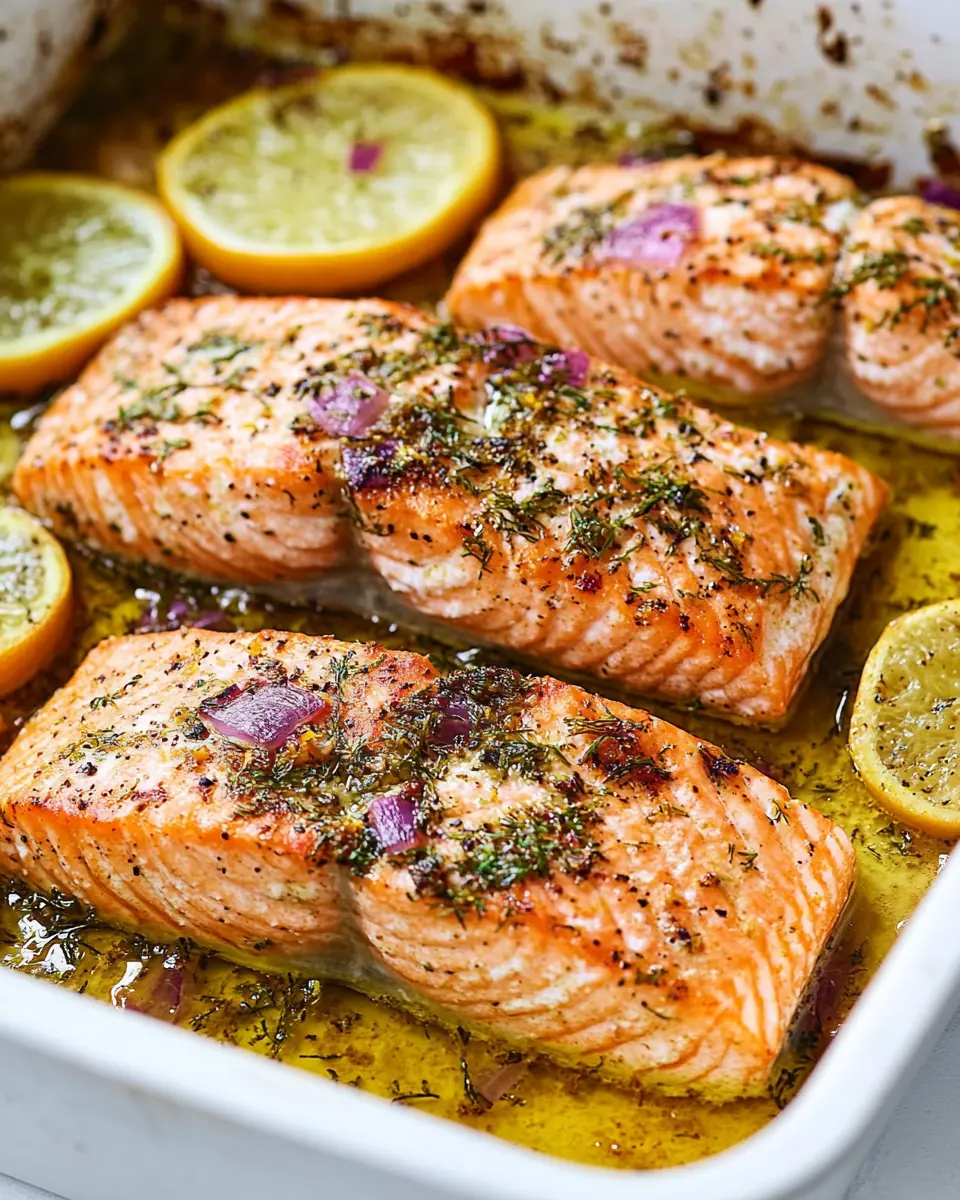
I like to move calmly through the tray bake steps, preparing the citrus herb sauce first, then arranging the salmon and vegetables so everything roasts evenly. The oven does much of the work, but attention to small cues makes a big difference in texture and flavor.
- Preheat the oven to 400 °F: As the oven warms, you can feel the kitchen change from cool to cozy, and that initial dry heat is essential for achieving those caramelized edges on the vegetables and a slightly crisp exterior on the salmon . You want a consistent, even oven temperature so the proteins and vegetables finish at the same time, so give the oven at least 10 minutes to reach full heat. If your oven runs hot or cold, use an oven thermometer to verify accuracy, because an incorrect temperature will either dry the salmon or leave it undercooked. A common mistake is placing the tray too close to the heating element, which can char the tops before the centers are done; aim for the middle rack.
- Combine lime zest and juice, lemon zest and juice, garlic, olive oil, basil, cilantro, and honey in a food processor and blend until well combined: Once blended, the sauce should smell bright and herbaceous, with the sweet honey balancing the citrus punch; the texture should be slightly emulsified so it coats the salmon evenly. The blending releases aromatic oils from the zests and bruises the herbs, creating an integrated flavor profile that permeates the fish instead of sitting on top. If the mixture separates, give it another quick pulse to re-emulsify, because a stable sauce clings better during roasting. Avoid over-blending into a warm paste, which can cook delicate herb notes; keep pulses short and purposeful.
- Pour over salmon and place on a lined baking sheet: As you drizzle the herb citrus mixture over the salmon , watch it bead and gloss on the flesh, signaling good adhesion that will turn into a fragrant crust as it roasts. Lining the sheet with parchment or foil keeps the juices from sticking and makes cleanup effortless, while spacing the fillets so air can circulate helps them cook evenly. Pressing the sauce lightly into the fillets ensures the herbs cling and do not slide off during transfer. A frequent error is crowding the pieces; crowded fillets steam rather than roast, yielding a softer texture and muted caramelization.
- Add tomatoes, red onion, summer squash, and zucchini to the baking sheet and drizzle with olive oil: When arranged around the salmon , the vegetables should have room to brown; you will hear gentle sizzling once they hit the hot pan and smell the sugars starting to caramelize. The thinly sliced squash and zucchini will soften quickly and release moisture, while the tomatoes will blister and sweeten. Tossing them with the small amount of olive oil promotes browning and helps distribute the herb juices across the tray. Resist the temptation to pile them up, because overlapping pieces steam and fail to develop those delicious browned edges everyone loves.
- Bake for 18-20 minutes or until salmon is cooked through: In the oven, you will notice the surface of the salmon turning from glossy to matte and the edges will lift slightly when done, with the flesh flaking gently where you test it with a fork. The vegetables should show golden- brown caramelization on their edges and softened centers. Cooking time varies by thickness, so start checking at 18 minutes and use visual cues rather than clock watching alone. A classic slip-up is removing the fish the instant it flakes; instead, look for a uniform opaque color through most of the fillet with just a hint of translucence in the center to keep it moist.
- Meanwhile, cook millet according to package instructions: While the tray roasts, the millet will simmer and softly absorb liquid, taking on a warm, nutty aroma that pairs with the citrus pan juices. Fluff it at the end to separate the grains and keep the texture light so it soaks up the sauce without becoming mushy. If you find the millet sticking to the pot, a touch more water and a gentle stir will loosen it; undercooking yields a firmer, toothy grain that does not marry as well with the juices.
- Serve millet with finished salmon and veggies: When plated, spooning the roasted vegetables and a few spoonfuls of the citrus herb juices over the millet brings the dish together, offering a contrast between flaky salmon and tender grains. The aromas will be layered: herbaceous from the basil and cilantro, bright from the citrus, and sweet from the roasted vegetables, which makes each bite varied and satisfying. A last minute drizzle of any remaining sauce can refresh the top notes, but avoid heavy pouring that drowns the textures; too much liquid makes the millet soggy.
Customization Ideas
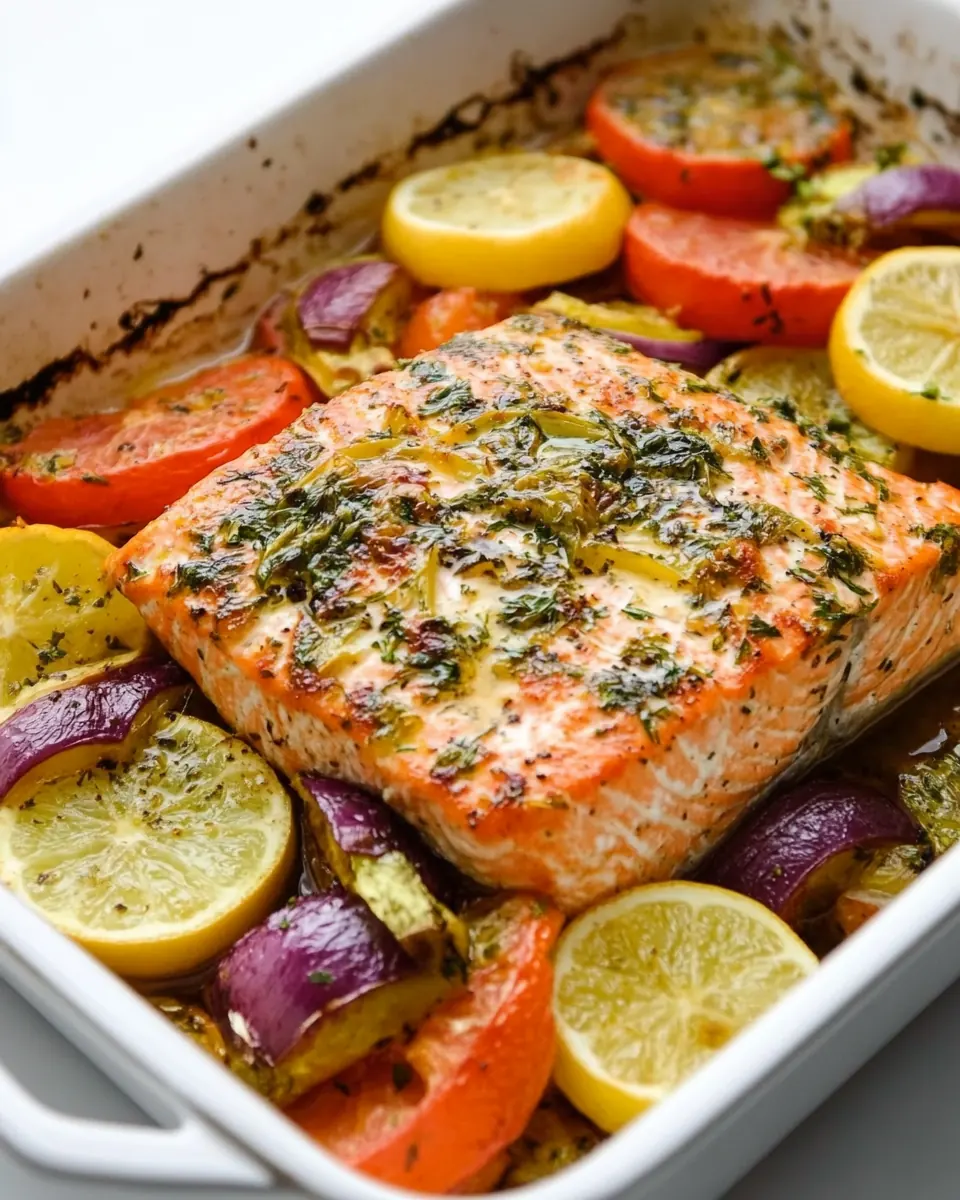
If you want to tweak Citrus Salmon Tray Bake for different moods or ingredients on hand, small changes make big differences. Below are practical variations and serving suggestions to help you personalize the dish while keeping its bright, approachable character.
- Swap the grain Ban the millet if you prefer a different base, substitute with quinoa, couscous, or rice to change texture and cooking time, remembering to follow that grain’s package directions so everything finishes warm together.
- Adjust herb balance If you love cilantro, increase its amount slightly for a sharper green note, or if you prefer a milder profile, add more basil which leans sweeter and less assertive when blended with citrus.
- Control sweetness For a less sweet finish, reduce the honey by half, allowing the citrus to shine more; if you enjoy a glaze, keep the full tablespoon for glossy, caramelized edges.
- Make it spicier Introduce a pinch of red pepper flakes to the citrus-herb mix for an underlying warmth that contrasts nicely with the citrus brightness, but add sparingly so you do not overpower the delicate salmon.
- Presentation tweak Roast the vegetables separately on a second tray if you want them crisper and more deeply caramelized while maintaining perfectly tender salmon on its own sheet.
How to Serve Citrus Salmon Tray Bake
This dish is flexible for weeknight dinners and casual entertaining alike. Serve it warm, spooning the roasted vegetables and citrus herb juices over a mound of millet so every bite has both flaky salmon and tender grains. Below are thoughtful serving ideas and pairings to make the meal feel complete and seasonally appropriate.
- Family weeknight Plate individual portions with a scoop of millet and a generous share of roasted vegetables, making it easy for everyone to eat at the table without fuss.
- Weekend lunch Serve slightly cooled on a platter for a relaxed midday meal, the flavors remain bright even as the tray rests, and it pairs well with a simple green salad.
- Seasonal pairing Lean into summer produce by serving this when tomatoes, zucchini, and squash are at their peak for the sweetest results.
- Occasion idea For Ramadan iftars, this dish offers nourishing protein and light citrus notes that feel refreshing after a fast, especially when shared family style.
- Storage tip Refrigerate leftovers in an airtight container for up to two days; reheat gently in a low oven to preserve moisture instead of microwaving aggressively which can dry the salmon.
- Serving style For a more composed plate, spoon millet into a shallow bowl, place a fillet on top, and nestle roasted vegetables around it so each forkful combines textures and flavors.
FAQ
Conclusion
Citrus Salmon Tray Bake shines because it combines bright citrus and fresh herbs with flaky salmon and roasted summer vegetables for a meal that is both effortless and satisfying. I encourage you to give it a try when you want a quick, nourishing dinner that still feels elevated. The one pan approach saves time and dishes, while the millet or your chosen grain ensures every last drop of juice is enjoyed. Enjoy the bright aromas, the tender flakes of salmon, and the sweet roasted veg, and make it a routine in your summer cooking rotation.
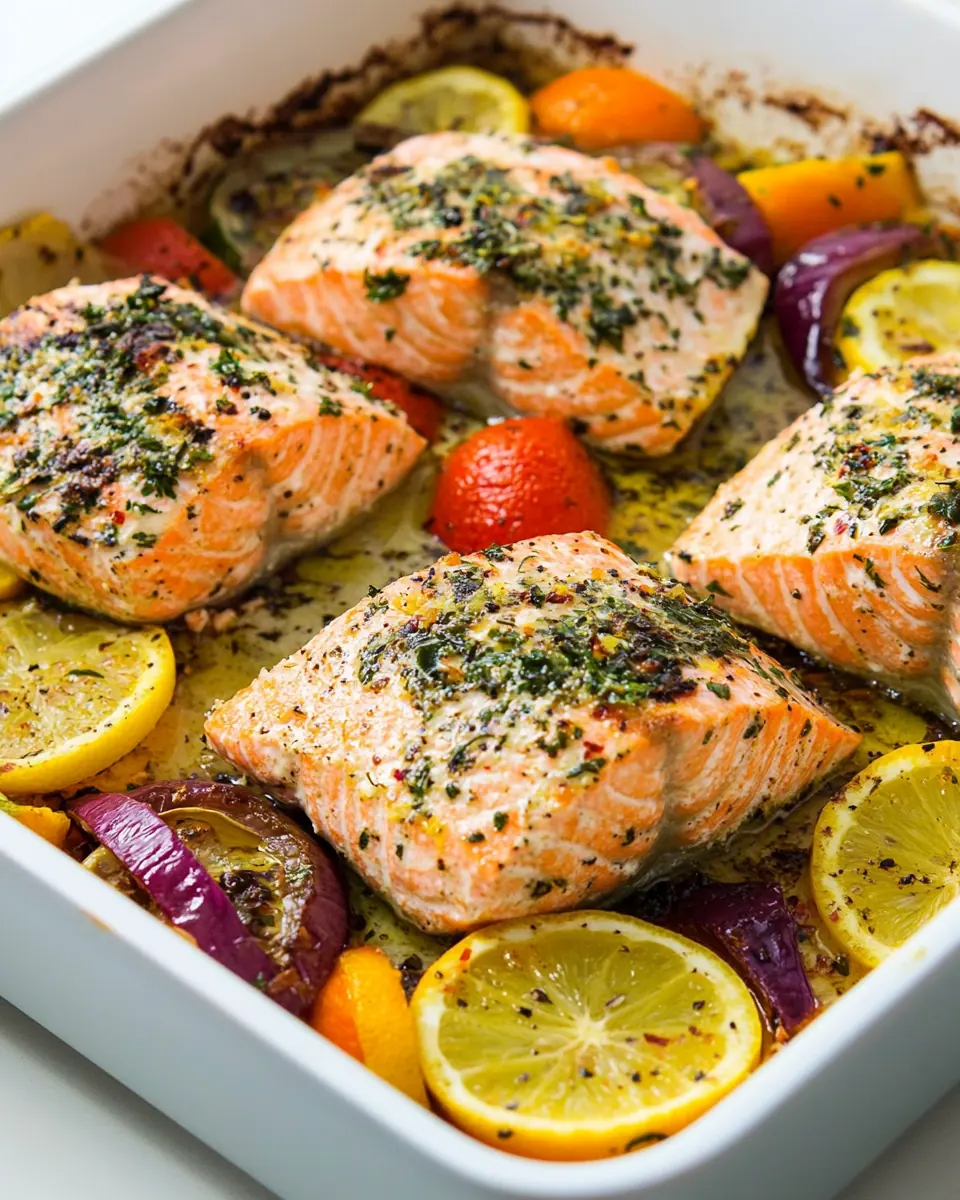
Citrus Salmon Tray Bake
Ingredients
Equipment
Method
- Preheat the oven to 400 °F: As the oven warms, you can feel the kitchen change from cool to cozy, and that initial dry heat is essential for achieving those caramelized edges on the vegetables and a slightly crisp exterior on the salmon . You want a consistent, even oven temperature so the proteins and vegetables finish at the same time, so give the oven at least 10 minutes to reach full heat. If your oven runs hot or cold, use an oven thermometer to verify accuracy, because an incorrect temperature will either dry the salmon or leave it undercooked. A common mistake is placing the tray too close to the heating element, which can char the tops before the centers are done; aim for the middle rack.
- Combine lime zest and juice, lemon zest and juice, garlic, olive oil, basil, cilantro, and honey in a food processor and blend until well combined: Once blended, the sauce should smell bright and herbaceous, with the sweet honey balancing the citrus punch; the texture should be slightly emulsified so it coats the salmon evenly. The blending releases aromatic oils from the zests and bruises the herbs, creating an integrated flavor profile that permeates the fish instead of sitting on top. If the mixture separates, give it another quick pulse to re-emulsify, because a stable sauce clings better during roasting. Avoid over-blending into a warm paste, which can cook delicate herb notes; keep pulses short and purposeful.
- Pour over salmon and place on a lined baking sheet: As you drizzle the herb citrus mixture over the salmon , watch it bead and gloss on the flesh, signaling good adhesion that will turn into a fragrant crust as it roasts. Lining the sheet with parchment or foil keeps the juices from sticking and makes cleanup effortless, while spacing the fillets so air can circulate helps them cook evenly. Pressing the sauce lightly into the fillets ensures the herbs cling and do not slide off during transfer. A frequent error is crowding the pieces; crowded fillets steam rather than roast, yielding a softer texture and muted caramelization.
- Add tomatoes, red onion, summer squash, and zucchini to the baking sheet and drizzle with olive oil: When arranged around the salmon , the vegetables should have room to brown; you will hear gentle sizzling once they hit the hot pan and smell the sugars starting to caramelize. The thinly sliced squash and zucchini will soften quickly and release moisture, while the tomatoes will blister and sweeten. Tossing them with the small amount of olive oil promotes browning and helps distribute the herb juices across the tray. Resist the temptation to pile them up, because overlapping pieces steam and fail to develop those delicious browned edges everyone loves.
- Bake for 18-20 minutes or until salmon is cooked through: In the oven, you will notice the surface of the salmon turning from glossy to matte and the edges will lift slightly when done, with the flesh flaking gently where you test it with a fork. The vegetables should show golden- brown caramelization on their edges and softened centers. Cooking time varies by thickness, so start checking at 18 minutes and use visual cues rather than clock watching alone. A classic slip-up is removing the fish the instant it flakes; instead, look for a uniform opaque color through most of the fillet with just a hint of translucence in the center to keep it moist.
- Meanwhile, cook millet according to package instructions: While the tray roasts, the millet will simmer and softly absorb liquid, taking on a warm, nutty aroma that pairs with the citrus pan juices. Fluff it at the end to separate the grains and keep the texture light so it soaks up the sauce without becoming mushy. If you find the millet sticking to the pot, a touch more water and a gentle stir will loosen it; undercooking yields a firmer, toothy grain that does not marry as well with the juices.
- Serve millet with finished salmon and veggies: When plated, spooning the roasted vegetables and a few spoonfuls of the citrus herb juices over the millet brings the dish together, offering a contrast between flaky salmon and tender grains. The aromas will be layered: herbaceous from the basil and cilantro, bright from the citrus, and sweet from the roasted vegetables, which makes each bite varied and satisfying. A last minute drizzle of any remaining sauce can refresh the top notes, but avoid heavy pouring that drowns the textures; too much liquid makes the millet soggy.
Notes
- Swap the grain Ban the millet if you prefer a different base, substitute with quinoa, couscous, or rice to change texture and cooking time, remembering to follow that grain's package directions so everything finishes warm together.
- Adjust herb balance If you love cilantro, increase its amount slightly for a sharper green note, or if you prefer a milder profile, add more basil which leans sweeter and less assertive when blended with citrus.
- Control sweetness For a less sweet finish, reduce the honey by half, allowing the citrus to shine more; if you enjoy a glaze, keep the full tablespoon for glossy, caramelized edges.
- Make it spicier Introduce a pinch of red pepper flakes to the citrus-herb mix for an underlying warmth that contrasts nicely with the citrus brightness, but add sparingly so you do not overpower the delicate salmon.
- Presentation tweak Roast the vegetables separately on a second tray if you want them crisper and more deeply caramelized while maintaining perfectly tender salmon on its own sheet.