Marinated Peppers and Onions for Grilling or Roasting
Marinated Peppers and Onions for Grilling or Roasting feel like the backyard summer side that always steals the show whenever I set out a platter.
I still remember the first time I made this dish for an impromptu cookout; the simple mix of peppers and onions tossed with oil and spices transformed into caramelized, smoky bites that people kept coming back to. That afternoon the neighborhood kids played until the sun dipped low, and adults gathered around the grill swapping stories while the scent of roasting vegetables curled through the air. I loved how forgiving this recipe is, it lets you be flexible with timing and technique, and it rewards patience with deep, sweet flavors.
Over the years I developed small rituals around it, like cutting the chunks uniformly so every piece cooks at the same rate, and always using a little extra time to let the marinade sink in. Some evenings I thread the pieces onto skewers and the kids insist on eating them straight off the stick, while other times I roast everything on a sheet pan until the edges turn crisp and almost jammy. The texture contrast between the charred edges and the tender centers is why I come back to this dish again and again.
Recipe Snapshot
6 mins
5 mins
1 mins
Easy
80 kcal
Mediterranean
Vegan, Gluten-Free
Side Dishes
Bowl, Sheet pan, Grill or oven, Skewers or veggie basket
What Sets This Marinated Peppers and Onions for Grilling or Roasting Apart
Versatile crowd pleaser
I adore how Marinated Peppers and Onions for Grilling or Roasting works for so many occasions. I can serve it at a weeknight dinner, tuck it into sandwiches the next day, or use it as a colorful side for a summer barbecue. The bright colors and deep caramel notes mean it complements a wide range of mains, so it rarely goes unused at my table.
Simple but transformative technique
What I love most is that a few pantry staples and a little patience yield incredible results. Tossing peppers and onions with olive oil and a pinch of seasonings allows the vegetables to soften and absorb flavor. When grilled or roasted, the heat coaxss out sugars and creates charred edges, which add complexity without any fancy steps.
Great for meal prep and leftovers
I often double the batch because these marinated vegetables keep beautifully in the fridge. I’ll use leftovers on salads, mixed into grain bowls, or folded into an omelet for a quick breakfast. The texture holds up well, and the flavor actually deepens over 24 hours, so you can make them ahead and relax on serving day.
Kid friendly and adaptable
When I serve this to picky eaters I cut the pieces into uniform, easy to hold chunks and the familiar, slightly sweet taste usually wins them over. It is easy to dial up or down the seasonings to suit different palates, and you can grill, roast, or skewer depending on your equipment and mood.
Fresh, seasonal, and colorful
Coming into summer the produce shines, and these vibrant peppers and onions bring a plate to life. I appreciate recipes that celebrate produce instead of masking it, and this one highlights natural sweetness, color, and texture in a way that feels both rustic and elegant.
Marinated Peppers and Onions for Grilling or Roasting Ingredients
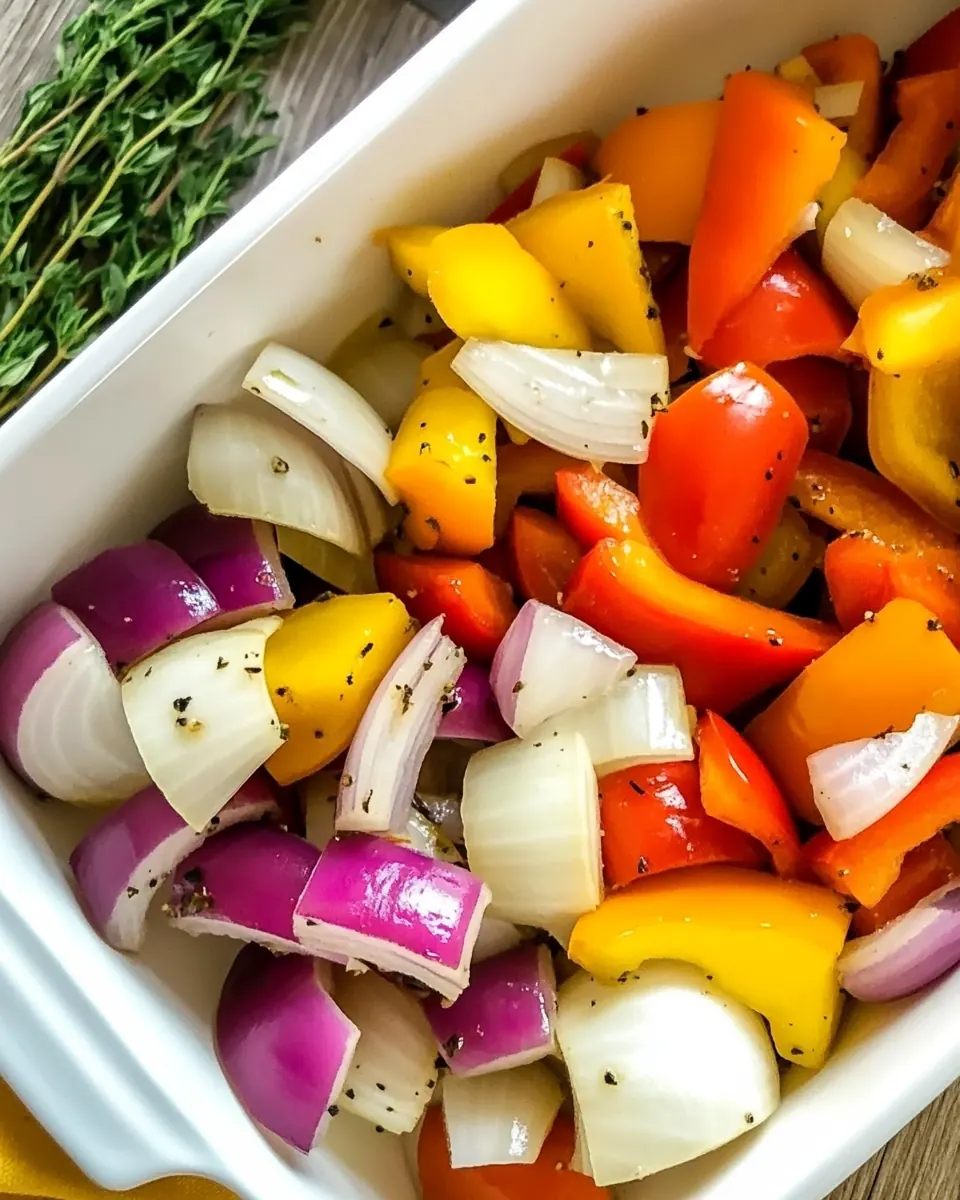
These ingredients are intentionally straightforward. The philosophy here is to let the vegetables be the stars, supported by simple seasoning. The key players are the trio of colorful peppers, two types of onions, and a modest amount of olive oil. Salt and pepper coax out sweetness, while a touch of garlic powder adds subtle savory depth without overpowering the fresh vegetable flavors.
- 1 red bell pepper: Roast or grill after slicing to add bright color and sweet, slightly smoky flavor; contributes moisture and holds up well to high heat while softening and caramelizing for depth.
- 1 orange bell pepper: Provide sweet, fruity notes and vibrant color when sliced and marinated; crisps slightly when grilled and complements other peppers with a milder taste and pleasant texture.
- 1 yellow bell pepper: Add sunny sweetness and a tender bite when charred or roasted; helps balance savory elements and offers a mellow, juicy texture that caramelizes nicely against heat.
- 1 red onion: Caramelize and soften when cooked, offering a mild sharpness that mellows into sweetness; adds aromatic layers and a savory backbone to the marinated vegetable mix.
- 1 yellow onion: Soften into sweet, tender ribbons when roasted while adding a milder, sweeter onion flavor; enhances overall balance and melds with peppers and seasonings.
- 1 tablespoon olive oil: Coat the vegetables to help seasonings adhere and promote even roasting or grilling; contributes a touch of richness and aids in achieving golden browning.
- 1/2 teaspoons salt: Enhance overall flavor by bringing out natural sweetness and balancing acidity; supports safety of taste and helps amplify the peppers' and onions' flavors.
- 1/4 teaspoon black pepper coarse (freshly ground, if possible): Add a subtle heat and aromatic bite to the mix when freshly ground; helps to accentuate roasted flavors and provide a gentle peppery finish.
- 1/4 teaspoon garlic powder: Infuse a savory garlicky undertone without fresh garlic texture; enhances umami and depth while distributing evenly through the marinated vegetables.
Putting Together Marinated Peppers and Onions for Grilling or Roasting
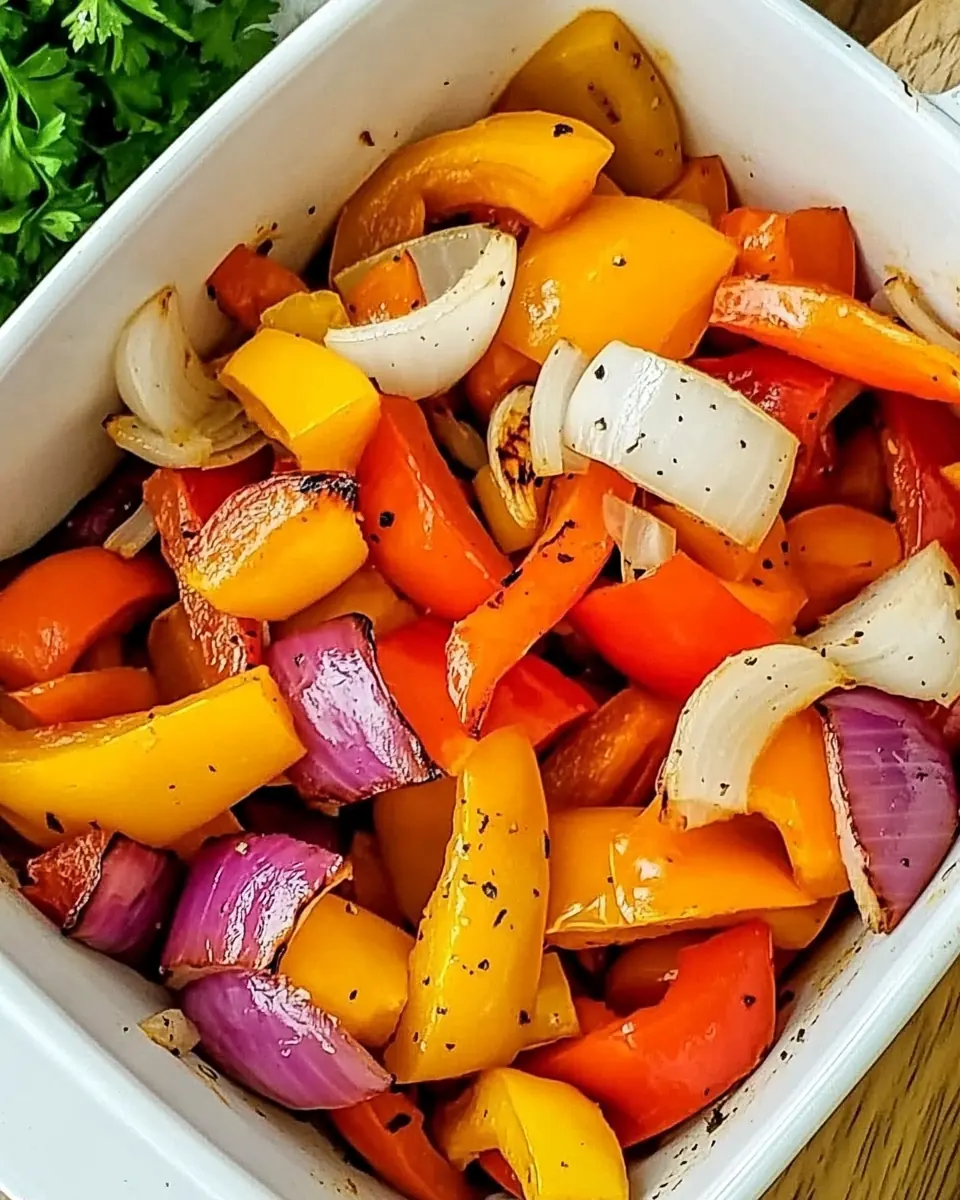
These instructions are intended to be friendly and chatty, guiding you step by step so the result is reliable and delicious. Think of this as a conversation at the counter while the veggies are prepped and the grill or oven warms up.
- Prep the veggies: Cut all peppers and onions into large, uniform chunks—about 3 inches each.: Cut all peppers and onions into large, uniform chunks about 3 inches each. : As soon as I touch the vegetables I notice their firmness and scent, the green stems and crisp flesh, and I aim for uniformly sized pieces so they cook evenly; visually you are looking for pieces that will hold together on a skewer but still get tender. The slicing sound is satisfying, a steady rhythm that helps you focus, and the cut surfaces will soon pick up the oil and seasonings. A common mistake is cutting pieces unevenly, which leads to some parts turning mushy while others stay raw, so take a minute to match sizes. If a piece looks too thin it will char too quickly, and if it is too large it might remain firm in the center.
- Make the marinade: In a large bowl, toss the veggies with olive oil, salt, black pepper, and garlic powder until evenly coated.: In a large bowl toss the veggies with olive oil salt black pepper and garlic powder until evenly coated. : The first sensory cue here is how the olive oil glosses the cut surfaces and carries the aromas of the spices, creating a light, fragrant sheen. As you toss, listen for the soft clack of vegetables against the bowl, and watch the seasonings distribute into a thin coating that will promote even browning. This technique matters because oil is the medium for heat transfer and flavor adhesion, ensuring the edges char while the insides soften. One troubleshooting tip is to avoid overdressing the vegetables; too much oil will make them soggy rather than roasted, while too little leads to dry, pale results. If you notice puddles of oil, blot lightly or use a little less next time.
- Marinate: Cover and refrigerate 30 minutes to overnight to let the flavors soak in.: Cover and refrigerate 30 minutes to overnight to let the flavors soak in. : You will notice that after marinating the surface of the vegetables looks slightly softened and shinier, a quiet change that signals the salt drawing moisture and the oil settling into the flesh. Marinating enhances depth, allowing the garlic powder and black pepper to permeate, and longer rest yields a more integrated flavor profile. The why is simple, resting gives the ingredients time to mingle rather than just sit on the surface. A common mistake is leaving them at room temperature too long; for safety and texture I keep them refrigerated if I plan to hold beyond 30 minutes. If you are short on time, even a brief 30 minute rest is beneficial compared to no rest at all.
- Use as desired: Perfect for popping onto skewers, grilling in a veggie basket, or roasting on a sheet pan in the oven.: Perfect for popping onto skewers grilling in a veggie basket or roasting on a sheet pan in the oven. : When you move the vegetables to heat you will immediately sense a change, the sizzle as they meet a hot grill or oven, and the aroma of sugars beginning to caramelize. On the grill the edges will pick up smoky char and blistered spots, offering a rustic crunch, while in the oven the pieces will roast more evenly and the natural sugars will concentrate into jammy notes. Technique matters because direct heat creates char and complexity, whereas enclosed oven heat promotes even caramelization. A frequent misstep is crowding the pan or basket; overcrowding traps steam and prevents browning, so give each piece breathing room. If you see steaming rather than browning, spread them out or roast in batches.
Make It Your Own
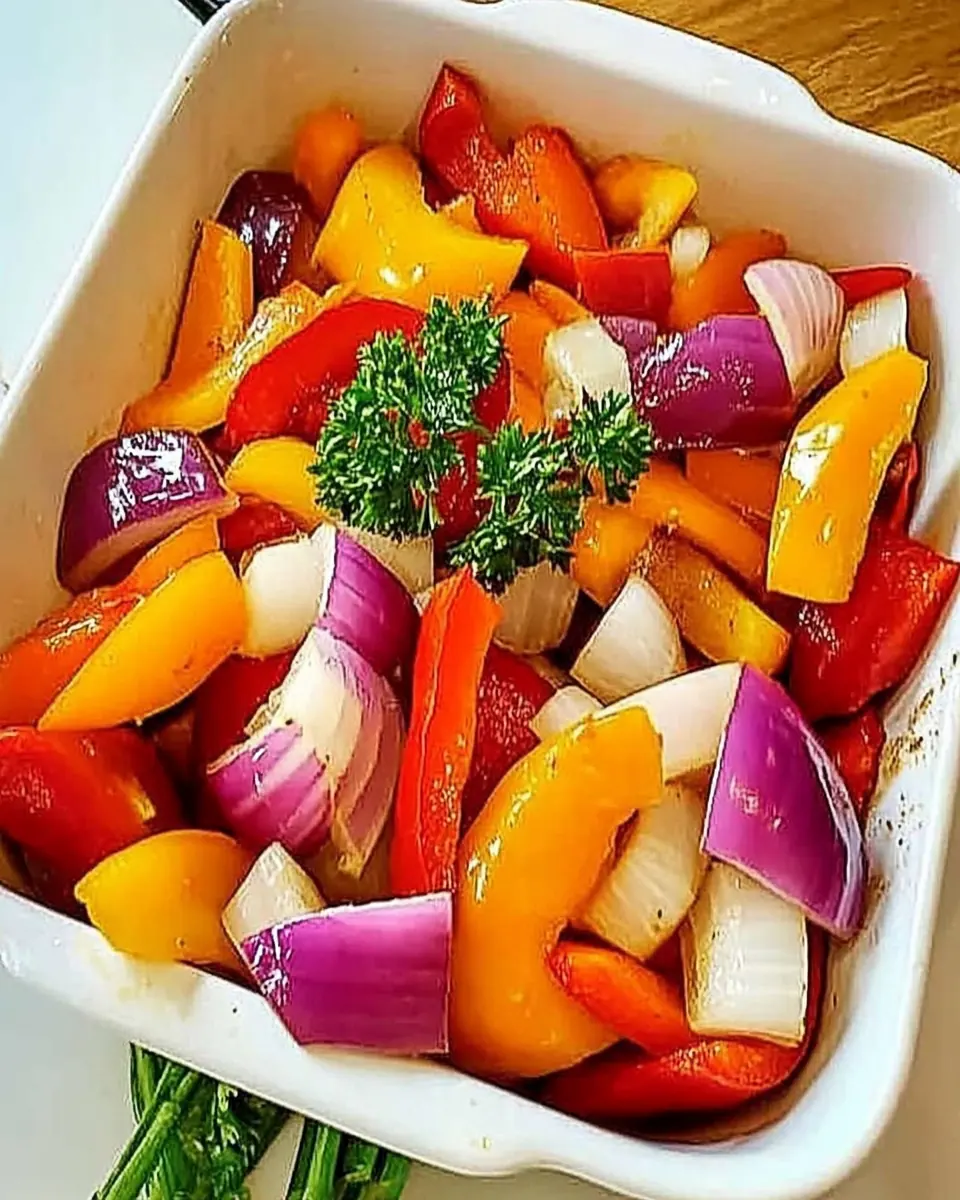
I like to think of this section as permission to personalize. These ideas help you adapt the recipe to what you have on hand, and make small changes that shift the flavor profile in interesting ways.
- Add Citrus Brightness. Squeeze a little fresh lemon or lime juice over the finished vegetables just before serving to lift the flavors and cut through the richness of the roasted edges.
- Try Different Color Combos. Swap in green or purple peppers if that is what you have, the mix of hues keeps the dish visually appealing even when pantry supplies vary.
- Go For Smoky Heat. If you like a smoky kick, briefly char the pieces over the hottest part of the grill for extra depth, but watch closely so they do not become bitter.
- Serve Warm or Room Temperature. These vegetables are forgiving with temperature, serve them straight from the heat for the most contrast, or at room temperature so the flavors settle and mingle.
- Make Ahead Strategy. Roast ahead and store in an airtight container, then reheat gently in a skillet or on a grill to revive textures without overcooking.
What to Pair With Marinated Peppers and Onions for Grilling or Roasting
This dish is flexible when it comes to pairings. Here are ideas for meals occasions and storage that help the vegetables shine alongside other components.
- Serve with Grains. Toss the roasted vegetables into a warm bowl of rice or quinoa for a satisfying vegetarian main that benefits from the peppers natural sweetness.
- Great for Sandwiches. Layer the vegetables on crusty bread or inside a pita with greens for a quick lunch that showcases their charred flavor.
- Barbecue Side. Bring this to a summer cookout as a colorful side, it pairs especially well with grilled proteins and adds a bright contrast to heavier dishes.
- Mealtime Occasions. Perfect for casual dinners weekend feasts or holiday buffets where guests can help themselves; the dish holds up well over a few hours on a serving table.
- Storage Tips. Store in an airtight container in the refrigerator for up to four days, and rewarm gently so the texture returns without becoming mushy.
- Seasonal Pairings. In summer when peppers are at their peak, keep the seasoning light to let the produce shine, while in cooler months you can add warming spices to deepen the profile.
FAQ
Conclusion
What makes this recipe special is its simplicity and the way basic ingredients transform under heat into something savory and slightly sweet. It is easy to prepare yet offers depth through caramelization and char, making it a reliable side that fits many menus. Give it a try this weekend, and you may find yourself doubling the batch because everyone wants seconds. I hope it becomes one of those dishes you reach for whenever you want colorful, flavorful vegetables with minimal fuss.
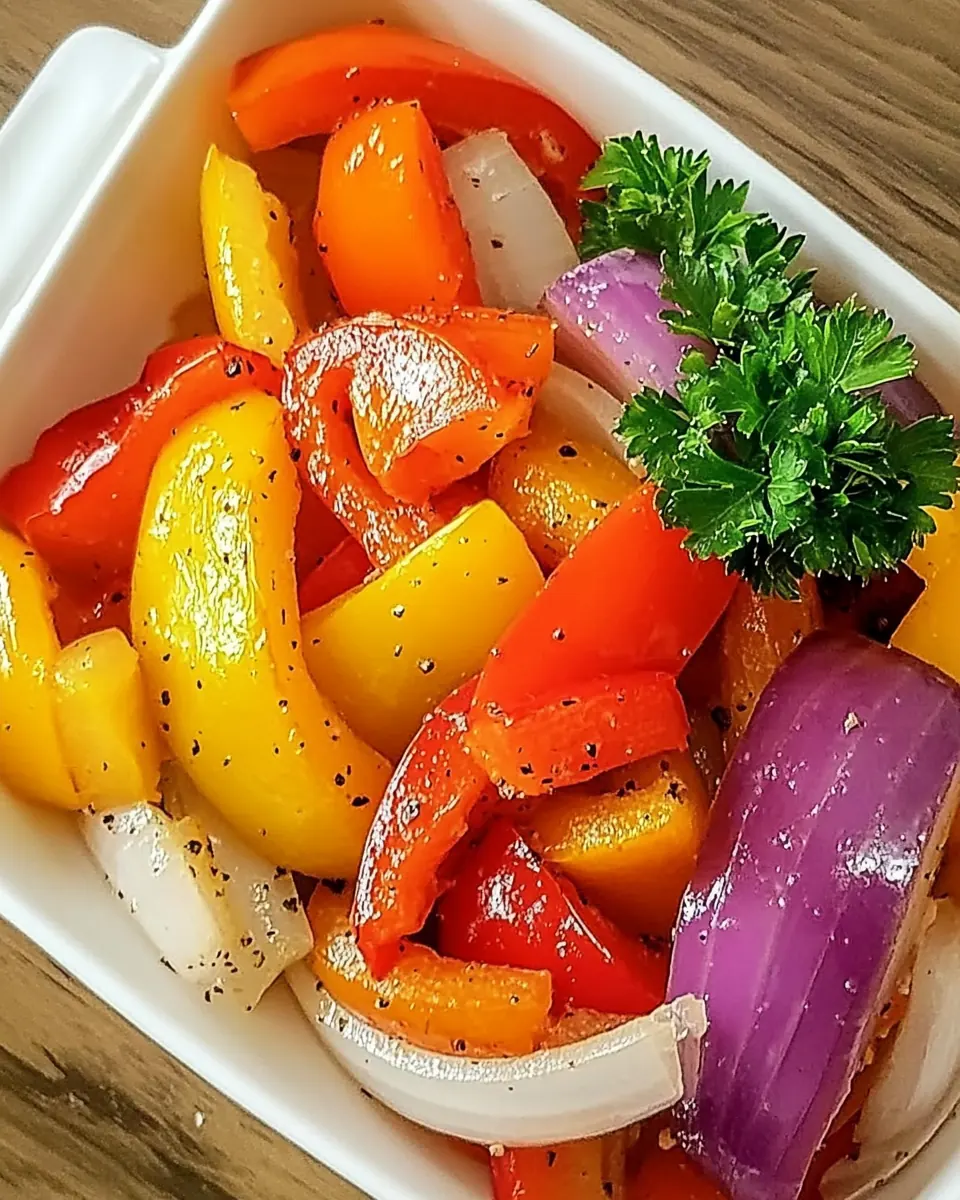
Marinated Peppers and Onions for Grilling or Roasting
Ingredients
Equipment
Method
- Prep the veggies: Cut all peppers and onions into large, uniform chunks—about 3 inches each.: Cut all peppers and onions into large, uniform chunks about 3 inches each. : As soon as I touch the vegetables I notice their firmness and scent, the green stems and crisp flesh, and I aim for uniformly sized pieces so they cook evenly; visually you are looking for pieces that will hold together on a skewer but still get tender. The slicing sound is satisfying, a steady rhythm that helps you focus, and the cut surfaces will soon pick up the oil and seasonings. A common mistake is cutting pieces unevenly, which leads to some parts turning mushy while others stay raw, so take a minute to match sizes. If a piece looks too thin it will char too quickly, and if it is too large it might remain firm in the center.
- Make the marinade: In a large bowl, toss the veggies with olive oil, salt, black pepper, and garlic powder until evenly coated.: In a large bowl toss the veggies with olive oil salt black pepper and garlic powder until evenly coated. : The first sensory cue here is how the olive oil glosses the cut surfaces and carries the aromas of the spices, creating a light, fragrant sheen. As you toss, listen for the soft clack of vegetables against the bowl, and watch the seasonings distribute into a thin coating that will promote even browning. This technique matters because oil is the medium for heat transfer and flavor adhesion, ensuring the edges char while the insides soften. One troubleshooting tip is to avoid overdressing the vegetables; too much oil will make them soggy rather than roasted, while too little leads to dry, pale results. If you notice puddles of oil, blot lightly or use a little less next time.
- Marinate: Cover and refrigerate 30 minutes to overnight to let the flavors soak in.: Cover and refrigerate 30 minutes to overnight to let the flavors soak in. : You will notice that after marinating the surface of the vegetables looks slightly softened and shinier, a quiet change that signals the salt drawing moisture and the oil settling into the flesh. Marinating enhances depth, allowing the garlic powder and black pepper to permeate, and longer rest yields a more integrated flavor profile. The why is simple, resting gives the ingredients time to mingle rather than just sit on the surface. A common mistake is leaving them at room temperature too long; for safety and texture I keep them refrigerated if I plan to hold beyond 30 minutes. If you are short on time, even a brief 30 minute rest is beneficial compared to no rest at all.
- Use as desired: Perfect for popping onto skewers, grilling in a veggie basket, or roasting on a sheet pan in the oven.: Perfect for popping onto skewers grilling in a veggie basket or roasting on a sheet pan in the oven. : When you move the vegetables to heat you will immediately sense a change, the sizzle as they meet a hot grill or oven, and the aroma of sugars beginning to caramelize. On the grill the edges will pick up smoky char and blistered spots, offering a rustic crunch, while in the oven the pieces will roast more evenly and the natural sugars will concentrate into jammy notes. Technique matters because direct heat creates char and complexity, whereas enclosed oven heat promotes even caramelization. A frequent misstep is crowding the pan or basket; overcrowding traps steam and prevents browning, so give each piece breathing room. If you see steaming rather than browning, spread them out or roast in batches.
Notes
- Add Citrus Brightness. Squeeze a little fresh lemon or lime juice over the finished vegetables just before serving to lift the flavors and cut through the richness of the roasted edges.
- Try Different Color Combos. Swap in green or purple peppers if that is what you have, the mix of hues keeps the dish visually appealing even when pantry supplies vary.
- Go For Smoky Heat. If you like a smoky kick, briefly char the pieces over the hottest part of the grill for extra depth, but watch closely so they do not become bitter.
- Serve Warm or Room Temperature. These vegetables are forgiving with temperature, serve them straight from the heat for the most contrast, or at room temperature so the flavors settle and mingle.
- Make Ahead Strategy. Roast ahead and store in an airtight container, then reheat gently in a skillet or on a grill to revive textures without overcooking.