Classic Mashed Potatoes
Classic Mashed Potatoes has always been my go to comfort side, the one dish that signals family dinner and cozy nights at home. The very first time I made it for a gathering, I remember how the kitchen smelled of warm butter and steaming potatoes, and how everyone hovered at the stove while I mashed, tasted, and adjusted. That evening taught me how small technique changes turn a decent bowl of potatoes into something silkier and more memorable.
Over the years I have played with textures and dairy ratios, but I keep circling back to the simple balance of creamy half and half and ample butter. Once, after a rushed weeknight, I rescued a tired meal by pairing these mashed potatoes with roasted vegetables, and the leftover bowl was gone in minutes. I like to tell guests that the secret is patience, not elaborate ingredients; taking time to warm the cream and drain the potatoes properly pays off every time.
Recipe Snapshot
45 mins
15 mins
30 mins
Medium
250 kcal
American
Gluten-Free, Low FODMAP
Side Dishes
Large stockpot, Medium saucepan, Potato masher, Colander
What Sets This Classic Mashed Potatoes Apart
Reliable Comfort
I love how Classic Mashed Potatoes always delivers a familiar, cozy mouthfeel. The combination of fluffy potatoes and warm, melted butter creates a rich texture that feels like a hug on a plate. When I serve these, people relax and slow down, which is the magic of a true comfort dish.
Simple, High Impact Ingredients
What excites me is how few items you need to make something spectacular. With just potatoes, butter, half and half, salt, and black pepper, you get layers of flavor and creaminess. I focus on quality, like good butter and starchy potatoes, and the difference is obvious in both texture and taste.
Versatility at the Table
I appreciate that Classic Mashed Potatoes work with nearly any main course. Serve them beside roasted meats, vegetable mains, or even as part of a holiday spread. I often adapt the texture from rustic to velvety depending on the occasion, which makes this dish endlessly useful for weeknights and celebrations alike.
Technique Makes the Difference
There is real joy in the small techniques that transform the result. Warming the dairy and melting the butter gently, draining and shaking the potatoes to release steam, and tasting for seasoning all matter. I find these tiny steps are the difference between lumpy mash and silken clouds.
Great for Make Ahead and Leftovers
I also value how forgiving this recipe is for leftovers. When chilled and reheated with a splash of warmed half and half or extra butter, the texture comes back to life. For gatherings, you can prepare most of it in advance and finish before serving, which saves a lot of stress.
What to Buy for Classic Mashed Potatoes
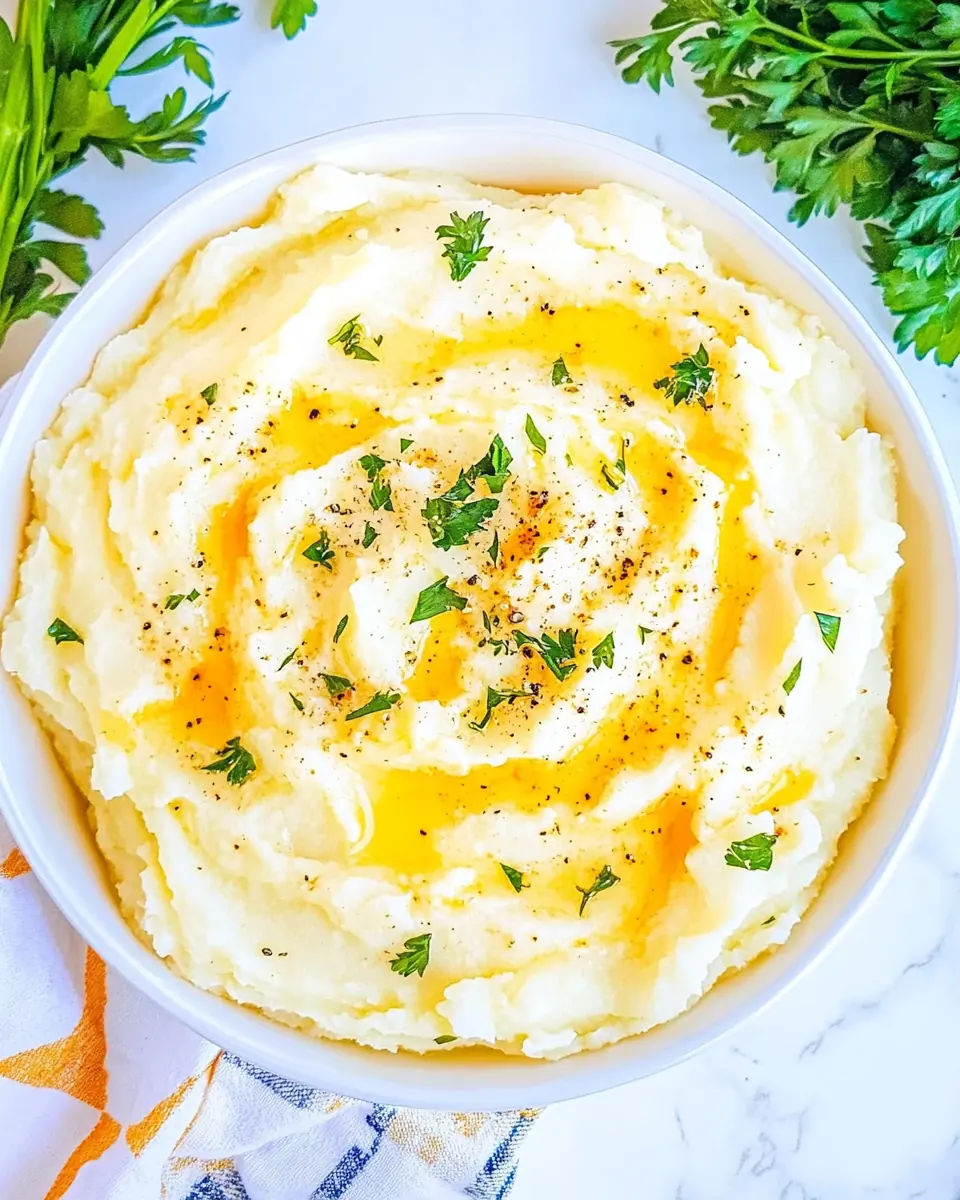
These ingredients are chosen for texture and flavor. The starch level in the potatoes creates the fluffy structure, while the dairy and butter build a rich, smooth mouthfeel. Salt and freshly ground black pepper are the simple seasonings that lift every spoonful. Together they form a straightforward harmony where technique determines the final character.
- 5 pounds Russet potatoes, peeled and cubed into 1 to 1 1/2-inch chunks (or a mixture of half Russet and half Yukon Gold potatoes): Peeled and cubed to uniform 1 to 1 1/2-inch chunks to ensure even cooking and a fluffy mash; Russet potatoes provide a high-starch, mealy texture that absorbs butter and cream for classic creaminess. Use a mixture with Yukon Golds to add a slightly buttery flavor and smoother mouthfeel while maintaining structure. Peel to remove tough skins and cube to shorten boiling time and prevent grainy results.
- 1 1/2 cups unsalted butter, 3 sticks or 24 tablespoons: Melted and incorporated to enrich the potatoes with a smooth, luxurious mouthfeel and pronounced buttery flavor; unsalted butter allows precise control over final seasoning. Use the specified amount for a rich, velvety consistency, and adjust slightly if using salted butter. Cut into pieces before melting to speed incorporation and create an emulsion with the dairy.
- 1 1/2 cups half-and-half, whole milk or heavy cream may be substituted: Heated and folded in to create a creamy, silky texture while loosening the mashed potatoes to the desired consistency; half-and-half balances richness without overpowering, while whole milk or heavy cream increases creaminess. Warm the liquid before adding to prevent cooling the potatoes and to help it absorb evenly. Start with less and add more as needed to reach the preferred texture.
- 2 teaspoons kosher salt, or to taste: Sprinkled and adjusted to taste to enhance and balance the overall flavors of the mashed potatoes; kosher salt dissolves easily and seasons the potatoes throughout. Add during mashing and taste before serving to avoid over-salting, especially if using salted butter. Remember that boiling potatoes in salted water seasons them from the inside as well.
- 1/2 teaspoon freshly ground black pepper, or to taste: Freshly ground to provide a sharp, aromatic heat and subtle complexity that brightens the rich, buttery potatoes; black pepper offers a clean counterpoint to the creamy elements. Grind just before use for maximum aroma and sprinkle gradually, tasting as you go to achieve the desired level of spiciness. Avoid overpowering the dish by starting with less and increasing if needed.
The Process for Making Classic Mashed Potatoes
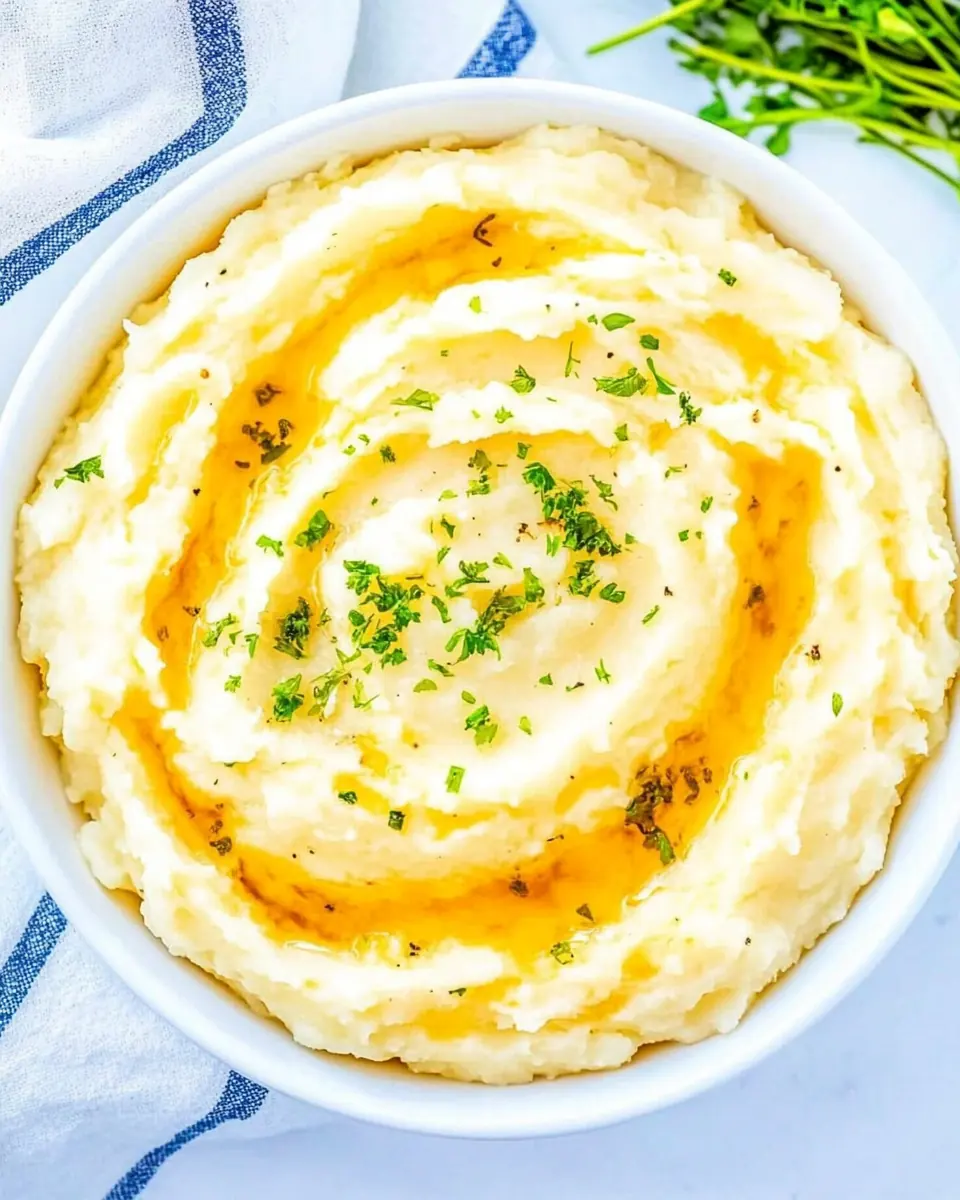
Let me walk you through how I approach the process step by step so the results are consistent and comforting. These steps focus on timing, texture guides, and what to listen and look for as you work, so you can get the ideal fluffy, creamy finish every time.
- Add the potatoes to a large stockpot, cover with 2 inches cold water, drain the water (removes starch), and refill with more cold water to cover by 2 inches.: The first sensory cue here is the feel of cold water over the cubed potatoes , which helps stop the surfaces from oxidizing and forming a film. Pouring off the first cloudy water releases surface starch, which prevents gluey results. You want the second fill to be clear and cold, with the potatoes submerged by about two inches. A common mistake is starting with hot water, which can lead to uneven cooking and a mealy center. This step matters because controlled starch removal and even starting temperatures lead to more uniform cooking and a cleaner texture.
- Bring to a boil over high heat with a lid on the pot which will take about 10 minutes.: You will hear the pot moving from quiet to energetic, the initial rumble as heat pushes through. Keeping the lid on speeds the time to boil, capturing heat to raise the water efficiently. Watch the pot closely; when it hits a rolling boil, the visual change is dramatic, with active bubbling and steam. Avoid forgetting the pot or leaving it unattended, as a vigorous boil can foam over. Bringing the water to a vigorous boil quickly helps set the clock for a consistent cook time so the cubes reach doneness at the same moment.
- Once the water is boiling, remove the lid, and allow the potatoes to rapid simmer for about 15 to 20 minutes over medium-high heat, or until done. The potatoes are done when you can easily pierce with a fork or dinner knife. Don’t overboil the potatoes once they are done.: The sound shifts from aggressive bubbling to a steady simmer when you remove the lid, and you should see gentle movement with smaller bubbles. The visual test is key: a fork should glide through with little resistance. If you overboil, the edges will break down too much, and you risk waterlogged potatoes that can become gluey when mashed. Keep an eye on texture, not just the clock, because different pot sizes and stoves alter actual cook time.
- While the potatoes are boiling, to a separate medium saucepan, add the butter, half-and-half, and heat over medium-low heat to allow the butter to melt. Once the butter has melted, keep the saucepan over medium-low or low heat. However, you do not want this to simmer but simply keep this butter-cream mixture warm until the potatoes are done cooking and ready to mash.: Warm dairy blends into potatoes more gracefully, so you should feel a gentle steam and see a glossy surface when the butter has melted. Avoid bringing it to a simmer, which can change the texture and concentrate flavors differently. The aroma of melted butter and warm cream should be soft and inviting. If it starts to bubble, lower the heat immediately, because overheating will alter the dairy and can separate the fats.
- When the potatoes are done, drain the water, return the potatoes to the pot, and shake them around in the pot vigorously. This breaks them up a bit and will help to release excess steam and water, which you don’t want or need in your final dish.: You will feel the potatoes sliding against each other as you shake the pot, and the steam release is audible in warm puffs. This motion gently breaks the surface, allowing trapped steam to escape so the mash does not become watery. A common misstep is skipping this step, which leaves excess moisture and a loose final texture. The goal is to have slightly roughened edges that will accept dairy and butter without turning gluey.
- Place the pot over medium-high heat for about a minute to help cook off any of the final amount of water that was released; turn the heat off.: You should see quick, faint bubbling at the bottom and smell a toasty warmth as residual moisture evaporates. Keep it brief, about the length of humming a short tune, to prevent the potatoes from browning. If you leave it too long, the potatoes can dry out or start to stick. The purpose here is simply moisture control, so a short burst on heat is sufficient to tighten up the texture without altering flavor.
- Drizzle in melted butter and half-and-half mixture, add the salt, pepper, and mash to your desired consistency. For traditional mashed potatoes, I use this masher. For smoother use this smooth masher, and for ultra-smooth use this potato ricer.: At this stage, the aroma of warm butter and half and half should mingle with the earthy scent of the potatoes . As the warm dairy meets the starchy flesh, you will notice the mash becoming silkier and more cohesive. Choosing your tool affects mouthfeel; a heavy mashing yields rustic texture while a ricer creates a souffl like smoothness. Overworking the potatoes with a mixer can make them gummy, so stop as soon as the desired texture is reached. The why here is straightforward: gentle incorporation preserves structure and yields the preferred final texture.
- Taste, and adjust the salt and pepper to taste. I generally add more salt and pepper, but start with amounts called for and increase to your tastes. Serve immediately.: The final sensory step is tasting warm spoonfuls, noticing how the seasoning opens up in the heat. I often add a pinch more kosher salt and a few turns of freshly ground black pepper to brighten the flavors. Serving right away maintains peak temperature and texture, so plate while warm. A frequent error is leaving the mash to sit too long uncovered, which cools and forms a skin. If you must hold it, cover loosely and rewarm gently with a splash of warmed dairy.
- Potatoes will keep airtight in the fridge for up to 4 days.: Stored cold, you will notice the mash firming and the surface becoming dense; reheating with a little warmed half and half or melted butter restores creaminess. I reheat on low heat, stirring frequently, which helps redistribute moisture and heat evenly. Avoid microwaving at high power, which can dry spots and change texture. This step matters because proper storage and gentle reheating preserve the mouthfeel and flavor for tasty leftovers.
Make It Your Own
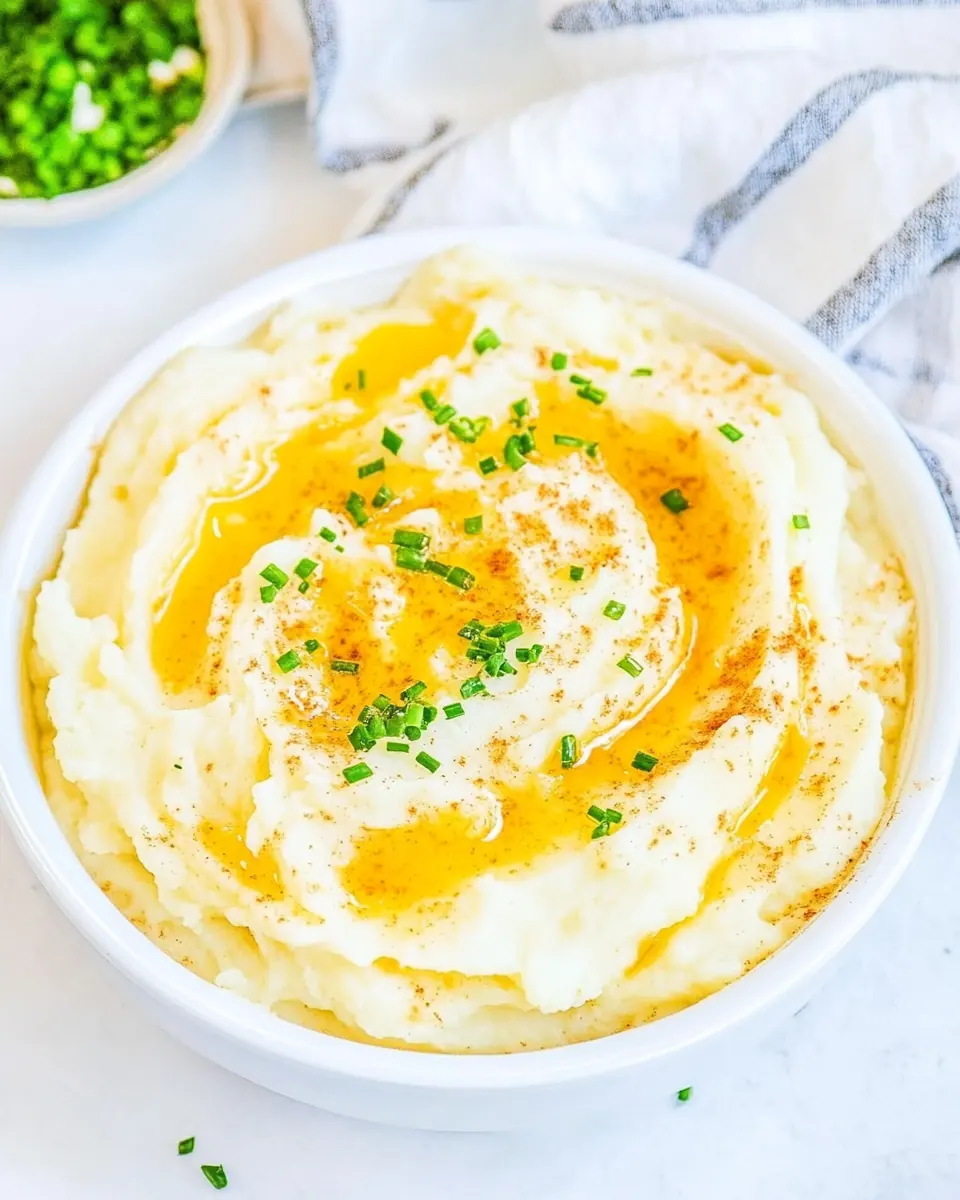
These ideas help you personalize Classic Mashed Potatoes without changing the core ingredients. Small tweaks in technique or proportions let you tailor texture and richness to your preferences, whether you want fluffy, rustic mash or ultra creamy clouds.
- Butter Temperature: Melt the butter gently and keep it warm so it blends seamlessly into the hot potatoes, avoiding cold pockets that can cool and tighten the mash.
- Dairy Choice: Use half and half for balanced creaminess, or swap to heavy cream if you want a more decadent, silky finish; add gradually until you reach the desired consistency.
- Texture Tool: Choose a potato masher for a rustic bite, a smooth masher for a refined rustic texture, or a potato ricer for ultra smooth mashed potatoes, depending on the mouthfeel you prefer.
- Seasoning Strategy: Salt the cooking water and then taste at the end, adding small increments of kosher salt so you can fine tune without oversalting.
- Make Ahead: Keep the mash airtight in the fridge for up to four days and reheat gently with warm half and half and a pat of melted butter to revive the texture.
What to Serve With Classic Mashed Potatoes
Classic Mashed Potatoes pair beautifully with many mains and fit into family dinners, holiday spreads, and cozy weeknight meals. Below are thoughtful serving ideas and pairing notes to help you match texture and occasion.
- Roasted Meats: Pair with roasted beef or chicken for a classic comfort plate; the creamy potatoes balance rich, savory gravies and pan sauces.
- Vegetable Mains: Serve alongside roasted root vegetables or sautéed greens for a hearty vegetarian friendly dinner where the mash provides a creamy counterpoint.
- Holiday Table: For Thanksgiving or winter gatherings, place the mash front and center as a crowd pleasing side, warm and in a butter glazed dish for sharing.
- Weeknight Comfort: Keep it simple with grilled proteins or pan seared fish, and use the mash as an easy, filling base that soaks up sauces.
- Storage Tips: Refrigerate airtight up to four days, and reheat slowly with warmed half and half and a bit of melted butter to restore creaminess and texture.
- Seasonal Pairings: In winter, serve with roasted root vegetables and braised greens; in cooler months, pair with slow roasted meats and a winter salad for balance.
FAQ
Conclusion
Classic Mashed Potatoes shine because they are simple, forgiving, and wholly satisfying. The harmony of fluffy potatoes, warm butter, and creamy half and half creates a texture and flavor that anchors so many meals. I encourage you to try the small technique adjustments I described, like warming the dairy and shaking out excess steam, because they really change the final result. Make a batch for your next family dinner, and notice how this humble side can lift the whole table.
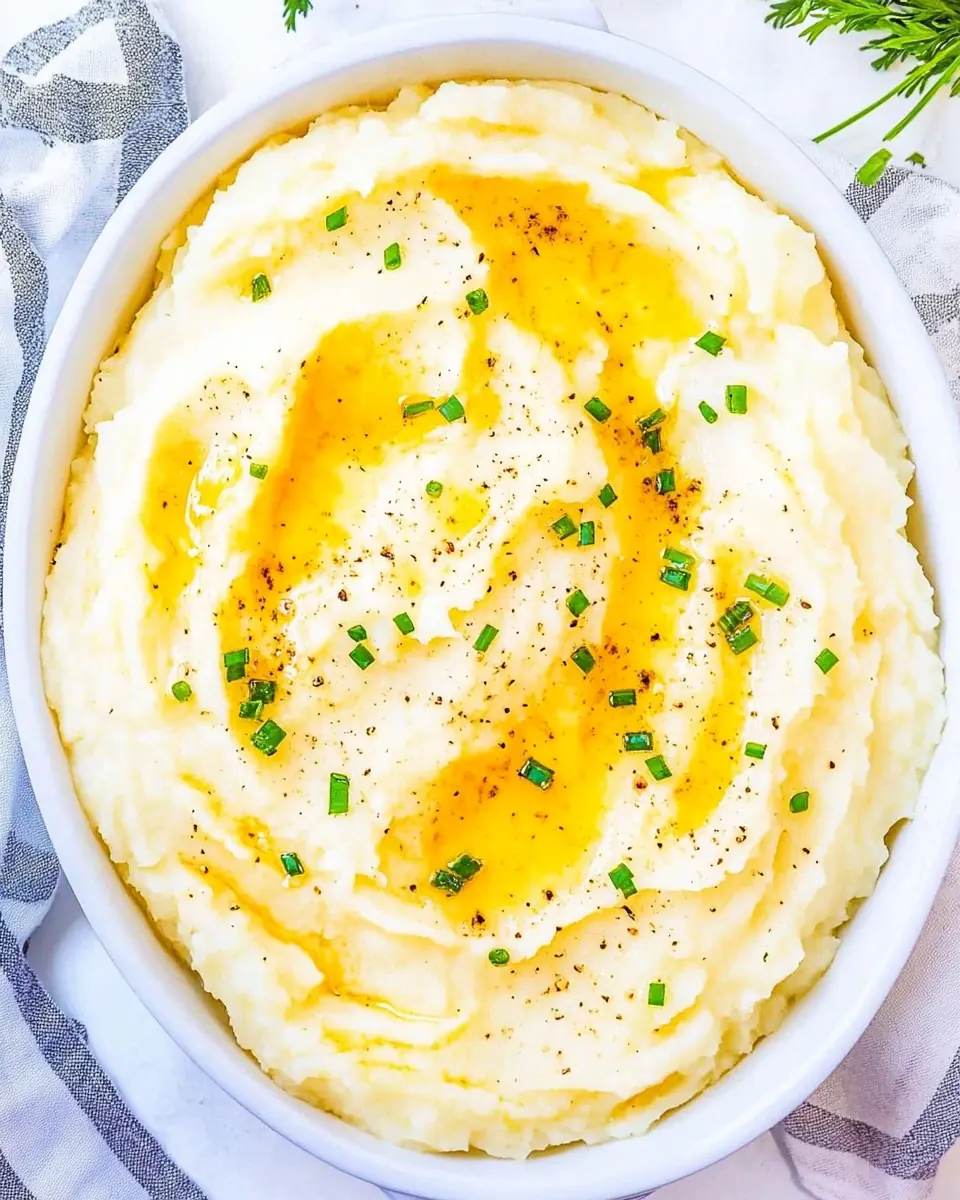
Classic Mashed Potatoes
Ingredients
Equipment
Method
- Add the potatoes to a large stockpot, cover with 2 inches cold water, drain the water (removes starch), and refill with more cold water to cover by 2 inches.: The first sensory cue here is the feel of cold water over the cubed potatoes , which helps stop the surfaces from oxidizing and forming a film. Pouring off the first cloudy water releases surface starch, which prevents gluey results. You want the second fill to be clear and cold, with the potatoes submerged by about two inches. A common mistake is starting with hot water, which can lead to uneven cooking and a mealy center. This step matters because controlled starch removal and even starting temperatures lead to more uniform cooking and a cleaner texture.
- Bring to a boil over high heat with a lid on the pot which will take about 10 minutes.: You will hear the pot moving from quiet to energetic, the initial rumble as heat pushes through. Keeping the lid on speeds the time to boil, capturing heat to raise the water efficiently. Watch the pot closely; when it hits a rolling boil, the visual change is dramatic, with active bubbling and steam. Avoid forgetting the pot or leaving it unattended, as a vigorous boil can foam over. Bringing the water to a vigorous boil quickly helps set the clock for a consistent cook time so the cubes reach doneness at the same moment.
- Once the water is boiling, remove the lid, and allow the potatoes to rapid simmer for about 15 to 20 minutes over medium-high heat, or until done. The potatoes are done when you can easily pierce with a fork or dinner knife. Don’t overboil the potatoes once they are done.: The sound shifts from aggressive bubbling to a steady simmer when you remove the lid, and you should see gentle movement with smaller bubbles. The visual test is key: a fork should glide through with little resistance. If you overboil, the edges will break down too much, and you risk waterlogged potatoes that can become gluey when mashed. Keep an eye on texture, not just the clock, because different pot sizes and stoves alter actual cook time.
- While the potatoes are boiling, to a separate medium saucepan, add the butter, half-and-half, and heat over medium-low heat to allow the butter to melt. Once the butter has melted, keep the saucepan over medium-low or low heat. However, you do not want this to simmer but simply keep this butter-cream mixture warm until the potatoes are done cooking and ready to mash.: Warm dairy blends into potatoes more gracefully, so you should feel a gentle steam and see a glossy surface when the butter has melted. Avoid bringing it to a simmer, which can change the texture and concentrate flavors differently. The aroma of melted butter and warm cream should be soft and inviting. If it starts to bubble, lower the heat immediately, because overheating will alter the dairy and can separate the fats.
- When the potatoes are done, drain the water, return the potatoes to the pot, and shake them around in the pot vigorously. This breaks them up a bit and will help to release excess steam and water, which you don’t want or need in your final dish.: You will feel the potatoes sliding against each other as you shake the pot, and the steam release is audible in warm puffs. This motion gently breaks the surface, allowing trapped steam to escape so the mash does not become watery. A common misstep is skipping this step, which leaves excess moisture and a loose final texture. The goal is to have slightly roughened edges that will accept dairy and butter without turning gluey.
- Place the pot over medium-high heat for about a minute to help cook off any of the final amount of water that was released; turn the heat off.: You should see quick, faint bubbling at the bottom and smell a toasty warmth as residual moisture evaporates. Keep it brief, about the length of humming a short tune, to prevent the potatoes from browning. If you leave it too long, the potatoes can dry out or start to stick. The purpose here is simply moisture control, so a short burst on heat is sufficient to tighten up the texture without altering flavor.
- Drizzle in melted butter and half-and-half mixture, add the salt, pepper, and mash to your desired consistency. For traditional mashed potatoes, I use this masher. For smoother use this smooth masher, and for ultra-smooth use this potato ricer.: At this stage, the aroma of warm butter and half and half should mingle with the earthy scent of the potatoes . As the warm dairy meets the starchy flesh, you will notice the mash becoming silkier and more cohesive. Choosing your tool affects mouthfeel; a heavy mashing yields rustic texture while a ricer creates a souffl like smoothness. Overworking the potatoes with a mixer can make them gummy, so stop as soon as the desired texture is reached. The why here is straightforward: gentle incorporation preserves structure and yields the preferred final texture.
- Taste, and adjust the salt and pepper to taste. I generally add more salt and pepper, but start with amounts called for and increase to your tastes. Serve immediately.: The final sensory step is tasting warm spoonfuls, noticing how the seasoning opens up in the heat. I often add a pinch more kosher salt and a few turns of freshly ground black pepper to brighten the flavors. Serving right away maintains peak temperature and texture, so plate while warm. A frequent error is leaving the mash to sit too long uncovered, which cools and forms a skin. If you must hold it, cover loosely and rewarm gently with a splash of warmed dairy.
- Potatoes will keep airtight in the fridge for up to 4 days.: Stored cold, you will notice the mash firming and the surface becoming dense; reheating with a little warmed half and half or melted butter restores creaminess. I reheat on low heat, stirring frequently, which helps redistribute moisture and heat evenly. Avoid microwaving at high power, which can dry spots and change texture. This step matters because proper storage and gentle reheating preserve the mouthfeel and flavor for tasty leftovers.
Notes
- Butter Temperature: Melt the butter gently and keep it warm so it blends seamlessly into the hot potatoes, avoiding cold pockets that can cool and tighten the mash.
- Dairy Choice: Use half and half for balanced creaminess, or swap to heavy cream if you want a more decadent, silky finish; add gradually until you reach the desired consistency.
- Texture Tool: Choose a potato masher for a rustic bite, a smooth masher for a refined rustic texture, or a potato ricer for ultra smooth mashed potatoes, depending on the mouthfeel you prefer.
- Seasoning Strategy: Salt the cooking water and then taste at the end, adding small increments of kosher salt so you can fine tune without oversalting.
- Make Ahead: Keep the mash airtight in the fridge for up to four days and reheat gently with warm half and half and a pat of melted butter to revive the texture.