Add the potatoes to a large stockpot, cover with 2 inches cold water, drain the water (removes starch), and refill with more cold water to cover by 2 inches.: The first sensory cue here is the feel of cold water over the cubed potatoes , which helps stop the surfaces from oxidizing and forming a film. Pouring off the first cloudy water releases surface starch, which prevents gluey results. You want the second fill to be clear and cold, with the potatoes submerged by about two inches. A common mistake is starting with hot water, which can lead to uneven cooking and a mealy center. This step matters because controlled starch removal and even starting temperatures lead to more uniform cooking and a cleaner texture.
Bring to a boil over high heat with a lid on the pot which will take about 10 minutes.: You will hear the pot moving from quiet to energetic, the initial rumble as heat pushes through. Keeping the lid on speeds the time to boil, capturing heat to raise the water efficiently. Watch the pot closely; when it hits a rolling boil, the visual change is dramatic, with active bubbling and steam. Avoid forgetting the pot or leaving it unattended, as a vigorous boil can foam over. Bringing the water to a vigorous boil quickly helps set the clock for a consistent cook time so the cubes reach doneness at the same moment.
Once the water is boiling, remove the lid, and allow the potatoes to rapid simmer for about 15 to 20 minutes over medium-high heat, or until done. The potatoes are done when you can easily pierce with a fork or dinner knife. Don’t overboil the potatoes once they are done.: The sound shifts from aggressive bubbling to a steady simmer when you remove the lid, and you should see gentle movement with smaller bubbles. The visual test is key: a fork should glide through with little resistance. If you overboil, the edges will break down too much, and you risk waterlogged potatoes that can become gluey when mashed. Keep an eye on texture, not just the clock, because different pot sizes and stoves alter actual cook time.
While the potatoes are boiling, to a separate medium saucepan, add the butter, half-and-half, and heat over medium-low heat to allow the butter to melt. Once the butter has melted, keep the saucepan over medium-low or low heat. However, you do not want this to simmer but simply keep this butter-cream mixture warm until the potatoes are done cooking and ready to mash.: Warm dairy blends into potatoes more gracefully, so you should feel a gentle steam and see a glossy surface when the butter has melted. Avoid bringing it to a simmer, which can change the texture and concentrate flavors differently. The aroma of melted butter and warm cream should be soft and inviting. If it starts to bubble, lower the heat immediately, because overheating will alter the dairy and can separate the fats.
When the potatoes are done, drain the water, return the potatoes to the pot, and shake them around in the pot vigorously. This breaks them up a bit and will help to release excess steam and water, which you don’t want or need in your final dish.: You will feel the potatoes sliding against each other as you shake the pot, and the steam release is audible in warm puffs. This motion gently breaks the surface, allowing trapped steam to escape so the mash does not become watery. A common misstep is skipping this step, which leaves excess moisture and a loose final texture. The goal is to have slightly roughened edges that will accept dairy and butter without turning gluey.
Place the pot over medium-high heat for about a minute to help cook off any of the final amount of water that was released; turn the heat off.: You should see quick, faint bubbling at the bottom and smell a toasty warmth as residual moisture evaporates. Keep it brief, about the length of humming a short tune, to prevent the potatoes from browning. If you leave it too long, the potatoes can dry out or start to stick. The purpose here is simply moisture control, so a short burst on heat is sufficient to tighten up the texture without altering flavor.
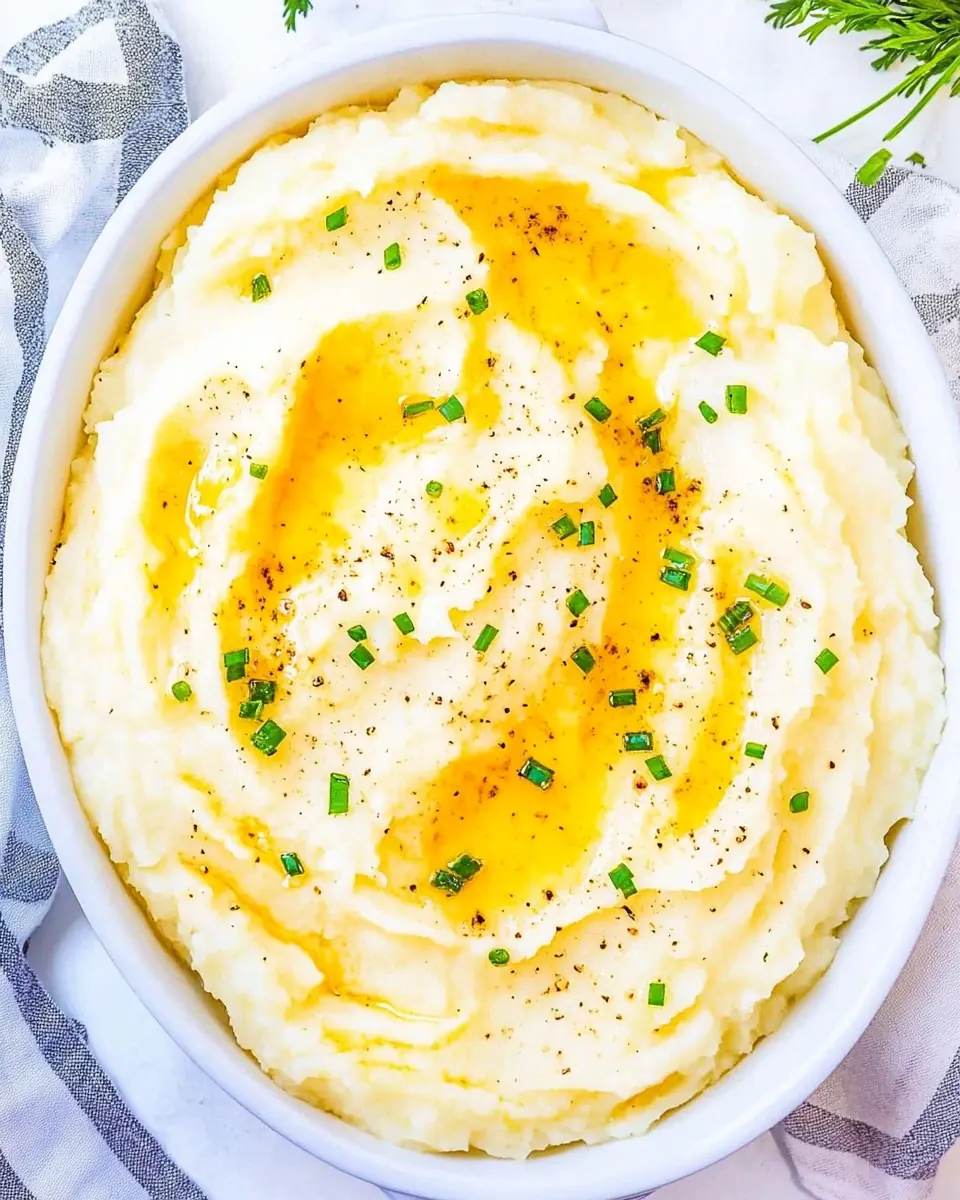
Drizzle in melted butter and half-and-half mixture, add the salt, pepper, and mash to your desired consistency. For traditional mashed potatoes, I use this masher. For smoother use this smooth masher, and for ultra-smooth use this potato ricer.: At this stage, the aroma of warm butter and half and half should mingle with the earthy scent of the potatoes . As the warm dairy meets the starchy flesh, you will notice the mash becoming silkier and more cohesive. Choosing your tool affects mouthfeel; a heavy mashing yields rustic texture while a ricer creates a souffl like smoothness. Overworking the potatoes with a mixer can make them gummy, so stop as soon as the desired texture is reached. The why here is straightforward: gentle incorporation preserves structure and yields the preferred final texture.
Taste, and adjust the salt and pepper to taste. I generally add more salt and pepper, but start with amounts called for and increase to your tastes. Serve immediately.: The final sensory step is tasting warm spoonfuls, noticing how the seasoning opens up in the heat. I often add a pinch more kosher salt and a few turns of freshly ground black pepper to brighten the flavors. Serving right away maintains peak temperature and texture, so plate while warm. A frequent error is leaving the mash to sit too long uncovered, which cools and forms a skin. If you must hold it, cover loosely and rewarm gently with a splash of warmed dairy.
Potatoes will keep airtight in the fridge for up to 4 days.: Stored cold, you will notice the mash firming and the surface becoming dense; reheating with a little warmed half and half or melted butter restores creaminess. I reheat on low heat, stirring frequently, which helps redistribute moisture and heat evenly. Avoid microwaving at high power, which can dry spots and change texture. This step matters because proper storage and gentle reheating preserve the mouthfeel and flavor for tasty leftovers.