Classic Reuben Sandwich
Classic Reuben Sandwich has been the sandwich I reach for when I want something comforting, salty, and a little nostalgic. The first time I tried one, I was on a rainy afternoon run to a tiny deli, and the sizzle of butter on the griddle hooked me before the aroma of melting swiss cheese and tangy sauerkraut finished the job. It feels like a warm, savory hug that happens to be portable and perfectly stackable.
I remember the ritual of layering: a smear of creamy dressing, a generous pile of shredded corned beef, and the way the rye becomes crisp and golden against the soft, melting cheese. Over the years, I have adjusted small details, like patting the sandwich with a spatula so everything melds together, or toasting the bread just long enough to create that ideal contrast between crunchy exterior and gooey interior. Every time I make this, it brings back those deli-counter conversations and the satisfying, almost theatrical moment when you press the sandwich and the cheese oozes ever so slightly.
What keeps me coming back to this recipe is how honest it is: straightforward ingredients that sing together when given a little heat and attention. I love sharing it at casual lunches with friends, because it is easy to scale, forgiving when you improvise quantities, and consistently rewarding. If you’re someone who appreciates bright, savory flavors balanced by a creamy touch, this version of the Classic Reuben Sandwich will quickly become one of your go to classics.
Recipe Snapshot
25 mins
15 mins
10 mins
Medium
600 kcal
American
Gluten-Free, Low FODMAP
Dinner
Cast iron pan, Griddle, Spatula
Why This Classic Reuben Sandwich Works
Bold, Balanced Flavors
I adore how the Classic Reuben Sandwich layers strong, distinct tastes without overwhelming the palate. The briny tang of sauerkraut cuts through the richness of the corned beef and swiss cheese, while a creamy dressing softens and ties everything together. I find this balance reliably satisfying, and it makes every bite memorable.
Textural Contrast
There is something deeply pleasurable about the contrast between the crunchy, toasted rye exterior and the warm, melty interior. When I press the sandwich during cooking, I can hear the bread crisping and see the cheese stretch slightly, which is always a small thrill. That crispness prevents the sandwich from feeling heavy, and it helps each ingredient keep its identity.
Quick and Crowd Friendly
I appreciate recipes that are fast but feel special, and this sandwich delivers. You can finish four sandwiches in one session, which is perfect for casual gatherings or quick family meals. I often make a few at once, and they hold up well for short periods if you need to keep them warm while finishing the rest.
Flexible and Forgiving
One of the reasons I keep this in my regular rotation is that it is forgiving. Whether you want a slightly lighter or heartier sandwich, small adjustments in portioning or bread choice still produce excellent results. I’ve swapped quantities or cooked multiple sandwiches together without losing flavor or texture.
Comfort with Personality
This is not just comfort food, it is comfort with attitude. The ingredients are humble but bold, and each one brings character. When I want a meal that feels like a treat but remains simple to prepare, the Classic Reuben Sandwich is my go to refuge.
Classic Reuben Sandwich Shopping List
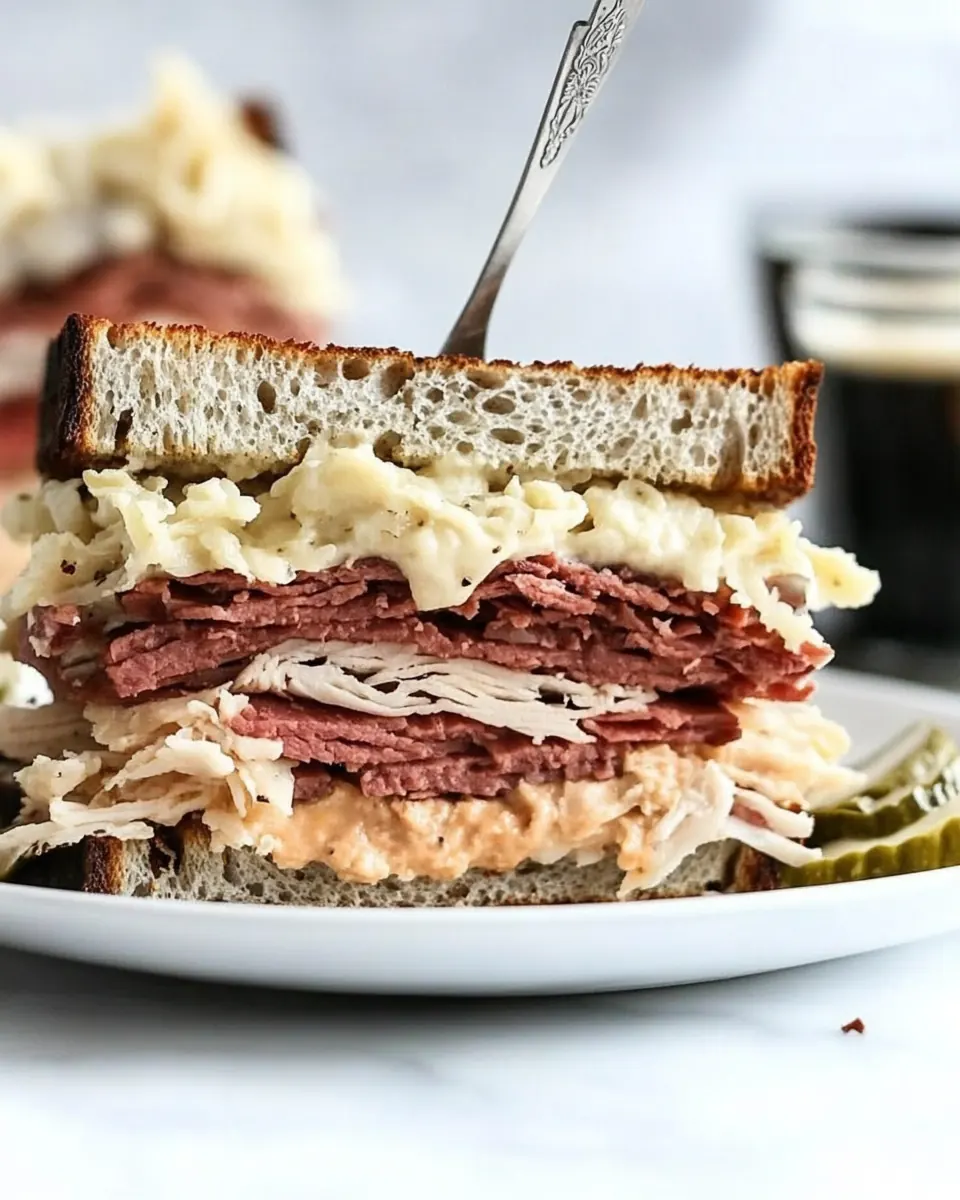
These ingredients are the foundation of a reliable sandwich that balances savory, creamy, and tangy notes. The philosophy here is to let a few strong players shine: the corned beef brings meaty richness, the swiss cheese offers creamy, nutty melts, and the sauerkraut adds brightness and acidity. The rye bread provides texture and flavor contrast, while the dressing ties everything together with a tangy, slightly sweet finish.
- 12 tablespoons unsalted butter: Melted and browned to create a rich, nutty exterior that helps crisp the bread and adds savory depth to each sandwich; use evenly spread pats to ensure thorough toasting without sogginess. Adjust quantity to pan-fry sandwiches in batches, replenishing as needed for consistent color and flavor across servings.
- 1 1/3 pound thinly sliced corned beef, or the desired amount of your liking: Thinly sliced for tender layering that provides the signature salty, beefy backbone of the sandwich; choose well-marinated corned beef and arrange slices evenly to balance texture and flavor. Warm slightly before assembling to prevent cooling the sandwich and to meld with melted cheese for cohesive bites.
- 8 thick slices of rye bread: Toasted or grilled as the sturdy base and top that holds fillings together while contributing a subtle caraway or slightly tangy flavor; select hearty rye that can withstand grilling without becoming limp. Lightly butter outer faces before grilling to achieve even browning and a crisp, golden crust.
- 8 slices of swiss cheese: Melted between layers to bind fillings and add creamy, mild nuttiness that complements the corned beef and sauerkraut; place slices directly on warm meat to promote even melting. Use full slices to ensure coverage so each mouthful includes gooey, cohesive cheese pull.
- 2 cups of sauerkraut: Drained and slightly pressed to remove excess liquid, providing a bright, tangy contrast and crunchy texture that cuts through the richness of meat and cheese. Spread or layer sparingly to avoid soggy bread while ensuring sauerkraut's acidity balances the sandwich flavors.
- 1 cup of thousand island dressing or Russian dressing: Spread on bread to introduce a creamy, sweet-tangy note that marries sauerkraut and corned beef, enhancing overall flavor complexity; choose thousand island or Russian based on preferred sweetness or spice. Apply a thin, even layer to both slices to keep moisture balanced and flavor consistent.
The Process for Making Classic Reuben Sandwich
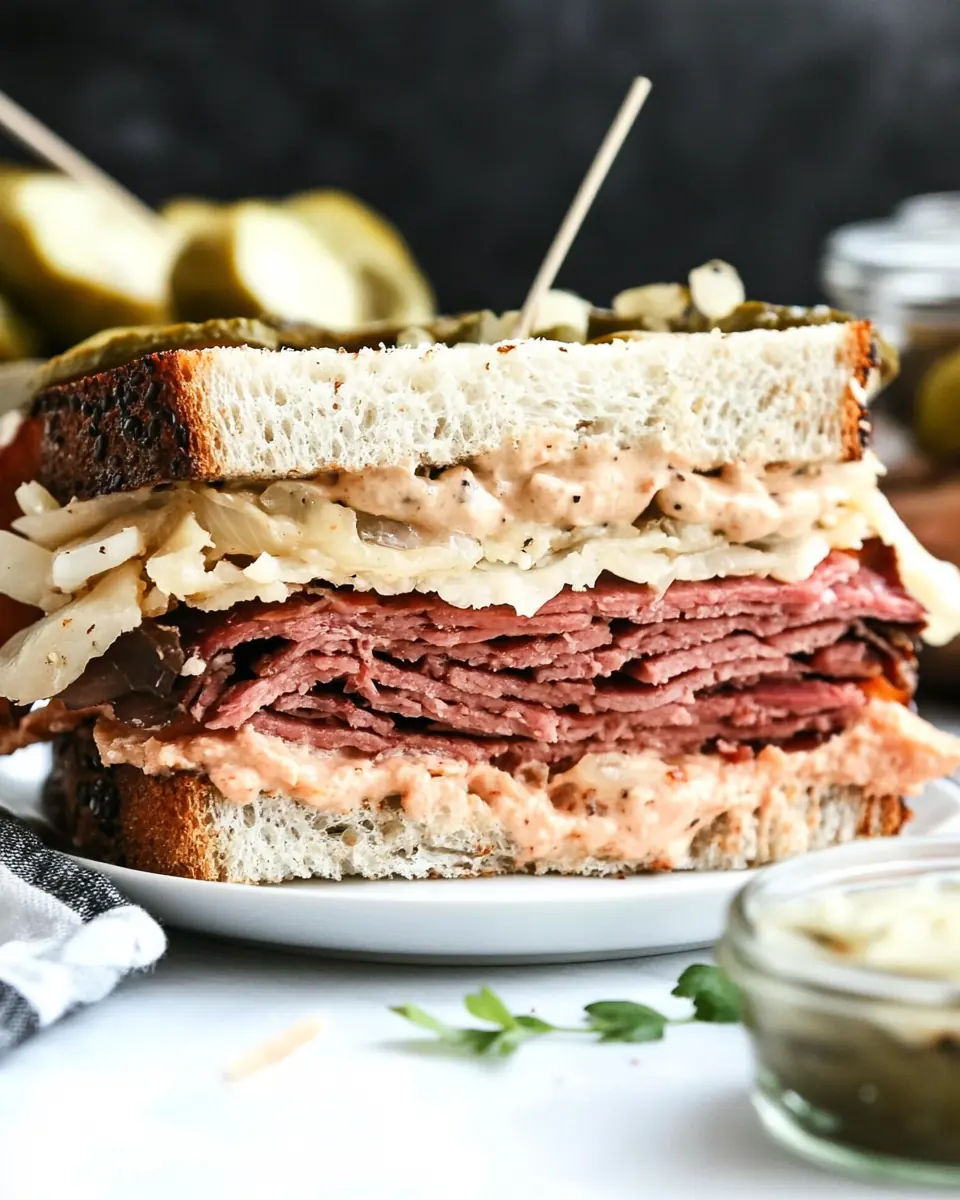
Cooking these sandwiches is hands on and satisfying, with short bursts of action at the stove that culminate in a warm, melty result. Below, I expand each direction into detailed steps so you can feel confident at the griddle, read the cues, and avoid common missteps.
- Add 1 tablespoon of butter to a cast iron pan, flat top, or griddle over medium to medium-high heat, and heat up a 1/3 pound of corned beef. This will take about 4-6 minutes in total, so be sure to move the meat around every minute or so. See chef notes.: The moment the butter melts and begins to foam slightly you will smell a toasty, nutty aroma that signals the pan is ready. As the thin slices of corned beef hit the surface you should hear a gentle sizzle, and within a minute the edges will begin to show light caramelization. Move the meat frequently to prevent uneven browning and to encourage even reheating, stirring or tossing every minute so nothing sticks. This step is about gently warming and adding a touch of sear to the meat, which concentrates flavors; rushing it with too high heat will tighten the meat and make it dry. A common mistake is crowding the pan, which causes steaming rather than searing, so give the meat space and work in batches if needed.
- Next, melt 1 tablespoon of butter until melted and place on 2 slices of bread to toast, which takes about 2 minutes.: When the butter is fully melted and just beginning to foam, lay the two slices of rye down and listen for an immediate crisping sound. After about a couple of minutes you should see the edges of the bread turn golden brown, and the surface will develop a slight sheen from the butter. This toasting step sets the structural integrity of the sandwich and provides the crunchy contrast to the melty interior. Avoid leaving the bread unattended, as it can go from golden to burnt quickly; adjust heat to medium if things brown too fast.
- Remove the bread, add 1 more tablespoon of butter and heat until melted before flipping the bread over toasted side up.: Adding a fresh dab of butter replenishes fat for the second side and ensures even browning when you return the sandwich to the pan. When the butter melts, it will hiss gently and spread a glossy layer across the surface. By flipping the bread toasted side up, you prepare the warm surface for spreading dressing and layering fillings without losing crispness. A pitfall here is using cold butter straight from the fridge, which can cool the pan down and slow browning; let butter come to room temperature if possible.
- Immediately spread a 1/4 cup of the dressing between both slices of bread.: As soon as the toasted side is facing up, use a spoon or knife to distribute the dressing evenly, feeling the creamy texture as it smooths across the bread. The dressing warms slightly on contact, which mellows its tang and allows it to mingle with the other elements. This step is about building flavor layers and moisture control; too much dressing can lead to sogginess, so measure carefully. If you overapply, blot a touch with a paper towel to keep the bread crisp.
- Next, layer on as followed, corned beef, 2 slices of swiss cheese, about a 1/2 cup of sauerkraut.: As you pile the warm corned beef onto the dressed bread, notice the steam rising and the savory aroma intensifying. Place the swiss cheese directly on top of the hot meat so it begins to soften and drape over the edges, then add the lightly drained sauerkraut to contribute tang and texture. Layering in this order helps the heat from the meat melt the cheese and keeps the kraut from over saturating the bread. A common error is adding too much kraut without draining it, which will compromise the bread's crispness.
- Place the other toasted piece of bread with dressing on it to the top of the sandwich dressing side down and press down with a spatula.: When you cap the sandwich, press firmly but gently with a spatula so the layers compact and the cheese begins to fuse everything together. You should feel resistance and then a settling as the fillings conform, and the spatula will make a faint sizzling sound as it meets the hot bread. This pressing improves contact for even melting and develops a uniform profile that slices cleanly. The mistake to avoid is pressing too hard, which can squeeze out fillings and make the sandwich greasy.
- Cook the sandwich for 1 to 2 minutes per side once it is assembled, and then slice and serve.: As the sandwich cooks, watch for the crust to reach a deep golden brown while the cheese becomes visibly molten and slightly oozing. Flip carefully so the second side gets the same treatment; you should hear a consistent sizzle and see light browning in under two minutes per side on medium heat. The timing here ensures a crisp exterior and a thoroughly melted center. Under cooking will leave cold pockets and unmelted cheese, while overcooking risks drying the meat and burning the bread.
- Repeat the process 3 more times for a total of 4 sandwiches. You can cook this all together at once as well.: Building multiple sandwiches in succession requires rhythm and attention to small details, like keeping the pan temperature steady and refreshing the butter as needed to maintain even browning. I often keep the cooked sandwiches warm in a low oven if I need to finish the rest, which preserves crispness for a short while. The main pitfall is letting the pan get too hot from continuous use, which can cause quicker browning and uneven results, so lower the heat briefly if things accelerate.
Helpful Notes about Classic Reuben Sandwich
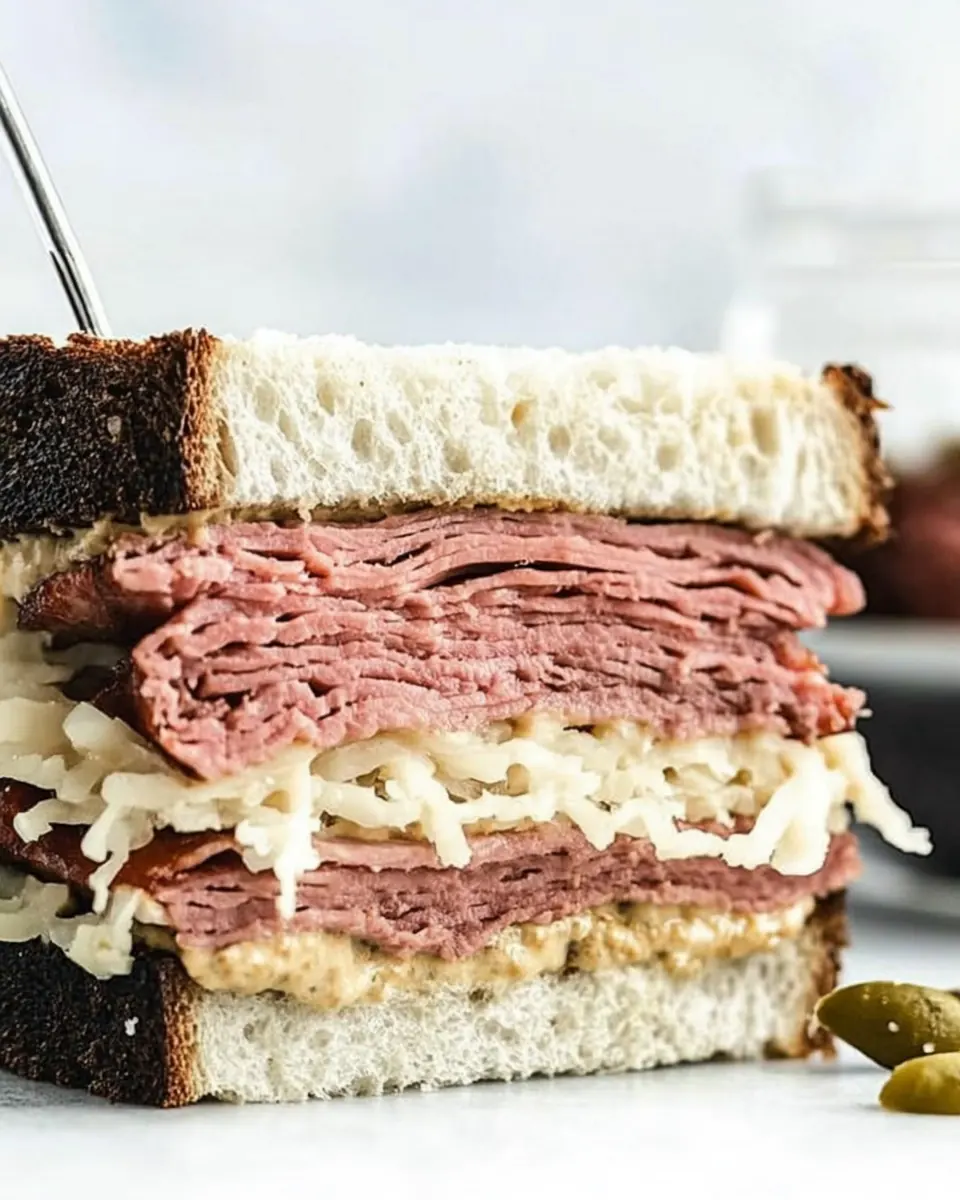
I like to keep these notes practical and tested, so you can lean on them while cooking. Below are expanded tips that come from repeated kitchen runs and honest trial and error, written so you can skip common pitfalls and enjoy consistent results.
- Keep butter at hand, using about a tablespoon at a time ensures even browning and prevents the bread from drying out. Replenish as needed when cooking several sandwiches, but avoid adding so much that the sandwich becomes greasy.
- Drain the sauerkraut well, place it in a fine strainer and press lightly to remove excess liquid; this prevents soggy bread and preserves the sandwich structure while letting the kraut still provide brightness.
- Warm the corned beef in small batches, thin slices heat evenly and develop a pleasant sear when not overcrowded; if you overcrowd the pan the beef will steam and lose texture.
- Toast both sides of the bread, a brief toast before assembly builds the crisp exterior you want and helps the dressing adhere without soaking through.
- Use room temperature cheese, if possible letting the swiss cheese sit for a few minutes at room temperature shortens melting time and ensures a smoother, creamier result.
What Goes Well With This Classic Reuben Sandwich
Serving a Classic Reuben Sandwich becomes an opportunity to create a well rounded meal. These suggestions cover side pairings, occasions, and storage ideas in detail so you can plan for everything from a solo lunch to a small casual gathering.
- Classic sides, serve with crisp kettle chips or a simple green salad for a balance of textures. The crunchy chips echo the toasted rye, while a dressed salad adds freshness to cut the sandwich richness.
- Warm sides for comfort, roasted potatoes or a bowl of tomato soup can turn this into a hearty lunch or light dinner. The warm, savory flavors of roasted starches pair well with the salty corned beef and creamy swiss cheese.
- Occasions, this sandwich is perfect for casual lunches, game day snacks, or a relaxed weekend meal with friends. It scales easily for a small crowd, and you can stagger cooking so everyone gets a hot sandwich.
- Storage tips, keep components separated in airtight containers in the refrigerator for up to five days, which preserves texture and flavor; assemble and reheat just before serving to maintain crispness.
- Seasonal pairing, in cooler months the rich, savory profile complements heartier sides and warm drinks; it works well as an autumn or winter comfort meal.
FAQ
Conclusion
The Classic Reuben Sandwich stands out for its powerful yet harmonious combination of savory corned beef, melting swiss cheese, tangy sauerkraut, and creamy dressing, all hugged by toasted rye. Give it a try when you want a quick meal that feels indulgent and well balanced, because it reliably delivers big flavor with minimal fuss. I hope you enjoy making and sharing this sandwich as much as I do, and that it becomes one of your easy go to meals for cozy lunches and casual dinners.
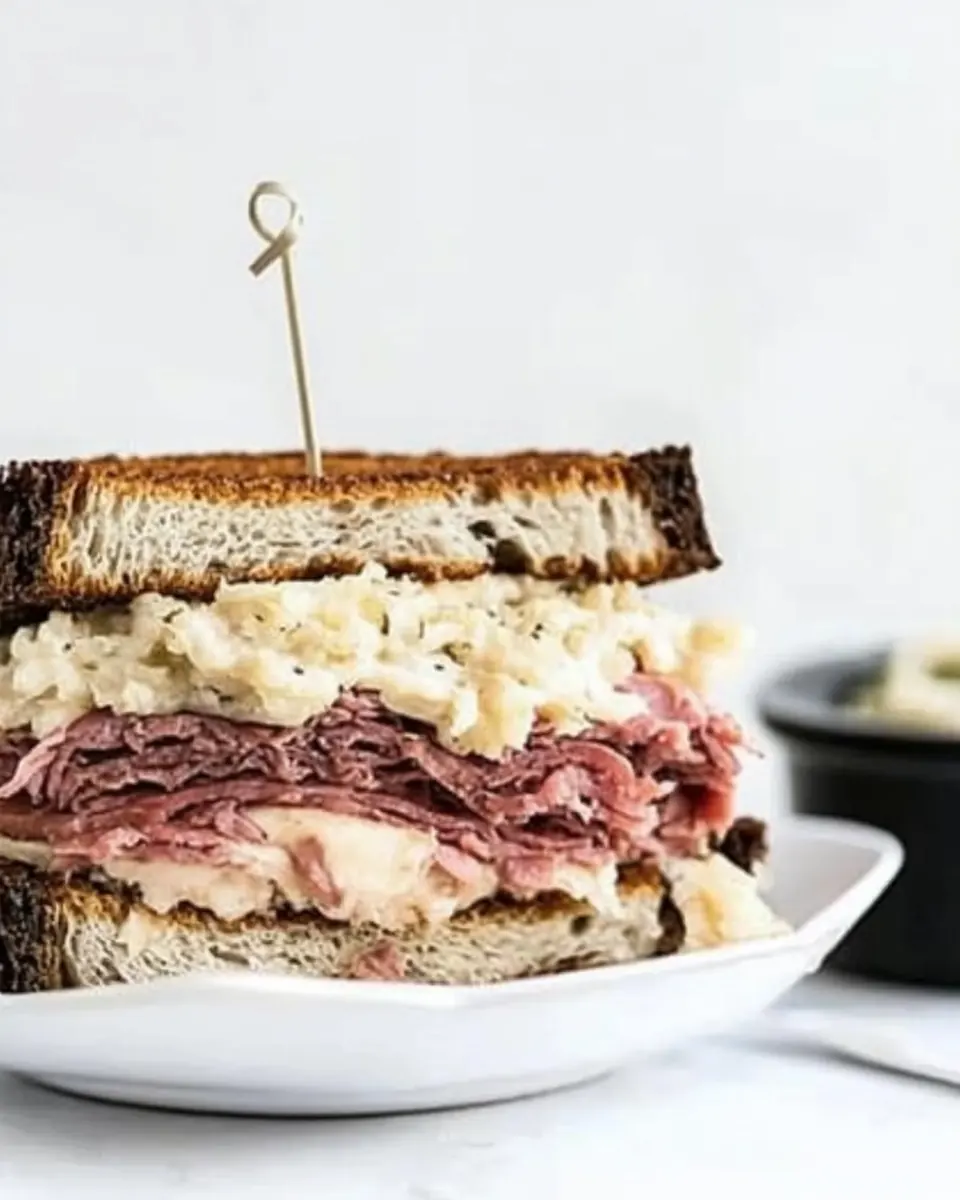
Classic Reuben Sandwich
Ingredients
Equipment
Method
- Add 1 tablespoon of butter to a cast iron pan, flat top, or griddle over medium to medium-high heat, and heat up a 1/3 pound of corned beef. This will take about 4-6 minutes in total, so be sure to move the meat around every minute or so. See chef notes.: The moment the butter melts and begins to foam slightly you will smell a toasty, nutty aroma that signals the pan is ready. As the thin slices of corned beef hit the surface you should hear a gentle sizzle, and within a minute the edges will begin to show light caramelization. Move the meat frequently to prevent uneven browning and to encourage even reheating, stirring or tossing every minute so nothing sticks. This step is about gently warming and adding a touch of sear to the meat, which concentrates flavors; rushing it with too high heat will tighten the meat and make it dry. A common mistake is crowding the pan, which causes steaming rather than searing, so give the meat space and work in batches if needed.
- Next, melt 1 tablespoon of butter until melted and place on 2 slices of bread to toast, which takes about 2 minutes.: When the butter is fully melted and just beginning to foam, lay the two slices of rye down and listen for an immediate crisping sound. After about a couple of minutes you should see the edges of the bread turn golden brown, and the surface will develop a slight sheen from the butter. This toasting step sets the structural integrity of the sandwich and provides the crunchy contrast to the melty interior. Avoid leaving the bread unattended, as it can go from golden to burnt quickly; adjust heat to medium if things brown too fast.
- Remove the bread, add 1 more tablespoon of butter and heat until melted before flipping the bread over toasted side up.: Adding a fresh dab of butter replenishes fat for the second side and ensures even browning when you return the sandwich to the pan. When the butter melts, it will hiss gently and spread a glossy layer across the surface. By flipping the bread toasted side up, you prepare the warm surface for spreading dressing and layering fillings without losing crispness. A pitfall here is using cold butter straight from the fridge, which can cool the pan down and slow browning; let butter come to room temperature if possible.
- Immediately spread a 1/4 cup of the dressing between both slices of bread.: As soon as the toasted side is facing up, use a spoon or knife to distribute the dressing evenly, feeling the creamy texture as it smooths across the bread. The dressing warms slightly on contact, which mellows its tang and allows it to mingle with the other elements. This step is about building flavor layers and moisture control; too much dressing can lead to sogginess, so measure carefully. If you overapply, blot a touch with a paper towel to keep the bread crisp.
- Next, layer on as followed, corned beef, 2 slices of swiss cheese, about a 1/2 cup of sauerkraut.: As you pile the warm corned beef onto the dressed bread, notice the steam rising and the savory aroma intensifying. Place the swiss cheese directly on top of the hot meat so it begins to soften and drape over the edges, then add the lightly drained sauerkraut to contribute tang and texture. Layering in this order helps the heat from the meat melt the cheese and keeps the kraut from over saturating the bread. A common error is adding too much kraut without draining it, which will compromise the bread's crispness.
- Place the other toasted piece of bread with dressing on it to the top of the sandwich dressing side down and press down with a spatula.: When you cap the sandwich, press firmly but gently with a spatula so the layers compact and the cheese begins to fuse everything together. You should feel resistance and then a settling as the fillings conform, and the spatula will make a faint sizzling sound as it meets the hot bread. This pressing improves contact for even melting and develops a uniform profile that slices cleanly. The mistake to avoid is pressing too hard, which can squeeze out fillings and make the sandwich greasy.
- Cook the sandwich for 1 to 2 minutes per side once it is assembled, and then slice and serve.: As the sandwich cooks, watch for the crust to reach a deep golden brown while the cheese becomes visibly molten and slightly oozing. Flip carefully so the second side gets the same treatment; you should hear a consistent sizzle and see light browning in under two minutes per side on medium heat. The timing here ensures a crisp exterior and a thoroughly melted center. Under cooking will leave cold pockets and unmelted cheese, while overcooking risks drying the meat and burning the bread.
- Repeat the process 3 more times for a total of 4 sandwiches. You can cook this all together at once as well.: Building multiple sandwiches in succession requires rhythm and attention to small details, like keeping the pan temperature steady and refreshing the butter as needed to maintain even browning. I often keep the cooked sandwiches warm in a low oven if I need to finish the rest, which preserves crispness for a short while. The main pitfall is letting the pan get too hot from continuous use, which can cause quicker browning and uneven results, so lower the heat briefly if things accelerate.
Notes
- Keep butter at hand, using about a tablespoon at a time ensures even browning and prevents the bread from drying out. Replenish as needed when cooking several sandwiches, but avoid adding so much that the sandwich becomes greasy.
- Drain the sauerkraut well, place it in a fine strainer and press lightly to remove excess liquid; this prevents soggy bread and preserves the sandwich structure while letting the kraut still provide brightness.
- Warm the corned beef in small batches, thin slices heat evenly and develop a pleasant sear when not overcrowded; if you overcrowd the pan the beef will steam and lose texture.
- Toast both sides of the bread, a brief toast before assembly builds the crisp exterior you want and helps the dressing adhere without soaking through.
- Use room temperature cheese, if possible letting the swiss cheese sit for a few minutes at room temperature shortens melting time and ensures a smoother, creamier result.