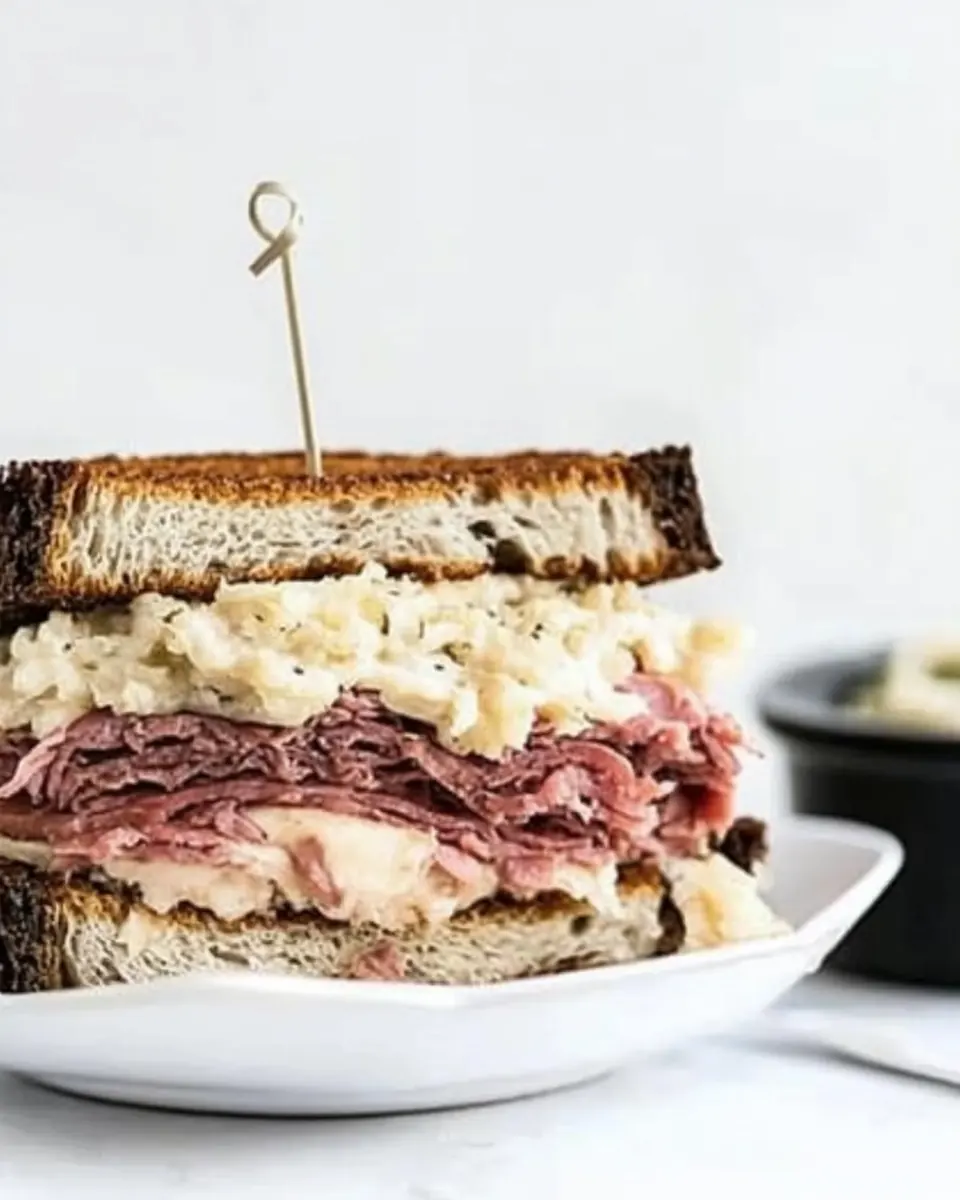
Add 1 tablespoon of butter to a cast iron pan, flat top, or griddle over medium to medium-high heat, and heat up a 1/3 pound of corned beef. This will take about 4-6 minutes in total, so be sure to move the meat around every minute or so. See chef notes.: The moment the butter melts and begins to foam slightly you will smell a toasty, nutty aroma that signals the pan is ready. As the thin slices of corned beef hit the surface you should hear a gentle sizzle, and within a minute the edges will begin to show light caramelization. Move the meat frequently to prevent uneven browning and to encourage even reheating, stirring or tossing every minute so nothing sticks. This step is about gently warming and adding a touch of sear to the meat, which concentrates flavors; rushing it with too high heat will tighten the meat and make it dry. A common mistake is crowding the pan, which causes steaming rather than searing, so give the meat space and work in batches if needed.
Next, melt 1 tablespoon of butter until melted and place on 2 slices of bread to toast, which takes about 2 minutes.: When the butter is fully melted and just beginning to foam, lay the two slices of rye down and listen for an immediate crisping sound. After about a couple of minutes you should see the edges of the bread turn golden brown, and the surface will develop a slight sheen from the butter. This toasting step sets the structural integrity of the sandwich and provides the crunchy contrast to the melty interior. Avoid leaving the bread unattended, as it can go from golden to burnt quickly; adjust heat to medium if things brown too fast.
Remove the bread, add 1 more tablespoon of butter and heat until melted before flipping the bread over toasted side up.: Adding a fresh dab of butter replenishes fat for the second side and ensures even browning when you return the sandwich to the pan. When the butter melts, it will hiss gently and spread a glossy layer across the surface. By flipping the bread toasted side up, you prepare the warm surface for spreading dressing and layering fillings without losing crispness. A pitfall here is using cold butter straight from the fridge, which can cool the pan down and slow browning; let butter come to room temperature if possible.
Immediately spread a 1/4 cup of the dressing between both slices of bread.: As soon as the toasted side is facing up, use a spoon or knife to distribute the dressing evenly, feeling the creamy texture as it smooths across the bread. The dressing warms slightly on contact, which mellows its tang and allows it to mingle with the other elements. This step is about building flavor layers and moisture control; too much dressing can lead to sogginess, so measure carefully. If you overapply, blot a touch with a paper towel to keep the bread crisp.
Next, layer on as followed, corned beef, 2 slices of swiss cheese, about a 1/2 cup of sauerkraut.: As you pile the warm corned beef onto the dressed bread, notice the steam rising and the savory aroma intensifying. Place the swiss cheese directly on top of the hot meat so it begins to soften and drape over the edges, then add the lightly drained sauerkraut to contribute tang and texture. Layering in this order helps the heat from the meat melt the cheese and keeps the kraut from over saturating the bread. A common error is adding too much kraut without draining it, which will compromise the bread's crispness.
Place the other toasted piece of bread with dressing on it to the top of the sandwich dressing side down and press down with a spatula.: When you cap the sandwich, press firmly but gently with a spatula so the layers compact and the cheese begins to fuse everything together. You should feel resistance and then a settling as the fillings conform, and the spatula will make a faint sizzling sound as it meets the hot bread. This pressing improves contact for even melting and develops a uniform profile that slices cleanly. The mistake to avoid is pressing too hard, which can squeeze out fillings and make the sandwich greasy.
Cook the sandwich for 1 to 2 minutes per side once it is assembled, and then slice and serve.: As the sandwich cooks, watch for the crust to reach a deep golden brown while the cheese becomes visibly molten and slightly oozing. Flip carefully so the second side gets the same treatment; you should hear a consistent sizzle and see light browning in under two minutes per side on medium heat. The timing here ensures a crisp exterior and a thoroughly melted center. Under cooking will leave cold pockets and unmelted cheese, while overcooking risks drying the meat and burning the bread.
Repeat the process 3 more times for a total of 4 sandwiches. You can cook this all together at once as well.: Building multiple sandwiches in succession requires rhythm and attention to small details, like keeping the pan temperature steady and refreshing the butter as needed to maintain even browning. I often keep the cooked sandwiches warm in a low oven if I need to finish the rest, which preserves crispness for a short while. The main pitfall is letting the pan get too hot from continuous use, which can cause quicker browning and uneven results, so lower the heat briefly if things accelerate.