Coconut Custard Pie
Coconut Custard Pie has been a warm memory in my family for as long as I can remember, arriving on the table with that gentle coconut aroma that always made conversation slow down. I can still recall the first time I baked one myself, the nervousness as the custard bubbled gently in the oven, and the quiet satisfaction when the knife came out clean. That first success hooked me, and this pie became a regular request for birthdays and simple Sunday dinners.
Over the years I learned small tricks that made a big difference, like letting the pie cool fully before chilling and toasting coconut for a subtle crunch. When I serve Coconut Custard Pie I like to watch faces as forks break through the silky filling and the flaky crust gives way, because it always feels like sharing a little homemade comfort. I often pair it with a pot of coffee and soft music, which turns a slice into a moment worth savoring. Every time I make it I think about the balance of creamy custard and coconut texture, and how this straightforward recipe rewards the extra patience with quiet magic in every bite.
Recipe Snapshot
1 hr 15 mins
15 mins
60 mins
Medium
300 kcal
American
Gluten-Free, Low FODMAP
Desserts
Oven, Electric mixer, Large bowl, 9 inch pie dish
Why This Coconut Custard Pie Is So Good
Classic Comfort with Minimal Fuss
I adore how Coconut Custard Pie offers that nostalgic, home-baked quality without demanding a bakery skill set. The technique is forgiving, so even if you are not baking every weekend, you can still produce a stunning pie that tastes like you spent the day fussing over it.
Impressively Textured
The combination of smooth custard and chewy coconut flakes gives each bite contrast, which is why I keep reaching for this recipe. The custard sets soft yet sliceable, while the coconut adds pockets of texture that keep the palate interested from the first forkful to the last.
Adaptable and Approachable
I love that this dish works with a homemade or store bought pie shell, which makes it flexible for busy days. I often make the filling ahead and bake when guests arrive, or bake early and chill for a truly set slice that looks like you had all day to prepare it.
Bright, Familiar Flavors
The flavor profile is simple but satisfying, leaning on dairy and vanilla to let the coconut sing. I find the subtle nutmeg and a touch of salt really lift the custard and prevent it from tasting flat, making every spoonful pleasantly balanced.
Great for Gatherings
Because it serves well chilled and slices neatly, I rely on Coconut Custard Pie for celebrations and casual get togethers. It travels well from kitchen to table and rarely fails to evoke compliments, which is why it remains a staple in my rotation.
Ingredients You’ll Need for Coconut Custard Pie
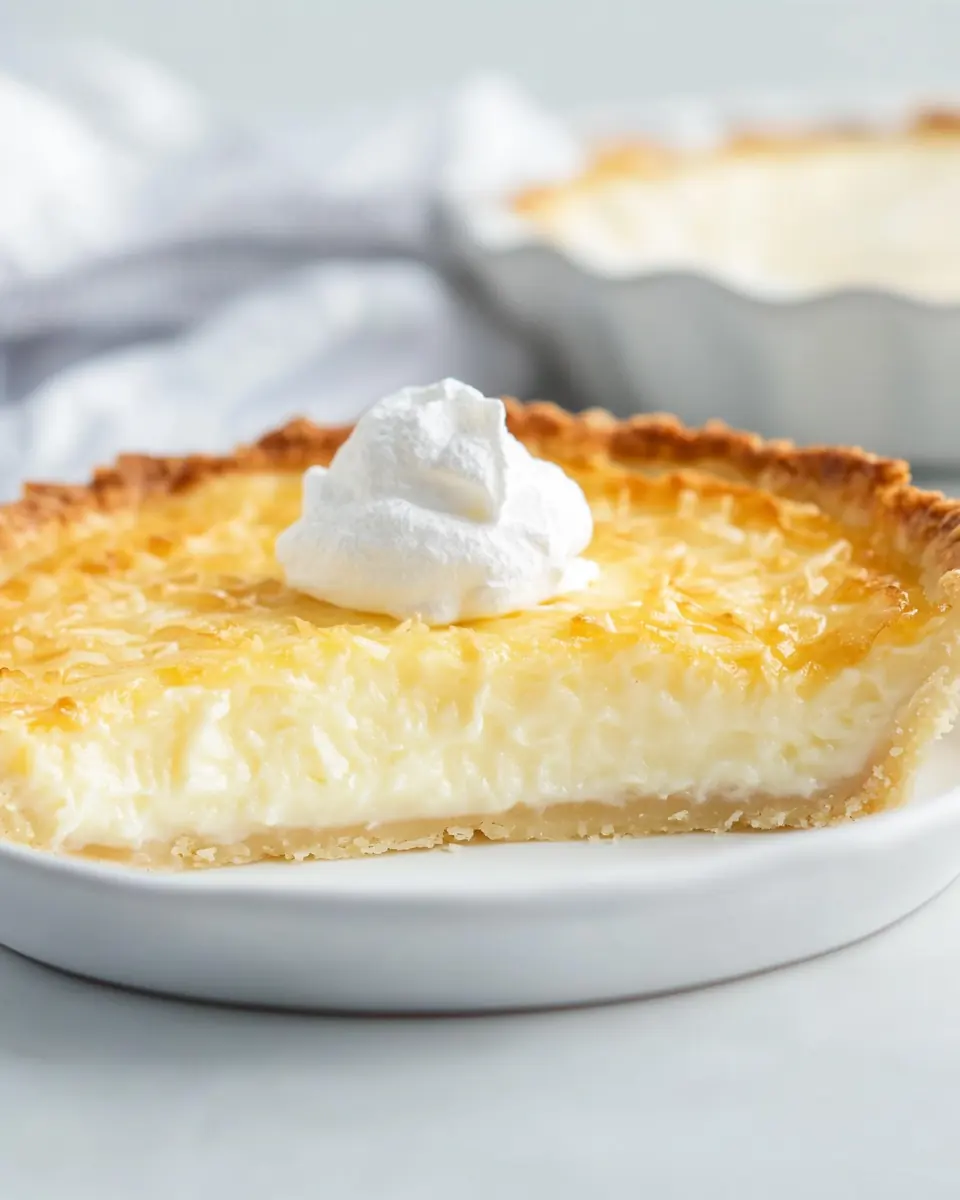
These ingredients work in concert to create a custard that is creamy yet stable, with the coconut flakes adding a toasty chew. The dairy and eggs form the custard base, the small amount of flour helps give structure, and the pinch of nutmeg and salt bring the flavors into focus. Choosing quality basics will pay off in texture and aroma.
- 1/4 cup (1/2 stick) unsalted butter, at room temperature: Soften and cream to provide richness and a tender texture to the custard; helps incorporate air when beaten with sugar and eggs, and adds flavor depth to the filling.
- 1 cup granulated white sugar: Sweeten and stabilize the custard, contributing structure and caramelization on the surface during baking while balancing the richness from dairy and eggs.
- 3 large eggs: Whisk thoroughly to create structure and thicken the custard as proteins coagulate during baking; also add richness, emulsifying properties, and a slightly custardy mouthfeel.
- 1 3/4 cups whole milk: Warm gently and pour into the egg mixture to form the base of the custard; contributes body, moisture, and a creamy consistency when combined with other dairy.
- 1/2 cup heavy whipping cream: Enrich and add a velvety mouthfeel to the custard; increases fat content for a silkier texture and helps prevent curdling when baked.
- 3 tablespoons all purpose flour: Whisk in to slightly thicken the custard mixture and stabilize it; adds a bit of structure so the filling sets properly without becoming rubbery.
- 1 1/2 teaspoons vanilla extract: Flavor subtly and enhance the overall aroma of the custard; rounds out sweetness and complements coconut and nutmeg notes for a balanced taste.
- 1/2 teaspoons salt: Season lightly to enhance the sweetness and flavors throughout the custard; helps balance richness and bring out the other ingredient nuances.
- 1/8 teaspoon ground nutmeg: Sprinkle into the custard base for warm aromatic highlights; offers a hint of spice that complements the coconut and adds complexity to each bite.
- 1 cup sweetened coconut flakes: Fold in to provide chewy texture and concentrated coconut flavor throughout the filling; contributes contrast to the smooth custard and reinforces the pie’s coconut identity.
- One 9-inch pie crust, homemade or store-bought: Line the pie plate and contain the custard while baking; provides a flaky or tender contrast to the creamy filling and adds buttery flavor when homemade or convenience when store–bought.
- whipped cream or Cool Whip: Garnish generously to add lightness and extra creaminess when serving; provides a sweet, airy topping that complements the custard’s density and coconut flavor.
- coconut flakes, toasted (if desired): Sprinkle on top to lend toasted flavor and a crunchy finish if desired; enhances coconut aroma and gives visual appeal while adding a nutty contrast to the smooth filling.
Step by Step Instructions for Coconut Custard Pie
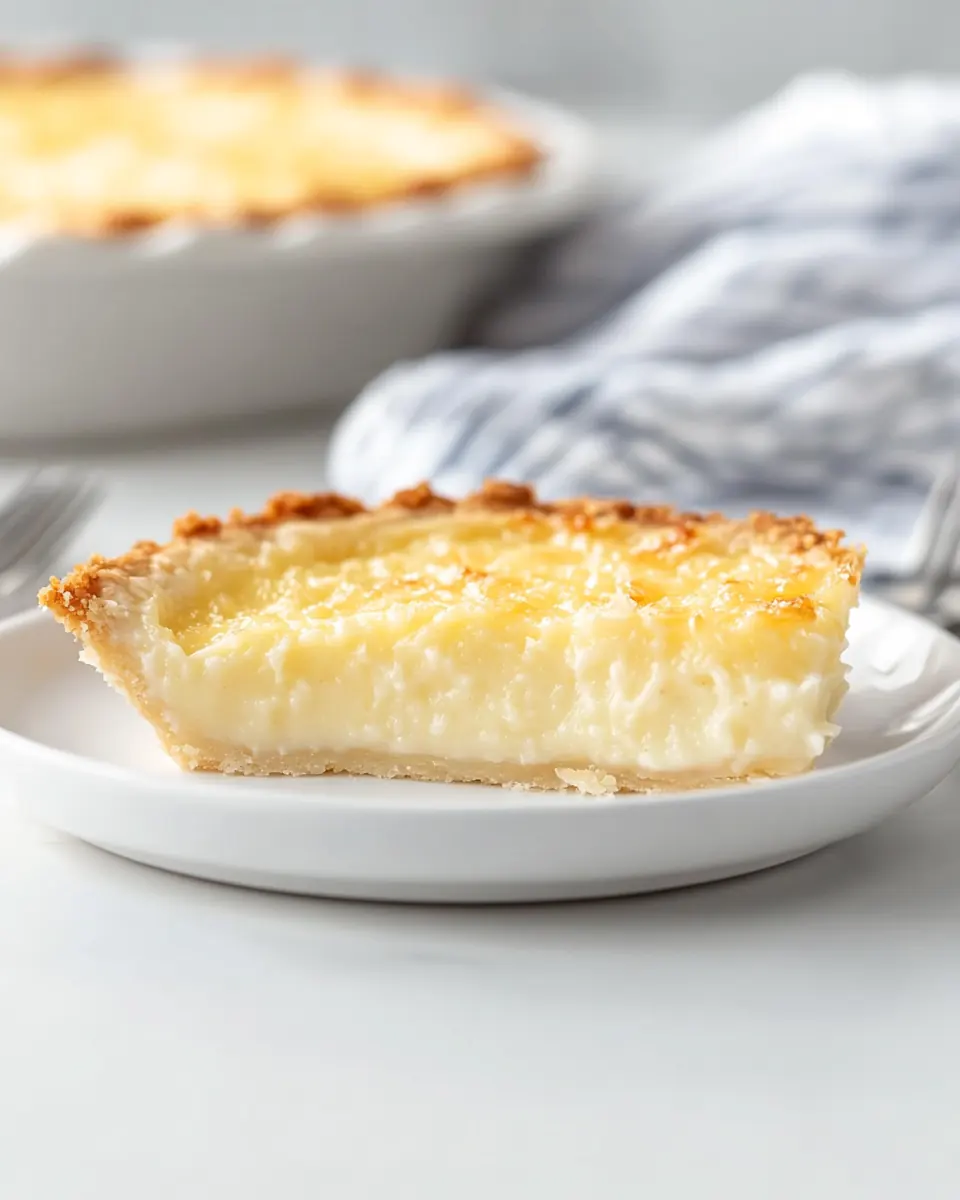
This recipe is straightforward, but I like to walk through it with you so the senses guide every decision. Follow the sequence and pay attention to visual and textural cues to achieve a clean set custard with a nicely browned surface. The directions below expand on the listed steps with sensory notes, reasons behind each choice, and common pitfalls to avoid.
- Preheat the oven to 350 degrees F.: The oven should smell neutral with a hint of warmth as it reaches 350 degrees F . Preheating ensures the custard begins cooking immediately and sets evenly from the edges inward. If you skip preheating, the pie may bake unevenly, resulting in an overcooked rim and undercooked center. Place your rack in the center so heat circulates gently, and avoid opening the door repeatedly which causes temperature drops.
- In a large bowl, use an electric mixer to combine the butter and sugar until well-mixed. Beat in the eggs, and then the milk, cream, flour, vanilla, salt, and nutmeg. Stir in the coconut flakes.: You'll notice the butter and sugar transform into a paler, slightly fluffy mixture, releasing a soft buttery aroma. This step helps dissolve the sugar and distributes fat evenly, creating a smooth base for the custard. Overbeating can introduce excess air which may cause tiny cracks on the custard surface, so mix until combined and slightly lightened, not whipped.
- Pour the coconut mixture into the raw pie crust.: As you incorporate the eggs , the mixture will silk together and the batter will thin when you add the milk and cream . Whisking the flour in prevents lumps and helps stabilize the custard, while the vanilla , salt , and nutmeg layer in aromatic depth. The batter should be smooth and pourable, with a faint dairy scent and spice at the finish. Avoid high speed mixing after adding liquids to prevent foaming.
- Bake until a knife inserted in the center comes out clean, about 50 to 60 minutes. Check the pie at the 45 minute mark (and every 5 minutes after) and if the crust is getting too dark, put a pie crust shield or foil on it to prevent it from over-browning.: Folding in the coconut flakes disperses chewy pockets throughout the custard, and you will see the batter speckled with white flakes. The flakes add texture and localized bursts of coconut flavor. If you add too many, the custard can struggle to set uniformly, so keep to the specified amount. Stir gently to keep the batter smooth and even.
- Before slicing, cool the pie to room temperature and then refrigerate to chill, about 2 to 4 hours.: When you pour the filling into the unbaked pie crust , listen for a quiet slide as the batter settles. The contrast between the pale custard and crust edge helps you gauge fill level; leave a small gap under the rim to prevent overflow. If the crust is too warm or soft the edges may slump, so work quickly and, if needed, chill the crust briefly before filling.
- If desired, serve the pie topped with whipped cream or Cool Whip and a sprinkle of toasted coconut flakes.: During baking you will notice the custard deepen slightly in color and the surface develop a gentle wobble that firms as it finishes. Between 50 to 60 minutes the center will set so that a knife comes out clean, signaling doneness. Check at the 45 minute mark, and every 5 minutes after, to avoid overbaking which yields a dry texture. If the crust edges brown too fast, shield them with foil to keep the bake even.
- Check the pie at the 45 minute mark (and every 5 minutes after) and if the crust is getting too dark, put a pie crust shield or foil on it to prevent it from over-browning.: Visual monitoring helps you prevent a burnt rim while the center finishes cooking; the surface should be lightly golden and the crust not overly browned. A shield will reflect direct heat and slow browning while allowing the custard to continue setting. Avoid leaving the foil on from the start or the crust may not achieve its desired flakiness.
- Before slicing, cool the pie to room temperature and then refrigerate to chill, about 2 to 4 hours.: Cooling lets the custard finish its gentle set and the aroma will mellow, becoming more pronounced once chilled. The texture becomes cleanly sliceable after refrigeration, providing neat wedges rather than a soft, loose filling. Cutting too soon is a common mistake and will produce sloppy slices, so be patient and let it chill fully for the best presentation.
- If desired, serve the pie topped with whipped cream or Cool Whip and a sprinkle of toasted coconut flakes.: The final garnishes add visual contrast and a fresh texture, with the whipped topping giving a light creaminess and the toasted coconut flakes delivering crisp, nutty notes. Add these just before serving so they stay bright and fluffy. If you apply them too early the whipped cream may weep, and toasted flakes can lose their crunch when exposed to moisture.
Helpful Hints
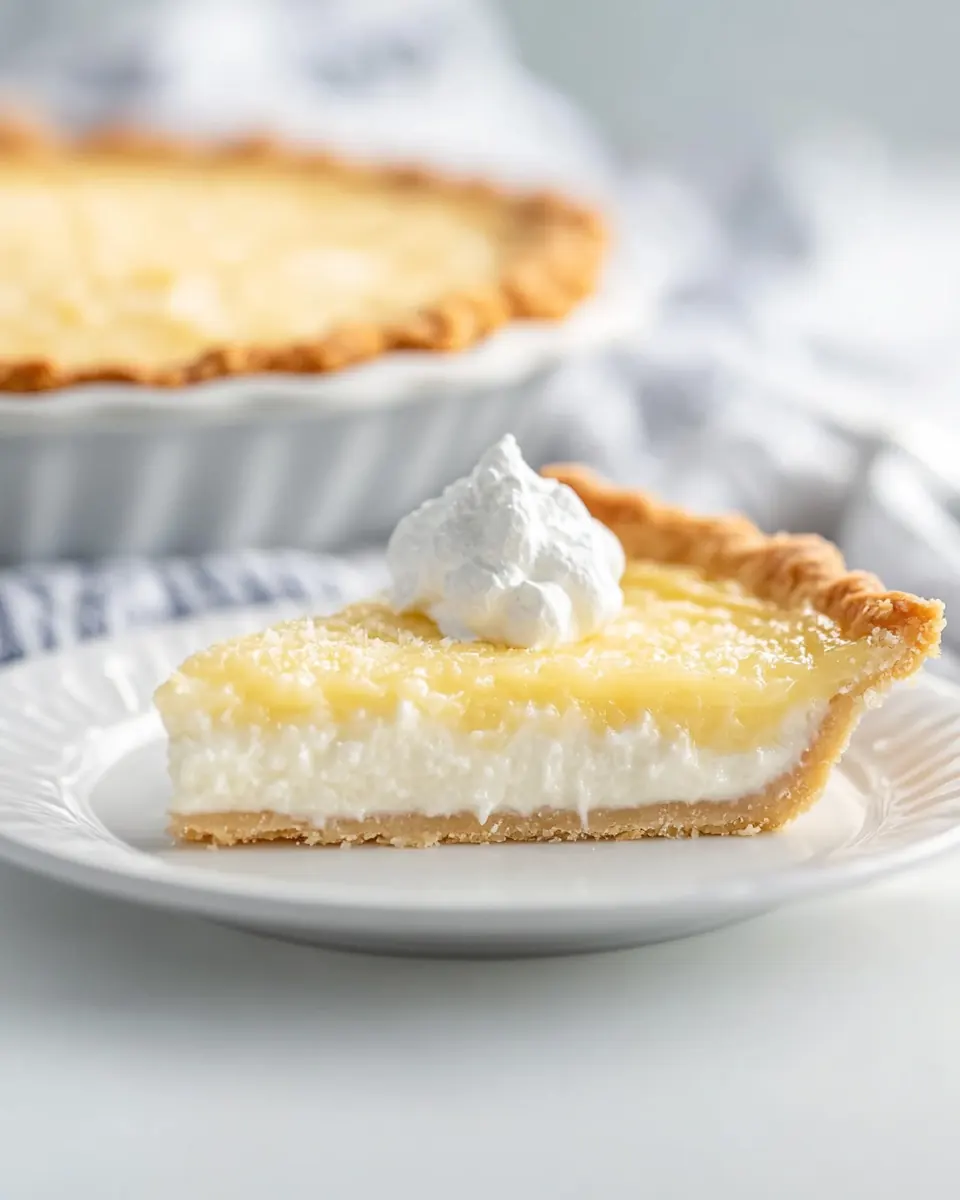
I like to think of these tips as small investments that compound into a reliably great pie. A few minutes of attention during mixing and baking will reward you with a custard that is smooth and a crust that stays crisp. Below are practical pointers I use every time.
- Room Temperature Ingredients: Bring butter and eggs to room temperature so they blend seamlessly, preventing lumps and ensuring a uniformly set custard.
- Gentle Mixing: After adding the milk and cream, mix at low speed or by hand to avoid incorporating air, which can lead to surface cracking during baking.
- Watch the Bake: Start checking the pie at the 45 minute mark, and cover the crust with foil if it browns too quickly to keep the bake even.
- Chill Before Serving: Refrigerate for at least two hours to let the custard finish setting, which produces clean slices and the best mouthfeel.
- Toast Coconut for Garnish: Briefly toast extra coconut flakes in a dry skillet until golden for a crunchy, aromatic topping, watching closely to avoid burning.
What to Serve Alongside Coconut Custard Pie
Pairings should complement the pie s gentle sweetness and creamy texture. Think light contrasts and soothing beverages that allow the coconut notes to shine. Below I list ideas for occasions, sides, and storage that work well with this pie.
- Coffee or Tea: A hot cup of coffee or a cup of black tea offers a warm, slightly bitter counterpoint that balances the pie s sweetness, perfect for dessert after a relaxed meal.
- Fresh Fruit: Serve small bowls of seasonal fruit for a bright, acidic contrast, which refreshes the palate between rich bites and pairs well at brunch or afternoon gatherings.
- Light Salads: For a summer lunch menu, a crisp green salad with a citrus vinaigrette complements the creamy pie, creating a balanced meal without overwhelming sweetness.
- Occasions: This pie suits family dinners, potlucks, and holiday tables where a nostalgic dessert is welcome; it travels well and slices neatly for shared servings.
- Storage: Cover the pie and refrigerate for up to three days for best texture; avoid freezing as custards can become watery after thawing, though individual slices can be frozen in airtight containers if needed.
- Seasonal Pairings: In warmer months serve chilled with a spritz of citrus on the side, while in cooler seasons, toasted coconut garnish and a warm beverage create cozy contrasts.
FAQ
Conclusion
Coconut Custard Pie stands out because of its smooth, creamy custard balanced by sweet, chewy coconut and a flaky crust. It s a recipe that feels special without demanding complex techniques, which is why I return to it for celebrations and quiet family meals alike. If you re looking for a dessert that combines nostalgia with reliable results, give this pie a try and let the simple, layered flavors do the talking. Enjoy the process, take your time cooling and chilling, and savor the little ritual of serving a homemade slice.
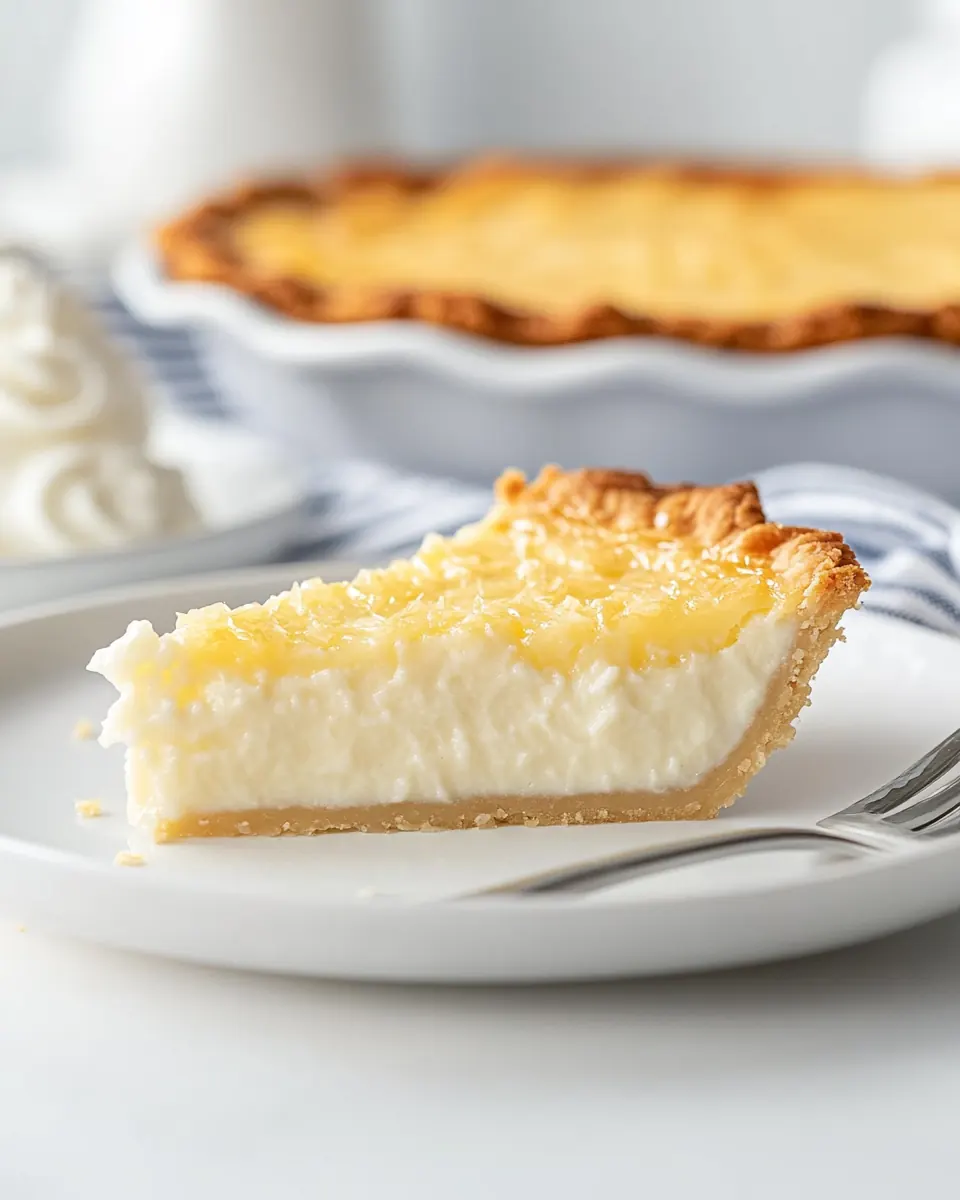
Coconut Custard Pie
Ingredients
Equipment
Method
- Preheat the oven to 350 degrees F.: The oven should smell neutral with a hint of warmth as it reaches 350 degrees F . Preheating ensures the custard begins cooking immediately and sets evenly from the edges inward. If you skip preheating, the pie may bake unevenly, resulting in an overcooked rim and undercooked center. Place your rack in the center so heat circulates gently, and avoid opening the door repeatedly which causes temperature drops.
- In a large bowl, use an electric mixer to combine the butter and sugar until well-mixed. Beat in the eggs, and then the milk, cream, flour, vanilla, salt, and nutmeg. Stir in the coconut flakes.: You'll notice the butter and sugar transform into a paler, slightly fluffy mixture, releasing a soft buttery aroma. This step helps dissolve the sugar and distributes fat evenly, creating a smooth base for the custard. Overbeating can introduce excess air which may cause tiny cracks on the custard surface, so mix until combined and slightly lightened, not whipped.
- Pour the coconut mixture into the raw pie crust.: As you incorporate the eggs , the mixture will silk together and the batter will thin when you add the milk and cream . Whisking the flour in prevents lumps and helps stabilize the custard, while the vanilla , salt , and nutmeg layer in aromatic depth. The batter should be smooth and pourable, with a faint dairy scent and spice at the finish. Avoid high speed mixing after adding liquids to prevent foaming.
- Bake until a knife inserted in the center comes out clean, about 50 to 60 minutes. Check the pie at the 45 minute mark (and every 5 minutes after) and if the crust is getting too dark, put a pie crust shield or foil on it to prevent it from over-browning.: Folding in the coconut flakes disperses chewy pockets throughout the custard, and you will see the batter speckled with white flakes. The flakes add texture and localized bursts of coconut flavor. If you add too many, the custard can struggle to set uniformly, so keep to the specified amount. Stir gently to keep the batter smooth and even.
- Before slicing, cool the pie to room temperature and then refrigerate to chill, about 2 to 4 hours.: When you pour the filling into the unbaked pie crust , listen for a quiet slide as the batter settles. The contrast between the pale custard and crust edge helps you gauge fill level; leave a small gap under the rim to prevent overflow. If the crust is too warm or soft the edges may slump, so work quickly and, if needed, chill the crust briefly before filling.
- If desired, serve the pie topped with whipped cream or Cool Whip and a sprinkle of toasted coconut flakes.: During baking you will notice the custard deepen slightly in color and the surface develop a gentle wobble that firms as it finishes. Between 50 to 60 minutes the center will set so that a knife comes out clean, signaling doneness. Check at the 45 minute mark, and every 5 minutes after, to avoid overbaking which yields a dry texture. If the crust edges brown too fast, shield them with foil to keep the bake even.
- Check the pie at the 45 minute mark (and every 5 minutes after) and if the crust is getting too dark, put a pie crust shield or foil on it to prevent it from over-browning.: Visual monitoring helps you prevent a burnt rim while the center finishes cooking; the surface should be lightly golden and the crust not overly browned. A shield will reflect direct heat and slow browning while allowing the custard to continue setting. Avoid leaving the foil on from the start or the crust may not achieve its desired flakiness.
- Before slicing, cool the pie to room temperature and then refrigerate to chill, about 2 to 4 hours.: Cooling lets the custard finish its gentle set and the aroma will mellow, becoming more pronounced once chilled. The texture becomes cleanly sliceable after refrigeration, providing neat wedges rather than a soft, loose filling. Cutting too soon is a common mistake and will produce sloppy slices, so be patient and let it chill fully for the best presentation.
- If desired, serve the pie topped with whipped cream or Cool Whip and a sprinkle of toasted coconut flakes.: The final garnishes add visual contrast and a fresh texture, with the whipped topping giving a light creaminess and the toasted coconut flakes delivering crisp, nutty notes. Add these just before serving so they stay bright and fluffy. If you apply them too early the whipped cream may weep, and toasted flakes can lose their crunch when exposed to moisture.
Notes
- Room Temperature Ingredients: Bring butter and eggs to room temperature so they blend seamlessly, preventing lumps and ensuring a uniformly set custard.
- Gentle Mixing: After adding the milk and cream, mix at low speed or by hand to avoid incorporating air, which can lead to surface cracking during baking.
- Watch the Bake: Start checking the pie at the 45 minute mark, and cover the crust with foil if it browns too quickly to keep the bake even.
- Chill Before Serving: Refrigerate for at least two hours to let the custard finish setting, which produces clean slices and the best mouthfeel.
- Toast Coconut for Garnish: Briefly toast extra coconut flakes in a dry skillet until golden for a crunchy, aromatic topping, watching closely to avoid burning.