Pumpkin Puree
Pumpkin Puree is one of those kitchen staples I reach for whenever autumn rolls around and I want to coax cozy flavor into everything from muffins to soups.
My first memory making Pumpkin Puree was a rainy afternoon when I decided to roast a modest sugar pumpkin instead of buying a can. I remember the way the kitchen smelled as the oven warmed, a warm, almost nutty aroma that hinted at something comforting to come. I worked slowly, washing and slicing the pumpkin with care, savoring the tactile pleasure of scooping out stringy fibers and glossy seeds. There is a simple satisfaction in transforming whole produce into silky puree, and each spoonful felt like a small triumph.
Over the years I’ve learned little tricks that change the texture and depth of the puree, and I love sharing those moments with friends who think making puree is intimidating. After one test batch I kept a jar in the fridge and used it for breakfast pancakes and dinner soups, each spoonful reminding me why homemade is worth the extra minute or two. When you make Pumpkin Puree you get to control the texture and flavor, and that control makes recipes sing in a way canned just cannot. I always feel a quiet pride when I label jars and tuck them into the freezer, knowing I made something real from a whole pumpkin.
Recipe Snapshot
50 mins
5 mins
45 mins
Medium
150 kcal
American
Vegan, Gluten-Free
Side Dishes
Oven, Rimmed baking sheet, Food processor, High speed blender, Sharp knife
Why This Pumpkin Puree Is a Winner
Pure flavor control
I love that when I make Pumpkin Puree I decide how smooth or textured it will be. Using a high speed blender gives a silken result, while a food processor leaves a little rustic body. That flexibility means I can tailor the puree to desserts, savory soups, or baked goods, and I rarely reach for canned puree any more.
Fresh, bright aroma
Roasting a whole sugar pumpkin concentrates the natural sugars and adds a caramelized note that canned versions lack. I enjoy the layered aroma that fills the kitchen when the flesh turns tender and slightly golden at the edges. It makes simple recipes feel more nuanced.
Economical and sustainable
Making puree from a fresh pumpkin stretches produce budgets because you can use the seeds and reserve the rind for compost. I appreciate turning one ingredient into many meals, and the shelf life in the freezer means I get culinary value long after roasting day.
Versatility across recipes
Pumpkin Puree is a blank canvas. I use it in pancakes, stews, and sweet bakes. Its mild, slightly sweet character blends well with warm spices or savory herbs. I like that it can move from breakfast to dinner with ease, which makes it a staple in my repertoire.
Simple, satisfying process
The method is straightforward, and that is part of the charm. There is no need for fancy equipment, just a reliable oven and a tool to purée. I find the process meditative, and the payoff is immediate, whether I spoon it warm into a soup or chill it for later baking.
Main Ingredients for Pumpkin Puree
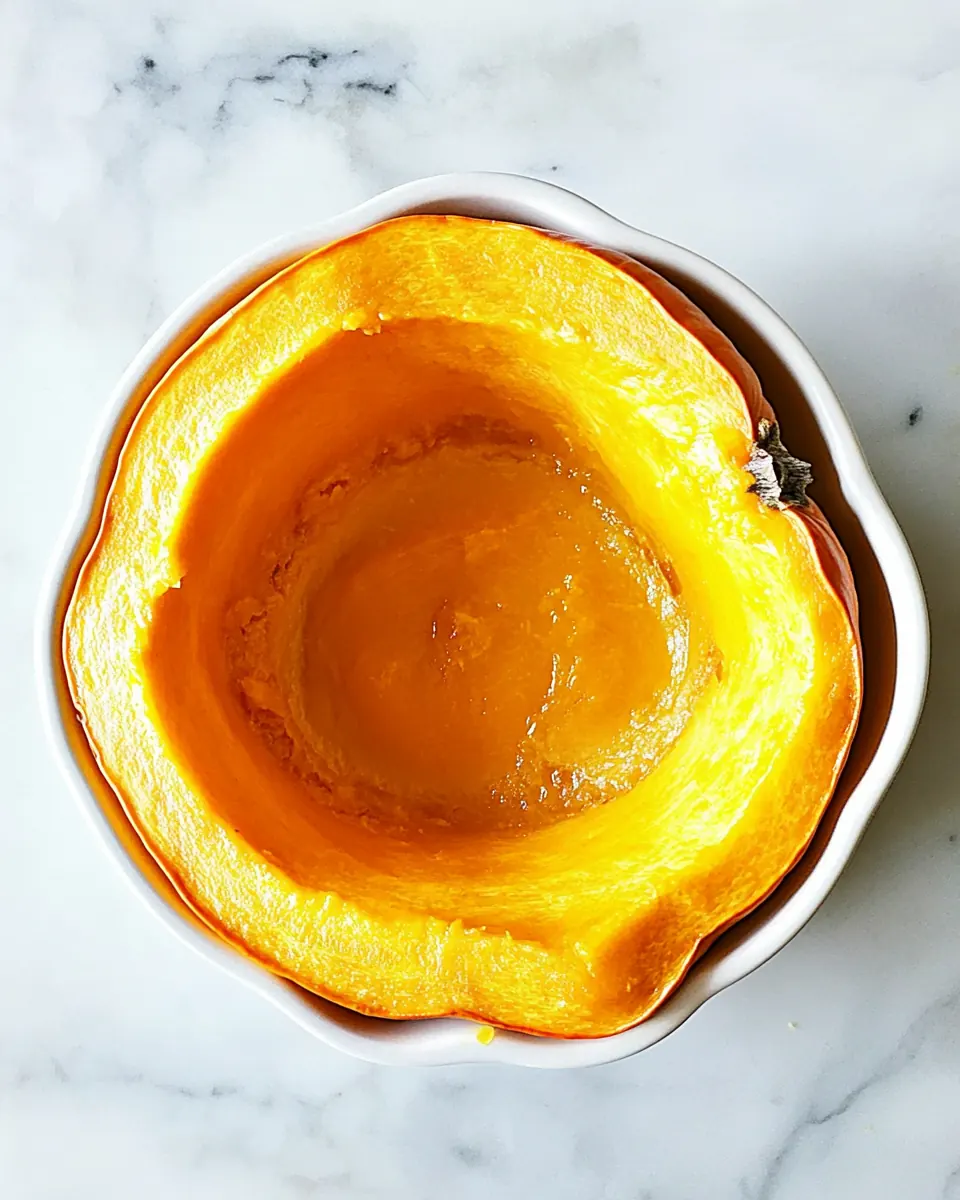
These ingredients are minimal by design, letting the natural sweetness of the sugar pumpkin be the star. I treat the few items as collaborators rather than adornments. The pumpkin provides structure and flavor, the high-heat oil helps with browning when desired, and a pinch of salt can lift the overall profile without overpowering the delicate notes.
- 1 4-6 pound sugar pumpkin: Roast or steam to soften the flesh, making it easy to puree into a smooth, velvety texture; choose a 4–6 pound sugar pumpkin for optimal sweetness and moisture content. Cut, seed, and cook until tender, then scoop and blend or pass through a sieve to achieve a uniform puree suitable for pies, soups, and baking. Store refrigerated for up to a week or freeze in portions for longer-term use.
- 1 tablespoon high-heat oil (optional): Lightly coat the pumpkin surface to prevent sticking and promote even browning when roasting, using a high–heat oil suitable for oven temperatures; use sparingly if included. Brush or toss pieces before roasting to enhance caramelization and deepen flavor without overpowering the natural pumpkin sweetness. Choose an oil with a neutral flavor so it won’t alter the intended pumpkin profile.
- 1 teaspoon salt (optional): Season to enhance the natural sweetness and balance flavors; a small amount of salt can brighten and round out the puree without making it noticeably salty. Sprinkle sparingly while cooking or adjust to taste after pureeing, remembering that a little salt can amplify other seasonings and improve overall depth.
Putting Together Pumpkin Puree
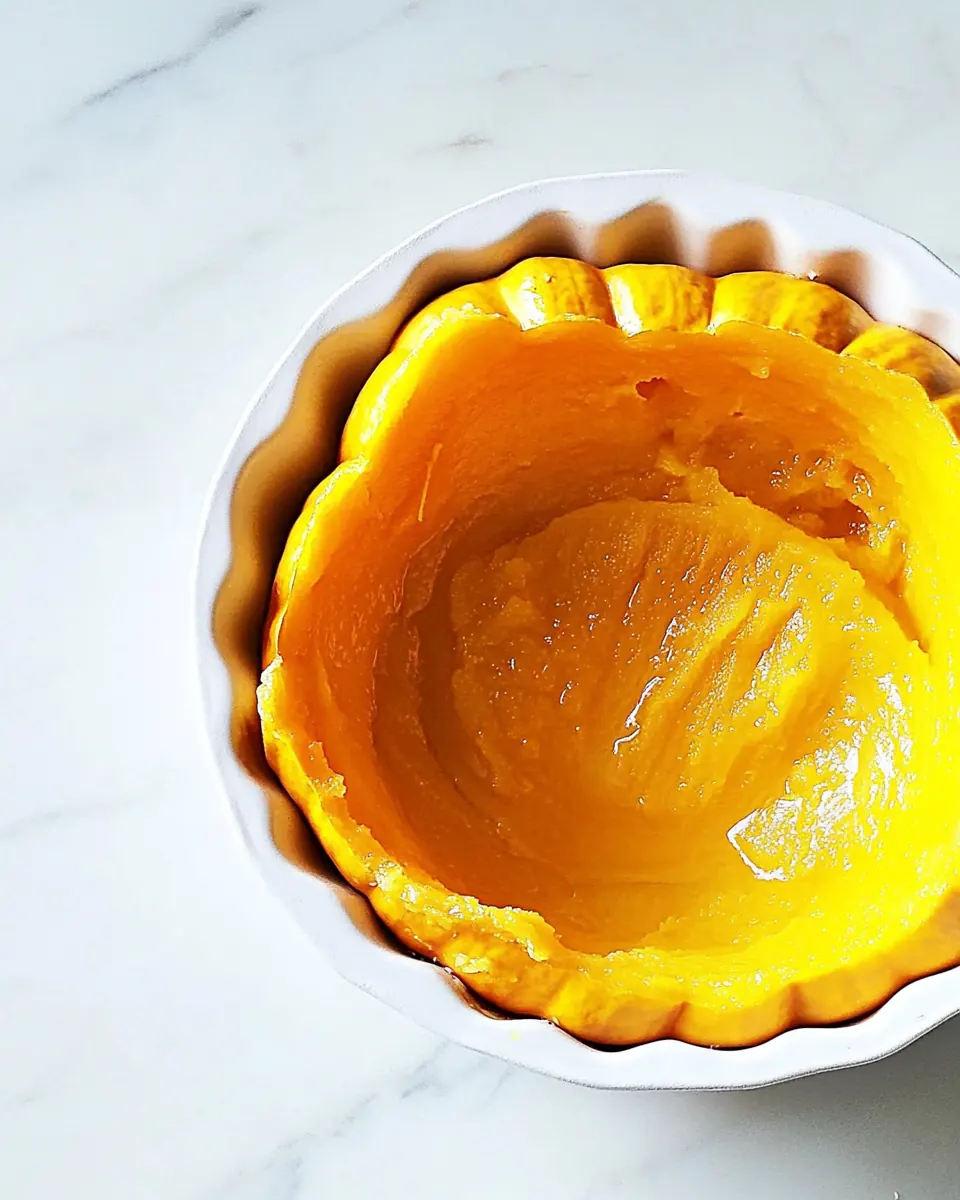
Making the puree is an easy, sensory-driven process that begins at the oven and ends with a smooth, vibrant jar of pumpkin. I like to move deliberately through each step so the texture comes out perfect. Below are the recipe directions rewritten as intimate, instructive steps that guide you through sights, smells, and common pitfalls.
- Preheat oven to 400 degrees and lightly oil a rimmed baking sheet.: At this stage you will notice the oven beginning to hum and warm, filling the kitchen with dry heat. Preheating to 400 degrees ensures the pumpkin roasts evenly, developing slightly caramelized edges rather than steaming. Lightly oiling the rimmed baking sheet prevents the tender flesh from sticking and makes cleanup simpler. A typical error here is skipping the preheat, which leads to uneven roast times and potentially mushy texture. If your oven runs hot or cool, use an oven thermometer to confirm the temperature.
- Wash the pumpkin to remove any dirt or grit from the outside of the pumpkin.: Rinsing the pumpkin under cool water and scrubbing gently removes soil that could transfer into the flesh when you cut it. The skin might have a dusty texture that disappears after cleaning, and this small step keeps your work area cleaner. Avoid soaking the pumpkin for long periods, because the skin can absorb water and make slicing trickier. A slip while cutting is the main hazard here, so stabilize the pumpkin on a damp towel before slicing.
- Cut the pumpkin in half. It’s easiest to cut through the middle from the bottom of the pumpkin first that way you cut through the stem on the bottom. If the stem is too big, feel free to cut it off beforehand.: As you slice, you will feel the resistance of the outer shell give way to dense orange flesh, and cutting from the bottom can be easier because you avoid the tough stem. If the stem is large, removing it first helps create a flat surface for a safe cut. The flesh should reveal a glossy cavity studded with seeds and fibers. Common mistakes include using a dull knife, which increases risk of slipping, so ensure your blade is sharp and steady it on a cutting board with a towel under it.
- Scoop out the pumpkin seeds into a bowl, reserve for another use, or discard.: Scooping is tactile and slightly messy, strings clinging to your fingers as you pull out seeds and fibers. The seeds are valuable for roasting, but if you choose not to save them, removing them thoroughly prevents bitter bits in the puree. Use a sturdy spoon to scrape the cavity, rinsing seeds in a colander if you plan to roast them. Leaving fibers behind will affect texture, so take a moment to clean the cavity well.
- If desired, lightly season with salt. Place on a baking sheet cut side down.: When you lightly season the exposed flesh with a touch of salt or brush with high–heat oil , the surface prepares to brown and concentrate flavors. Placing the halves cut side down creates gentle steaming inside the cavity while allowing the exterior to roast, producing a tender interior. If you place halves cut side up, juices can pool and slow roasting, so follow the cut side down instruction for even tenderness. Over-seasoning at this stage can limit the puree's versatility, so err on the side of restraint.
- Bake for 40-45 minutes until fork tender.: During baking you will notice the aroma deepen into warm, sweet notes and the rind may show slight wrinkling. Fork tenderness is the best indicator, the tines should slide into the flesh with minimal resistance. Baking too long can dry out the flesh, making puree grainy, while underbaking yields watery, starchy results. If the halves brown too quickly on the outside, lower the oven temperature slightly and extend the time to ensure even doneness.
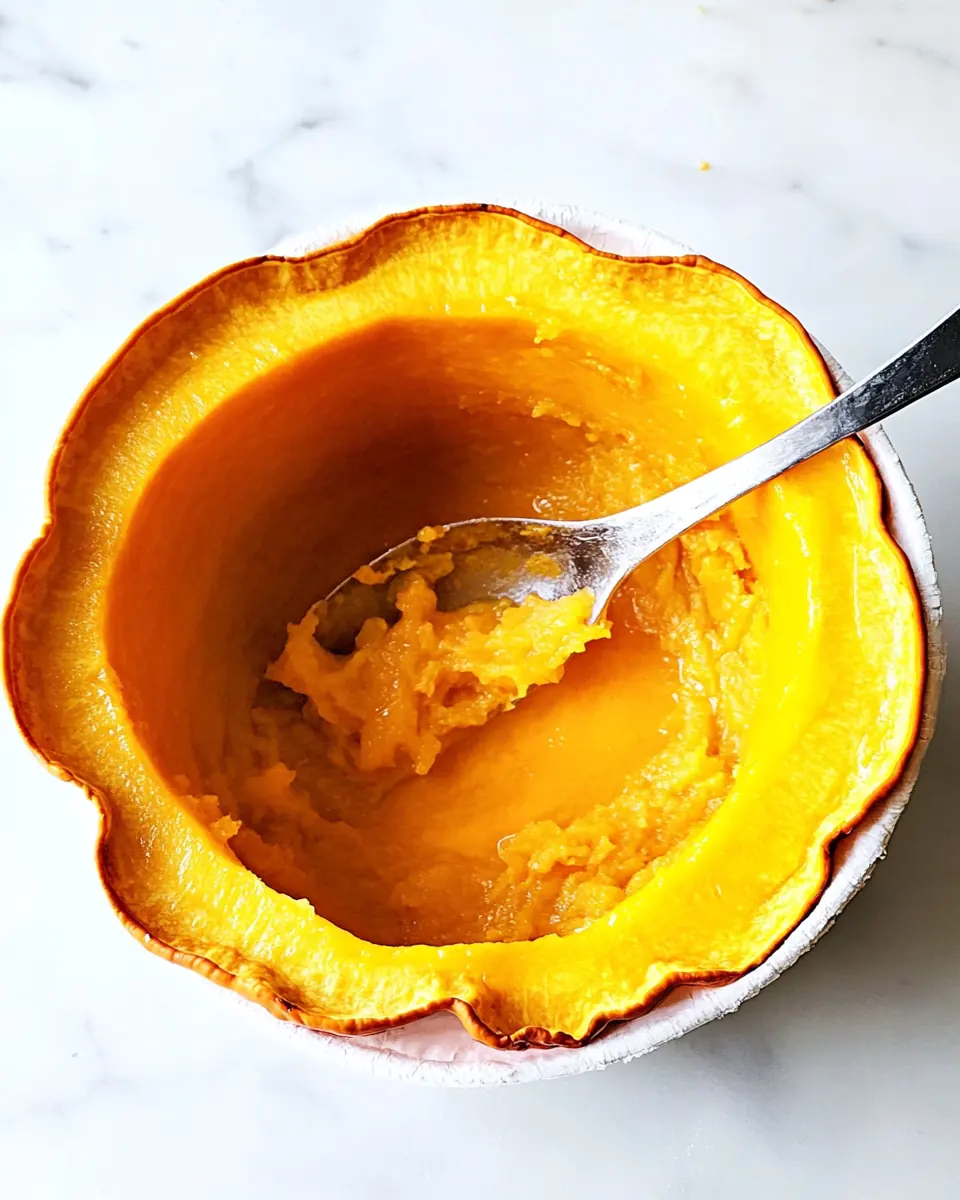
- Let cool until safe to handle. Scoop out the tender filling and place in a food processor or high-speed blender and purée for 3-4 minutes until completely smooth.: Cooling lets moisture redistribute and keeps you from burning your hands. When scooping, the flesh should come away cleanly in soft ribbons. Processing for 3 to 4 minutes yields a silky texture; you can stop sooner for a more rustic feel. Overprocessing hot flesh can create steam pressure in sealed appliances, so vent or work in batches. A common oversight is blending while still too hot, which can lead to sudden bubbling and a messy lid; allow partial cooling before processing.
- Store in an air-tight container for up to 1 week or store in freezer for up to 3 months.: Once cooled and smooth, you will want to portion the puree into airtight jars or freezer-safe bags. In the refrigerator it keeps well for about 1 week , and in the freezer it lasts up to 3 months , retaining flavor when thawed gently in the fridge. Label with the date so you rotate older batches first. Avoid leaving puree at room temperature for extended periods, as this can invite spoilage. Thaw in the refrigerator overnight or defrost gently on the stove for best texture retention.
Change It Up
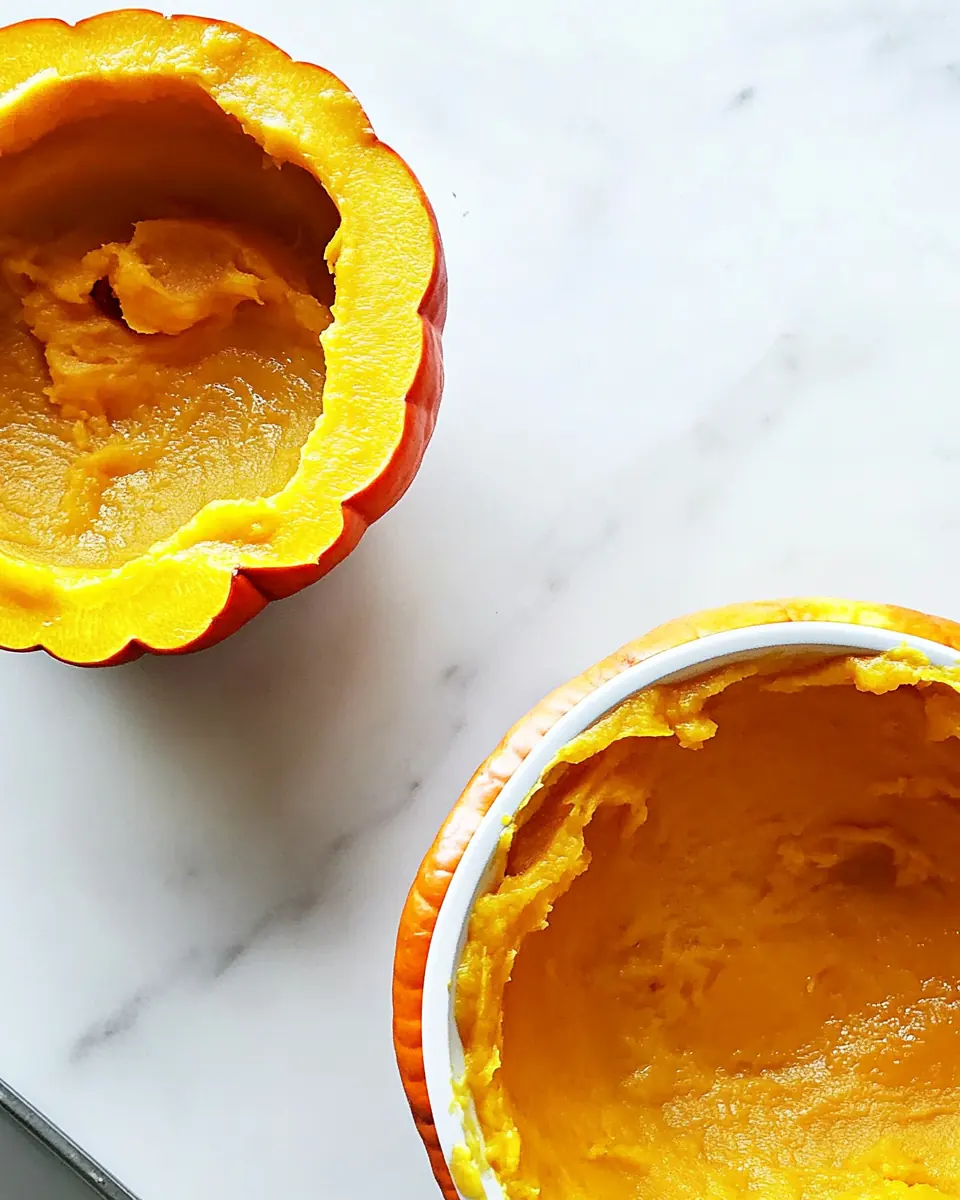
There are several easy ways to vary your Pumpkin Puree depending on how you plan to use it. Below are practical tips to shift texture, flavor, and storage so the puree fits sweet bakes or savory bowls.
- Roast longer for deeper flavor Roasting an extra 5 to 10 minutes concentrates sugars and adds a caramelized note, which is lovely for desserts.
- Use a food processor for rustic texture Pulse briefly if you want a bit of body in the puree, ideal for hearty soups.
- High-speed blender for silky results Blend longer at high speed for an ultra smooth consistency, perfect for custards and pies.
- Reserve seeds for snacks Clean and roast the seeds with spices for a crunchy, seasonal snack to accompany the puree project.
- Freeze in portions Spoon into ice cube trays or small containers so you can thaw only what you need for a single recipe.
Side Dish Ideas for Pumpkin Puree
Pumpkin Puree pairs beautifully with a wide range of dishes, and it can be adapted for both sweet and savory contexts. Below are thoughtful serving ideas and seasonal pairings to help you make the most of each jar. Think about menu balance and how the puree’s mild sweetness can complement herbs, proteins, or baked goods.
- Mashed-style side Swirl warm puree into roasted vegetable medleys for added creaminess and depth.
- Soup base Use the puree as the foundation for a velvety fall soup, finishing with a drizzle of cream or a sprinkle of toasted seeds.
- Baking ingredient Replace part of the fat in muffins or quick breads with puree to add moisture and natural sweetness.
- Breakfast additions Stir a spoonful into oatmeal or yogurt for seasonal flavor and extra body.
- Holiday menus Bring jars to Thanksgiving or fall gatherings as a component for pies or warm sides, and label them with the roast date.
- Storage tips Refrigerate in airtight containers up to 1 week or freeze up to 3 months, thawing overnight in the refrigerator when ready to use.
FAQ
Conclusion
What makes this Pumpkin Puree special is its pure, roasted pumpkin flavor and the control it gives you over texture and sweetness. Try it because homemade puree brings deeper aroma and a richer mouthfeel than canned alternatives, and it opens up so many seasonal possibilities from soups to baked goods. I hope you enjoy the quiet satisfaction of turning a whole sugar pumpkin into smooth, versatile puree and that it becomes a reliable pantry staple you reach for all season.
Pumpkin Puree
Ingredients
Equipment
Method
- Preheat oven to 400 degrees and lightly oil a rimmed baking sheet.: At this stage you will notice the oven beginning to hum and warm, filling the kitchen with dry heat. Preheating to 400 degrees ensures the pumpkin roasts evenly, developing slightly caramelized edges rather than steaming. Lightly oiling the rimmed baking sheet prevents the tender flesh from sticking and makes cleanup simpler. A typical error here is skipping the preheat, which leads to uneven roast times and potentially mushy texture. If your oven runs hot or cool, use an oven thermometer to confirm the temperature.
- Wash the pumpkin to remove any dirt or grit from the outside of the pumpkin.: Rinsing the pumpkin under cool water and scrubbing gently removes soil that could transfer into the flesh when you cut it. The skin might have a dusty texture that disappears after cleaning, and this small step keeps your work area cleaner. Avoid soaking the pumpkin for long periods, because the skin can absorb water and make slicing trickier. A slip while cutting is the main hazard here, so stabilize the pumpkin on a damp towel before slicing.
- Cut the pumpkin in half. It’s easiest to cut through the middle from the bottom of the pumpkin first that way you cut through the stem on the bottom. If the stem is too big, feel free to cut it off beforehand.: As you slice, you will feel the resistance of the outer shell give way to dense orange flesh, and cutting from the bottom can be easier because you avoid the tough stem. If the stem is large, removing it first helps create a flat surface for a safe cut. The flesh should reveal a glossy cavity studded with seeds and fibers. Common mistakes include using a dull knife, which increases risk of slipping, so ensure your blade is sharp and steady it on a cutting board with a towel under it.
- Scoop out the pumpkin seeds into a bowl, reserve for another use, or discard.: Scooping is tactile and slightly messy, strings clinging to your fingers as you pull out seeds and fibers. The seeds are valuable for roasting, but if you choose not to save them, removing them thoroughly prevents bitter bits in the puree. Use a sturdy spoon to scrape the cavity, rinsing seeds in a colander if you plan to roast them. Leaving fibers behind will affect texture, so take a moment to clean the cavity well.
- If desired, lightly season with salt. Place on a baking sheet cut side down.: When you lightly season the exposed flesh with a touch of salt or brush with high-heat oil , the surface prepares to brown and concentrate flavors. Placing the halves cut side down creates gentle steaming inside the cavity while allowing the exterior to roast, producing a tender interior. If you place halves cut side up, juices can pool and slow roasting, so follow the cut side down instruction for even tenderness. Over-seasoning at this stage can limit the puree's versatility, so err on the side of restraint.
- Bake for 40-45 minutes until fork tender.: During baking you will notice the aroma deepen into warm, sweet notes and the rind may show slight wrinkling. Fork tenderness is the best indicator, the tines should slide into the flesh with minimal resistance. Baking too long can dry out the flesh, making puree grainy, while underbaking yields watery, starchy results. If the halves brown too quickly on the outside, lower the oven temperature slightly and extend the time to ensure even doneness.
- Let cool until safe to handle. Scoop out the tender filling and place in a food processor or high-speed blender and purée for 3-4 minutes until completely smooth.: Cooling lets moisture redistribute and keeps you from burning your hands. When scooping, the flesh should come away cleanly in soft ribbons. Processing for 3 to 4 minutes yields a silky texture; you can stop sooner for a more rustic feel. Overprocessing hot flesh can create steam pressure in sealed appliances, so vent or work in batches. A common oversight is blending while still too hot, which can lead to sudden bubbling and a messy lid; allow partial cooling before processing.
- Store in an air-tight container for up to 1 week or store in freezer for up to 3 months.: Once cooled and smooth, you will want to portion the puree into airtight jars or freezer-safe bags. In the refrigerator it keeps well for about 1 week , and in the freezer it lasts up to 3 months , retaining flavor when thawed gently in the fridge. Label with the date so you rotate older batches first. Avoid leaving puree at room temperature for extended periods, as this can invite spoilage. Thaw in the refrigerator overnight or defrost gently on the stove for best texture retention.
Notes
- Roast longer for deeper flavor Roasting an extra 5 to 10 minutes concentrates sugars and adds a caramelized note, which is lovely for desserts.
- Use a food processor for rustic texture Pulse briefly if you want a bit of body in the puree, ideal for hearty soups.
- High-speed blender for silky results Blend longer at high speed for an ultra smooth consistency, perfect for custards and pies.
- Reserve seeds for snacks Clean and roast the seeds with spices for a crunchy, seasonal snack to accompany the puree project.
- Freeze in portions Spoon into ice cube trays or small containers so you can thaw only what you need for a single recipe.