Coconut Milk Tapioca Pudding
Coconut Milk Tapioca Pudding is the kind of dessert that instantly takes me back to slow, sunlit afternoons when mangoes were falling off the tree and the kitchen smelled faintly of coconut and caramelized sugar. The first time I made it I was chasing a memory, and the creamy, slightly chewy texture of the tapioca pearls suspended in coconut milk felt like a gentle, tropical hug. I remember stirring the pot with a wooden spoon while the heat coaxed out a sweet perfume, letting the conversation around me continue while the pudding thickened into something comforting and timeless.
There is a quiet pleasure in simple recipes, and this Coconut Milk Tapioca Pudding is no exception. It won me over because it is forgiving, elegant, and bright enough to pair with fresh fruit without competing with it. I like to serve it cold on hot days, the chilled, silky mouthfeel balancing the brightness of mango and raspberries. Every spoonful reads like a short story, soft pearls contrasted with bursts of fruit, and the subtle sweetness of maple syrup that never overwhelms. It is an easy recipe to make ahead for guests or to pull from the fridge as a little solo treat.
Over the years I have tweaked small things, mostly to honor texture rather than flavor. I learned that a low, patient simmer and constant attention during the cook are the real keys. A rushed pudding can go gummy or stick to the pan, while low heat keeps the pearls plump and translucent. Making this for friends, I like to put ramekins in a shallow tray, then pop the tray into the fridge so everything chills evenly. Watching people take that first spoonful and close their eyes is one of those small rewards that keeps me in the kitchen.
Recipe Snapshot
27 mins
2 mins
25 mins
Easy
210 kcal
American
Gluten-Free, Vegan
Desserts
Heavy bottomed saucepan, Wooden spoon, Ramekins
The Beauty of This Coconut Milk Tapioca Pudding
Comforting tropical flavors that are still light
The blend of coconut milk and almond milk gives the pudding a rich, silky body without feeling heavy. I love how it reads as indulgent while still being refreshingly light on the palate, which makes it a go to for warm weather and for people who prefer less dairy density.
Texture play with every spoonful
The tapioca pearls provide a delightful chew that contrasts with smooth dairy alternatives and soft fruit. I always pay attention to that textural balance, because it turns a simple dessert into something playful and memorable. When the pearls are cooked just right they are translucent and tender, not chalky or gummy, which makes each bite interesting.
Easy to adapt and naturally elegant
I find this pudding to be endlessly adaptable. Use different milks or sweeteners, top with seasonal fruit, or add a sprinkle of toasted coconut for texture. Because the base is so simple, small changes have big impact, letting you tailor the dessert to guests or to what your pantry holds.
Make ahead friendly
This is a recipe that benefits from planning. Chilling it for a couple of hours melds flavors and firms the texture just enough to make neat portions. I often make it the day before a gathering, which frees me up from last minute fussing and still delivers a fresh tasting dessert.
Bright, fresh toppings that elevate the base
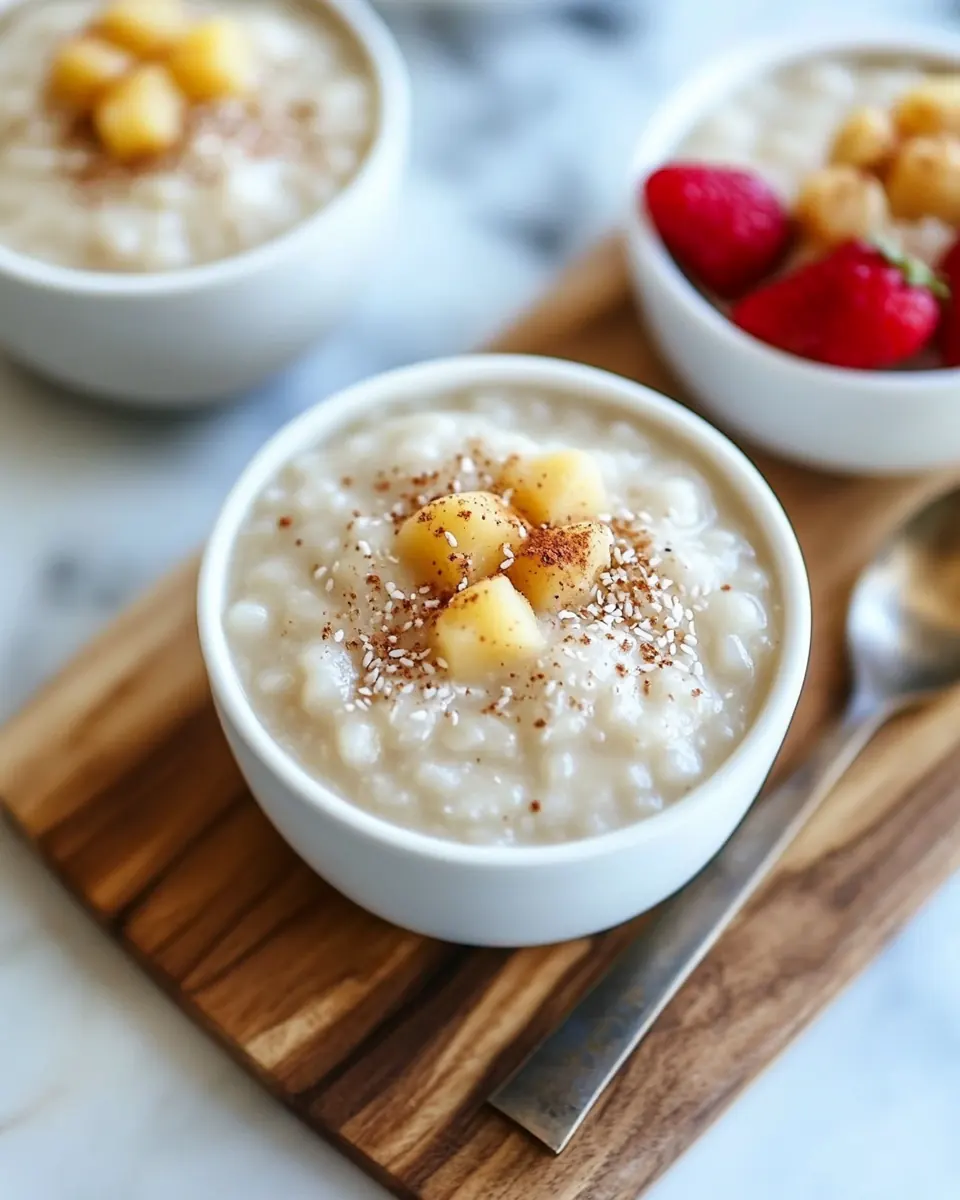
Adding just a few cubes of mango and a scattering of raspberries turns the pudding into a finished dish. The fruit adds acidity and seasonal color, and I love how small additions can transform a humble bowl into a sundae worthy of company.
What to Buy for Coconut Milk Tapioca Pudding
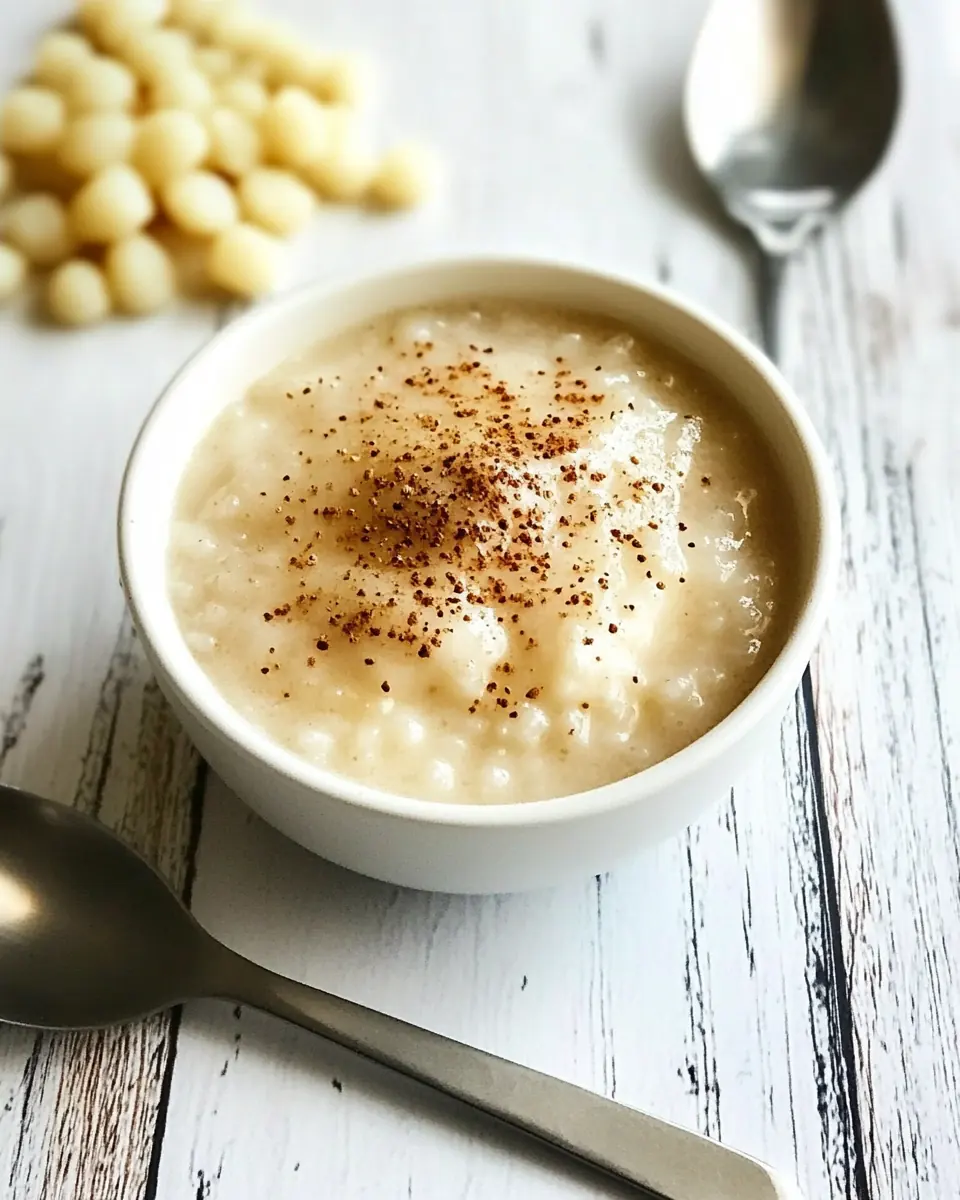
Think of this ingredient list as a small team where each player has a distinct role. The milks create the creamy stage, the tapioca pearls provide texture, and the sweeteners and aromatics bring everything into harmony. The fruit toppings offer brightness and freshness that contrast beautifully with the pudding’s silkiness.
- 1/3 cups mall tapioca pearls: Soak briefly to hydrate and create chewy pearls that thicken the pudding; simmer gently until translucent and tender, stirring frequently to prevent sticking.
- 1 cup almond milk: Provide a mild, nutty liquid base that dilutes the coconut richness and lightens the pudding; heat with the tapioca to infuse flavor and adjust consistency as needed.
- 13 ounces coconut milklite, unsweetened canned: Contribute a creamy, rich coconut flavor and smooth texture that forms the backbone of the pudding; combine with milk and cook slowly to meld flavors and achieve a silky mouthfeel.
- 1/4 cup maple syrup: Sweeten naturally while adding depth and a subtle caramel note; stir in during or after cooking to balance the coconut and fruit flavors without overpowering them.
- 1 teaspoons vanilla extract: Enhance overall aroma and flavor with warm, floral vanilla notes; add near the end of cooking to preserve its fragrance and avoid boiling off delicate compounds.
- 1 pinch salt: Accentuate and balance sweetness by enhancing other flavors and preventing flatness; a small pinch brightens the pudding without making it noticeably salty.
- 1 mango cut and cubed: Provide fresh, juicy sweetness and tropical contrast that complements the coconut base; fold in or top the pudding to add texture and vibrant flavor.
- 1/2 cup raspberries rinsed and dried: Offer bright tartness and delicate color contrast that cuts richness and adds freshness; rinse and dry before using to preserve texture and prevent added water in the pudding.
How to Prepare Coconut Milk Tapioca Pudding
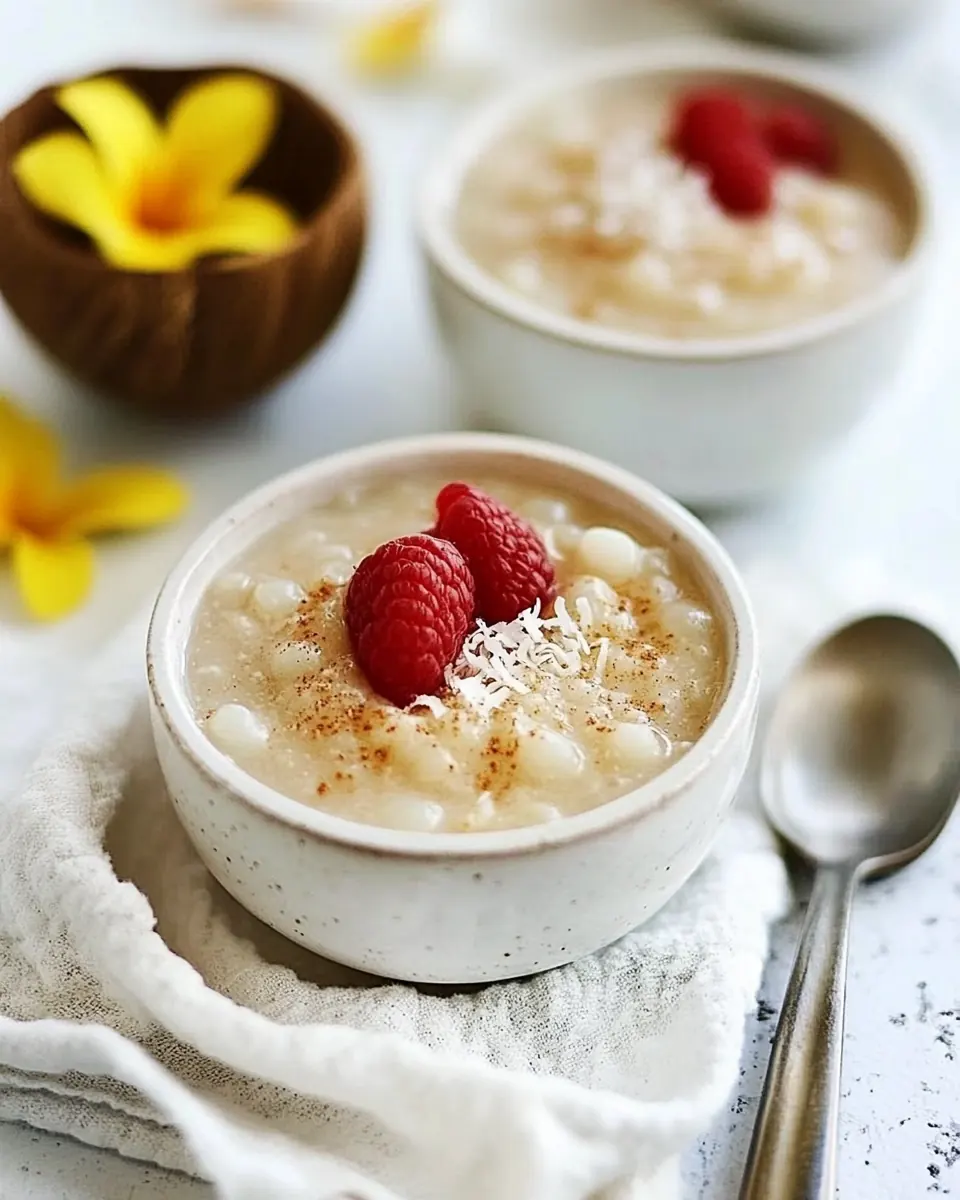
Below I take the original directions and expand them into step by step guidance you can follow with confidence. Listen to your senses as you work, and remember that patience with heat and texture gives the best result.
- Soak tapioca pearls in almond milk for at least an hour. Do not drain.: The wet cushion of almond milk around the tapioca pearls softens them before heat is applied, reducing cook time and encouraging more uniform swelling. As they hydrate you may notice the milk turning slightly cloudy, and the pearls will feel plump when pinched. This pre soak prevents the outer layer from gelling too fast and leaving a hard center. A common mistake is skipping the soak, which often yields unevenly cooked pearls that are gummy outside and chalky inside. Keep them submerged and stir gently after soaking to ensure even hydration.
- In a heavy bottomed saucepan add tapioca pearl-almond milk mixture and coconut milk. Bring to a rolling boil under medium heat and then immediately turn down to simmer, stirring constantly so the pearls don’t burn.: A heavy bottomed pan ensures steady, even heat, which helps avoid hotspots that scorch the mixture. As the mixture warms you will hear gentle bubbling that grows into a lively, rolling boil; this is the moment to reduce the heat so the pudding cooks slowly. Constant stirring prevents the pearls from settling and sticking, and it helps the milks integrate. Watch for tiny translucent halos forming around the pearls, a visual cue they are cooking. If the heat is too high it will smell scorched and the bottom may brown, so lower the flame and stir with a heat resistant spoon.
- For twenty minutes, leave the pot on simmer and continue to stir every few minutes. High heat will burn the pudding, so make sure that simmer is low and slow.: During this simmer the tapioca pearls will transition from opaque to translucent, and the mixture will thicken as starches are released. Expect a gentle steam and a coconut aroma that becomes more pronounced. Stirring every few minutes is enough to prevent sticking while allowing the pudding to develop texture. If you over stir constantly you may interfere with the gentle thickening rhythm; under stirring risks scorching. A typical error is using high heat to rush the process, which leads to unevenly cooked pearls and a sticky bottom. Keep the simmer low and the patience high.
- At the last minute, add maple syrup, vanilla, and salt. Remove from heat and stir for one or two minutes more.: Adding maple syrup and vanilla near the end preserves their aromas and prevents volatile notes from evaporating. When you stir, the pudding will become a shade glossier and you may notice the sweet scent blooming. The tiny pinch of salt tightens the flavor profile so the sweetness does not feel flat. Make sure you are off the heat to avoid boiling away those delicate flavors. A common slip up is adding sweeteners too early, which can intensify caramelization and alter the intended gentle sweetness.
- Tapioca pudding is traditionally served cold. Divide into small ramekins or dishes if you have them. 2 hours chill time is optimum. Wait at least ten minutes for pudding to cool off in a serving bowl before eating it warm.: Cooling lets the pudding firm slightly and the flavors marry, and the surface will set into a smooth skin if left longer. Transfer carefully into small dishes, and as the trays go into the fridge you will feel cool air and notice the scent deepen. Chilling also improves mouthfeel, turning the mixture from loose to silky and scoopable. The mistake to avoid is placing hot pudding into the fridge uncovered, which can create condensation and dilute the surface texture. Allow a brief cooldown at room temperature first before chilling.
- Scoop one quarter cup in small ramekins and top with three mango cubes and two to three raspberries.: The act of plating finishes the narrative of the dessert. A quarter cup portion creates a delicate serving size, allowing the bright mango and tart raspberries to sing. As you top each ramekin you will see color contrast that elevates presentation. Aim for symmetry but do not fuss over perfection, the lively fruit provides natural beauty. A frequent misstep is over topping, which drowns the pudding; reserve fruit so each spoonful still offers creamy pudding plus a burst of fruit.
Variations to Try
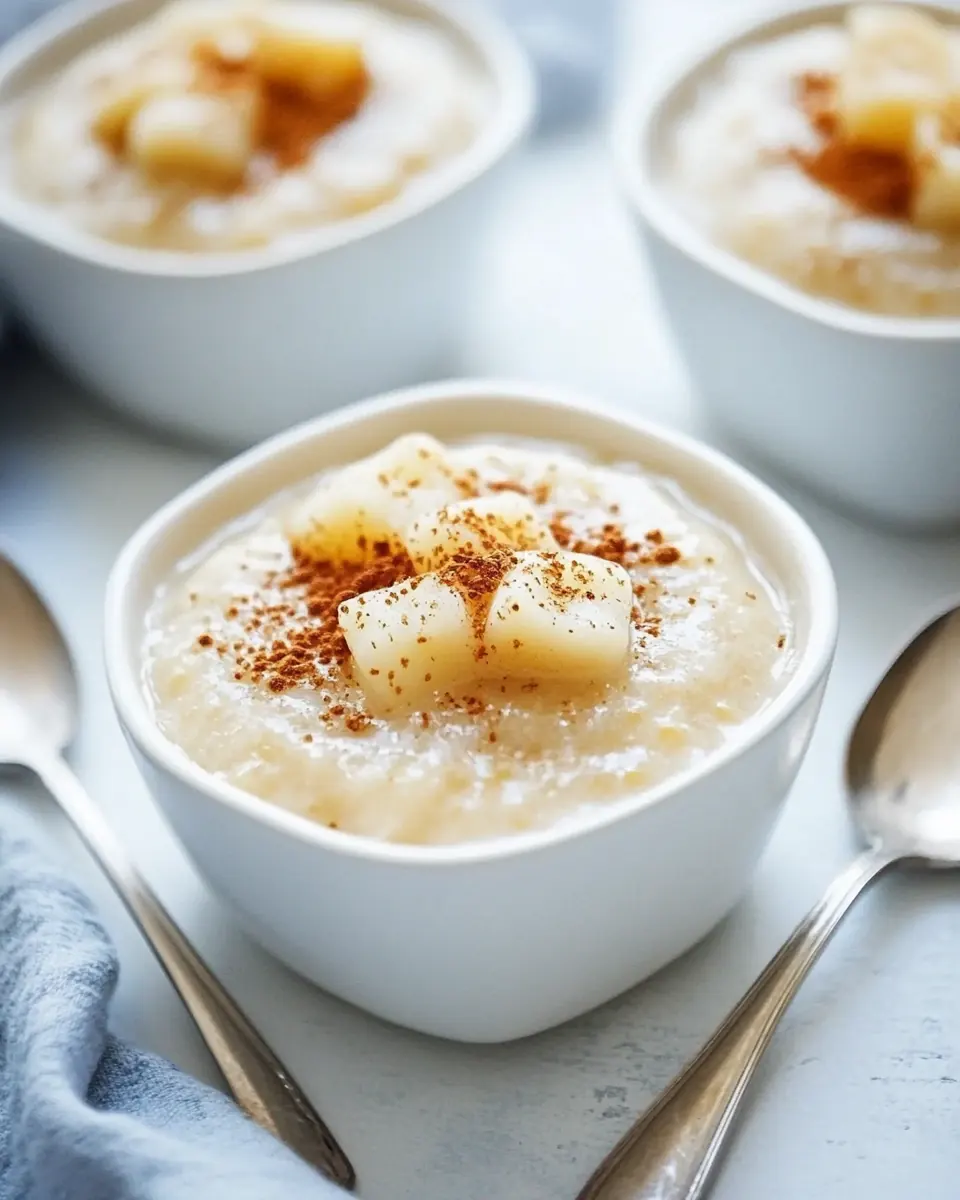
If you like experimenting with flavors, these variations will help you personalize Coconut Milk Tapioca Pudding. Each tip is written to be easy to implement, and I start each with a bold idea so you can scan quickly.
- Toasted coconut topping Add a sprinkle of toasted coconut flakes to each serving for crunch and amplified coconut aroma, which gives contrast to the pudding’s silkiness.
- Almond or orange extract Swap or add different extracts to the vanilla for a floral or citrus lift, but use them sparingly so they do not overpower the delicate base.
- Chocolate twist Stir in a small amount of cocoa while soaking the pearls and finish with shaved chocolate, creating a richer, dessert forward version.
- Fruit swaps Replace mango and raspberries with other seasonal fruit like berries or peach slices to match the season and keep the pudding fresh.
- Syrup alternatives Use a different liquid sweetener with complementary flavor profiles, but measure carefully to maintain texture and sweetness balance.
Perfect Matches for Coconut Milk Tapioca Pudding
This pudding pairs wonderfully with bright fruit and relaxed occasions. Below are serving ideas, storage tips, and occasion matches rendered as a helpful list so you can choose what fits your meal.
- Serve chilled for summer The cool, silky pudding is perfect for an afternoon treat or after a light dinner when the weather is warm.
- Brunch addition Offer small ramekins at a brunch table alongside fruit salads and light pastries for a gentle, sweet option.
- Ramadan friendly This can be a soothing post fast dessert because it is hydrating and gentle on the stomach when served cooled.
- Make ahead convenience Prepare the pudding the day before; it holds well refrigerated for two days, keeping texture and flavor intact when covered.
- Presentation for guests Portion into small glass jars or ramekins and top with fruit just before serving to keep the fruit fresh and vibrant.
- Storage tips Store in an airtight container in the fridge for up to 48 hours, and avoid freezing which can break down the texture of the pearls.
- Seasonal pairings In summer use mango or berries, and in cooler months consider stone fruits when they are available to keep the dessert in tune with the season.
FAQ
Conclusion
This Coconut Milk Tapioca Pudding stands out for its silky coconut body and playful tapioca texture paired with bright fruit. It is approachable, adaptable, and reliably comforting whether served chilled on a hot day or gently warmed in cooler weather. I encourage you to give it a try, experiment with small swaps like toasted coconut or a different extract, and enjoy how a few simple ingredients can make a memorable dessert. It is one of those recipes that rewards patience and shines in both casual family moments and small dinner gatherings.
Coconut Milk Tapioca Pudding
Ingredients
Equipment
Method
- Soak tapioca pearls in almond milk for at least an hour. Do not drain.: The wet cushion of almond milk around the tapioca pearls softens them before heat is applied, reducing cook time and encouraging more uniform swelling. As they hydrate you may notice the milk turning slightly cloudy, and the pearls will feel plump when pinched. This pre soak prevents the outer layer from gelling too fast and leaving a hard center. A common mistake is skipping the soak, which often yields unevenly cooked pearls that are gummy outside and chalky inside. Keep them submerged and stir gently after soaking to ensure even hydration.
- In a heavy bottomed saucepan add tapioca pearl-almond milk mixture and coconut milk. Bring to a rolling boil under medium heat and then immediately turn down to simmer, stirring constantly so the pearls don’t burn.: A heavy bottomed pan ensures steady, even heat, which helps avoid hotspots that scorch the mixture. As the mixture warms you will hear gentle bubbling that grows into a lively, rolling boil; this is the moment to reduce the heat so the pudding cooks slowly. Constant stirring prevents the pearls from settling and sticking, and it helps the milks integrate. Watch for tiny translucent halos forming around the pearls, a visual cue they are cooking. If the heat is too high it will smell scorched and the bottom may brown, so lower the flame and stir with a heat resistant spoon.
- For twenty minutes, leave the pot on simmer and continue to stir every few minutes. High heat will burn the pudding, so make sure that simmer is low and slow.: During this simmer the tapioca pearls will transition from opaque to translucent, and the mixture will thicken as starches are released. Expect a gentle steam and a coconut aroma that becomes more pronounced. Stirring every few minutes is enough to prevent sticking while allowing the pudding to develop texture. If you over stir constantly you may interfere with the gentle thickening rhythm; under stirring risks scorching. A typical error is using high heat to rush the process, which leads to unevenly cooked pearls and a sticky bottom. Keep the simmer low and the patience high.
- At the last minute, add maple syrup, vanilla, and salt. Remove from heat and stir for one or two minutes more.: Adding maple syrup and vanilla near the end preserves their aromas and prevents volatile notes from evaporating. When you stir, the pudding will become a shade glossier and you may notice the sweet scent blooming. The tiny pinch of salt tightens the flavor profile so the sweetness does not feel flat. Make sure you are off the heat to avoid boiling away those delicate flavors. A common slip up is adding sweeteners too early, which can intensify caramelization and alter the intended gentle sweetness.
- Tapioca pudding is traditionally served cold. Divide into small ramekins or dishes if you have them. 2 hours chill time is optimum. Wait at least ten minutes for pudding to cool off in a serving bowl before eating it warm.: Cooling lets the pudding firm slightly and the flavors marry, and the surface will set into a smooth skin if left longer. Transfer carefully into small dishes, and as the trays go into the fridge you will feel cool air and notice the scent deepen. Chilling also improves mouthfeel, turning the mixture from loose to silky and scoopable. The mistake to avoid is placing hot pudding into the fridge uncovered, which can create condensation and dilute the surface texture. Allow a brief cooldown at room temperature first before chilling.
- Scoop one quarter cup in small ramekins and top with three mango cubes and two to three raspberries.: The act of plating finishes the narrative of the dessert. A quarter cup portion creates a delicate serving size, allowing the bright mango and tart raspberries to sing. As you top each ramekin you will see color contrast that elevates presentation. Aim for symmetry but do not fuss over perfection, the lively fruit provides natural beauty. A frequent misstep is over topping, which drowns the pudding; reserve fruit so each spoonful still offers creamy pudding plus a burst of fruit.
Notes
- Toasted coconut topping Add a sprinkle of toasted coconut flakes to each serving for crunch and amplified coconut aroma, which gives contrast to the pudding's silkiness.
- Almond or orange extract Swap or add different extracts to the vanilla for a floral or citrus lift, but use them sparingly so they do not overpower the delicate base.
- Chocolate twist Stir in a small amount of cocoa while soaking the pearls and finish with shaved chocolate, creating a richer, dessert forward version.
- Fruit swaps Replace mango and raspberries with other seasonal fruit like berries or peach slices to match the season and keep the pudding fresh.
- Syrup alternatives Use a different liquid sweetener with complementary flavor profiles, but measure carefully to maintain texture and sweetness balance.