Frullato di Frutta or Italian Fruit Smoothie
Frullato di Frutta or Italian Fruit Smoothie is a memory I keep returning to on hot afternoons when the air feels thick and I need something bright, simple, and honest to refresh me.
When I first tasted this blend at a small trattoria in a coastal town, the server placed a chilled glass in my hand with a wink, and I remember the clean sweetness of the banana and the floral perfume of ripe peach mixing with the mango in a way that felt like summer in a sip. That moment stuck with me, and over the years I’ve made small tweaks until I arrived at the version I reach for now. I love how the recipe is flexible, forgiving, and fast, and yet it still feels like a little celebration.
At home, I often make a double batch for an afternoon with friends, letting the blender hum while we trade stories and napkins soak up the condensation. There is comfort in the routine of peeling the fruits, tasting for sweetness, and adjusting with a spoonful of sugar if the season needs a little help. I find the plainness of whole milk grounds the flavors and makes the texture luxuriously smooth without stealing the spotlight.
Recipe Snapshot
5 mins
5 mins
0 mins
Easy
300 kcal
Italian
Gluten-Free, Vegan
Breakfast
Blender, Knife, Cutting board, Measuring spoon
Why This Frullato di Frutta or Italian Fruit Smoothie Is So Good
Pure, focused fruit flavor
I love how this Frullato di Frutta or Italian Fruit Smoothie lets each fruit sing. The banana gives creamy body, the mango brings tropical depth, and the peaches add bright, stone fruit sweetness. Together they create layers of aroma and flavor that feel natural and not overworked.
Speed and simplicity
One of the reasons I reach for this recipe is its sheer speed. From counter to glass in minutes, it is a go to when time is tight but you want something satisfying. The few steps mean you can focus on quality of fruit rather than technique, which I always appreciate.
Flexible to the season
I’ve made this with different varieties of peaches and mangoes throughout summer, and each version offers a slightly different personality. Swap a variety of mango for a sweeter one, or use slightly underripe peaches when you want a tangier edge. This recipe adapts without losing its core identity.
Comforting texture
The use of whole milk creates a velvet mouthfeel that lifts the fruit flavors. It feels indulgent without being heavy, making it perfect for a light breakfast or an afternoon pick me up. I often notice how the texture brings people back for a second sip before they even realize why.
Low barrier to entry
You do not need special skills or rare equipment to make this work. A sturdy blender and ripe fruit are all it takes, which makes it accessible the first time you try it and every time after. I find that easy successes in the kitchen encourage more cooking, and this recipe does exactly that.
Main Ingredients for Frullato di Frutta or Italian Fruit Smoothie
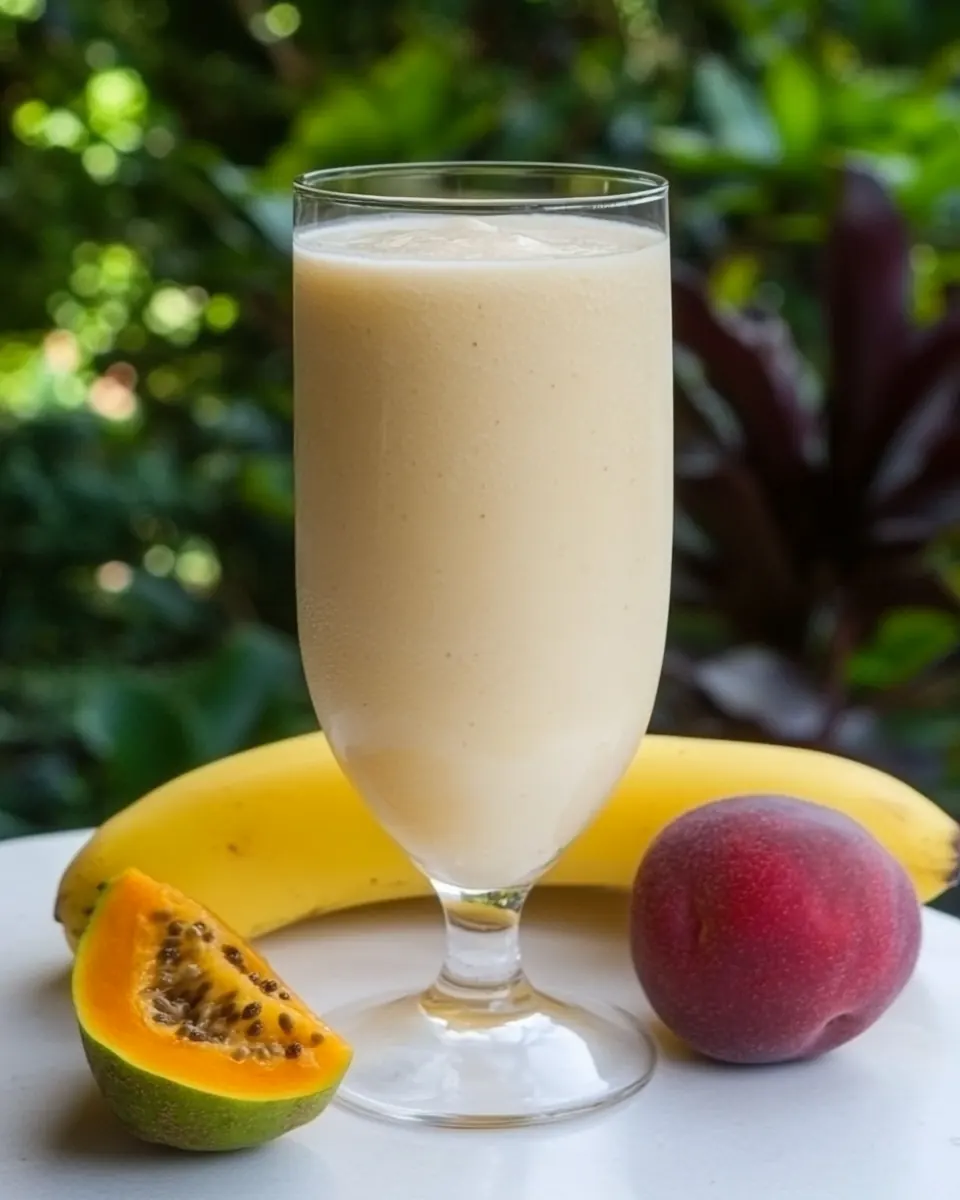
These ingredients are chosen to balance sweetness, body, and silkiness. The fruits provide the primary flavor and aroma, while the sugar nudges sweetness when the fruit needs it. The whole milk ties everything together with a creamy texture that lets the fruits shine.
- 2 bananas, peeled: Provide natural sweetness and creamy texture when blended; ripeness ensures smooth consistency and strong banana flavor. Peel before use to avoid fibrous peel bits. Serve chilled to enhance the fruit's aroma and mouthfeel.
- 1 fresh mango, peeled and pulp removed from the internal core: Add tropical sweetness and juicy flesh to enrich the smoothie; remove pulp from the core to capture pure mango flavor without tough fibers. Ripe mango contributes vibrant color and smoothness that balances other fruits. Chop before blending for even texture.
- 3 ripe peaches, peeled, cut and internal seed removed: Bring soft, fragrant fruity acidity and extra sweetness when peeled and pitted; ripe peaches blend into a silky, aromatic component. Removing the seed prevents bitter tannins and makes blending safer. Cut into pieces for uniform incorporation with other fruits.
- 1 tablespoon sugar: Provide adjustable sweetness to harmonize the fruit flavors without overpowering them; granulated sugar dissolves during blending and can be reduced or omitted based on fruit ripeness. Stir or blend thoroughly to ensure even distribution throughout the smoothie.
- 1 cup whole milk, or enough to cover the fruits: Contribute creamy body and cohesive liquid base that helps achieve the desired pourable smoothie consistency. Whole milk adds richness and smooth mouthfeel while covering the fruits to facilitate blending. Adjust quantity to reach preferred thickness.
Putting Together Frullato di Frutta or Italian Fruit Smoothie
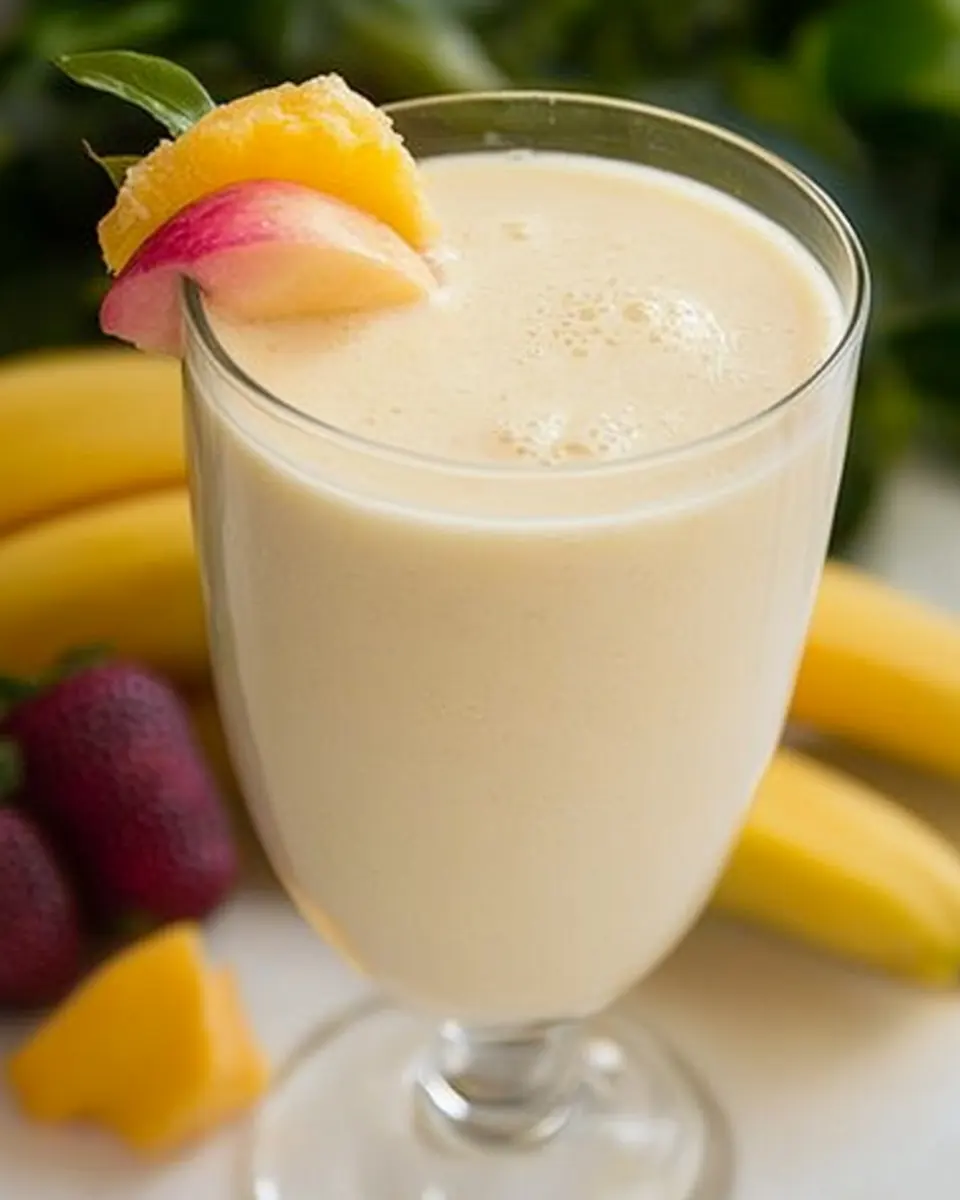
Bringing this Frullato di Frutta or Italian Fruit Smoothie together is delightfully straightforward. The method relies on ripe fruit and a blender working in harmony to produce a silky texture you can see and hear. Keep your senses tuned to aroma and texture as you blend.
- Put all the peeled and cut fruits in the blender. Cover with milk to just cover all the fruits. Add the sugar.: As you place the banana , the mango pulp, and the peaches into the blender jug you will notice a crescendo of fragrance, a bright, fruity perfume that signals ripeness. The visual should be a colorful mound of fruit pieces; larger chunks will create a louder blending noise but will still puree down. Why this matters, aroma helps you gauge ripeness and the amount of sweetness you'll need. A common mistake is adding fruit in too large chunks which strains some blenders, so aim for bite sized pieces. If your blender struggles, pause and press the fruit down with a spatula, then pulse to resume. Keep an eye on the blender's fill line, leaving room for liquid to move so you avoid overflow.
- Blend until perfectly smooth and no chunks are left. Serve immediately.: Pouring the whole milk so it just reaches the top of the fruit is about controlling texture, you want enough liquid to allow the blades to move freely but not so much that the mix becomes watery. The milk will mute sharp edges and create a soft, creamy body. If you pour too much, the result can be thin and less satisfying; if you pour too little, you may end up with a chunky blend that needs extra stirring. A trick I use is to start with slightly less milk than you think you need and add more while blending until you see the silky ribboning texture in the jug.
- Add the sugar: A single tablespoon of sugar dissolves quickly when the blender starts, elevating the fruit sweetness and bringing out background notes. The sugar is a balancing act, especially useful if the fruit is just short of perfect ripeness. If you oversweeten, the smoothie can taste cloying, so add less and taste after blending, then adjust. One common error is assuming every batch needs the same sugar amount, but sweetness varies with fruit, so keep your tasting spoon ready.
- Blend until perfectly smooth and no chunks are left: Listening for a consistent, even whir signals that the fruit has fully pureed into a uniform texture; you should see a glossy, homogenous liquid without visible fruit fibers. Visually the surface should be smooth and slightly aerated, and the aroma will lift as the ingredients emulsify. Texture matters because a velvety mouthfeel makes the smoothie feel more indulgent. A frequent pitfall is blending too long which can warm the drink and flatten its brightness, so pulse to check and stop as soon as the smooth appearance is reached. If the mix seems too thick, add a splash more whole milk and pulse a few times to reach the ideal pourable consistency.
- Serve immediately: The moment you pour the smoothie into chilled glasses you will notice that fresh fruit shines brightest right after blending, the aroma is most vibrant and the texture is at its peak. Serve quickly to capture the airy, fresh character before separation begins. A common mistake is letting it sit too long, which leads to watery separation and a dull flavor. If you must wait, stir gently before serving to recombine, and keep glasses chilled to preserve the refreshing temperature.
Making Adjustments
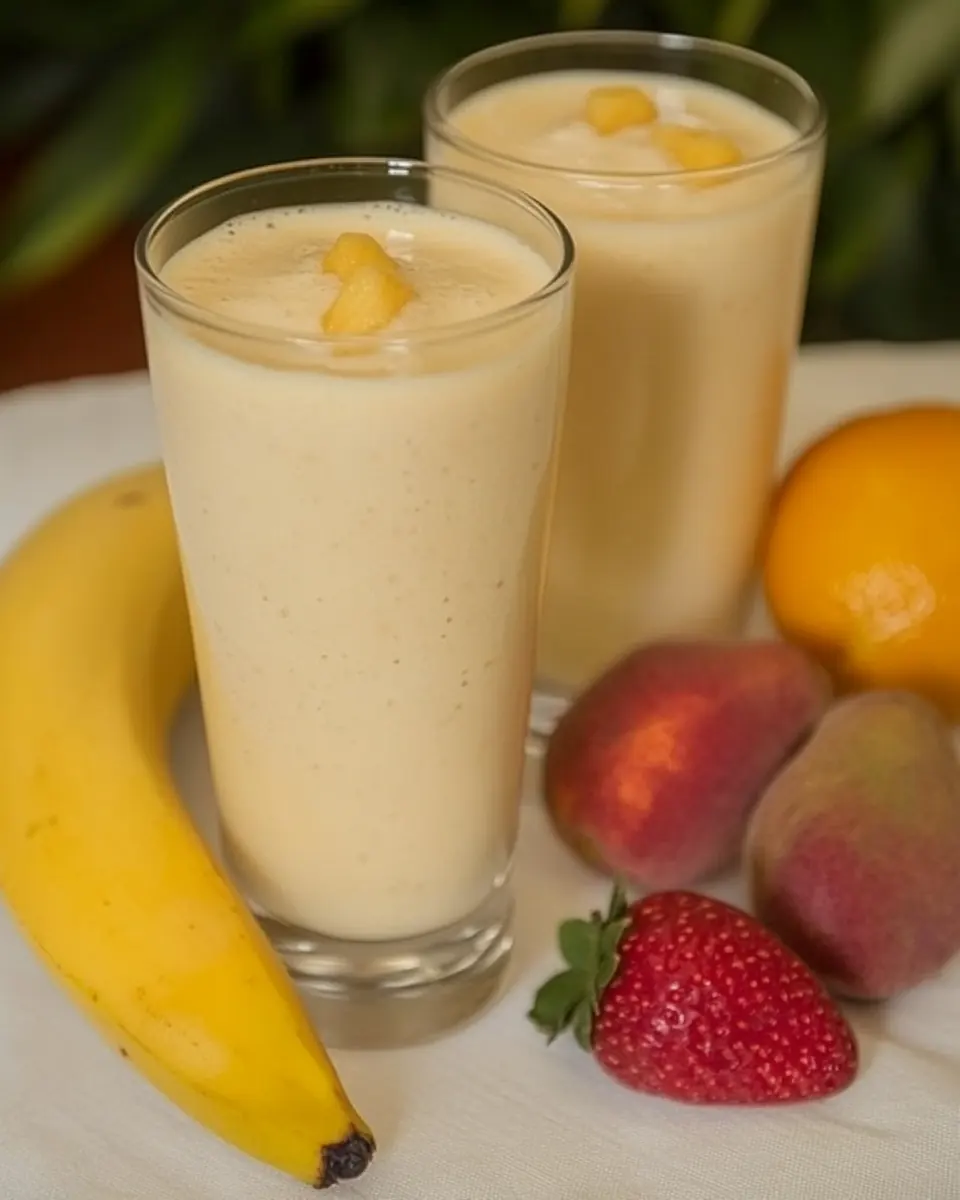
This short intro explains how small changes alter the final drink, and how to adapt the recipe for texture and sweetness preferences. I like to offer targeted adjustments that keep the integrity of the original while giving you options to tailor the drink.
- Adjust thickness Add more whole milk for a thinner pour, or use less milk for a spoonable, thick texture ideal for a breakfast bowl.
- Control sweetness Use ripe fruit when possible and add the sugar gradually, tasting between additions to avoid overseasoning.
- Chill quickly If you want it colder without watering it down, chill the glasses ahead of time so the drink retains its intensity when served.
- Blender health Cut the fruit into even pieces so the blender works efficiently, and if you hear strain, stop and rearrange the solids to prevent motor overload.
- Batch making Double the fruit and blend in batches so the texture remains smooth and the blades are not overloaded, then pour into chilled pitchers for serving.
Side Dish Ideas for Frullato di Frutta or Italian Fruit Smoothie
This Frullato di Frutta or Italian Fruit Smoothie pairs easily with light snacks or small meals, and you can adapt it for different occasions by varying portion size and presentation. Below are serving ideas, occasions, and storage tips organized to help you plan when to serve it and how to pair it.
- Light breakfast pairing Serve alongside a bowl of plain yogurt and a sprinkle of toasted oats for a balanced morning meal that keeps the focus on fresh fruit flavors.
- Afternoon refresher Present in chilled glasses for an afternoon pick me up during hot days, it works well with delicate savory bites like cucumber rounds or mild cheeses if desired.
- Summer gatherings Make a pitcher for a small gathering and keep it chilled in an insulated carafe, offering straws and chilled glasses so guests can enjoy it immediately.
- Storage guidance Store leftovers in an airtight jar in the fridge for up to 24 hours; shake or stir before serving to recombine separated liquids.
- Seasonal notes Lean into summer fruit when available, and if you must use less ripe fruit, rely on a touch more sugar to bring out flavor while keeping the milk level consistent.
FAQ
Conclusion
This Frullato di Frutta or Italian Fruit Smoothie stands out for its simplicity, vivid fruit flavors, and comforting texture. It is easy to make yet feels special because ripe fruit and whole milk combine into a silky, fragrant drink that satisfies quickly. I encourage you to try it as written and then make small adjustments to match your local fruit and personal taste. Keep experimenting with ripeness and milk amounts until you find the balance that feels like summer in a glass.
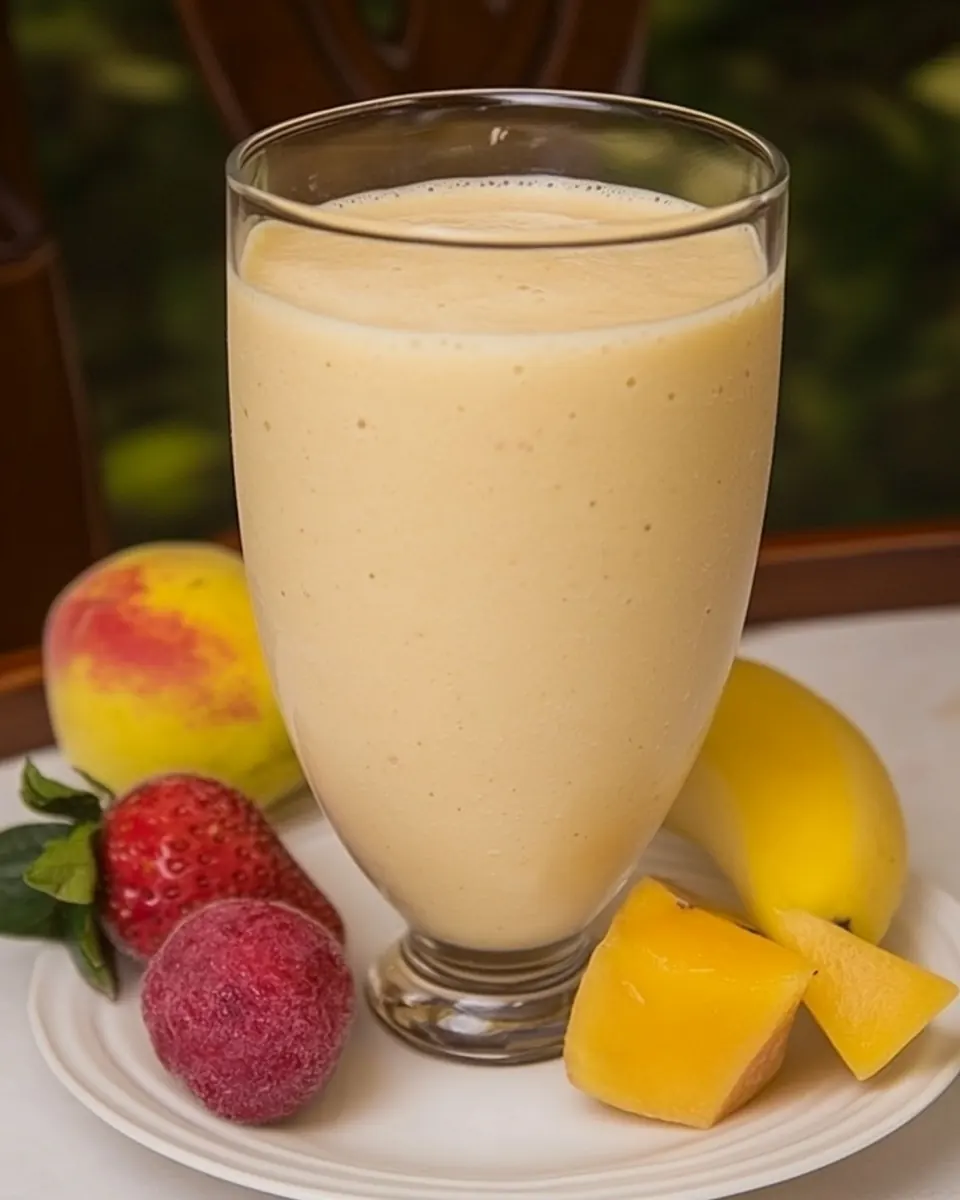
Frullato di Frutta or Italian Fruit Smoothie
Ingredients
Equipment
Method
- Put all the peeled and cut fruits in the blender. Cover with milk to just cover all the fruits. Add the sugar.: As you place the banana , the mango pulp, and the peaches into the blender jug you will notice a crescendo of fragrance, a bright, fruity perfume that signals ripeness. The visual should be a colorful mound of fruit pieces; larger chunks will create a louder blending noise but will still puree down. Why this matters, aroma helps you gauge ripeness and the amount of sweetness you'll need. A common mistake is adding fruit in too large chunks which strains some blenders, so aim for bite sized pieces. If your blender struggles, pause and press the fruit down with a spatula, then pulse to resume. Keep an eye on the blender's fill line, leaving room for liquid to move so you avoid overflow.
- Blend until perfectly smooth and no chunks are left. Serve immediately.: Pouring the whole milk so it just reaches the top of the fruit is about controlling texture, you want enough liquid to allow the blades to move freely but not so much that the mix becomes watery. The milk will mute sharp edges and create a soft, creamy body. If you pour too much, the result can be thin and less satisfying; if you pour too little, you may end up with a chunky blend that needs extra stirring. A trick I use is to start with slightly less milk than you think you need and add more while blending until you see the silky ribboning texture in the jug.
- Add the sugar: A single tablespoon of sugar dissolves quickly when the blender starts, elevating the fruit sweetness and bringing out background notes. The sugar is a balancing act, especially useful if the fruit is just short of perfect ripeness. If you oversweeten, the smoothie can taste cloying, so add less and taste after blending, then adjust. One common error is assuming every batch needs the same sugar amount, but sweetness varies with fruit, so keep your tasting spoon ready.
- Blend until perfectly smooth and no chunks are left: Listening for a consistent, even whir signals that the fruit has fully pureed into a uniform texture; you should see a glossy, homogenous liquid without visible fruit fibers. Visually the surface should be smooth and slightly aerated, and the aroma will lift as the ingredients emulsify. Texture matters because a velvety mouthfeel makes the smoothie feel more indulgent. A frequent pitfall is blending too long which can warm the drink and flatten its brightness, so pulse to check and stop as soon as the smooth appearance is reached. If the mix seems too thick, add a splash more whole milk and pulse a few times to reach the ideal pourable consistency.
- Serve immediately: The moment you pour the smoothie into chilled glasses you will notice that fresh fruit shines brightest right after blending, the aroma is most vibrant and the texture is at its peak. Serve quickly to capture the airy, fresh character before separation begins. A common mistake is letting it sit too long, which leads to watery separation and a dull flavor. If you must wait, stir gently before serving to recombine, and keep glasses chilled to preserve the refreshing temperature.
Notes
- Adjust thickness Add more whole milk for a thinner pour, or use less milk for a spoonable, thick texture ideal for a breakfast bowl.
- Control sweetness Use ripe fruit when possible and add the sugar gradually, tasting between additions to avoid overseasoning.
- Chill quickly If you want it colder without watering it down, chill the glasses ahead of time so the drink retains its intensity when served.
- Blender health Cut the fruit into even pieces so the blender works efficiently, and if you hear strain, stop and rearrange the solids to prevent motor overload.
- Batch making Double the fruit and blend in batches so the texture remains smooth and the blades are not overloaded, then pour into chilled pitchers for serving.