Soak tapioca pearls in almond milk for at least an hour. Do not drain.: The wet cushion of almond milk around the tapioca pearls softens them before heat is applied, reducing cook time and encouraging more uniform swelling. As they hydrate you may notice the milk turning slightly cloudy, and the pearls will feel plump when pinched. This pre soak prevents the outer layer from gelling too fast and leaving a hard center. A common mistake is skipping the soak, which often yields unevenly cooked pearls that are gummy outside and chalky inside. Keep them submerged and stir gently after soaking to ensure even hydration.
In a heavy bottomed saucepan add tapioca pearl-almond milk mixture and coconut milk. Bring to a rolling boil under medium heat and then immediately turn down to simmer, stirring constantly so the pearls don’t burn.: A heavy bottomed pan ensures steady, even heat, which helps avoid hotspots that scorch the mixture. As the mixture warms you will hear gentle bubbling that grows into a lively, rolling boil; this is the moment to reduce the heat so the pudding cooks slowly. Constant stirring prevents the pearls from settling and sticking, and it helps the milks integrate. Watch for tiny translucent halos forming around the pearls, a visual cue they are cooking. If the heat is too high it will smell scorched and the bottom may brown, so lower the flame and stir with a heat resistant spoon.
For twenty minutes, leave the pot on simmer and continue to stir every few minutes. High heat will burn the pudding, so make sure that simmer is low and slow.: During this simmer the tapioca pearls will transition from opaque to translucent, and the mixture will thicken as starches are released. Expect a gentle steam and a coconut aroma that becomes more pronounced. Stirring every few minutes is enough to prevent sticking while allowing the pudding to develop texture. If you over stir constantly you may interfere with the gentle thickening rhythm; under stirring risks scorching. A typical error is using high heat to rush the process, which leads to unevenly cooked pearls and a sticky bottom. Keep the simmer low and the patience high.
At the last minute, add maple syrup, vanilla, and salt. Remove from heat and stir for one or two minutes more.: Adding maple syrup and vanilla near the end preserves their aromas and prevents volatile notes from evaporating. When you stir, the pudding will become a shade glossier and you may notice the sweet scent blooming. The tiny pinch of salt tightens the flavor profile so the sweetness does not feel flat. Make sure you are off the heat to avoid boiling away those delicate flavors. A common slip up is adding sweeteners too early, which can intensify caramelization and alter the intended gentle sweetness.
Tapioca pudding is traditionally served cold. Divide into small ramekins or dishes if you have them. 2 hours chill time is optimum. Wait at least ten minutes for pudding to cool off in a serving bowl before eating it warm.: Cooling lets the pudding firm slightly and the flavors marry, and the surface will set into a smooth skin if left longer. Transfer carefully into small dishes, and as the trays go into the fridge you will feel cool air and notice the scent deepen. Chilling also improves mouthfeel, turning the mixture from loose to silky and scoopable. The mistake to avoid is placing hot pudding into the fridge uncovered, which can create condensation and dilute the surface texture. Allow a brief cooldown at room temperature first before chilling.
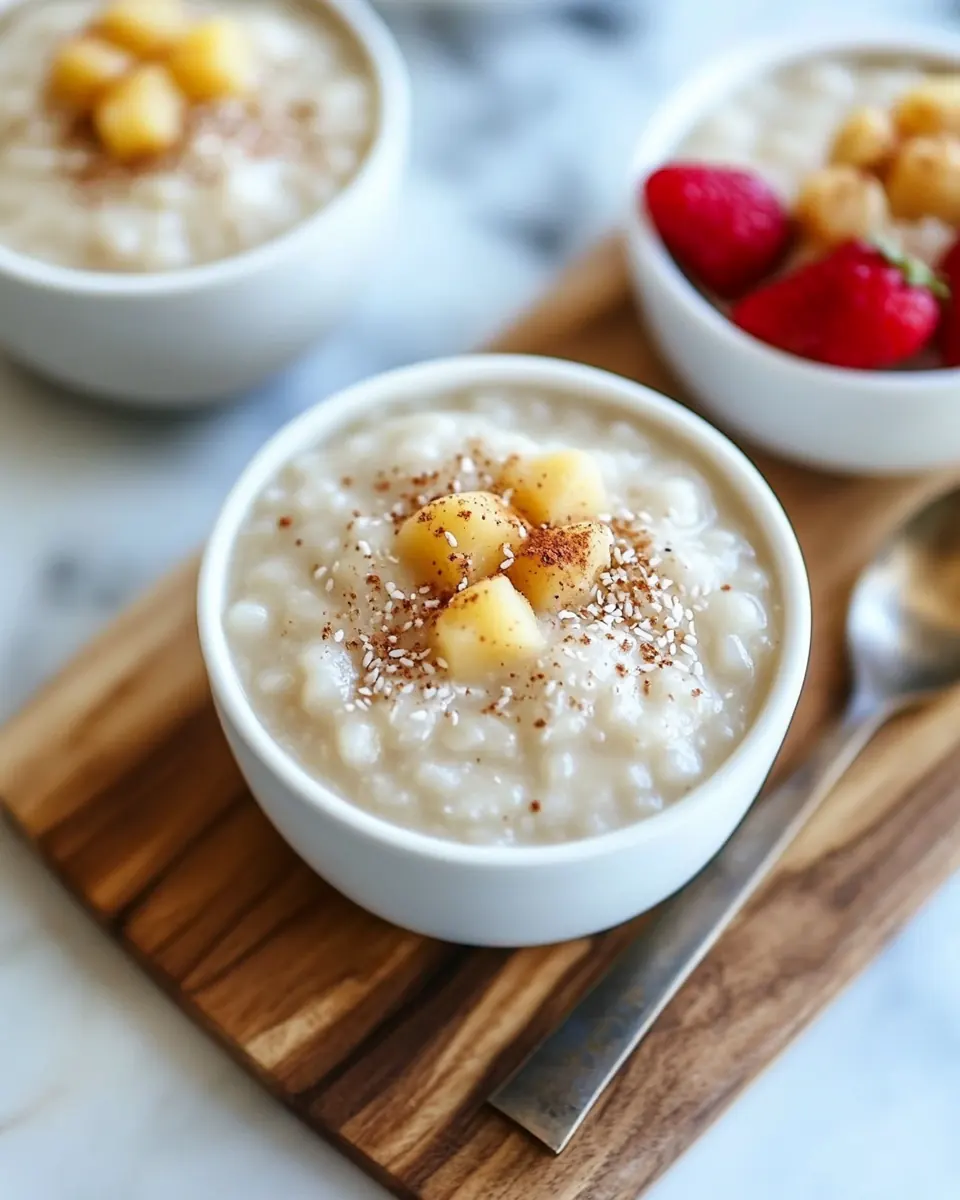
Scoop one quarter cup in small ramekins and top with three mango cubes and two to three raspberries.: The act of plating finishes the narrative of the dessert. A quarter cup portion creates a delicate serving size, allowing the bright mango and tart raspberries to sing. As you top each ramekin you will see color contrast that elevates presentation. Aim for symmetry but do not fuss over perfection, the lively fruit provides natural beauty. A frequent misstep is over topping, which drowns the pudding; reserve fruit so each spoonful still offers creamy pudding plus a burst of fruit.