Copycat Bang Bang Shrimp
Copycat Bang Bang Shrimp is the kind of recipe that resurrects weekend memories of neon signs and family tables, and it was the first thing I learned to make when I wanted to impress a crowd with very little fuss. I remember the first time I tested this at home, juggling a skillet and a bowl of sauce, and how the bright, creamy mixture cut through the heat of the fried shrimp in a way that made everyone go quiet between bites. That hush was my signal that I had a winning balance of sweet, spicy, and crunchy.
Over the years I’ve adjusted tiny things, like the way I shake the coating and how long I rest the dressed shrimp before serving, and those small habits make a surprisingly big difference. Friends started asking me for the recipe, and I began keeping a jar of the sauce in the fridge for last minute get togethers. When you serve Copycat Bang Bang Shrimp at your table, it creates a casual, celebratory vibe, whether it’s game night or a simple summer evening with rice and a crisp salad.
Recipe Snapshot
20 mins
10 mins
10 mins
Easy
350 kcal
American
Gluten-Free, Low FODMAP
Appetizers
Dutch oven, Thermometer, Zip top bag, Paper towels
What’s Great About This Copycat Bang Bang Shrimp
Big flavor in little bites
I love how Copycat Bang Bang Shrimp concentrates bold tastes into small, irresistible morsels. The crunchy coating gives a satisfying contrast to the creamy sauce, so every mouthful feels complete. When I plate these, I watch guests reach for more without pausing, which never gets old.
Fast and friendly for busy cooks
This recipe is genuinely approachable, you can pull it together in under an hour with minimal fuss. I often make it the same night I plan to entertain because it does not demand oven babysitting, and frying in batches keeps everything crisp. If you like easy weeknight wins, this is one I reach for again and again.
Customizable heat and sweetness
I appreciate a recipe that lets you dial the spice to taste. The sauce blends sweet chili and a hit of sriracha for warmth, and you can nudge either direction easily. When I’m serving a mixed crowd, I usually keep some sauce on the side, so people can choose how saucy or spicy they want their shrimp.
Textural joy
The interplay between the light, almost powdery coating from the cornstarch and the supple interior of the shrimp is what keeps this dish from feeling heavy. I know exact timing matters here, and that has everything to do with maintaining that pristine contrast between crisp exterior and tender center.
Great for gatherings
I often serve Copycat Bang Bang Shrimp when friends drop by because it travels well from kitchen to table, and it pairs nicely with simple sides like rice. The dish naturally encourages sharing and conversation, which is one reason it has become a fixture at my casual dinners.
Everything You Need for Copycat Bang Bang Shrimp
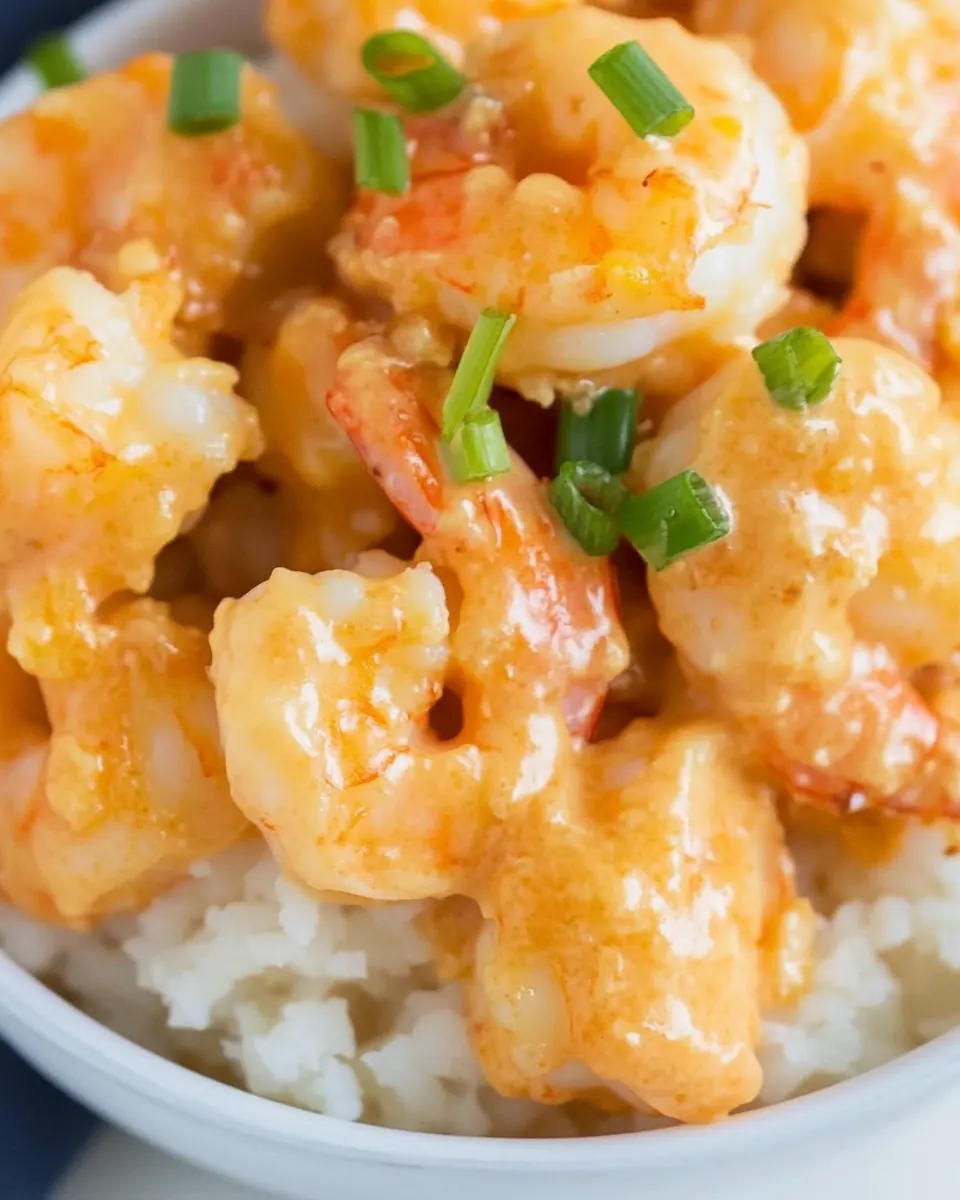
For this take on Copycat Bang Bang Shrimp, the ingredient list reads like a study in balance. The sauce players provide cream, sweetness, and heat while the wet and dry components for the coating ensure a delicate, crisp crust. Key players are the shrimp, the creamy base for the sauce, and the cornstarch which gives that signature light crunch.
- 1/2 cup mayonnaise: Bind together the creamy sauce with a rich texture and mild tang, creating the base for the bang bang dressing that coats the shrimp evenly.
- 1/4 cup sweet chili sauce: Add a sweet and slightly spicy flavor with a sticky, tangy profile that balances heat and provides glossy sheen to the sauce.
- 1/2 teaspoon sriracha: Bring concentrated heat and a touch of garlic flavor to the sauce; adjust quantity to control the overall spiciness of the dish.
- 1 pound medium shrimp, peeled and deveined: Provide tender, juicy seafood protein that soaks up the sauce; ensure peeled and deveined shrimp cook quickly to maintain a plump texture.
- 1/2 cup buttermilk: Tenderize and lightly acidify the shrimp while helping the coating adhere; contributes a subtle tang and keeps shrimp moist during frying.
- 3/4 cup cornstarch: Create a light, crispy exterior when dredging shrimp for frying; cornstarch yields a delicate crunch and a non-greasy finish.
- Vegetable oil for frying: Enable deep-frying to crisp the coated shrimp quickly and evenly; choose a neutral oil with a high smoke point for best results.
- chopped chives for garnish (optional): Add a mild oniony brightness as an optional finishing touch; sprinkle over the plated shrimp for color contrast and subtle flavor lift.
The Method for Copycat Bang Bang Shrimp
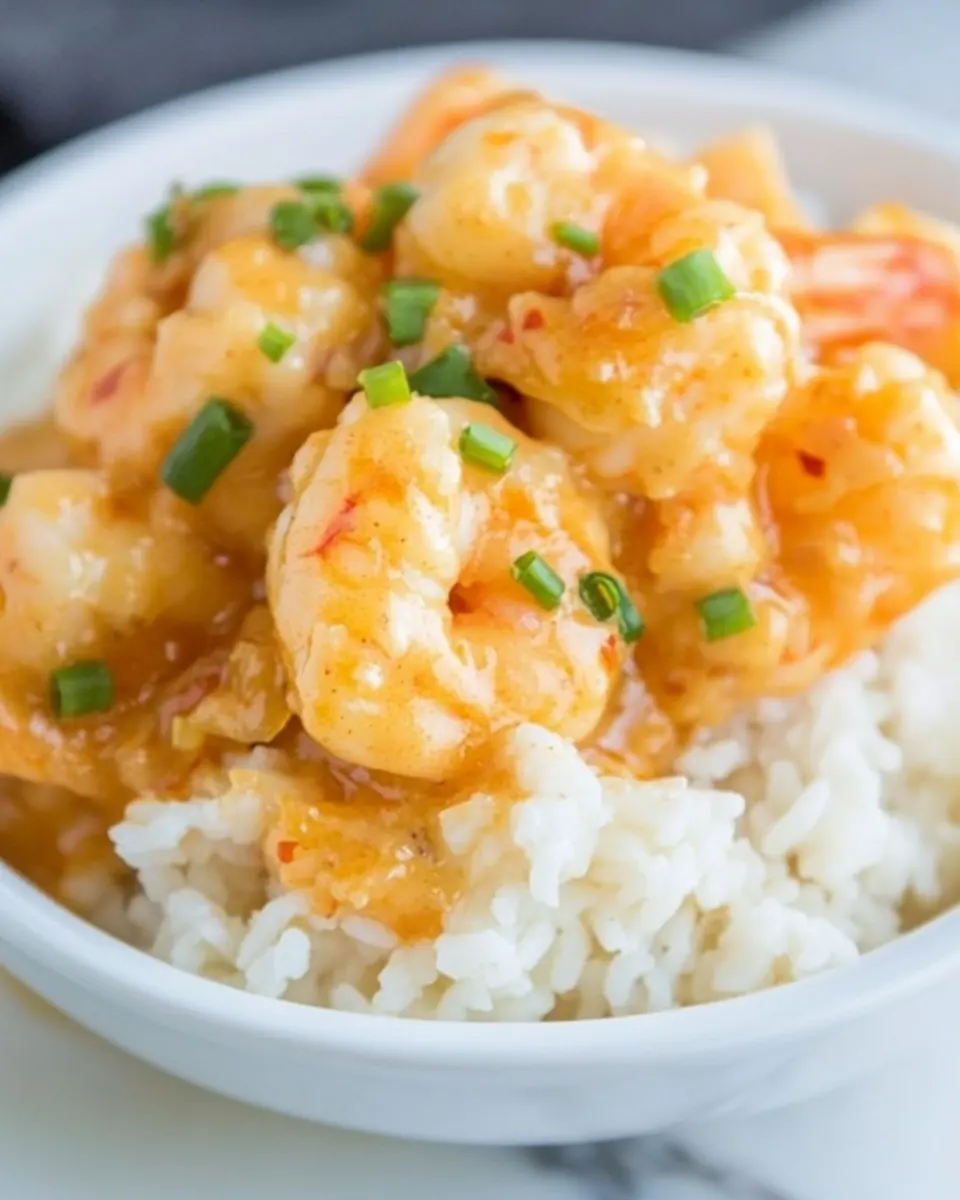
Let me walk you through the flow I use in my kitchen. This recipe moves quickly, and rhythm matters when frying in batches, so set up your station ahead. Keep a plate lined with paper towels ready, and have a bowl for tossing the finished shrimp with the sauce.
- In a small bowl, stir together mayonnaise, sweet chili sauce, and sriracha. Cover with plastic wrap and refrigerate until needed.: As you whisk these ingredients, you will notice the sauce go from separate liquids into a smooth, glossy emulsion with a pale coral color. The aroma will be sweet with a faint vinegar tang, and the heat from the sriracha will become more integrated as you stir. This mixing step matters because it creates a homogenous dressing that clings evenly to the fried surface, ensuring consistent flavor. A frequent error is under stirring which leaves pockets of unmixed hot sauce, producing uneven bites, so take an extra 30 seconds to fully combine. If the sauce tastes too mild, give it a minute to rest, then re-taste, because flavors meld as it chills.
- Place about 2 inches of oil in a Dutch oven. Heat to 375 degrees.: Cooling the sauce lets the flavors marry and slightly firm the texture, making it easier to toss with the warm shrimp later. The refrigerator will mute the immediate spice and bring forward the sweet chili notes, and a chilled sauce will cling better to hot fried pieces. A common mistake is leaving the sauce at room temperature where it can feel too loose, so pop it in the fridge for at least 10 minutes to stabilize the emulsion. If you are short on time, place the bowl in an ice bath briefly, stirring occasionally to cool quickly.
- While oil is heating, combine shrimp and buttermilk in a medium bowl. Place cornstarch in a zip top bag. Remove shrimp from bowl, shaking off any excess buttermilk and place in bag with cornstarch. Shake to coat. Remove shrimp from cornstarch.: Pouring a proper depth of oil creates a deep fry environment for even cooking, and the oil acts as a heat reservoir so the temperature recovers quickly when you add food. You will hear a slow, even hiss once the oil heats, and it should shimmer faintly on the surface. The height of the oil also prevents splatter when the shrimp go in, maintaining safety. A mistake to avoid is using too little oil, which leads to uneven frying and odd textures, so measure the depth carefully before heating.
- Fry shrimp in batches. Only cook for about 1 minute per side. The coating will not get very brown, so be careful not to overcook them thinking they are not done.: Reaching a steady 375 degrees Fahrenheit ensures the coating sets quickly and seals in moisture, producing a crisp exterior and tender interior. You will notice a faint smoke and a rolling shimmer when the oil is ready; use a thermometer for accuracy because visual cues can be misleading. Frying below this temperature causes the shrimp to absorb more oil and become greasy, while much higher temperatures can burn the coating before the inside cooks, so stay close to 375 degrees.
- Place cooked shrimp on a paper towel-lined plate. Once all shrimp are fried, place them in a bowl and drizzle sauce on top. Toss to coat. Note: You may not want to add all the sauce. I like to reserve some for dipping.: The buttermilk lightly marinates the shrimp and provides a tacky surface for the cornstarch to adhere to. As you stir, the buttermilk gives a faint lactic scent and adds a slight sheen to the shrimp . This step ensures the coating is even and helps the fried crust cling. Avoid letting the shrimp sit too long in the buttermilk, which can make the surface slime and affect the coating adhesion; a short five to ten minute soak is ample.
- Sprinkle with chives if desired and serve with rice.: Putting the cornstarch in a bag makes it simple to coat the shrimp evenly with minimal mess. When you shake the bag, you will hear a soft rustling as the starch clouds around the pieces. This method traps cornstarch against the surface and creates a flash fry effect. A common pitfall is using a bowl instead of a bag, which can lead to uneven coating and wasted starch, so opt for a bag whenever possible.
- Remove shrimp from bowl, shaking off any excess buttermilk and place in bag with cornstarch: Shaking off excess buttermilk prevents clumping of the cornstarch and ensures a light, even layer on the shrimp . You will feel the difference when the pieces are tacky rather than wet. Proper drainage is crucial because too much liquid causes the coating to form thick globs that fry unevenly. If you skip the shake off, the coating will be dense and heavy, so shake each piece gently but thoroughly.
- Shake to coat: As you shake the bag, the cornstarch will distribute and dust the shrimp creating a pale, almost velvety finish. The sound is a soft pitter patter, and visually you will see a thin, uniform layer. This light dusting is what gives the final fried pieces their characteristic crispness without a thick batter. Over-shaking can pack on too much starch, so stop once each piece looks evenly coated. If clumps form, tap them off before frying.
- Remove shrimp from cornstarch: Lifting the coated pieces out, you should notice a dry, powdery feel rather than wetness. This dryness lets the oil instantly crisp the surface. Let them rest briefly on a clean tray so any loose starch can fall away, which helps prevent oil spatter. A common mistake is frying immediately without removing excess starch, which can create a starchy film in the oil and reduce its lifespan, so give them a quick shake off.
- Fry shrimp in batches: When the shrimp go into the hot oil, you will hear a bright sizzle that tells you the coating is sealing. Frying in small batches preserves oil temperature and ensures each piece gets the same fast, crisp treatment. Pay attention to the rhythm, and do not crowd the pot, because overcrowding causes temperature drops and oil absorption. If you see the oil foaming excessively, you likely added too many pieces at once, so reduce batch size.
- Only cook for about 1 minute per side: The quick fry cooks the shrimp through while keeping the exterior delicate and crisp. You should see the shrimp go from translucent to opaque and the color will shift to a clean pink. Because the coating does not brown deeply, avoid judging doneness by color alone, and instead look for a firm spring to the touch and full opacity. Overcooking leads to rubbery texture, so trust the short timing and test one piece if unsure.
- The coating will not get very brown, so be careful not to overcook them thinking they are not done: Note the subtle cues, like a firmer texture and a brighter pink, instead of waiting for a golden crust. The light cornstarch exterior crisps without deep color, and if you wait for browning you will likely dry out the shrimp . A frequent error is frying longer to achieve color, which sacrifices juiciness, so rely on timing and touch rather than appearance.
- Place cooked shrimp on a paper towel lined plate: Resting on paper towels helps wick away excess oil, preserving the crisp mouthfeel. You will notice less gloss and more dry crispness once they drain properly. This tiny pause improves the final texture dramatically and avoids a soggy toss in sauce. If you skip draining, the sauce will slide off more easily and the pieces will seem greasy, so give them a moment to breathe.
- Once all shrimp are fried, place them in a bowl and drizzle sauce on top: The contrast of warm, crisp shrimp with chilled, creamy sauce is lovely, and as you drizzle the sauce it will bead and then thin to coat each piece. Tossing gently ensures an even glaze while maintaining some of the coating's crunch. I typically add most of the sauce but hold back a little for dipping, because over saucing can dampen the crisp. A common mistake is adding all the sauce and leaving the shrimp sitting too long which softens the crust, so toss right before serving.
- Note: You may not want to add all the sauce. I like to reserve some for dipping : Serving additional sauce on the side gives guests control and preserves texture for those who prefer their shrimp crisper. The reserved sauce also makes a nice condiment for rice or vegetables. If you mix everything together too far in advance, the coating will lose its initial snap, so serve promptly to enjoy the full textural contrast.
- Sprinkle with chives if desired and serve with rice: The chopped chives add a green, oniony lift that brightens the plate, and serving alongside hot rice turns this into a satisfying meal. The steam from the rice complements the warm shrimp and helps balance the richness of the sauce. A mistake to avoid is adding delicate garnishes too early; chop and sprinkle just before serving to keep them fresh and vivid.
Ways to Adapt This Recipe
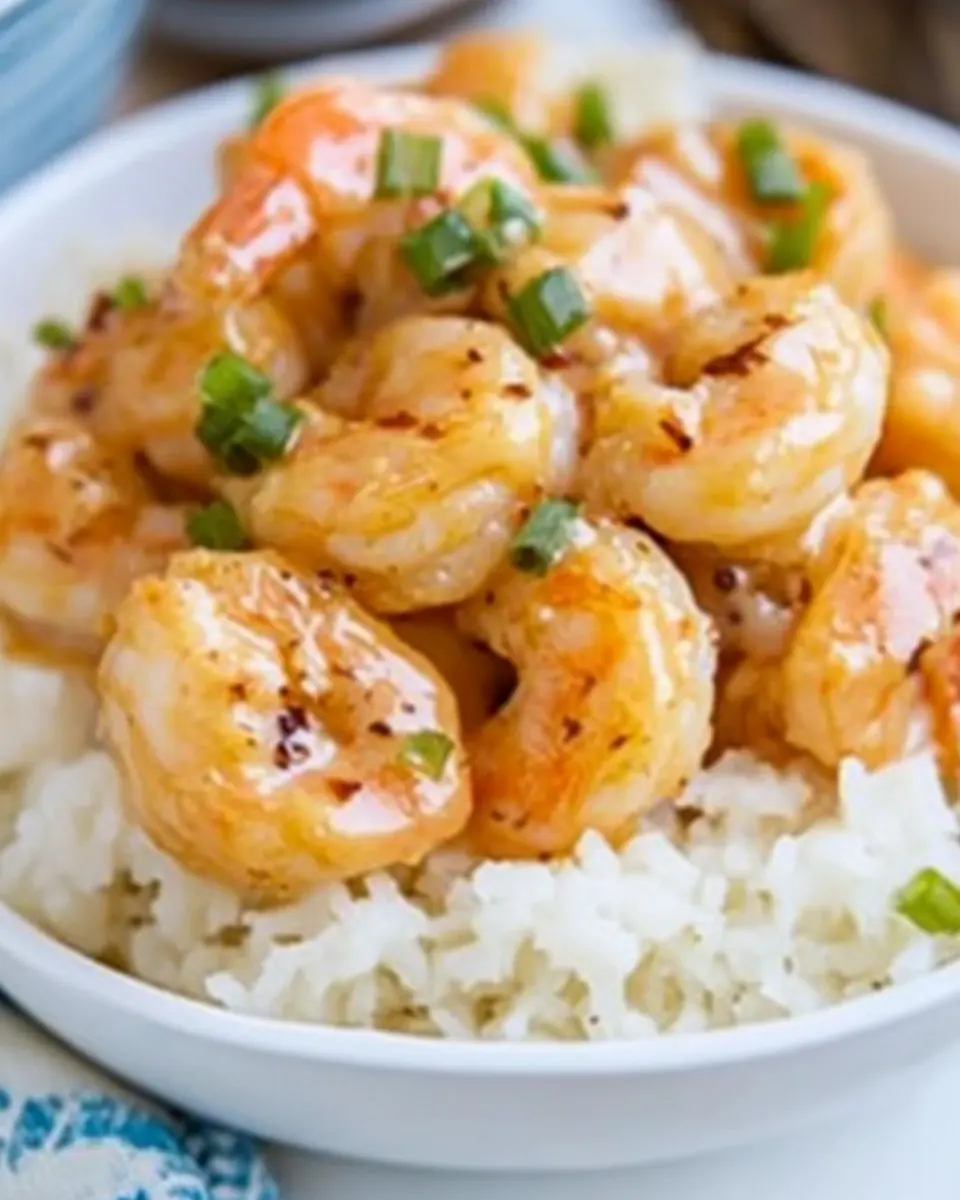
This section offers practical adaptations and serving ideas so you can make Copycat Bang Bang Shrimp suit your table and taste. Read through the options and pick what fits your occasion.
- Lower the heat If you prefer a milder sauce, reduce the sriracha by half and taste, adding more only if you want a stronger kick. This keeps the sweet and tangy profile while softening the spice for children or sensitive palates.
- Make it ahead Mix the sauce up to two days in advance and keep it chilled. The flavors will marry and actually improve with a short rest, just keep it refrigerated until you are ready to toss with warm shrimp.
- Keep it crispy Toss only the amount of shrimp you plan to serve immediately and hold the rest in a warm oven set to a low temperature to maintain crispness. Avoid coating too far ahead to prevent moisture buildup.
- Garnish smart Add chopped chives or another fresh herb right before serving for a bright finish and a little color contrast against the creamy sauce.
- Control portions If you are serving a larger crowd, keep the fried shrimp on a sheet pan in a single layer in a warm oven and toss small batches with sauce as guests arrive to preserve texture.
Perfect Pairings for Copycat Bang Bang Shrimp
Copycat Bang Bang Shrimp pairs well with simple, fresh sides that complement the rich sauce and crunchy coating. Think grains for balance and light vegetables to cut the richness, and plan the menu around ease of serving so guests can graze and enjoy the bold flavors.
- Serve with steamed rice A bowl of hot rice is a classic partner, absorbing sauce and balancing spice while turning the dish into a satisfying meal.
- Offer a crisp salad A simple green salad with crisp lettuce and a light vinaigrette provides textural contrast and a palate cleanser between bites.
- Family style sharing Lay the shrimp on a large platter with extra sauce on the side, encouraging guests to help themselves and keep bites coming throughout the meal.
- Casual gatherings This dish shines at informal dinners or summer get togethers where finger food is welcome, and it travels well from kitchen to table so you can socialize while finishing the last batch.
- Storage tips Keep leftover shrimp separate from sauce in the refrigerator and reheat briefly in a hot oven to revive the crisp, then drizzle or serve sauce alongside to avoid sogginess.
- Seasonal pairings In warmer months, lighten the plate with a citrusy salad and cold beverages; the bright notes will lift the creamy sauce and keep the meal feeling fresh.
FAQ
Conclusion
Copycat Bang Bang Shrimp stands out because it blends a light, delicate crisp with a creamy, sweet spicy sauce that keeps everyone coming back for more. The recipe is quick to execute, easy to scale, and offers a playful mix of textures that works for casual dinners and small gatherings alike. Give it a try this week so you can enjoy the satisfying crunch and balanced sauce, and watch how it becomes a fast favorite in your regular rotation.
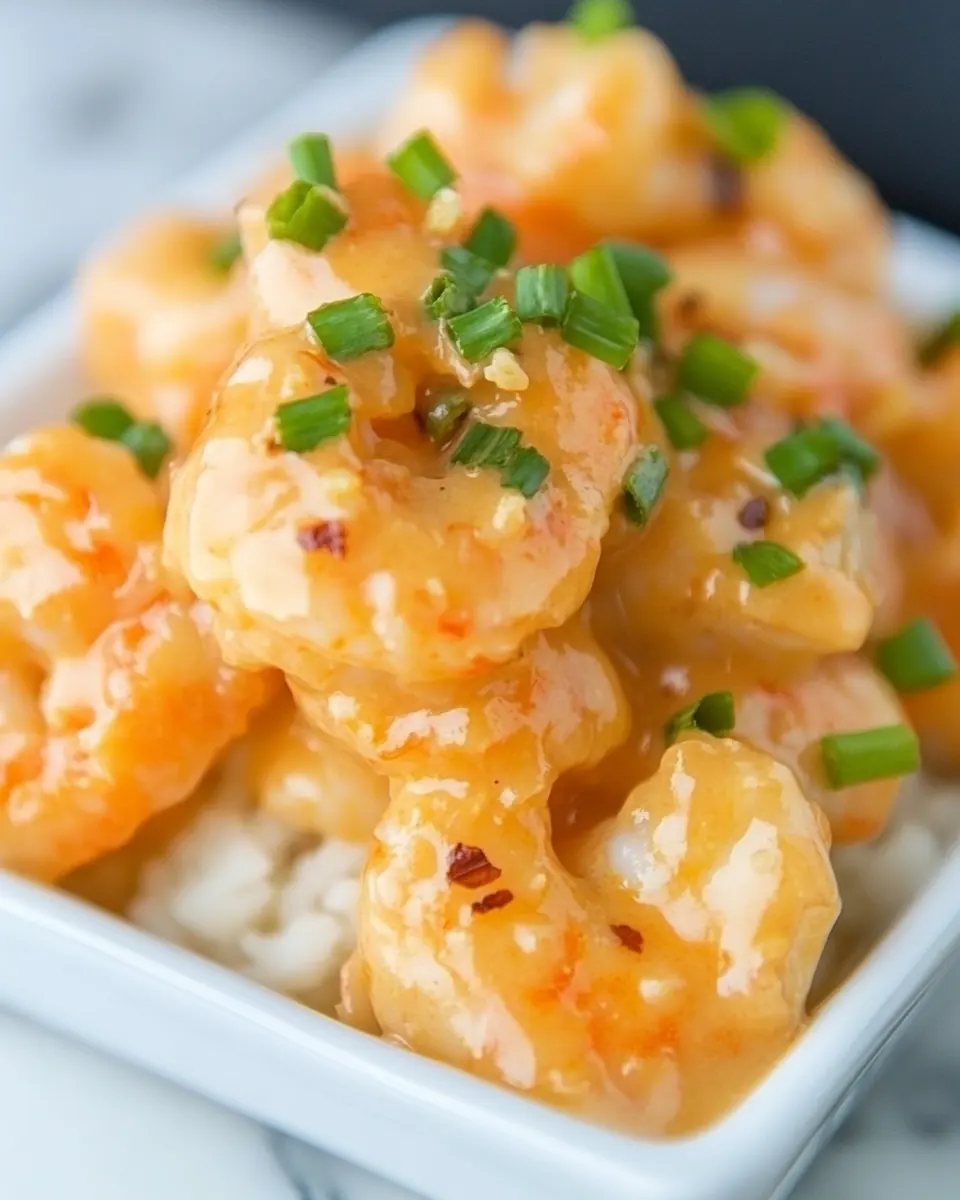
Copycat Bang Bang Shrimp
Ingredients
Equipment
Method
- In a small bowl, stir together mayonnaise, sweet chili sauce, and sriracha. Cover with plastic wrap and refrigerate until needed.: As you whisk these ingredients, you will notice the sauce go from separate liquids into a smooth, glossy emulsion with a pale coral color. The aroma will be sweet with a faint vinegar tang, and the heat from the sriracha will become more integrated as you stir. This mixing step matters because it creates a homogenous dressing that clings evenly to the fried surface, ensuring consistent flavor. A frequent error is under stirring which leaves pockets of unmixed hot sauce, producing uneven bites, so take an extra 30 seconds to fully combine. If the sauce tastes too mild, give it a minute to rest, then re-taste, because flavors meld as it chills.
- Place about 2 inches of oil in a Dutch oven. Heat to 375 degrees.: Cooling the sauce lets the flavors marry and slightly firm the texture, making it easier to toss with the warm shrimp later. The refrigerator will mute the immediate spice and bring forward the sweet chili notes, and a chilled sauce will cling better to hot fried pieces. A common mistake is leaving the sauce at room temperature where it can feel too loose, so pop it in the fridge for at least 10 minutes to stabilize the emulsion. If you are short on time, place the bowl in an ice bath briefly, stirring occasionally to cool quickly.
- While oil is heating, combine shrimp and buttermilk in a medium bowl. Place cornstarch in a zip top bag. Remove shrimp from bowl, shaking off any excess buttermilk and place in bag with cornstarch. Shake to coat. Remove shrimp from cornstarch.: Pouring a proper depth of oil creates a deep fry environment for even cooking, and the oil acts as a heat reservoir so the temperature recovers quickly when you add food. You will hear a slow, even hiss once the oil heats, and it should shimmer faintly on the surface. The height of the oil also prevents splatter when the shrimp go in, maintaining safety. A mistake to avoid is using too little oil, which leads to uneven frying and odd textures, so measure the depth carefully before heating.
- Fry shrimp in batches. Only cook for about 1 minute per side. The coating will not get very brown, so be careful not to overcook them thinking they are not done.: Reaching a steady 375 degrees Fahrenheit ensures the coating sets quickly and seals in moisture, producing a crisp exterior and tender interior. You will notice a faint smoke and a rolling shimmer when the oil is ready; use a thermometer for accuracy because visual cues can be misleading. Frying below this temperature causes the shrimp to absorb more oil and become greasy, while much higher temperatures can burn the coating before the inside cooks, so stay close to 375 degrees.
- Place cooked shrimp on a paper towel-lined plate. Once all shrimp are fried, place them in a bowl and drizzle sauce on top. Toss to coat. Note: You may not want to add all the sauce. I like to reserve some for dipping.: The buttermilk lightly marinates the shrimp and provides a tacky surface for the cornstarch to adhere to. As you stir, the buttermilk gives a faint lactic scent and adds a slight sheen to the shrimp . This step ensures the coating is even and helps the fried crust cling. Avoid letting the shrimp sit too long in the buttermilk, which can make the surface slime and affect the coating adhesion; a short five to ten minute soak is ample.
- Sprinkle with chives if desired and serve with rice.: Putting the cornstarch in a bag makes it simple to coat the shrimp evenly with minimal mess. When you shake the bag, you will hear a soft rustling as the starch clouds around the pieces. This method traps cornstarch against the surface and creates a flash fry effect. A common pitfall is using a bowl instead of a bag, which can lead to uneven coating and wasted starch, so opt for a bag whenever possible.
- Remove shrimp from bowl, shaking off any excess buttermilk and place in bag with cornstarch: Shaking off excess buttermilk prevents clumping of the cornstarch and ensures a light, even layer on the shrimp . You will feel the difference when the pieces are tacky rather than wet. Proper drainage is crucial because too much liquid causes the coating to form thick globs that fry unevenly. If you skip the shake off, the coating will be dense and heavy, so shake each piece gently but thoroughly.
- Shake to coat: As you shake the bag, the cornstarch will distribute and dust the shrimp creating a pale, almost velvety finish. The sound is a soft pitter patter, and visually you will see a thin, uniform layer. This light dusting is what gives the final fried pieces their characteristic crispness without a thick batter. Over-shaking can pack on too much starch, so stop once each piece looks evenly coated. If clumps form, tap them off before frying.
- Remove shrimp from cornstarch: Lifting the coated pieces out, you should notice a dry, powdery feel rather than wetness. This dryness lets the oil instantly crisp the surface. Let them rest briefly on a clean tray so any loose starch can fall away, which helps prevent oil spatter. A common mistake is frying immediately without removing excess starch, which can create a starchy film in the oil and reduce its lifespan, so give them a quick shake off.
- Fry shrimp in batches: When the shrimp go into the hot oil, you will hear a bright sizzle that tells you the coating is sealing. Frying in small batches preserves oil temperature and ensures each piece gets the same fast, crisp treatment. Pay attention to the rhythm, and do not crowd the pot, because overcrowding causes temperature drops and oil absorption. If you see the oil foaming excessively, you likely added too many pieces at once, so reduce batch size.
- Only cook for about 1 minute per side: The quick fry cooks the shrimp through while keeping the exterior delicate and crisp. You should see the shrimp go from translucent to opaque and the color will shift to a clean pink. Because the coating does not brown deeply, avoid judging doneness by color alone, and instead look for a firm spring to the touch and full opacity. Overcooking leads to rubbery texture, so trust the short timing and test one piece if unsure.
- The coating will not get very brown, so be careful not to overcook them thinking they are not done: Note the subtle cues, like a firmer texture and a brighter pink, instead of waiting for a golden crust. The light cornstarch exterior crisps without deep color, and if you wait for browning you will likely dry out the shrimp . A frequent error is frying longer to achieve color, which sacrifices juiciness, so rely on timing and touch rather than appearance.
- Place cooked shrimp on a paper towel lined plate: Resting on paper towels helps wick away excess oil, preserving the crisp mouthfeel. You will notice less gloss and more dry crispness once they drain properly. This tiny pause improves the final texture dramatically and avoids a soggy toss in sauce. If you skip draining, the sauce will slide off more easily and the pieces will seem greasy, so give them a moment to breathe.
- Once all shrimp are fried, place them in a bowl and drizzle sauce on top: The contrast of warm, crisp shrimp with chilled, creamy sauce is lovely, and as you drizzle the sauce it will bead and then thin to coat each piece. Tossing gently ensures an even glaze while maintaining some of the coating's crunch. I typically add most of the sauce but hold back a little for dipping, because over saucing can dampen the crisp. A common mistake is adding all the sauce and leaving the shrimp sitting too long which softens the crust, so toss right before serving.
- Note: You may not want to add all the sauce. I like to reserve some for dipping : Serving additional sauce on the side gives guests control and preserves texture for those who prefer their shrimp crisper. The reserved sauce also makes a nice condiment for rice or vegetables. If you mix everything together too far in advance, the coating will lose its initial snap, so serve promptly to enjoy the full textural contrast.
- Sprinkle with chives if desired and serve with rice: The chopped chives add a green, oniony lift that brightens the plate, and serving alongside hot rice turns this into a satisfying meal. The steam from the rice complements the warm shrimp and helps balance the richness of the sauce. A mistake to avoid is adding delicate garnishes too early; chop and sprinkle just before serving to keep them fresh and vivid.
Notes
- Lower the heat If you prefer a milder sauce, reduce the sriracha by half and taste, adding more only if you want a stronger kick. This keeps the sweet and tangy profile while softening the spice for children or sensitive palates.
- Make it ahead Mix the sauce up to two days in advance and keep it chilled. The flavors will marry and actually improve with a short rest, just keep it refrigerated until you are ready to toss with warm shrimp.
- Keep it crispy Toss only the amount of shrimp you plan to serve immediately and hold the rest in a warm oven set to a low temperature to maintain crispness. Avoid coating too far ahead to prevent moisture buildup.
- Garnish smart Add chopped chives or another fresh herb right before serving for a bright finish and a little color contrast against the creamy sauce.
- Control portions If you are serving a larger crowd, keep the fried shrimp on a sheet pan in a single layer in a warm oven and toss small batches with sauce as guests arrive to preserve texture.