Lemon Meringue Pie
Lemon Meringue Pie has been my go to when I want something that feels celebratory yet familiar; the bright lemon filling always cuts through a heavy meal and the cloudlike meringue makes everyone linger at the table. I remember the first time I baked this with my grandmother, who nudged me to taste the curd warm from the saucepan, then laughed as I tried to stop myself from spooning more straight into the mixing bowl. Her patience with messy counters taught me that good baking tolerates a little chaos.
Over the years I learned little habits that make the difference, like zesting the lemon right over the bowl so the oils fall into the mix, or beating the egg whites in a cool metal bowl so they whip faster. Friends started requesting this for birthdays and Sunday dinners, not because it is fancy, but because the combination of tart filling and sweet meringue hits a nostalgic note. I like to tell them the secret is attention to texture, not expensive ingredients.
Recipe Snapshot
45 mins
25 mins
20 mins
Medium
350 kcal
American
Gluten-Free, Low FODMAP
Desserts
9-inch pie dish, medium saucepan, mixing bowls, electric mixer
Why This Lemon Meringue Pie Shines
Bright, Balanced Flavor
I love how Lemon Meringue Pie delivers a clear contrast between the tart lemon curd and the airy egg whites topping. The lemon juice and zest give a lifted, citrusy backbone while the sugar tempers the acid, so every bite sings without being cloying.
Texture That Makes People Talk
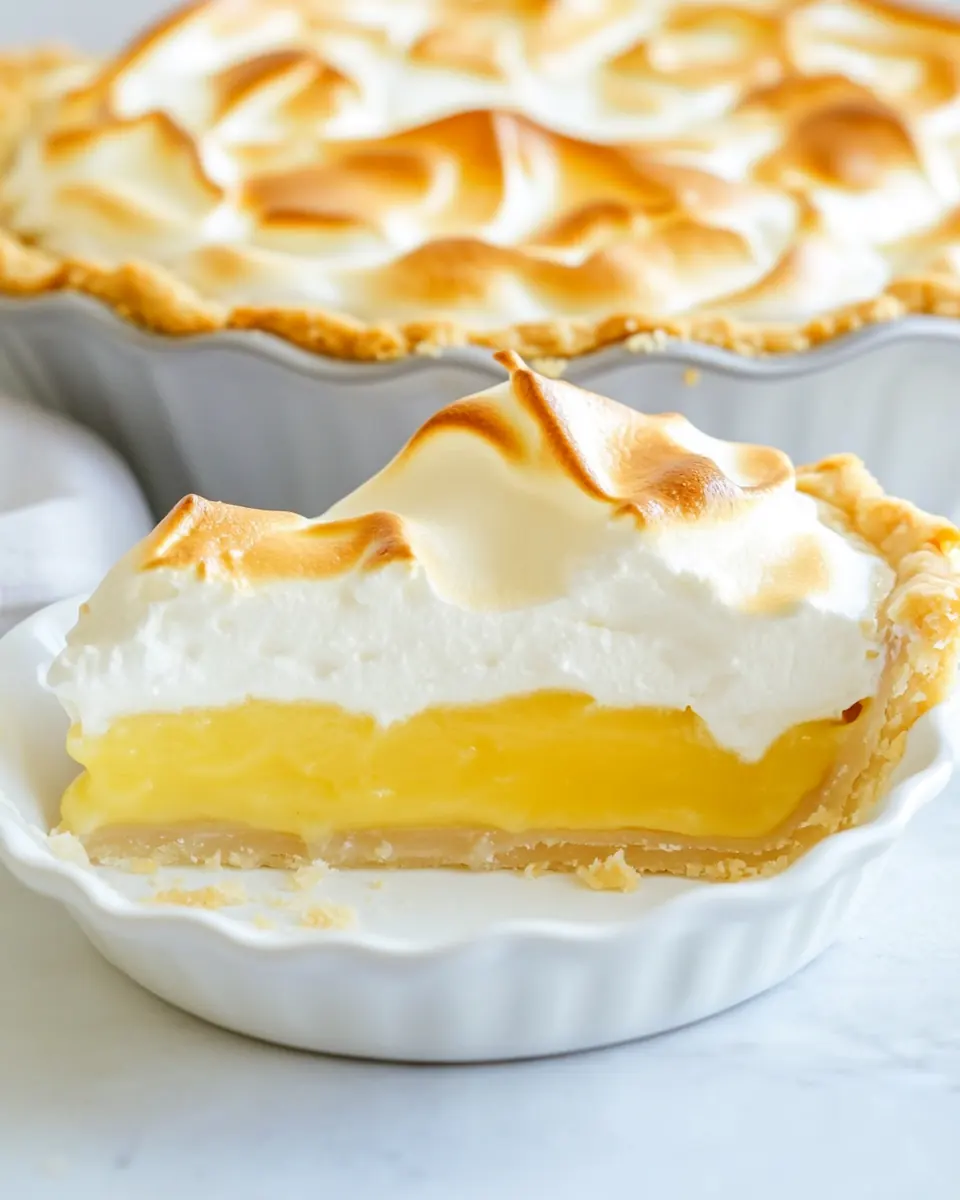
The play of silky, slightly dense filling and pillowy, toasted meringue is why I keep making this. The filling sets so it slices cleanly, while the meringue provides a soft cushion that browns into little caramelized peaks when baked.
Simple, Trustworthy Ingredients
Everything here is pantry friendly, yet each component matters. Cornstarch gives the curd its glossy hold, butter adds richness, and the whipped egg whites and cream of tartar create stable peaks. I lean on technique, not unusual items.
Great for Gatherings
This pie scales visually and emotionally, making it perfect for spring dessert tables. It feels like a treat, yet it is approachable enough that you can pull it off for guests without a stress spiral. I often make it when I want the table to feel festive but relaxed.
Room for Personality
Beyond the core formula, you can lean into texture with extra lemon zest or adjust the sweetness for your crowd. I enjoy small adjustments, and each change highlights how well this recipe adapts while still honoring the classic profile.
Ingredient List for Lemon Meringue Pie
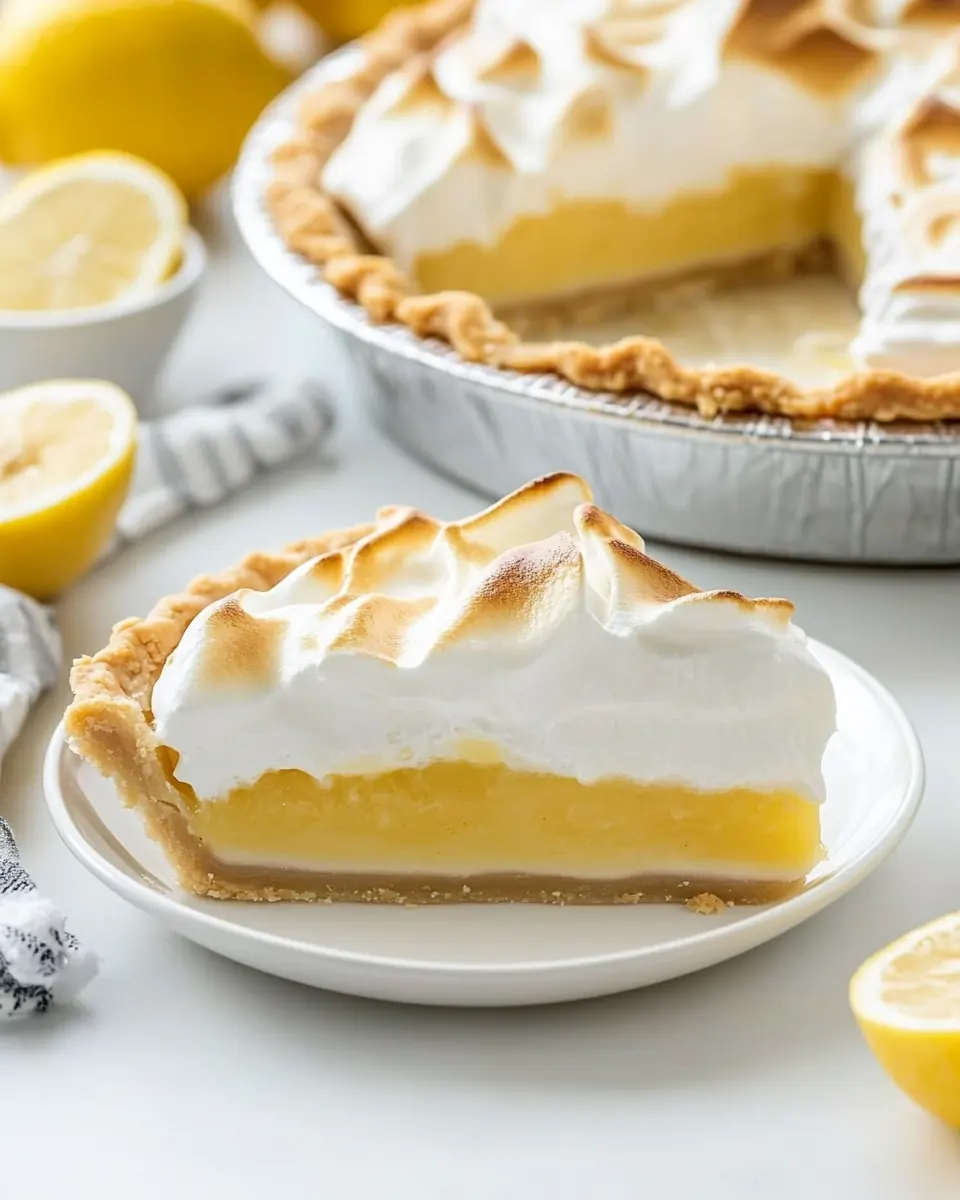
These ingredients form a harmonious system where acid, sugar, fat, and structure work together. The curd relies on heat and cornstarch to thicken while the egg yolks provide silkiness. The meringue is a separate act of chemistry, where whipped egg whites and cream of tartar trap air and sugar stabilizes the foam. Each item plays a key role rather than merely adding flavor.
- 5 egg yolks: Separate carefully and reserve for filling; provide richness, structure, and emulsification to create a smooth, custard-like lemon curd when cooked gently with sugar and starch.
- 1 cup white sugar: Sweeten and stabilize the filling; dissolve fully with the yolks and cornstarch to balance lemon acidity and help thicken the curd during cooking.
- 1/3 cup cornstarch: Thicken and stabilize the curd; whisk with sugar and yolks to form a slurry that cooks into a glossy, set lemon filling without curdling.
- 1/4 teaspoons salt: Season lightly and enhance overall flavor; incorporate sparingly to balance sweetness and brighten the lemon profile without overpowering.
- 1 1/2 cups milk: Add creaminess and body to the custard; heat with the sugar-starch mixture to gently cook and hydrate the cornstarch for a smooth consistency.
- 1/2 cup fresh lemon juice: Provide bright, acidic lemon flavor and structure; combine with cooked custard to set and flavor the filling, offering tartness that contrasts the sweet meringue.
- 1 tablespoon lemon zest: Concentrate lemon oils and aromatic lift; grate finely and mix into the curd to intensify fresh citrus fragrance and complexity.
- 2 tablespoons butter: Enrich the filling with silkiness and mouthfeel; stir in at the end of cooking to add fat that smooths and glosses the curd.
- 1/2 teaspoon vanilla: Round and deepen flavor with warm sweetness; add a small amount to the finished curd to enhance vanilla complexity and balance tartness.
- 1 (9-inch) pie crust baked: Provide a flaky, crisp base for the pie; prebake to a golden shell that supports the hot lemon curd and prevents sogginess from the filling.
- 7 egg whites: Whip to stiff peaks for the topping; provide volume, stability, and lightness when beaten with cream of tartar and sugar to form glossy meringue.
- 1/2 teaspoon cream of tartar: Stabilize and increase volume when whipping; add early to egg whites to help create a loftier, longer-lasting meringue with fine, even bubbles.
- 1/2 cup white sugar: Sweeten and stabilize the meringue; gradually incorporate while whipping to create glossy peaks that hold shape and balance tart lemon filling.
Making This Lemon Meringue Pie
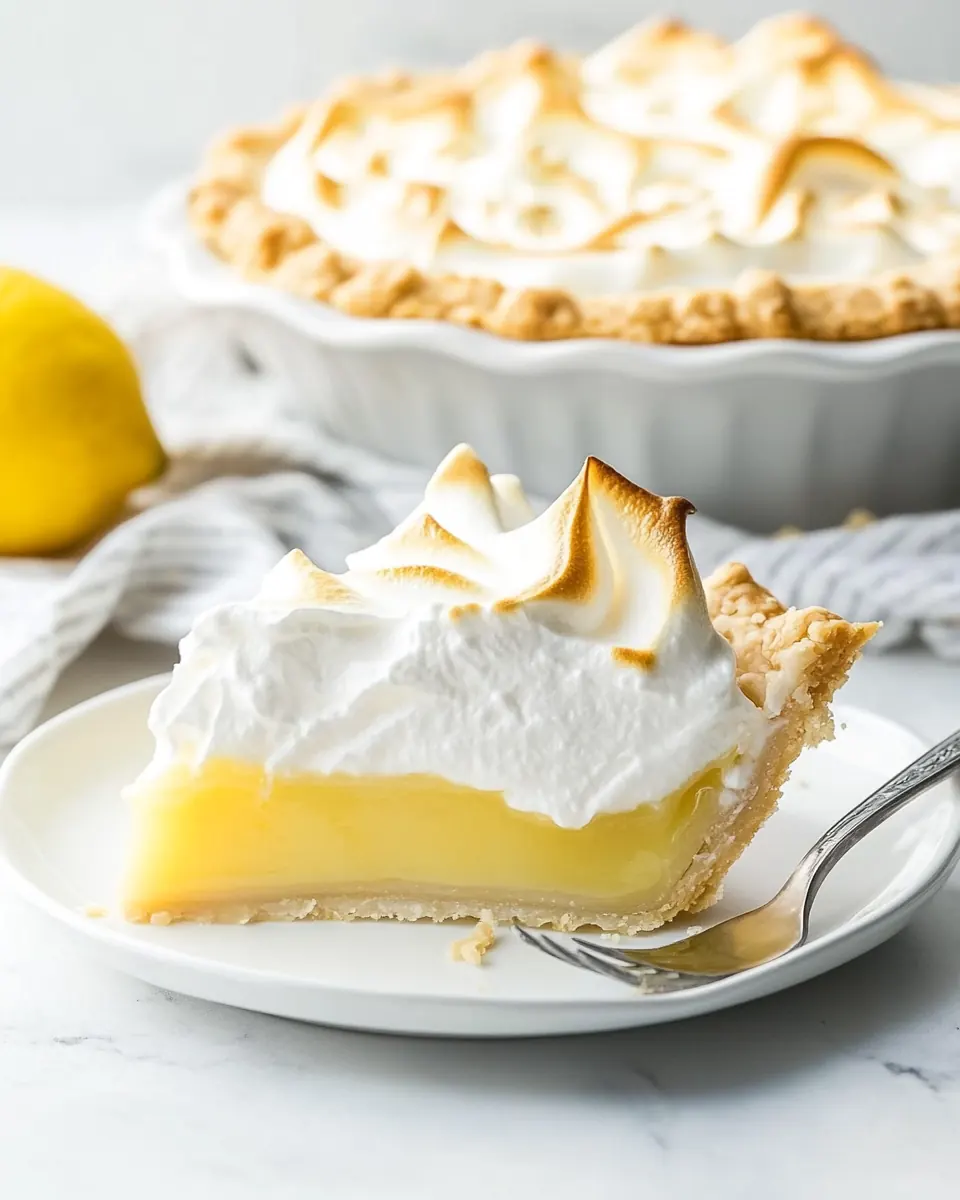
This recipe is comforting and precise, and I like to walk through it slowly so you can sense the right textures and aromas as you go. The directions below expand each stage with sensory cues and troubleshooting tips so you feel confident from curd to browned peaks.
- Preheat the oven to 375°F.: As the oven warms, notice the dry, steady hum of heat that signals it is ready. This temperature prepares the oven for pre baking the crust, ensuring a crisp base rather than a soggy one. If your oven runs hot, it can brown the crust too quickly, so consider an oven thermometer. One common mistake is skipping preheating, which leads to uneven bake and a pale, undercooked crust.
- Place crust in a shallow 9-inch pie dish and pre-bake according to package directions.: During pre baking, the crust should smell faintly of toasted flour and butter, and the edges will turn a light golden. Pre baking prevents a wet bottom once the lemon filling is added. If the crust puffs up, dock the surface with a fork or use pie weights. Avoid underbaking, which causes a soggy base, and watch closely near the end so it does not overbrown.
- Place egg yolks in a small bowl and beat them together. Set aside.: The yolks should look smooth and slightly viscous, with a consistent yellow color. Beating them briefly helps them incorporate evenly into the hot mix later, reducing the chance of scrambling. A common error is adding yolks directly to extreme heat, which can create curdled bits, so tempering is key.
- In a medium saucepan, whisk together the sugar, cornstarch, and salt. Add the egg yolks and mix until combined. Add the milk, lemon juice, and lemon zest. Bring the mixture to a boil over medium heat, stirring frequently. Boil for one minute, then remove from heat and stir in the butter and vanilla. Pour into the prepared pie crust.: As the mixture warms, the aroma of lemon will intensify and the custard will thicken, moving from opaque to glossy as starch gelatinizes. Stirring frequently prevents scorching on the bottom, and once it reaches a boil you will see it bubble and thicken quickly, signaling that the starch has activated. Remove from heat promptly to avoid overcooking, then stir in butter for silkiness and vanilla for depth. A frequent mistake is insufficient stirring, which causes lumps or a grainy texture, so keep the movement steady.
- Make the meringue by beating the egg whites and cream of tartar in a medium glass or metal bowl, until soft peaks form (3-5 minutes). Slowly add sugar, continuing to beat until glossy, stiff peaks form (about 2 minutes): As you whip, the whites will transform from clear and foamy to white and voluminous, emitting a faint sweet scent once sugar is incorporated. The bowl will feel slightly cool to the touch, and the beater will leave trails in the mixture when you lift it. Adding sugar slowly is essential to stabilize the foam and avoid a gritty texture. Overbeating can dry the meringue, while underbeating leaves it too soft to hold shape, so watch for glossy, firm peaks.
- While the lemon filling is still warm, spread the meringue around the edge of the pie. Make sure the mixture attaches to the crust with no gaps. Add the remaining meringue to the center and use the back of a spoon to create small peaks all over the pie.: The warmth helps the meringue adhere and form a seal, preventing weeping between filling and meringue. As you spread, the meringue will feel billowy and smooth under the spoon, and making peaks gives more surface area to brown attractively in the oven. Ensure there are no gaps where filling could escape, as exposed curd can weep. A typical oversight is not sealing the meringue to the crust, which can lead to separation during baking.
- Bake at 325°F for about 20 minutes, or until the meringue is golden brown.: During baking, watch as the peaks slowly take on a toasted color and the sugar gives a light caramelized aroma. The surface should look set and slightly glossy, with a warm, brown hue at the tips. If the meringue browns too quickly, lower the oven temperature slightly to avoid burning while the interior remains unstable. A common mistake is underbaking, which leaves weepy, soft tops, or overbaking, which can cause cracks and dryness, so aim for an even, golden finish.
Pro Tips and Tweaks
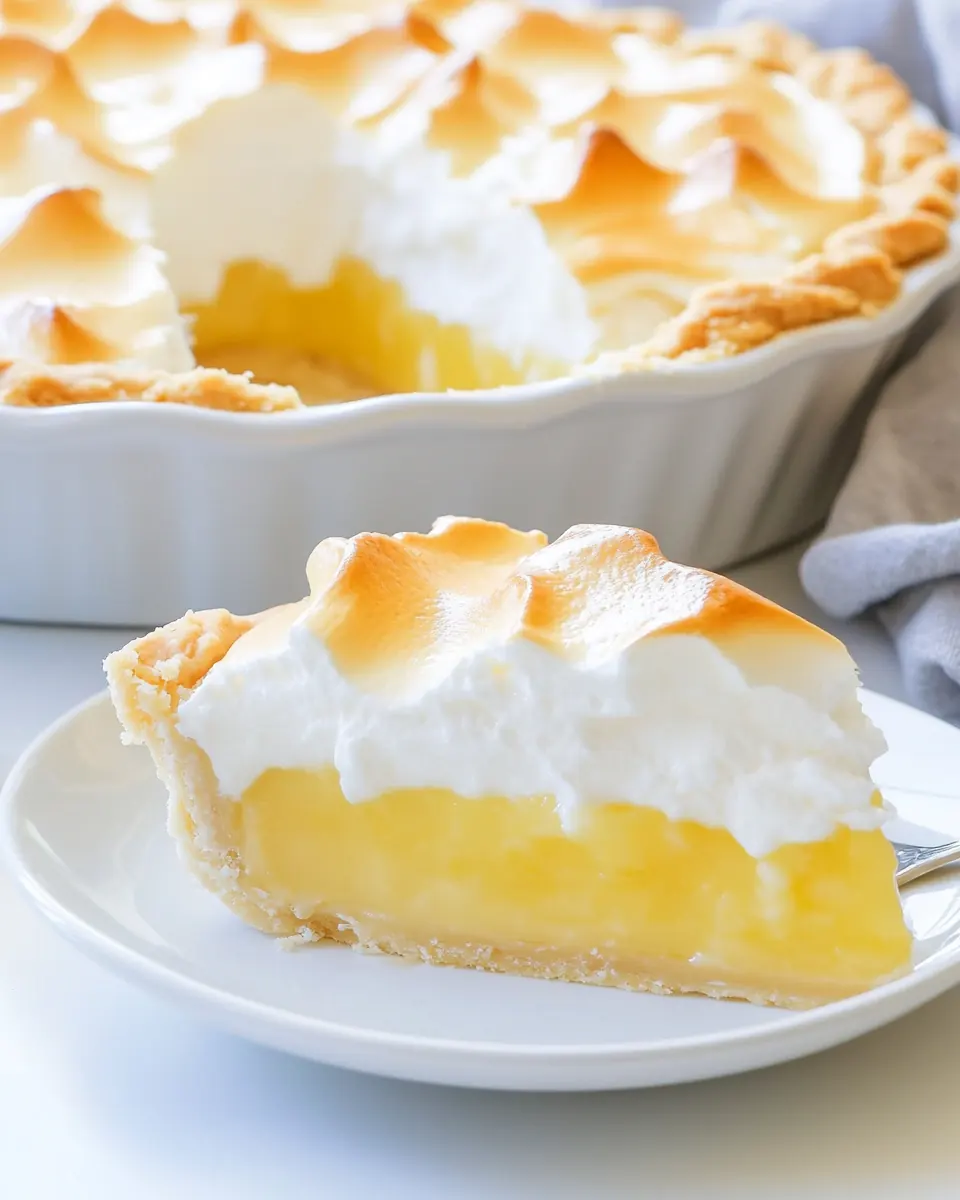
I like to share practical tips that help you nail texture and flavor without fuss. These focus on timing, technique, and small touches that make a big difference when assembling Lemon Meringue Pie.
- Room Temperature Eggs Make whipping easier: let your egg whites sit out for 15 to 30 minutes before beating, they will achieve greater volume and whip more quickly.
- Slow Sugar Incorporation Prevents graininess: add the sugar to the meringue gradually, a tablespoon at a time, so it dissolves fully and the finish is glossy rather than gritty.
- Check Oven Consistency Use an oven thermometer: ovens can vary, and consistent heat ensures the meringue browns evenly without burning the peaks.
- Seal the Edges Prevent weeping: when applying meringue, press it firmly to the baked pie crust rim so there are no gaps where filling can escape and cause separation.
- Fresh Lemon Always preferred: use freshly squeezed lemon juice and zest for the brightest citrus notes, canned juice will be flatter and less aromatic.
Serving Suggestions
When it is time to present Lemon Meringue Pie, think about contrast and occasion. This pie shines on festive spring tables, yet it is gentle enough for a casual family dessert. Serve slightly chilled so slices hold their shape, and consider small garnishes for visual appeal.
- Classic Slice Serve each piece chilled on a dessert plate, allowing the meringue peaks to remain intact and provide a soft top note to the bright filling.
- Tea Time Offer slices alongside a pot of black or herbal tea for an afternoon gathering, the tea will complement the citrus and cut through the sweetness.
- Light Finish Present smaller wedges after a heavy meal to refresh the palate; the tart lemon works well as a counterpoint to rich mains.
- Spring and Celebrations This pie is ideal for spring events and weekend brunches where a showy, yet homey dessert is appreciated.
- Storage Cover the pie loosely and refrigerate for up to two days for best texture, as the meringue can weep over time; bring to cool room temperature before serving for best flavor.
- Seasonal Pairings Pair with fresh berries or a light fruit salad during spring and warm weather for a colorful dessert spread.
FAQ
Conclusion
Lemon Meringue Pie stands out for its lively lemon curd paired with a glossy, toasted meringue, creating a dessert that feels both nostalgic and celebratory. Give this recipe a try when you want a dessert that showcases bright citrus and impressive texture without needing exotic ingredients. It rewards attention to technique more than fancy tools, and once you master the curd and meringue, you will have a go to dessert that guests remember fondly.
Lemon Meringue Pie
Ingredients
Equipment
Method
- Preheat the oven to 375°F.: As the oven warms, notice the dry, steady hum of heat that signals it is ready. This temperature prepares the oven for pre baking the crust, ensuring a crisp base rather than a soggy one. If your oven runs hot, it can brown the crust too quickly, so consider an oven thermometer. One common mistake is skipping preheating, which leads to uneven bake and a pale, undercooked crust.
- Place crust in a shallow 9-inch pie dish and pre-bake according to package directions.: During pre baking, the crust should smell faintly of toasted flour and butter, and the edges will turn a light golden. Pre baking prevents a wet bottom once the lemon filling is added. If the crust puffs up, dock the surface with a fork or use pie weights. Avoid underbaking, which causes a soggy base, and watch closely near the end so it does not overbrown.
- Place egg yolks in a small bowl and beat them together. Set aside.: The yolks should look smooth and slightly viscous, with a consistent yellow color. Beating them briefly helps them incorporate evenly into the hot mix later, reducing the chance of scrambling. A common error is adding yolks directly to extreme heat, which can create curdled bits, so tempering is key.
- In a medium saucepan, whisk together the sugar, cornstarch, and salt. Add the egg yolks and mix until combined. Add the milk, lemon juice, and lemon zest. Bring the mixture to a boil over medium heat, stirring frequently. Boil for one minute, then remove from heat and stir in the butter and vanilla. Pour into the prepared pie crust.: As the mixture warms, the aroma of lemon will intensify and the custard will thicken, moving from opaque to glossy as starch gelatinizes. Stirring frequently prevents scorching on the bottom, and once it reaches a boil you will see it bubble and thicken quickly, signaling that the starch has activated. Remove from heat promptly to avoid overcooking, then stir in butter for silkiness and vanilla for depth. A frequent mistake is insufficient stirring, which causes lumps or a grainy texture, so keep the movement steady.
- Make the meringue by beating the egg whites and cream of tartar in a medium glass or metal bowl, until soft peaks form (3-5 minutes). Slowly add sugar, continuing to beat until glossy, stiff peaks form (about 2 minutes): As you whip, the whites will transform from clear and foamy to white and voluminous, emitting a faint sweet scent once sugar is incorporated. The bowl will feel slightly cool to the touch, and the beater will leave trails in the mixture when you lift it. Adding sugar slowly is essential to stabilize the foam and avoid a gritty texture. Overbeating can dry the meringue, while underbeating leaves it too soft to hold shape, so watch for glossy, firm peaks.
- While the lemon filling is still warm, spread the meringue around the edge of the pie. Make sure the mixture attaches to the crust with no gaps. Add the remaining meringue to the center and use the back of a spoon to create small peaks all over the pie.: The warmth helps the meringue adhere and form a seal, preventing weeping between filling and meringue. As you spread, the meringue will feel billowy and smooth under the spoon, and making peaks gives more surface area to brown attractively in the oven. Ensure there are no gaps where filling could escape, as exposed curd can weep. A typical oversight is not sealing the meringue to the crust, which can lead to separation during baking.
- Bake at 325°F for about 20 minutes, or until the meringue is golden brown.: During baking, watch as the peaks slowly take on a toasted color and the sugar gives a light caramelized aroma. The surface should look set and slightly glossy, with a warm, brown hue at the tips. If the meringue browns too quickly, lower the oven temperature slightly to avoid burning while the interior remains unstable. A common mistake is underbaking, which leaves weepy, soft tops, or overbaking, which can cause cracks and dryness, so aim for an even, golden finish.
Notes
- Room Temperature Eggs Make whipping easier: let your egg whites sit out for 15 to 30 minutes before beating, they will achieve greater volume and whip more quickly.
- Slow Sugar Incorporation Prevents graininess: add the sugar to the meringue gradually, a tablespoon at a time, so it dissolves fully and the finish is glossy rather than gritty.
- Check Oven Consistency Use an oven thermometer: ovens can vary, and consistent heat ensures the meringue browns evenly without burning the peaks.
- Seal the Edges Prevent weeping: when applying meringue, press it firmly to the baked pie crust rim so there are no gaps where filling can escape and cause separation.
- Fresh Lemon Always preferred: use freshly squeezed lemon juice and zest for the brightest citrus notes, canned juice will be flatter and less aromatic.