Drop the garlic cloves and ginger through the feed tube while the motor is on. Mince well.: The sound of the processor chopping will shift from distinct snaps to a smoother whir as the garlic and fresh ginger break down, releasing their bright, spicy aromatics. You should smell a sharp, fragrant note that cuts through the air, and visually the pieces will be much smaller and moist. This quick blitz is key because tiny pieces distribute flavor evenly, preventing large chunks from overpowering a single bite. A common mistake is overpacking the feed tube which stalls the blades; if that happens, stop and scrape down the sides, then pulse in smaller batches to ensure even mincing. The texture you aim for is fine and cohesive, not pureed into a paste, because a little structure helps the dressing cling to leaves.
Add the cilantro and process until finely chopped.: As the cilantro goes through the blades, its green color will deepen and a bright, leafy aroma will dominate, signaling the herb is evenly incorporated. You want a texture that is finely chopped but still visibly green, so the dressing looks fresh and vibrant. The reason this matters is that larger leaves can float or clump, creating uneven bites; finely chopped cilantro ensures every spoonful carries herb flavor. Watch for any long stems that can tangle in the processor; trimming them beforehand avoids tearing and bitterness. If the cilantro looks too wet from washing, blot it dry to prevent a diluted dressing.
Add the lime juice, vinegar, salt, spices, honey, and Parmesan cheese. Process until well mixed.: Once these ingredients combine, you should notice a tangy, salty perfume with a hint of sweetness, and the Parmesan cheese will begin to integrate, lending a creamy grain to the mixture. This stage is where balance forms, so take a moment to taste; the acid from fresh lime juice should brighten without biting, and the honey should soften the edges. A frequent pitfall is adding too much salt initially; measure, then adjust after emulsification, because the Parmesan cheese contributes saltiness as it blends. The visual cue for readiness is a homogenous mixture where the cheese is distributed and no distinct pools of liquid remain.
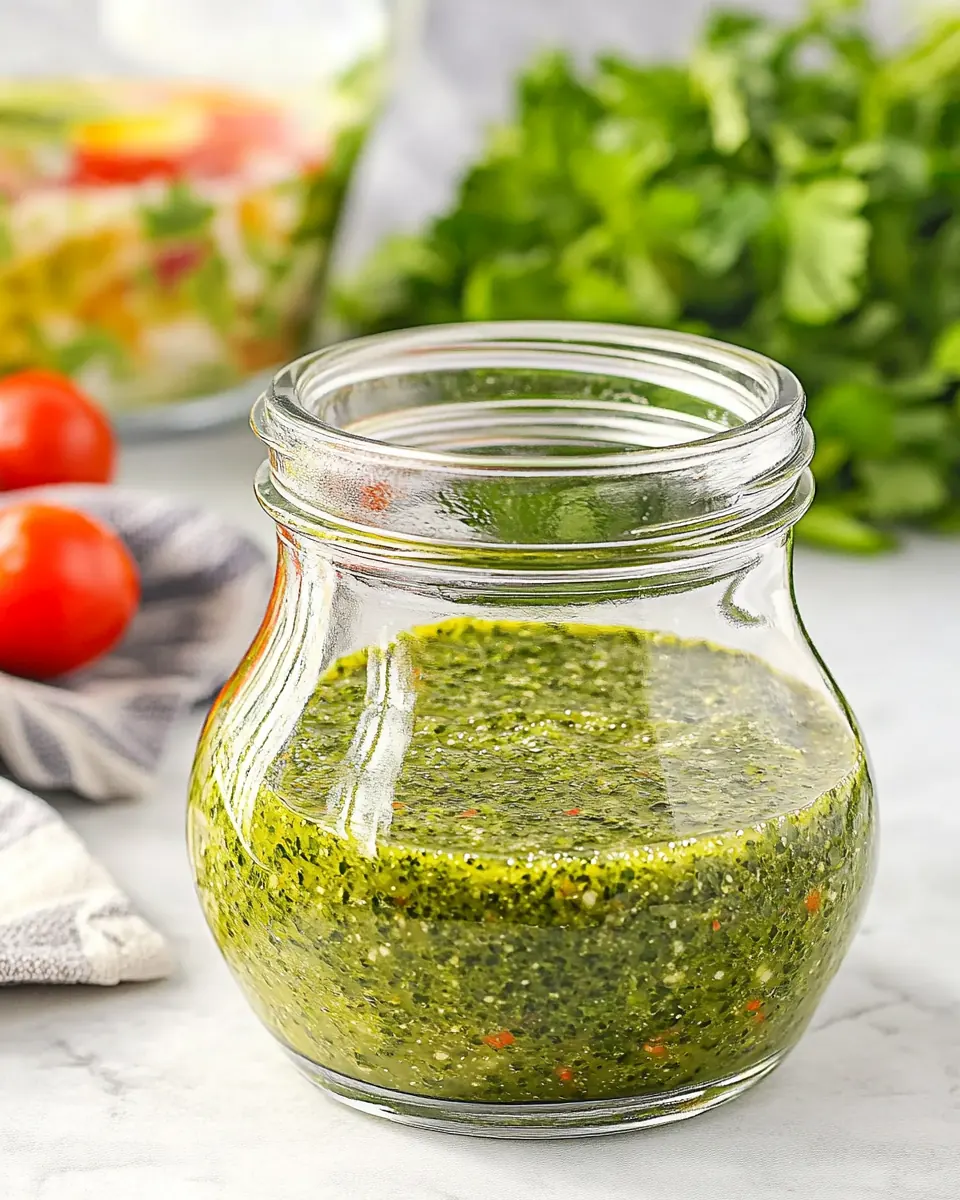
With the motor running, slowly pour the oils through the feed tube, and process for one more minute.: You will see the mixture go from a loose dressing to a glossy, slightly thickened emulsion as the canola oil and olive oil bind with the acidic base. Pouring the oils in a slow, steady stream while the blades turn encourages a stable emulsion, creating a silky texture that clings to leaves. If you pour too quickly, the dressing may break and separate into oily slicks and watery bits; to rescue a broken emulsion, stop, add a teaspoon of warm water, and process slowly to coax it back together. Expect a smooth sheen and a scent that melds herb, acid, and oil—this indicates success.
Mince the garlic, ginger, and cilantro, and place them in a mixing bowl with the lime juice, vinegar, salt, spices, honey, and cheese.: When you prepare these components by hand, the aroma is more pronounced, with individual notes of garlic and cilantro standing out before being tempered by acid and cheese. Using a bowl gives you tactile control to adjust seasoning, and you can monitor the texture closely as you whisk in ingredients. One reason to do this manually is to avoid overprocessing delicate herbs which can turn bitter if pulped. A common error is not chopping finely enough; leave larger pieces and the dressing will feel uneven. The visual cue is a uniform mix where the solids are well distributed and ready to be emulsified with oil.
Whisk in the oil until it is emulsified into the dressing.: As you whisk, the mixture will thicken and take on a glossy, cohesive body, and you will hear a faint rhythmic splash as oil becomes suspended in the acidic base. This manual emulsification lets you control speed and stop when you reach the desired thickness. The reason this matters is texture affects cling and mouthfeel; a properly emulsified dressing will coat salad leaves without sliding off. If the dressing resists emulsifying, add the oil in even smaller increments, or add a teaspoon of warm water to help bind. Avoid over whipping, which can thin the dressing again; aim for smooth, consistent viscosity and a bright, integrated aroma.