Lemon Berry Mascarpone Tart
Lemon Berry Mascarpone Tart has been my go to for spring gatherings when I want something that feels elegant but is genuinely easy to pull off. The first time I made this tart I was juggling a messy kitchen and a tiny countertop oven, and yet the bright lemon notes and pillowy mascarpone filling somehow made the whole evening feel special. I remember trimming the berries one by one, humming a song, and thinking that sweetness and acid can rescue any dinner party mood.
Over the years I have learned small habits that keep this dessert stress free. I like to prep the crust while a playlist plays, then chill the dough so I can return to calm hands when shaping it into the pan. The contrast of a crisp, buttery crust, a luxuriously smooth mascarpone layer, and fresh, juicy berries on top always draws a crowd. Guests often ask what I did differently, and I always tell them it is about balancing textures, trusting your senses, and not overworking the dough.
Recipe Snapshot
1 hr 15 mins
60 mins
15 mins
Medium
350 kcal
Italian
Gluten-Free, Low FODMAP
Desserts
Standing mixer, Electric hand mixer, 9 inch tart pan with removable bottom, Knife, Plastic wrap
What Sets This Lemon Berry Mascarpone Tart Apart
Buttery, flaky crust that holds up
I love that the crust here is simple yet dependable. With just all purpose flour, salt, unsalted butter, and powdered sugar, you get a tender shell that browns evenly. I find that chilling the dough makes it much easier to press into the pan and helps prevent shrinking during baking, which means your finished tart looks as good as it tastes.
Creamy, tangy filling
The combination of mascarpone, a touch of powdered sugar, and fresh lemon juice produces a filling that is indulgent without being overly sweet. I appreciate this balance because it allows the natural flavor of the berries to shine. When you whip the filling until smooth, it becomes silky and holds a light shape under the fruit, giving each slice a satisfying mouthfeel.
Fresh fruit that brings brightness
Using a full pound of fresh berries ensures each bite has a mix of juicy, tart, and sweet notes. Washing, hulling, and slicing as desired gives you control over texture. I often vary berry types for color contrast and flavor dynamics, and arranging them is a little ritual that I find calming and celebratory at the same time.
Fast bake and easy assembly
This recipe moves quickly once the dough is chilled. The bake time is short, and assembling the filling takes moments. Because the steps are simple, I like to involve friends or family when possible, letting someone grate the lemon zest while another arranges the fruit. It becomes part of the evening instead of a chore.
Versatile for occasions
I turn to Lemon Berry Mascarpone Tart for brunches, showers, and laid back dinners. It travels well if you need to bring dessert, and it is forgiving if you prefer a more rustic look instead of perfection. Its bright flavor profile complements many menus, so I rarely worry about pairing it wrong.
Everything You Need for Lemon Berry Mascarpone Tart
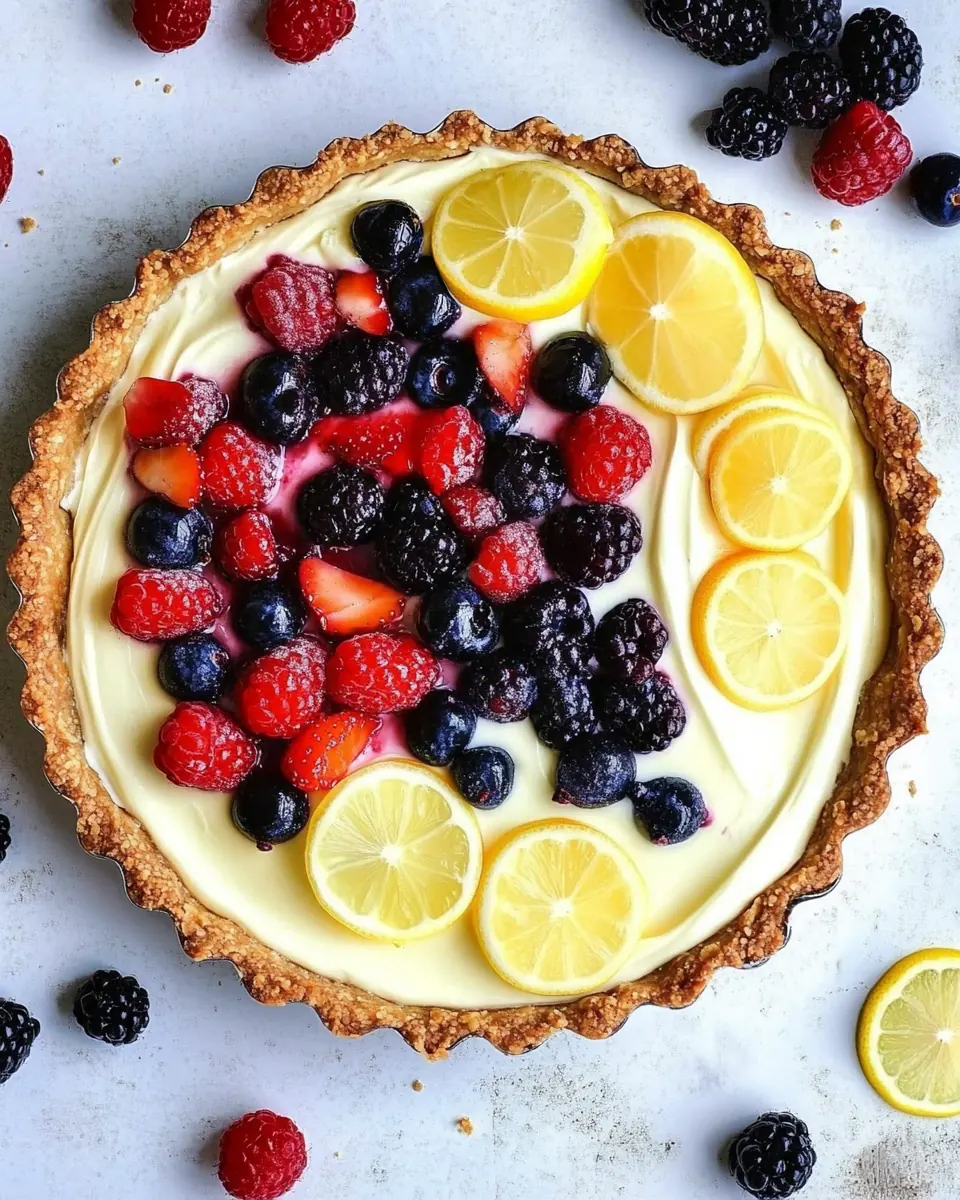
This recipe is about harmony. The crust provides a buttery, slightly sweet base that supports the creamy mascarpone filling, while the berries add freshness and texture. The key players are the unsalted butter for richness, the all purpose flour for structure, and the lemon zest and lemon juice for brightness. Together they create contrast in both flavor and mouthfeel, making every slice sing.
- 2 cups all purpose flour: Provide structure and bulk to the tart crust, creating a tender but sturdy base when combined with fat and sugar; sifts easily to remove lumps and ensures even mixing for a flaky texture.
- 1/4 teaspoons salt: Season the dough subtly to enhance overall flavor balance without overpowering the delicate pastry, helping to activate gluten slightly and highlight the butter and sugar notes.
- 1 cup unsalted butter softened: Contribute richness and moisture to the crust, coating flour proteins to create a tender, flaky texture while lending a creamy, buttery flavor that browns attractively during baking.
- 1/2 cup powdered sugar: Add sweetness and a fine texture to the crust, dissolving into the butter to help tenderize the dough and contribute to a delicate, melt-in-your-mouth finish.
- 1 teaspoon pure vanilla extract: Impart warm aromatic notes and deepen the overall flavor profile of the crust or filling; adds a pleasant background complexity that complements citrus and berries.
- 1 pound mascarpone cheese about 2 cups: Provide a rich, creamy base for the tart filling with a smooth, slightly tangy profile that adds body and luxurious mouthfeel when whipped or folded with sugar and flavorings.
- 1/4 cup powdered sugar: Sweeten and stabilize the mascarpone filling, blending smoothly to balance the cheese's tang while dissolving easily for a silky texture without grit.
- 1 teaspoon fresh lemon juice: Brighten and balance the richness of the mascarpone by adding fresh acidity, cutting through the creaminess to make the filling more lively and refreshing.
- 1 teaspoon grated lemon zest plus more for garnish: Concentrate lemon aroma and intensify citrus flavor in the filling or garnish; adds bright, zesty notes and a fragrant finish that pairs beautifully with berries.
- 1 teaspoon pure vanilla extract: Introduce a second layer of warm aromatic flavor to the filling, reinforcing vanilla notes already present in the crust and creating a cohesive dessert profile.
- 1 pound fresh berries washed, hulled, and sliced as desired: Provide fresh, juicy topping that adds natural sweetness, tartness, and vibrant color to the finished tart; offers textural contrast and makes the dessert visually appealing.
Making Lemon Berry Mascarpone Tart
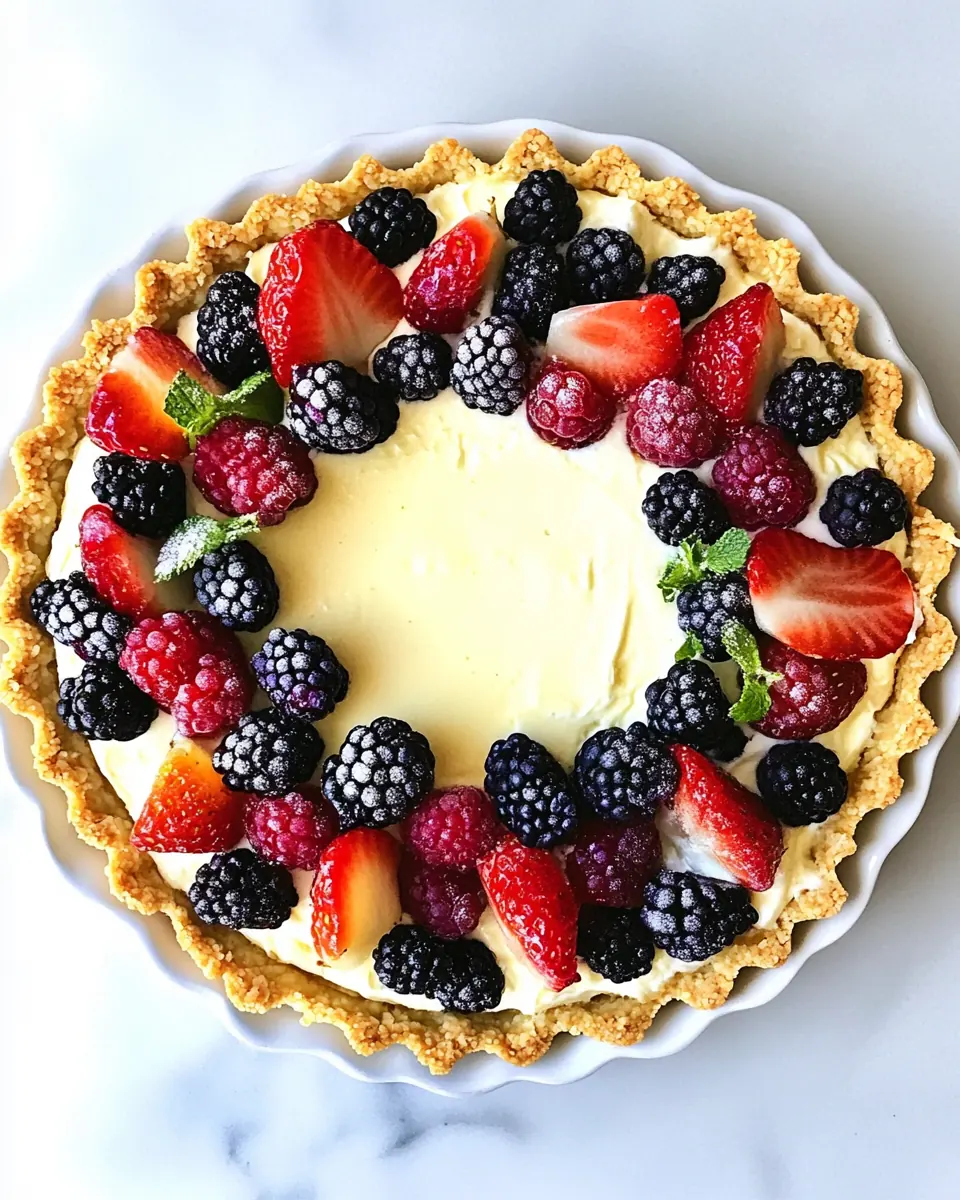
This recipe follows a clear sequence, from building a tender crust to whipping a luxurious filling and finishing with fresh fruit. The structure keeps things approachable, and once you get the rhythm of chilling, pressing, baking, and assembling you will find it almost meditative. Gather your equipment and give attention to texture during each step for the best result.
- To prepare the crust, whisk together the flour and salt in a bowl. In a separate bowl, using a standing mixer or electric hand mixer, cream together the butter and sugar until fluffy. Mix in the vanilla. Beat in the flour mixture on low speed until just incorporated, being careful to not over mix. Use your hands to shape the dough into a ball. Wrap in plastic and refrigerate for 30 minutes.: Warm flour smells faintly nutty and dry, and combining it with salt creates an even foundation for the dough, making it easier to incorporate into butter. Use a whisk or fork to aerate the all purpose flour , which prevents compacting and helps the crust remain light rather than dense. When you blend the dry ingredients thoroughly, you ensure even seasoning and predictable texture. A common mistake is measuring flour by scooping directly with the cup, which compresses it and yields a stiff dough. To avoid this, spoon the flour into the cup and level it. Pay attention to the color and feel; the mixture should look homogeneous and feel slightly powdery.
- Preheat oven to 350 degrees Fahrenheit and grease a 9 inch tart pan with removable bottom.: As you beat unsalted butter with powdered sugar , the mixture will transform from slick and pale to light and airy, with tiny air pockets that help create a tender crust. The sound changes too, going from a soft slosh to a higher pitched, drier finish, indicating adequate aeration. This step matters because it builds structure and distributes sweetness evenly. If you overbeat, the butter can become greasy and warm, making the dough sticky and harder to chill. If under beaten, the crust can be dense. Watch for a pale, slightly fluffy texture as your cue to move on.
- Once the dough has chilled, press the dough into the tart pan and up the sides. Use a knife to score the edges and make them even at the top. Bake for approximately 15 minutes, or until the edges begin to lightly brown. If it has puffed up a little during baking, just gently press it down when you remove from oven. Cool completely in pan.: Adding pure vanilla extract brings a warm aroma that blends seamlessly with the buttery notes. A teaspoon is enough to add complexity without dominating the citrus and mascarpone to come later. Stir just until fragrant to preserve the aeration you created. A typical error here is to add more liquid ingredients at once which can deflate the creamed butter; add the vanilla and blend briefly to incorporate.
- To prepare the filling, combine the mascarpone, sugar, lemon juice, and vanilla in a small bowl and mix until smooth. Spread mixture evenly in cooled tart shell, then top with berries. Garnish with lemon zest.: At this stage the bowl will emit a faint, cozy scent of butter and flour mingling. Mixing on low preserves fragile air pockets and prevents over development of gluten, which would toughen the crust. The dough should come together but remain slightly crumbly before you gather it. Over mixing is the most common problem; it yields a firm, elastic dough rather than a tender one. When the last streaks of flour disappear, stop mixing and proceed to shape.
- Use your hands to shape the dough into a ball: As you gather the dough, the texture becomes more cohesive and the temperature of your hands helps bring it together. Press gently to avoid warming the butter. The dough should be smooth and hold together without being sticky. If it feels too soft, chilling will firm it up. A common pitfall is kneading like bread dough, which activates gluten and creates toughness, so resist extensive handling.
- Wrap in plastic and refrigerate for 30 minutes: Chilling the dough solidifies the unsalted butter which helps preserve flakiness in the bake. Cooling also relaxes any gluten that formed while mixing, making the dough easier to press into the tart pan later. Thirty minutes is usually sufficient, though if your kitchen is warm you might need longer. Avoid skipping this rest, because a warm dough will shrink and lose shape during baking.
- Preheat oven to 350 degrees Fahrenheit and grease a 9 inch tart pan with removable bottom: Preheating ensures the oven is at the correct temperature so the crust begins to set right away and develops even color. Greasing the pan, especially the removable bottom, prevents sticking and helps the tart release cleanly, preserving the edges you scored. If the oven is not fully preheated you may see uneven browning or a soggy bottom. Use a light coat of butter or baking spray to protect the crust.
- Once the dough has chilled, press the dough into the tart pan and up the sides: Pressing chilled dough into the pan should feel cool and firm, and you will hear a slight crinkle as it molds. Work from the center out, building an even thickness across the base and up the sides, then use a knife to score the edges and make them even at the top. An even thickness bakes uniformly and prevents thin spots from over browning. A frequent mistake is to overwork the edges making them too thin. If the dough resists, let it rest a few more minutes to relax and soften slightly.
- Bake for approximately 15 minutes, or until the edges begin to lightly brown: During baking the kitchen will fill with a warm, buttery aroma and you may notice the crust puffing slightly. Light golden edges are your cue that structure is set and flavors are developing. If the crust puffs, gently press it down after removing it from the oven to restore an even base for the filling. Watch closely in the last minutes since an otherwise perfect crust can go from golden to too dark quickly. Err on the side of slightly under browned if you plan to fill it soon, since residual heat can continue to cook the surface.
- Cool completely in pan: Cooling in the pan prevents the crust from breaking when you try to transfer it. As it cools you may feel a faint buttery steam, then the shell will firm and become crisp. Allow full cooling so the filling does not melt into the warm shell, which can make slices sloppy. A common oversight is assembling the tart while the shell is warm, causing the filling to loosen and the fruit to slide off. Patience here preserves clean slices.
- To prepare the filling, combine the mascarpone, sugar, lemon juice, and vanilla in a small bowl and mix until smooth: Mixing mascarpone cheese with powdered sugar , lemon juice , and pure vanilla extract releases a creamy, slightly tangy aroma. The texture should be glossy and spreadable, with no lumps. Smoothness matters because it influences how the filling sits under the fruit and how the first forkful feels on the tongue. If the mixture appears grainy, continue whisking gently until fully integrated. Overbeating can thin the mascarpone, so stop when it is satiny and uniform.
- Spread mixture evenly in cooled tart shell, then top with berries: When you spread the filling, you should feel a gentle resistance and see a smooth surface that cradles the berries . Arrange fruit in clusters or a pattern, pressing just enough so the berries sit snugly without sinking. The contrast between the smooth filling and the juicy fruit is the signature of this tart. Avoid piling fruit too high, which can make slices topple when cut. Aim for balance across the surface so every slice gets a pleasing proportion of filling and berries.
- Garnish with lemon zest: A final dusting of lemon zest adds a bright perfume and an attractive finish. The tiny oil laden strands will catch light and signal freshness. Use a fine grater and sprinkle sparingly; too much zest can introduce bitterness. This small flourish tells your guests that the tart is fresh and thoughtfully finished.
How to Switch It Up
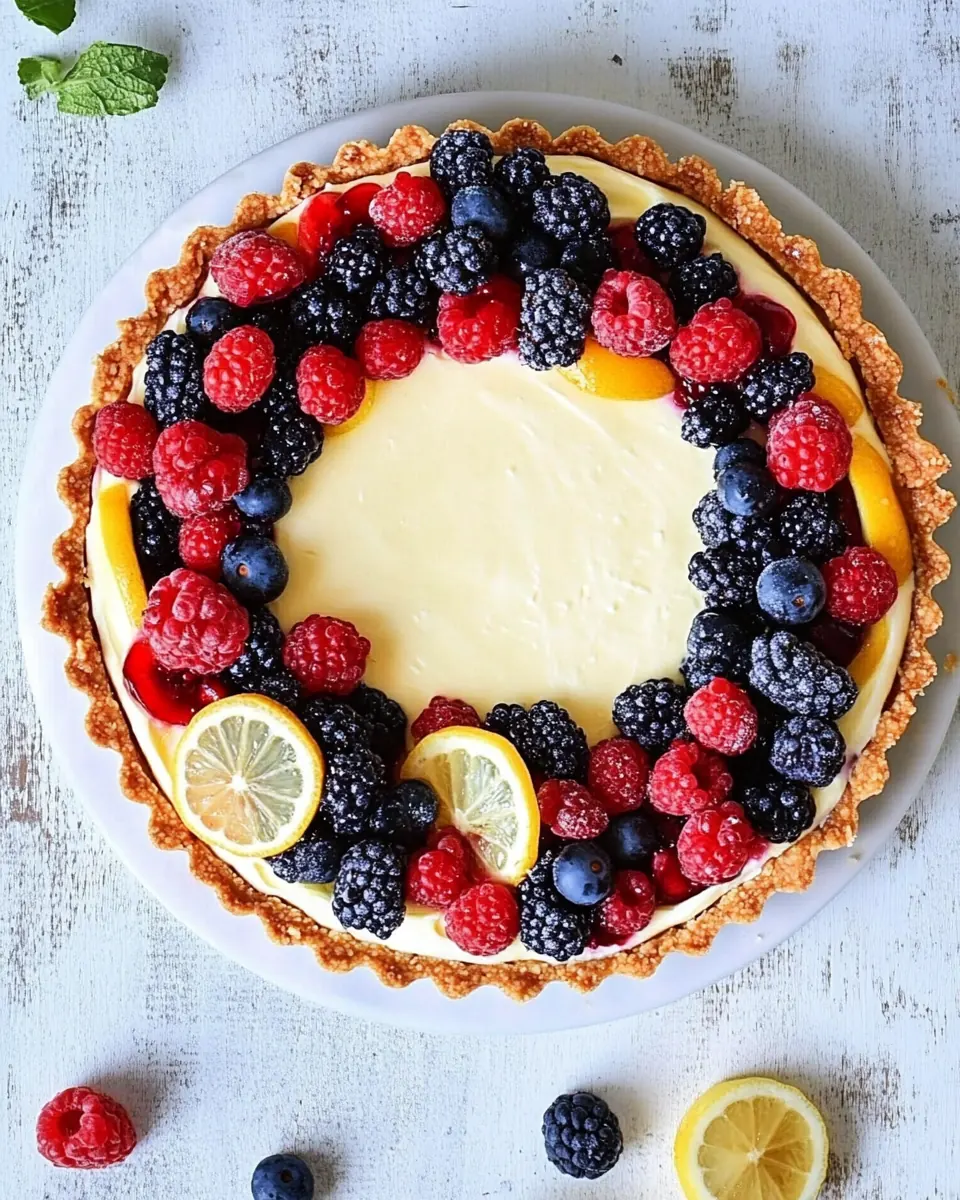
This section offers ways to vary the tart while keeping the same reliable technique. Small tweaks can change presentation, texture, and flavor, letting you customize the dessert for the occasion. Below I expand on ideas and explain how to execute them with confidence.
- Arrange the berries decoratively Use alternating colors and sizes to create a striking pattern, which makes the tart feel special for events. A simple spiral of mixed berries is approachable, while concentric rings look formal. When arranging, press each berry lightly into the filling to anchor it, and avoid piling too high to prevent sliding when slicing.
- Mix berry varieties for complexity Combine sweet strawberries with tart raspberries and blueberries to create a balanced flavor profile. The variety keeps each bite interesting and showcases seasonal fruit. Taste your berries first to understand their sweetness and adjust the filling’s sugar slightly if needed.
- Use a tart pan with a removable bottom This makes serving easier and helps the tart retain its shape. If you do not have one, line a pie dish with parchment for simpler removal. Be mindful when transferring, supporting the bottom to avoid bending the crust.
- Add a light glaze for shine Warm a small amount of apricot jam and brush very lightly over the berries to give them a glossy finish. This step is optional but makes the tart look professionally finished. Apply sparingly to avoid a sticky mouthfeel.
- Prepare the crust ahead You can make the crust dough the day before and keep it wrapped in the refrigerator. This saves time on the day you plan to serve and often improves texture as resting relaxes the gluten. Bring it out a few minutes before pressing if it is extremely firm.
Perfect Matches for Lemon Berry Mascarpone Tart
This tart pairs beautifully with light accompaniments and fits many occasions. I like to think about contrast and season when suggesting matches. Below are detailed serving suggestions, storage notes, and pairing ideas to help you present this dessert confidently.
- Serve with a light tea or coffee A gentle black tea or a mild coffee complements the tart’s bright lemon and creamy mascarpone without overpowering the fruit. Offer both hot and iced options depending on the season to accommodate guests.
- Great for spring brunches The fresh berries and citrus make this an ideal centerpiece for late morning gatherings. Pair with simple egg dishes so the tart remains the sweet highlight of the table.
- Bring to picnics or potlucks Transport the tart on a flat tray and keep it chilled until serving. The sturdy crust and fresh fruit topping travel well if you keep the tart cool during transit to avoid berry shifting.
- Store leftovers properly Cover the tart loosely with plastic wrap and refrigerate up to two days for best texture. The crust may soften slightly over time, so consume sooner rather than later for the best contrast between crisp shell and creamy filling.
- Seasonal adaptation In cooler months, choose berries that are at their sweetest or use a slightly smaller amount to keep the filling prominent. In spring and summer, load up on fresh, ripe berries for maximum brightness.
- Occasions to serve This tart works well for showers, dinner parties, family celebrations, and Ramadan if you need a refreshing dessert after sunset. Its lightness makes it versatile across many menus.
FAQ
Conclusion
This Lemon Berry Mascarpone Tart stands out for its harmonious balance of a crisp, buttery crust, a silky
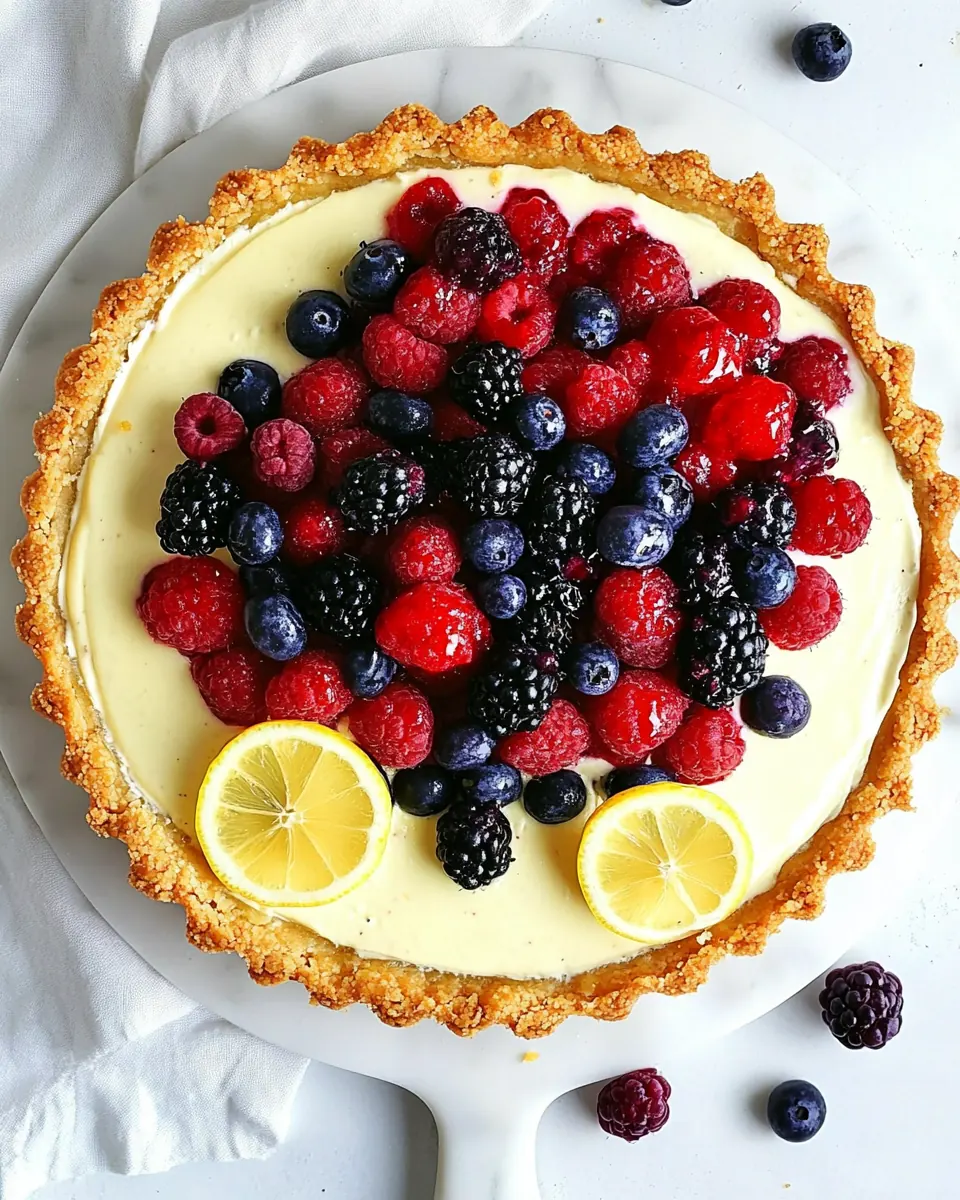
Lemon Berry Mascarpone Tart
Ingredients
Equipment
Method
- To prepare the crust, whisk together the flour and salt in a bowl. In a separate bowl, using a standing mixer or electric hand mixer, cream together the butter and sugar until fluffy. Mix in the vanilla. Beat in the flour mixture on low speed until just incorporated, being careful to not over mix. Use your hands to shape the dough into a ball. Wrap in plastic and refrigerate for 30 minutes.: Warm flour smells faintly nutty and dry, and combining it with salt creates an even foundation for the dough, making it easier to incorporate into butter. Use a whisk or fork to aerate the all purpose flour , which prevents compacting and helps the crust remain light rather than dense. When you blend the dry ingredients thoroughly, you ensure even seasoning and predictable texture. A common mistake is measuring flour by scooping directly with the cup, which compresses it and yields a stiff dough. To avoid this, spoon the flour into the cup and level it. Pay attention to the color and feel; the mixture should look homogeneous and feel slightly powdery.
- Preheat oven to 350 degrees Fahrenheit and grease a 9 inch tart pan with removable bottom.: As you beat unsalted butter with powdered sugar , the mixture will transform from slick and pale to light and airy, with tiny air pockets that help create a tender crust. The sound changes too, going from a soft slosh to a higher pitched, drier finish, indicating adequate aeration. This step matters because it builds structure and distributes sweetness evenly. If you overbeat, the butter can become greasy and warm, making the dough sticky and harder to chill. If under beaten, the crust can be dense. Watch for a pale, slightly fluffy texture as your cue to move on.
- Once the dough has chilled, press the dough into the tart pan and up the sides. Use a knife to score the edges and make them even at the top. Bake for approximately 15 minutes, or until the edges begin to lightly brown. If it has puffed up a little during baking, just gently press it down when you remove from oven. Cool completely in pan.: Adding pure vanilla extract brings a warm aroma that blends seamlessly with the buttery notes. A teaspoon is enough to add complexity without dominating the citrus and mascarpone to come later. Stir just until fragrant to preserve the aeration you created. A typical error here is to add more liquid ingredients at once which can deflate the creamed butter; add the vanilla and blend briefly to incorporate.
- To prepare the filling, combine the mascarpone, sugar, lemon juice, and vanilla in a small bowl and mix until smooth. Spread mixture evenly in cooled tart shell, then top with berries. Garnish with lemon zest.: At this stage the bowl will emit a faint, cozy scent of butter and flour mingling. Mixing on low preserves fragile air pockets and prevents over development of gluten, which would toughen the crust. The dough should come together but remain slightly crumbly before you gather it. Over mixing is the most common problem; it yields a firm, elastic dough rather than a tender one. When the last streaks of flour disappear, stop mixing and proceed to shape.
- Use your hands to shape the dough into a ball: As you gather the dough, the texture becomes more cohesive and the temperature of your hands helps bring it together. Press gently to avoid warming the butter. The dough should be smooth and hold together without being sticky. If it feels too soft, chilling will firm it up. A common pitfall is kneading like bread dough, which activates gluten and creates toughness, so resist extensive handling.
- Wrap in plastic and refrigerate for 30 minutes: Chilling the dough solidifies the unsalted butter which helps preserve flakiness in the bake. Cooling also relaxes any gluten that formed while mixing, making the dough easier to press into the tart pan later. Thirty minutes is usually sufficient, though if your kitchen is warm you might need longer. Avoid skipping this rest, because a warm dough will shrink and lose shape during baking.
- Preheat oven to 350 degrees Fahrenheit and grease a 9 inch tart pan with removable bottom: Preheating ensures the oven is at the correct temperature so the crust begins to set right away and develops even color. Greasing the pan, especially the removable bottom, prevents sticking and helps the tart release cleanly, preserving the edges you scored. If the oven is not fully preheated you may see uneven browning or a soggy bottom. Use a light coat of butter or baking spray to protect the crust.
- Once the dough has chilled, press the dough into the tart pan and up the sides: Pressing chilled dough into the pan should feel cool and firm, and you will hear a slight crinkle as it molds. Work from the center out, building an even thickness across the base and up the sides, then use a knife to score the edges and make them even at the top. An even thickness bakes uniformly and prevents thin spots from over browning. A frequent mistake is to overwork the edges making them too thin. If the dough resists, let it rest a few more minutes to relax and soften slightly.
- Bake for approximately 15 minutes, or until the edges begin to lightly brown: During baking the kitchen will fill with a warm, buttery aroma and you may notice the crust puffing slightly. Light golden edges are your cue that structure is set and flavors are developing. If the crust puffs, gently press it down after removing it from the oven to restore an even base for the filling. Watch closely in the last minutes since an otherwise perfect crust can go from golden to too dark quickly. Err on the side of slightly under browned if you plan to fill it soon, since residual heat can continue to cook the surface.
- Cool completely in pan: Cooling in the pan prevents the crust from breaking when you try to transfer it. As it cools you may feel a faint buttery steam, then the shell will firm and become crisp. Allow full cooling so the filling does not melt into the warm shell, which can make slices sloppy. A common oversight is assembling the tart while the shell is warm, causing the filling to loosen and the fruit to slide off. Patience here preserves clean slices.
- To prepare the filling, combine the mascarpone, sugar, lemon juice, and vanilla in a small bowl and mix until smooth: Mixing mascarpone cheese with powdered sugar , lemon juice , and pure vanilla extract releases a creamy, slightly tangy aroma. The texture should be glossy and spreadable, with no lumps. Smoothness matters because it influences how the filling sits under the fruit and how the first forkful feels on the tongue. If the mixture appears grainy, continue whisking gently until fully integrated. Overbeating can thin the mascarpone, so stop when it is satiny and uniform.
- Spread mixture evenly in cooled tart shell, then top with berries: When you spread the filling, you should feel a gentle resistance and see a smooth surface that cradles the berries . Arrange fruit in clusters or a pattern, pressing just enough so the berries sit snugly without sinking. The contrast between the smooth filling and the juicy fruit is the signature of this tart. Avoid piling fruit too high, which can make slices topple when cut. Aim for balance across the surface so every slice gets a pleasing proportion of filling and berries.
- Garnish with lemon zest: A final dusting of lemon zest adds a bright perfume and an attractive finish. The tiny oil laden strands will catch light and signal freshness. Use a fine grater and sprinkle sparingly; too much zest can introduce bitterness. This small flourish tells your guests that the tart is fresh and thoughtfully finished.
Notes
- Arrange the berries decoratively Use alternating colors and sizes to create a striking pattern, which makes the tart feel special for events. A simple spiral of mixed berries is approachable, while concentric rings look formal. When arranging, press each berry lightly into the filling to anchor it, and avoid piling too high to prevent sliding when slicing.
- Mix berry varieties for complexity Combine sweet strawberries with tart raspberries and blueberries to create a balanced flavor profile. The variety keeps each bite interesting and showcases seasonal fruit. Taste your berries first to understand their sweetness and adjust the filling’s sugar slightly if needed.
- Use a tart pan with a removable bottom This makes serving easier and helps the tart retain its shape. If you do not have one, line a pie dish with parchment for simpler removal. Be mindful when transferring, supporting the bottom to avoid bending the crust.
- Add a light glaze for shine Warm a small amount of apricot jam and brush very lightly over the berries to give them a glossy finish. This step is optional but makes the tart look professionally finished. Apply sparingly to avoid a sticky mouthfeel.
- Prepare the crust ahead You can make the crust dough the day before and keep it wrapped in the refrigerator. This saves time on the day you plan to serve and often improves texture as resting relaxes the gluten. Bring it out a few minutes before pressing if it is extremely firm.