Cottage Cheese Bagels
Cottage Cheese Bagels have been one of those comforting discoveries that arrived on a sleepy Sunday when I wanted a chewy, tender bagel without a long rise or a bakery run. I remember the first batch, when the kitchen smelled of warm flour and toasted seeds, and I sat at the counter sipping tea while they browned in the oven, feeling quietly proud that something so simple could be so satisfying.
I grew up near a bakery where weekends meant a line for fresh bread, yet these Cottage Cheese Bagels gave me a shortcut to that cozy ritual. I like to think of them as an everyday little celebration, the kind of bread that turns buttered mornings into moments worth lingering over. Over time I adjusted the mix, learned how much cottage cheese to fold in so the crumb stays soft, and experimented with seed combos until I found my favorite.
Recipe Snapshot
25 mins
5 mins
20 mins
Easy
200 kcal
American
Gluten-Free, Low FODMAP
Breakfast
Mixing bowl, Parchment paper, Baking sheet, Air fryer
The Appeal of This Cottage Cheese Bagels
They are unbelievably quick
I love that these Cottage Cheese Bagels come together fast, which means I can have fresh bagels for breakfast without blocking out my whole morning. The short active time makes them perfect for busy weeknights or lazy weekends when you still want something homemade and warm.
Texture that surprises
These bagels deliver a tender, slightly chewy interior from the combination of self rising flour and whipped cottage cheese. The protein and moisture from the cottage cheese create a soft crumb that keeps them from feeling dense, while the exterior crisps nicely when baked or air fried.
Versatile topping game
From sesame to poppy, toppings transform these bagels with little effort. I often mix the toppings depending on mood, and they instantly change the eating experience, whether I want something nutty, classic, or savory. They are a great canvas for spreads and sandwiches.
Beginner friendly baking
I appreciate how forgiving the recipe is. If the dough feels dry, you can add a splash more cottage cheese or water, and the shaping is straightforward. For home bakers who feel intimidated by yeasted bagels, this is a calming entry point that still tastes like real bread.
Easy to store and adapt
Leftovers keep well in the fridge and are freezer friendly, so I often double the batch. They reheat beautifully when toasted, bringing back that fresh baked warmth in seconds. That kind of reliability is why I keep this recipe on rotation.
What’s In This Cottage Cheese Bagels
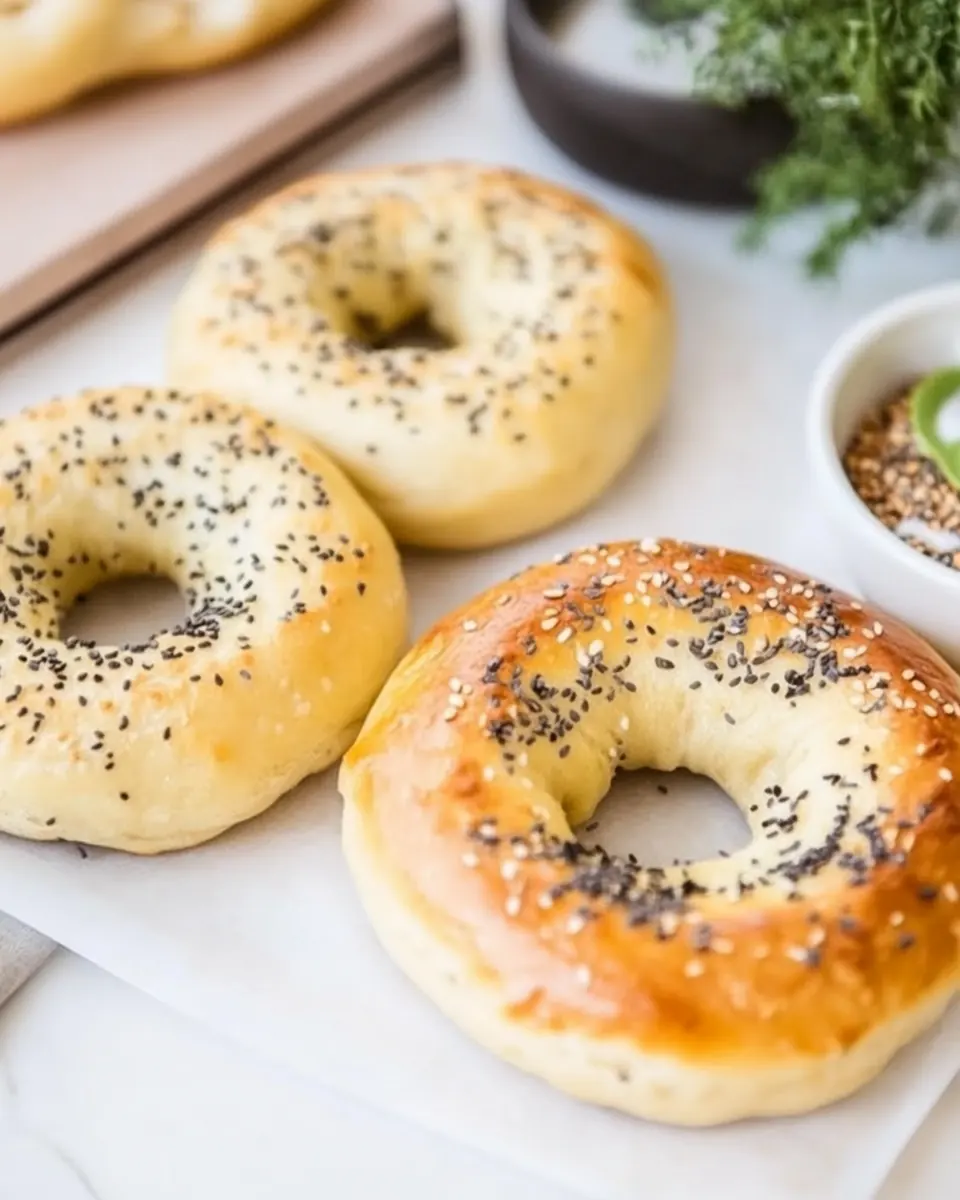
These ingredients are intentionally few and focused on texture and flavor. The combination centers on a high moisture dairy and a self rising flour that gives structure without yeast. Each item plays a clear role so the bagels stay tender, hold their shape, and brown attractively.
- 1 3/4 cups self-rising flour: Provides structure and a tender crumb by supplying gluten and leavening agents already balanced for quick breads; measure gently to avoid dense bagels and sift if clumpy for even mixing.
- 1 cup whipped cottage cheese: Adds moisture, creaminess, and a mild tang that enriches the dough while reducing the need for additional fats; blend until smooth to prevent lumps and ensure even hydration.
- 1 small egg whisked: Enriches the dough with protein and fat, helping bind ingredients and contribute to a soft interior; whisk thoroughly to incorporate air and distribute evenly throughout the mixture.
- 1 tablespoon sesame seeds: Adds a nutty, toasty flavor and an appealing golden finish when sprinkled on top before baking; press gently into the surface so the seeds adhere during cooking.
- 1/2 tablespoon poppy seeds: Provides a subtle crunchy texture and delicate, slightly nutty flavor when sprinkled on the tops; use sparingly for visual contrast and a light pop of flavor.
Making Cottage Cheese Bagels
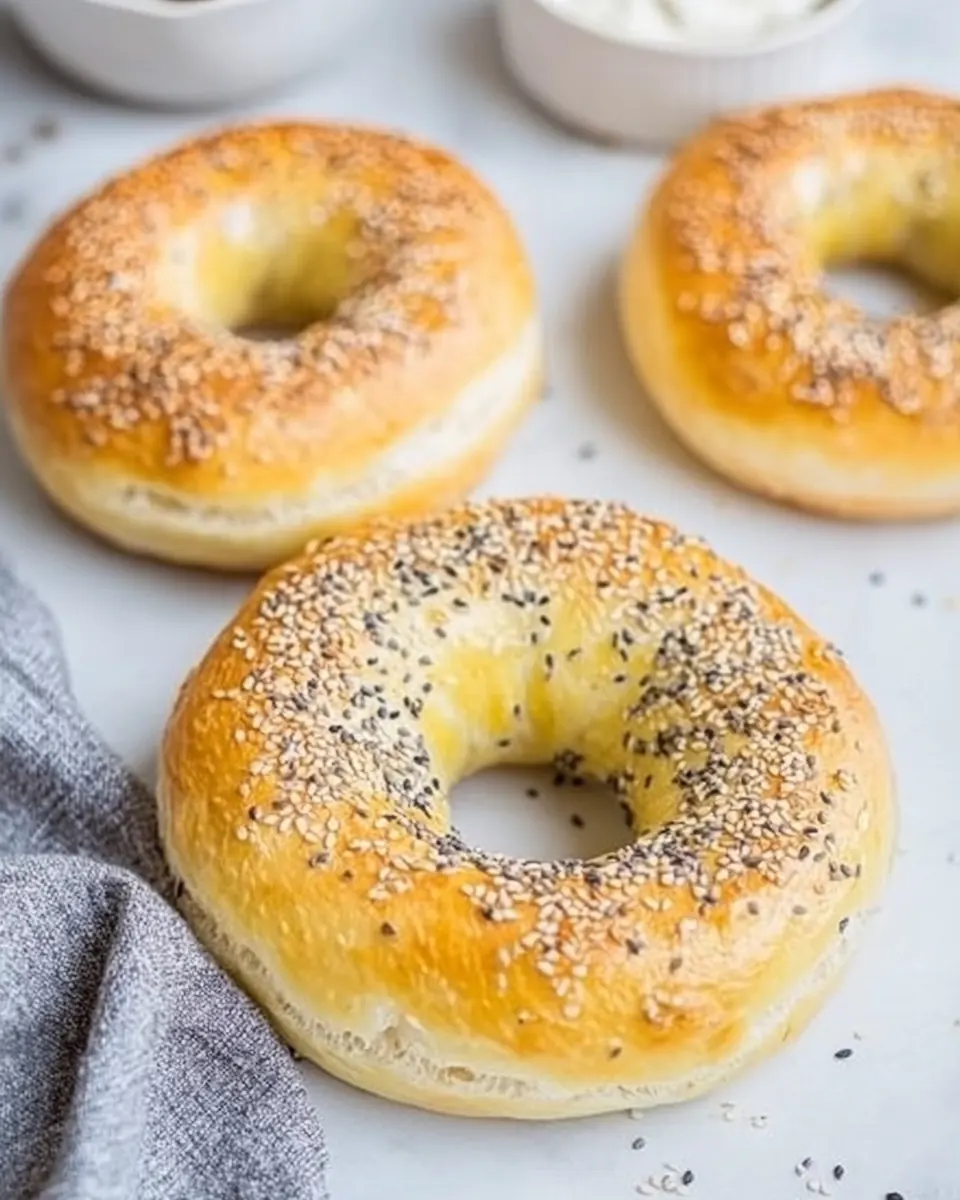
These instructions are straightforward and forgiving. I’ll walk you through temperature cues, dough feel, shaping, and both air fryer and oven finishing so you can choose your preferred method. Keep sensory notes in mind, they tell you when you are on the right track.
- Preheat the oven or the air fryer to 180 C/350 F.: When the oven or air fryer reaches 180 C/350 F , you will notice a faint warming smell, and an even ambient heat that helps the bagels begin browning immediately. Preheating ensures the exterior sets and the interior cooks through correctly, preventing dense, underbaked centers. A common mistake is skipping this step, which can lead to pale, soggy bagels. If your appliance runs hot, reduce the temperature slightly to avoid overbrowning while the interior finishes cooking.
- In a large mixing bowl, combine the flour and whipped cottage cheese and mix/knead them together to form a dough. If the dough seems dry and won’t come together, add more cottage cheese or a little water.: The bowl should feel warm to the touch as you work the ingredients, and the mixture will go from crumbly to cohesive. You’ll hear a soft rustling as the dough is kneaded and see it gather into a mass that is slightly tacky but not sticky. This tactile feedback matters because it tells you the hydration is correct; underhydrated dough will be crumbly, while overhydrated dough will be gummy. Avoid adding too much liquid at once, because a wet dough can be hard to shape and may spread during cooking. If it becomes too sticky, dust your hands and surface with a touch of flour rather than adding large amounts of flour, which can toughen the final crumb.
- Transfer the dough onto a floured surface and shape into eight balls. Roll into a bagel shape.: As you work, the dough should feel smooth and spring slightly back when pressed. Rolling into balls creates surface tension that helps the bagels hold shape, and when you form the bagel hole, you will notice the dough resist and then relax, indicating good structure. The sound is minimal, but you may feel a gentle elasticity as you shape. A frequent error is making the holes too small, which can close up during baking; aim for a modest opening so they remain identifiable when finished. If the dough resists forming, let it rest five minutes to relax the gluten before trying again.
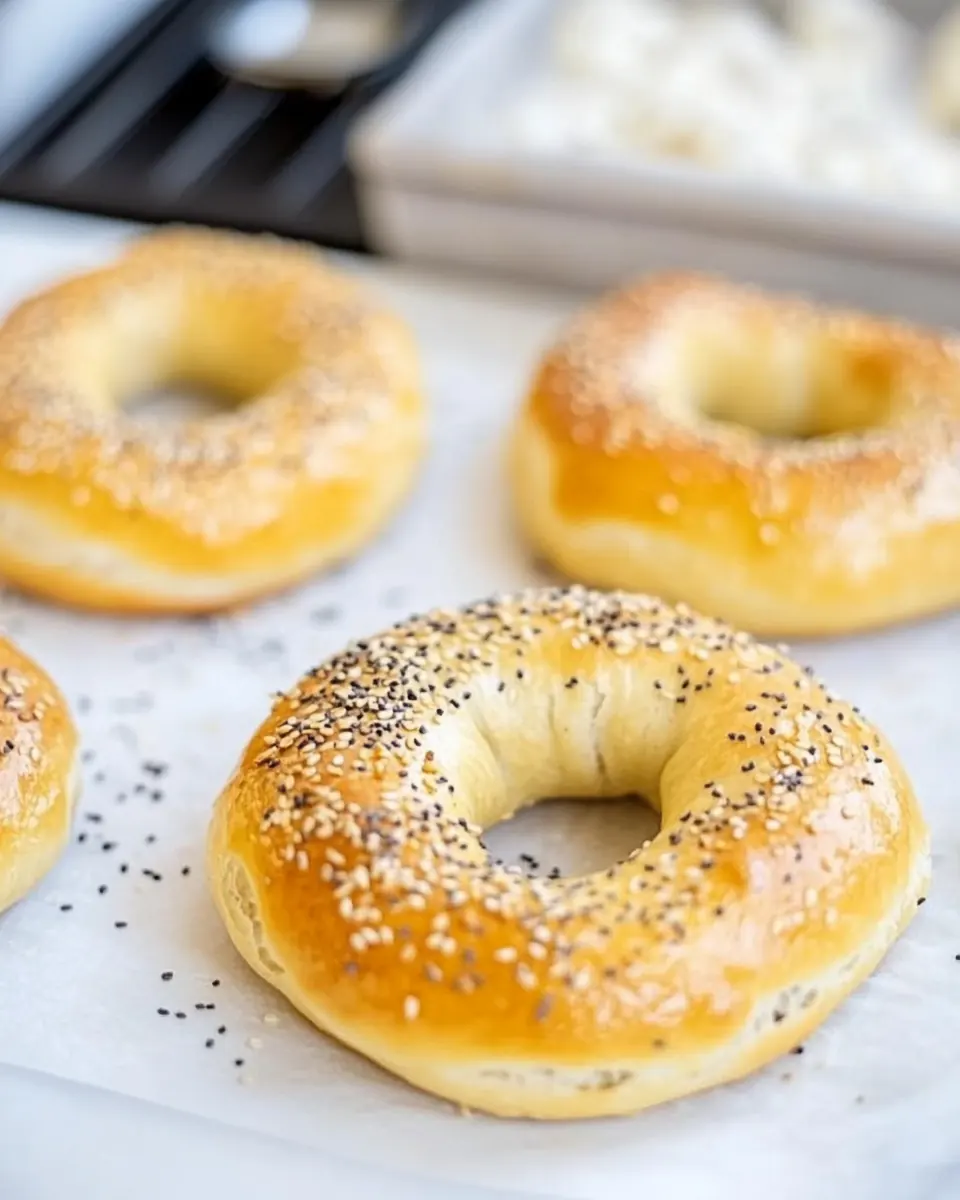
- Place the shaped bagels onto parchment paper and brush with the whisked egg. Sprinkle the toppings of choice.: Brushing with the whisked egg will create a glossy sheen and help the sesame seeds and poppy seeds adhere. The smell of egg on hot dough is subtle but it encourages golden browning. When sprinkling seeds, do so from low height to ensure even coverage and to prevent scattering. One mistake is overbrushing, which can cause pooled egg to create darker spots; use a light, even stroke to achieve uniform color.
- Place the bagels in the air fryer basket and air fry for 10 minutes or until golden brown.: In the air fryer , you will hear a faint rushing sound as hot air circulates; the bagels should come out with an even crisp exterior and a warm, soft interior. The tops will become deep golden and slightly firm to the touch. Air frying shortens the time to a crisp crust, but watch for rapid color change, as one minute can make a big difference. A common pitfall is overcrowding the basket, which interferes with airflow and yields uneven results. Give each bagel space so air can circulate freely.
- Place the bagels on a baking sheet and bake for 18-20 minutes or until golden brown.: In the oven, the bagels will radiate gentle warmth and release a toasty aroma as the crust forms. You want a rich golden color and a hollow sound when you tap the bottom, which signals doneness. The oven provides a more gradual, even bake compared to the air fryer , giving slightly different crust texture. A common mistake is relying on time alone; instead, watch for color and feel to judge readiness. If they brown too quickly, lower the temperature slightly and extend the time so the interior fully cooks without burning the exterior.
Expert Tips about Cottage Cheese Bagels
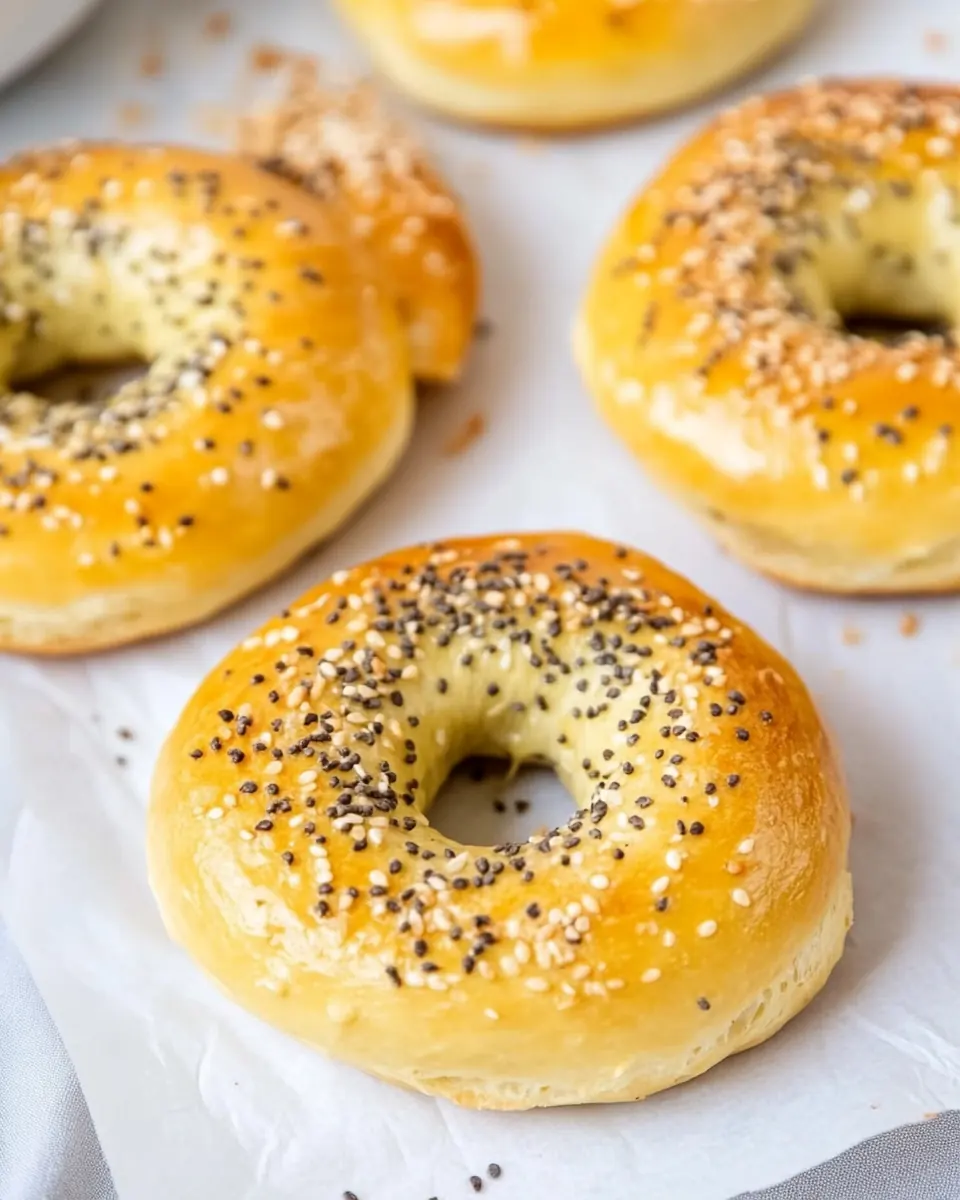
These tips come from repeated batches and small adjustments that made the recipe more reliable. They focus on texture, timing, and storage so you can consistently get a soft interior and a golden crust.
- Egg wash for shine Lightly brushing the whisked egg gives a glossy, golden crust and helps seeds stick.
- Adjust moisture carefully If the dough feels dry, add a spoonful of whipped cottage cheese rather than water to preserve the flavor and texture.
- Choose toppings thoughtfully Sesame seeds and poppy seeds give different textures, so mix them to create visual contrast and varied crunch.
- Use parchment for cleanup Placing bagels on parchment prevents sticking and makes transfer into the air fryer or oven simple.
- Don’t overcrowd the appliance Whether using an oven or air fryer, give each bagel space so heat circulates evenly and they brown uniformly.
- Toast to revive For leftovers, slice and toast the bagel halves to refresh the crust and warm the interior quickly.
What to Pair With Cottage Cheese Bagels
These bagels are versatile and fit many occasions, from casual breakfasts to holiday brunch spreads. Pair them with spreads, toppings, and seasonal sides to elevate the meal.
- Simple breakfast setup Serve toasted halves with butter or cream cheese and a cup of tea or coffee for an easy morning.
- Sandwich style Use as a base for open faced sandwiches, layering with roasted vegetables or cold spreads for lunch.
- Brunch spread Include a bowl of fresh fruit, yogurt, and a small platter of seeds or spreads to create a relaxed brunch board.
- Storage tip Keep leftover bagels covered in the fridge up to five days, or freeze halved bagels for up to six months for long term use.
- Occasions These bagels are perfect for casual gatherings, weekend breakfasts, or a quick Ramadan suhoor because they are easy to prepare and reheat.
- Seasonal twist Swap up toppings to reflect seasons, like seed blends in fall or lighter toppings in summer, to keep the serving experience fresh.
FAQ
Conclusion
These Cottage Cheese Bagels stand out because they are quick, forgiving, and deliver a tender crumb with a golden, seed dotted crust. Give them a try when you want fresh baked bread without a long wait, and enjoy the small ritual of shaping and topping each bagel. Once you taste how well the whipped cottage cheese supports the texture, I think you will find yourself making them again and again for breakfasts, sandwiches, or a cozy snack.
Cottage Cheese Bagels
Ingredients
Equipment
Method
- Preheat the oven or the air fryer to 180 C/350 F.: When the oven or air fryer reaches 180 C/350 F , you will notice a faint warming smell, and an even ambient heat that helps the bagels begin browning immediately. Preheating ensures the exterior sets and the interior cooks through correctly, preventing dense, underbaked centers. A common mistake is skipping this step, which can lead to pale, soggy bagels. If your appliance runs hot, reduce the temperature slightly to avoid overbrowning while the interior finishes cooking.
- In a large mixing bowl, combine the flour and whipped cottage cheese and mix/knead them together to form a dough. If the dough seems dry and won’t come together, add more cottage cheese or a little water.: The bowl should feel warm to the touch as you work the ingredients, and the mixture will go from crumbly to cohesive. You’ll hear a soft rustling as the dough is kneaded and see it gather into a mass that is slightly tacky but not sticky. This tactile feedback matters because it tells you the hydration is correct; underhydrated dough will be crumbly, while overhydrated dough will be gummy. Avoid adding too much liquid at once, because a wet dough can be hard to shape and may spread during cooking. If it becomes too sticky, dust your hands and surface with a touch of flour rather than adding large amounts of flour, which can toughen the final crumb.
- Transfer the dough onto a floured surface and shape into eight balls. Roll into a bagel shape.: As you work, the dough should feel smooth and spring slightly back when pressed. Rolling into balls creates surface tension that helps the bagels hold shape, and when you form the bagel hole, you will notice the dough resist and then relax, indicating good structure. The sound is minimal, but you may feel a gentle elasticity as you shape. A frequent error is making the holes too small, which can close up during baking; aim for a modest opening so they remain identifiable when finished. If the dough resists forming, let it rest five minutes to relax the gluten before trying again.
- Place the shaped bagels onto parchment paper and brush with the whisked egg. Sprinkle the toppings of choice.: Brushing with the whisked egg will create a glossy sheen and help the sesame seeds and poppy seeds adhere. The smell of egg on hot dough is subtle but it encourages golden browning. When sprinkling seeds, do so from low height to ensure even coverage and to prevent scattering. One mistake is overbrushing, which can cause pooled egg to create darker spots; use a light, even stroke to achieve uniform color.
- Place the bagels in the air fryer basket and air fry for 10 minutes or until golden brown.: In the air fryer , you will hear a faint rushing sound as hot air circulates; the bagels should come out with an even crisp exterior and a warm, soft interior. The tops will become deep golden and slightly firm to the touch. Air frying shortens the time to a crisp crust, but watch for rapid color change, as one minute can make a big difference. A common pitfall is overcrowding the basket, which interferes with airflow and yields uneven results. Give each bagel space so air can circulate freely.
- Place the bagels on a baking sheet and bake for 18-20 minutes or until golden brown.: In the oven, the bagels will radiate gentle warmth and release a toasty aroma as the crust forms. You want a rich golden color and a hollow sound when you tap the bottom, which signals doneness. The oven provides a more gradual, even bake compared to the air fryer , giving slightly different crust texture. A common mistake is relying on time alone; instead, watch for color and feel to judge readiness. If they brown too quickly, lower the temperature slightly and extend the time so the interior fully cooks without burning the exterior.
Notes
- Egg wash for shine Lightly brushing the whisked egg gives a glossy, golden crust and helps seeds stick.
- Adjust moisture carefully If the dough feels dry, add a spoonful of whipped cottage cheese rather than water to preserve the flavor and texture.
- Choose toppings thoughtfully Sesame seeds and poppy seeds give different textures, so mix them to create visual contrast and varied crunch.
- Use parchment for cleanup Placing bagels on parchment prevents sticking and makes transfer into the air fryer or oven simple.
- Don’t overcrowd the appliance Whether using an oven or air fryer, give each bagel space so heat circulates evenly and they brown uniformly.
- Toast to revive For leftovers, slice and toast the bagel halves to refresh the crust and warm the interior quickly.