Pan Grilled Red Snapper
Pan Grilled Red Snapper has been my go to on warm evenings when I want something that feels celebratory but does not require a fuss. The first time I cooked this fish I was chasing a crispy edge and a tender, flaky center, and that moment of cutting into a perfectly cooked fillet convinced me this simple method deserves a spot in the weekly rotation.
I remember serving Pan Grilled Red Snapper on a tiny balcony dinner, the scent of olive oil in the air, and how everyone leaned in to take the first bite. That casual scene taught me to trust quick, high heat cooking and minimal seasoning. Over time I refined small details, like patting the fish dry and brushing oil on both sides, which transformed results from good to reliably excellent.
Recipe Snapshot
7 mins
1 mins
6 mins
Easy
300 kcal
American
Keto, Paleo
Dinner
Skillet or Grill Pan, Tongs, Paper Towels
The Charm of This Pan Grilled Red Snapper
1. Bright, pure fish flavor
I love how Pan Grilled Red Snapper showcases the natural sweetness of red snapper fillets without masking it. With only olive oil, salt, and pepper, the flesh sings, and you can actually taste the sea. I often find that simple seasoning lets texture and freshness take center stage.
2. Fast and dependable
I count on this recipe when time is short, because the technique wastes no minutes. A hot pan yields a golden crust in minutes, and the short cook time means the flesh stays moist. I also appreciate how little cleanup is involved, making it practical for everyday dinners.
3. Sensory cues that guide you
I adore recipes where sound and sight tell you what to do. In this dish the sizzling when the fish hits the pan and the shift from translucent to opaque along the sides are reliable signals. I’ve taught friends to use these cues and it helps them cook with confidence, especially if they are nervous about seafood.
4. Versatile for meals
I often serve Pan Grilled Red Snapper for casual lunches or a relaxed dinner. The clean flavors pair with many sides, and it fits many occasions, from a weekday family meal to a simple weekend dinner with friends. Its elegant simplicity makes it easy to dress up or keep plain.
5. Beginner friendly with room to refine
I appreciate that this recipe is forgiving for novices yet rewarding to perfect. Small adjustments in heat or oil application can change the finish, so you can experiment and learn. I always encourage cooks to taste and observe, because those little refinements are where the best versions come from.
What Goes Into Pan Grilled Red Snapper
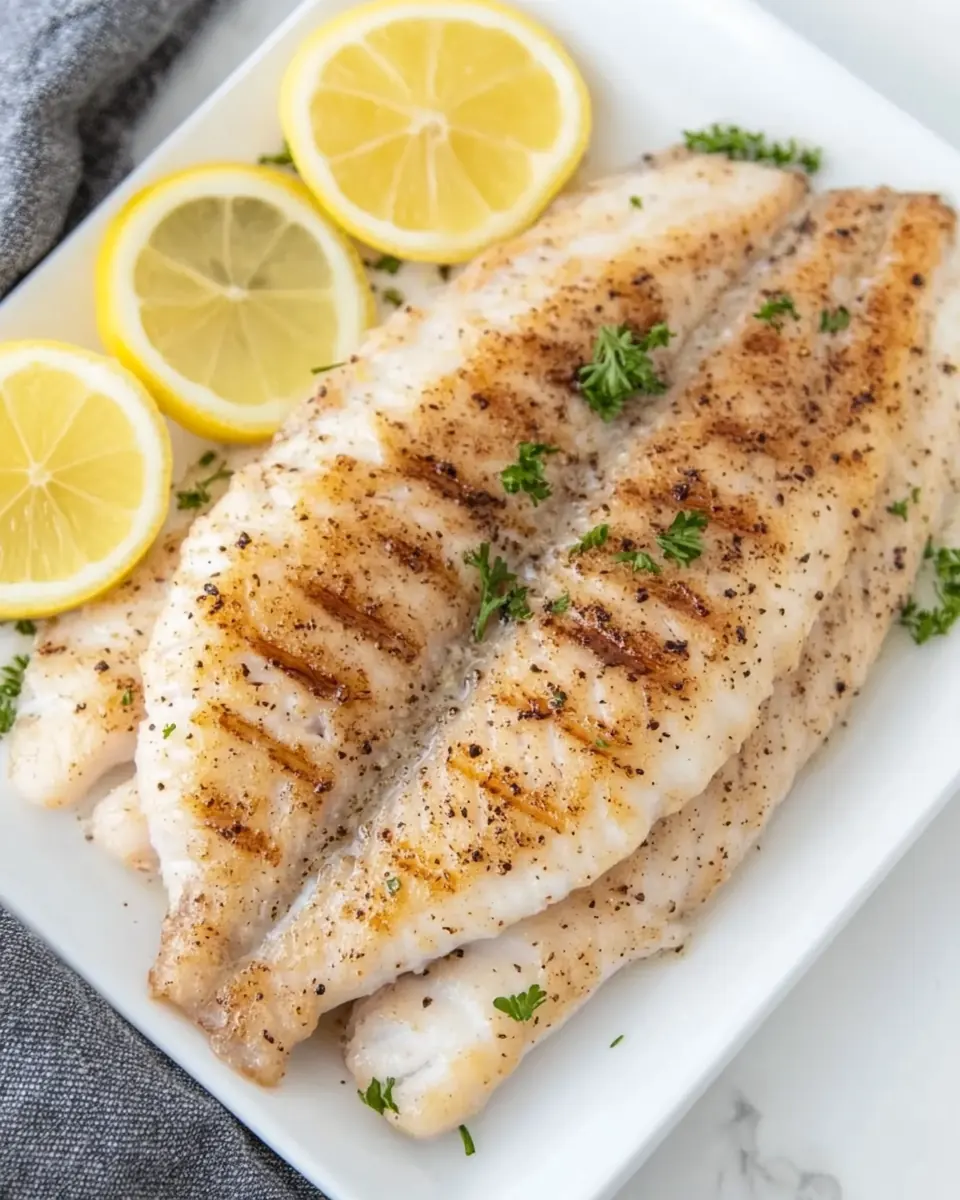
These ingredients are intentionally few and focused on enhancing the fish rather than covering it up. The key players are the red snapper fillets which bring delicate flavor and firm texture, olive oil which promotes browning and stops sticking, and simple seasonings like salt and pepper that sharpen the profile. Together they create a balanced, fresh dish that relies on technique more than a laundry list of components.
- 1 pound red snapper fillets 4-5 fillets: Provide flaky, tender protein and mild sweet flavor that cooks quickly; use skin-on or skinless fillets and pat dry before seasoning to ensure a good sear and even cooking.
- 2 tablespoons olive oil: Coat the fish lightly to prevent sticking and promote a golden crust when pan-grilling; choose extra-virgin for flavor or regular olive oil for higher smoke tolerance.
- 1/2 teaspoons salt: Season simply to enhance natural flavors and help draw out moisture for better browning; sprinkle evenly and adjust to taste, keeping in mind dietary sodium limits.
- 1/2 teaspoon pepper: Add balanced heat and a subtle bite to brighten the dish; freshly ground pepper applied before cooking forms a flavorful crust and complements the fish.
Instructions for Pan Grilled Red Snapper
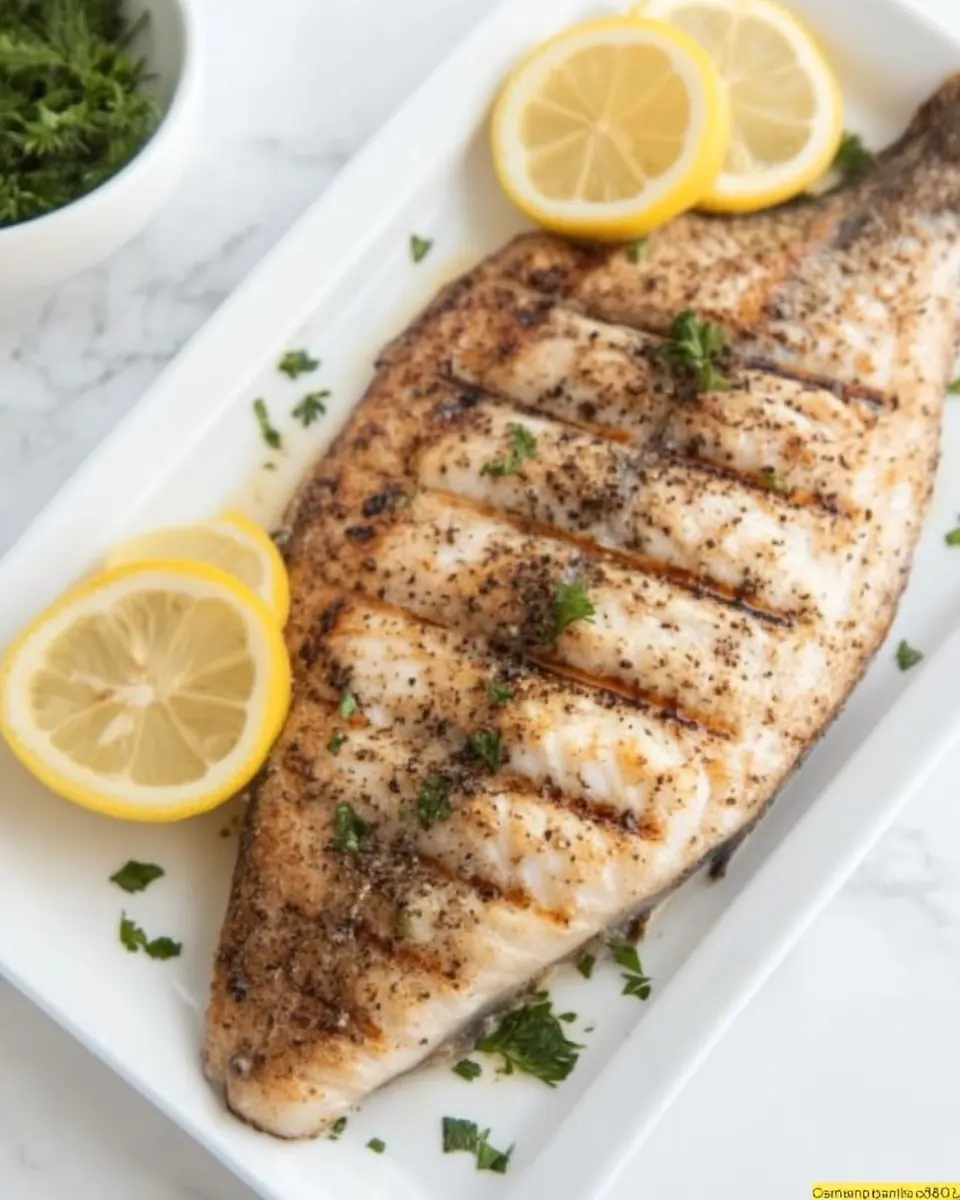
This method is straightforward, and I like to walk you through each sensory cue so you feel certain at every stage. Follow these steps in order and pay attention to the sounds and colors, which will tell you when to move on.
- Pat down the red snapper with a paper towel to ensure there is no excess liquid.: Right away you should notice the dampness going away, and the fillet will feel firmer to the touch. Drying is crucial because moisture on the surface creates steam which prevents the olive oil from making a crisp contact. If the fish is too wet, it will stick, and you will miss the desirable golden edges. A common mistake is rushing this step, which leads to uneven browning and a softer surface rather than a sear.
- Generously rub both sides of the fish with olive oil. Sprinkle the salt and pepper.: When you apply the olive oil , you should see a light sheen across the flesh that helps heat transfer. The salt and pepper should sit visibly on the surface. This combination not only seasons but also amplifies Maillard browning. If you skimp on oil, the fillet can stick and tear when flipped, so be sure it is evenly coated.
- Heat the grill to medium/high and ensure the grill is clean. Brush more oil over the top. Alternatively, grease a skillet or a grill pan.: A properly heated surface gives an immediate sizzle, which is the best indicator that the pan or grill is ready. You should hear the fish meet the heat with a steady hiss and see the surface start to brown at the edges within a minute. If the grill or pan is not hot enough, the fish will cook slowly and lose juices, so preheat thoroughly. A frequent error is adding the fish to a lukewarm surface, which yields soggy skin and poor color development.
- Once hot, add the snapper and cook for 2-3 minutes, or until the sides go slightly opaque. Flip the fish and cook for a further 2 minutes. If it flakes easily with a fork or reaches an internal temperature of 145°F, remove it from the heat.: In the first couple of minutes focus on listening and watching. The exterior should form an edge that turns from translucent to opaque, and the sizzle should remain steady but not violent. You'll notice the aroma deepen as browning begins. This stage sets the texture contrast between the crisp exterior and tender interior. One issue to avoid is flipping too often, which interrupts forming a crust and can cause the fillet to fall apart.
- Serve immediately.: After flipping, the second side cooks faster because the initial sear continues to carry heat inward. Look for the flesh to flake when prodded gently and for the center to lose its translucent sheen. That slight flaking is the signal the protein has set and the texture is just right. Overcooking will dry the fillet, so remove promptly when ready. A typical slip up is leaving it on too long because the cook is distracted, so stay nearby during this short final stage.
- Serve immediately: The finished fillet should present with a lightly crisped exterior and a moist, flaky interior. Serve while warm so the contrast is at its peak. If you hold the fish too long before plating, steam can soften the crust and lessen the textural appeal. A common serving mistake is letting the fillets sit stacked, which traps steam and reduces crispness.
Variations to Try
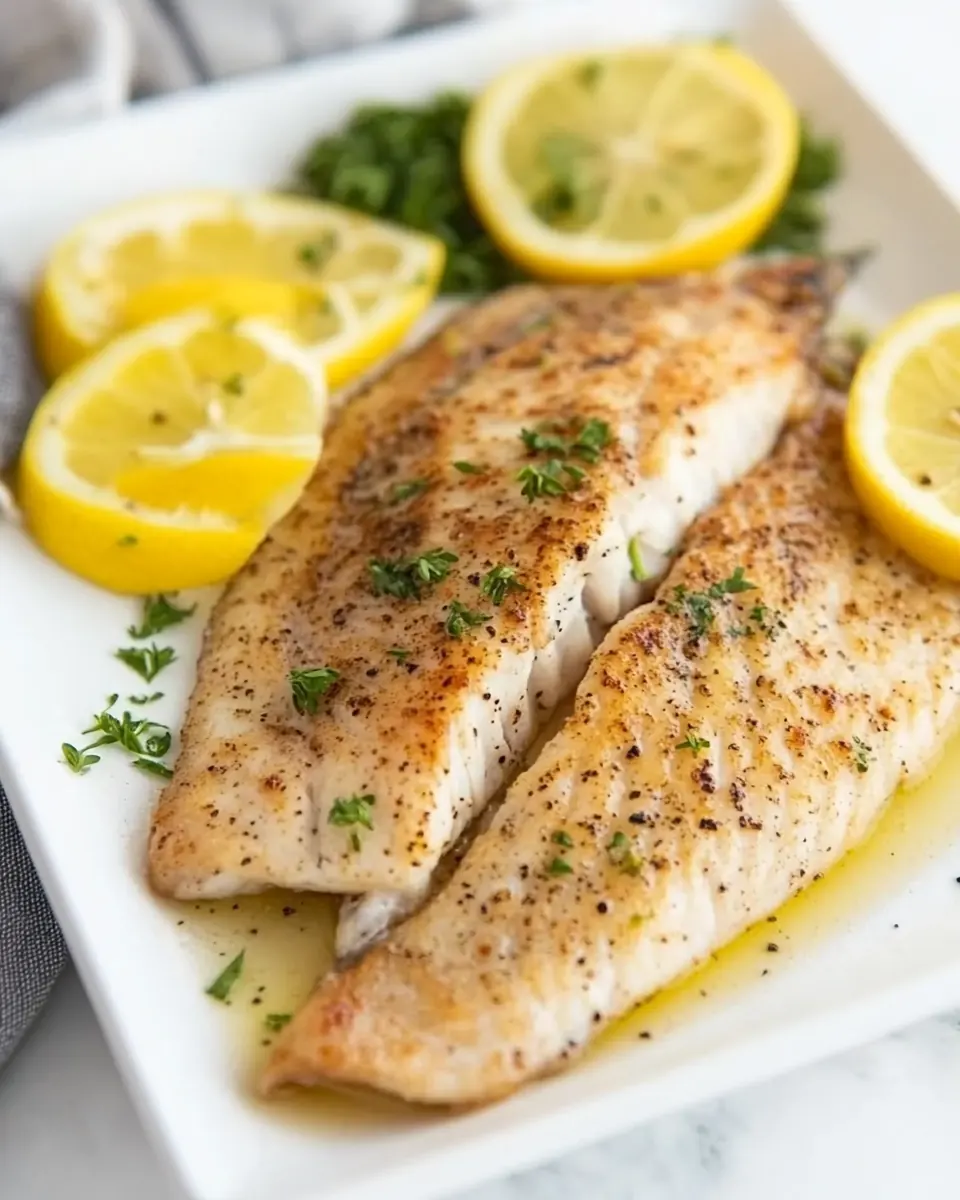
I like to experiment with small twists that respect the simple spirit of Pan Grilled Red Snapper. Each variation keeps the same fast technique but changes a flavor or finish. Below are a handful of reliable directions to personalize the dish.
- Citrus Finish Toss a little fresh citrus juice over the fillet just before serving to brighten the flavor without masking the fish.
- Herb Garnish Scatter chopped fresh herbs on top after cooking to add aroma and a color contrast that lifts the plate.
- Spice Rub Add a small pinch of a gentle spice blend to the salt and pepper for a subtle warmth that complements the fish.
- Pan Sauce After removing the fish, briefly deglaze the pan with a small amount of reserved cooking liquid or broth and spoon it over the fillets for extra richness.
- Quick Compound Oil Stir minced herbs and a little citrus zest into leftover olive oil and brush it on the fish right before serving for an easy flavor boost.
Pairing Suggestions for Pan Grilled Red Snapper
Pan Grilled Red Snapper is flexible on the table, and I often match it with simple sides and seasonal touches that enhance but do not overpower. Below are ways I serve it depending on the occasion, with storage notes and serving cues so you can plan the meal confidently.
- Light Salad Pair the fillet with a crisp mixed green salad dressed lightly to complement rather than compete with the fish.
- Steamed Vegetables Serve alongside lightly steamed seasonal vegetables for a clean, balanced plate that highlights texture and natural flavors.
- Rice or Grain A bed of plain rice or a simple grain pilaf provides a neutral, comforting base that soaks up any juices without overshadowing the fillet.
- Casual Weeknight For an easy weeknight dinner, plate the fish with a quick side of sautéed greens and lemon wedges for brightness.
- Entertaining When hosting, present the fillets on a platter with garnishes and let guests serve themselves; keep extra lemon and herb oil for finishing touches.
- Storage Tip Store leftovers covered in the refrigerator for up to three days as noted; reheat gently on a pan to revive the exterior texture.
FAQ
Conclusion
What makes this recipe special is its ability to produce a restaurant quality result with minimal ingredients and little time. The method highlights the natural flavor and texture of the fish, giving you a crisp outer edge and a juicy, flaky interior. Give it a try on a busy weeknight or for a relaxed weekend meal, and you will find it both reliable and satisfying. I hope you enjoy the simple pleasure of cooking seafood that feels both elegant and effortless.
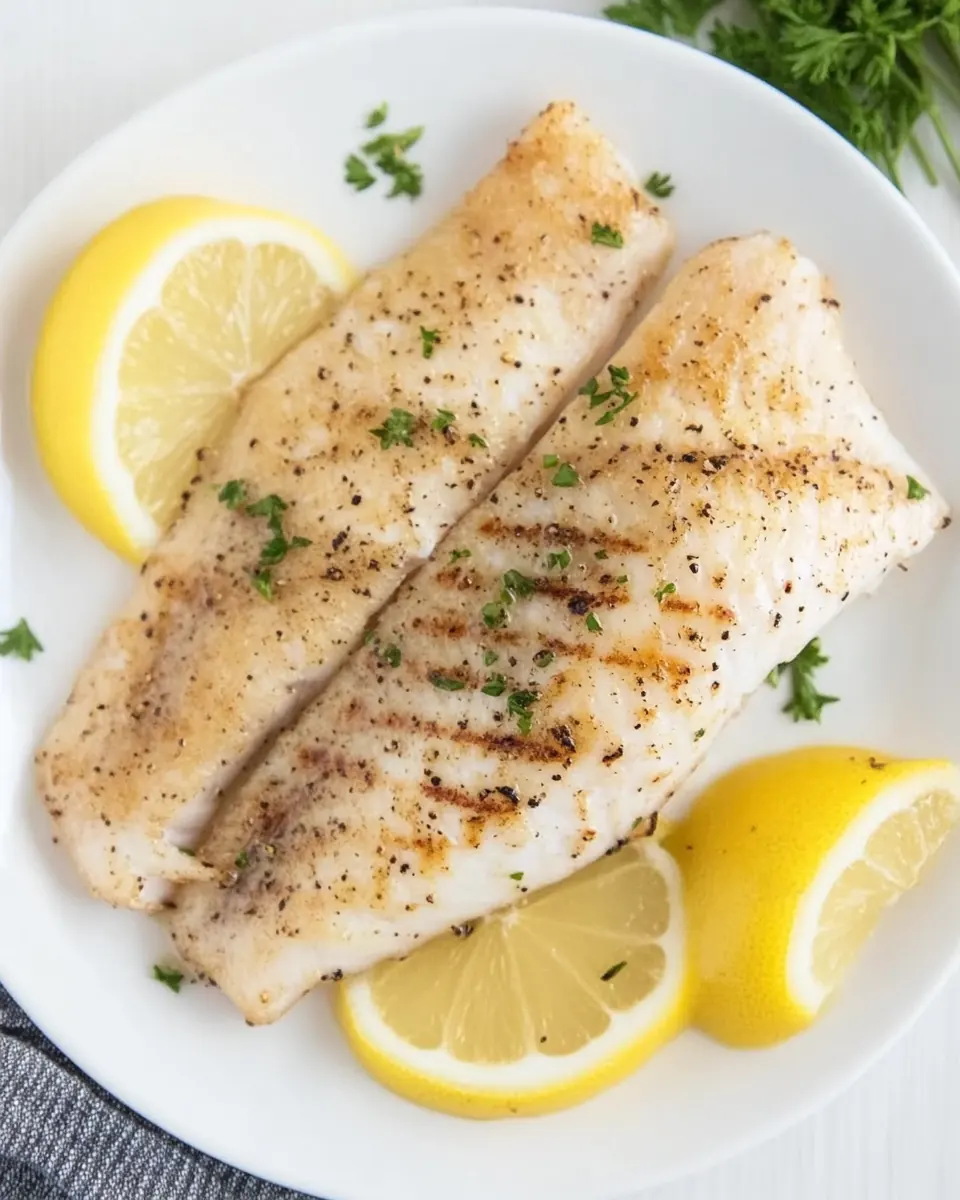
Pan Grilled Red Snapper
Ingredients
Equipment
Method
- Pat down the red snapper with a paper towel to ensure there is no excess liquid.: Right away you should notice the dampness going away, and the fillet will feel firmer to the touch. Drying is crucial because moisture on the surface creates steam which prevents the olive oil from making a crisp contact. If the fish is too wet, it will stick, and you will miss the desirable golden edges. A common mistake is rushing this step, which leads to uneven browning and a softer surface rather than a sear.
- Generously rub both sides of the fish with olive oil. Sprinkle the salt and pepper.: When you apply the olive oil , you should see a light sheen across the flesh that helps heat transfer. The salt and pepper should sit visibly on the surface. This combination not only seasons but also amplifies Maillard browning. If you skimp on oil, the fillet can stick and tear when flipped, so be sure it is evenly coated.
- Heat the grill to medium/high and ensure the grill is clean. Brush more oil over the top. Alternatively, grease a skillet or a grill pan.: A properly heated surface gives an immediate sizzle, which is the best indicator that the pan or grill is ready. You should hear the fish meet the heat with a steady hiss and see the surface start to brown at the edges within a minute. If the grill or pan is not hot enough, the fish will cook slowly and lose juices, so preheat thoroughly. A frequent error is adding the fish to a lukewarm surface, which yields soggy skin and poor color development.
- Once hot, add the snapper and cook for 2-3 minutes, or until the sides go slightly opaque. Flip the fish and cook for a further 2 minutes. If it flakes easily with a fork or reaches an internal temperature of 145°F, remove it from the heat.: In the first couple of minutes focus on listening and watching. The exterior should form an edge that turns from translucent to opaque, and the sizzle should remain steady but not violent. You'll notice the aroma deepen as browning begins. This stage sets the texture contrast between the crisp exterior and tender interior. One issue to avoid is flipping too often, which interrupts forming a crust and can cause the fillet to fall apart.
- Serve immediately.: After flipping, the second side cooks faster because the initial sear continues to carry heat inward. Look for the flesh to flake when prodded gently and for the center to lose its translucent sheen. That slight flaking is the signal the protein has set and the texture is just right. Overcooking will dry the fillet, so remove promptly when ready. A typical slip up is leaving it on too long because the cook is distracted, so stay nearby during this short final stage.
- Serve immediately: The finished fillet should present with a lightly crisped exterior and a moist, flaky interior. Serve while warm so the contrast is at its peak. If you hold the fish too long before plating, steam can soften the crust and lessen the textural appeal. A common serving mistake is letting the fillets sit stacked, which traps steam and reduces crispness.
Notes
- Citrus Finish Toss a little fresh citrus juice over the fillet just before serving to brighten the flavor without masking the fish.
- Herb Garnish Scatter chopped fresh herbs on top after cooking to add aroma and a color contrast that lifts the plate.
- Spice Rub Add a small pinch of a gentle spice blend to the salt and pepper for a subtle warmth that complements the fish.
- Pan Sauce After removing the fish, briefly deglaze the pan with a small amount of reserved cooking liquid or broth and spoon it over the fillets for extra richness.
- Quick Compound Oil Stir minced herbs and a little citrus zest into leftover olive oil and brush it on the fish right before serving for an easy flavor boost.