Add the milk, egg, and oil or butter to a medium bowl. Stir together.: Warmth and sound matter here, you should notice the milk becoming slightly glossy as the egg and fat emulsify, producing a uniform liquid without streaks. This blend creates a cohesive base so the dry ingredients will hydrate evenly, which affects tenderness and browning later. A common mistake is hurried mixing that leaves clumps of egg white or streaks of oil, which can cause uneven texture and pockets of dry flour. If you see separation, whisk a little longer until smooth and homogenous, with a faint sheen indicating the fat is well dispersed.
Gently stir in the flour, baking powder, salt, frozen veggies, and cheese, if using.: Right away you will feel the batter thicken as the whole wheat flour absorbs the liquid, and you will see flecks of cheddar cheese and green, orange, or yellow bits from the veggie medley . The batter should be lumpy but cohesive, not watery, which ensures the pancakes will hold shape and brown correctly. Stirring gently prevents gluten overdevelopment, which keeps the pancakes tender rather than chewy. A typical error is overmixing out of nervousness, leading to dense pancakes; stop once the dry streaks are mostly gone and the veggies are evenly distributed.
Warm a nonstick or cast iron skillet over medium heat. Add a sliver of butter or about 1 teaspoon oil to heat for about 1 minute.: As the pan heats you should smell a faint toasty note from the oil or butter and see a thin shimmering film across the surface. This temperature is crucial for achieving golden edges while cooking the center through. If the pan is too cool the pancakes will absorb oil and become greasy, and if it is too hot they will char before the inside cooks. A common troubleshooting tip is to test with a small drop of batter; it should sizzle gently and spread slowly, not spatter or sit without sound.
Portion out pancakes, using about 1/4 cup batter at a time. It should spread flat on its own, but you can also spread it out a little with a spoon if needed.: When the batter hits the skillet you will hear a quiet sizzle and watch it settle into a circular shape; the surface will show a glossy wet sheen at first. Let it sit undisturbed until you notice the edges turning matte and set, which signals the structure is forming and the bottom is browning. Resist the urge to press or flip prematurely, as that can tear the pancake and release steam, making the interior soggy. If your portions spread too thin, the batter may be too loose, so add a touch more flour or reduce the milk slightly next time.
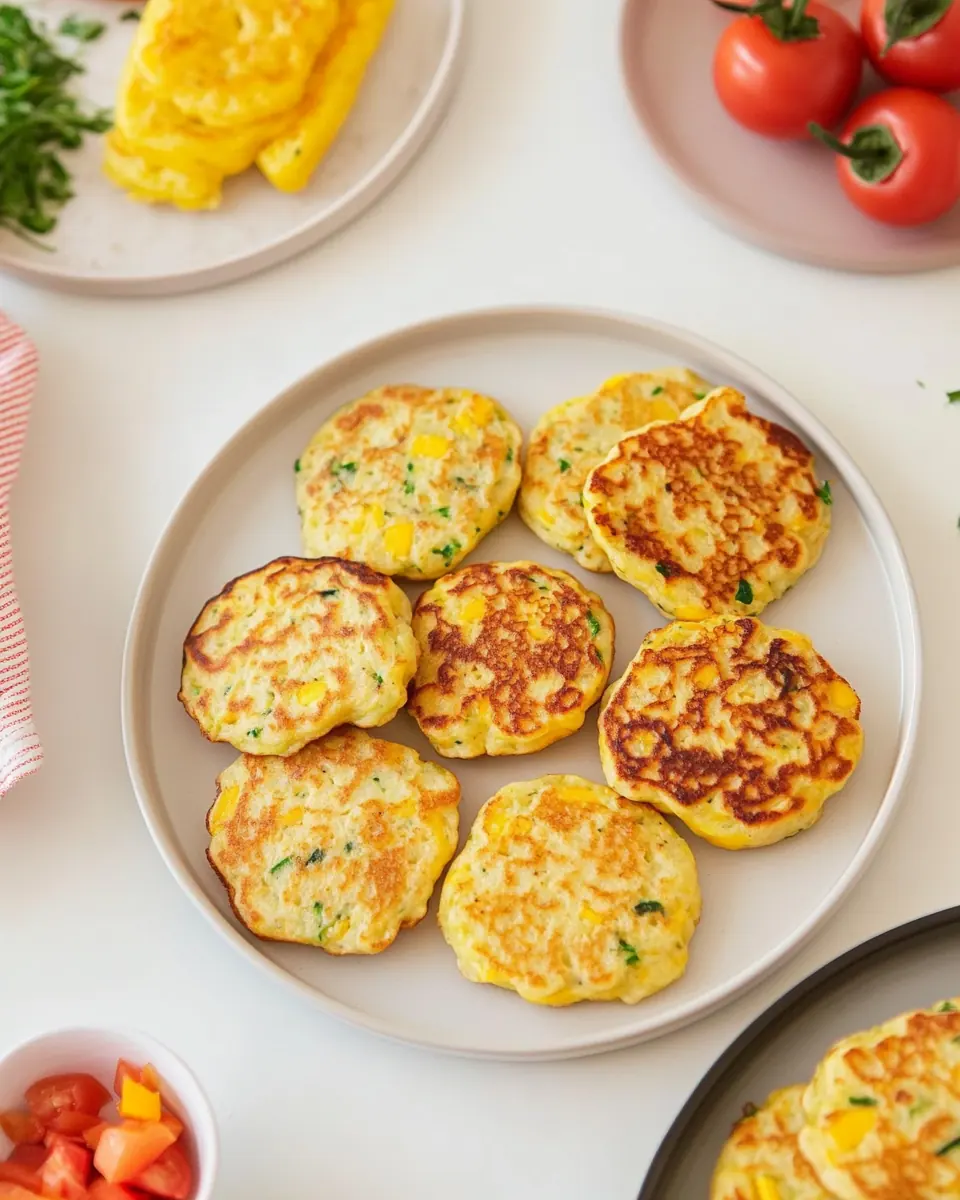
Cook for 2-3 minutes on each side, waiting to flip them over until they are set around the edges, golden brown, and you see little bubbles on the surface of each.: As they cook you will observe tiny bubbles rising and popping on the surface, and the edges will develop a golden rim that signals readiness to flip. Turning them at the right moment preserves the tender interior and creates an appealing crust that crackles softly when bitten. If you flip too early the pancakes may fall apart, and if you leave them too long they can overbrown and taste bitter. One troubleshooting trick is to watch the underside after a test flip to calibrate your stove; adjust heat as needed to maintain an even golden color.
Serve warm with sour cream, Cucumber Sauce, ketchup, or salsa as desired.: The finishing contrast is all about temperature and texture, so serve the pancakes hot enough that the cheddar cheese still feels slightly melty and the edges retain crispness. Pairing with a cool dollop of sour cream or a bright sauce adds acidity and cuts through the richness, enhancing each bite. A simple mistake is stacking too many pancakes before serving, which traps steam and softens the crust, so arrange them in a single layer or reheat briefly in a warm oven to restore crispness.