French Toast Casserole
French Toast Casserole is one of those recipes I reach for when I want comfort and ease without fuss. The first time I made this for an oversized Sunday morning crowd, the kitchen filled with warm cinnamon and caramelizing brown sugar, and everyone kept coming back for more. It felt like hosting with minimal effort, and that memory keeps pulling me back to this dish whenever I need something both homey and impressive.
I remember tearing into a slightly stale loaf, knowing that the texture would soak up the custard and become custardy in the center while still providing tender edges. That contrast between soft interior and a lightly crisp top makes French Toast Casserole so special to me. Over the years I have tweaked the crumb topping and learned to watch for the telltale golden spots in the baking dish as the sign it is done. Each time I serve it, guests ask for the recipe, and I always tell them it is forgiving and perfect for feeding a crowd.
Making this has become a ritual for holiday mornings and slow weekend brunches alike, because it allows me to prepare most of the work ahead of time, then pop it in the oven and enjoy the aromas while I sip coffee. Even on busy mornings, I love that I can add a few optional touches like sliced banana right before baking to make it feel more personal. The combination of bread, eggs, and warm spices creates an irresistible welcome in my home, and I hope it will do the same for you.
Recipe Snapshot
50 mins
10 mins
40 mins
Medium
350 kcal
American
Gluten-Free, Low FODMAP
Breakfast
9×13 inch baking pan, Mixing bowls, Whisk, Fork or pastry cutter
The Best Thing About This French Toast Casserole
Comfort in Every Bite
I adore how French Toast Casserole delivers that familiar, warming flavor of classic bread and eggs, while feeding a crowd with very little hands on time. The custardy center and slightly crisped top create a texture contrast I keep chasing in other recipes, and this one nails it every time.
Hands Off, Big Impact
What draws me to this recipe is how it scales. You toss the soaked cubes into a 9 by 13 pan, sprinkle the crumb topping, and let the oven do the work. That makes it ideal for mornings when you want to be present with guests instead of stuck at the stove. I often prep the night before so flavors mingle and the dish bakes up even more cohesive.
Built In Sweetness and Spice
The blend of brown sugar and cinnamon gives a layered sweetness that feels home made rather than saccharine. I find the balance here comforting, because the custard is subtly sweet while the crumb offers bursts of caramelized sugar that sing with each forkful.
Versatile and Adaptable
One of my favorite things is how easy it is to personalize. You can choose brioche for extra richness, or a sturdier sourdough if you like chew. Adding sliced fruit like banana right before serving brings freshness and a contrasting texture, which I often do for weekend brunches.
Reliable for Gatherings
Finally, this casserole is dependable. I have brought it to potlucks and family breakfasts, and it always vanishes fast. It reheats well, and leftovers make a comforting second breakfast or dessert. For home cooks who want something both approachable and crowd pleasing, this hits the mark.
Ingredients You’ll Need for French Toast Casserole
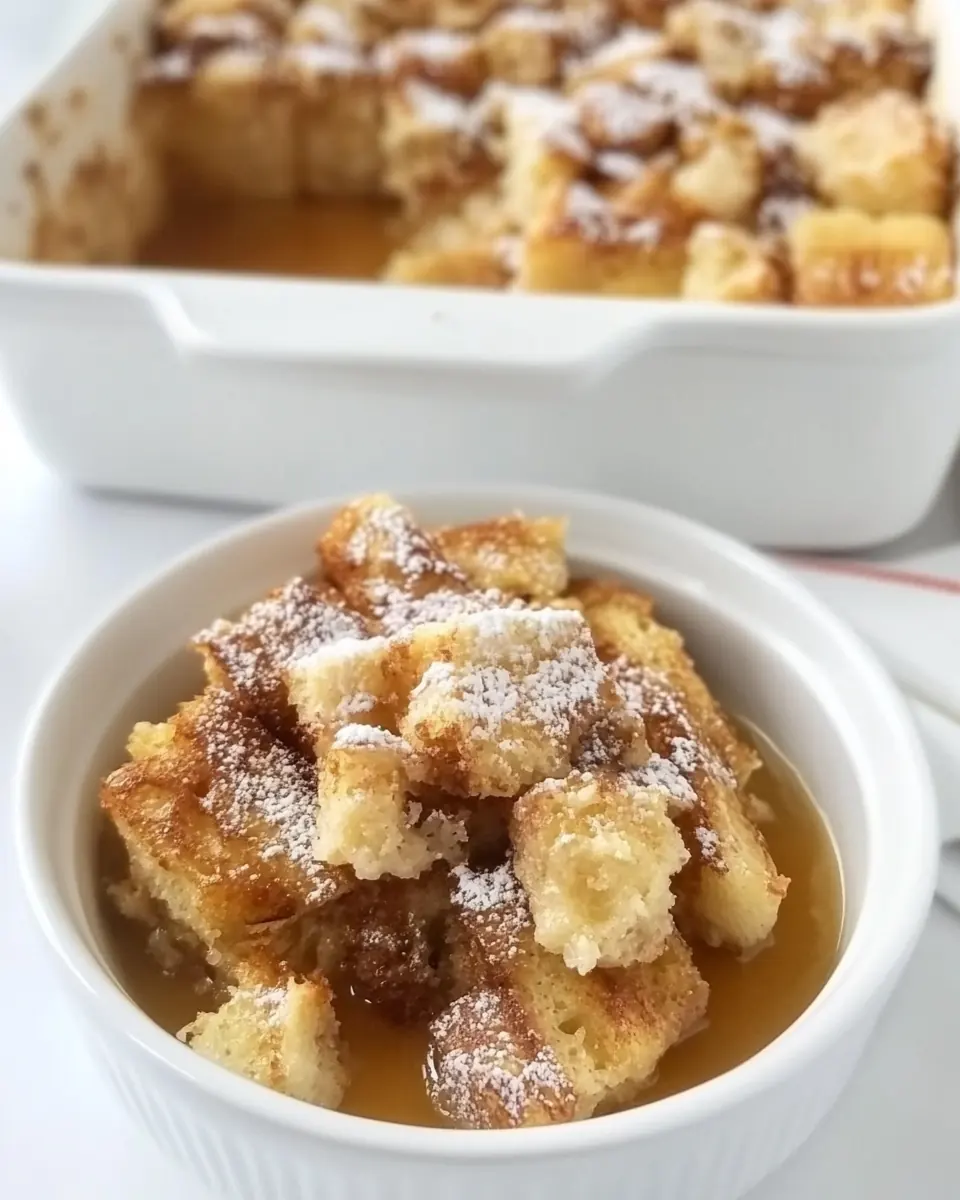
These ingredients form a simple orchestra that plays classic breakfast flavors with minimal fuss. The custard base soaks into the bread, creating a tender interior while the crumb topping caramelizes into crunchy pockets. Key players like eggs, milk, and brown sugar are responsible for the custardy texture and sweet notes, while a pinch of salt and warm cinnamon lift the flavors so they feel balanced and rounded.
- 1 pound bread loaf brioche, french or sourdough: Tear or cube into large pieces to provide a sturdy, absorbent base that soaks up custard while preserving some texture after baking. Choose slightly stale brioche, French or sourdough for best structure and flavor balance in the casserole. Ensure even sizing so the bread cooks uniformly and yields a cohesive, sliceable finished dish.
- 7 large egg: Whisk thoroughly to create a rich custard that binds the casserole and sets during baking, contributing structure and a silky mouthfeel. Use seven large eggs for sufficient protein and emulsification to hold the soaked bread together. Beat until homogenous to incorporate air for a light yet stable texture.
- 2 cups milk: Warm slightly or use cold as needed to thin the custard and create a creamy consistency that hydrates the bread evenly. Two cups of milk add moisture, richness, and tenderness while helping dissolve sugar and distribute flavor. Choose your preferred milk fat level to adjust the casserole's final creaminess.
- 1/4 cup brown sugar: Dissolve well into the custard to provide caramel-like sweetness and depth, complementing the spices and vanilla. A quarter cup of brown sugar enhances color and yields a subtle molasses note that deepens the overall taste. Stir until fully integrated so it doesn't settle during baking.
- 1 tablespoon vanilla extract: Add a fragrant, sweet aroma and amplify other flavors by blending into the custard; vanilla extract brightens the overall profile. One tablespoon offers a balanced, classic flavor that pairs well with cinnamon and brown sugar. Measure carefully to avoid overpowering the delicate custard.
- 2 teaspoon cinnamon: Sprinkle or whisk into the custard to provide warm, aromatic spice and gentle complexity throughout the dish. Two teaspoons of cinnamon deliver a pronounced yet harmonious spice that complements sweet and savory notes. Distribute evenly to prevent clumping and to flavor every bite consistently.
- 1/4 teaspoon salt: Blend into the custard to balance sweetness and enhance other flavors while aiding in overall seasoning. A quarter teaspoon of salt heightens taste perception and prevents the casserole from tasting flat. Dissolve fully so the seasoning is uniform throughout the dish.
- 1/4 cup flour: Combine with topping ingredients to create a slightly thick, crisp streusel that contrasts the soft interior of the casserole. A quarter cup of flour gives structure to the topping when mixed with butter and sugar, producing a pleasant crunch after baking. Use all-purpose flour for reliable texture and binding.
- 1/4 cup brown sugar: Mix with flour and butter to build a caramelized, sweet streusel layer that adds textural contrast and extra sweetness. A second quarter cup of brown sugar boosts the topping's caramel notes and encourages a golden, crisp finish. Ensure even distribution so the topping browns uniformly.
- 1 teaspoon cinnamon: Stir into the topping mixture to infuse warm spice and enhance the dessert-like character of the casserole. One teaspoon of cinnamon in the streusel complements the custard's cinnamon and contributes depth to the crunchy topping. Combine evenly with dry ingredients before cutting in butter.
- 1/4 cup butter room temperature: Soften and cut into the streusel to create rich, tender clumps that brown and melt slightly, producing a buttery crust. A quarter cup of room–temperature butter binds the topping and promotes a golden finish with a satisfying mouthfeel. Work gently to achieve pea-sized pieces for optimal texture.
- 2 medium bananas (optional): Slice and layer as an optional fruit addition to introduce fresh sweetness and a fruity contrast to the custardy, cinnamon-forward flavors. Two medium bananas contribute natural sugars and a soft, creamy bite when baked, enhancing the overall balance without overpowering other ingredients. Add just before baking to retain some banana shape and avoid excessive mushiness.
Preparation Steps for French Toast Casserole
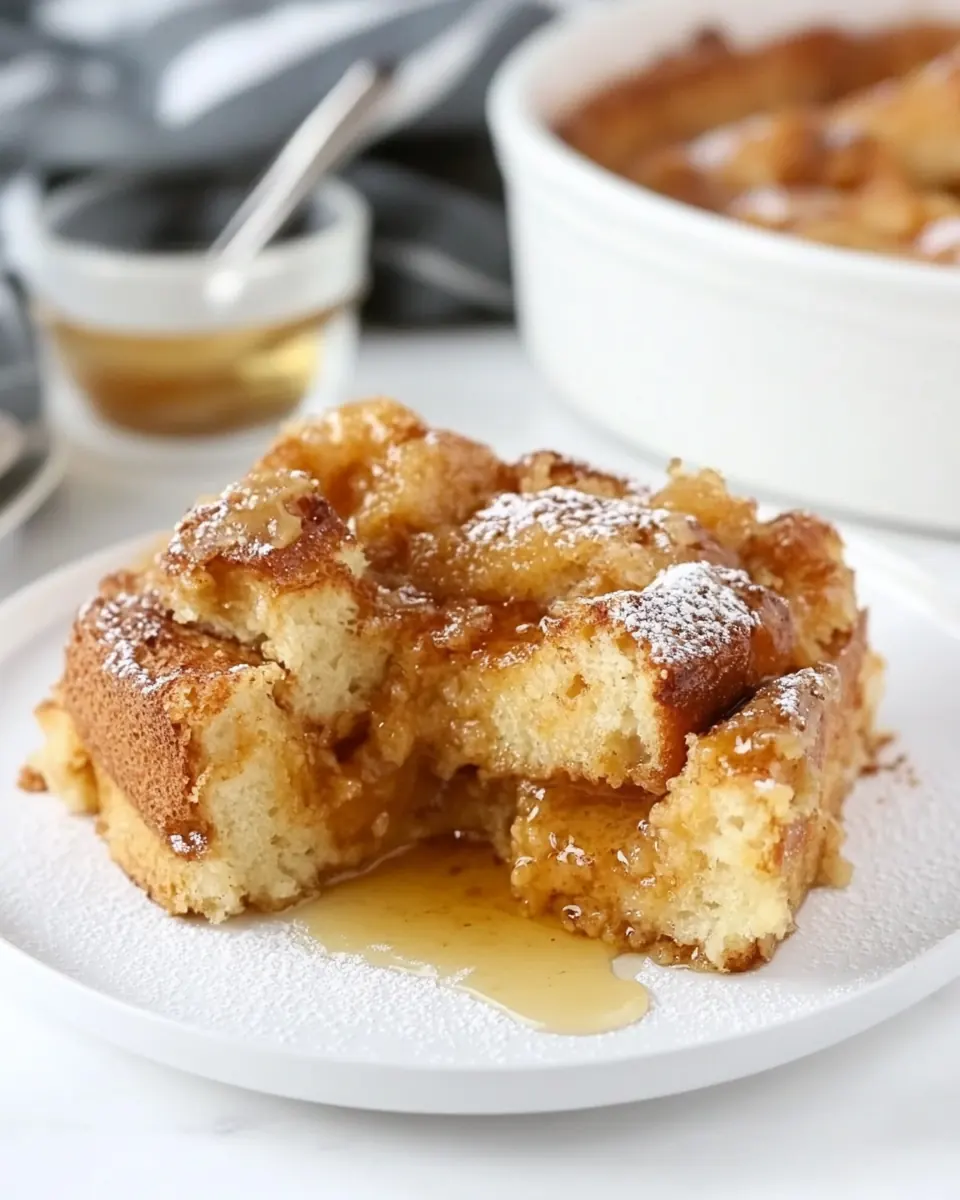
I like to think of this as a relaxed, multi part morning ritual. The following steps will guide you from prepping the pan to pulling a golden, fragrant casserole from the oven. Take your time with the custard and crumb so textures develop properly, and use your senses as your guide.
- Preheat oven to 350 degrees and grease a 9×13 inch pan.: Warmth from the oven transforms the custard into a tender set while the top browns, and greasing the pan prevents sticking and helps the edges crisp slightly. You should feel the release of a warm, buttery aroma when the oven comes to temperature, and the pan should feel warm to the touch for faster heat transfer. One mistake is skipping greasing, which can cause edges to cling, making serving messy. If your oven runs hot or cold, use an oven thermometer to ensure an accurate 350 degrees .
- Cut the bread into 1 inch cubes and place in a large bowl.: The scent of slightly stale bread being sliced is part of the ritual, and uniform 1 inch cubes soak the custard evenly so you get consistent texture throughout. You want cubes that are substantial enough to hold some structure but porous enough to absorb the custard. A common error is cutting inconsistent sizes, which leads to some pieces becoming mushy while others remain under soaked. If your loaf is very fresh, let the cubes rest on a tray for 30 minutes to firm up a bit before soaking.
- In a separate bowl, whisk together the eggs, milk, brown sugar, vanilla, cinnamon and salt. Pour over your bread cubes and gently toss to coat. Spread the mixture evenly into the prepared baking dish.: As you whisk, the mixture should become smooth and slightly frothy, with the aroma of cinnamon and vanilla rising. This emulsion ensures the flavors disperse evenly into every piece of bread . The custard should look homogeneous, without any streaks of egg white or pockets of dry sugar. Underwhisking is a frequent misstep, which can cause uneven texture in the baked casserole. Use a whisk or fork to fully combine until the sugar has mostly dissolved.
- For the crumb topping, add the flour, brown sugar and cinnamon to a small bowl. Stir to combine, then cut in butter using a fork or your fingers until the mixture resembles coarse crumbs. Sprinkle over the casserole.: You will hear the soft glug of custard and see the bread absorbing liquid, puffing slightly as it soaks. Toss gently so cubes remain intact but fully coated, then arrange them in a single even layer so heat distributes uniformly in the oven. If you crowd the pan or leave dry pockets, some areas will bake differently. Avoid vigorous stirring which can break the bread into crumbs; gentle folding is best.
- Bake for 30-40 minutes or until lightly browned and cooked through.: Mixing these dry components releases a toasty, sugary scent as you combine them, which foreshadows the caramelized bits you will get after baking. The goal is a homogenous dry mix that will accept the butter, forming sandy bits distinct from the custard below. A typical slip up is overworking the mix with too much liquid, which prevents crumb formation and produces a paste rather than crunchy crumbs.
- Serve warm with fresh banana slices and maple syrup!: When you cut in the softened butter , you want to feel small pebble like bits in the palm of your hand; these will brown and crisp up. As you sprinkle, notice the contrast between the soft custard and the dry topping, and distribute it evenly so each forkful gets a bit of crunch. If the butter is too warm the topping will clump together and not brown properly, so chill briefly if needed. Be gentle when distributing, pressing lightly to adhere only where desired.
- Bake for 30-40 minutes or until lightly browned and cooked through.: As it bakes you will notice rising warmth and the scent of caramelizing sugar and toasted cinnamon . The surface should become golden and the center should no longer jiggle like liquid custard. A visual cue is small golden pockets in the crumb and edges pulling slightly away from the pan. A common mistake is underbaking, which leaves the center soupy; if in doubt, test a center cube with a knife to ensure it comes out warm and set, not dripping. If the top browns too quickly, tent loosely with foil and continue baking until the center sets.
- Serve warm with fresh banana slices and maple syrup!: The moment you cut into the casserole you should hear a soft sigh as steam escapes and smell the concentrated sweetness of the baked sugars. Serve immediately while the top still has a slight crunch and the interior is tender, and if you add slices of banana , they will add a cooling, creamy contrast that pairs beautifully with warm maple syrup. A pitfall is letting it sit too long, which can make the topping lose its crunch; if you must wait, reheat briefly to revive textures.
Ways to Customize
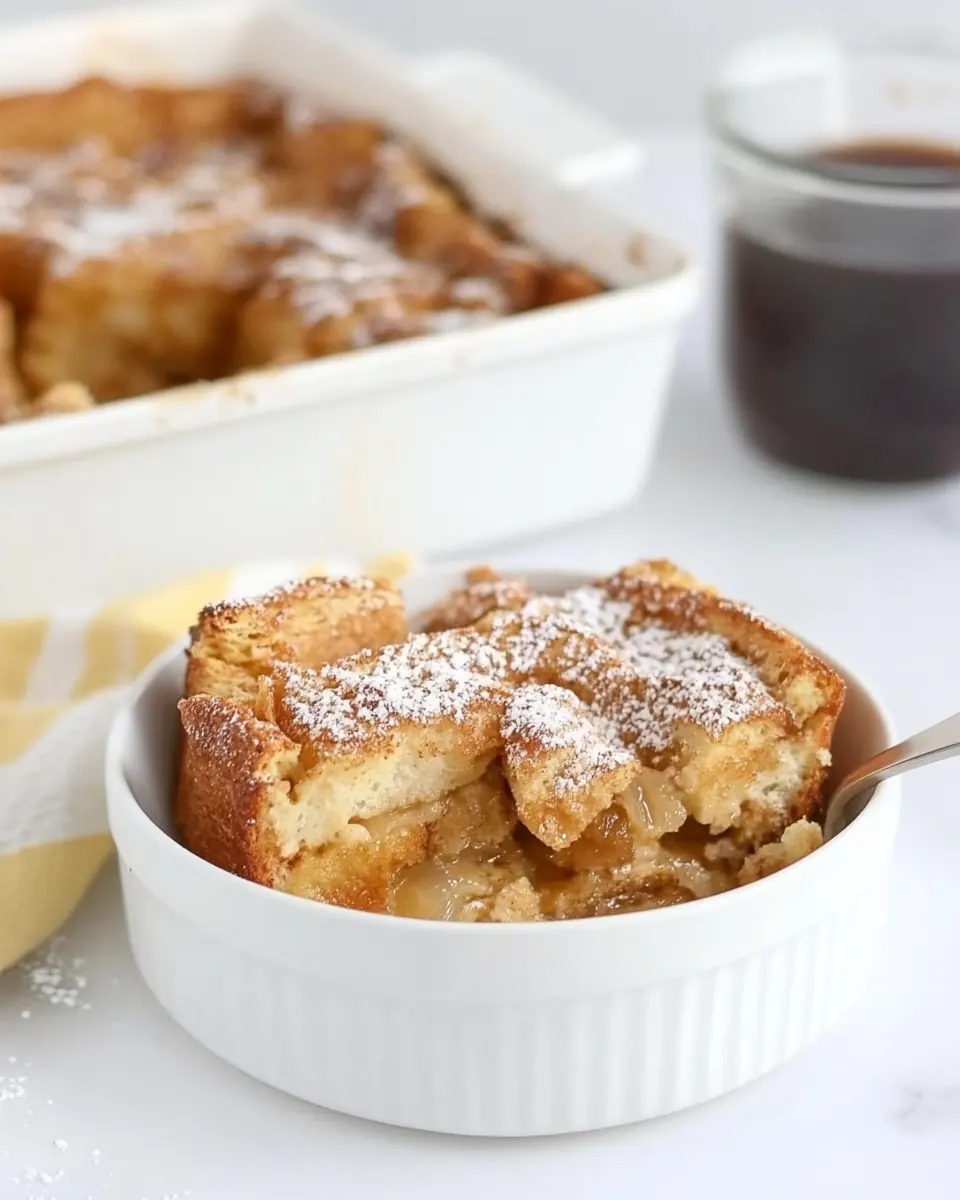
This casserole is a forgiving canvas for small swaps and additions that tailor it to your taste. Below are practical, tested ideas to tweak texture, sweetness, and presentation while keeping the core method intact.
- Choose your bread: Brioche adds richness, french gives a tender crumb, and sourdough contributes a slight tang for contrast.
- Milk swaps: Use whole milk for creaminess, or a lower fat milk if you prefer a lighter custard.
- Make it ahead: Assemble the night before and refrigerate so the flavors meld and the bread soaks thoroughly.
- Fruit additions: Layer thinly sliced banana or other soft fruit on top just before serving for freshness.
- Maple finish: Serve with warm maple syrup for classic pairing, or drizzle a small amount of caramel sauce for a richer touch.
- Crunch boost: Add chopped nuts to the crumb topping for added texture and a toasty flavor note.
What to Serve With French Toast Casserole
This casserole pairs beautifully with simple sides that complement its sweet, spiced profile. Think fresh fruit, bright salads, or savory elements to balance the richness. Below are ideas for occasions, storage, and serving styles.
- Fresh fruit plate: Serve sliced berries, oranges, or other seasonal fruit alongside to add brightness and acidity that cut through the richness.
- Yogurt: Offer plain or lightly sweetened yogurt for a creamy, tangy counterpoint that guests can spoon over warm portions.
- Maple syrup station: Provide warm maple syrup and optional butter so guests can customize sweetness.
- Brunch spread: Pair with a light green salad dressed with lemon to bring herbaceous contrast on a brunch table.
- Occasions: Perfect for weekend brunch, holiday breakfasts, or relaxed gatherings when you want to feed a crowd without fuss.
- Storage: Refrigerate leftovers in an airtight container for up to three days and reheat in a warm oven to revive the topping.
- Make ahead: Assemble the night before and bake in the morning for stress free hosting.
- Serving style: Serve straight from the baking dish for a rustic family style presentation, or portion on warm plates for a refined touch.
FAQ
Conclusion
French Toast Casserole stands out because it combines comforting, spiced custard with a crunchy brown sugar topping in a make ahead friendly format. Give it a try when you want something that feeds a crowd with minimal hands on time, yet tastes like a lovingly prepared brunch. It’s forgiving, flavorful, and perfect for sharing with family or friends on special mornings.
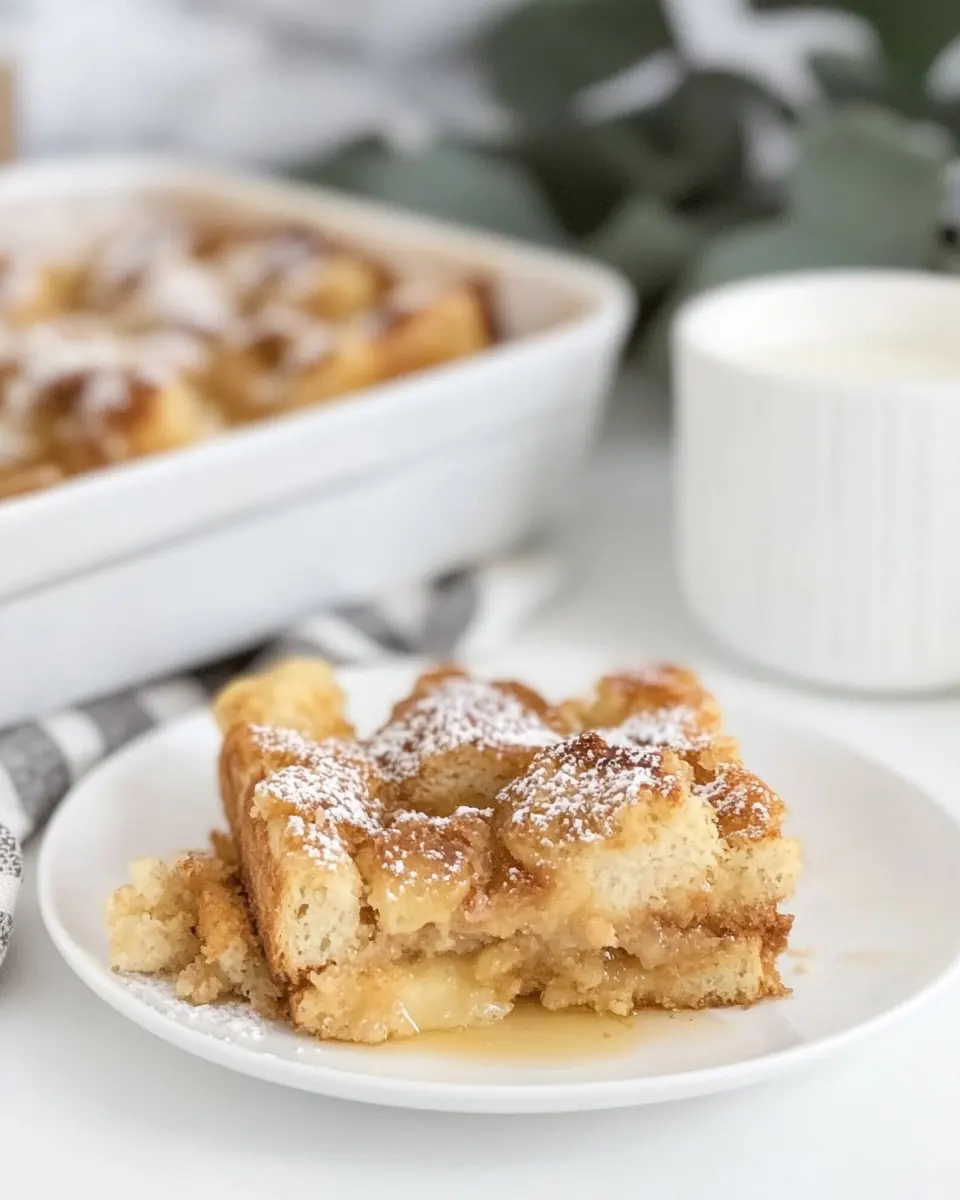
French Toast Casserole
Ingredients
Equipment
Method
- Preheat oven to 350 degrees and grease a 9×13 inch pan.: Warmth from the oven transforms the custard into a tender set while the top browns, and greasing the pan prevents sticking and helps the edges crisp slightly. You should feel the release of a warm, buttery aroma when the oven comes to temperature, and the pan should feel warm to the touch for faster heat transfer. One mistake is skipping greasing, which can cause edges to cling, making serving messy. If your oven runs hot or cold, use an oven thermometer to ensure an accurate 350 degrees .
- Cut the bread into 1 inch cubes and place in a large bowl.: The scent of slightly stale bread being sliced is part of the ritual, and uniform 1 inch cubes soak the custard evenly so you get consistent texture throughout. You want cubes that are substantial enough to hold some structure but porous enough to absorb the custard. A common error is cutting inconsistent sizes, which leads to some pieces becoming mushy while others remain under soaked. If your loaf is very fresh, let the cubes rest on a tray for 30 minutes to firm up a bit before soaking.
- In a separate bowl, whisk together the eggs, milk, brown sugar, vanilla, cinnamon and salt. Pour over your bread cubes and gently toss to coat. Spread the mixture evenly into the prepared baking dish.: As you whisk, the mixture should become smooth and slightly frothy, with the aroma of cinnamon and vanilla rising. This emulsion ensures the flavors disperse evenly into every piece of bread . The custard should look homogeneous, without any streaks of egg white or pockets of dry sugar. Underwhisking is a frequent misstep, which can cause uneven texture in the baked casserole. Use a whisk or fork to fully combine until the sugar has mostly dissolved.
- For the crumb topping, add the flour, brown sugar and cinnamon to a small bowl. Stir to combine, then cut in butter using a fork or your fingers until the mixture resembles coarse crumbs. Sprinkle over the casserole.: You will hear the soft glug of custard and see the bread absorbing liquid, puffing slightly as it soaks. Toss gently so cubes remain intact but fully coated, then arrange them in a single even layer so heat distributes uniformly in the oven. If you crowd the pan or leave dry pockets, some areas will bake differently. Avoid vigorous stirring which can break the bread into crumbs; gentle folding is best.
- Bake for 30-40 minutes or until lightly browned and cooked through.: Mixing these dry components releases a toasty, sugary scent as you combine them, which foreshadows the caramelized bits you will get after baking. The goal is a homogenous dry mix that will accept the butter, forming sandy bits distinct from the custard below. A typical slip up is overworking the mix with too much liquid, which prevents crumb formation and produces a paste rather than crunchy crumbs.
- Serve warm with fresh banana slices and maple syrup!: When you cut in the softened butter , you want to feel small pebble like bits in the palm of your hand; these will brown and crisp up. As you sprinkle, notice the contrast between the soft custard and the dry topping, and distribute it evenly so each forkful gets a bit of crunch. If the butter is too warm the topping will clump together and not brown properly, so chill briefly if needed. Be gentle when distributing, pressing lightly to adhere only where desired.
- Bake for 30-40 minutes or until lightly browned and cooked through.: As it bakes you will notice rising warmth and the scent of caramelizing sugar and toasted cinnamon . The surface should become golden and the center should no longer jiggle like liquid custard. A visual cue is small golden pockets in the crumb and edges pulling slightly away from the pan. A common mistake is underbaking, which leaves the center soupy; if in doubt, test a center cube with a knife to ensure it comes out warm and set, not dripping. If the top browns too quickly, tent loosely with foil and continue baking until the center sets.
- Serve warm with fresh banana slices and maple syrup!: The moment you cut into the casserole you should hear a soft sigh as steam escapes and smell the concentrated sweetness of the baked sugars. Serve immediately while the top still has a slight crunch and the interior is tender, and if you add slices of banana , they will add a cooling, creamy contrast that pairs beautifully with warm maple syrup. A pitfall is letting it sit too long, which can make the topping lose its crunch; if you must wait, reheat briefly to revive textures.
Notes
- Choose your bread: Brioche adds richness, french gives a tender crumb, and sourdough contributes a slight tang for contrast.
- Milk swaps: Use whole milk for creaminess, or a lower fat milk if you prefer a lighter custard.
- Make it ahead: Assemble the night before and refrigerate so the flavors meld and the bread soaks thoroughly.
- Fruit additions: Layer thinly sliced banana or other soft fruit on top just before serving for freshness.
- Maple finish: Serve with warm maple syrup for classic pairing, or drizzle a small amount of caramel sauce for a richer touch.
- Crunch boost: Add chopped nuts to the crumb topping for added texture and a toasty flavor note.