Fried Okra
Fried Okra is the kind of food I crave on a humid summer evening, when simple pleasures taste richest. Growing up, my neighborhood kitchen always smelled like sizzling oil and warm cornmeal, and the memory of okra crackling in a skillet brings me straight back to those porch chats and shared plates.
I still remember the first time I tried to make Fried Okra on my own. I was nervous about the oil temperature and whether the coating would stick, but the moment the first batch hit the pan and started to sizzle, I knew I was onto something. The sound was like a promise, the aroma was honest and to the point, and the first bite taught me that few things beat a well fried piece of okra for texture and warmth.
These days I reach for this recipe when I want something quick, comforting, and a little nostalgic. I like to chat with friends while I fry, passing plates and laughing — the process turns into company, and the result gets devoured fast. If you love crunchy, slightly sweet cornmeal coating with tender interior, you are going to appreciate how this recipe celebrates the simple goodness of okra.
Recipe Snapshot
30 mins
10 mins
20 mins
Medium
250 kcal
American
Gluten-Free, Low FODMAP
Side Dishes
Saucepan, Thermometer, Slotted spoon, Bowl, Paper towels
Why Try This Fried Okra
Crunchy yet tender texture
I love how Fried Okra balances a crisp cornmeal exterior with a soft, slightly creamy interior. When done properly, the contrast keeps every bite interesting. I find that the corn meal coating locks in moisture and gives you that satisfying crunch, while the okra inside stays tender and not slimy.
Speed and simplicity
This recipe is straightforward, and I can get a hot plate on the table in under half an hour. The minimal ingredient list means less prep and more time to enjoy good company. For busy weeknights, it’s a go to when you want something homemade without fuss.
Comfort food with a Southern soul
There is a homestyle feel to Fried Okra that makes it perfect for casual meals. I think of it as the kind of side dish that turns an ordinary dinner into something memorable, and family members always ask for seconds. The warm, toasty aroma of frying corn meal brings people together in ways cold dishes rarely do.
Versatile and crowd friendly
I often make this for gatherings because it travels well from pan to platter. You can fry in batches, keep pieces warm on paper towels, and serve immediately. It pairs beautifully with simple mains and makes a lovely appetizer or side. I appreciate that it suits many menus and tastes, and guests often return for more.
Technique makes the difference
The steps in this recipe are easy, yet small choices matter: oil temperature, even coating, and frying in batches. I enjoy the ritual of dipping each piece and listening for the sizzle. Mastering these techniques gives you consistently golden results, and once you nail them, this dish becomes a reliable favorite.
What to Gather for Fried Okra
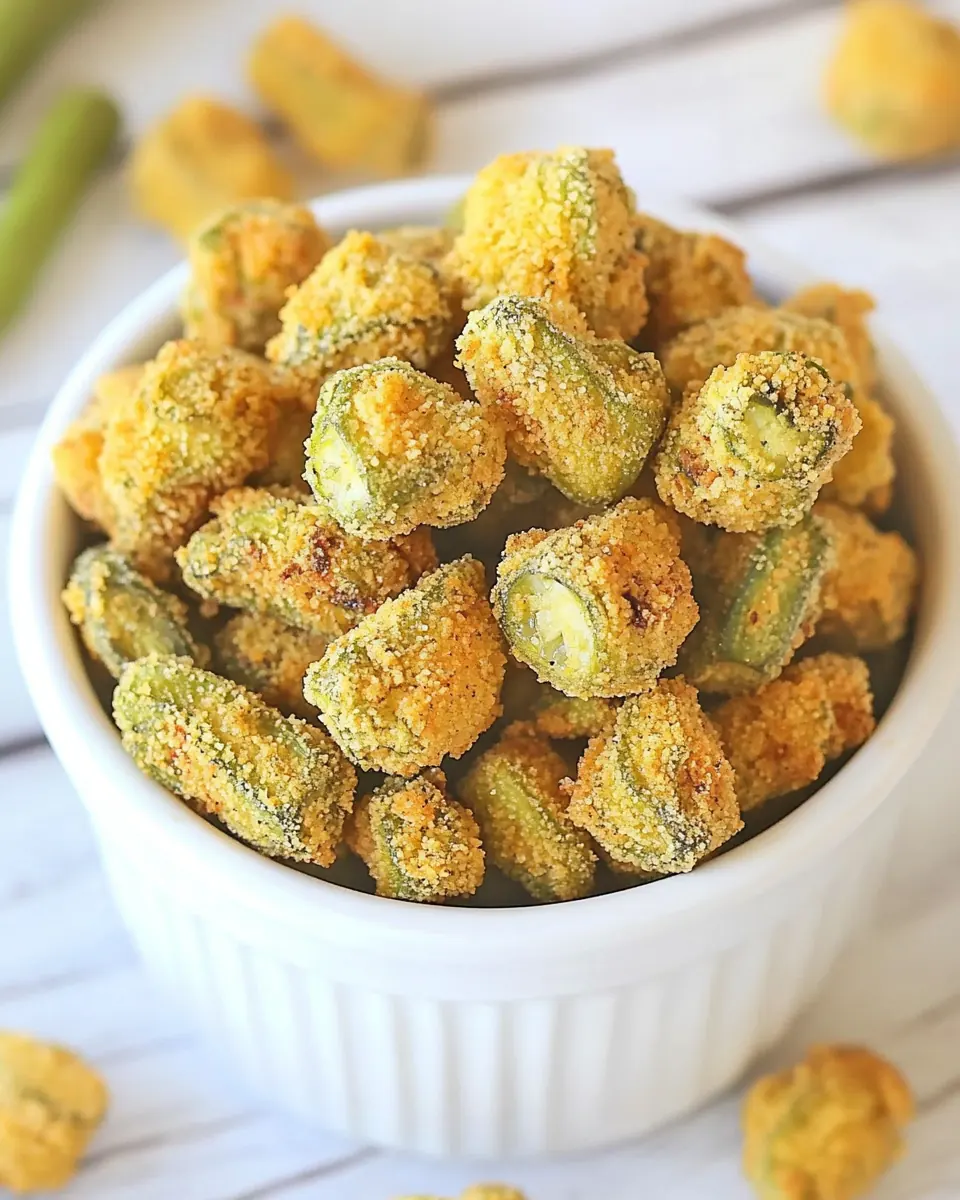
The ingredients here are honest and purposeful. Each item plays a role in delivering crisp texture and seasoned flavor. The okra is the star, the eggs help the coating adhere, and the corn meal provides that golden crunch. The salt and black pepper season the exterior, while the vegetable oil is responsible for that perfect fry.
- 20 fresh okra stalks cut into 1/4" pieces: Provide tender, slightly crunchy pieces that form the base of the dish when cut into 1/4" slices; cook quickly to avoid sliminess while preserving a pleasant bite. Handle gently to keep pieces intact and distribute throughout the fried batch for consistent texture. Choose fresh stalks for optimal flavor and color.
- 2 eggs: Bind the corn meal coating to okra pieces by whisking eggs until smooth and slightly frothy; dip okra to ensure even coverage before dredging. Contribute moisture and help create a crisp exterior when the okra is fried at the right temperature. Season lightly if desired to complement the batter.
- 1 cup corn meal: Create a golden, crunchy crust that clings to egg-coated okra when used as the primary dry coating; ensure uniformity by using a shallow dish for dredging. Absorb minimal oil when fried correctly, providing a pleasant corn flavor and rustic texture. Sift or stir before use to break up any lumps.
- 1 teaspoon salt: Enhance overall flavor balance by adding a measured amount of salt to the coating or egg wash; distribute evenly to avoid hot spots. Draw out and concentrate the natural flavors of the okra and corn meal crust without overpowering. Adjust slightly only if dietary needs require.
- 1/2 teaspoon black pepper: Add subtle heat and depth by incorporating ground black pepper into the coating mixture; use sparingly to let the okra and corn meal shine. Provide aromatic complexity that complements the frying process and creates a gentle contrast on the palate. Grind freshly if possible for best aroma.
- vegetable oil for frying: Facilitate high-heat frying to achieve a crisp, golden exterior and cook the okra through quickly; maintain proper oil temperature to prevent sogginess. Use enough oil for shallow or deep frying as preferred, and monitor to keep pieces from sticking or burning. Choose a neutral oil with a suitable smoke point.
Step by Step Instructions for Fried Okra
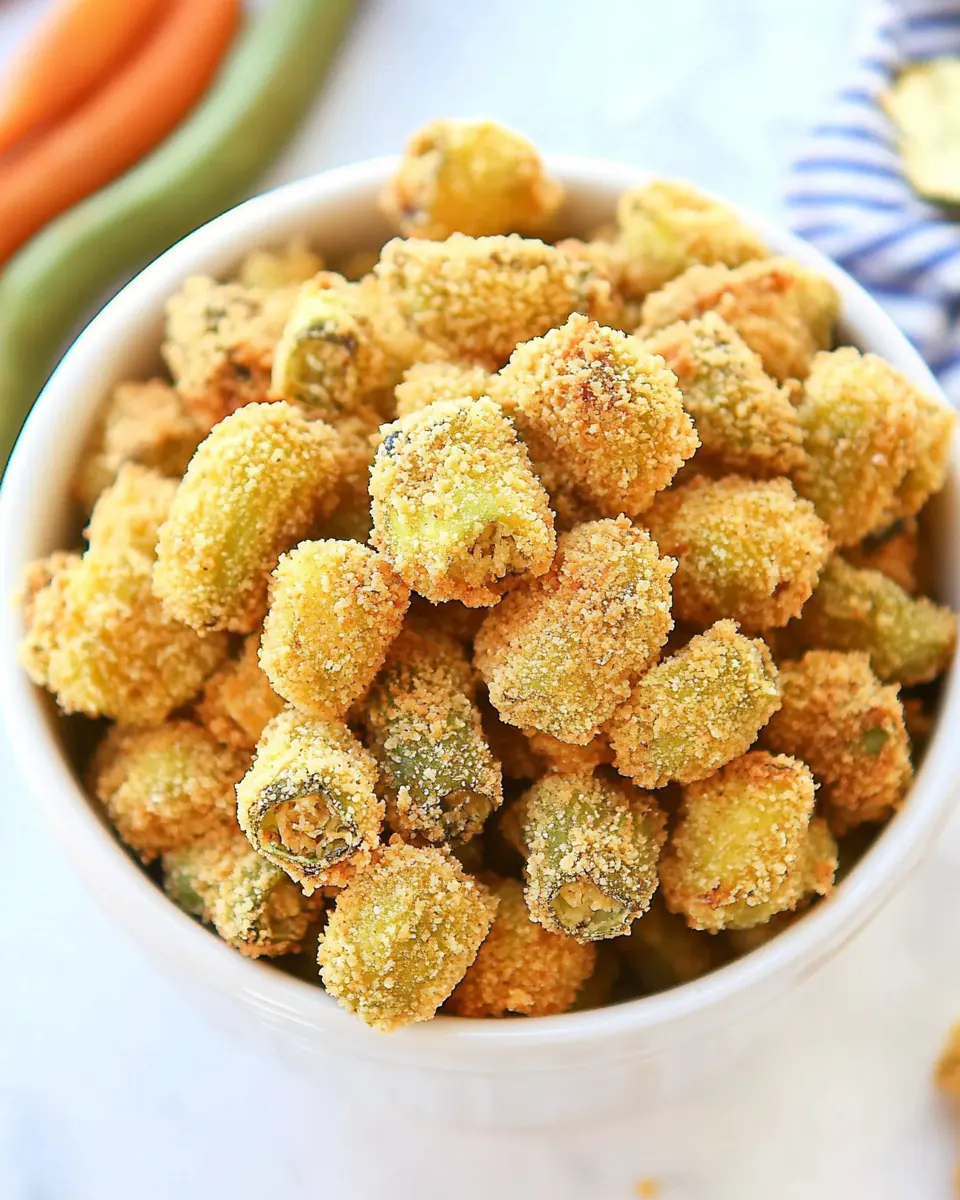
I like to walk through these steps like a relaxed kitchen rhythm, so you can focus on sensory cues. The directions below are expanded into detailed guidance so you get golden, crisp Fried Okra with minimal fuss.
- Cut okra stalks down to 1/4 inch pieces. Discard ends.: The first thing you will notice is the clean, green smell as you trim the okra , and slicing into uniform quarter inch pieces ensures even cooking and predictable texture. Use a sharp knife to avoid tearing the pods, which helps prevent extra mucilage release. One reason uniformity matters is that smaller pieces will cook faster and become crisp while larger pieces may stay underdone. A common mistake is leaving uneven sizes, which creates batches that are overcooked and undercooked simultaneously, so take a minute to get consistent pieces.
- Beat 2 eggs in a bowl and place cut pieces of okra directly into egg mixture. Mix well to evenly coat all pieces.: When you beat the eggs , you'll see them become a glossy, frothy liquid that clings to each piece of okra . Work gently so the coating covers all sides, creating a sticky layer for the corn meal to adhere to. This step matters because a well coated surface prevents the breading from falling off in the oil, and it helps the crumbs form a cohesive shell. Avoid under mixing, which leads to patchy coating, and do not overwork the okra into the egg, which can damage the pieces.
- Let okra set for about 5 minutes while oil is heating up.: Allowing the okra to rest in the egg lets the coating take hold, and you will notice the liquid look slightly tackier after a few minutes. This short rest helps the batter adhere better during frying, producing a more uniform crust. While the okra sits, preheating the oil prevents the temperature from dropping when you add food. Avoid skipping this rest, because immediate frying can cause poor adhesion and lost breading.
- Heat at least 2-3 inches of oil in a saucepan until 375 degrees.: As the oil warms, you will see faint ripples and then a shimmering surface at the correct heat, and a thermometer shows the most reliable reading. Hitting roughly 375 degrees gives a fast sear that seals the coating, producing crisp exterior and tender inside. If the oil is too cool, the coating soaks up oil and becomes greasy, and if it is too hot, the exterior burns before the inside cooks. A common error is frying at low temperature, which yields soggy results, so maintain a steady heat.
- In a separate bowl, add corn meal, salt and pepper seasoning and mix well to combine.: Combining the corn meal with the salt and black pepper ahead of time means every bite has balanced seasoning. The mixture should look evenly speckled, and stirring releases the aroma of the pepper into the meal. This step influences flavor distribution and crust texture, and if you forget to season the meal first, you may end up with bland fried pieces that need extra salting after frying.
- Divide the okra (from the egg mixture) into fourths.: Portioning the egg coated okra into quarters helps you manage the coating process without overcrowding the bowls or the hot oil. You will appreciate the small batches because it reduces the chance of clumps and keeps the oil temperature more stable. This division is practical and prevents crowding the pan, which can cause uneven browning. A common oversight is working with too much at once, which cools the oil and results in soggy crust.
- Add one fourth of the okra to the corn meal mixture and mix well to evenly coat all sides.: As you toss the portion into the seasoned corn meal , the tactile sensation of the meal clinging to the wet surface is reassuring, and you will hear a faint rustle as pieces separate. Ensure each piece has a full coating by gently tossing, so the final fry is evenly textured and gold brown all around. This technique matters because incomplete coating creates exposed okra that cooks differently. Avoid aggressive shaking that can knock off the coating before frying.
- Place cornmeal covered okra into hot oil and fry until browned on both sides, about 3-5 minutes.: When the pieces hit the oil you will hear a lively sizzle, and the aroma of toasted corn will bloom quickly. Watch for a deep golden brown on one side before flipping, and use a slotted spoon or spider to turn pieces so both sides brown evenly. This timing provides a crisp exterior while keeping interior tenderness. A typical mistake is flipping too often, which prevents proper browning and prolongs cooking time, so flip only when a golden surface has formed.
- Carefully remove, drain on paper towels and repeat, frying okra in batches and draining. Sprinkle with additional kosher salt as pieces come out of hot oil.: After frying, the sound of oil dropping off each piece quiets down, and placing them on paper towels helps absorb excess oil so the coating stays crisp. A light sprinkle of salt while the pieces are hot enhances flavor and adheres to the crust. Frying in batches keeps the oil temperature consistent and ensures uniform results. One pitfall is letting fried pieces sit too long on the towel, which can steam them and soften the crust, so serve promptly.
- Serve fried okra immediately while still warm.: The best sensory moment is the first plate of hot, crispy okra , where the cornmeal crunch meets warm, tender interior. Serving right away preserves texture and delivers the ideal contrast of heat and crispness. This step matters because the crust begins to soften as it cools, changing the experience. Avoid holding the pieces for too long before serving, which diminishes the quality.
Ways to Customize
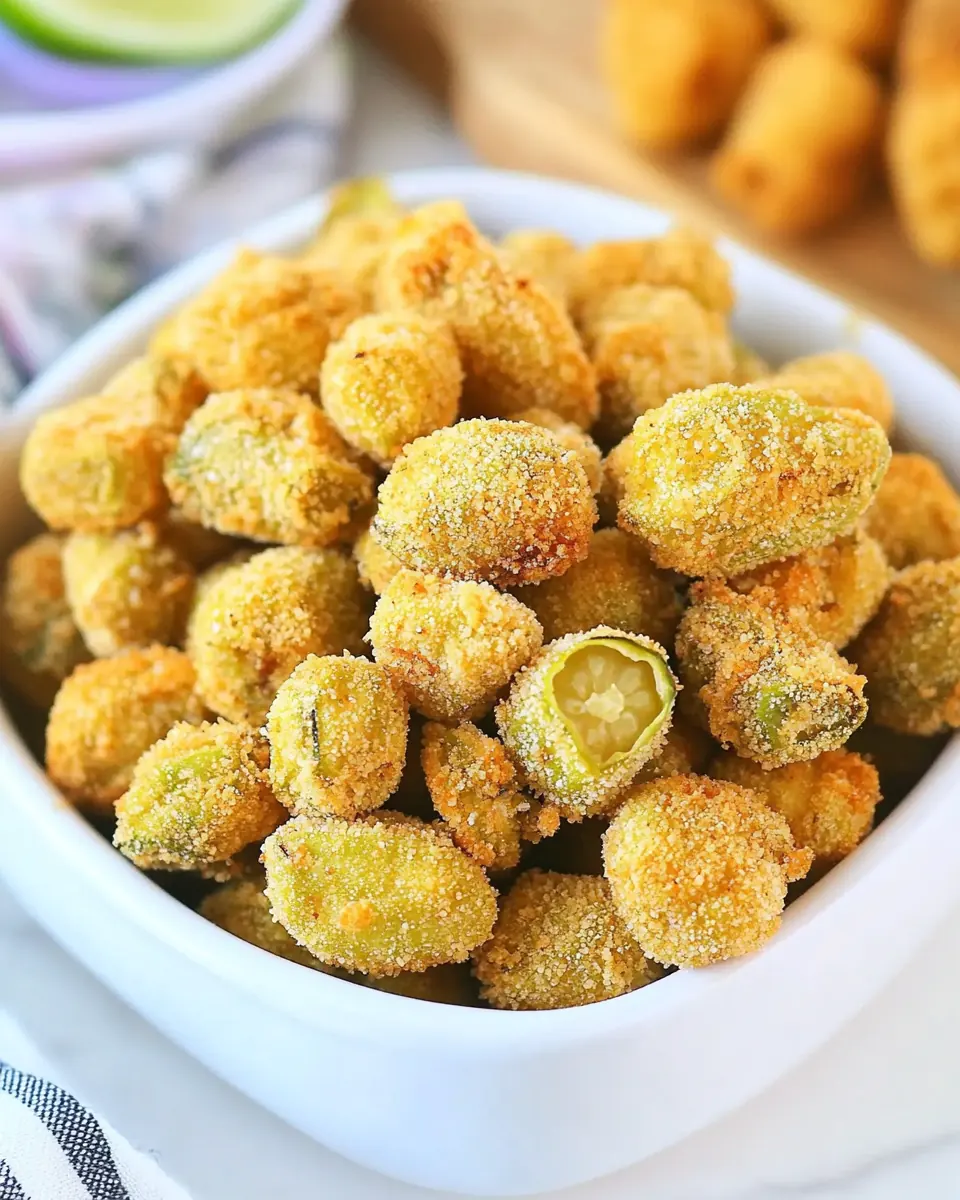
There are small adjustments that keep the soul of Fried Okra while letting you tailor flavor and texture. Below are practical suggestions to make this dish your own, from tweaking coatings to adjusting heat.
- Adjust the corn meal grind, use a medium grind for the best balance of crunch without grittiness, and it will toast nicely in the oil.
- Season the coating boldly, if you prefer more flavor, increase the salt slightly or add a pinch of your favorite dried herb to the corn meal for added complexity.
- Control oil depth, use two to three inches so pieces can float and brown evenly, which reduces the chance of uneven cooking.
- Work in small batches, frying a few handfuls at a time keeps oil temperature steady and ensures golden results across all batches.
- Serve immediately, this dish is best hot and fresh because the coating begins to soften as it cools, altering the crispness.
How to Enjoy Fried Okra
Fried Okra is a friendly side or snack that pairs well with many meals. It works for casual lunches, relaxed dinners, or as a finger food at gatherings. Below are serving ideas, storage suggestions, and pairing notes to help you present it beautifully.
- As a side dish, serve hot alongside grilled or roasted mains for a pleasing textural contrast and a touch of Southern flair.
- For sharing, place on a platter with lemon wedges and small bowls of your preferred dipping sauce so guests can help themselves.
- Meal occasions, this is ideal for summer cookouts and informal dinners, and it also makes a cozy addition to weeknight menus.
- Storage tips, refrigerate leftovers in an airtight container and reheat briefly in a hot oven to revive some crispness, though fresh is best.
- Seasonal pairing, pair with fresh salads or grilled vegetables in summer to keep the plate bright and balanced.
FAQ
Conclusion
Fried Okra shines because it pairs a crunchy, golden corn meal crust with a tender, warm interior, delivering comforting texture and bright, straightforward flavor. Give it a try and let the simple rhythm of dipping and frying become your easy homemade ritual, whether for a weeknight or a casual gathering. Share the plate, savor the sizzle, and enjoy how this modest recipe turns ordinary moments into something memorable.
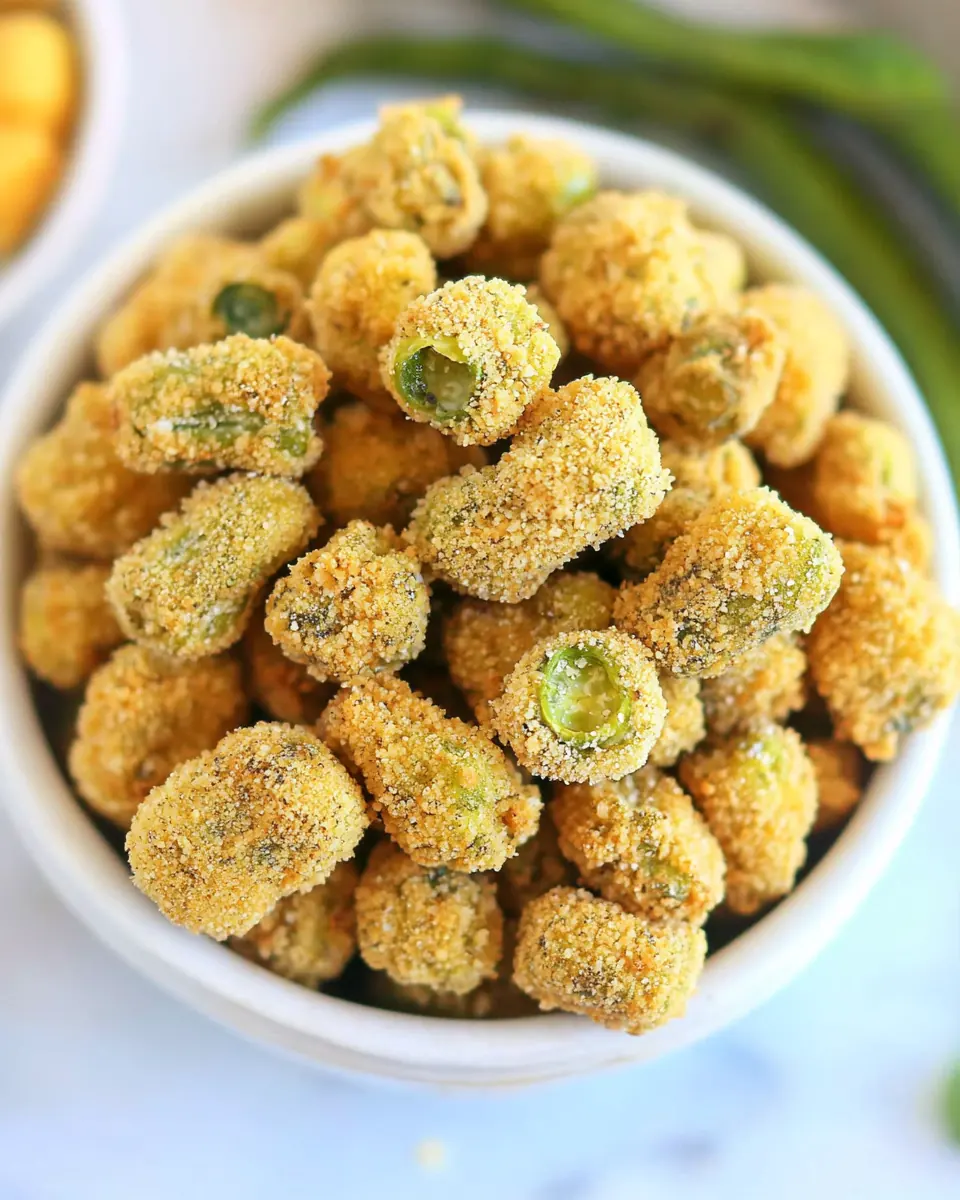
Fried Okra
Ingredients
Equipment
Method
- Cut okra stalks down to 1/4 inch pieces. Discard ends.: The first thing you will notice is the clean, green smell as you trim the okra , and slicing into uniform quarter inch pieces ensures even cooking and predictable texture. Use a sharp knife to avoid tearing the pods, which helps prevent extra mucilage release. One reason uniformity matters is that smaller pieces will cook faster and become crisp while larger pieces may stay underdone. A common mistake is leaving uneven sizes, which creates batches that are overcooked and undercooked simultaneously, so take a minute to get consistent pieces.
- Beat 2 eggs in a bowl and place cut pieces of okra directly into egg mixture. Mix well to evenly coat all pieces.: When you beat the eggs , you'll see them become a glossy, frothy liquid that clings to each piece of okra . Work gently so the coating covers all sides, creating a sticky layer for the corn meal to adhere to. This step matters because a well coated surface prevents the breading from falling off in the oil, and it helps the crumbs form a cohesive shell. Avoid under mixing, which leads to patchy coating, and do not overwork the okra into the egg, which can damage the pieces.
- Let okra set for about 5 minutes while oil is heating up.: Allowing the okra to rest in the egg lets the coating take hold, and you will notice the liquid look slightly tackier after a few minutes. This short rest helps the batter adhere better during frying, producing a more uniform crust. While the okra sits, preheating the oil prevents the temperature from dropping when you add food. Avoid skipping this rest, because immediate frying can cause poor adhesion and lost breading.
- Heat at least 2-3 inches of oil in a saucepan until 375 degrees.: As the oil warms, you will see faint ripples and then a shimmering surface at the correct heat, and a thermometer shows the most reliable reading. Hitting roughly 375 degrees gives a fast sear that seals the coating, producing crisp exterior and tender inside. If the oil is too cool, the coating soaks up oil and becomes greasy, and if it is too hot, the exterior burns before the inside cooks. A common error is frying at low temperature, which yields soggy results, so maintain a steady heat.
- In a separate bowl, add corn meal, salt and pepper seasoning and mix well to combine.: Combining the corn meal with the salt and black pepper ahead of time means every bite has balanced seasoning. The mixture should look evenly speckled, and stirring releases the aroma of the pepper into the meal. This step influences flavor distribution and crust texture, and if you forget to season the meal first, you may end up with bland fried pieces that need extra salting after frying.
- Divide the okra (from the egg mixture) into fourths.: Portioning the egg coated okra into quarters helps you manage the coating process without overcrowding the bowls or the hot oil. You will appreciate the small batches because it reduces the chance of clumps and keeps the oil temperature more stable. This division is practical and prevents crowding the pan, which can cause uneven browning. A common oversight is working with too much at once, which cools the oil and results in soggy crust.
- Add one fourth of the okra to the corn meal mixture and mix well to evenly coat all sides.: As you toss the portion into the seasoned corn meal , the tactile sensation of the meal clinging to the wet surface is reassuring, and you will hear a faint rustle as pieces separate. Ensure each piece has a full coating by gently tossing, so the final fry is evenly textured and gold brown all around. This technique matters because incomplete coating creates exposed okra that cooks differently. Avoid aggressive shaking that can knock off the coating before frying.
- Place cornmeal covered okra into hot oil and fry until browned on both sides, about 3-5 minutes.: When the pieces hit the oil you will hear a lively sizzle, and the aroma of toasted corn will bloom quickly. Watch for a deep golden brown on one side before flipping, and use a slotted spoon or spider to turn pieces so both sides brown evenly. This timing provides a crisp exterior while keeping interior tenderness. A typical mistake is flipping too often, which prevents proper browning and prolongs cooking time, so flip only when a golden surface has formed.
- Carefully remove, drain on paper towels and repeat, frying okra in batches and draining. Sprinkle with additional kosher salt as pieces come out of hot oil.: After frying, the sound of oil dropping off each piece quiets down, and placing them on paper towels helps absorb excess oil so the coating stays crisp. A light sprinkle of salt while the pieces are hot enhances flavor and adheres to the crust. Frying in batches keeps the oil temperature consistent and ensures uniform results. One pitfall is letting fried pieces sit too long on the towel, which can steam them and soften the crust, so serve promptly.
- Serve fried okra immediately while still warm.: The best sensory moment is the first plate of hot, crispy okra , where the cornmeal crunch meets warm, tender interior. Serving right away preserves texture and delivers the ideal contrast of heat and crispness. This step matters because the crust begins to soften as it cools, changing the experience. Avoid holding the pieces for too long before serving, which diminishes the quality.
Notes
- Adjust the corn meal grind, use a medium grind for the best balance of crunch without grittiness, and it will toast nicely in the oil.
- Season the coating boldly, if you prefer more flavor, increase the salt slightly or add a pinch of your favorite dried herb to the corn meal for added complexity.
- Control oil depth, use two to three inches so pieces can float and brown evenly, which reduces the chance of uneven cooking.
- Work in small batches, frying a few handfuls at a time keeps oil temperature steady and ensures golden results across all batches.
- Serve immediately, this dish is best hot and fresh because the coating begins to soften as it cools, altering the crispness.