Baked Grilled Cheese Sandwiches
Baked Grilled Cheese Sandwiches became my go to when I wanted the crunch of a skillet melt with the ease of an oven, and the first time I made them I remember the kitchen filling with that irresistible toasty aroma that pulls everyone to the counter.
I grew up with grilled cheese as a tiny comfort food, but this version changed my relationship with the sandwich. One rainy afternoon I swapped the pan for a rimmed baking sheet to free up my hands, and suddenly I could assemble, pop trays into the oven, and do something else while the sandwiches transformed into golden, bubbling perfection. The result was crisp edges, gooey centers, and minimal babysitting required, and I started bringing these to movie nights and lazy weekend lunches.
Every time I bake a tray now I notice how the butter browns just enough on the outside while the cheeses melt into a silk interior. The order of the cheese, the way you space slices on the sheet, even the moment you flip them, all add up to the final texture. I love that you can make a few for yourself or a whole batch for guests without standing over a skillet, and it always feels a little celebratory despite being comfortingly simple.
Recipe Snapshot
15 mins
5 mins
10 mins
Easy
350 kcal
American
Gluten-Free, Low FODMAP
Dinner
Rimmed baking sheet, Oven, Spatula
The Best Thing About This Baked Grilled Cheese Sandwiches
Crispy all over, tender inside
I adore how Baked Grilled Cheese Sandwiches give you a uniform crisp exterior while keeping the center luxuriously soft. When you bake rather than pan fry, each sandwich gets even heat, so you see a consistent golden color that tells you it is done. I find this especially helpful when serving a group, because nobody ends up with a soggy or underdone half.
Hands free comfort
One reason I reach for this method is convenience. Once sandwiches are assembled on a sheet, you can walk away and prep a salad, tidy up, or set the table. This method saves time and reduces the need for constant flipping, which is a small freedom that makes weeknight dinners feel calmer.
Melty, layered cheese texture
The combination of a medium cheddar with a softer mozzarella creates that satisfying contrast of sharpness and stretch. I like starting with a slice of cheddar, adding a layer of mozzarella, and finishing with cheddar again. The outer cheeses brown and develop flavor, while the middle mozzarella stretches into long ribbons when you pull them apart, which is pure joy.
Reliable for feeding a crowd
Because the oven handles multiple sandwiches at once, this technique scales perfectly. I can bake a dozen sandwiches for a casual gathering and they come out evenly toasted. That reliability makes these sandwiches ideal for impromptu guests or potluck style meal sharing.
Flexible and forgiving
I appreciate how forgiving the recipe is. If a slice of bread is slightly thicker or a cheese slice a bit larger, the oven smooths out those differences. It is a versatile method that welcomes small variations while still delivering consistently delicious results.
Ingredients for Baked Grilled Cheese Sandwiches
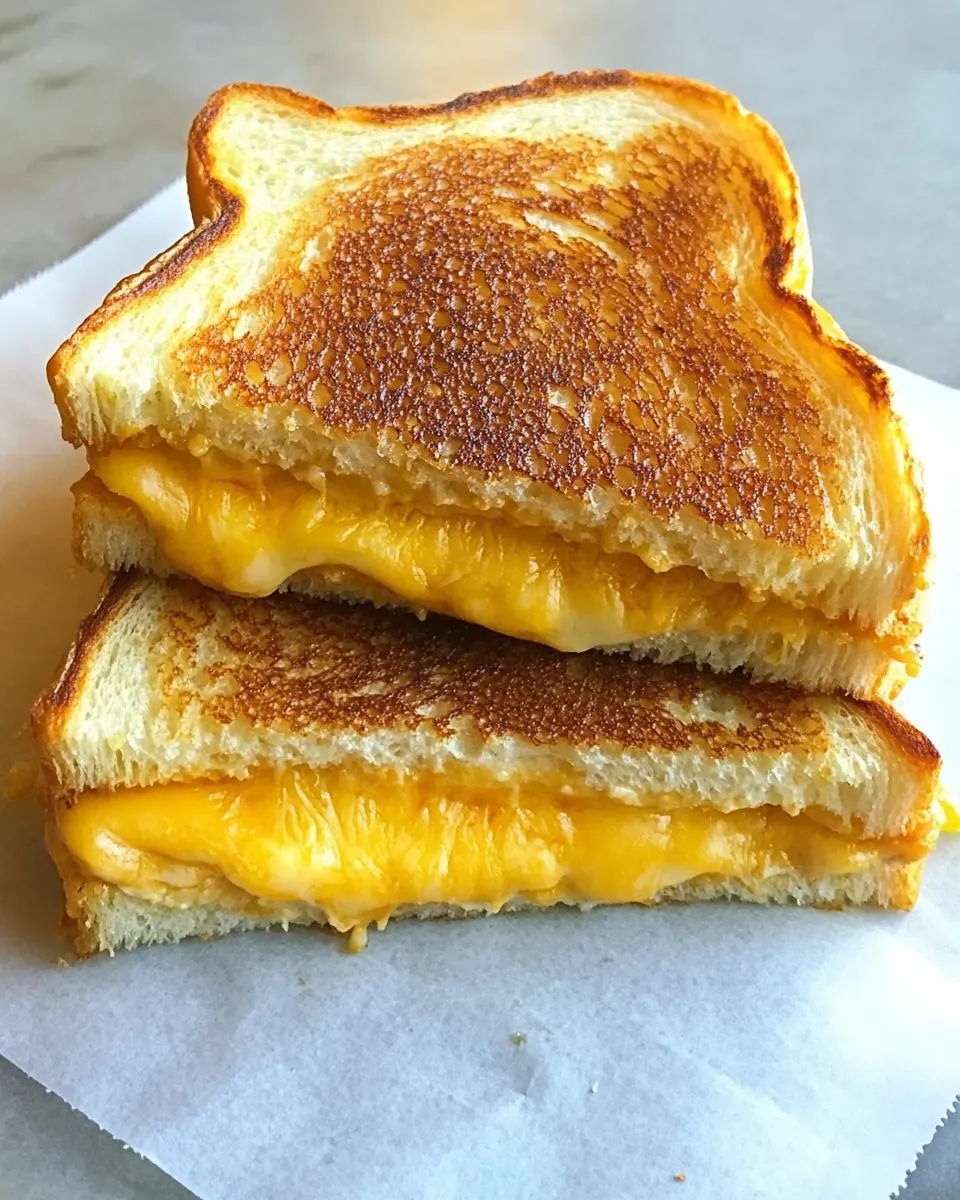
These ingredients are intentionally simple, built around the trio of fat, bread, and cheese. The key players are the butter which promotes even browning and crispness, the sturdy bread that provides structure, and the layered cheddar and mozzarella cheeses which combine flavor and meltability. Together they create contrasts of texture and taste that make the sandwich sing.
- 3 tablespoons unsalted butter, softened: Softened to spread easily across bread, providing rich flavor and aiding in even browning during baking; melts to create a crisp, golden exterior while keeping the sandwich moist inside.
- 8 slices of your favorite sandwich bread: Sliced to hold fillings and provide structure, delivering a tender but toasted base when baked; browning and texture depend on loaf thickness and crumb density.
- 8 thick slices of medium cheddar cheese: Thickly sliced to offer creamy, sharp melting properties that create gooey, flavorful layers; contributes significant cheese pull and savory depth to each sandwich bite.
- 4 slices mozzarella cheese: Sliced to add a mild, stretchy melt that complements the sharper cheddar; helps achieve a smooth, elastic interior and balances overall cheese texture.
Recipe Steps for Baked Grilled Cheese Sandwiches
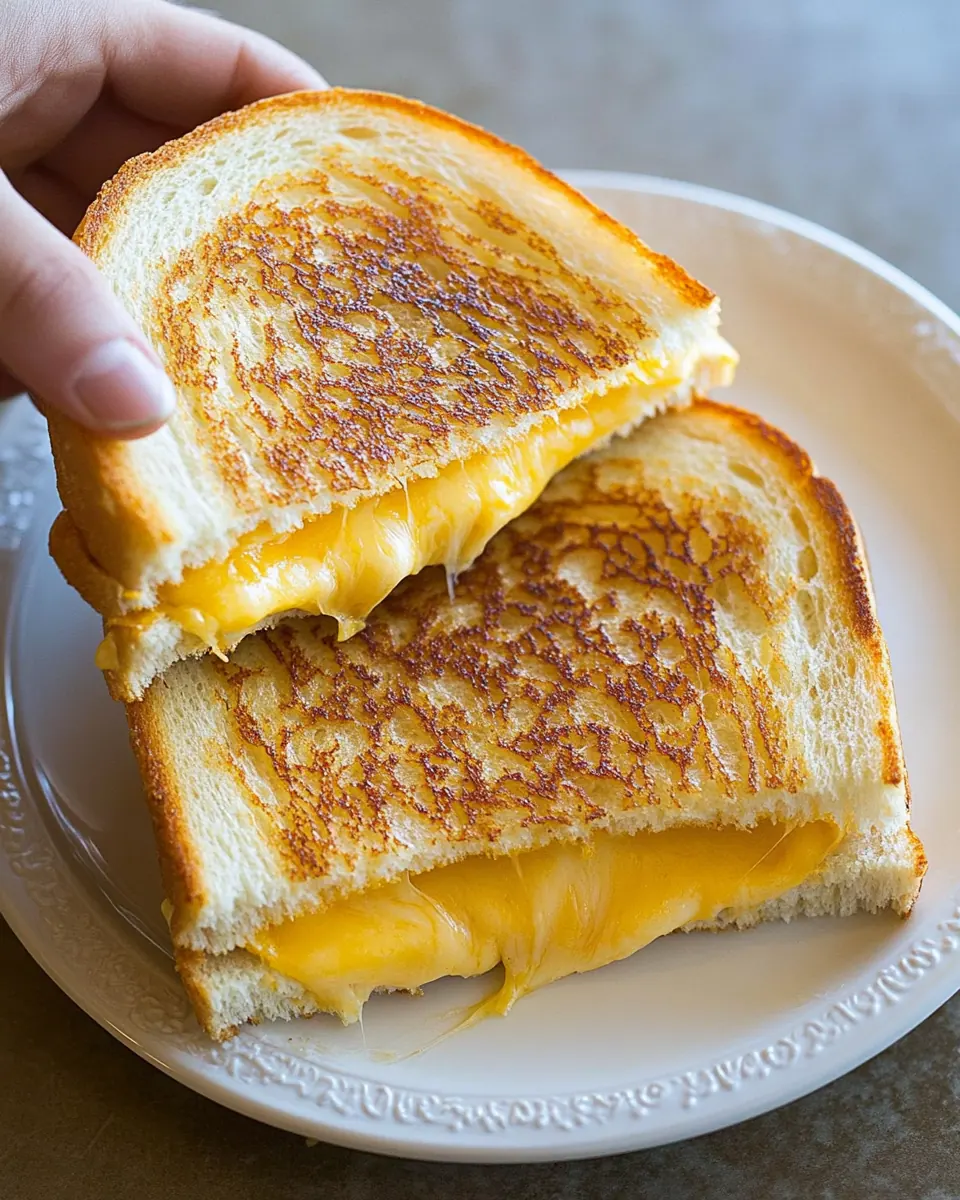
These steps walk you through assembly and baking with sensory cues so your sandwiches come out evenly crisp and melty. Read each step fully before you begin, and prep your sheetpan and cheeses so the process moves smoothly.
- Spread butter – Preheat the oven to 400°F. Spread the softened butter over one side of half your bread slices (about 1 teaspoon of butter per slice) and place them butter side down on a rimmed baking sheet.: The oven will greet the sandwich with a warm, toasty scent as the butter browns, and you should hear a faint sizzling when the slices first hit the hot sheet. Soft butter spreads evenly across the surface, which is why room temperature is key; if the butter is too cold it will tear the bread , and if it is too melted it will pool on the pan. When spreading, take a moment to evenly coat the entire face so the crust crisps uniformly. A common mistake is applying too much butter, which leads to greasy patches, so aim for about 1 teaspoon per slice as a visual guide. The reason this step matters is that the butter promotes Maillard browning and separates the bread from direct heat, producing that coveted golden crunch.
- Top each slice of bread with a slice of cheddar, a slice of mozzarella, and another slice of cheddar. Spread the remaining butter over the remaining slices of bread and place the slices on top of the cheese, butter side up.: As you layer the cheeses, you will notice the colors and textures changing, with the pale mozzarella nestled between the deeper orange of cheddar . The cheeses should sit flat, leaving a small border to prevent overflow. Expect a gentle milky aroma from the mozzarella and a sharper tang from the cheddar , which together form a balanced flavor profile. Press lightly to compact the layers so the cheeses heat through evenly, and avoid overstuffing since excess filling can ooze during baking. The purpose of this layering is to combine meltability and flavor while keeping structural integrity so the sandwich slices don t separate when flipped.
- Bake for 10 minutes, flipping about halfway through, until both sides are golden brown.: When you add the top slice, you will feel a slight resistance as the buttered side becomes the exterior that will brown. The buttered exterior should glisten but not drip; this sheen helps the crust brown to a uniform shade while contributing a crisp snap when you bite in. Keep movement minimal after assembling so the cheese layers stay aligned. One mistake is assembling too early and letting moisture from the cheddar or mozzarella soften the bread before baking, so assemble just before the oven to maintain crispness. This step ensures both surfaces brown and the interior heats evenly rather than creating a single hot spot.
- Bake for 10 minutes flipping about halfway through until both sides are golden brown: As the tray goes into the oven at 400°F, you will immediately notice a warm, toasty smell that intensifies as the butter browns and the cheese melts. The edges should begin to take on a rich golden color within the first few minutes; this is your visual cue. When you flip the sandwiches halfway through, listen for a light crackle as the crust makes contact with the hot sheet, and glance for bubbling cheese along seams which indicates interior melt. Avoid leaving them too long, which can make the cheese separate and the bread overly dark; flip gently to prevent contents from spilling. This timing matters because it achieves a balance between a deeply browned exterior and a luxuriously melted center, delivering both texture and flavor in one cohesive bite.
Tips and Variations
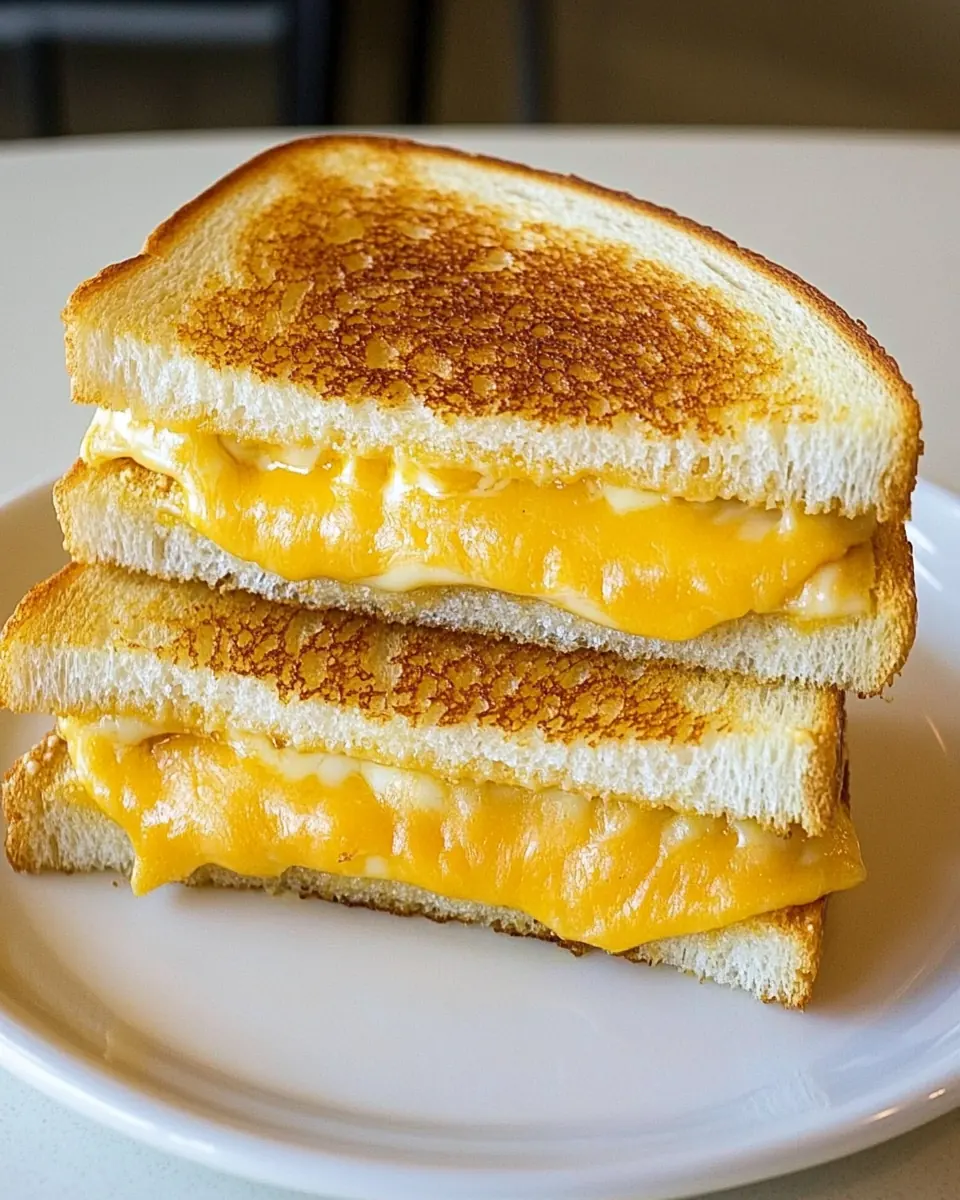
I like to think of small tweaks that make a big difference with baked grilled cheese. The following tips expand on storage, reheating, and simple swaps that respect the original ingredient list while offering flexibility.
- Butter temperature: Room temperature butter spreads smoothly and ensures even browning, preventing tears in the bread and greasy spots on the pan.
- Baking surface: Use a rimmed sheet to catch any melting cheese, and line it with foil for easier cleanup while preserving crispness.
- Cheese placement: Sandwich a slice of mozzarella between two slices of cheddar to combine stretch with sharp flavor without altering textures.
- Flip timing: Flip about halfway through the indicated bake time so both sides brown evenly, and avoid overbaking which dries out the interior.
- Make ahead: Assemble on a sheet and refrigerate briefly before baking if you need to stagger oven time for a crowd, but don t let them sit too long or the bread may soften.
Side Dish Ideas for Baked Grilled Cheese Sandwiches
These sandwiches pair wonderfully with simple sides that contrast texture or add freshness. Below I suggest a range of accompaniments for casual lunches, cozy dinners, or communal gatherings, plus storage notes to keep leftovers tasting great.
- Classic tomato soup: A warm bowl provides acidity to cut through the richness of the cheese, making it a comforting lunch pairing.
- Light green salad: Crisp greens with a bright vinaigrette add freshness and a crunchy counterpoint to the melty interior.
- Pickled vegetables: Tangy pickles offer acidity and crunch, balancing the buttery exterior and savory cheese.
- Chips or fries: For an indulgent meal, serve with kettle chips or oven fries to keep things casual and shareable.
- Storage tips: Refrigerate leftovers in an airtight container for up to 5 days, and reheat on a sheetpan until warmed through to restore crispness.
- Freezing: Freeze assembled sandwiches for up to 2 months and thaw overnight in the fridge before baking to maintain texture.
FAQ
Conclusion
Baked Grilled Cheese Sandwiches stand out because they combine the nostalgia of a skillet grilled cheese with the convenience and consistency of oven baking. This method gives you evenly browned, crispy bread and a melty, stretchy interior without standing over a pan. Give them a try on a busy evening or for a casual gathering; they re simple to scale and reliably crowd pleasing. When you bake them once, I think you ll find this becomes your new go to for fuss free comfort food that still feels indulgent.
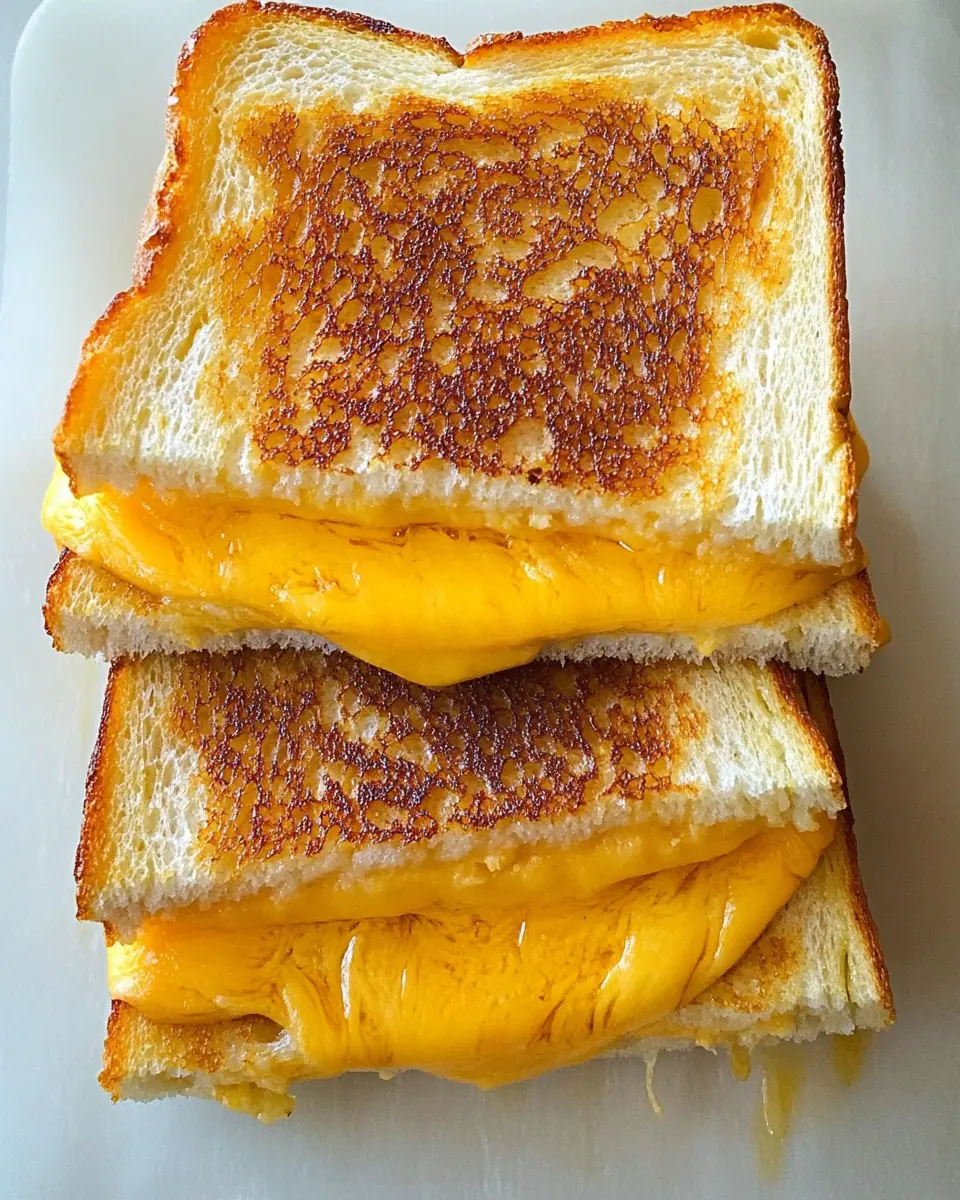
Baked Grilled Cheese Sandwiches
Ingredients
Equipment
Method
- Spread butter – Preheat the oven to 400°F. Spread the softened butter over one side of half your bread slices (about 1 teaspoon of butter per slice) and place them butter side down on a rimmed baking sheet.: The oven will greet the sandwich with a warm, toasty scent as the butter browns, and you should hear a faint sizzling when the slices first hit the hot sheet. Soft butter spreads evenly across the surface, which is why room temperature is key; if the butter is too cold it will tear the bread , and if it is too melted it will pool on the pan. When spreading, take a moment to evenly coat the entire face so the crust crisps uniformly. A common mistake is applying too much butter, which leads to greasy patches, so aim for about 1 teaspoon per slice as a visual guide. The reason this step matters is that the butter promotes Maillard browning and separates the bread from direct heat, producing that coveted golden crunch.
- Top each slice of bread with a slice of cheddar, a slice of mozzarella, and another slice of cheddar. Spread the remaining butter over the remaining slices of bread and place the slices on top of the cheese, butter side up.: As you layer the cheeses, you will notice the colors and textures changing, with the pale mozzarella nestled between the deeper orange of cheddar . The cheeses should sit flat, leaving a small border to prevent overflow. Expect a gentle milky aroma from the mozzarella and a sharper tang from the cheddar , which together form a balanced flavor profile. Press lightly to compact the layers so the cheeses heat through evenly, and avoid overstuffing since excess filling can ooze during baking. The purpose of this layering is to combine meltability and flavor while keeping structural integrity so the sandwich slices don t separate when flipped.
- Bake for 10 minutes, flipping about halfway through, until both sides are golden brown.: When you add the top slice, you will feel a slight resistance as the buttered side becomes the exterior that will brown. The buttered exterior should glisten but not drip; this sheen helps the crust brown to a uniform shade while contributing a crisp snap when you bite in. Keep movement minimal after assembling so the cheese layers stay aligned. One mistake is assembling too early and letting moisture from the cheddar or mozzarella soften the bread before baking, so assemble just before the oven to maintain crispness. This step ensures both surfaces brown and the interior heats evenly rather than creating a single hot spot.
- Bake for 10 minutes flipping about halfway through until both sides are golden brown: As the tray goes into the oven at 400°F, you will immediately notice a warm, toasty smell that intensifies as the butter browns and the cheese melts. The edges should begin to take on a rich golden color within the first few minutes; this is your visual cue. When you flip the sandwiches halfway through, listen for a light crackle as the crust makes contact with the hot sheet, and glance for bubbling cheese along seams which indicates interior melt. Avoid leaving them too long, which can make the cheese separate and the bread overly dark; flip gently to prevent contents from spilling. This timing matters because it achieves a balance between a deeply browned exterior and a luxuriously melted center, delivering both texture and flavor in one cohesive bite.
Notes
- Butter temperature: Room temperature butter spreads smoothly and ensures even browning, preventing tears in the bread and greasy spots on the pan.
- Baking surface: Use a rimmed sheet to catch any melting cheese, and line it with foil for easier cleanup while preserving crispness.
- Cheese placement: Sandwich a slice of mozzarella between two slices of cheddar to combine stretch with sharp flavor without altering textures.
- Flip timing: Flip about halfway through the indicated bake time so both sides brown evenly, and avoid overbaking which dries out the interior.
- Make ahead: Assemble on a sheet and refrigerate briefly before baking if you need to stagger oven time for a crowd, but don t let them sit too long or the bread may soften.