Preheat oven to 425°F. Peel and cut sweet potatoes to 3/4-inch thick pieces. Thinly slice red pepper into strips. Chop broccoli into bite-size pieces (~3/4 inch). Lightly spray an 8×8-inch baking pan with cooking spray and line with parchment paper, leaving some as an overhang for easy removal.: Warmth fills the kitchen and you should smell a faint ozone like warmth when the oven reaches temperature, indicating it is ready. Ensuring the oven is fully preheated matters because it helps the vegetables begin to roast immediately, creating caramelized edges instead of steaming. A common mistake is putting vegetables into an oven that is still heating which leads to uneven browning and limp texture. If your oven racks are cold, the sheet pan may not roast evenly, so preheat with the rack in the position you will use.
Add veggies onto an extra-large (15×21-inch) sheet pan. (The veggies need to have plenty of room so they’ll roast, not steam.) Add the oil, garlic powder, onion powder, Italian seasoning, plus salt and pepper to taste. (I add 3/4 tsp salt and 1/2 tsp pepper). Toss vegetables well to coat and spread out as much as possible in an even layer. Roast for 20–25 minutes (undisturbed) or until tender and nicely charred. Remove and let slightly cool. Once you remove veggies, reduce oven temp to 350°F.: As you chop, notice the firm, dense texture of the sweet potatoes , which will soften and sweeten as they roast. Uniform 3/4 inch pieces ensure even cooking and predictable tenderness. Cutting inconsistently can lead to some pieces being raw while others are overdone, so take a moment to match sizes. A tip is to slice a test piece and roast separately to confirm timing if your potatoes are unusually thick.
In a large bowl, whisk together eggs, heavy cream, plus 3/4 teaspoon each of salt and pepper. Briskly whisk until smooth.: The thin strips will blister and get tender quickly in the high heat, releasing sweet aromatic notes that mingle with roasted starches. Slicing evenly matters because thinner strips can char too fast while thicker strips may remain undercooked. Avoid overcrowding the pan which causes steaming rather than the dry heat roast you want.
Add 2/3 of slightly cooled vegetables into the prepared 8×8 pan. Add Cheddar cheese, then pour the egg mixture over of everything. Add Swiss cheese then remaining vegetables on top in an even layer. Tap the pan on a counter to even everything out. Sprinkle Parmesan evenly over the top.: Snapping florets into similar sized pieces gives you a satisfying bite that crisps at the edges while staying tender inside. During roasting the broccoli releases a green, slightly sulfurous scent which mellows to a pleasant roasted aroma. If florets are left too large they may remain tough, so aim for uniformity with the other vegetables.
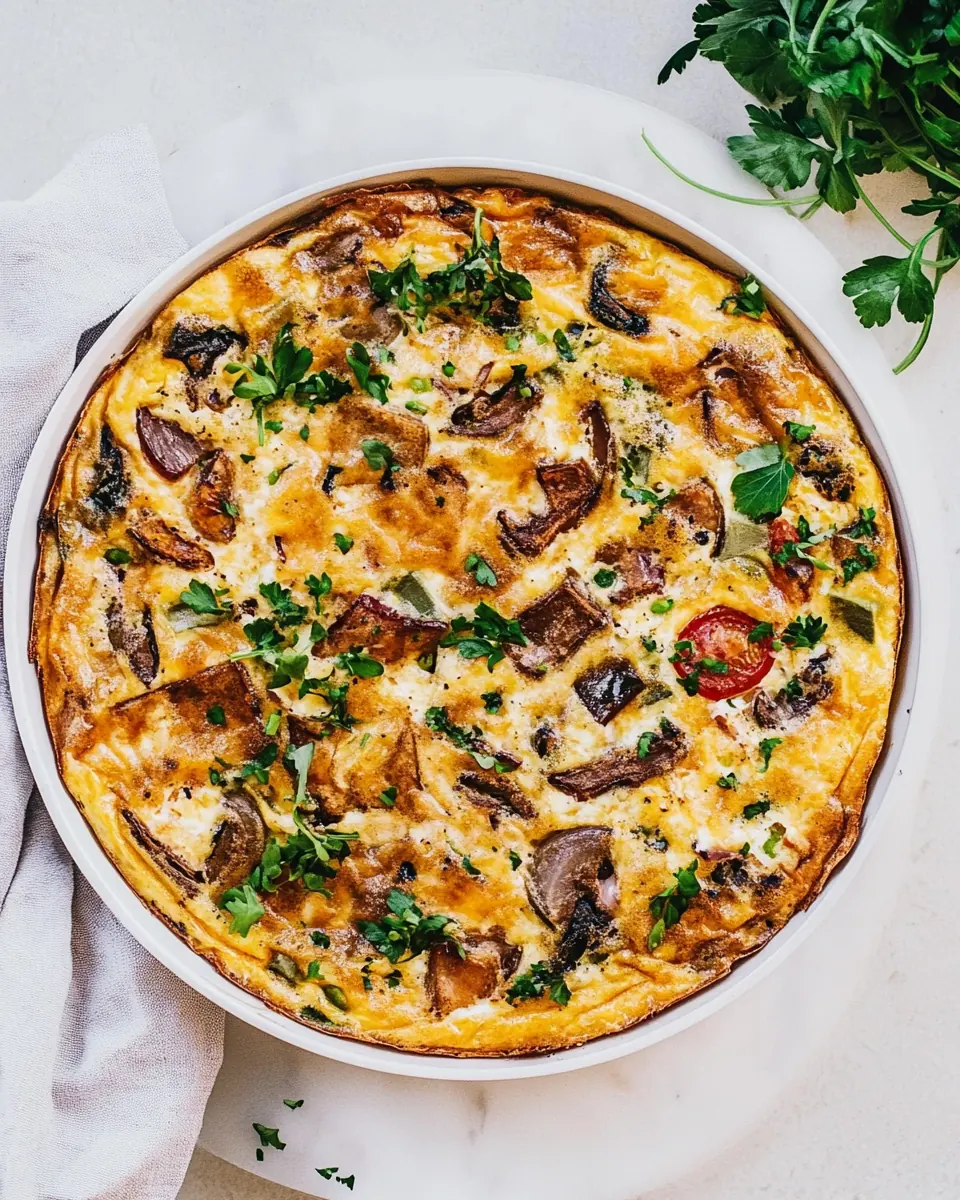
Bake 37–42 minutes or until the center is set and jiggles only slightly. Remove from oven and let cool for 5–10 minutes before using the paper overhang to lift it out of pan and onto a cutting board to cut and serve.: The parchment overhang will become your lifeline when lifting the finished Frittata from the pan, and the spray helps the paper sit flat. This step prevents sticking and keeps the edges intact when you remove the bake. Skipping the overhang makes removal fiddly and risks breaking the frittata when slicing.
Add veggies onto an extra-large (15×21-inch) sheet pan: When you spread the sweet potatoes , red bell pepper , and broccoli across a roomy sheet pan they develop direct contact with hot metal which encourages browning. Hear the faint sizzle as they hit the hot pan, that sound translates to flavor. If vegetables are crowded they steam and lose those toasty notes, so give them space to breathe.
Add the oil, garlic powder, onion powder, Italian seasoning, plus salt and pepper to taste: The aroma of the oil carrying the dried spices will bloom quickly, coating each vegetable with flavor. Tossing ensures even seasoning and that each piece receives some fat for browning. Too little oil causes uneven char, while too much makes the vegetables greasy. Season in layers to control the final saltiness.
Toss vegetables well to coat and spread out as much as possible in an even layer: You should see a glossy sheen on the vegetables and hear a subtle separation as they spread on the pan, ensuring direct contact for even roasting. An even single layer is crucial, because piled vegetables will steam and soften rather than develop the desired color and texture. If pieces stick together, use a spatula to separate them before roasting.
Roast for 20 to 25 minutes or until tender and nicely charred: During roasting the kitchen will fill with a toasty sweet smell as the sweet potatoes caramelize and the peppers blister, that is the moment to watch for when edges turn golden to deep brown. The visual cue of charred tips indicates the right time to remove them, and a fork should slide into a potato piece easily. Avoid opening the oven repeatedly which reduces heat and lengthens the roast time.
Remove and let slightly cool: Cooling a bit before combining with the eggs prevents the custard from cooking prematurely and becoming grainy, and you will notice the temperature drop as steam dissipates. Letting them cool also concentrates the roast flavors so they stand up in the final bake. If you skip this the residual heat can scramble the eggs on contact and change the texture.
Once you remove veggies, reduce oven temp to 350°F: Lowering the oven temperature creates a gentler environment for the eggs to set evenly without overbrowning the top. The shift from high to moderate heat ensures the center cooks through while the surface develops a light crust. Forgetting to lower the temp can lead to a frittata that is browned on top but undercooked in the middle.
In a large bowl, whisk together eggs, heavy cream, plus 3/4 teaspoon each of salt and pepper: As you whisk, the mixture should become smooth and slightly frothy, reflecting air incorporated into the custard which yields a tender finish. The smell will be fresh and rich with dairy, signaling the creation of your base. Under whisking can leave streaks of yolk and white, while over beating may introduce too much air, creating bubbles that collapse during baking.
Briskly whisk until smooth: The texture should be homogenous and glossy, with no visible separation between yolk and white, setting the stage for an even bake. This smoothness helps the egg mixture envelop the vegetables and cheeses for consistent mouthfeel. If lumps exist, strain the mixture to avoid dense pockets in the bake.
Add 2/3 of slightly cooled vegetables into the prepared 8×8 pan: Spreading the bulk of the roasted vegetables in the pan first creates a flavorful base layer and ensures each bite includes vegetable pieces. You will see a mosaic of colors and smell the roasted aromas rise as the warm vegetables meet the cool egg mixture. Overcrowding the pan with vegetables can prevent the eggs from surrounding each piece properly, so keep a balance.
Add Cheddar cheese then pour the egg mixture over of everything: The sharp Cheddar cheese will begin to soften and meld when the warm vegetables meet it, and pouring the custard will fold those flavors together. Listen for a soft settling sound as the liquid fills gaps, and watch it level out across the pan. Pouring too quickly can shift the vegetables unevenly, so pour steadily to maintain distribution.
Add Swiss cheese then remaining vegetables on top in an even layer: Placing the milder Swiss cheese and the reserved vegetables on top creates attractive color contrast and pockets of melty cheese near the surface. This layering helps produce a pleasing slice with distributed textural interest. Packing the top too densely may inhibit even baking and prevent the center from setting fully.
Tap the pan on a counter to even everything out: The small percussion helps trapped air escape and allows the custard to settle around the vegetables and cheeses, yielding a more uniform interior. You should see the surface level and any bubbles rise and pop at the edges. If you skip this, pockets of air can create holes and uneven texture in the finished slices.
Sprinkle Parmesan evenly over the top: The finely grated Parmesan cheese forms a savory crust that browns slightly and adds a finishing saltiness to the surface. When baked, it becomes aromatic and toasty, contributing a pleasant contrast. Using pre grated canned Parmesan can result in a powdery finish that does not meld, so fresh grated is preferable.
Bake 37 to 42 minutes or until the center is set and jiggles only slightly: You will see the edges pull away slightly from the parchment and the center will have a gentle wobble, not liquid, when done. The aroma will be rich and toasty with hints of roasted vegetables and browned cheese. Overbaking will dry the custard, while underbaking leaves the center runny, so use the jiggle test to judge doneness accurately.
Remove from oven and let cool for 5 to 10 minutes before using the paper overhang to lift it out of pan and onto a cutting board to cut and serve: During the rest the custard finishes setting and the slices hold their shape better, and you will notice steam subside and the texture firm slightly. Using the parchment overhang preserves the edges and makes slicing clean and simple. Cutting too soon risks breaking the pieces apart while they are still fragile.