Gluten Free Quinoa Holiday Dressing
Gluten Free Quinoa Holiday Dressing started for me as a curiosity, a way to keep tradition while honoring dietary needs at our family table. The first time I made it I was juggling a crowded kitchen and a worried cousin who could not have gluten, and this mix of quinoa and toasted gluten free bread felt like a gentle compromise that still delivered on texture and comfort. I remember the steam rising from the baking dish and the aroma of butter and sautéed onion making everyone pause and ask what I was making.
Over the years I tuned the seasoning and the broth balance so the dressing never tastes dry or heavy, even when made ahead. I like how the tiny grains of quinoa nestle between the cubes of toasted gluten free bread, creating pockets of fluff and chew. There is something grounding about tearing toast into bite sized cubes while the skillet sizzles on the stove, it feels like a ritual that centers the cooking process.
When I bring this to a Thanksgiving table, guests often ask if it is the classic stuffing they remember, and I tell them it is an homage that leans into warmth and bright seasoning rather than heaviness. This recipe taught me the value of texture and thoughtful liquids, because the right amount of chicken broth or optional vegetable broth will make the difference between a dry casserole and one that is tender and spoonable. I hope this version helps you keep favorites on the menu without sidelining anyone at the table.
Recipe Snapshot
60 mins
20 mins
40 mins
Medium
220 kcal
American
Gluten-Free, Vegan
Side Dishes
Medium saucepan, Large mixing bowl, Large skillet, Casserole dish, Oven
What You’ll Enjoy About This Gluten Free Quinoa Holiday Dressing
Comfort without compromise
I love that Gluten Free Quinoa Holiday Dressing gives you the cozy mouthfeel of a classic dressing while remaining approachable and light. The combination of toasted gluten free bread and wholesome quinoa creates a satisfying texture that will please both gluten free and regular diners, and I often find it becomes a surprise star on the buffet.
Bright, adaptable flavor
We can tailor the seasoning easily, and the poultry seasoning brings an herbal, citrus hint that lifts the whole dish. Using low sodium chicken broth or an optional vegetable broth keeps the flavors clean and lets the aromatics like sautéed onion and celery sing through.
Reliable make ahead performance
I appreciate recipes that travel well, and this one is forgiving for preparing a day ahead. The dressing holds moisture nicely, and the final uncovered bake gives you that browned top everyone loves, even when it was assembled earlier.
Textural balance
The small but sturdy grains of quinoa help absorb broth without turning mushy, while the toasted gluten free bread cubes provide chew and contrast. That balance is what keeps each bite interesting, and it means you do not need a long ingredient list to impress.
Accessible for many diets
Because this dish starts gluten free at its core and uses simple pantry items like butter and broth, I find it easy to slot into many holiday menus. It feels both special and practical, which is why I reach for it when I want something dependable but not predictable.
Ingredients Required for Gluten Free Quinoa Holiday Dressing
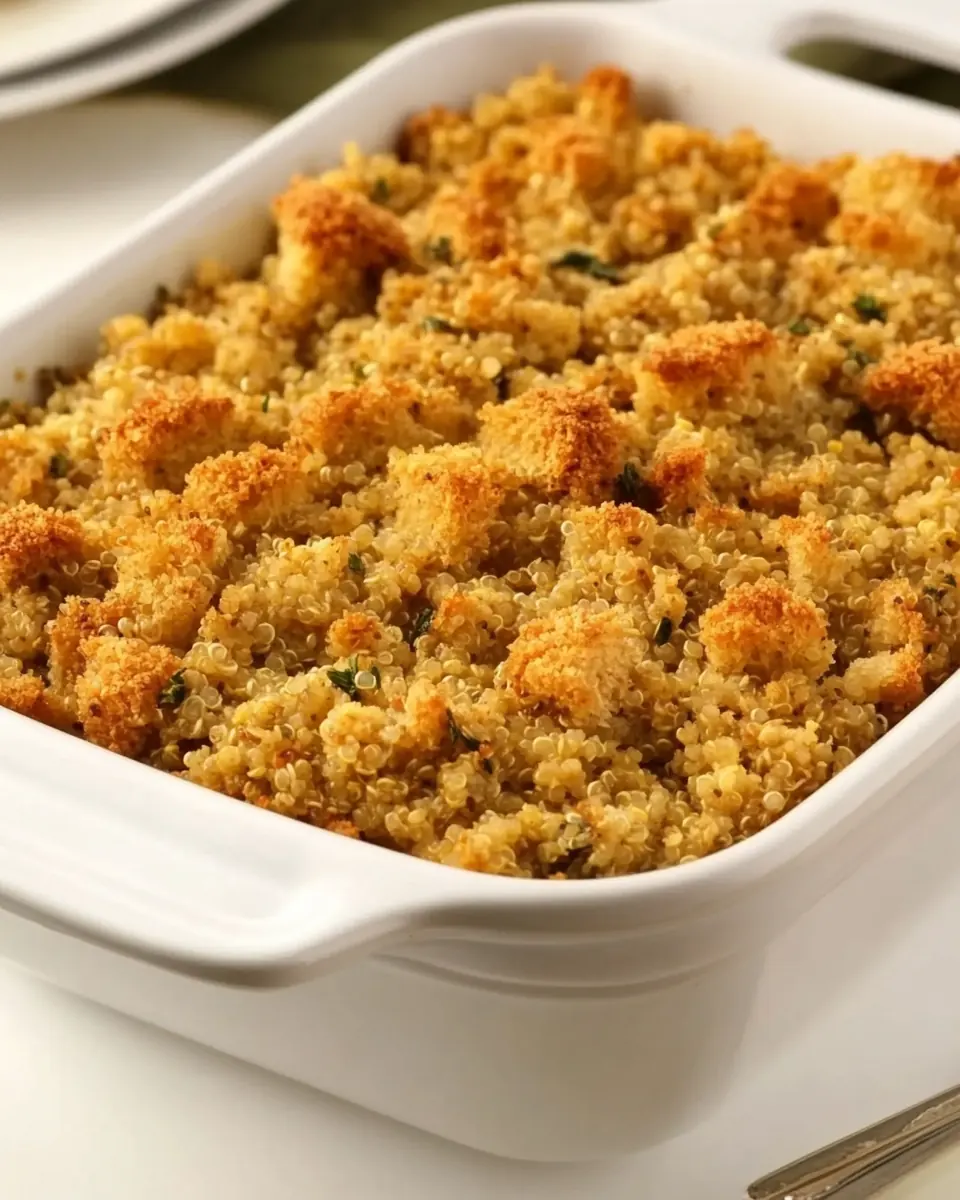
This ingredient list is built around a few key players that do most of the work. The tiny grains of quinoa provide structure and protein, while toasted gluten free bread gives crunch and chew. The broth and melted butter carry flavor and moisture, and aromatics like celery and sweet onion add savory depth. Together they create a dressing that is both fluffy and satisfying.
- 1 cup quinoa pre-rinsed: Rinse thoroughly and cook to provide a nutty, gluten–free base that absorbs flavors and adds a light, fluffy texture to the dressing.
- 1 3/4 cups chicken broth low-fat and low-sodium ( vegetable broth) (optional): Simmer gently to cook the quinoa and infuse it with savory liquid while adding subtle saltiness; use vegetable broth for a vegetarian variation.
- 8 cups bread gluten-free, lightly toasted, cut or torn into bite-size cubes: Cube and toast lightly to create crunchy, gluten–free crumbs that contribute structure and bread-like mouthfeel while soaking up dressing liquids.
- 1 tablespoon poultry seasoning or Skinny Ms. Poultry Seasoning with a Hint of Citrus recipe: Season evenly to bring warm, herby, and slightly citrusy notes that complement poultry and grains; blend into the mixture for balanced flavor.
- 1 teaspoon black pepper: Grind freshly to taste and add a mild heat and aromatic pungency that enhances other seasonings without overpowering the dish.
- kosher or sea salt to taste: Season sparingly to taste to control overall salinity and to highlight the natural flavors of the grains, vegetables, and herbs in the dressing.
- 4 tablespoons pure butter melted: Melt and stir in to provide richness and moisture, helping to bind components while delivering a silky mouthfeel and toasted flavor.
- 2 cups celery finely diced: Dice finely and cook until tender to add a crisp, aromatic vegetal note with fresh sweetness and texture contrast throughout the dressing.
- 1 sweet onion diced: Chop and sauté until translucent to contribute sweet, savory depth and a soft texture that melds with grains and bread for cohesive flavor.
- 2 to 4 cups chicken broth low-fat and low-sodium ( vegetable broth) (optional): Add gradually while stirring to achieve the desired moisture and consistency; use vegetable broth if avoiding animal products for similar savory depth.
Making This Gluten Free Quinoa Holiday Dressing
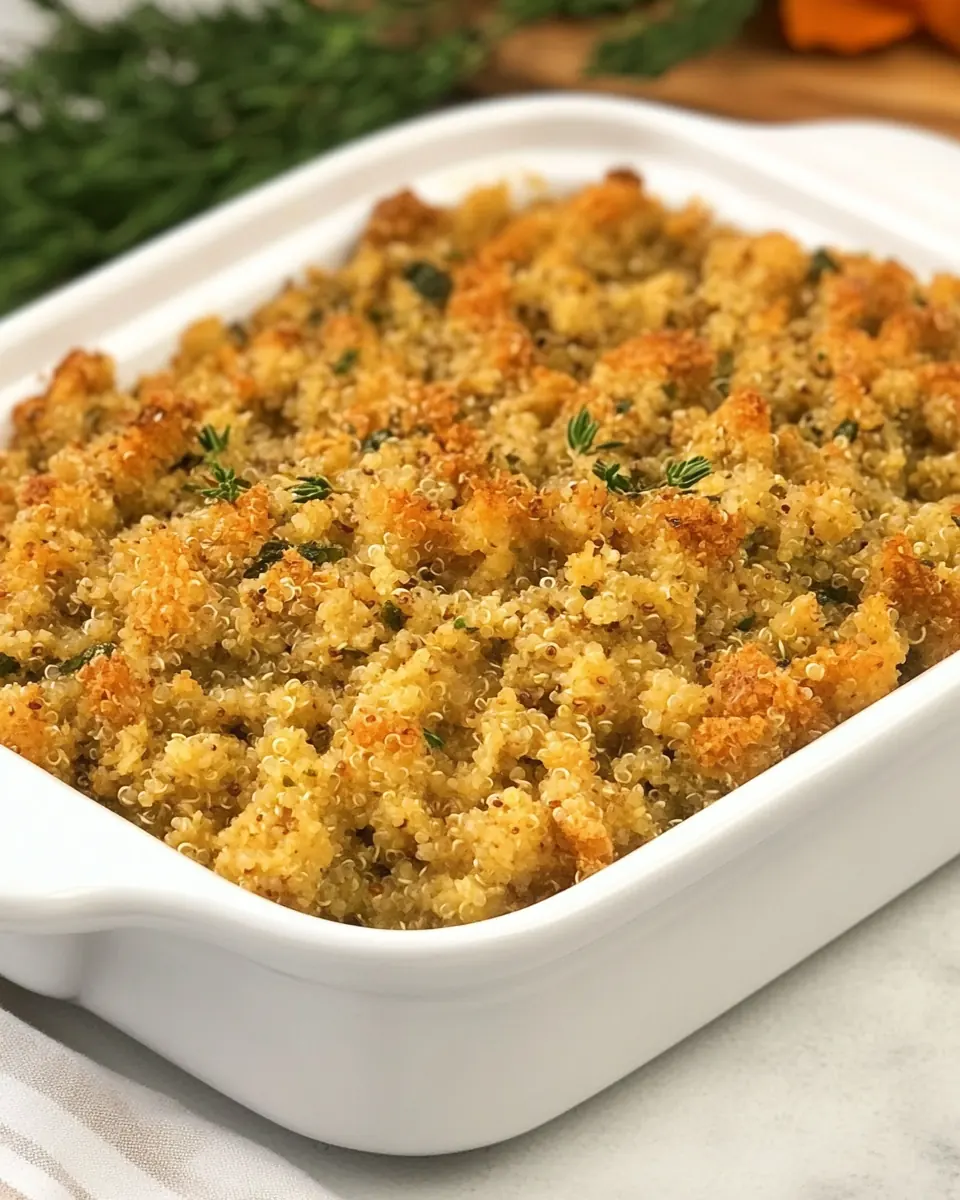
These steps are straightforward, but I like to walk you through sensory cues and troubleshooting so you can feel confident. The sequence builds moisture into toasted bread while preserving pockets of texture, and the final bake gives a golden top that signals readiness. Read each step fully and tune the broth amount to your preferred tenderness.
- In a medium saucepan, add quinoa and broth, bring to a boil, cover, reduce heat to a simmer. Cook quinoa until most liquid has been absorbed, about 12 minutes. Quinoa will continue to cook when baking. Remove from heat and set aside.: As the pot warms you'll notice a gentle steam and a faint nutty aroma from the quinoa , and the surface may shimmer slightly as bubbles rise to the top before settling into a simmer. You want a lively but not aggressive boil initially, then an even, low simmer so the grains hydrate without breaking apart. The visual cue is that most of the liquid should be drawn in and the grains look translucent with a tiny white germ ring appearing, which indicates they are tender yet separate. The sound should be a quiet, methodical simmer rather than a hard rolling boil. The reason this matters is that over stirring or an overly high heat can make the grains release excess starch and become gluey, which affects the texture in the finished dressing. A common troubleshooting tip is if the pot looks dry before the 12 minute mark, add a tablespoon of broth and continue gently cooking, because undercooked quinoa will remain grainy after baking.
- Tear or cut toast into small, bite-size pieces. Combine toast pieces, quinoa, pepper, salt, and poultry seasoning in a large mixing bowl.: The toasted gluten free bread should be cool enough to handle and slightly crisp, giving off a warm toasty scent as you tear it. When you combine the warm quinoa with the cubes, steam will rise and the grains will cling to crevices of the toast, creating contrast between fluffy and chewy textures. Take time to distribute the poultry seasoning and freshly ground black pepper evenly so each bite has a balanced herbal lift, and taste a small pinch to confirm salt levels before moving on. The reason for tossing now is to allow the grains to start absorbing flavors before you introduce the sautéed vegetables, which deepens integration. A frequent mistake is adding too much salt at this stage without accounting for later broth, resulting in an overly seasoned dish.
- Preheat oven to 350 degrees.: As the oven warms, you might notice a faint warming smell from your kitchen that signals readiness for baking. Preheating ensures the casserole starts cooking immediately and the top crisps properly when uncovered, rather than slowly warming which can lead to a dense, soggy center. The temperature is deliberate for gentle browning rather than rapid top charring, and it helps the interior set while the exterior gets color. If you skip preheating, the timing will be off and you could end up with an unevenly baked casserole, which is a common oversight.
- In a large skillet add butter and sauté celery and onion on medium-low heat until tender, about 8 to 10 minutes. Pour over cubed toast mixture. Add 2 cups broth and stir to combine. Add additional broth for a more moist dressing.: When the butter melts it should foam gently and release a warm dairy fragrance, then the diced onion and celery will sizzle softly as their moisture evaporates and natural sugars begin to soften, releasing a sweet and savory aroma. Watch for translucency in the onion and a softened, slightly glossy look in the celery , which indicates they are tender and aromatic but not browned. Pouring this mixture over the bread and quinoa produces a satisfying hiss as the warm vegetable mix meets the cool toast, and stirring should show the cubes beginning to absorb the melted butter and flavors. Start by adding 2 cups of the additional chicken broth , then assess moisture by pressing a handful of the mixture; it should hold together lightly without being soupy. The why here is that sautéing mellows the aromatics and brings out layered sweetness that complements the herbal seasoning. A usual mistake is using high heat which browns the vegetables too quickly, creating an overly caramelized flavor that distracts from the delicate quinoa .
- Lightly mist a large casserole dish with non-stick cooking spray and add the dressing. Bake covered for 20 minutes, remove lid or foil and bake uncovered an additional 10 minutes or until the desired color has been reached.: As the dish bakes covered, steam will gather and the interior will set while flavors continue to meld; you'll see gentle bubbling at the edges and the aroma will become rounded and full. After removing the cover for the final 10 minutes, the top should take on a golden color, and you may notice crisped edges where the toasted gluten free bread meets the casserole dish. The uncovered bake also allows excess moisture to evaporate, preserving the contrast between tender interior and lightly crisp top. Tap the surface; it should feel set but not rock hard. The reason for this two stage bake is to encourage even cooking without drying out, and to produce the visual cue of a warm, browned top. A common troubleshooting point is leaving it covered for too long which keeps the top soft and prevents that appealing browned finish.
Substitutions and Tips
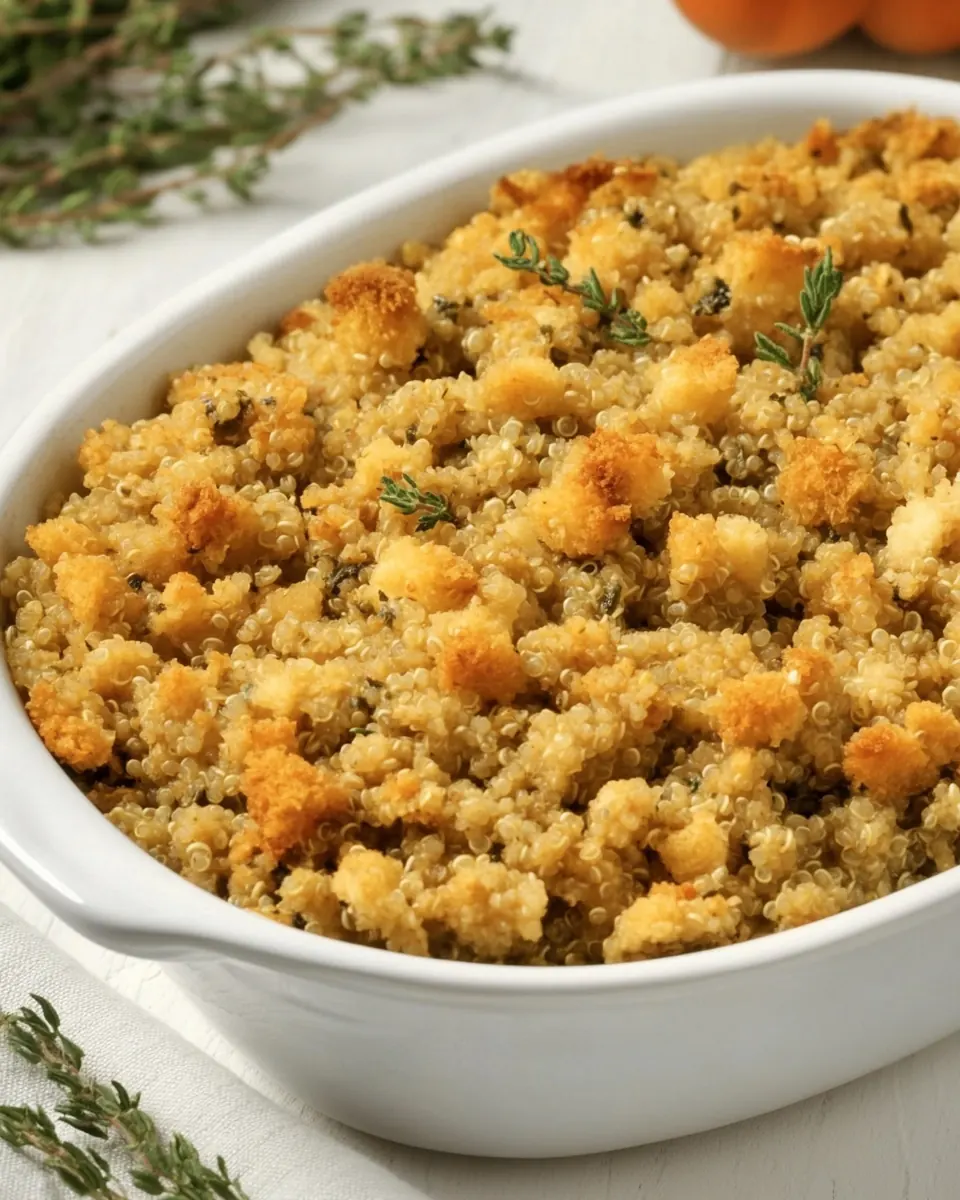
This list highlights practical swaps and thoughtful guidance to help you adapt the dressing to your pantry and preferences. Each tip begins with a bolded phrase to make scanning easier and then explains how to apply the idea in practice. Use these as a toolbox rather than strict rules.
- Use vegetable broth for vegetarian guests — swapping the extra chicken broth for vegetable broth keeps the umami base while making the dressing suitable for vegetarians, and it gives a cleaner, plant based flavor profile that pairs well with herbal poultry seasoning.
- Control moisture by adding broth bit by bit — start with the lower measure of broth and stir, then add more if the mixture seems dry; this prevents the common problem of ending up with a soggy casserole.
- Toast bread for texture — lightly toasting the gluten free bread ensures it maintains some bite after absorbing liquids, giving you pockets of chew rather than a uniform mush.
- Measure poultry seasoning thoughtfully — because the seasoning brings citrus and herbal notes, a little goes a long way; taste as you go and adjust in small increments.
- Prep vegetables in advance — sautéing the diced onion and celery earlier in the day concentrates their flavor and speeds assembly on the holiday itself.
- Opt for low sodium broth — using low sodium chicken broth gives you more control over final seasoning and avoids an overly salty result, especially if your stock is already concentrated.
- Keep quinoa light by rinsing — rinsing quinoa removes natural bitterness and results in a cleaner, nuttier flavor that complements the other ingredients.
Best Served With
This section outlines ideal pairings, serving scenarios, and storage ideas so you can plan a full menu around your dish. Below are practical suggestions for side dishes and occasions where this dressing shines.
- Holiday buffet centerpiece — Serve Gluten Free Quinoa Holiday Dressing alongside roasted vegetables and a main roast, allowing guests to help themselves and enjoy a gluten free option that mirrors classic flavors.
- Weeknight adaptation — For a cozy family dinner, pair with a simple green salad and roasted root vegetables to round out the plate with color and variety.
- Make ahead and reheat — Assemble the dressing, refrigerate overnight, and bake on the day you plan to serve; this approach saves time and deepens flavor through resting.
- Portioning and storage — Store leftovers in an airtight container in the refrigerator for up to three days; reheat covered in a low oven to maintain moisture and avoid drying out the top.
- Seasonal pairing — This dressing is excellent for fall and Thanksgiving menus, marrying well with earthy sides and fruit based chutneys that provide sweet contrast.
FAQ
Conclusion
This recipe stands out because it marries wholesome quinoa with the familiar texture of toasted gluten free bread, delivering a holiday dressing that feels both comforting and thoughtfully updated. Give it a try next time you want an inclusive dish that still reads like tradition, and rely on the broth adjustments to dial in your perfect moisture level. I hope it brings ease and warmth to your table, and becomes one of those dishes you reach for whenever you want something dependable and delicious.
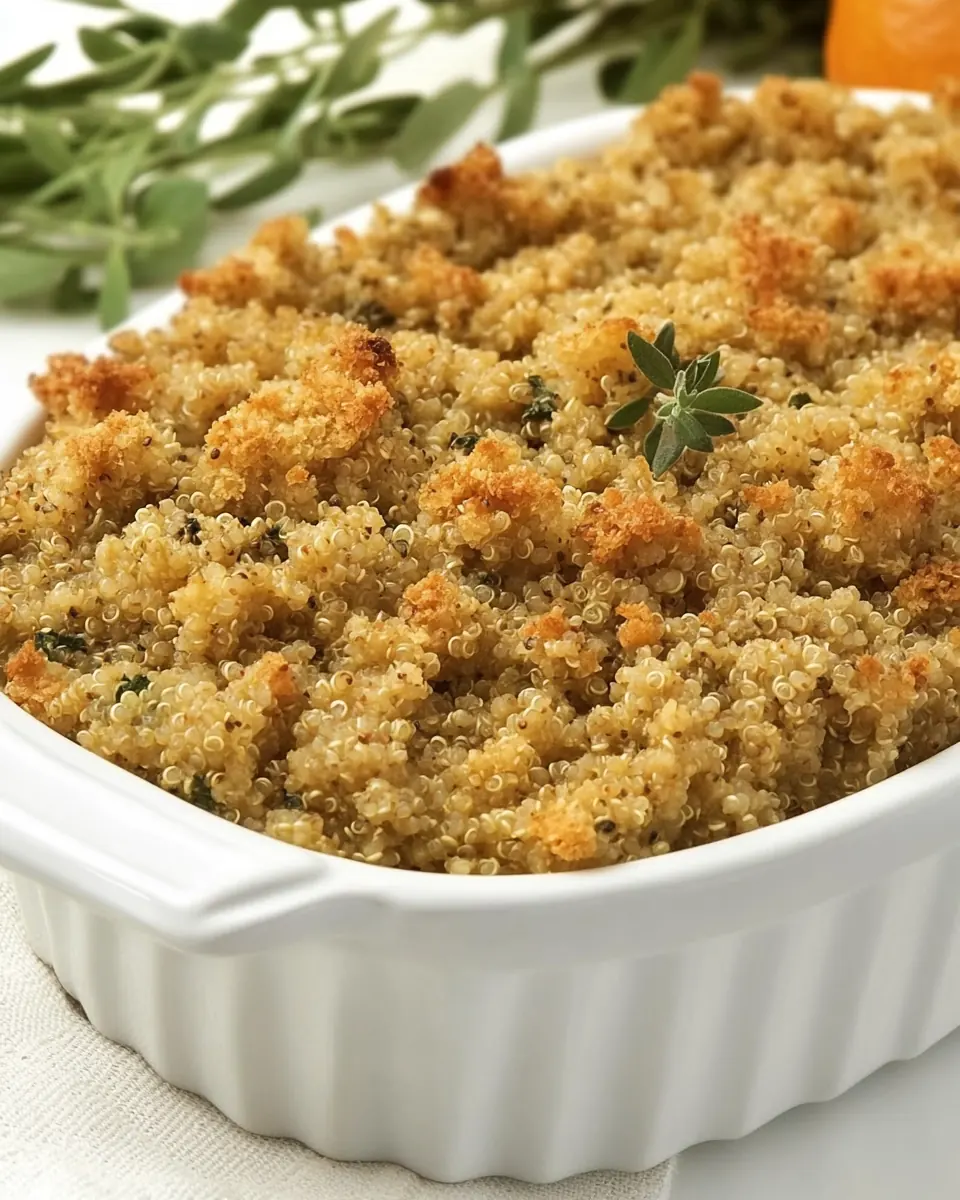
Gluten Free Quinoa Holiday Dressing
Ingredients
Equipment
Method
- In a medium saucepan, add quinoa and broth, bring to a boil, cover, reduce heat to a simmer. Cook quinoa until most liquid has been absorbed, about 12 minutes. Quinoa will continue to cook when baking. Remove from heat and set aside.: As the pot warms you'll notice a gentle steam and a faint nutty aroma from the quinoa , and the surface may shimmer slightly as bubbles rise to the top before settling into a simmer. You want a lively but not aggressive boil initially, then an even, low simmer so the grains hydrate without breaking apart. The visual cue is that most of the liquid should be drawn in and the grains look translucent with a tiny white germ ring appearing, which indicates they are tender yet separate. The sound should be a quiet, methodical simmer rather than a hard rolling boil. The reason this matters is that over stirring or an overly high heat can make the grains release excess starch and become gluey, which affects the texture in the finished dressing. A common troubleshooting tip is if the pot looks dry before the 12 minute mark, add a tablespoon of broth and continue gently cooking, because undercooked quinoa will remain grainy after baking.
- Tear or cut toast into small, bite-size pieces. Combine toast pieces, quinoa, pepper, salt, and poultry seasoning in a large mixing bowl.: The toasted gluten free bread should be cool enough to handle and slightly crisp, giving off a warm toasty scent as you tear it. When you combine the warm quinoa with the cubes, steam will rise and the grains will cling to crevices of the toast, creating contrast between fluffy and chewy textures. Take time to distribute the poultry seasoning and freshly ground black pepper evenly so each bite has a balanced herbal lift, and taste a small pinch to confirm salt levels before moving on. The reason for tossing now is to allow the grains to start absorbing flavors before you introduce the sautéed vegetables, which deepens integration. A frequent mistake is adding too much salt at this stage without accounting for later broth, resulting in an overly seasoned dish.
- Preheat oven to 350 degrees.: As the oven warms, you might notice a faint warming smell from your kitchen that signals readiness for baking. Preheating ensures the casserole starts cooking immediately and the top crisps properly when uncovered, rather than slowly warming which can lead to a dense, soggy center. The temperature is deliberate for gentle browning rather than rapid top charring, and it helps the interior set while the exterior gets color. If you skip preheating, the timing will be off and you could end up with an unevenly baked casserole, which is a common oversight.
- In a large skillet add butter and sauté celery and onion on medium-low heat until tender, about 8 to 10 minutes. Pour over cubed toast mixture. Add 2 cups broth and stir to combine. Add additional broth for a more moist dressing.: When the butter melts it should foam gently and release a warm dairy fragrance, then the diced onion and celery will sizzle softly as their moisture evaporates and natural sugars begin to soften, releasing a sweet and savory aroma. Watch for translucency in the onion and a softened, slightly glossy look in the celery , which indicates they are tender and aromatic but not browned. Pouring this mixture over the bread and quinoa produces a satisfying hiss as the warm vegetable mix meets the cool toast, and stirring should show the cubes beginning to absorb the melted butter and flavors. Start by adding 2 cups of the additional chicken broth , then assess moisture by pressing a handful of the mixture; it should hold together lightly without being soupy. The why here is that sautéing mellows the aromatics and brings out layered sweetness that complements the herbal seasoning. A usual mistake is using high heat which browns the vegetables too quickly, creating an overly caramelized flavor that distracts from the delicate quinoa .
- Lightly mist a large casserole dish with non-stick cooking spray and add the dressing. Bake covered for 20 minutes, remove lid or foil and bake uncovered an additional 10 minutes or until the desired color has been reached.: As the dish bakes covered, steam will gather and the interior will set while flavors continue to meld; you'll see gentle bubbling at the edges and the aroma will become rounded and full. After removing the cover for the final 10 minutes, the top should take on a golden color, and you may notice crisped edges where the toasted gluten free bread meets the casserole dish. The uncovered bake also allows excess moisture to evaporate, preserving the contrast between tender interior and lightly crisp top. Tap the surface; it should feel set but not rock hard. The reason for this two stage bake is to encourage even cooking without drying out, and to produce the visual cue of a warm, browned top. A common troubleshooting point is leaving it covered for too long which keeps the top soft and prevents that appealing browned finish.
Notes
- Use vegetable broth for vegetarian guests — swapping the extra chicken broth for vegetable broth keeps the umami base while making the dressing suitable for vegetarians, and it gives a cleaner, plant based flavor profile that pairs well with herbal poultry seasoning.
- Control moisture by adding broth bit by bit — start with the lower measure of broth and stir, then add more if the mixture seems dry; this prevents the common problem of ending up with a soggy casserole.
- Toast bread for texture — lightly toasting the gluten free bread ensures it maintains some bite after absorbing liquids, giving you pockets of chew rather than a uniform mush.
- Measure poultry seasoning thoughtfully — because the seasoning brings citrus and herbal notes, a little goes a long way; taste as you go and adjust in small increments.
- Prep vegetables in advance — sautéing the diced onion and celery earlier in the day concentrates their flavor and speeds assembly on the holiday itself.
- Opt for low sodium broth — using low sodium chicken broth gives you more control over final seasoning and avoids an overly salty result, especially if your stock is already concentrated.
- Keep quinoa light by rinsing — rinsing quinoa removes natural bitterness and results in a cleaner, nuttier flavor that complements the other ingredients.