Shrimp Pasta Salad
Shrimp Pasta Salad is one of those dishes I reach for when the sun hangs late and the week has been full, it recalls a backyard table where everyone helps themselves and conversation moves easily from one topic to another.
My first memory of Shrimp Pasta Salad involves a battered picnic bowl and a neighbor who taught me to rinse pasta under cold water until it felt pleasantly cool, not icy, so the dressing clings without making the pasta gummy. I remember the bright pop of tomato against the mild, crisp cucumber, and how the canned shrimp made this feel effortless without sacrificing flavor. That afternoon I learned that simple swaps, like using canned shrimp or frozen cooked shrimp, keep things easy and still let the dressing sing.
Over the years I have tweaked the dressing so it is tangy and slightly sweet, balancing the creamy mayo with a touch of ketchup and a hint of horseradish when I want a subtle bite. I often make a double batch for gatherings, because this salad holds its texture and taste when chilled, and it disappears fast. Whenever I need a no fuss, crowd friendly side that feels homemade, I go for this recipe, and I think you will enjoy how forgiving and bright it is.
Recipe Snapshot
26 mins
25 mins
1 mins
Easy
300 kcal
American
Gluten-Free, Low FODMAP
Salads
Large pot, Large bowl, Fine mesh strainer, Whisk
What We Adore About This Shrimp Pasta Salad
Easy to assemble
I love that Shrimp Pasta Salad comes together with minimal cooking skill. Boiling pasta and tossing with ready to use shrimp makes it approachable for anyone, and that ease means I make it often for casual weeknight meals and bigger get togethers.
Bright, balanced flavors
The creamy tang of the dressing, with mayo and a little ketchup, plays against the freshness of diced tomato and crisp cucumber. I like how the pinch of sugar and the measured salt bring harmony, so every bite tastes balanced rather than one note dominating.
Flexible with seafood choices
Because the recipe accepts canned shrimp or thawed frozen cooked shrimp, I keep it in regular rotation. I find canned shrimp is a brilliant pantry hack when fresh options are limited, and it still provides that delicate seafood texture without fuss.
Great for make ahead meals
This salad improves after resting in the fridge, so it is perfect to prepare a few hours ahead. The flavors meld, and chilling helps the dressing coat every piece, making service simple and stress free when guests arrive.
Kid friendly but adult approved
The mild sweetness and creamy dressing make this a hit with kids, while the texture contrasts and optional horseradish let adults dial up the complexity. I like recipes that bridge both needs, so nobody is left out at the table.
What Goes Into Shrimp Pasta Salad
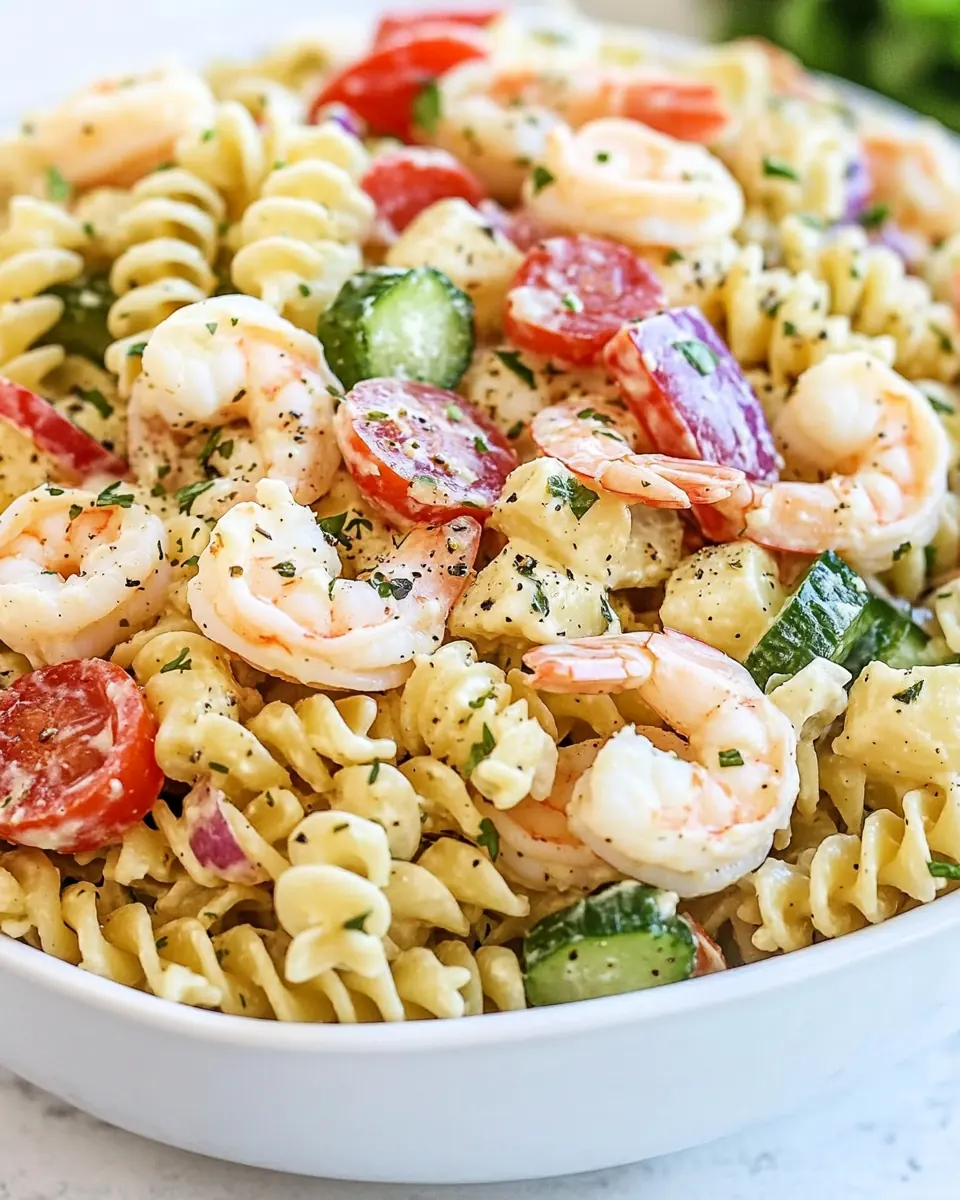
The ingredients in this salad are straightforward and purposeful. I like to think of the components as players in a small ensemble. The pasta provides body and a comforting base, the shrimp brings delicate seafood notes, and the fresh produce like tomato and cucumber add crunch and brightness. The dressing ingredients create a smooth, slightly sweet and tangy coating that ties everything together without overwhelming the lighter elements.
- 4 cups Ditalini Pasta, uncooked: Cooked and tender, provides the primary starchy base and hearty texture for the salad while absorbing the dressing flavors; use al dente ditalini to maintain shape and bite after chilling. Offers bulk and makes the dish satisfying for serving as a main or side for a group.
- 10 oz canned shrimp, found by the canned tuna OR 1 1/2 cups frozen cooked baby shrimp, thawed: Canned or thawed shrimp contributes concentrated seafood flavor and protein, delivering a briny, slightly sweet bite that complements the creamy dressing; ensure shrimp are drained well to avoid watering down the salad. Adds visual appeal and textural contrast with the pasta.
- 1 1/2 cups english cucumber, diced: Crisp and hydrating, diced english cucumber supplies fresh crunch and a mild, cool flavor that lightens the richness of the mayo-based dressing; peel if preferred and remove seeds for less moisture. Balances texture and keeps the salad refreshing when served cold.
- 1 large tomato, diced: Juicy and slightly acidic, diced large tomato brings brightness and a subtle sweetness that offsets the creamy and savory components; choose ripe firm tomatoes to avoid excess liquid. Provides color contrast and enhances overall flavor complexity.
- 1 1/4 cup mayo: Rich and creamy, mayonnaise acts as the emulsified base for the dressing, binding the ingredients together while giving the salad a smooth, luscious mouthfeel; adjust quantity for desired coating. Serves as the primary source of fat and richness in the dish.
- 2 to 3 tbsp ketchup, more if desired: Tangy and slightly sweet, ketchup introduces tomato-forward flavor and a touch of acidity that rounds out the dressing; add gradually to taste to avoid overpowering the other elements. Helps provide color and a familiar savory note in the sauce.
- 1 1/2 tsp salt: Salty seasoning that enhances and balances the other flavors in the salad; sprinkle and taste as you mix to achieve the desired level without oversalting. Essential for bringing out the natural flavors of the shrimp, vegetables, and pasta.
- 1 1/2 tsp sugar: Sweetener that softens acidity and balances savory notes in the dressing; incorporate sparingly and adjust based on tomato and ketchup acidity. Helps round flavors and prevents the dressing from tasting overly sharp.
- 1 tbsp horseradish (optional): Sharp and pungent, horseradish adds a spicy kick and depth when used, creating a zesty contrast to the creamy mayo; include only if you want a noticeable heat and pungency. Acts as an optional flavor booster to lift the overall profile.
- 1 to 2 tsp milk, to thin the dressing: Thin and lightening agent to adjust dressing consistency, milk loosens the mayonnaise mixture for easy coating and a silkier texture; add a small amount at a time until desired thinness is reached. Keeps the dressing spreadable without watering down flavor.
Directions for Shrimp Pasta Salad
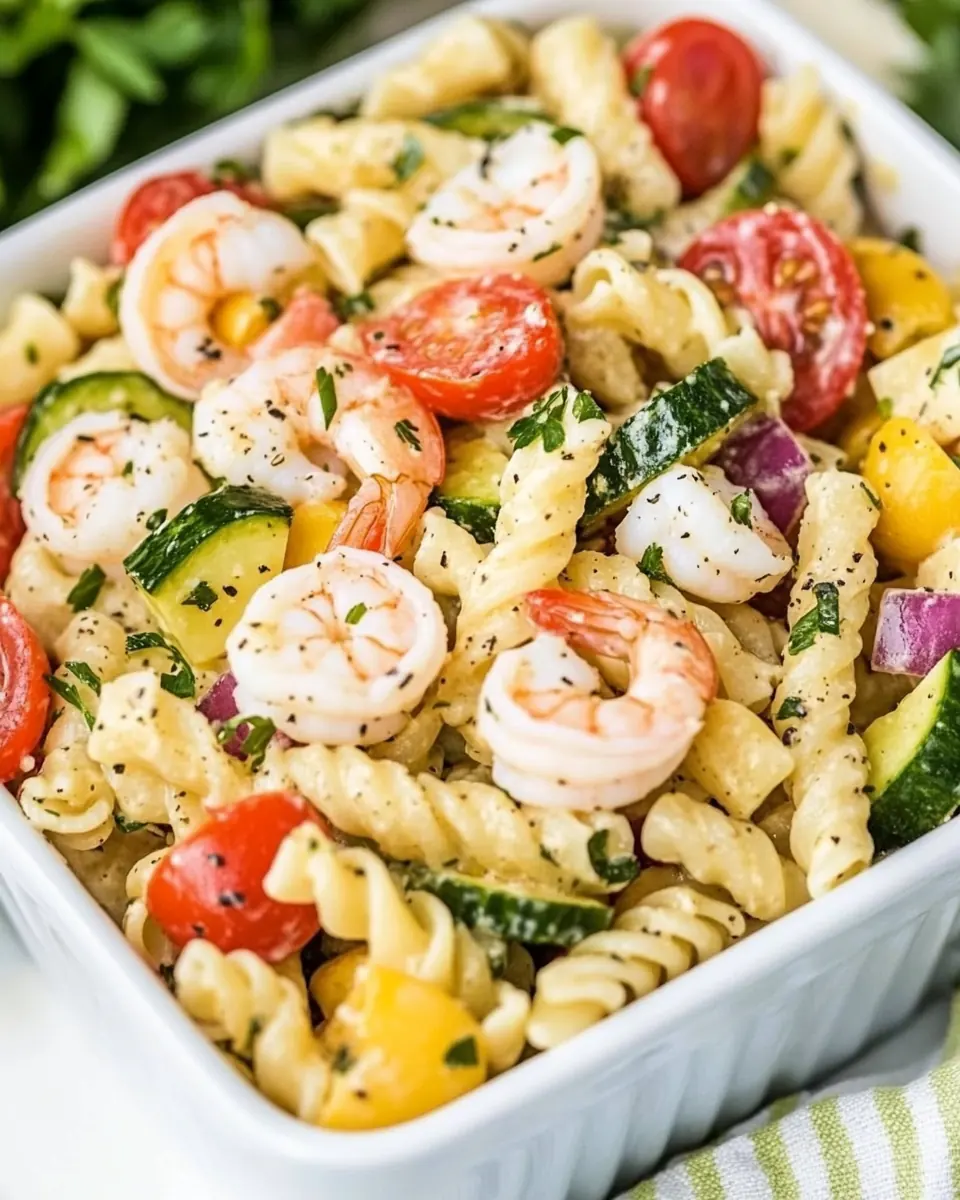
These directions will guide you through getting perfectly textured pasta, well drained shrimp, and a harmonious dressing. I walk you through sensory signs to watch for and small troubleshooting tips so the salad turns out reliably every time.
- Boil the pasta in a large pot of salted water according to package instructions. Drain the pasta and run under cold water, until cool, drain and place in a large bowl.: The kitchen will fill with a warm, wheaty steam as the pasta comes to a gentle boil, and you should hear a steady, soft bubbling sound rather than a roaring boil, which helps prevent foaming over. When the pasta reaches al dente, it will still have slight resistance when bitten through, and that firmness is crucial so the pieces do not collapse when chilled. After draining, rinse the pasta under cool running water until it feels pleasantly cool to the touch, this stops the cooking and removes surface starch that otherwise makes the salad gummy. A common mistake is to skip rinsing, which can glue the pieces together once dressed, so take the extra minute to refresh the pasta under the tap.
- Drain and rinse the shrimps under cool water, add them to the bowl of pasta along with the diced tomato and cucumber. Set aside.: You will notice the pasta lose its steam and become pliant, not mushy, as the cool water firms it up. Transferring it to a large bowl while still slightly warm allows the dressing to absorb evenly, but fully cooling prevents the mayo from breaking down. Feel the pasta between your fingers to ensure it is separated and not sticking together. Overcrowding the bowl can cause clumping, so use a roomy container for gentle tossing.
- In a separate bowl whisk together the ingredients for the dressing, adding more milk if necessary to reach desired consistency. Pour the dressing over the pasta and gently stir together, to coat and mix the pasta salad. Chill until ready to serve.: As you rinse the canned or thawed cooked shrimp , you will see any residual brine wash away, leaving the delicate, slightly springy texture that blends well with pasta . When you fold in the diced tomato and cucumber , look for a mix of colors and a contrast of textures, the cucumber providing crispness while the tomato offers juiciness. The sound here is subtle: a light swish as you fold the pieces together, and the visual cue is even distribution without crushing the tomato. A typical error is folding too vigorously, which bruises the tomato and releases excess liquid, so gently combine the ingredients.
- Set aside: Letting the salad sit briefly before dressing allows any stray liquid to settle and gives you a chance to taste and adjust seasoning. Visually, components will relax and the bowl will look more cohesive. If you skip this pause, the dressing may be absorbed unevenly, and the final texture can be inconsistent. Use this moment to check the seasoning and remove any large tomato seeds that might have been missed.
- In a separate bowl whisk together the ingredients for the dressing, adding more milk if necessary to reach desired consistency: As you whisk the mayo , ketchup , salt , sugar , and optional horseradish , you will see the mixture mellow into a glossy, unified emulsion, and the aroma will shift to a gentle tang with a hint of sweetness. Whisking briskly incorporates air so the dressing feels lighter on the palate; if it looks too thick, add a teaspoon of milk at a time until it flows slowly off a spoon. A common pitfall is over thinning, which causes the dressing to pool instead of coating, so aim for a thick ribbon that still pours.
- Pour the dressing over the pasta and gently stir together, to coat and mix the pasta salad: When the dressing hits the bowl, listen for a soft swishing sound as you fold it through; you should see the glossy dressing cling to the pasta and vegetables, not pool beneath them. Use a gentle folding motion from the bottom up to evenly distribute without breaking the tomato or overworking the pasta . The salad should look uniformly dressed with visible flecks of seasoning. Avoid aggressive stirring which can make the salad weepy or cause the proteins to become dense.
- Chill until ready to serve: Cooling the salad in the refrigerator allows flavors to marry and the dressing to firm slightly, giving a cohesive mouthfeel. The bowl will become quieter as condensation fades and the salad reaches a cool, refreshing temperature, perfect for serving. Chill for at least thirty minutes so the texture sets, but not so long that the cucumber loses its crunch. A typical mistake is serving it straight from mixing, which can leave flavors unblended and a loose dressing texture.
Ways to Customize
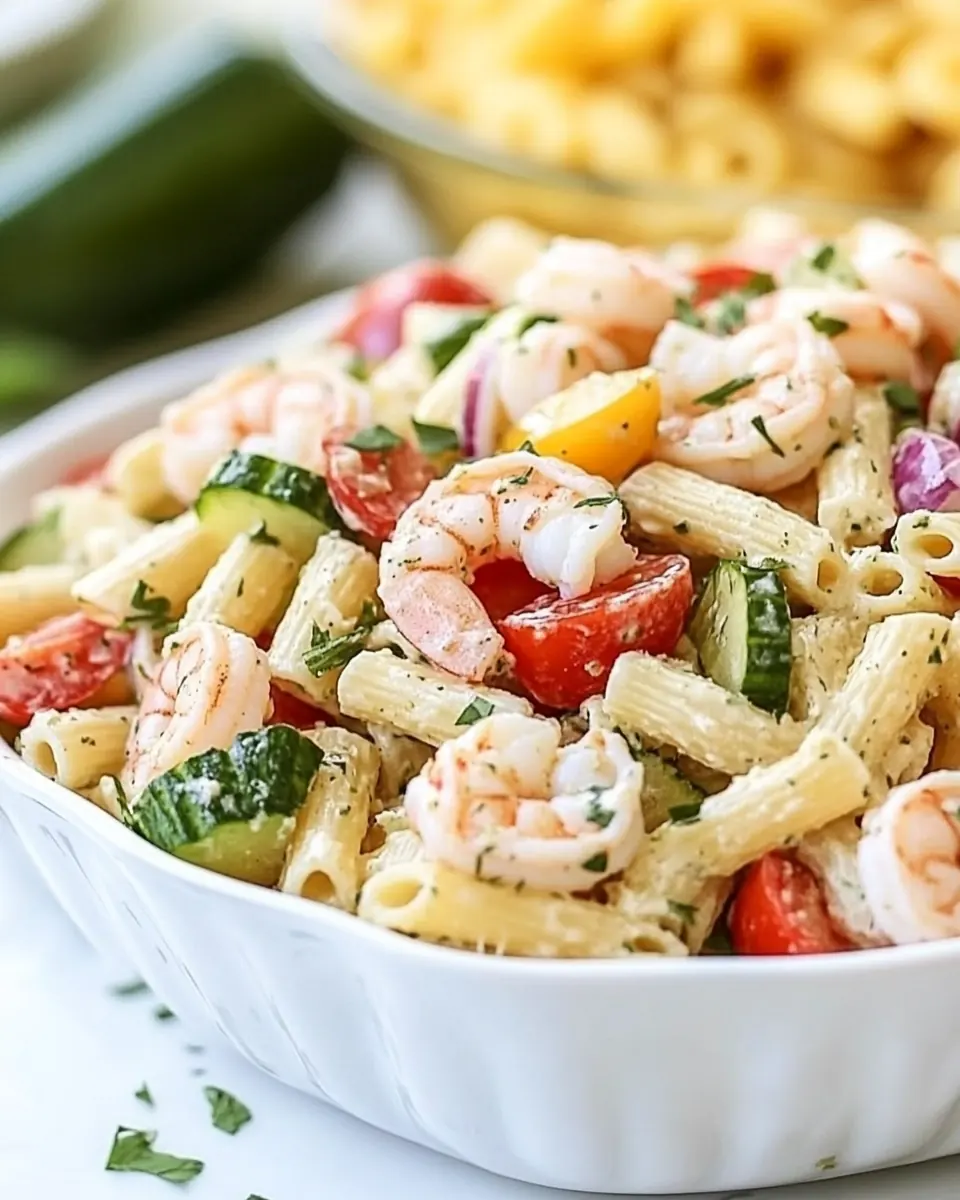
I like to offer customization options that are simple and reliable, so you can adapt the salad to what you have on hand or the mood of the meal. Below are ideas I often use, each one starting with a bold prompt to guide you quickly.
- Use different pasta shapes — Swap the ditalini pasta for small shells or elbow macaroni if that is what you have; the goal is a small shape that holds dressing well and creates a pleasant bite.
- Adjust the dressing thickness — If you prefer a thinner coating, add milk a teaspoon at a time until the texture is pourable but still clings to the pieces.
- Make it spicier — Stir in additional horseradish a little at a time to elevate heat without changing sweetness, tasting as you go so it stays balanced.
- Change the sweetness — Increase or decrease the sugar and ketchup to shift the dressing toward sweeter or more savory, depending on your preference.
- Prep ahead advice — Cook the pasta and chop the vegetables the day before, keeping them refrigerated separately, then toss with dressing shortly before serving for best texture.
Best Served With
Shrimp Pasta Salad is wonderfully versatile when it comes to pairing. It works as a centerpiece on a warm summer lunch table or as a bright side for casual dinners. The chill and creaminess make it a great match for outdoor gatherings and potlucks, and it stores reliably for next day lunches.
- Light green salad — A simple leafy salad adds freshness and a contrasting texture to the creamy Shrimp Pasta Salad.
- Grilled vegetables — Seasonal grilled or charred vegetables bring a smoky counterpoint that complements the cool, creamy flavors.
- Sandwiches and wraps — Serve alongside handhelds for a picnic style meal where guests can mix and match bites.
- Summer occasions — Ideal for backyard barbecues, potlucks, and casual lunches when you want something that travels well and can sit chilled for a bit.
- Storage tips — Keep in an airtight container in the refrigerator for up to three days, stirring gently before serving to redistribute dressing and moisture.
FAQ
Conclusion
This Shrimp Pasta Salad stands out for its simplicity, balanced flavors, and ease of assembly, making it a reliable choice for both casual meals and larger gatherings. Try it when you want a cool, creamy salad that comes together quickly and travels well, offering pleasing textures from the tender pasta and crisp vegetables. I encourage you to give it a go this week, tweak the dressing to your taste, and enjoy how effortlessly it fits into your meal rotation.
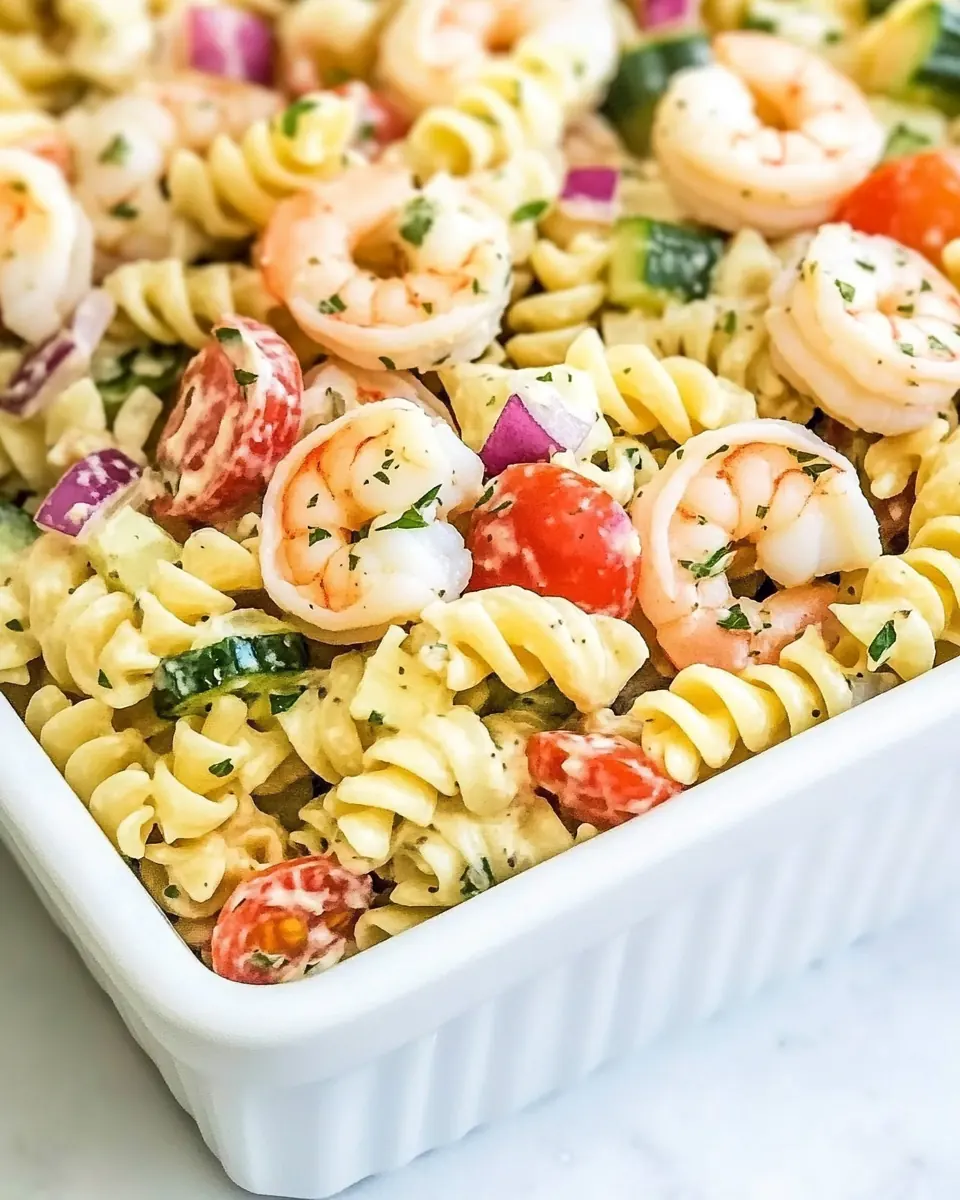
Shrimp Pasta Salad
Ingredients
Equipment
Method
- Boil the pasta in a large pot of salted water according to package instructions. Drain the pasta and run under cold water, until cool, drain and place in a large bowl.: The kitchen will fill with a warm, wheaty steam as the pasta comes to a gentle boil, and you should hear a steady, soft bubbling sound rather than a roaring boil, which helps prevent foaming over. When the pasta reaches al dente, it will still have slight resistance when bitten through, and that firmness is crucial so the pieces do not collapse when chilled. After draining, rinse the pasta under cool running water until it feels pleasantly cool to the touch, this stops the cooking and removes surface starch that otherwise makes the salad gummy. A common mistake is to skip rinsing, which can glue the pieces together once dressed, so take the extra minute to refresh the pasta under the tap.
- Drain and rinse the shrimps under cool water, add them to the bowl of pasta along with the diced tomato and cucumber. Set aside.: You will notice the pasta lose its steam and become pliant, not mushy, as the cool water firms it up. Transferring it to a large bowl while still slightly warm allows the dressing to absorb evenly, but fully cooling prevents the mayo from breaking down. Feel the pasta between your fingers to ensure it is separated and not sticking together. Overcrowding the bowl can cause clumping, so use a roomy container for gentle tossing.
- In a separate bowl whisk together the ingredients for the dressing, adding more milk if necessary to reach desired consistency. Pour the dressing over the pasta and gently stir together, to coat and mix the pasta salad. Chill until ready to serve.: As you rinse the canned or thawed cooked shrimp , you will see any residual brine wash away, leaving the delicate, slightly springy texture that blends well with pasta . When you fold in the diced tomato and cucumber , look for a mix of colors and a contrast of textures, the cucumber providing crispness while the tomato offers juiciness. The sound here is subtle: a light swish as you fold the pieces together, and the visual cue is even distribution without crushing the tomato. A typical error is folding too vigorously, which bruises the tomato and releases excess liquid, so gently combine the ingredients.
- Set aside: Letting the salad sit briefly before dressing allows any stray liquid to settle and gives you a chance to taste and adjust seasoning. Visually, components will relax and the bowl will look more cohesive. If you skip this pause, the dressing may be absorbed unevenly, and the final texture can be inconsistent. Use this moment to check the seasoning and remove any large tomato seeds that might have been missed.
- In a separate bowl whisk together the ingredients for the dressing, adding more milk if necessary to reach desired consistency: As you whisk the mayo , ketchup , salt , sugar , and optional horseradish , you will see the mixture mellow into a glossy, unified emulsion, and the aroma will shift to a gentle tang with a hint of sweetness. Whisking briskly incorporates air so the dressing feels lighter on the palate; if it looks too thick, add a teaspoon of milk at a time until it flows slowly off a spoon. A common pitfall is over thinning, which causes the dressing to pool instead of coating, so aim for a thick ribbon that still pours.
- Pour the dressing over the pasta and gently stir together, to coat and mix the pasta salad: When the dressing hits the bowl, listen for a soft swishing sound as you fold it through; you should see the glossy dressing cling to the pasta and vegetables, not pool beneath them. Use a gentle folding motion from the bottom up to evenly distribute without breaking the tomato or overworking the pasta . The salad should look uniformly dressed with visible flecks of seasoning. Avoid aggressive stirring which can make the salad weepy or cause the proteins to become dense.
- Chill until ready to serve: Cooling the salad in the refrigerator allows flavors to marry and the dressing to firm slightly, giving a cohesive mouthfeel. The bowl will become quieter as condensation fades and the salad reaches a cool, refreshing temperature, perfect for serving. Chill for at least thirty minutes so the texture sets, but not so long that the cucumber loses its crunch. A typical mistake is serving it straight from mixing, which can leave flavors unblended and a loose dressing texture.
Notes
- Use different pasta shapes — Swap the ditalini pasta for small shells or elbow macaroni if that is what you have; the goal is a small shape that holds dressing well and creates a pleasant bite.
- Adjust the dressing thickness — If you prefer a thinner coating, add milk a teaspoon at a time until the texture is pourable but still clings to the pieces.
- Make it spicier — Stir in additional horseradish a little at a time to elevate heat without changing sweetness, tasting as you go so it stays balanced.
- Change the sweetness — Increase or decrease the sugar and ketchup to shift the dressing toward sweeter or more savory, depending on your preference.
- Prep ahead advice — Cook the pasta and chop the vegetables the day before, keeping them refrigerated separately, then toss with dressing shortly before serving for best texture.