Grilled Vegetable Skewers
Grilled Vegetable Skewers came into my summer rotation the first season I tried to host a small backyard meal with neighbors, and they stole the show. I remember hauling a basket of colorful produce to the grill, humming under the late afternoon sun, and thinking how something so humble could taste so bright. That first bite, warm and smoky with a little crunch from the char, convinced me to always keep these on the menu when company visits.
Over the years I have tweaked the routine enough to know what matters most, from how I cut the corn and zucchini, to the little moment when you brush on the extra virgin olive oil. Friends started asking for the method, and I loved that it was simple to teach. These skewers travel well, they work for casual weeknight meals, and they let the vegetables sing without fuss.
Recipe Snapshot
30 mins
15 mins
15 mins
Easy
150 kcal
American
Vegan, Gluten-Free
Side Dishes
Grill, Skewers, Knife, Cutting board
Why This Grilled Vegetable Skewers Shines
They celebrate seasonal produce
I cook these when vegetables are at their peak, because Grilled Vegetable Skewers let fresh flavors lead. The char adds depth without heavy sauces, so the natural sweetness of the red bell pepper and the earthy bite of the brown mushrooms come forward. I often find myself reaching for this recipe when summer markets overflow with color.
Simple, fast, and forgiving
I value recipes you can rely on, and this one is shockingly adaptable. If you are pressed for time you can prep while the grill heats, and the short cook window means dinner comes together quickly. I like that even imperfectly cut pieces still taste great, which makes this a low stress go to on busy days.
Textural contrast and smoky aroma
I love the way the exterior chars while the interiors stay tender. The corn gives a pop, the zucchini and yellow summer squash soften and caramelize, and the red onion melts into sweet ribbons. That smell of grilling vegetables is one of my favorite kitchen memories to share.
Friendly for gatherings and diets
These skewers are naturally vegetarian and easy to scale. I can make a few more skewers without changing anything, which is great when guests swing by. Because the ingredients are straightforward, it’s simple to pair them with many mains or serve them as a centerpiece.
Minimal seasoning, maximum taste
I often say that salt and good oil are the secret weapons here. A drizzle of extra virgin olive oil and a sprinkle of kosher salt plus freshly ground black pepper heighten each vegetable’s character. I rarely need more than that to make the flavors pop.
Ingredient List for Grilled Vegetable Skewers
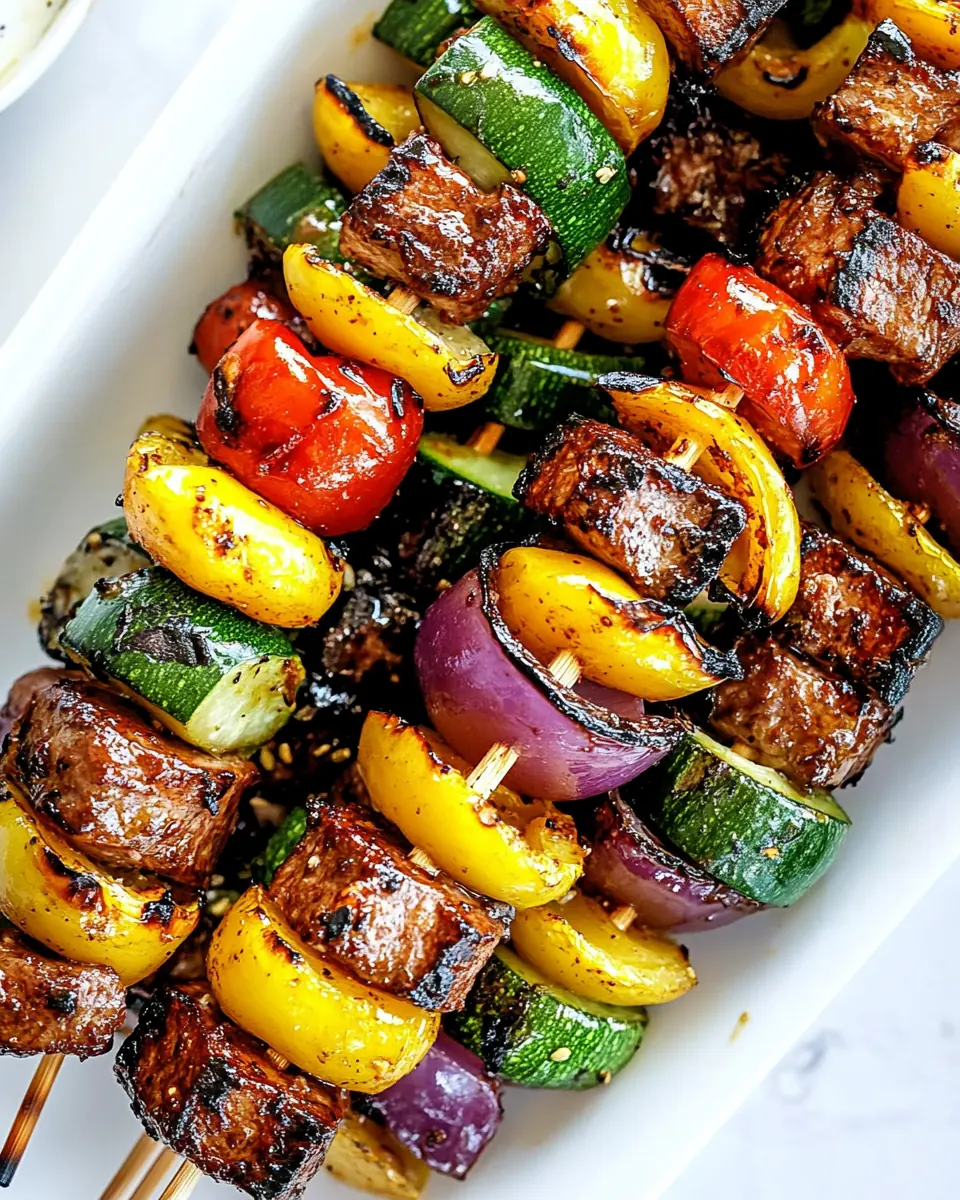
These ingredients form a simple, balanced cast where each player complements the others. The vegetables provide contrasting textures, while the extra virgin olive oil and seasoning bind the dish and encourage caramelization. I focus on freshness and uniform cuts so everything cooks evenly on the skewer.
- 1 ear corn, husk removed: Grilled to bring out natural sweetness and smoky flavor; cut into rounds or sections for even charring and easy skewering. Adds juicy kernels and texture contrast to the skewers when brushed with oil prior to grilling.
- 1 zucchini: Sliced into thick rounds or half-moons and grilled until tender; provides a mild, slightly sweet taste and tender bite. Acts as a hearty, moisture-rich vegetable that soaks up seasonings and balances firmer items on the skewer.
- 1 yellow summer squash: Cut into similar-sized pieces as the zucchini to ensure even cooking; offers a subtly sweet, delicate flesh that grills quickly. Contributes bright color and a soft, creamy texture that pairs well with other summer vegetables.
- 1/2 red bell pepper, seeded and cored: Chopped into chunky pieces to add bright color and a sweet, slightly tangy flavor after grilling; remove seeds and core to avoid bitterness. Supplies a vibrant contrast in both flavor and appearance while releasing its juices on the grill.
- 1/2 red onion: Cut into wedges or large chunks to keep layers intact while grilling; provides a sharp, savory-sweet flavor that mellows and caramelizes with heat. Brings aromatic depth and bite that complements milder vegetables when threaded on skewers.
- 8 brown mushrooms: Left whole or halved depending on size and grilled until juices are released and edges are browned; offers an earthy, umami-rich flavor and meaty texture. Helps create substance in the skewer ensemble and absorbs oil and seasonings well.
- 2 tablespoons extra virgin olive oil: Brushed onto vegetables to prevent sticking and promote even browning; serves as the primary fat that carries flavor and helps char. Enhances mouthfeel and helps spices adhere to the vegetables during grilling.
- 1 teaspoon kosher salt: Sprinkled evenly to season vegetables and amplify their natural flavors; used sparingly to avoid oversalting delicate produce. Helps draw out moisture and concentrates the vegetables' inherent sweetness while seasoning each bite.
- 1/2 teaspoon freshly ground black pepper: Ground over the assembled skewers to provide a sharp, aromatic heat; balances the salt and complements the vegetables' natural flavors. Adds a subtle pungency that brightens the overall dish without overpowering the grill-charred vegetables.
The Process for Making Grilled Vegetable Skewers
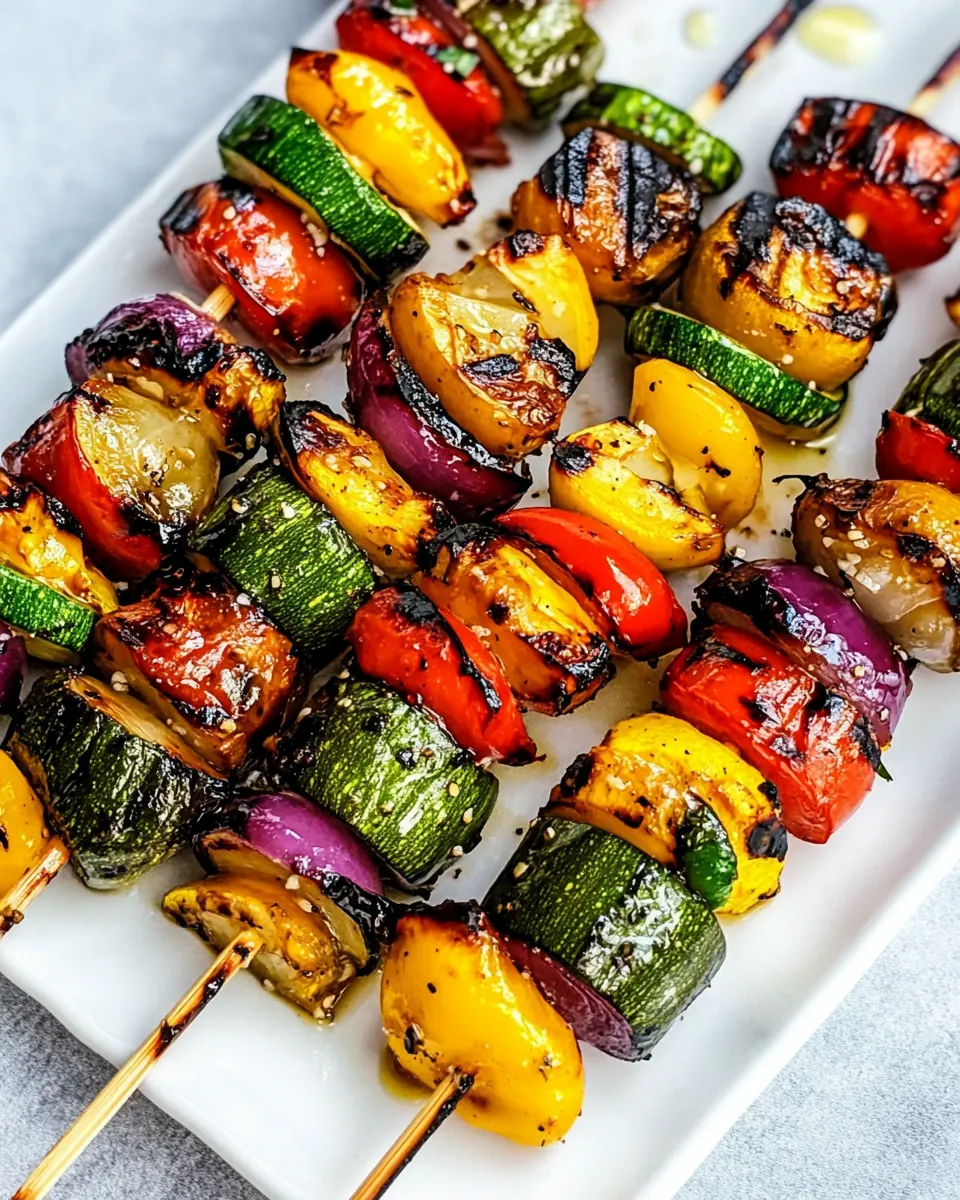
I always begin by getting the grill ready and arranging my vegetables so everything is near the same size. Good rhythm during assembly makes the grilling step calm and focused. Below I walk you through each stage in a way that highlights sensory cues so you know when you are on track.
- Prepare the grill with clean grates and preheat to medium heat, 350°F to 450°F. If using wooden skewers, prepare them by soaking in water for 10 minutes. If using metal skewers, no prep is necessary.: The air warms and a hint of smoke rises, signaling the grill is ready. Heat in this range helps vegetables cook through while achieving char, and cleaning the grates first prevents sticking and ghost flavors. Expect a faint metallic smell as the grates warm. One common mistake is rushing and grilling on a low heat, which yields limp, pale vegetables rather than those with caramelized edges; avoid that by waiting for the grill to stabilize. For safety and texture consistency use a thermometer or the hand test to judge heat, and keep a spray bottle nearby for flare ups.
- Cut the vegetables into 1/2" slices or chunks. Thread the vegetables on the skewers alternating the veggies, until you've reached the end of the skewer. Drizzle the vegetables with olive oil and sprinkle evenly with salt and pepper.: When the skewers are submerged, you can hear a soft slosh and see tiny air bubbles escape as they saturate. Soaking prevents splintering and reduces the chance of skewers burning during cooking. People sometimes skip this and the skewers char too quickly or even catch fire, so I never omit soaking for wooden sticks. Metal skewers are an alternative and stay cool faster, but remember they conduct heat through the skewer, which can continue to cook the center slightly after you remove them from the grill.
- Grill the vegetables with the lid closed until tender and lightly charred, turning every 3-5 minutes. Serve warm or at room temperature.: The scent of fresh produce is bright and green as you slice, and the cutting board starts to look festive. Uniform pieces allow even cooking and consistent texture across the skewer. A typical error is cutting pieces too thin, which leads to overcooked mush, or too large, which leaves raw centers; aim for roughly half inch thickness. Use a sharp knife for clean edges, and try to balance density by pairing firmer items like corn and mushrooms with softer slices.
- Thread the vegetables on the skewers alternating the veggies, until you've reached the end of the skewer: While threading you feel the give of each piece and the skewer becomes heavier and colorful. Alternating creates visual appeal and distributes flavors, since juices mingle between pieces when they touch. One slip is crowding the skewer too tightly, which traps steam and prevents charring; leave a little space so hot air circulates. Arrange a pattern that mixes color and texture so each bite offers variety.
- Drizzle the vegetables with olive oil and sprinkle evenly with salt and pepper: The oil brings a glossy sheen and the seasoning rises slightly on the surface, smelling of toasted pepper and mineral salt. The oil helps conduct heat for even browning and prevents sticking, while salt draws out moisture for better caramelization. Avoid over-oiling which causes flare ups and greasy results; a light coating is ideal. Toss or brush to coat each piece uniformly so no zit remains dry on the grill.
- Grill the vegetables with the lid closed until tender and lightly charred, turning every 3 to 5 minutes: Close the lid and listen for the soft sizzle and occasional pop, that is the vegetables releasing steam and sugars caramelizing. The visual cue is small blistered spots and edges turning golden to deep brown, while tender centers yield when pierced with a fork. A frequent mistake is leaving the skewers unturned, which causes uneven charring and hot spots; rotate for balanced color. Cooking times vary slightly with grill temperature and vegetable size, so rely on touch and sight rather than the clock alone.
- Serve warm or at room temperature: The first aroma as you lift the skewers is smoky and sweet, and the textures are most noticeable while still warm. Serving at room temperature is forgiving for gatherings and allows flavors to settle. One pitfall is letting the skewers sit too long which can cool them and reduce the bright grilled notes; plan to serve within thirty minutes for best results. I often transfer them to a warm platter and arrange them so guests can pick at a mix of pieces, enjoying both hot and room temperature variations.
How to Switch It Up
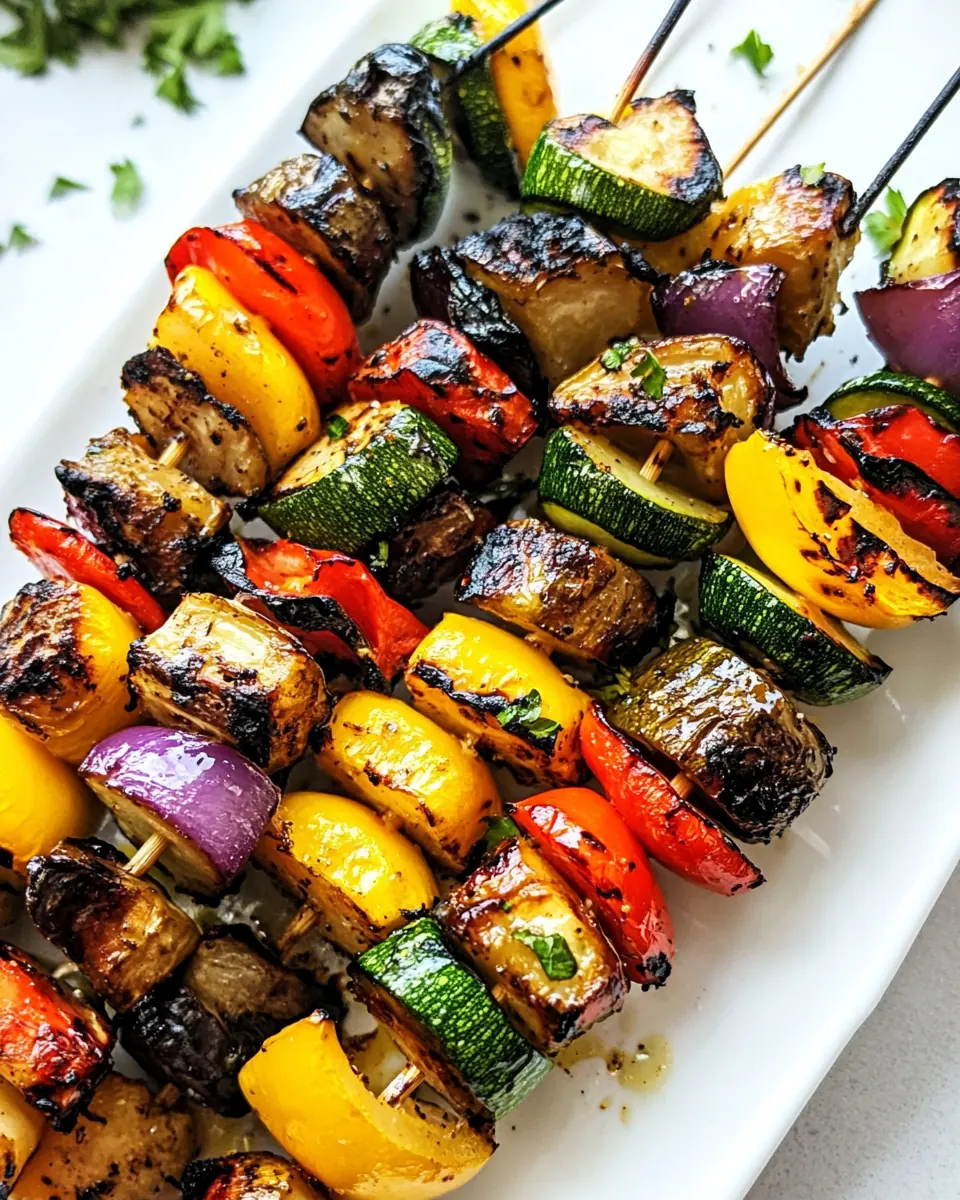
These ideas help you vary the recipe while keeping the same simple technique. Small swaps or additions can shift the profile from bright and light to hearty and smoky, and each suggestion below starts with a concise hook so you can scan quickly.
- Change the vegetable mix swap in other seasonal vegetables in place of one ingredient to keep things fresh and aligned with market finds.
- Use metal skewers they heat through and can speed the cooking a touch, plus they are reusable and sturdy for heavier pieces like corn.
- Cut sizes consistently aim for uniform half inch pieces to ensure everything finishes together and the textures align.
- Prep ahead slice and store the vegetables refrigerated for a few hours to save active cooking time during a gathering.
- Serve at room temperature let the skewers rest slightly after grilling to let the flavors meld, which makes them great for buffets.
Perfect Matches for Grilled Vegetable Skewers
These serving ideas show how versatile the skewers are. I like pairing them with different mains and sides depending on the occasion, and they work for casual lunches, backyard dinners, or a relaxed holiday table.
- As a side for grilled mains pair with simply seasoned proteins for a cohesive outdoor meal that highlights smoky flavors without overpowering them.
- On a picnic or buffet serve at room temperature so guests can graze and the skewers remain flavorful without reheating.
- For a light lunch combine with a grain salad or crusty bread to make the plate more substantial while keeping the meal bright and seasonal.
- During summer gatherings these are ideal for sociable meals because they are easy to scale and plate, and they celebrate market produce at its peak.
- Storage tips refrigerate cooled skewers in an airtight container for up to three days, then rewarm briefly on the grill or serve cold; the texture will be best if reheated just until warm.
FAQ
Conclusion
What makes Grilled Vegetable Skewers special is how they turn simple produce into something satisfying and smoky with minimal fuss. They are easy to assemble, quick to cook, and flexible enough for gatherings or a weeknight plate. I encourage you to try them when vegetables are in season, and to experiment with patterns and presentation. Serve them warm or at room temperature and enjoy the way char and natural sweetness combine for a relaxed, flavorful dish.
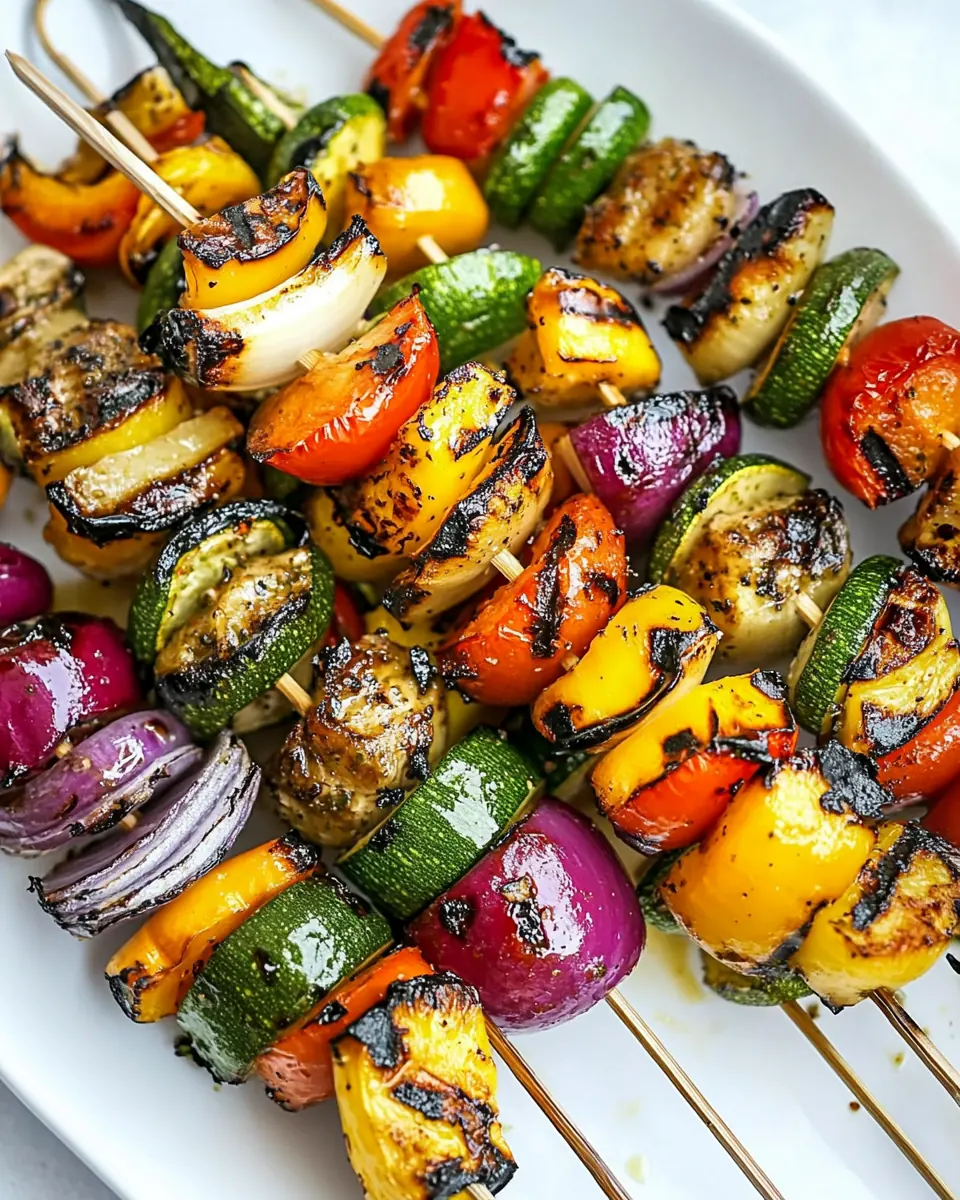
Grilled Vegetable Skewers
Ingredients
Equipment
Method
- Prepare the grill with clean grates and preheat to medium heat, 350°F to 450°F. If using wooden skewers, prepare them by soaking in water for 10 minutes. If using metal skewers, no prep is necessary.: The air warms and a hint of smoke rises, signaling the grill is ready. Heat in this range helps vegetables cook through while achieving char, and cleaning the grates first prevents sticking and ghost flavors. Expect a faint metallic smell as the grates warm. One common mistake is rushing and grilling on a low heat, which yields limp, pale vegetables rather than those with caramelized edges; avoid that by waiting for the grill to stabilize. For safety and texture consistency use a thermometer or the hand test to judge heat, and keep a spray bottle nearby for flare ups.
- Cut the vegetables into 1/2" slices or chunks. Thread the vegetables on the skewers alternating the veggies, until you've reached the end of the skewer. Drizzle the vegetables with olive oil and sprinkle evenly with salt and pepper.: When the skewers are submerged, you can hear a soft slosh and see tiny air bubbles escape as they saturate. Soaking prevents splintering and reduces the chance of skewers burning during cooking. People sometimes skip this and the skewers char too quickly or even catch fire, so I never omit soaking for wooden sticks. Metal skewers are an alternative and stay cool faster, but remember they conduct heat through the skewer, which can continue to cook the center slightly after you remove them from the grill.
- Grill the vegetables with the lid closed until tender and lightly charred, turning every 3-5 minutes. Serve warm or at room temperature.: The scent of fresh produce is bright and green as you slice, and the cutting board starts to look festive. Uniform pieces allow even cooking and consistent texture across the skewer. A typical error is cutting pieces too thin, which leads to overcooked mush, or too large, which leaves raw centers; aim for roughly half inch thickness. Use a sharp knife for clean edges, and try to balance density by pairing firmer items like corn and mushrooms with softer slices.
- Thread the vegetables on the skewers alternating the veggies, until you've reached the end of the skewer: While threading you feel the give of each piece and the skewer becomes heavier and colorful. Alternating creates visual appeal and distributes flavors, since juices mingle between pieces when they touch. One slip is crowding the skewer too tightly, which traps steam and prevents charring; leave a little space so hot air circulates. Arrange a pattern that mixes color and texture so each bite offers variety.
- Drizzle the vegetables with olive oil and sprinkle evenly with salt and pepper: The oil brings a glossy sheen and the seasoning rises slightly on the surface, smelling of toasted pepper and mineral salt. The oil helps conduct heat for even browning and prevents sticking, while salt draws out moisture for better caramelization. Avoid over-oiling which causes flare ups and greasy results; a light coating is ideal. Toss or brush to coat each piece uniformly so no zit remains dry on the grill.
- Grill the vegetables with the lid closed until tender and lightly charred, turning every 3 to 5 minutes: Close the lid and listen for the soft sizzle and occasional pop, that is the vegetables releasing steam and sugars caramelizing. The visual cue is small blistered spots and edges turning golden to deep brown, while tender centers yield when pierced with a fork. A frequent mistake is leaving the skewers unturned, which causes uneven charring and hot spots; rotate for balanced color. Cooking times vary slightly with grill temperature and vegetable size, so rely on touch and sight rather than the clock alone.
- Serve warm or at room temperature: The first aroma as you lift the skewers is smoky and sweet, and the textures are most noticeable while still warm. Serving at room temperature is forgiving for gatherings and allows flavors to settle. One pitfall is letting the skewers sit too long which can cool them and reduce the bright grilled notes; plan to serve within thirty minutes for best results. I often transfer them to a warm platter and arrange them so guests can pick at a mix of pieces, enjoying both hot and room temperature variations.
Notes
- Change the vegetable mix swap in other seasonal vegetables in place of one ingredient to keep things fresh and aligned with market finds.
- Use metal skewers they heat through and can speed the cooking a touch, plus they are reusable and sturdy for heavier pieces like corn.
- Cut sizes consistently aim for uniform half inch pieces to ensure everything finishes together and the textures align.
- Prep ahead slice and store the vegetables refrigerated for a few hours to save active cooking time during a gathering.
- Serve at room temperature let the skewers rest slightly after grilling to let the flavors meld, which makes them great for buffets.