Hamine
Hamine has been a warm, steady presence at my table for years, a recipe I return to when I want something simple but soul filling. I remember the first time I watched the pot bubble gently on the stove, the house filling with a steady comforting aroma that felt like a hug after a long day. That moment taught me that the most unassuming ingredients, when given time and care, create something quietly brilliant.
On cold evenings in the fall I often set the pot early, then step away to do other things, trusting the long simmer to work its magic. The ritual became about patience as much as technique, a reminder that letting flavors mingle slowly brings a depth you cannot rush. Friends always ask why the eggs turn a deep, nutty color, and I love telling them it is the slow heat, the onion skins, and the coffee working together.
Recipe Snapshot
10 hr 5 mins
5 mins
600 mins
Hard
200 kcal
Mediterranean
Keto, Paleo
Dinner
Large pot, Lid, Slotted spoon
The Best Thing About This Hamine
Time as an Ingredient
One of the first reasons I adore Hamine is how it celebrates slow cooking. I appreciate dishes that reward patience, and this one transforms humble eggs into something remarkable simply by simmering for hours. The texture becomes silkier, the flavor deeper, and the experience of coming back to a finished pot feels especially satisfying.
Minimal Prep, Maximum Comfort
I love that the hands on work is minimal. With only a few simple items to add to the pot, you can go about your day and return to a comforting meal. This makes Hamine perfect for busy weeks or when you want an easy weeknight dinner that still feels thoughtful and homey.
Surprising Complexity from Simple Elements
The combination of coffee grounds, onion skins, and olive oil might sound odd, but each plays a clear role. Coffee lends an earthy depth, onion skins add color and an underlying savory note, and olive oil keeps the texture glossy. Together they create layers of aroma and taste that feel much fancier than the ingredient list suggests.
Hands Off, Crowd Friendly
I often make a pot when friends are coming over because you can scale this up easily. It is a forgiving recipe, so even if you get distracted, the long gentle simmer protects you. The result is a warm shareable dish that invites conversation rather than fuss, which I always appreciate when hosting.
Heritage and Comfort
There is a comforting cultural thread to Hamine as well. It feels like a culinary memory from kitchens that value slow rhythms, where meals are about endurance and comfort. I find that making it connects me to that ethos, and every spoonful feels quietly rooted in tradition.
Ingredients Overview for Hamine
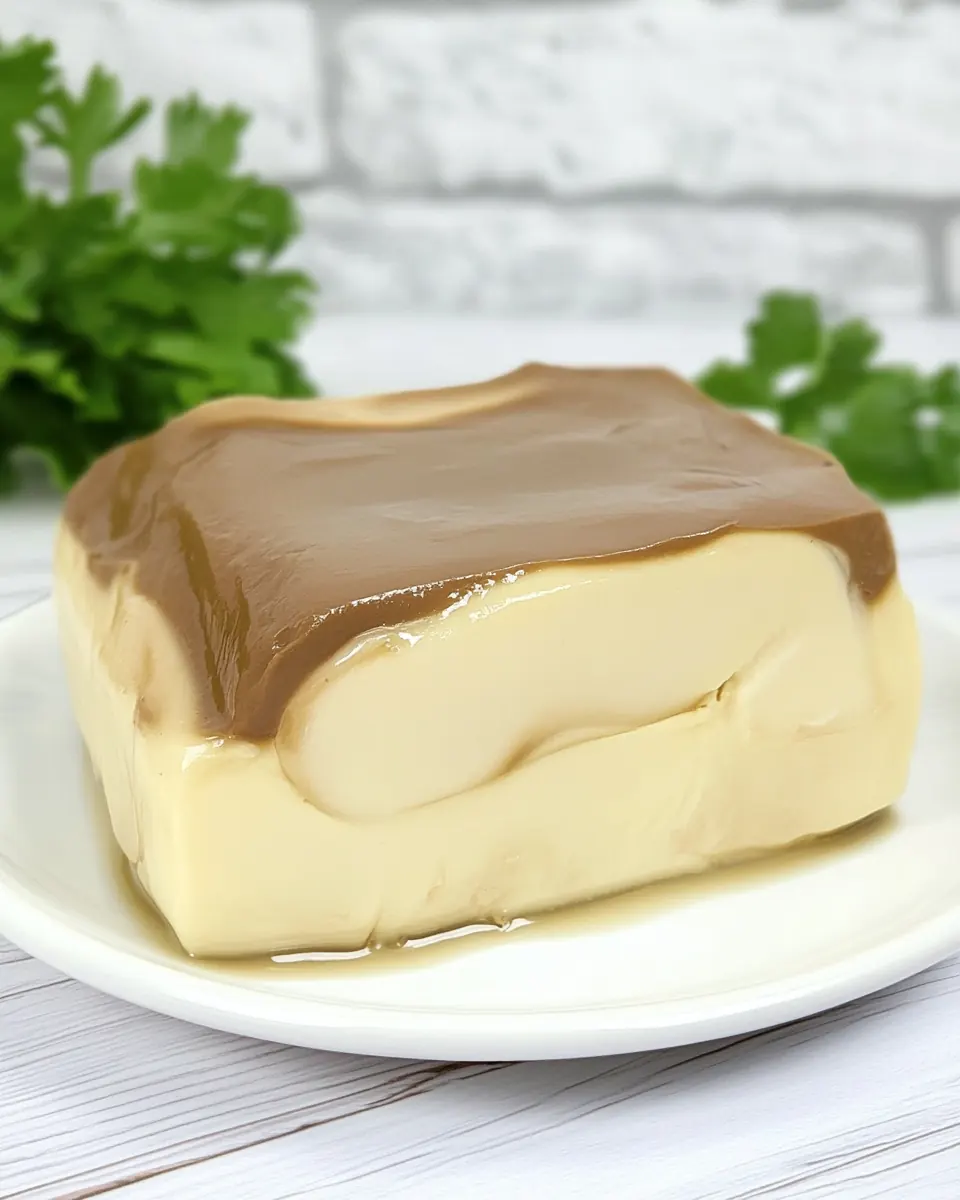
These ingredients are intentionally few and purposeful, each one playing a clear supporting role so the long simmer can work its magic. The philosophy here is restraint, letting time deepen flavor rather than relying on many components. The key players are the eggs which become richly colored and tender, the coffee grounds that add an earthy undertone, the olive oil that smooths texture, and the onion skins that bring color and subtle savoriness.
- 4 large eggs: Boil gently to set and enliven the dish; eggs provide structure and rich protein, creating a custardy texture when cooked slowly. Offer a creamy mouthfeel and act as the primary calorie source, balancing savory flavors over the long cooking period.
- 1 tablespoon coffee grounds: Infuse subtly to add a deep, slightly bitter coffee aroma and enhance earthy notes; grounds contribute a complex, roasted background rather than overt coffee flavour. Support overall taste by rounding out richness and adding aromatic depth during extended cooking.
- 1 tablespoon olive oil: Sauté or coat to promote browning and carry fat-soluble flavors; olive oil adds a silky texture and healthy fats that enrich the dish. Help prevent sticking and encourage gentle melding of flavors while contributing a mild fruity note.
- Skins from 2 white or yellow onions: Simmer to tint and clarify the cooking liquid while imparting a sweet, caramelized onion aroma; skins release pigments and subtle savory compounds. Add visual warmth and a nuanced, savory backbone without introducing bulk or texture.
Putting Together Hamine
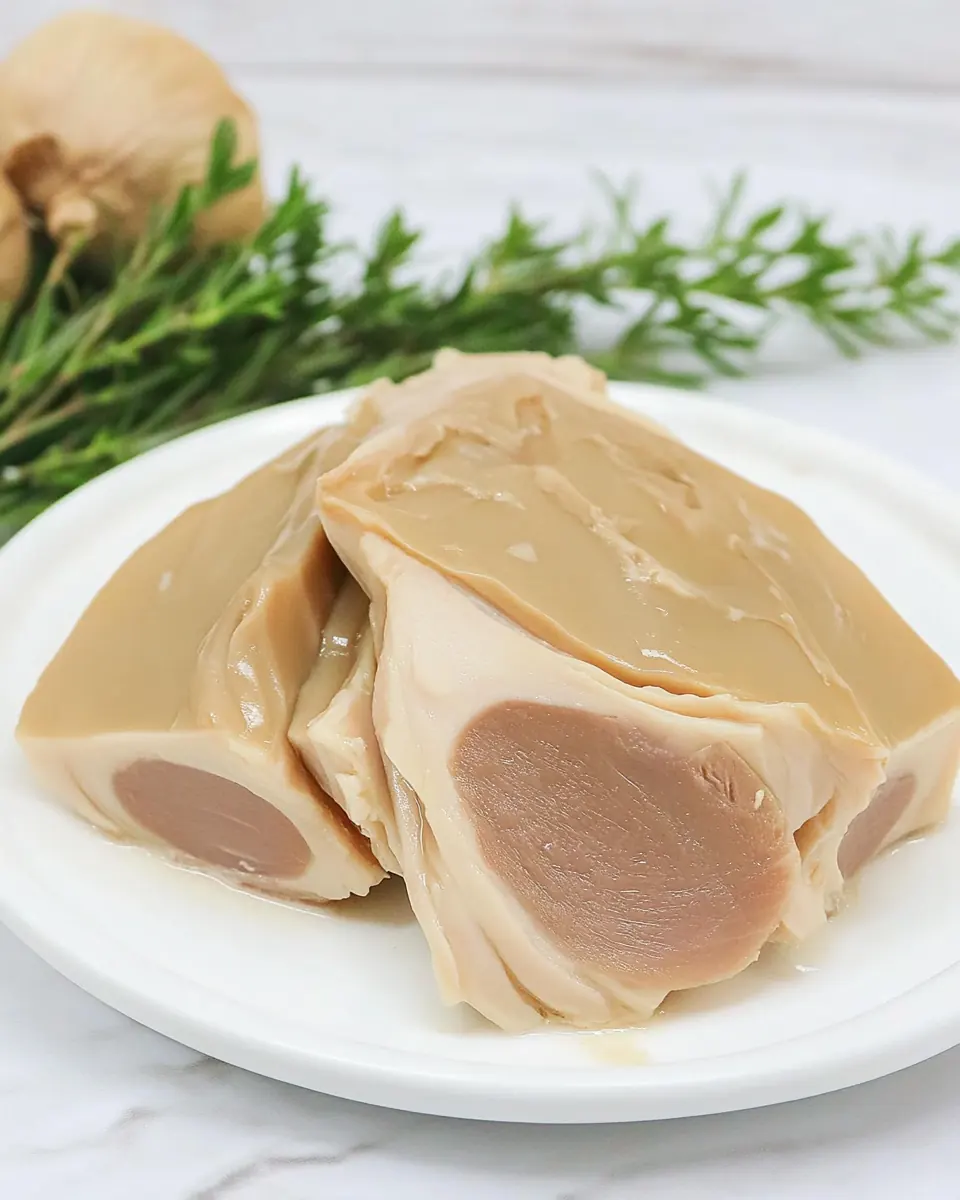
Bringing this pot together is a gentle ritual, one that asks for patience and a calm kitchen. The directions are straightforward, but the long simmer calls for trust. I like to set a timer, but mostly I let the low heat do the work while I go about my day.
- Place the eggs in a large pot and cover them with water. Ensure there is at least 3-5 inches of water covering the eggs to prevent evaporation during the long simmering process.: The first sensory cue you will notice is the cool, clear water surrounding the glossy eggs . When you arrange them in a single layer, you can feel a satisfying weight as they nestle into the bottom, and the quiet clink of shells against the pot is oddly reassuring. The visual goal is an even layer with room on all sides so the eggs do not bang together while simmering, which helps prevent cracking. Why this matters, the even water coverage ensures consistent heat transfer so each egg cooks uniformly. A common trouble is not having enough water, which leads to exposed shells and uneven coloring; aim for at least three to five inches of water over the tops of the eggs . If you see bubbles splashing, lower the heat to avoid jostling the eggs .
- Add the olive oil, coffee grounds, and onion skins to the pot. Cover with a lid.: As you sprinkle in the coffee grounds you will notice a roasted, almost smoky scent that will soon soften into the background. The little beads of olive oil create a faint sheen on the water surface, which helps inhibit excessive evaporation and contributes subtle richness to the eggs . The dried onion skins introduce a papery amber visual that disperses as the pot warms, hinting at the color they will lend. This combination matters because each element affects color and depth, not just taste. One mistake is using too many coffee grounds, which can impart bitterness; stick to the measured tablespoon to keep balance.
- Bring the water to a rolling boil over medium-high heat, then reduce the heat to a simmer. Let simmer covered for 10 hours.: When you set the lid in place you will trap gentle steam, and the first soft hiss of heat building is a comforting auditory cue. The trapped steam helps maintain a stable, moist environment that prevents the pot from evaporating down too quickly during the long simmer. This technique matters as steady humidity protects the eggs from drying and promotes even cooking. A common error is leaving a large gap in the lid, which lets too much moisture escape and changes the cooking dynamics. Ensure the lid sits snugly to preserve the slow, enveloping heat.
- After cooking, remove the eggs and let them cool before peeling. They're ready to serve.: The shift from the energetic roar of a rolling boil to the gentle whisper of a simmer is a key sensory moment. At first, you hear robust bubbling and the aroma of roasted coffee will rise more boldly, then soften as the flame lowers and the pot settles into a consistent simmer. This transition matters for safety and texture; a vigorous boil would rattle the eggs and risk cracking, while a calm simmer lets the heat penetrate slowly and thoroughly. Watch for vigorous movement that might jostle the eggs , and take care to lower the flame until you only see occasional gentle ripples.
- Let simmer covered for 10 hours: Over the long, slow simmer you will notice the kitchen develop a low, continuous warmth, and the pot may emit a savory, roasted aroma that evolves as hours pass. This is when the magic happens as the proteins slowly transform, and the exterior of the eggs absorbs color and subtle flavor from the water. Patience here is everything because the extended time is what creates the unique texture and hue. During the process check rarely, just ensure the pot remains at a gentle simmer and has enough water to stay covered; losing too much water is the most common pitfall. If the surface appears to be lowering, add a little hot water to keep the level steady.
- After cooking, remove the eggs and let them cool before peeling: When you lift the lid after such a long simmer you will be greeted by a soft steam and a deepened aroma, which signals the end of the wait. Transfer the eggs with a slotted spoon into a cool bath or spread them on a rack to lose surface heat, and you will notice the shells have taken on a darker tint from the onion skins and coffee. Cooling is important because abrupt peeling while hot can cause mishaps; the cooler eggs peel more cleanly and hold their texture better. A common slip is peeling while the eggs are still warm, which can lead to ragged edges; let them rest until they reach a comfortable handling temperature before you peel.
Helpful Hints
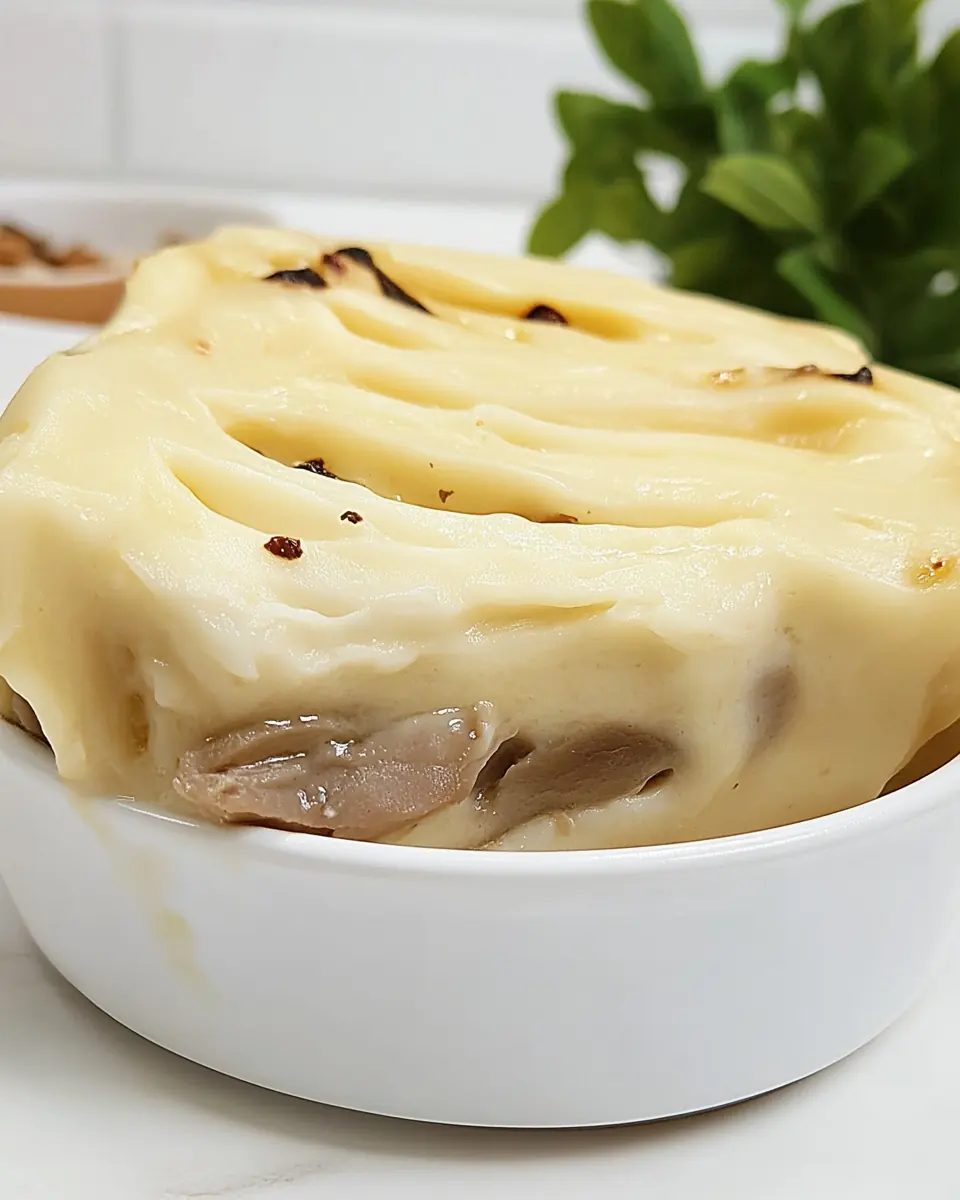
I like to think of these hints as small investments that pay off in a richer, more reliable result. They cover both cooking logistics and sensory cues so you feel confident while the pot works its slow magic. Keep them handy and refer back as you gain familiarity with the rhythm of the recipe.
- Start with room temperature eggs so you reduce the risk of cracked shells from thermal shock, and they will cook more evenly throughout the long simmer.
- Measure coffee and oil precisely because tiny changes can shift the balance between earthy nuance and bitterness, especially given the simplicity of the ingredient list.
- Use clean onion skins to avoid introducing dirt or off flavors; the skins are for color and savory depth, not texture, so ensure they are dry and intact.
- Maintain a gentle simmer rather than a boil, this protects the eggs from hitting each other and becoming misshapen or cracked during the long cook.
- Top up with hot water if needed instead of raising the heat, this keeps temperature stable and prevents sudden agitation that could damage the eggs.
- Allow ample cooling time before peeling to make the shells come off cleaner and to preserve the soft interior texture that develops with slow cooking.
Serving Ideas for Hamine
This dish is versatile despite its simplicity, and I enjoy serving it in ways that showcase the textured, deeply flavored eggs. Think about warming bowls, simple salads, or a breakfast spread. Below are ideas for occasions, pairings, and storage to help you make it fit your meal plans.
- Simple breakfast plate serve peeled eggs with warm bread and a drizzle of olive oil for a humble yet satisfying morning meal, perfect for slow weekend starts.
- Protein forward lunch halve the eggs and serve over greens or a grain bowl to add a rich, savory focal point for an easy weeknight lunch or light dinner.
- Ramadan or communal meals this is ideal for pre dawn or post fast meals, the hands off nature means you can prepare it ahead and focus on prayer or hosting duties.
- Cold weather gatherings bring the pot to a potluck and let guests peel their own eggs, the warm aroma and shared ritual make it communal and comforting for fall evenings.
- Storage tips cooled peeled eggs keep well in the refrigerator in an airtight container for up to five days, making them convenient for quick snacks or to add to salads.
- Seasonal pairing in fall serve alongside roasted root vegetables or a simple barley pilaf to align with the warm, earthy notes of the dish.
FAQ
Conclusion
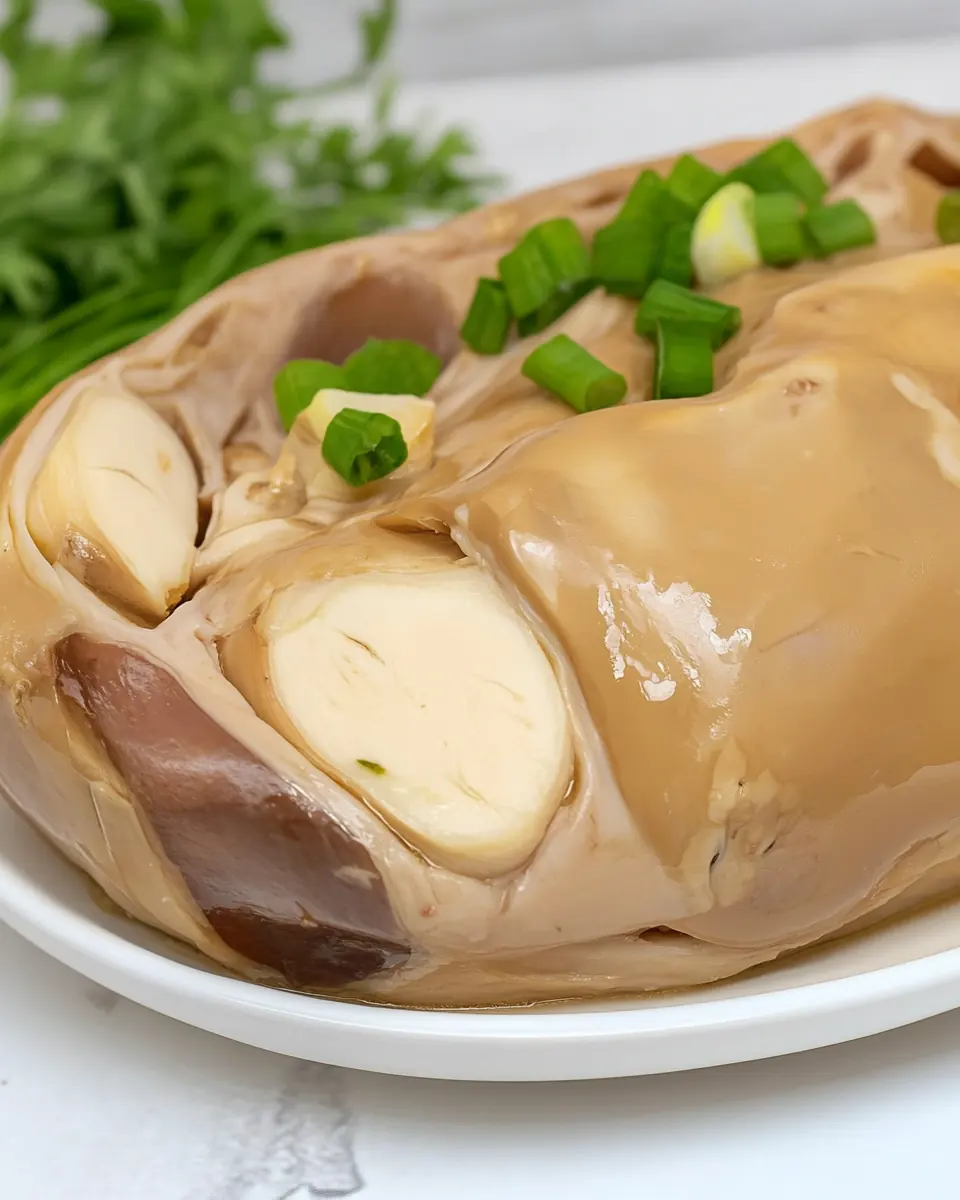
What makes this version of Hamine special is its unassuming ingredient list and the way long, gentle heat transforms simple eggs into something richly flavored and comforting. It rewards patience and minimal hands on time, producing a deeply colored, tender result that feels like a quiet celebration of slow cooking. I encourage you to try it on a calm day when you can set the pot and let time do the work, then enjoy the warm, savory payoff with friends or family.
Hamine
Ingredients
Equipment
Method
- Place the eggs in a large pot and cover them with water. Ensure there is at least 3-5 inches of water covering the eggs to prevent evaporation during the long simmering process.: The first sensory cue you will notice is the cool, clear water surrounding the glossy eggs . When you arrange them in a single layer, you can feel a satisfying weight as they nestle into the bottom, and the quiet clink of shells against the pot is oddly reassuring. The visual goal is an even layer with room on all sides so the eggs do not bang together while simmering, which helps prevent cracking. Why this matters, the even water coverage ensures consistent heat transfer so each egg cooks uniformly. A common trouble is not having enough water, which leads to exposed shells and uneven coloring; aim for at least three to five inches of water over the tops of the eggs . If you see bubbles splashing, lower the heat to avoid jostling the eggs .
- Add the olive oil, coffee grounds, and onion skins to the pot. Cover with a lid.: As you sprinkle in the coffee grounds you will notice a roasted, almost smoky scent that will soon soften into the background. The little beads of olive oil create a faint sheen on the water surface, which helps inhibit excessive evaporation and contributes subtle richness to the eggs . The dried onion skins introduce a papery amber visual that disperses as the pot warms, hinting at the color they will lend. This combination matters because each element affects color and depth, not just taste. One mistake is using too many coffee grounds, which can impart bitterness; stick to the measured tablespoon to keep balance.
- Bring the water to a rolling boil over medium-high heat, then reduce the heat to a simmer. Let simmer covered for 10 hours.: When you set the lid in place you will trap gentle steam, and the first soft hiss of heat building is a comforting auditory cue. The trapped steam helps maintain a stable, moist environment that prevents the pot from evaporating down too quickly during the long simmer. This technique matters as steady humidity protects the eggs from drying and promotes even cooking. A common error is leaving a large gap in the lid, which lets too much moisture escape and changes the cooking dynamics. Ensure the lid sits snugly to preserve the slow, enveloping heat.
- After cooking, remove the eggs and let them cool before peeling. They're ready to serve.: The shift from the energetic roar of a rolling boil to the gentle whisper of a simmer is a key sensory moment. At first, you hear robust bubbling and the aroma of roasted coffee will rise more boldly, then soften as the flame lowers and the pot settles into a consistent simmer. This transition matters for safety and texture; a vigorous boil would rattle the eggs and risk cracking, while a calm simmer lets the heat penetrate slowly and thoroughly. Watch for vigorous movement that might jostle the eggs , and take care to lower the flame until you only see occasional gentle ripples.
- Let simmer covered for 10 hours: Over the long, slow simmer you will notice the kitchen develop a low, continuous warmth, and the pot may emit a savory, roasted aroma that evolves as hours pass. This is when the magic happens as the proteins slowly transform, and the exterior of the eggs absorbs color and subtle flavor from the water. Patience here is everything because the extended time is what creates the unique texture and hue. During the process check rarely, just ensure the pot remains at a gentle simmer and has enough water to stay covered; losing too much water is the most common pitfall. If the surface appears to be lowering, add a little hot water to keep the level steady.
- After cooking, remove the eggs and let them cool before peeling: When you lift the lid after such a long simmer you will be greeted by a soft steam and a deepened aroma, which signals the end of the wait. Transfer the eggs with a slotted spoon into a cool bath or spread them on a rack to lose surface heat, and you will notice the shells have taken on a darker tint from the onion skins and coffee. Cooling is important because abrupt peeling while hot can cause mishaps; the cooler eggs peel more cleanly and hold their texture better. A common slip is peeling while the eggs are still warm, which can lead to ragged edges; let them rest until they reach a comfortable handling temperature before you peel.
Notes
- Start with room temperature eggs so you reduce the risk of cracked shells from thermal shock, and they will cook more evenly throughout the long simmer.
- Measure coffee and oil precisely because tiny changes can shift the balance between earthy nuance and bitterness, especially given the simplicity of the ingredient list.
- Use clean onion skins to avoid introducing dirt or off flavors; the skins are for color and savory depth, not texture, so ensure they are dry and intact.
- Maintain a gentle simmer rather than a boil, this protects the eggs from hitting each other and becoming misshapen or cracked during the long cook.
- Top up with hot water if needed instead of raising the heat, this keeps temperature stable and prevents sudden agitation that could damage the eggs.
- Allow ample cooling time before peeling to make the shells come off cleaner and to preserve the soft interior texture that develops with slow cooking.