Healthy Paleo Peach Cobbler With Coconut Flour
Healthy Paleo Peach Cobbler With Coconut Flour is the dessert I crave when late summer peaches are piled high at the market, and I want something that tastes indulgent without undoing a week of clean eating. I still remember the first time I baked it for a backyard gathering, watching neighbors drift over for a taste as the kitchen filled with a warm, baked fruit aroma that somehow felt both nostalgic and new. From that moment on, this cobbler became my go to for casual dinners and special afternoons alike.
Over the years I adjusted textures and swapped small ingredients until the topping had that perfect tender crumble and the filling bubbled into a glossy, syrupy hug around the peach slices. Every forkful balances the sweet, slightly tangy peaches with a tender, grain free topping made from coconut flour and tapioca starch. When friends ask for a slice, I tell them it is proof that comfort food can be both satisfying and mindful.
I love that this recipe is forgiving. If the fruit is riper one week, the filling becomes silkier, and if the topping comes together a little denser another time, a slightly longer bake still yields golden pockets of buttery flavor. It also fits into a rhythm I enjoy in the kitchen, where simple techniques turn honest ingredients into something celebratory. I usually start while the oven preheats, and by the time the house smells like cinnamon and caramelized peach, I have a minute to set the table and breathe.
Recipe Snapshot
60 mins
20 mins
40 mins
Medium
240 kcal
American
Gluten-Free, Paleo
Desserts
Oven, Large bowl, 10 inch cast iron skillet, Small bowl
Why Try This Healthy Paleo Peach Cobbler With Coconut Flour
Real fruit first
I make this cobbler because the peaches are the star. Their natural sweetness and juiciness give the whole dish a fresh, fragrant base, and I rarely add anything that competes with that bright fruit flavor. Using ripe, in season peaches means the filling needs minimal sweetener, and the texture turns glossy and jam like when it bubbles.
Grain free but indulgent
I love how the combination of coconut flour and tapioca starch yields a topping that is tender instead of gritty. The small amount of butter folded into the dry mix creates pockets of rich, almost flaky bits. This makes the cobbler feel like a treat, not a compromise.
Simple pantry swaps that work
One of my favorite things about this recipe is you can rely on a few pantry staples to get great results. The use of coconut sugar keeps the sweetness complex and lightly caramelized, and the modest amount of spices like cinnamon and nutmeg quietly lift the flavors. I appreciate recipes that do more with less, and this one does just that.
Built for gatherings
I keep making it because it travels well. Whether it comes out of a cast iron skillet or a baking pan, the cobbler is easy to serve and sits happily on a table as people graze and chat. It is great when you want to focus on company instead of complicated plating.
Flexible, forgiving method
I value recipes that forgive an imperfect moment in the kitchen. If the topping is slightly stickier or the filling bubbles a little more, the final dessert still tastes wonderful. That forgiving nature makes this a recipe I reach for when I want to relax while cooking.
Essential Ingredients for Healthy Paleo Peach Cobbler With Coconut Flour
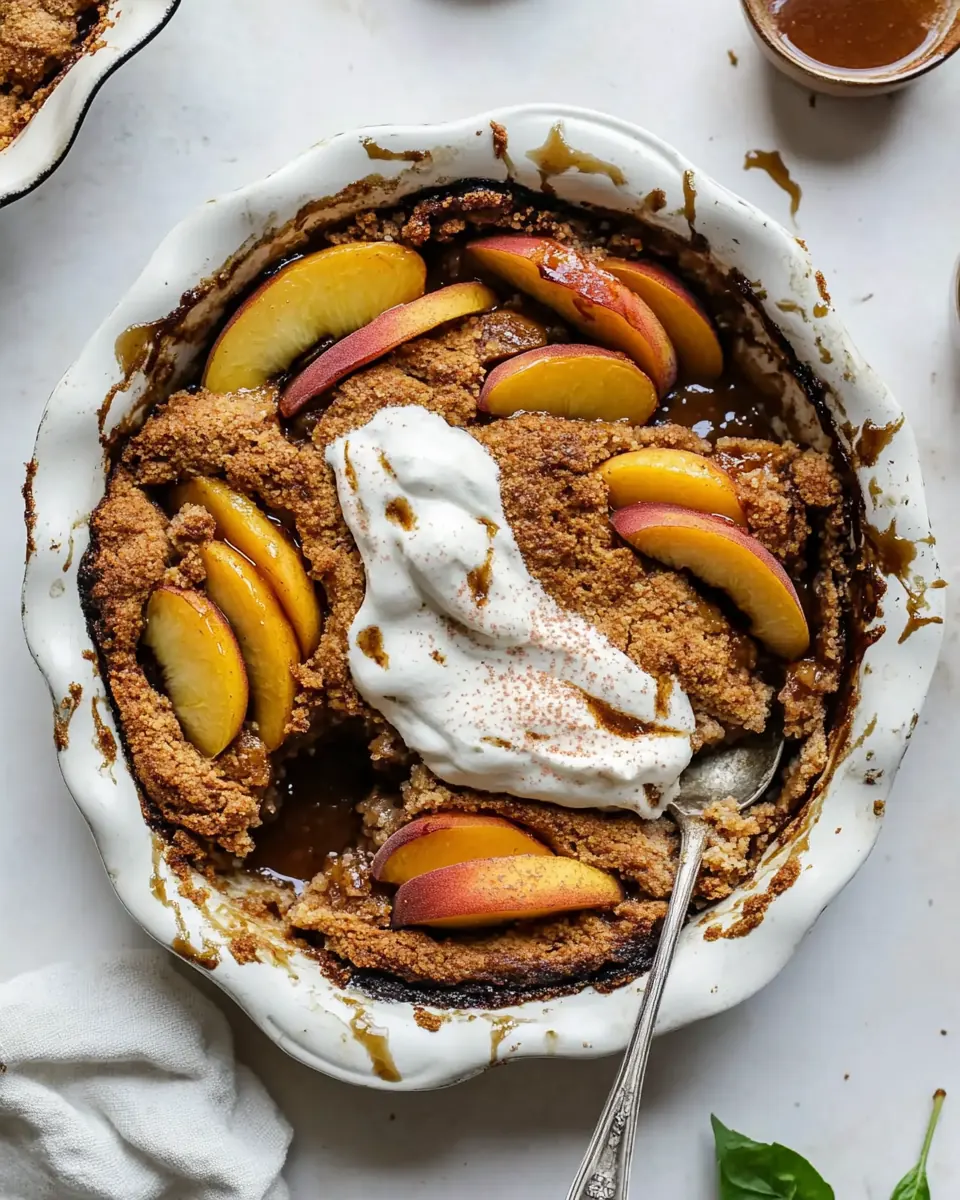
The philosophy here is simple: let the fruit shine while the topping supports it with texture and subtle richness. The key players are the peaches for bright juiciness, tapioca starch to thicken the filling without clouding flavor, and coconut flour plus butter to create a tender, gluten free topping. Each ingredient has a job to elevate the dish without overwhelming the peach notes.
- 8 peaches thinly sliced: Thinly sliced to provide tender, juicy fruit layers that become soft and slightly caramelized during baking, contributing natural sweetness and texture to the cobbler.
- 1/2 cup coconut sugar: Used to sweeten the peach filling with a lower glycemic, unrefined profile, helping to balance tartness while promoting a lightly caramelized sauce as it bakes.
- 1/4 teaspoon cinnamon: Added to impart warm, aromatic spice notes to the filling, enhancing the peaches' flavor without overpowering the dessert.
- 1/8 teaspoon ground nutmeg: Sprinkled to introduce a subtle nutty warmth and complexity to the fruit mixture, complementing the cinnamon and deepening overall flavor.
- 1 teaspoon fresh lemon juice: Squeezed to brighten the filling by adding acidity, which balances sweetness and helps preserve the fresh peach flavor during cooking.
- 4 teaspoons tapioca starch: Mixed in to thicken the peach juices as they release during baking, producing a glossy, slightly thickened filling that holds together when served.
- 1/2 cup + 3 tablespoons coconut sugar divided: Divided between the filling and topping to provide controlled sweetness; some portion sweetens the fruit while the remainder sweetens and caramelizes the topping for balance.
- 6 tablespoons coconut flour sifted, 36 gram: Sifted to aerate and ensure even distribution in the topping, coconut flour absorbs moisture and lends a nutty, paleo-friendly structure to the biscuit-like crust.
- 6 tablespoons tapioca starch 46 grams: Measured to add lightness and chewiness to the topping while contributing starchiness that helps bind and stabilize the coconut flour mixture.
- 1 teaspoon baking powder: Included to give the topping lift and slight rise during baking, creating a tender, cake-like crumb without using wheat-based flour.
- 1/4 teaspoon salt: Added to season the topping and balance sweetness, enhancing flavor depth and moderating the overall taste of the baked crust.
- 4 tablespoons cold, grass-fed butter or vegan butter, cut into small pieces: Cut into small pieces and kept cold so that it creates flaky pockets in the topping as it melts during baking, contributing richness and a tender texture.
- 6 1/2 tablespoons boiling water: Poured in to hydrate the topping ingredients and activate starches, with the heat helping to slightly cook and integrate the mixture for proper consistency.
- 1 teaspoon cinnamon: Sprinkled into the topping mixture to provide warm, aromatic spice that complements the peaches and echoes the cinnamon used in the filling.
How to Prepare Healthy Paleo Peach Cobbler With Coconut Flour
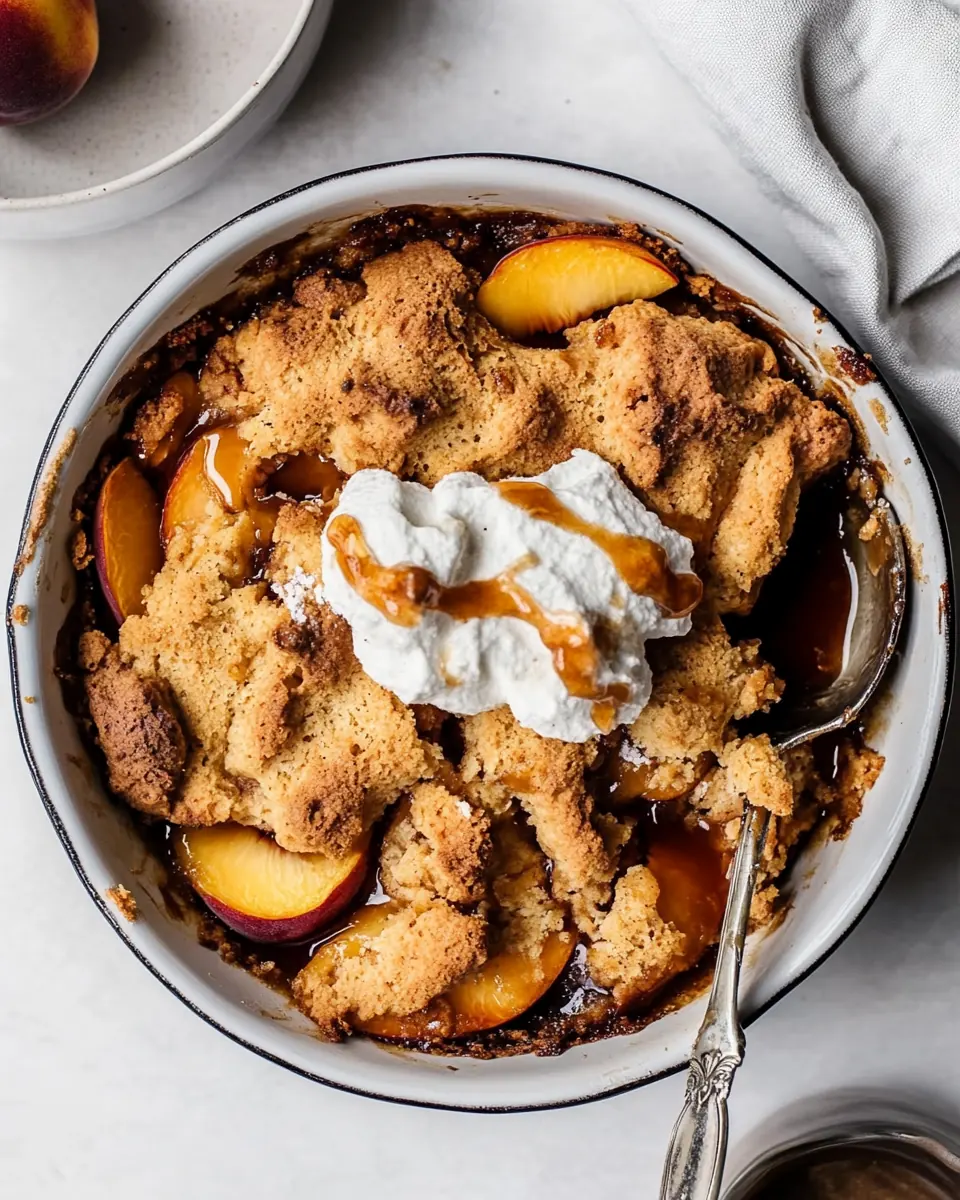
This cobbler comes together in stages, and I like to work methodically so each component has the texture I want. Start by prepping the peaches and preheating the oven, then build the filling while the pan gets a head start, and finish with the tender topping. The steps below walk you through the sensory cues and the small adjustments that keep the outcome consistent.
- Preheat your oven to 425℉.: You will notice the kitchen begin to warm and that dry, warm air primes the oven for quick caramelization on the fruit surface, which helps the filling thicken properly. A properly preheated oven ensures the initial burst of heat sets the topping edges and promotes bubbling. A common mistake is putting the cobbler into a cold oven, which can lead to a soggy topping and longer bake times.
- In a large bowl, combine the peaches, coconut sugar, cinnamon, nutmeg, and lemon juice until well combined. Stir in the tapioca starch.: When you mix these ingredients you should see the fruit begin to glisten as the sugar draws out juices. The aroma of cinnamon and nutmeg will become more prominent, and the lemon juice will lift the fruit scent. The starch will bind those juices so the filling thickens rather than running. Avoid overmixing which can bruise the slices and create a mushier filling.
- Pour into a large baking pan (I used a 10-inch cast-iron skillet) and bake for 10 minutes.: As the pan heats in the oven, the peaches will start to release more juices and the edges will bubble slightly. This quick bake concentrates the flavors and gives the filling a head start so the topping does not become waterlogged. A common misstep is skipping this step, which often results in a wetter final cobbler.
- Meanwhile, mix 1/2 cup + 1 tablespoon of the coconut sugar (reserving the rest for later), the coconut flour, tapioca starch, baking powder, and salt in a separate large bowl. Blend in the butter with your fingers until the mixture looks like coarse crumbs. Stir in the boiling water until just combined.: The dry mix should smell gently sweet and toasty from the coconut flour . As you rub in the butter your fingertips will feel small pea sized bits, which is the ideal texture for a tender topping. Adding the hot water hydrates the flour and starch fast, creating a dough that holds together but remains soft. The biggest error here is overworking the dough, which can make it dense instead of crumbly.
- Remove the peaches from the oven. In a small bowl, stir together the cinnamon and remaining 2 tablespoons of coconut sugar. Sprinkle over the peaches.: When you pull the pan out you should see steam rising and the fruit juices bubbling, with a sweet, toffee like scent. The cinnamon sugar sprinkled over the surface will begin to melt slightly and form tiny caramelized beads which add texture contrast. Be careful not to let the pan sit too long or the juices will cool and thicken unevenly.
- Drop the cobbler topping by spoonfuls over the peaches, spreading out the mixture slightly.: The topping should be placed in uneven mounds so exposed edges can brown and crisp, while interior pockets stay tender. Pressing the topping too flat will prevent those crisp edges from forming, and over dispersing it will leave large bare spots of fruit uncovered, which can overbubble and lose structure.
- Bake until the top is golden brown and the peaches are bubbly, about 25-30 minutes. Let stand for at least 30 minutes.: As it bakes you will hear soft crackling and see the juices rise and thicken into a glossy syrup around the fruit. The topping should transform into a warm, golden color, and aroma will move from fruity to richly oven roasted with caramel notes. Letting it rest allows the filling to set, so slices hold their shape when served. A typical error is cutting too soon which yields a runny serving.
- DEVOUR!: The first forkful should combine the warm, slightly sticky peaches with tender, buttery topping, where the contrast of textures and the layered spices create a satisfying mouthfeel. If you prefer, allow the cobbler to cool a bit longer to avoid overly loose portions. One trap is reheating too aggressively later, which can dry the topping.
Variations to Try
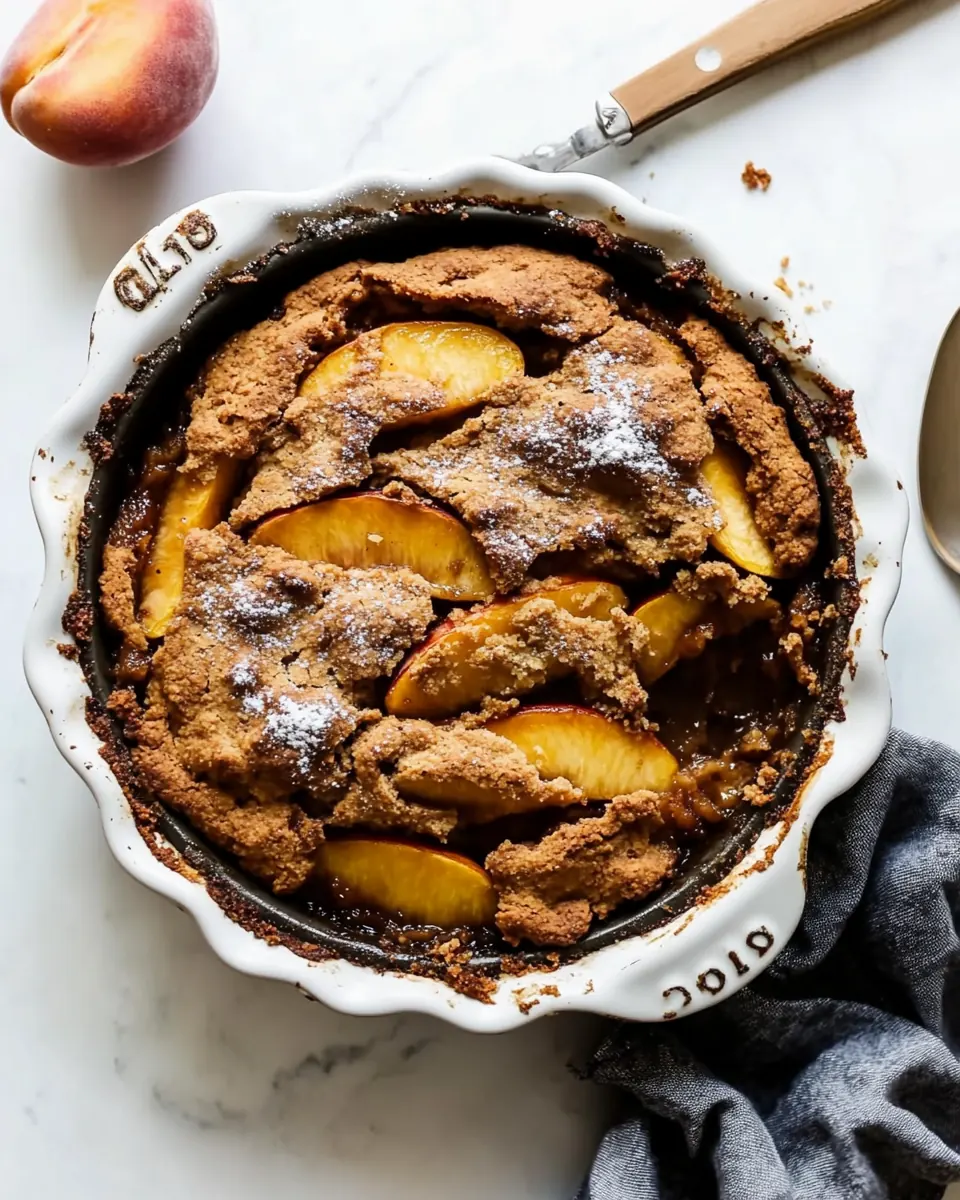
I like to experiment with small variations when I want a slightly different texture or flavor profile but none of these changes require a dramatic rewrite of the method. Below are approachable tweaks that keep the spirit of the recipe intact while offering new contrasts.
- Make it extra saucy by increasing the tapioca starch in the filling by one teaspoon if your peaches are very juicy, this prevents a runny center while keeping a glossy, jam like consistency.
- Dairy free option use vegan butter in the same quantity, cutting it into the topping exactly as you would with dairy butter to preserve tender pockets and flaky texture.
- Adjust sweetness reduce the total coconut sugar by two tablespoons if your peaches are exceptionally sweet, the spice and acid will still balance the dish.
- Bring spice forward increase the ground cinnamon by a quarter teaspoon in both the filling and the topping for a warmer aroma without changing the baking time.
- Serve warm or room temperature both ways are excellent, warming emphasizes the comforting, baked notes while room temperature highlights the fruit clarity and texture of the topping.
Great Combinations for Healthy Paleo Peach Cobbler With Coconut Flour
This cobbler pairs beautifully with simple accompaniments that complement the warm fruit and tender topping. I like to think about contrasts of temperature, texture, and acidity when I serve it, and these suggestions cover casual meals to small celebrations.
- Classic warm pairing a scoop of dairy free ice cream or coconut yogurt brings a cooling contrast to the warm peaches and soft topping.
- Tea time serve with a cup of lightly spiced tea or herbal infusion for an afternoon treat where the drink refreshes between sweet bites.
- Outdoor gatherings bring the cobbler to a picnic or potluck, it travels well in a covered skillet and can be served at room temperature so it suits informal sharing.
- Seasonal hosting this is a perfect late summer dessert for backyard dinners, where the fruit is local and the dish echoes the season, making it a natural finale to an al fresco meal.
- Storage and reheating cover and refrigerate leftovers for up to three days, reheat gently in a warm oven to revive the topping without drying it, or enjoy chilled for a different texture.
- Serving note let the cobbler rest after baking for stable slices, and use a spatula that reaches the bottom of the pan to lift neat portions that include both fruit and topping.
FAQ
Conclusion
This cobbler shines because it celebrates ripe peaches with a tender, grain free topping that feels both comforting and mindful. I encourage you to try the recipe soon, especially when stone fruit is at its peak, because the combination of warm fruit, subtle spices, and coconut flour topping is hard to resist. Enjoy sharing it with friends or keeping a warm slice for yourself on a quiet evening.
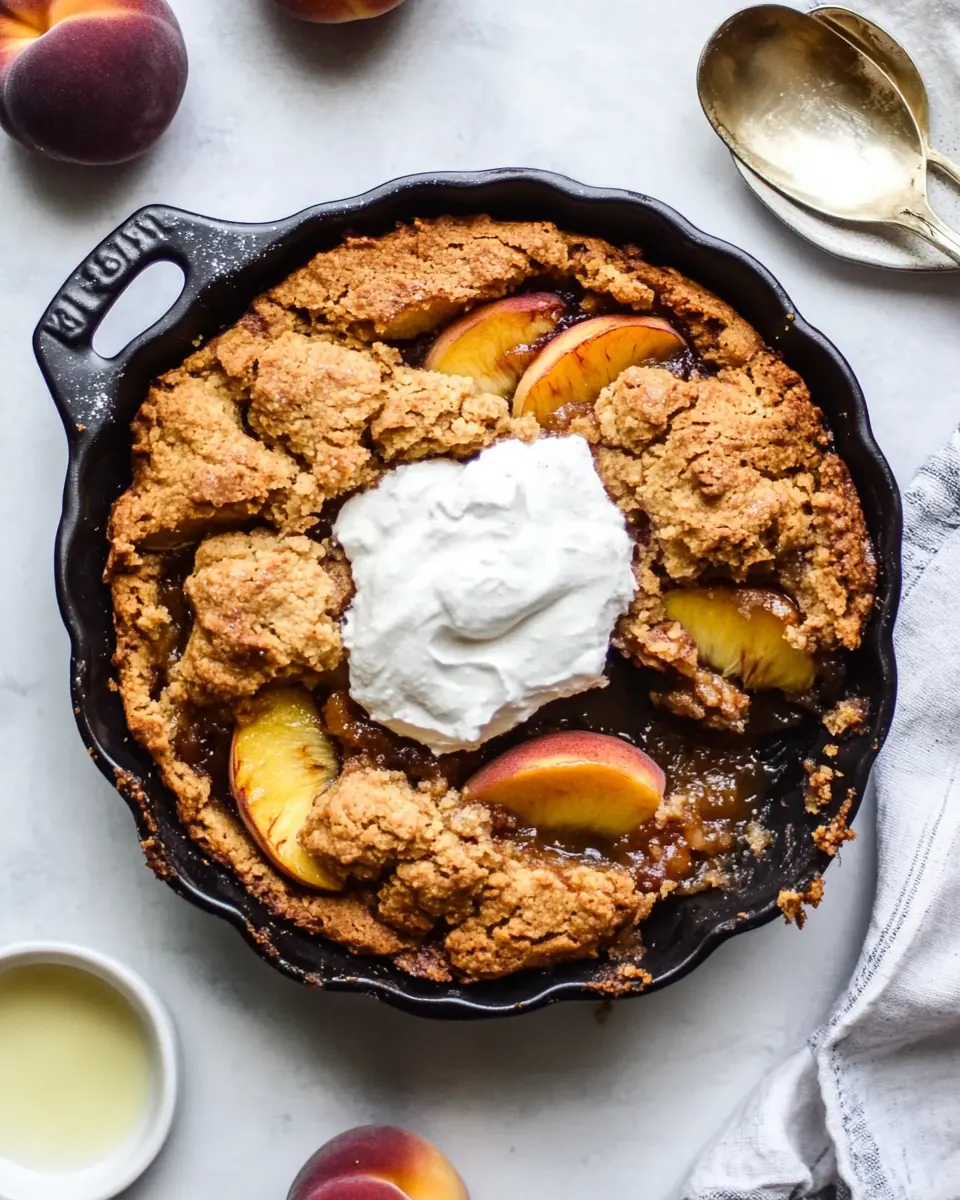
Healthy Paleo Peach Cobbler With Coconut Flour
Ingredients
Equipment
Method
- Preheat your oven to 425℉.: You will notice the kitchen begin to warm and that dry, warm air primes the oven for quick caramelization on the fruit surface, which helps the filling thicken properly. A properly preheated oven ensures the initial burst of heat sets the topping edges and promotes bubbling. A common mistake is putting the cobbler into a cold oven, which can lead to a soggy topping and longer bake times.
- In a large bowl, combine the peaches, coconut sugar, cinnamon, nutmeg, and lemon juice until well combined. Stir in the tapioca starch.: When you mix these ingredients you should see the fruit begin to glisten as the sugar draws out juices. The aroma of cinnamon and nutmeg will become more prominent, and the lemon juice will lift the fruit scent. The starch will bind those juices so the filling thickens rather than running. Avoid overmixing which can bruise the slices and create a mushier filling.
- Pour into a large baking pan (I used a 10-inch cast-iron skillet) and bake for 10 minutes.: As the pan heats in the oven, the peaches will start to release more juices and the edges will bubble slightly. This quick bake concentrates the flavors and gives the filling a head start so the topping does not become waterlogged. A common misstep is skipping this step, which often results in a wetter final cobbler.
- Meanwhile, mix 1/2 cup + 1 tablespoon of the coconut sugar (reserving the rest for later), the coconut flour, tapioca starch, baking powder, and salt in a separate large bowl. Blend in the butter with your fingers until the mixture looks like coarse crumbs. Stir in the boiling water until just combined.: The dry mix should smell gently sweet and toasty from the coconut flour . As you rub in the butter your fingertips will feel small pea sized bits, which is the ideal texture for a tender topping. Adding the hot water hydrates the flour and starch fast, creating a dough that holds together but remains soft. The biggest error here is overworking the dough, which can make it dense instead of crumbly.
- Remove the peaches from the oven. In a small bowl, stir together the cinnamon and remaining 2 tablespoons of coconut sugar. Sprinkle over the peaches.: When you pull the pan out you should see steam rising and the fruit juices bubbling, with a sweet, toffee like scent. The cinnamon sugar sprinkled over the surface will begin to melt slightly and form tiny caramelized beads which add texture contrast. Be careful not to let the pan sit too long or the juices will cool and thicken unevenly.
- Drop the cobbler topping by spoonfuls over the peaches, spreading out the mixture slightly.: The topping should be placed in uneven mounds so exposed edges can brown and crisp, while interior pockets stay tender. Pressing the topping too flat will prevent those crisp edges from forming, and over dispersing it will leave large bare spots of fruit uncovered, which can overbubble and lose structure.
- Bake until the top is golden brown and the peaches are bubbly, about 25-30 minutes. Let stand for at least 30 minutes.: As it bakes you will hear soft crackling and see the juices rise and thicken into a glossy syrup around the fruit. The topping should transform into a warm, golden color, and aroma will move from fruity to richly oven roasted with caramel notes. Letting it rest allows the filling to set, so slices hold their shape when served. A typical error is cutting too soon which yields a runny serving.
- DEVOUR!: The first forkful should combine the warm, slightly sticky peaches with tender, buttery topping, where the contrast of textures and the layered spices create a satisfying mouthfeel. If you prefer, allow the cobbler to cool a bit longer to avoid overly loose portions. One trap is reheating too aggressively later, which can dry the topping.
Notes
- Make it extra saucy by increasing the tapioca starch in the filling by one teaspoon if your peaches are very juicy, this prevents a runny center while keeping a glossy, jam like consistency.
- Dairy free option use vegan butter in the same quantity, cutting it into the topping exactly as you would with dairy butter to preserve tender pockets and flaky texture.
- Adjust sweetness reduce the total coconut sugar by two tablespoons if your peaches are exceptionally sweet, the spice and acid will still balance the dish.
- Bring spice forward increase the ground cinnamon by a quarter teaspoon in both the filling and the topping for a warmer aroma without changing the baking time.
- Serve warm or room temperature both ways are excellent, warming emphasizes the comforting, baked notes while room temperature highlights the fruit clarity and texture of the topping.