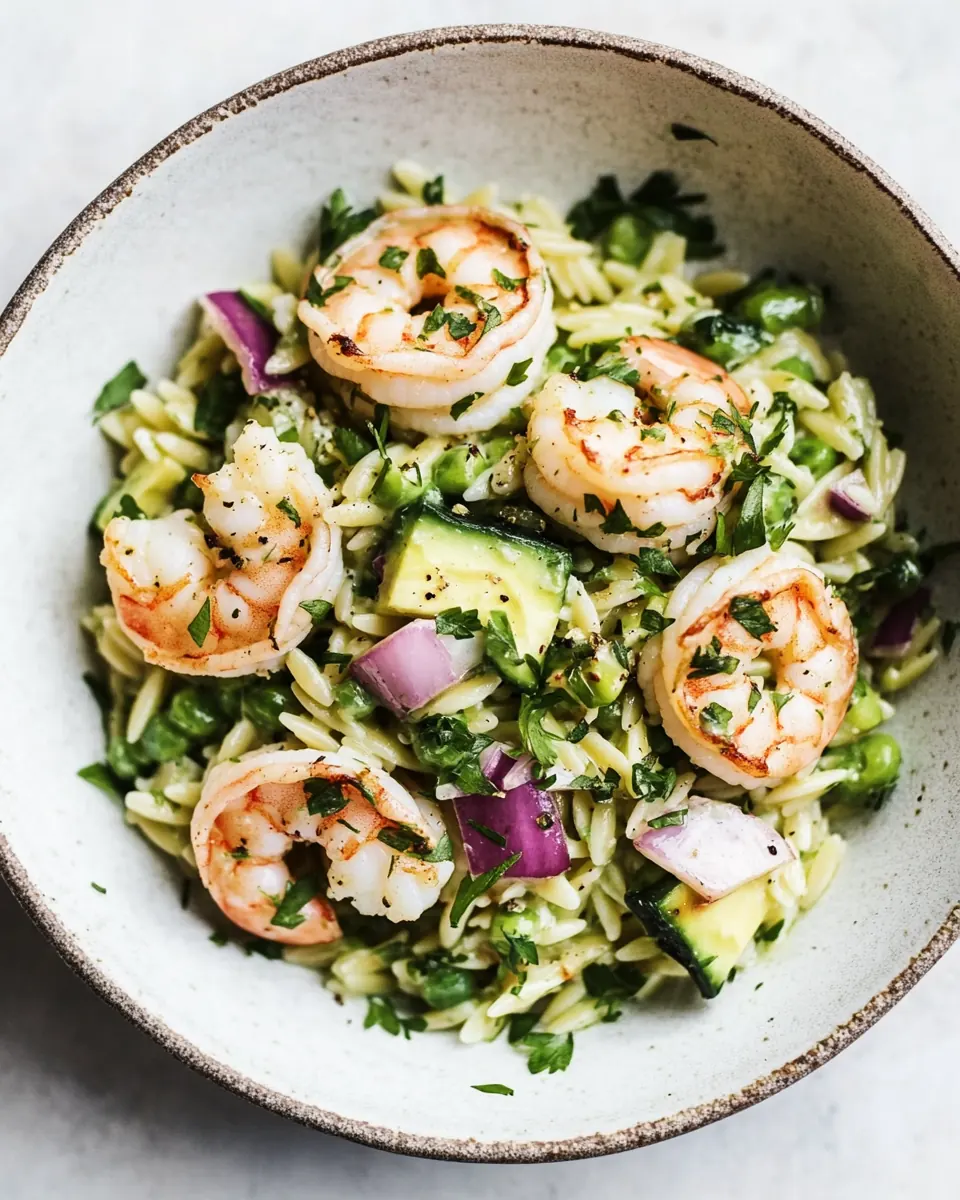
Herbed Shrimp Orzo Salad
Herbed Shrimp Orzo Salad has been one of those recipes I reach for when I want food that feels light but still utterly satisfying. The first time I made it I was juggling a warm afternoon, a crate of market basil, and a frantic desire to make dinner feel effortless yet thoughtfully composed. I remember the way the kitchen smelled as the garlic hit hot oil, the bright lemon note cutting through the richness, and how the texture of the orzo cradled the juicy shrimp. It felt like summer in a bowl, and every bite convinced me this would be a repeat on the weekly rotation.
Later that week I brought a big bowl to a neighborhood potluck, and people kept asking for the recipe. I love that this dish travels well, because the flavors actually mingle and mellow with time, which makes it ideal for a picnic or an easy dinner party. Over the years I have tweaked the ratios, but the soul of the dish remains: tender shrimp, bright citrus, fresh herbs, creamy chunks of feta, and perfectly cooked orzo that is neither mushy nor stiff. Whenever I want to show sensible hospitality without fuss, I make a point of having this salad in my repertoire.
Recipe Snapshot
40 mins
20 mins
20 mins
Medium
450 kcal
Mediterranean
Paleo, Gluten-Free
Salads
Fresh Garlic, Extra Virgin Olive Oil, Orzo Pasta
What Sets This Herbed Shrimp Orzo Salad Apart
Fresh herb driven flavor
I love how the combination of parsley, dill, and mint gives this salad a garden fresh personality. Each herb plays a role, parsley adds a grassy backbone, dill brings that subtle anise brightness, and mint cuts through with cool lift. Together they create a layered aromatic profile that keeps each forkful lively and interesting.
Protein plus pasta in one bowl
We get a balanced meal from a single vessel, which I adore when life is busy. The shrimp provides delicate, briny protein, while the orzo offers the comforting chew of pasta. When tossed with olive oil and lemon, the components blend into a dish that feels both substantial and summery, perfect for a quick weeknight or a casual gathering.
Textural contrast that sings
Crunchy cucumber and minced red onion add snap against the tender shrimp and soft orzo. The diced feta acts as creamy little pockets of tang, creating contrast in nearly every bite. That alternating texture is why I never get bored eating it, and why guests keep coming back for more.
Flexible and forgiving
This salad is wonderfully forgiving; you can make it a couple hours ahead and the flavors only improve. I often adjust olive oil and lemon to taste, and the dish tolerates small swaps in quantities without losing its essence. That versatility is one reason I consider this a kitchen staple for warm weather entertaining.
Perfect for sharing
Because it holds up at room temperature and travels well, I like to serve it at potlucks or bring it to barbecues. It scales easily, stays vibrant without refrigeration for a short time, and looks beautiful in a big bowl. I especially enjoy watching friends’ faces light up when they taste the bright herb and citrus combination alongside the savory shrimp.
What You Need for Herbed Shrimp Orzo Salad
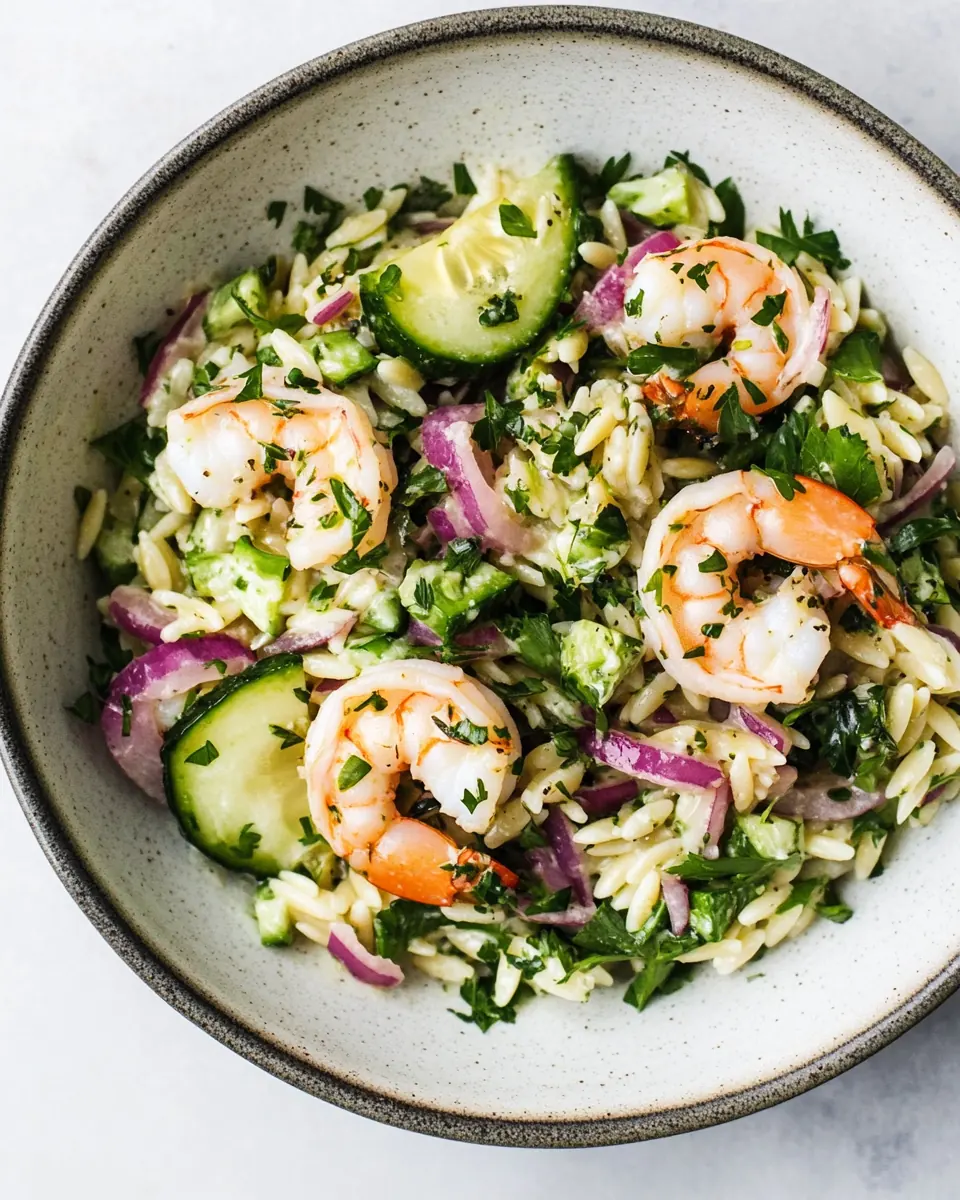
This ingredient list is about balance. I pick components that contribute a specific role: the orzo supplies tender starch, the shrimp brings briny protein, herbs lift the whole salad, and the feta adds a luxurious, salty counterpoint. The olive oil and lemon juice act as the unifying dressing, coating each element so the flavors melt together without overwhelming the freshness.
- 2 cups dry orzo pasta: Cook until al dente and drain well; provides the base and starch for the salad, soaking up dressing and flavors while holding texture against the other ingredients.
- 3/4 cup olive oil, divided: Use divided for both cooking and finishing; supplies rich, fruity fat to sauté shrimp and to emulsify the lemon dressing for cohesion and mouthfeel.
- 1/2 cup lemon juice olive oil: Combine with oil to create a bright, acidic dressing; balances richness and seasons the orzo and shrimp while lending a fresh citrus note throughout the salad.
- 2 pounds medium sized peeled and deveined shrimp: Sauté or grill until just opaque and tender; supplies protein and a slightly sweet, briny flavor that pairs with herbs and feta while contributing substantial texture.
- 4 garlic cloves, grated: Grate and gently cook with shrimp or whisk into the dressing; contributes pungent, aromatic depth and savory bite that lifts the overall flavor profile.
- 4 cups diced/bite size English cucumber: Dice into bite–sized pieces for freshness and crunch; offers a cool, watery counterpoint that lightens the dish and provides pleasant texture contrasts.
- 1/2 cup minced red onion: Mince finely and toss into the salad or dressing; adds sharp, slightly sweet pungency and a crisp bite that complements herbs and balances richness.
- 1 cup minced fresh parsley: Mince and fold through the orzo for bright herbal backbone; adds grassy, peppery freshness that enlivens the salad and pairs well with lemon and feta.
- 1/2 cup minced fresh dill: Mince and incorporate for aromatic, slightly tangy notes; introduces a soft anise-like freshness that harmonizes with other herbs and brightens seafood flavors.
- 1/2 cup minced fresh mint: Mince and mix in for cooling, sweet herbaceousness; brings a refreshing, minty lift that balances the salad’s richness and complements citrus and cucumber.
- 6 ounces feta, cubed small: Cube small and scatter over the salad; provides creamy, salty tang that contrasts the herbs and shrimp while adding savory richness and crumbly texture.
- Kosher salt and pepper, to taste: Season generously to taste at multiple stages; enhances and balances all flavors, ensuring brightness, depth, and proper seasoning throughout the preparation.
Step by Step Guide for Herbed Shrimp Orzo Salad
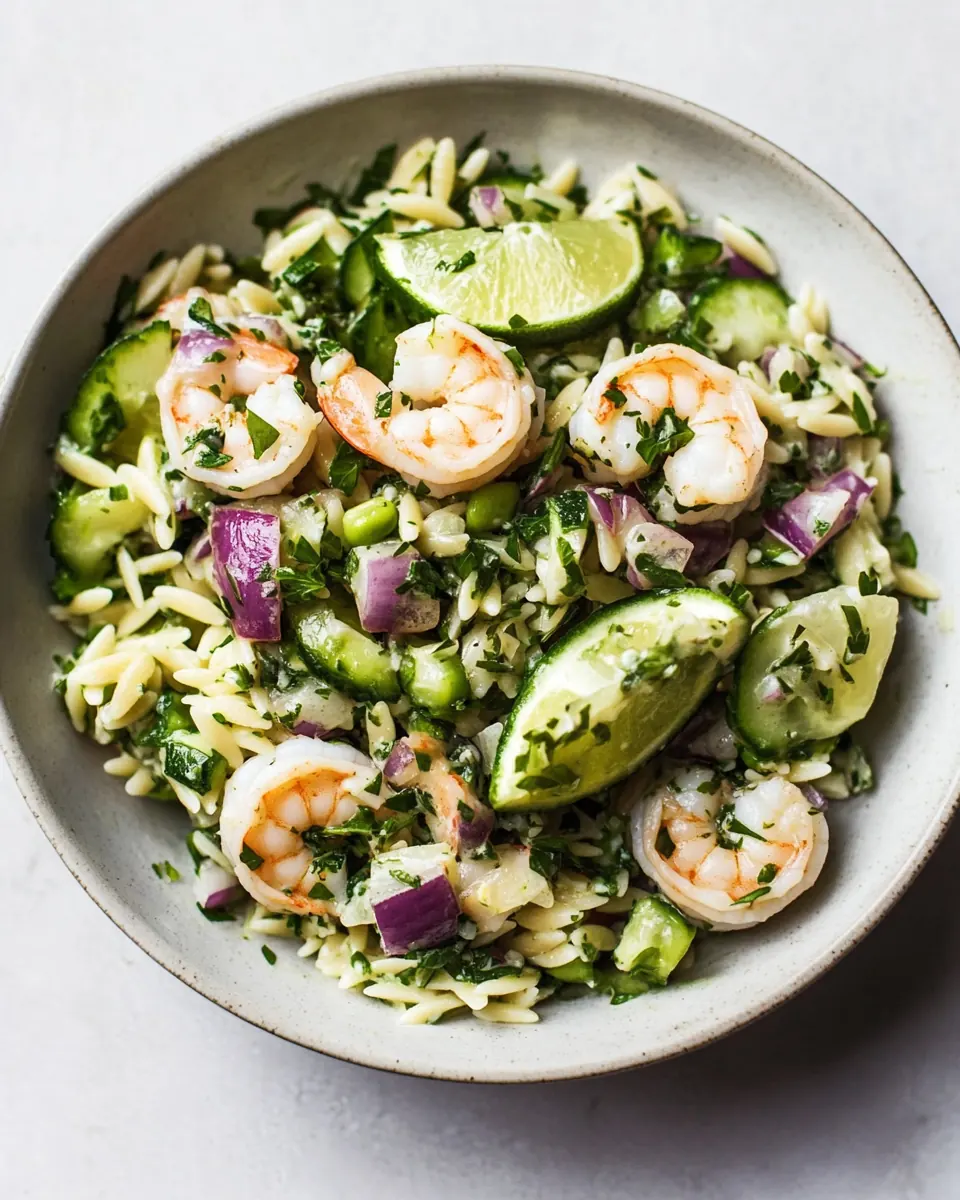
I like to walk through the steps with a relaxed, sensory approach so you know what to expect at each turn. This method keeps things simple, and watching how textures and aromas evolve helps prevent common mistakes. Below I expand each direction into detailed guidance so you can cook confidently and get the result I promise.
- Set a medium-sized pot with water over high heat.: The kettle of water should roar gently when it reaches a rolling boil, and you will see big bubbles breaking the surface. Use a pot large enough that the orzo has room to move, which helps prevent sticking and clumping. Why this matters, I find, is that crowded pasta cooks unevenly and can become gluey, which ruins the intended light texture of the salad. A misstep here is using too small a pot, which leads to uneven cooking and more frequent stirring that can break the pasta.
- Bring to a boil, lightly salt the water and add the pasta. Cook according to box directions until the pasta is al dente.: As the water boils, add a generous pinch of kosher salt , so the orzo absorbs seasoning from the start. The cooking time on the box is your guide, but start checking the pasta a minute or two before the lower end to achieve that perfect al dente bite. You want a slight firmness at the center, not chalky or raw, and certainly not mushy. Overcooking is the most common error in this step, which results in a limp texture that will not hold up once dressed.
- Drain the pasta and add to a large bowl.: When you drain the orzo , shake off excess water and transfer it immediately to a roomy bowl so it has space to cool slightly and absorb dressing. The steam should still rise, but the orzo should not be steaming relentlessly, which could wilt the herbs later. Using a large bowl prevents crowding and makes tossing easier, which helps distribute the dressing evenly. A pitfall here is letting the pasta sit too long in the colander and cool completely, which makes it harder for the oil and lemon to evenly coat the grains.
- While the pasta is still hot pour over 1/2 cup of olive oil and lemon juice.: The heat from the orzo helps the olive oil and lemon juice meld into a silky coating that penetrates each grain. You will notice a faint sheen forming as the oil warms and loosens around the pasta, carrying the citrus aroma. This step is crucial because it ensures the dressing is absorbed rather than pooling at the bottom, which balances every bite. A common mistake is adding all the oil at once later, which can make the salad feel separated and oily.
- Give it a gentle stir and set aside while you prepare the remaining ingredients. (Note: Yes, this will look like A LOT of olive oil but this is going to thin out once you add in all your ingredients): A gentle fold ensures the dressing cloaks the orzo without crushing the grains. As the bowl cools, the flavors begin to marry, and the pasta takes on a lightly glossy texture. Avoid aggressive mixing, which can break the orzo and produce a pasty mouthfeel. Many cooks overwork the pasta here, which reduces the salad's delicate structure.
- In a large skillet add the remaining 1/4 cup olive oil and set over medium-high heat.: Heat the skillet until the oil shimmers but is not smoking, which gives you an even, responsive pan temperature for cooking shrimp . You should hear a faint sizzle when ingredients hit the pan, signaling good contact. Proper pan temperature ensures quick sear and juiciness; if the pan is too cool the shrimp will stew and become rubbery. The typical error is overheating so the oil smokes and imparts a bitter taste.
- Once the oil is hot add in the shrimp and cook until they just start to turn pink.: Lay the shrimp in a single layer and listen for the gentle sizzle as their edges begin to color. At this point you will see the translucent raw flesh become opaque at the edges, and the bodies will curl slightly. That first change is a cue to watch closely because shrimp cook very fast. The reason this quick sear matters is it locks in juices and gives texture contrast with the orzo . A common mistake is crowding the pan, which lowers the temperature and produces steamed, rather than seared, shrimp.
- Add in the grated garlic and continue cooking until the shrimp are firm and pink.: Adding grated garlic toward the end avoids burning and allows its aromatic oils to bloom into the hot olive oil . You will smell a warm, fragrant note almost immediately, and the garlic will become slightly translucent without browning. Keep the heat moderate because browned garlic turns bitter and will taint the dish. Overcooking the shrimp at this stage is the most common error, yielding tough texture instead of tender bite.
- Remove from the heat and add the shrimp with any remaining oil and garlic into the bowl with the pasta. Stir to combine.: Transfer the shrimp and pan juices into the bowl so every component benefits from the flavored oil. The sizzling juices will perfume the orzo , and you will notice a glossy sheen and an aromatic garlic note spreading through the bowl. Toss gently to distribute solids and liquid evenly. A misstep here is leaving pan juices behind, which wastes flavor and results in a less cohesive salad.
- To the pasta mixture add all remaining ingredients and stir to combine.: Now fold in the diced English cucumber , minced red onion , minced parsley , minced dill , minced mint , and small cubes of feta . As you stir, textures disperse and colors pop, giving a vivid mosaic in the bowl. The coolness of the cucumber and herbs contrasts with the warm pasta and shrimp, and the feta adds creamy pockets of salt. The aim is uniform distribution; avoid overmixing, which can bruise herbs and break feta into indistinct crumbs.
- Taste and season with the desired amount of kosher salt and pepper. Chill and serve.: Finish by tasting and adjusting with kosher salt and pepper , remembering that the feta already contributes saltiness. Chill the salad for a short while so flavors settle and meld. Serve slightly chilled or at cool room temperature for best texture. A common oversight is over salting before considering the feta, so always taste before the final seasoning step.
Recipe Variations about Herbed Shrimp Orzo Salad
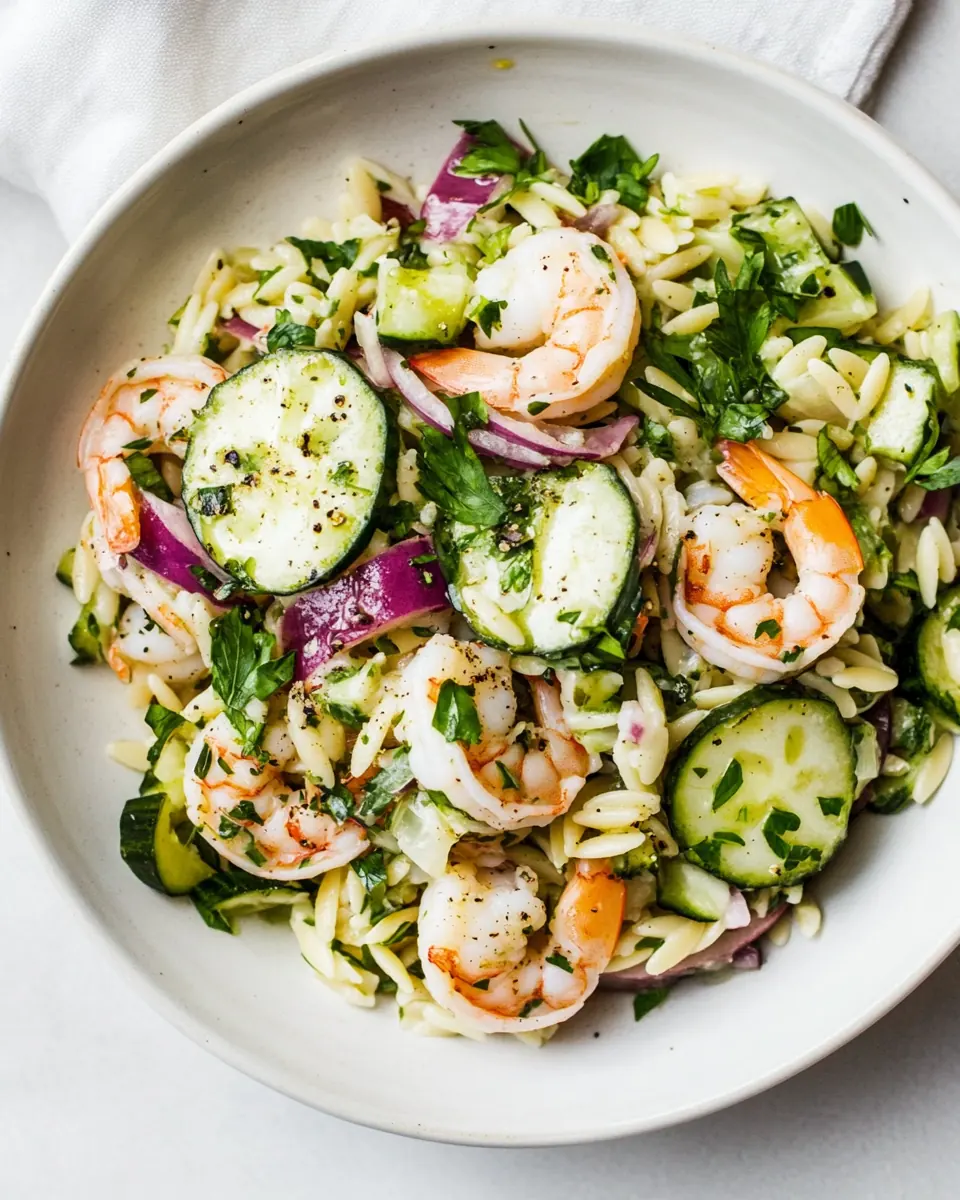
This salad invites small, thoughtful variations that preserve its core identity. Below are practical ideas to adjust texture, temperature, or presentation while keeping the component harmony intact. Each tip starts with a bolded phrase so you can skim to the suggestion that suits your occasion.
- Serve warm or chilled Try serving the salad warm out of the pan for a cozier feel, or chilled for a brighter, picnic friendly version. Both temperatures highlight different qualities of the dish.
- Herb emphasis Increase the amount of a single herb like parsley for a greener, more vegetal note, or pull back on the mint if you prefer a subtler cooling flavor.
- Olive oil balance Because the recipe uses generous olive oil, taste before adding more; add extra oil sparingly to avoid a greasy finish.
- Onion milder If you want less bite from the red onion, soak the minced onion in cold water for a few minutes, then drain to mellow the sharpness.
- Feta placement Fold in the feta last and gently, so the cubes remain intact and provide pleasant pockets of creaminess rather than dissolving into the salad.
Pairing Suggestions for Herbed Shrimp Orzo Salad
This salad is extremely adaptable when it comes to serving. It works beautifully as a centerpiece for a light summer lunch or as a side for a casual dinner. Below are thoughtful serving ideas, seasonal contexts, and storage guidance to help you choose the best way to present it.
- Serve as a main for lunch Pair a generous bowl of the salad with a crisp green side or simply offer it with warm crusty bread for a relaxed midday meal.
- Summer dinner centerpiece For evening dining outdoors, place the salad in a wide bowl so guests can help themselves, and complement with grilled vegetables if desired.
- Potluck friendly Because it travels well at room temperature, bring this salad to gatherings; it stays flavorful for a few hours without refrigeration, making it ideal for picnics and barbecues.
- Seasonal pairing The bright herbs and lemon make this especially lovely in summer when fresh herbs and cucumbers are at their peak.
- Storage tips Refrigerate leftovers in an airtight container for up to two days, but note the orzo will absorb more dressing over time, so you may want to add a splash of olive oil or lemon before serving again.
- Serving style Garnish with a little extra minced parsley and a few crumbles of feta right before serving to refresh the flavors and visuals.
FAQ
Conclusion
Herbed Shrimp Orzo Salad stands out for its bright herb character, plump shrimp, and satisfying orzo base, making it a reliable recipe for both relaxed dinners and gatherings. I encourage you to give it a try because its effortless assembly and layered flavors reward simple attention and a few quality ingredients. Once you taste that combination of citrus, fresh herbs, and creamy feta, you may find it becomes a regular in your rotation, perfect for warm evenings and easy entertaining.
Herbed Shrimp Orzo Salad
Ingredients
Equipment
Method
- Set a medium-sized pot with water over high heat.: The kettle of water should roar gently when it reaches a rolling boil, and you will see big bubbles breaking the surface. Use a pot large enough that the orzo has room to move, which helps prevent sticking and clumping. Why this matters, I find, is that crowded pasta cooks unevenly and can become gluey, which ruins the intended light texture of the salad. A misstep here is using too small a pot, which leads to uneven cooking and more frequent stirring that can break the pasta.
- Bring to a boil, lightly salt the water and add the pasta. Cook according to box directions until the pasta is al dente.: As the water boils, add a generous pinch of kosher salt , so the orzo absorbs seasoning from the start. The cooking time on the box is your guide, but start checking the pasta a minute or two before the lower end to achieve that perfect al dente bite. You want a slight firmness at the center, not chalky or raw, and certainly not mushy. Overcooking is the most common error in this step, which results in a limp texture that will not hold up once dressed.
- Drain the pasta and add to a large bowl.: When you drain the orzo , shake off excess water and transfer it immediately to a roomy bowl so it has space to cool slightly and absorb dressing. The steam should still rise, but the orzo should not be steaming relentlessly, which could wilt the herbs later. Using a large bowl prevents crowding and makes tossing easier, which helps distribute the dressing evenly. A pitfall here is letting the pasta sit too long in the colander and cool completely, which makes it harder for the oil and lemon to evenly coat the grains.
- While the pasta is still hot pour over 1/2 cup of olive oil and lemon juice.: The heat from the orzo helps the olive oil and lemon juice meld into a silky coating that penetrates each grain. You will notice a faint sheen forming as the oil warms and loosens around the pasta, carrying the citrus aroma. This step is crucial because it ensures the dressing is absorbed rather than pooling at the bottom, which balances every bite. A common mistake is adding all the oil at once later, which can make the salad feel separated and oily.
- Give it a gentle stir and set aside while you prepare the remaining ingredients. (Note: Yes, this will look like A LOT of olive oil but this is going to thin out once you add in all your ingredients): A gentle fold ensures the dressing cloaks the orzo without crushing the grains. As the bowl cools, the flavors begin to marry, and the pasta takes on a lightly glossy texture. Avoid aggressive mixing, which can break the orzo and produce a pasty mouthfeel. Many cooks overwork the pasta here, which reduces the salad's delicate structure.
- In a large skillet add the remaining 1/4 cup olive oil and set over medium-high heat.: Heat the skillet until the oil shimmers but is not smoking, which gives you an even, responsive pan temperature for cooking shrimp . You should hear a faint sizzle when ingredients hit the pan, signaling good contact. Proper pan temperature ensures quick sear and juiciness; if the pan is too cool the shrimp will stew and become rubbery. The typical error is overheating so the oil smokes and imparts a bitter taste.
- Once the oil is hot add in the shrimp and cook until they just start to turn pink.: Lay the shrimp in a single layer and listen for the gentle sizzle as their edges begin to color. At this point you will see the translucent raw flesh become opaque at the edges, and the bodies will curl slightly. That first change is a cue to watch closely because shrimp cook very fast. The reason this quick sear matters is it locks in juices and gives texture contrast with the orzo . A common mistake is crowding the pan, which lowers the temperature and produces steamed, rather than seared, shrimp.
- Add in the grated garlic and continue cooking until the shrimp are firm and pink.: Adding grated garlic toward the end avoids burning and allows its aromatic oils to bloom into the hot olive oil . You will smell a warm, fragrant note almost immediately, and the garlic will become slightly translucent without browning. Keep the heat moderate because browned garlic turns bitter and will taint the dish. Overcooking the shrimp at this stage is the most common error, yielding tough texture instead of tender bite.
- Remove from the heat and add the shrimp with any remaining oil and garlic into the bowl with the pasta. Stir to combine.: Transfer the shrimp and pan juices into the bowl so every component benefits from the flavored oil. The sizzling juices will perfume the orzo , and you will notice a glossy sheen and an aromatic garlic note spreading through the bowl. Toss gently to distribute solids and liquid evenly. A misstep here is leaving pan juices behind, which wastes flavor and results in a less cohesive salad.
- To the pasta mixture add all remaining ingredients and stir to combine.: Now fold in the diced English cucumber , minced red onion , minced parsley , minced dill , minced mint , and small cubes of feta . As you stir, textures disperse and colors pop, giving a vivid mosaic in the bowl. The coolness of the cucumber and herbs contrasts with the warm pasta and shrimp, and the feta adds creamy pockets of salt. The aim is uniform distribution; avoid overmixing, which can bruise herbs and break feta into indistinct crumbs.
- Taste and season with the desired amount of kosher salt and pepper. Chill and serve.: Finish by tasting and adjusting with kosher salt and pepper , remembering that the feta already contributes saltiness. Chill the salad for a short while so flavors settle and meld. Serve slightly chilled or at cool room temperature for best texture. A common oversight is over salting before considering the feta, so always taste before the final seasoning step.
Notes
- Serve warm or chilled Try serving the salad warm out of the pan for a cozier feel, or chilled for a brighter, picnic friendly version. Both temperatures highlight different qualities of the dish.
- Herb emphasis Increase the amount of a single herb like parsley for a greener, more vegetal note, or pull back on the mint if you prefer a subtler cooling flavor.
- Olive oil balance Because the recipe uses generous olive oil, taste before adding more; add extra oil sparingly to avoid a greasy finish.
- Onion milder If you want less bite from the red onion, soak the minced onion in cold water for a few minutes, then drain to mellow the sharpness.
- Feta placement Fold in the feta last and gently, so the cubes remain intact and provide pleasant pockets of creaminess rather than dissolving into the salad.