Homemade Fish Sticks
Homemade Fish Sticks has been my go to comfort on busy weeknights when I want something crispy, quick, and reliably tasty.
I remember the first time I made this version, trading boxed breadcrumbs for a crunchy mix of flaxseed and Parmesan cheese, and how the kitchen filled with a warm, toasty aroma that made everyone gather around. I like recipes that feel familiar but have a little twist, and these fish sticks deliver that balance. They bring back childhood memories while staying light and wholesome, so I often make a double batch for leftovers.
Over the years I refined the technique so the exterior crisps without overcooking the white fish. I usually set up an assembly line with shallow dishes for the eggs and the breadcrumb mixture, and I tell stories to keep the kids busy while we coat each piece. Little rituals like letting excess egg drip off help keep the breading from becoming gummy, and finishing the fish in a hot skillet gives a satisfying sizzle that tells you it’s nearly ready.
Recipe Snapshot
35 mins
15 mins
20 mins
Easy
350 kcal
American
Low FODMAP, Gluten-Free
Dinner
Large skillet, Shallow dish, Sharp knife, Plate
Why This Homemade Fish Sticks Is So Good
Crunchy Texture with Real Ingredients
I love how the combination of breadcrumbs, flaxseed, and Parmesan cheese creates a multi dimensional crunch that stays crisp after cooking. The ground flaxseed adds a nutty backbone while the Parmesan cheese melts slightly and gives a golden, savory finish. I personally prefer this to plain store crumbs because it feels more homemade and substantial.
Quick and Weeknight Friendly
We often need something fast, and Homemade Fish Sticks fits the bill. With just a few hands on minutes to cut and coat the white fish, then a short skillet cook, dinner comes together quickly. The method is straightforward enough that I can chat with family while they cook, and the skillet approach warms the house pleasantly without taking too long.
Customizable Seasoning
I appreciate that the recipe uses Old Bay Seasoning and simple pantry items, which means you can nudge the flavor one way or another. I often adjust the salt and black pepper depending on who will eat it, and the seasoning blend keeps it familiar and comforting. This flexibility makes the dish approachable for different palates.
Kid Approved, Adult Approved
One of the best parts is how everyone eats it, from picky children to adults looking for a lighter meal. The bite sized sticks are perfect for dipping and sharing, and plating them with simple sides turns them into a family favorite. I often see smiles around the table, which is the real endorsement for me.
Healthy Elements Without Compromise
Using avocado oil and flaxseed keeps the profile lighter while still delivering crispness and flavor. I like that we don’t compromise on texture to be healthier, and the result feels satisfying and balanced. It’s a small win for both taste and nutrition.
Shopping List for Homemade Fish Sticks
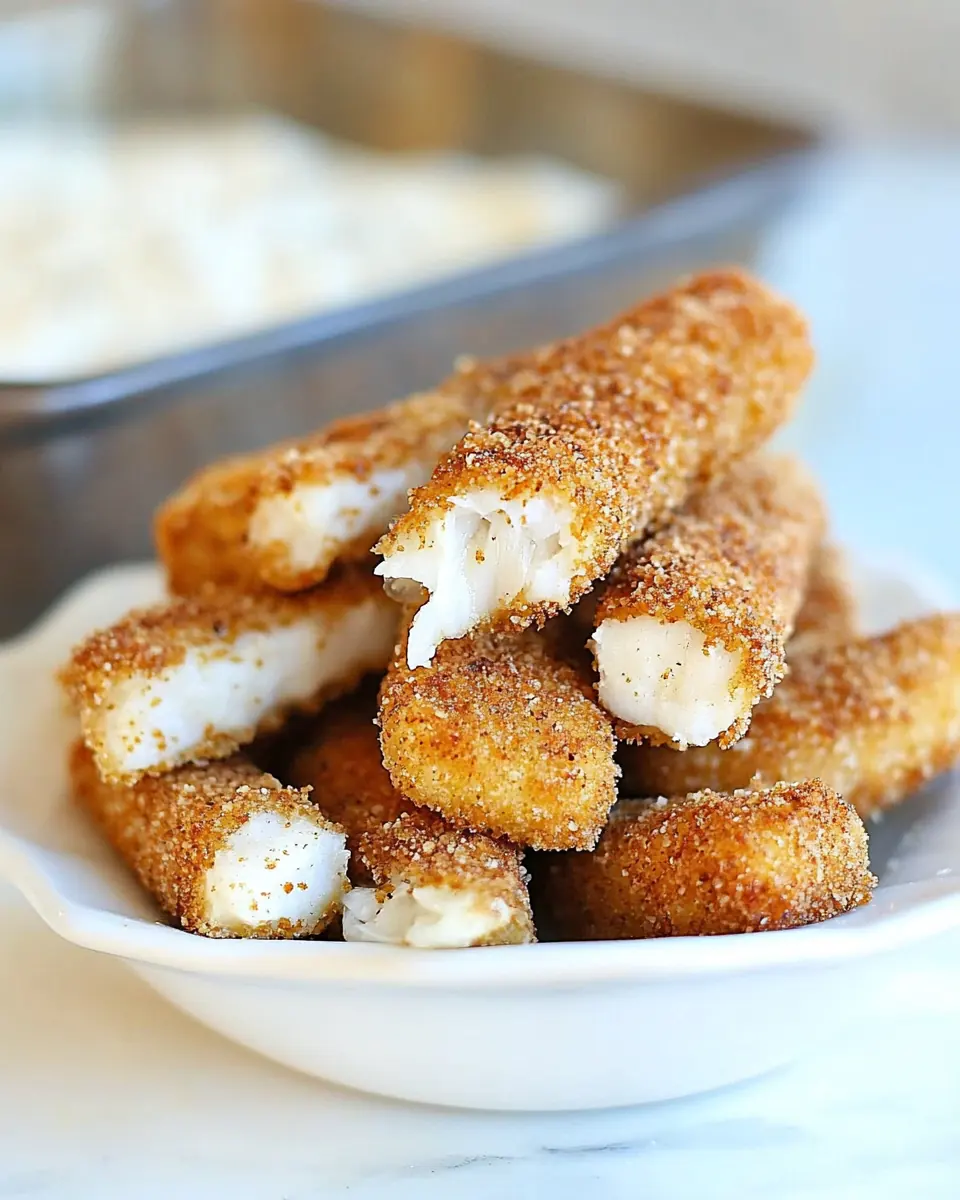
These ingredients work together to create a crisp, savory coating around tender chunks of fish. The key players are the white fish for its mild flavor, the egg for binding, and the breadcrumb mixture for texture and seasoning. Each component supports the other, so the result is a balanced, crowd pleasing dish.
- 16 ounces white fish: Provide flaky, mild-tasting protein that forms the base of the fish sticks; cut into uniform strips to ensure even cooking and consistent texture. Season or pat dry before coating to help breadcrumbs adhere and to concentrate flavor. Offers a good source of lean protein and pairs well with the chosen seasonings and coatings.
- 2 large eggs: Bind coatings and help them adhere to the fish while creating a tender interior as they cook; beat until uniform for even coverage. Contribute moisture and assist in browning during pan-frying or baking. Provide structure so coatings stay attached when flipping or serving.
- 1/4 teaspoon black pepper, ground: Add a warm, savory heat in small amounts that enhances overall flavor without overpowering; sprinkle into egg mixture or season fish directly. Balance other seasonings and highlight the natural sweetness of the fish. Ground form disperses evenly for consistent seasoning.
- 1/2 teaspoon salt: Season the fish and coating to elevate overall taste and balance flavors; dissolve slightly when mixed with wet ingredients for even distribution. Help bring out the savory notes of the Parmesan and Old Bay. Use measured amounts to avoid oversalting delicate fish.
- 1/4 cup flaxseed, ground: Contribute a nutty, slightly earthy texture when used in the coating mix and add fiber and healthy fats; grind finely so it mixes smoothly with breadcrumbs and cheese. Help bind coatings and offer a gluten-free-friendly option when combined with other ingredients. Can brown lightly and add a toasty aroma during cooking.
- 2 teaspoons Old Bay Seasoning: Impart a classic seafood seasoning profile with celery, paprika, and other spices to complement the fish; mix into breadcrumbs or egg wash for consistent flavor. Enhance savory and aromatic notes and bring familiar coastal taste to the sticks. Small quantity provides noticeable seasoning without overwhelming.
- 1/2 cup breadcrumbs traditional or Panko: Provide the crisp, crunchy exterior crucial to fish sticks; choose traditional or panko for different texture outcomes and press firmly onto the egg-coated fish. Brown evenly when fried or baked to produce an appealing crust. Combine with Parmesan and flaxseed for balanced flavor and structure.
- 1 ounce Parmesan cheese, shredded: Deliver a salty, umami-rich depth to the coating that boosts savory flavor and encourages browning; grate finely and mix with breadcrumbs for even distribution. Melt slightly during cooking to bind and create a cohesive crust. Use modest amounts to complement rather than dominate the seasoning blend.
- 1/4 cup oil, avocado: Serve as the cooking medium for pan-frying to achieve a golden, crispy crust; choose avocado oil for its high smoke point and neutral flavor. Add just enough to coat the pan or shallow-fry the sticks for even browning. Helps conduct heat efficiently without imparting strong flavors.
Instructions for Homemade Fish Sticks
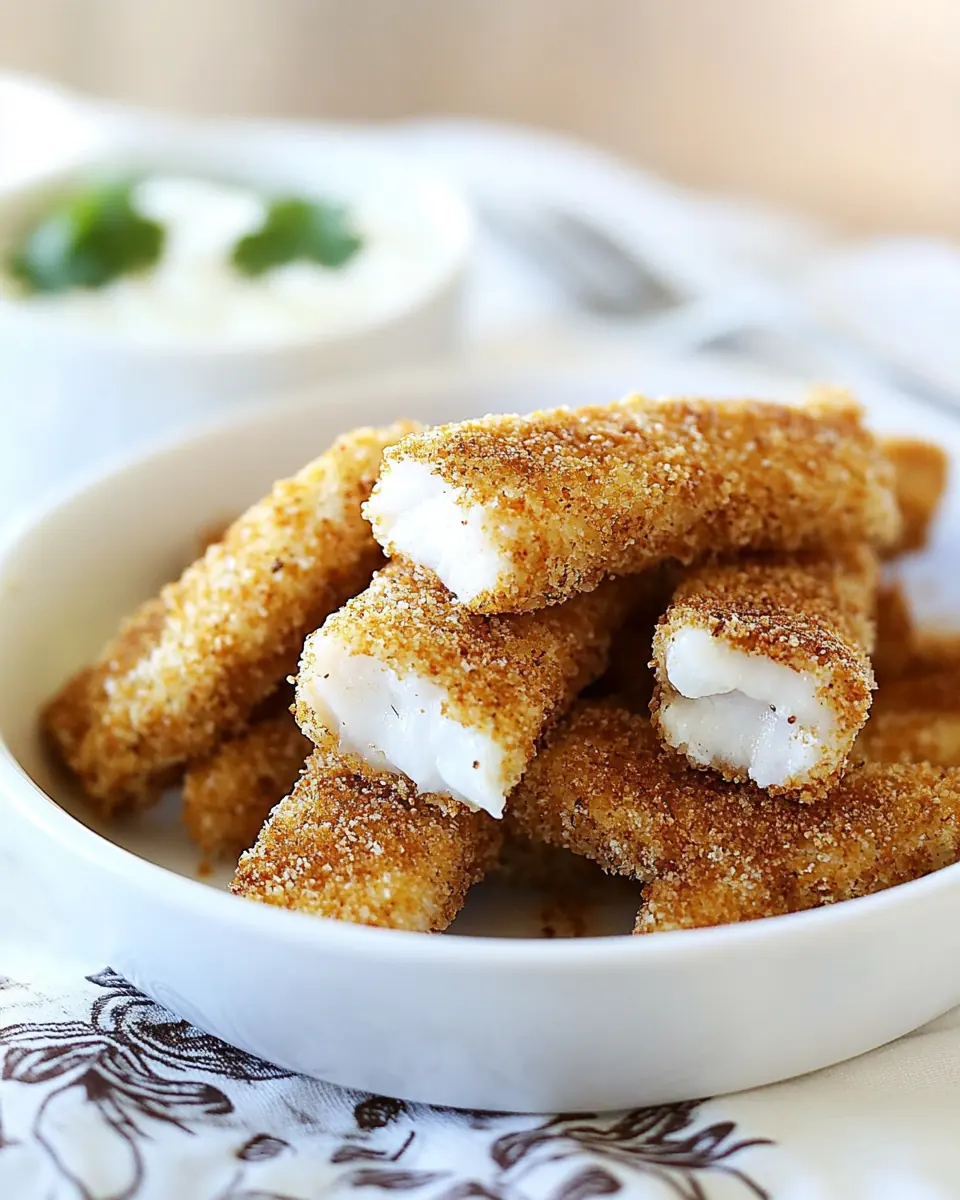
I like keeping the cooking flow calm and focused, so I set up my station first and work in small batches. The following steps will guide you through preparing, coating, and pan frying the sticks while staying mindful of texture and timing.
- Cut fish into 8 even 'sticks' and set aside. Whisk together eggs and pepper in a shallow dish. In a separate shallow dish, combine the flaxseed, Old Bay Seasoning, salt, breadcrumbs, and Parmesan cheese; blend well.: As you separate the fillet into sticks, notice the smooth, slightly translucent surface of the raw white fish and the clean, briny scent it gives off. Cutting into even pieces ensures uniform cooking so every stick finishes at the same moment, preventing dry edges or undercooked centers. Use a sharp knife and steady hand to avoid ragged edges that can cause uneven batter adhesion. A common error is cutting pieces with wildly different thicknesses, which leads to uneven doneness and a mix of soft and overcooked textures.
- Coat fish sticks in egg mixture, allowing excess to fall off fish; then, dip in breadcrumb mixture, coating both sides. Place onto a clean dish until ready to cook. Continue until all fish sticks have been coated.: When you whisk the two large eggs with the ground black pepper , you will see a glossy yellow mixture that catches the light, the pepper speckled through it. The egg mixture clings to the fish, giving the crumb mix something to adhere to and creating a thin protective layer that helps lock moisture in the fish while frying. If you whip the eggs too frothy or dilute them with water, the coating may not cling uniformly and can flake off during cooking.
- Heat a few tablespoons of oil in a large skillet over medium-high heat.: As you mix these dry elements, inhale the warm, herbaceous aroma of Old Bay Seasoning and the nutty scent from the ground flaxseed . A homogenous blend ensures each bite is flavorful and texturally consistent. The Parmesan cheese will begin to stick to the crumbs, creating potential golden pockets as it browns. Avoid leaving clumps in the dry mix because uneven distribution will make some pieces too salty or too bland.
- Place half the fish (or less if you are using a smaller skillet) into skillet in a single layer. Cook on each side for 4 minutes, allowing to brown evenly. Set aside and cover to keep warm. Add more oil to the skillet as needed, allowing to reheat before cooking remaining fish sticks. Serve warm with your favorite tartar sauce. Enjoy!: When you dip each stick, feel the smooth coating of egg first, then see how the crumbs cling and form a textured shell. Letting excess egg drip prevents sogginess, and a light, even dusting from the crumbs will crisp properly in the skillet. Pressing too hard will result in a thick, glue like crust that can remain undercooked inside the crumbs, so be gentle and deliberate.
- Place onto a clean dish until ready to cook. Continue until all fish sticks have been coated: Lining up the coated sticks on a clean plate helps them rest and set, giving the egg time to bond to the crumb shell so it does not fall off when you flip them. You will notice the crumb surface feels slightly tacky but stable. Crowding your resting plate or stacking sticks will ruin the coating, so keep them single layer until you move to the skillet.
- Heat a few tablespoons of oil in a large skillet over medium-high heat: As the avocado oil warms, it will spread and shimmer, releasing a faint neutral scent and a slight ripple on the surface. The right temperature gives you a satisfying sizzle when the fish hits the pan, which signals the crust is searing and forming. If the oil is not hot enough, the coating soaks up oil and becomes greasy instead of crisp; if it is too hot, the outside will burn before the inside cooks. Watch for a steady shimmer but no smoke.
- Place half the fish into skillet in a single layer: Lay each piece gently so you hear a soft sizzle, and keep them spaced enough for air to circulate and the heat to evenly brown each side. The skillet's surface should provide direct contact so you see the crumb turn from pale to golden brown along the edges first. Overcrowding the pan traps steam and prevents crisping, creating limp breading rather than a crunchy crust.
- Cook on each side for 4 minutes, allowing to brown evenly: During these minutes, notice a steady sizzling sound and the scent evolve into a toasty, savory perfume as the Parmesan cheese and crumbs caramelize. The fish will turn from translucent to opaque and flaky, and the exterior should be a consistent golden brown. Use a spatula to check pockets for even color. Flipping too often stops browning, while flipping too late can char the exterior before the inside finishes.
- Set aside and cover to keep warm: After the first batch, transfer the sticks to a warm plate and tent loosely with foil to retain heat without steaming the crust. You will notice the residual warmth continues to cook the interior slightly, so resting briefly helps settle juices and maintain a tender center. Stacking them or covering tightly will trap moisture and soften the crust, so avoid both mistakes.
- Add more oil to the skillet as needed, allowing to reheat before cooking remaining fish sticks: Replenishing the oil between batches restores surface temperature and prevents the pan from cooling down, which helps preserve crispness. Let the oil shimmer again before adding more fish so you get that immediate sizzle that sets the crust. Adding fish to oil that has not reheated will lead to soggy, underbrowned breading.
- Serve warm with your favorite tartar sauce: When you plate, the first bite should give you a crunchy shell, a tender flake of white fish , and a warm, savory finish. Serving immediately preserves the contrast between crisp coating and moist interior. Waiting too long to serve allows steam to soften the crust, so aim to serve at once.
Recipe Variations about Homemade Fish Sticks
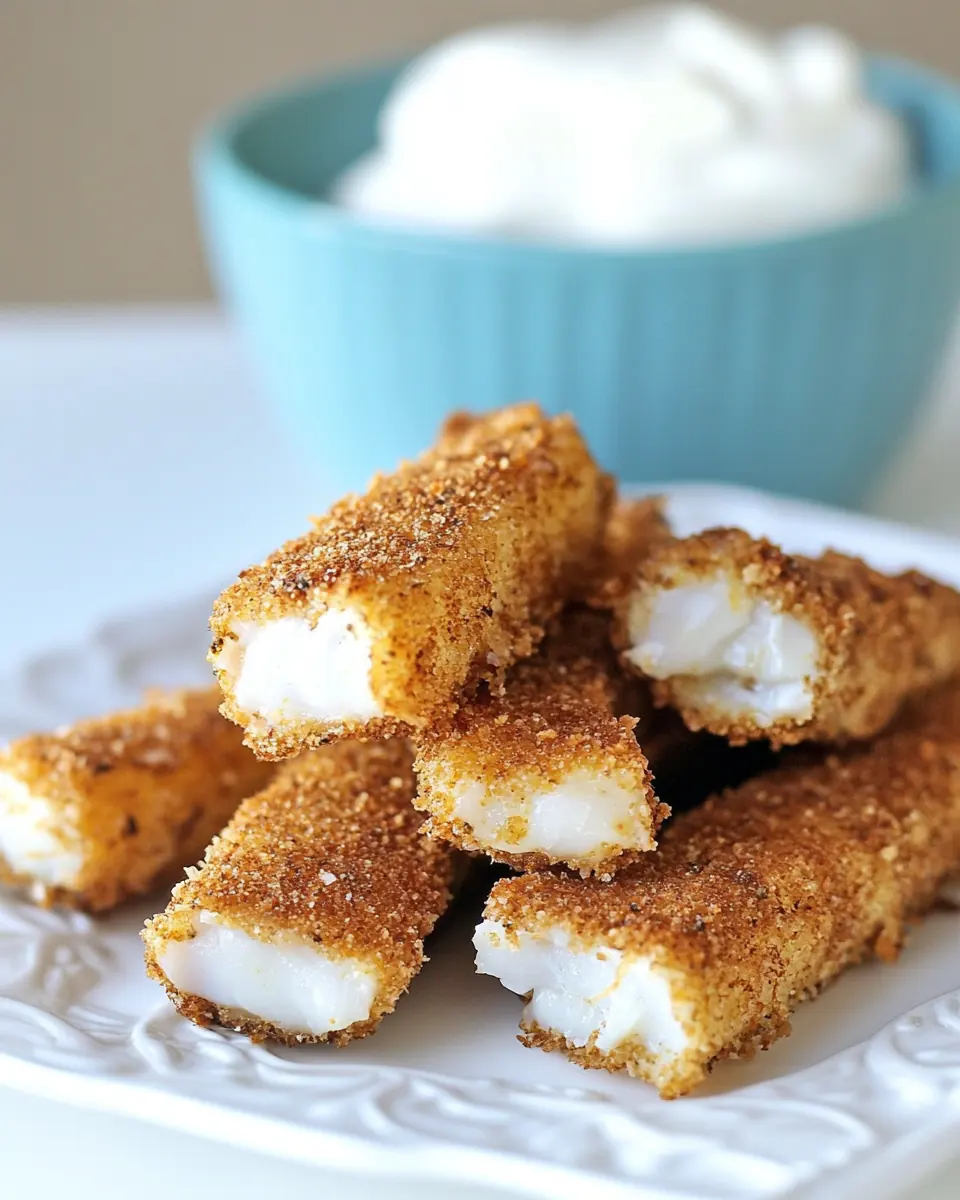
These variations help you make the recipe suit different tastes and occasions while staying true to the original structure. Each tip starts with a clear action and expands into how and why it works.
- Make them extra crunchy by using Panko breadcrumbs for a lighter, flakier texture; combine Panko with the ground flaxseed so you keep the nutty flavor while boosting crispness.
- Boost savory depth by increasing the amount of Parmesan cheese in the crumb mix slightly, which encourages browning and adds a rich umami note to each bite.
- Adjust seasoning to taste by modifying the Old Bay Seasoning level; if you want a milder profile, reduce it and rely more on black pepper for bite.
- Control oil use by pan frying in measured tablespoons and wiping the skillet between batches if the crumbs darken too quickly, ensuring the next batch cooks evenly without burning.
- Keep fish moist by not overcooking and by watching for the opaque, flaky visual cue; remove as soon as the center flakes easily with a fork.
What to Serve With Homemade Fish Sticks
These serving suggestions include accompaniments, occasions, and storage advice so you can present the dish beautifully and practically.
- Classic dip: Serve with a simple tartar sauce for a traditional pairing that complements the salty, savory crust.
- Light sides: Pair with a crisp green salad or steamed vegetables for a balanced plate that contrasts the fried texture.
- Family dinners: These are great for casual weeknight dinners where quick plating and easy eating matter, perfect for busy evenings.
- Meal prep: Store leftover sticks in an airtight container and reheat in a hot oven to recover some crispness; avoid microwaving which softens the coating.
- Seasonal pairings: Serve with citrus wedges in spring and summer for brightness, or with warm roasted vegetables in cooler months for heartier fare.
FAQ
Conclusion
What makes this recipe special is how it balances crunchy, savory coating with tender, flaky white fish using simple pantry ingredients. Give these Homemade Fish Sticks a try the next time you want a fast, family friendly meal that feels both familiar and a little elevated. They are forgiving to make, easy to customize, and a reliable option whether you are cooking for kids or hosting a casual dinner.
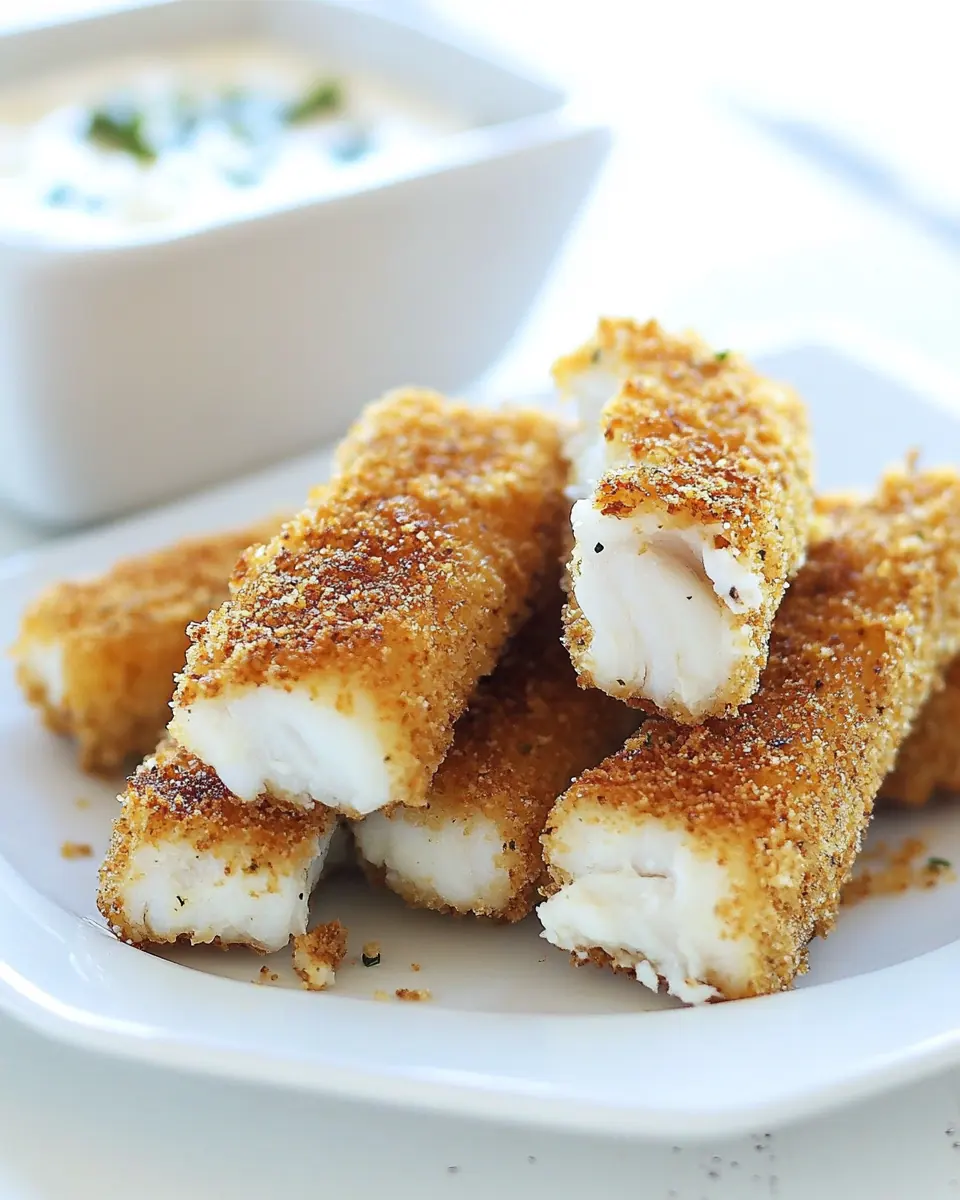
Homemade Fish Sticks
Ingredients
Equipment
Method
- Cut fish into 8 even 'sticks' and set aside. Whisk together eggs and pepper in a shallow dish. In a separate shallow dish, combine the flaxseed, Old Bay Seasoning, salt, breadcrumbs, and Parmesan cheese; blend well.: As you separate the fillet into sticks, notice the smooth, slightly translucent surface of the raw white fish and the clean, briny scent it gives off. Cutting into even pieces ensures uniform cooking so every stick finishes at the same moment, preventing dry edges or undercooked centers. Use a sharp knife and steady hand to avoid ragged edges that can cause uneven batter adhesion. A common error is cutting pieces with wildly different thicknesses, which leads to uneven doneness and a mix of soft and overcooked textures.
- Coat fish sticks in egg mixture, allowing excess to fall off fish; then, dip in breadcrumb mixture, coating both sides. Place onto a clean dish until ready to cook. Continue until all fish sticks have been coated.: When you whisk the two large eggs with the ground black pepper , you will see a glossy yellow mixture that catches the light, the pepper speckled through it. The egg mixture clings to the fish, giving the crumb mix something to adhere to and creating a thin protective layer that helps lock moisture in the fish while frying. If you whip the eggs too frothy or dilute them with water, the coating may not cling uniformly and can flake off during cooking.
- Heat a few tablespoons of oil in a large skillet over medium-high heat.: As you mix these dry elements, inhale the warm, herbaceous aroma of Old Bay Seasoning and the nutty scent from the ground flaxseed . A homogenous blend ensures each bite is flavorful and texturally consistent. The Parmesan cheese will begin to stick to the crumbs, creating potential golden pockets as it browns. Avoid leaving clumps in the dry mix because uneven distribution will make some pieces too salty or too bland.
- Place half the fish (or less if you are using a smaller skillet) into skillet in a single layer. Cook on each side for 4 minutes, allowing to brown evenly. Set aside and cover to keep warm. Add more oil to the skillet as needed, allowing to reheat before cooking remaining fish sticks. Serve warm with your favorite tartar sauce. Enjoy!: When you dip each stick, feel the smooth coating of egg first, then see how the crumbs cling and form a textured shell. Letting excess egg drip prevents sogginess, and a light, even dusting from the crumbs will crisp properly in the skillet. Pressing too hard will result in a thick, glue like crust that can remain undercooked inside the crumbs, so be gentle and deliberate.
- Place onto a clean dish until ready to cook. Continue until all fish sticks have been coated: Lining up the coated sticks on a clean plate helps them rest and set, giving the egg time to bond to the crumb shell so it does not fall off when you flip them. You will notice the crumb surface feels slightly tacky but stable. Crowding your resting plate or stacking sticks will ruin the coating, so keep them single layer until you move to the skillet.
- Heat a few tablespoons of oil in a large skillet over medium-high heat: As the avocado oil warms, it will spread and shimmer, releasing a faint neutral scent and a slight ripple on the surface. The right temperature gives you a satisfying sizzle when the fish hits the pan, which signals the crust is searing and forming. If the oil is not hot enough, the coating soaks up oil and becomes greasy instead of crisp; if it is too hot, the outside will burn before the inside cooks. Watch for a steady shimmer but no smoke.
- Place half the fish into skillet in a single layer: Lay each piece gently so you hear a soft sizzle, and keep them spaced enough for air to circulate and the heat to evenly brown each side. The skillet's surface should provide direct contact so you see the crumb turn from pale to golden brown along the edges first. Overcrowding the pan traps steam and prevents crisping, creating limp breading rather than a crunchy crust.
- Cook on each side for 4 minutes, allowing to brown evenly: During these minutes, notice a steady sizzling sound and the scent evolve into a toasty, savory perfume as the Parmesan cheese and crumbs caramelize. The fish will turn from translucent to opaque and flaky, and the exterior should be a consistent golden brown. Use a spatula to check pockets for even color. Flipping too often stops browning, while flipping too late can char the exterior before the inside finishes.
- Set aside and cover to keep warm: After the first batch, transfer the sticks to a warm plate and tent loosely with foil to retain heat without steaming the crust. You will notice the residual warmth continues to cook the interior slightly, so resting briefly helps settle juices and maintain a tender center. Stacking them or covering tightly will trap moisture and soften the crust, so avoid both mistakes.
- Add more oil to the skillet as needed, allowing to reheat before cooking remaining fish sticks: Replenishing the oil between batches restores surface temperature and prevents the pan from cooling down, which helps preserve crispness. Let the oil shimmer again before adding more fish so you get that immediate sizzle that sets the crust. Adding fish to oil that has not reheated will lead to soggy, underbrowned breading.
- Serve warm with your favorite tartar sauce: When you plate, the first bite should give you a crunchy shell, a tender flake of white fish , and a warm, savory finish. Serving immediately preserves the contrast between crisp coating and moist interior. Waiting too long to serve allows steam to soften the crust, so aim to serve at once.
Notes
- Make them extra crunchy by using Panko breadcrumbs for a lighter, flakier texture; combine Panko with the ground flaxseed so you keep the nutty flavor while boosting crispness.
- Boost savory depth by increasing the amount of Parmesan cheese in the crumb mix slightly, which encourages browning and adds a rich umami note to each bite.
- Adjust seasoning to taste by modifying the Old Bay Seasoning level; if you want a milder profile, reduce it and rely more on black pepper for bite.
- Control oil use by pan frying in measured tablespoons and wiping the skillet between batches if the crumbs darken too quickly, ensuring the next batch cooks evenly without burning.
- Keep fish moist by not overcooking and by watching for the opaque, flaky visual cue; remove as soon as the center flakes easily with a fork.