Homemade Ramen
Homemade Ramen has been my cozy kitchen companion on chilly evenings when I want comfort without fuss. The very first time I made it, I remember standing over the stove with a mug in hand, steam fogging my glasses, while the scent of toasted sesame and ginger filled the air, promising something warm and restorative. That early experiment was less about perfection and more about learning what each simple addition — a splash of broth, a handful of greens, a slow simmer of dried mushrooms — could do to transform basic pantry items into a bowl that felt like a hug.
Over the years I tuned the balance between savory and bright, swapping textures until the bowl sang. I love how Homemade Ramen adapts to whatever you have on hand, yet still rewards small attentions like toasting crumbs for crunch or slicing green onions thin so they wilt just enough on contact with hot broth. When I make it for friends, they comment on the broth first, and then the layers that follow, like a chorus building to a satisfying finish.
There are nights when I want something quick and other times when I want ritual. Homemade Ramen fits both moods, because the techniques are forgiving yet purposeful, and the ingredients are honest. I’ll tell you what I do, why each step matters, and what to watch for so your bowl comes together with deep flavor and balanced texture. Trust me, once you get the rhythm of simmering and seasoning, this will be one of those recipes you return to again and again.
Recipe Snapshot
25 mins
5 mins
20 mins
Easy
450 kcal
Japanese
Paleo, Gluten-Free
Dinner
Large skillet, Ladle, Knife, Cutting board
What Sets This Homemade Ramen Apart
Broth that actually tastes like effort
I adore how the broth in this Homemade Ramen transforms with just a few minutes of simmering. The combination of chicken broth, simmered with dried shiitake mushrooms, yields an umami depth you might expect from hours of cooking. I appreciate that this is an efficient shortcut that still rewards patience, and I often let the mushrooms steep a little longer for a richer, more rounded flavor.
Speed without sacrificing soul
One reason I keep this recipe in heavy rotation is that it feels fast, yet it does not taste hurried. Using instant ramen noodles may sound frivolous, but they soak up the aromatic broth quickly, giving you silky strands in minutes. This approach makes the recipe perfect for weeknights when you want something nourishing but cannot commit to a long cook time.
Texture play is joyful
I love contrasting soft and crunchy elements. The soft boiled eggs bring velvety richness, while optional toasted panko crumbs add surprise crunch. Tossing in chopped kale and shredded carrots gives bright color and a pleasant bite. These textural differences keep each spoonful interesting, and they are easy to customize to your preferences.
Accessible ingredients, impressive results
This version of Homemade Ramen relies on pantry-friendly items like sesame oil, garlic, and ginger, yet the outcome feels far above its parts. I like that you can approximate restaurant depth with dried mushrooms and simmering, rather than complicated techniques. It makes the recipe approachable for cooks at many levels.
Flexible and forgiving
I often change quantities or skip the optional toppers, and the bowl still sings. The balance between broth, noodles, and garnishes is forgiving, so if you end up with a bit more greens or an extra egg, the final dish remains harmonious. That flexibility is why I reach for this recipe when I want something both reassuring and adaptable.
What You Need for Homemade Ramen
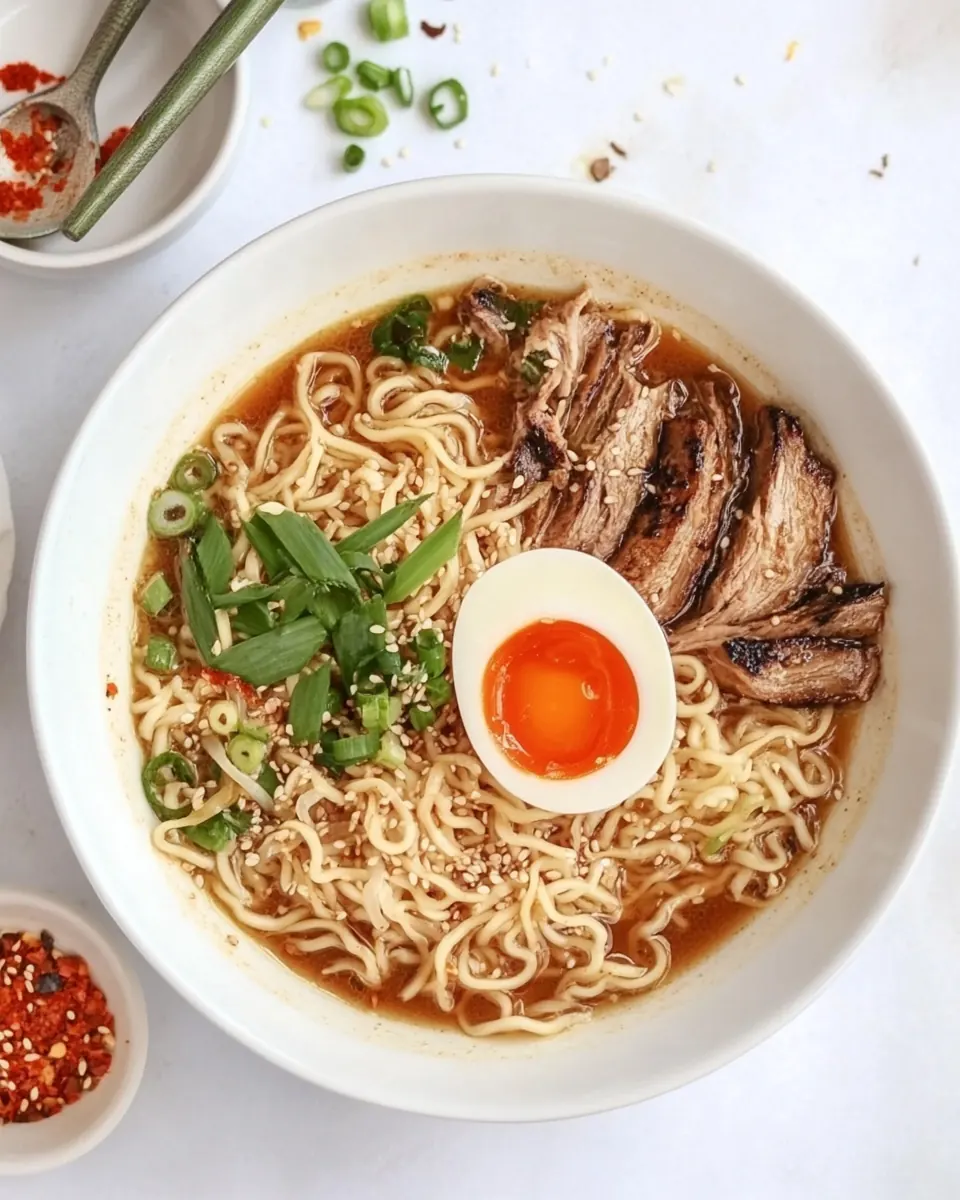
These ingredients are chosen to create a balanced bowl where the broth is the star, supported by aromatics, texture makers, and simple garnishes. The key players are the chicken broth and dried shiitake mushrooms which build savory depth, while sesame oil, garlic, and ginger lift the flavor. Fresh elements like green onions, kale, and carrots provide brightness and bite, and the soft boiled eggs add silky richness.
- 1/2 tbsp sesame oil: Add gently to provide a nutty, aromatic base that enhances the soup’s overall depth and mouthfeel; use sparingly since its richness is concentrated. Toast briefly in the pot before aromatics to release fragrance without burning. Complements the broth’s savory components and harmonizes with sesame-forward garnishes.
- 1 1/2 tsp grated ginger fresh: Grate finely to impart bright, zesty heat and a fresh aromatic lift that cuts through the broth’s richness. Use immediately after grating to preserve volatile oils and maximum flavor. Balances savory elements and pairs especially well with garlic and soy-based seasonings.
- 2 tsp minced garlic fresh: Mince finely to deliver pungent savory depth and savory-sweet aromatics that form the flavor backbone of the stock. Sauté briefly to mellow raw sharpness and develop a richer, rounded flavor. Works in tandem with ginger to create a classic aromatic foundation.
- 3 cups chicken broth: Simmer gently as the primary savory liquid, contributing body, collagen-derived richness, and deep umami to the ramen base. Combine with aromatics and dried mushrooms to extract layered flavors during simmering. Adjust seasoning after combining with other liquids and solids.
- 3 cups water: Combine with the broth to extend volume while allowing aromatics and mushrooms to infuse evenly; provides a neutral medium to balance stronger flavors. Use for simmering to control concentration of the stock and avoid overpowering the vegetables. Helps achieve desired soup-to-noodle ratio.
- 1/4 cup dried shiitake mushrooms: Rehydrate thoroughly to introduce concentrated earthy, umami mushroom notes and a meaty depth to the broth without using meat. Simmer in the broth and water so soaking liquid can be strained back into the stock for extra flavor. Chop or leave whole depending on desired texture in the finished bowl.
- 3 pkgs instant ramen noodles: Cook briefly and add near the end to provide springy texture and comforting noodles that soak up the broth’s flavors. Separate nests when boiling to prevent clumping and slightly undercook if planning to finish in the soup. Instant ramen contributes both starch and nostalgic ramen character.
- 1/4 cup green onions sliced: Slice thinly to contribute a crisp, fresh oniony bite and vibrant color that lightens the bowl’s richness. Scatter over finished bowls for a crunchy, aromatic garnish and to add a hint of brightness. Can be used both in cooking and as a raw topping for contrast.
- 1 cup kale chopped: Chop coarsely to add hearty leafy texture, vitamins, and a slight bitterness that balances the savory broth. Wilt in the hot soup briefly to retain some chew and vibrant green color. Provides bulk and a nutritious counterpoint to noodles and eggs.
- 1/2 cup carrots shredded: Shred finely to deliver subtle sweetness, color, and a tender vegetable crunch that complements the soup’s textures. Simmer briefly or add toward the end to keep some texture intact. Works well with greens and eggs to round out mouthfeel.
- 4 soft boiled eggs halved: Halve gently to offer creamy, velvety yolks and tender whites that enrich each spoonful with luxurious texture and protein. Soft boiling ensures a jammy center that melds with hot broth for added richness. Place on top of each bowl as an eye-catching, satisfying garnish.
- chili paste (optional): Use sparingly to introduce concentrated heat and fermented chile complexity for those who like additional spice and depth. Stir into individual bowls to allow diners to control heat level and preserve the base broth for all palates. Complements sesame and miso flavors when present.
- panko crumbs, toasted (optional): Toast lightly and sprinkle for crunchy texture contrast and a toasty, nutty note that elevates mouthfeel and presentation. Use as a finishing garnish rather than cooking into the broth to preserve crispness. Panko adds a delightful crisp element to each bite.
How to Prepare Homemade Ramen
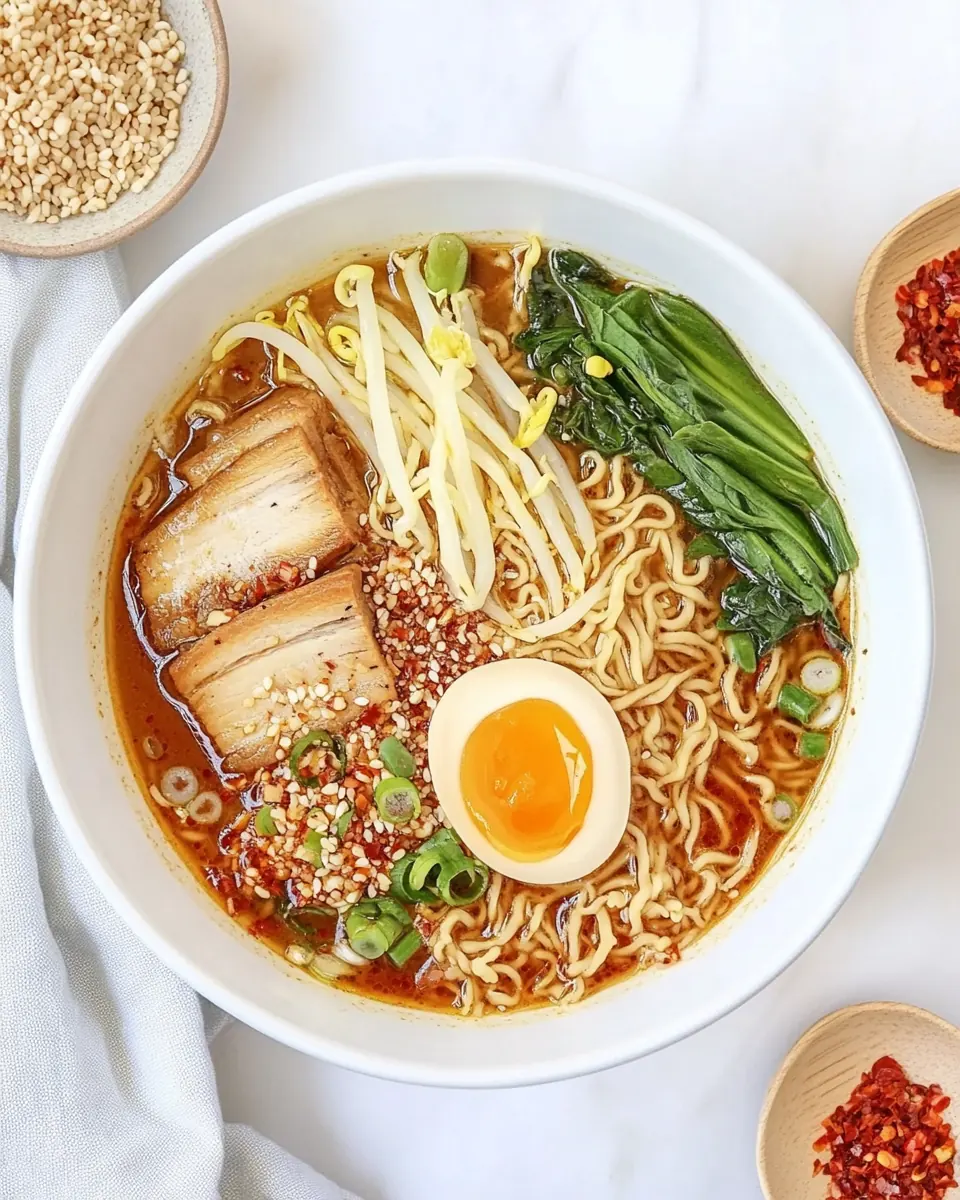
Preparing this bowl is straightforward, and I like to keep the tempo relaxed while paying attention to small signals, like aroma and color. The following steps expand the directions into sensory rich guidance so you know exactly what to listen and look for at each stage.
- Heat the sesame oil in a large skillet over medium heat. Add the garlic and ginger. Saute for 2 minutes or until fragrant.: The moment the sesame oil warms you will notice a nutty perfume that primes the entire dish, and when the minced garlic and grated ginger hit the pan they should sizzle softly, releasing sharp, bright aromas. Listen for a gentle hiss rather than an aggressive pop, and watch as the garlic edges begin to turn translucent not brown. This stage is all about coaxing out aromatic oils without scorching them, because burnt garlic smells acrid and will ruin the broth's clarity. If the pan starts to smoke, lower the heat immediately, and stir so nothing sticks. The why here is simple, aromatics bloom in hot oil and their volatile compounds infuse the fat, which then carries flavor throughout the broth.
- Add the broth and water to the skillet; bring to a gentle boil. Add the mushrooms and simmer for 10 minutes or until the mushrooms have softened and the broth is rich and flavorful.: When the chicken broth and water join the pan, the aromas deepen and the surface will form tiny rolling bubbles as it approaches a gentle boil. Adding the dried shiitake mushrooms at this point lets them rehydrate slowly, releasing earthy, savory compounds that steep into the liquid, darkening it and giving it depth. You should see the broth take on a fuller color and smell noticeably more savory after several minutes. Simmer rather than a furious boil so the mushrooms soften evenly and the flavors concentrate; an aggressive boil risks breaking down delicate aromatics and evaporating too much liquid. A common mistake here is not simmering long enough, which yields a flatter broth, or simmering too hard, which concentrates saltiness unexpectedly. Taste after about eight minutes and adjust.
- Add the instant noodles. Simmer for an additional 5 minutes or until the noodles have softened. Stir in the green onions, kale, and carrots; remove from the heat.: When you add the instant ramen noodles , they will loosen and begin to separate in the hot broth, releasing a faint wheaty scent and a starchy silkiness that gently thickens the soup. As the noodles soften you can watch them change from rigid to supple, and they will slide around the pan with a satisfying, almost buoyant motion. Stir in the sliced green onions , chopped kale , and shredded carrots near the end so they wilt just enough to be tender while retaining color and texture. Removing the pot from heat right after adding the greens preserves their brightness. Avoid overcooking the noodles or they will become mushy and lose spring. If the noodles clump, separate them gently with tongs or a fork.
- Dish the ramen into serving bowls. Top with egg, chili paste, and panko bread crumbs if desired.: As you ladle the hot, fragrant broth and noodles into bowls, take a moment to arrange the components so the bowl looks inviting, with the soft boiled eggs halved and placed yolk side up to create those luscious, glossy centers. If using chili paste , add it sparingly so guests can adjust spice, and sprinkle toasted panko crumbs last so they remain crunchy against the warm surface. The sound here is gentle pouring and the aroma is layered, savory and toasty. A common misstep is adding toppings too early which makes them soggy, so reserve crunchy elements until serving. The finishing touches elevate the textural contrast and visual appeal, making every spoonful interesting and satisfying.
Tips for Success
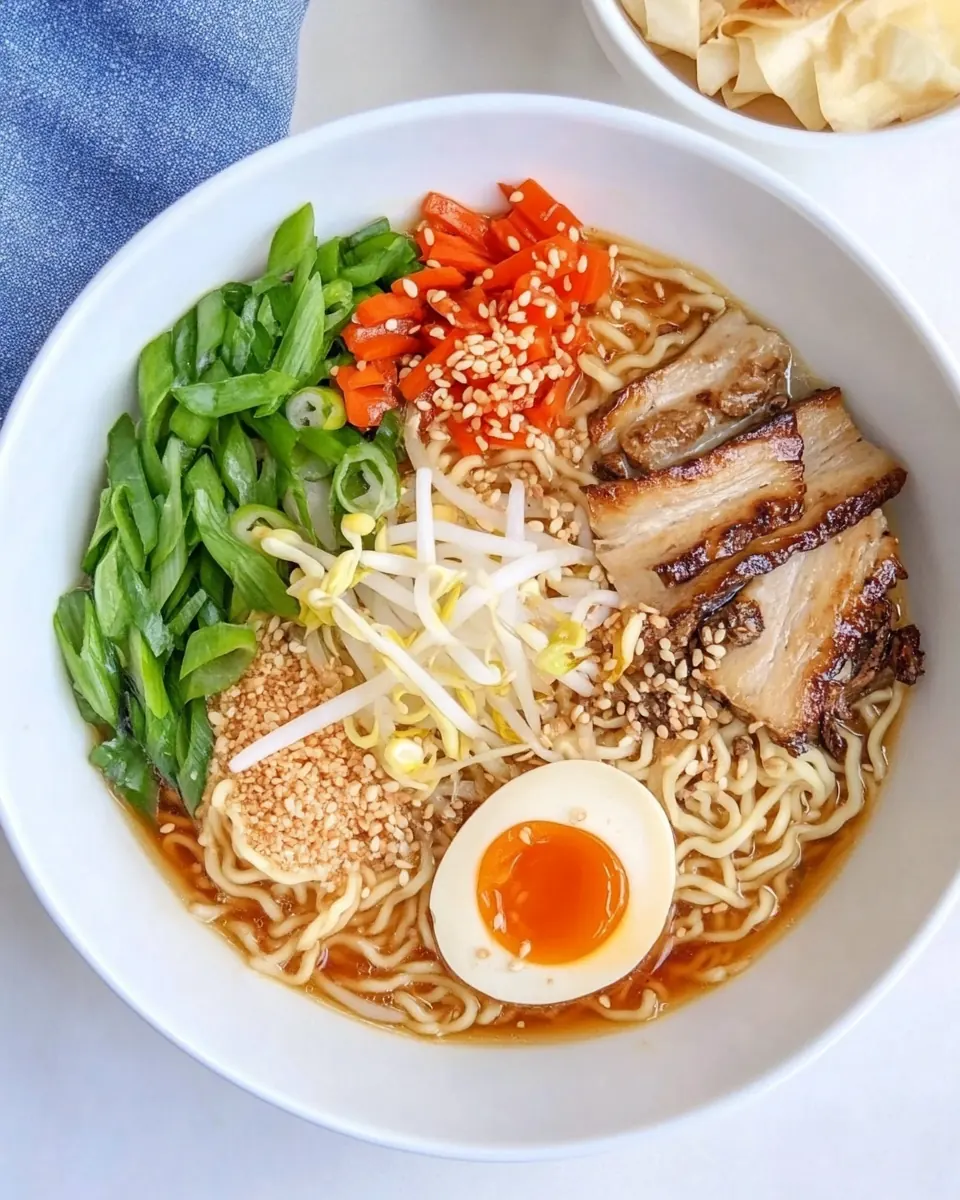
I find that little rituals change the outcome drastically. These tips expand on the mechanics and give practical, do ahead options so each bowl of Homemade Ramen feels thoughtful and balanced. Follow them to avoid common pitfalls and to build confidence with texture and seasoning.
- Warm your bowls: Preheat serving bowls with hot water so the broth stays hot longer and the noodles remain tender when you serve.
- Toast panko last minute: Toast panko crumbs quickly in a dry pan until golden and add them just before serving to preserve crunch.
- Control salt by tasting: Because commercial chicken broth varies in sodium, taste the broth after simmering and adjust with water if needed rather than adding more seasoning impulsively.
- Prep toppings ahead: Soft boil the eggs and slice green onions in advance to speed assembly without sacrificing freshness.
- Keep noodles separate if necessary: If you need to hold the noodles, toss them lightly with a teaspoon of oil to prevent sticking, then add to bowls when ready to serve.
Side Dish Ideas for Homemade Ramen
This soup can be the centerpiece of a casual dinner or a cozy lunch. Think in terms of balance, texture, and small plates that complement warm, savory broth. Below I outline pairing ideas, occasions, storage tips, and seasonal twists that work beautifully with Homemade Ramen.
- Light pickles: Quick cucumber or daikon pickles add bright acidity, cutting through the richness of the broth and refreshing the palate.
- Steamed greens: Simple steamed or blanched vegetables like bok choy or napa cabbage are gentle companions, offering a mild, leafy contrast to the noodle bowl.
- Small fried bites: Tempura-style vegetables or a small plate of crispy tofu can supply extra crunch and make the meal feel more celebratory for dinner guests.
- Rice accompaniment: For hearty appetite nights, a small bowl of white rice or sticky rice on the side helps round out the meal, and works well for soaking up any remaining broth.
- Occasion ideas: This recipe is perfect for weeknight dinners, casual weekend lunches, and quiet winter nights when you want something warm and restorative. It also fits into Ramadan if you break fast with something nourishing and easy to digest.
- Serving presentation: Serve in deep bowls, arrange toppings attractively, and provide spoons and chopsticks so each person can mix textures as they like.
- Storage tips: Store leftover broth separately from the noodles to prevent the noodles from becoming gummy. Refrigerate for up to three days, and reheat the broth gently before adding fresh noodles and toppings.
- Seasonal pairings: In winter, add more root vegetables like shredded carrots for warmth and color; in spring, rely on fresh green onions and tender greens for brightness.
- Make ahead components: Simmer the broth in advance and refrigerate, then quickly assemble and heat for a fast weeknight bowl that still tastes layered and intentional.
- Portion guidance: This recipe serves four, so scale toppings and noodles to match appetite and desired richness, adding extra greens for a lighter bowl.
FAQ
Conclusion
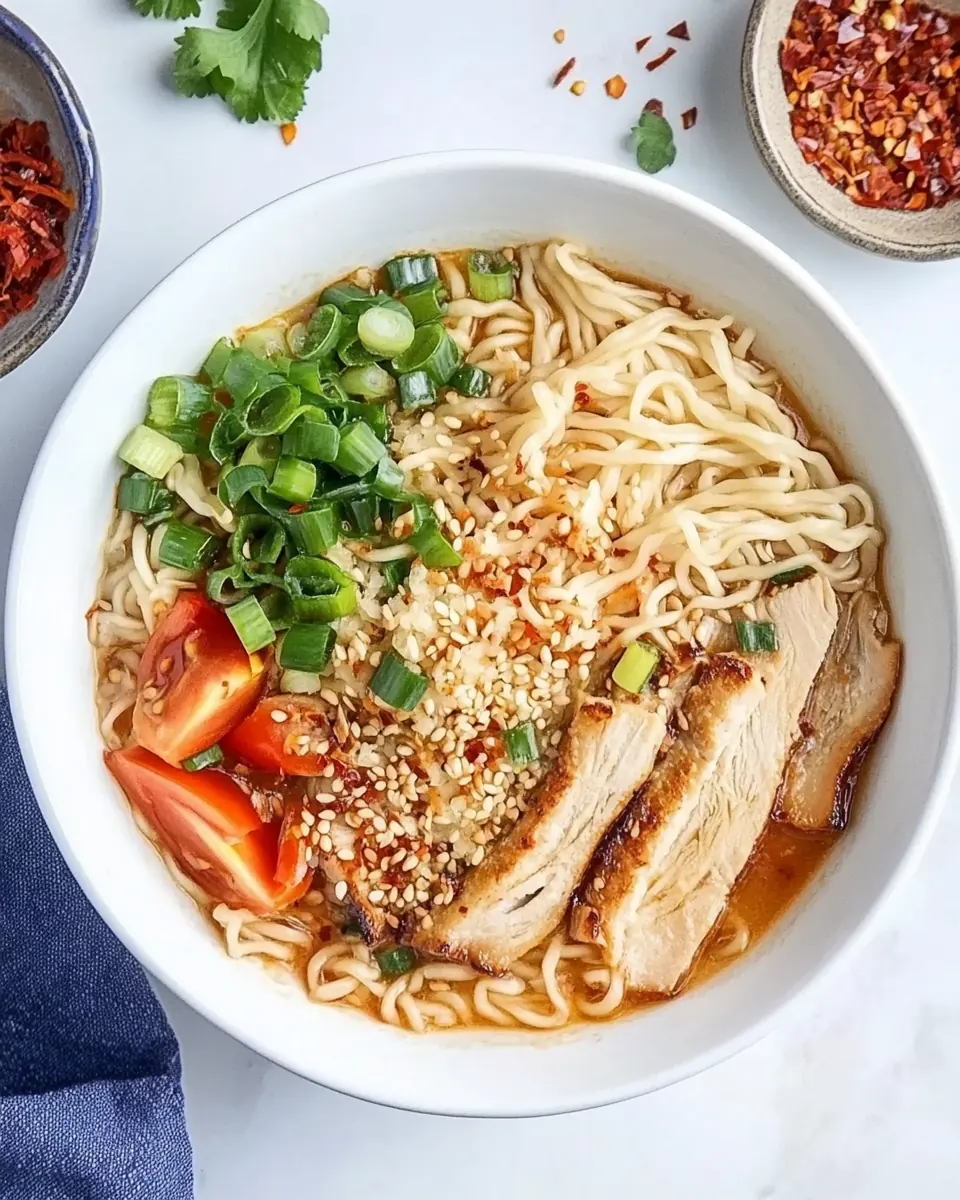
What makes this recipe special is how accessible ingredients come together to create layered, satisfying flavor in under half an hour. The interplay of toasted aromatics, umami rich mushrooms, silky noodles, and a jammy egg produces a bowl that feels thoughtful without demanding long hours. I encourage you to make this version of Homemade Ramen on a weeknight when you want something cozy and impressive, and to tweak toppings to match what you enjoy. It rewards small attentions and invites creativity, so have fun building your perfect bowl.
Homemade Ramen
Ingredients
Equipment
Method
- Heat the sesame oil in a large skillet over medium heat. Add the garlic and ginger. Saute for 2 minutes or until fragrant.: The moment the sesame oil warms you will notice a nutty perfume that primes the entire dish, and when the minced garlic and grated ginger hit the pan they should sizzle softly, releasing sharp, bright aromas. Listen for a gentle hiss rather than an aggressive pop, and watch as the garlic edges begin to turn translucent not brown. This stage is all about coaxing out aromatic oils without scorching them, because burnt garlic smells acrid and will ruin the broth's clarity. If the pan starts to smoke, lower the heat immediately, and stir so nothing sticks. The why here is simple, aromatics bloom in hot oil and their volatile compounds infuse the fat, which then carries flavor throughout the broth.
- Add the broth and water to the skillet; bring to a gentle boil. Add the mushrooms and simmer for 10 minutes or until the mushrooms have softened and the broth is rich and flavorful.: When the chicken broth and water join the pan, the aromas deepen and the surface will form tiny rolling bubbles as it approaches a gentle boil. Adding the dried shiitake mushrooms at this point lets them rehydrate slowly, releasing earthy, savory compounds that steep into the liquid, darkening it and giving it depth. You should see the broth take on a fuller color and smell noticeably more savory after several minutes. Simmer rather than a furious boil so the mushrooms soften evenly and the flavors concentrate; an aggressive boil risks breaking down delicate aromatics and evaporating too much liquid. A common mistake here is not simmering long enough, which yields a flatter broth, or simmering too hard, which concentrates saltiness unexpectedly. Taste after about eight minutes and adjust.
- Add the instant noodles. Simmer for an additional 5 minutes or until the noodles have softened. Stir in the green onions, kale, and carrots; remove from the heat.: When you add the instant ramen noodles , they will loosen and begin to separate in the hot broth, releasing a faint wheaty scent and a starchy silkiness that gently thickens the soup. As the noodles soften you can watch them change from rigid to supple, and they will slide around the pan with a satisfying, almost buoyant motion. Stir in the sliced green onions , chopped kale , and shredded carrots near the end so they wilt just enough to be tender while retaining color and texture. Removing the pot from heat right after adding the greens preserves their brightness. Avoid overcooking the noodles or they will become mushy and lose spring. If the noodles clump, separate them gently with tongs or a fork.
- Dish the ramen into serving bowls. Top with egg, chili paste, and panko bread crumbs if desired.: As you ladle the hot, fragrant broth and noodles into bowls, take a moment to arrange the components so the bowl looks inviting, with the soft boiled eggs halved and placed yolk side up to create those luscious, glossy centers. If using chili paste , add it sparingly so guests can adjust spice, and sprinkle toasted panko crumbs last so they remain crunchy against the warm surface. The sound here is gentle pouring and the aroma is layered, savory and toasty. A common misstep is adding toppings too early which makes them soggy, so reserve crunchy elements until serving. The finishing touches elevate the textural contrast and visual appeal, making every spoonful interesting and satisfying.
Notes
- Warm your bowls: Preheat serving bowls with hot water so the broth stays hot longer and the noodles remain tender when you serve.
- Toast panko last minute: Toast panko crumbs quickly in a dry pan until golden and add them just before serving to preserve crunch.
- Control salt by tasting: Because commercial chicken broth varies in sodium, taste the broth after simmering and adjust with water if needed rather than adding more seasoning impulsively.
- Prep toppings ahead: Soft boil the eggs and slice green onions in advance to speed assembly without sacrificing freshness.
- Keep noodles separate if necessary: If you need to hold the noodles, toss them lightly with a teaspoon of oil to prevent sticking, then add to bowls when ready to serve.