Hot Cross Buns
Hot Cross Buns have been my weekend comfort ritual for years, a warm tray that smells like cozy kitchens and slow Sunday mornings. The first time I made them I burned the edges slightly, learned to trust the dough, and ever since I keep coming back to that soft, spiced crumb studded with raisins. There is something quietly celebratory about shaping these buns by hand, pressing seams into neat little rounds, and knowing the payoff will be a glossy, sweet finish that everyone fights over.
Over the seasons I have mixed the dough in a trusty bowl, swapped tools, and learned to read the rise rather than staring at a clock. When I tuck a steaming bun into a napkin and pull it apart, the texture tells me if the yeast was patient or hurried, and the glaze gives that shiny invitation you cannot resist. I’ve served these at brunches, quiet breakfasts, and at a lively holiday table where they vanished fast. Each batch brings small lessons, and every bake leaves the kitchen smelling wonderfully of cinnamon and butter.
Recipe Snapshot
55 mins
30 mins
25 mins
Medium
200 kcal
American
Gluten-Free, Low FODMAP
Desserts
Electric Stand Mixer
Why We Love This Hot Cross Buns
Classic Comfort with Seasonal Roots
I love Hot Cross Buns because they carry tradition without feeling fussy. When I bite into a bun, I get that warm spice profile and soft crumb that reminds me of family mornings. The combination of all purpose flour, brown sugar, and raisins is simple, yet it creates a comforting flavor that feels like a hug.
Great Texture from Real Technique
We get a pillowy interior because the recipe calls for a proper yeast bloom and a thoughtful rise. I always notice how the dough becomes silkier after a gentle knead with the electric mixer, and that little bit of patience rewards you with buns that are airy rather than dense. The slight chew from the crust and the soft center balance beautifully.
Layered Flavors that Play Together
The spices, such as ground cinnamon, nutmeg, and allspice, mingle with the sweet brown sugar and glossy syrup to create subtle depth. I appreciate how the spices do not overpower the bun, but instead lift the natural sweetness of the raisins and dairy notes from the whole milk and butter.
Accessible Baking for All Skill Levels
Even though these look bakery level, they are forgiving. I tell friends that as long as you bloom the yeast properly and watch the dough rise until doubled, you are already halfway to success. The recipe adapts to hand kneading or an electric stand mixer, which makes it approachable whether you prefer elbow grease or a tool.
Perfect for Sharing and Holidays
Finally, Hot Cross Buns are designed to be shared. They warm up at the table, pair with morning coffee, and carry a celebratory feel for spring gatherings. I always find joy in serving them warm with a glossy syrup finish and a delicate cream cheese glaze piped into crosses on top.
Main Ingredients for Hot Cross Buns
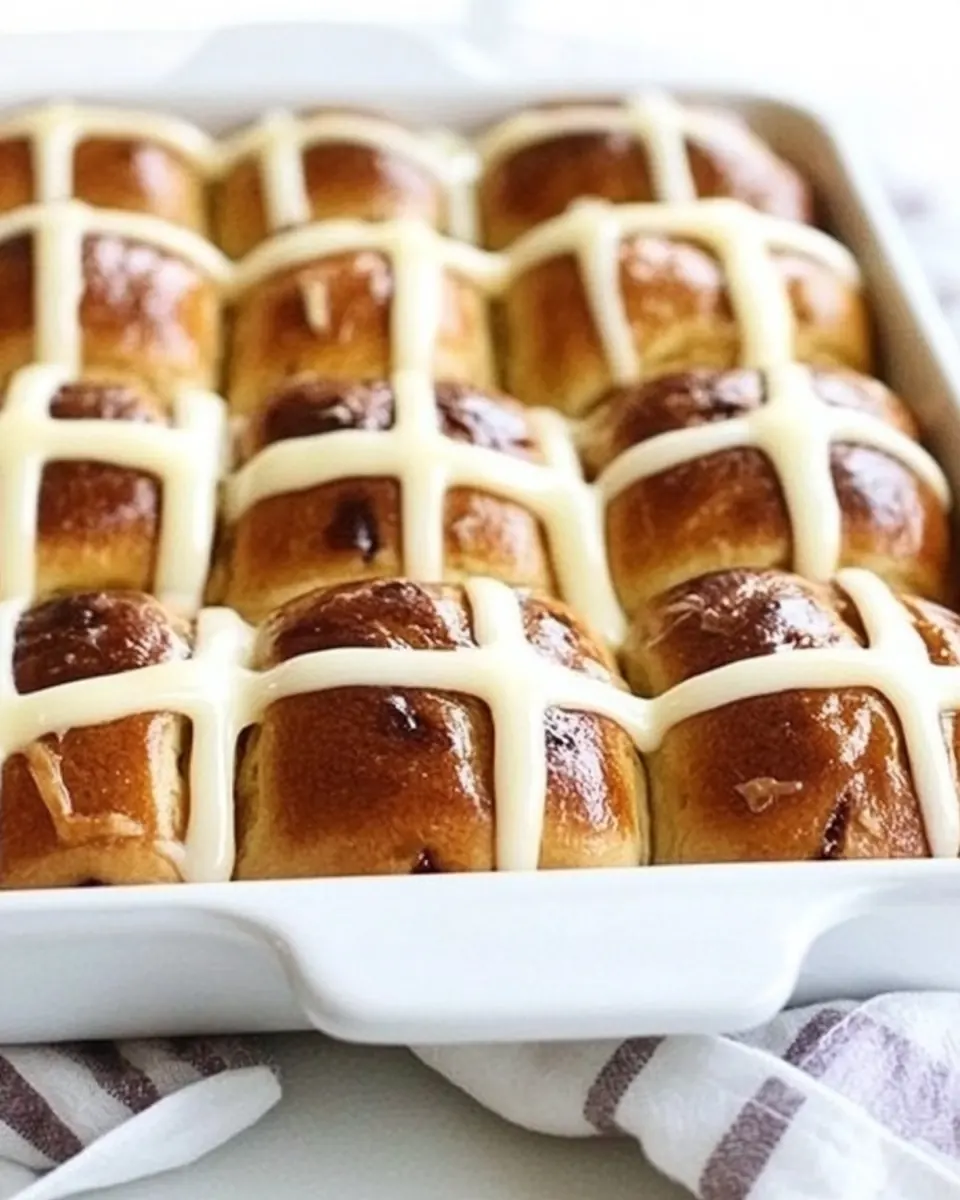
The philosophy behind these ingredients is balance. Each element plays a clear role: the whole milk and eggs add richness and tender crumb, the all purpose flour provides structure, and the combination of brown sugar and granulated sugar gives caramel notes plus surface gloss from the syrup. The warm spices and raisins bring the characteristic flavor, while small amounts of butter and salt round everything out. Together they yield rolls that are soft, slightly sweet, and aromatic.
- 3/4 cup whole milk, warmed to 110 degrees: Warm to 110 degrees to activate yeast more effectively and create a comfortable environment for dough mixing; contributes moisture and enriches the dough with milk fats and proteins that tenderize the crumb. Helps dissolve sugar and yeast for proper fermentation, improving flavor and rise during proofing.
- 2 1/4 teaspoons active dry yeast, (1 standard packet): Activate by sprinkling into warmed milk with a pinch of sugar, allowing it to foam and become bubbly within 5–10 minutes; provides the primary leavening to produce light, airy buns. Ensures consistent rise and contributes subtle yeast flavor when properly proofed.
- 1 teaspoon granulated sugar: Sweeten and feed the yeast during proofing while helping balance flavors in the dough; small amount aids fermentation without making the dough overly sweet. Dissolves easily in warm liquids to encourage yeast activity and flavor development.
- 1/2 cup packed light brown sugar: Sweeten the dough and add a mild molasses note that deepens the bun’s flavor; when creamed with butter and eggs it helps create a tender, rich texture. Adds moisture and chew while contributing to the characteristic color of hot cross buns.
- 5 tablespoons salted butter, softened and cut into 5 pieces: Soften and enrich the dough with butterfat, improving tenderness and mouthfeel; cutting into pieces allows even creaming with sugars and eggs for uniform incorporation. Contributes flavor, helps create a soft crumb, and supports browning during baking.
- 1/2 teaspoon vanilla extract: Add a warm, aromatic note that enhances overall sweetness and complements spices and dried fruit; incorporate with eggs or butter to distribute flavor evenly. Provides a subtle depth to the bun’s taste without overpowering other ingredients.
- 2 large eggs, at room temperature: Bind and enrich the dough while contributing structure and moisture; room–temperature eggs incorporate more easily for a smoother, well-emulsified dough. Promote browning and help create a richer, more tender crumb in the finished buns.
- 3/4 teaspoon salt: Season the dough to balance sweetness and enhance overall flavor; correct salting strengthens gluten development and controls yeast activity. Ensures the final buns are flavorful rather than flat or overly sweet.
- 1 teaspoon ground cinnamon: Provide warm, familiar spice that characterizes hot cross buns; blend into the dry ingredients to distribute flavor throughout the dough. Complements the raisins and other spices while adding aromatic complexity.
- 1/2 teaspoon ground nutmeg: Contribute a warm, slightly sweet and nutty spice note that layers with cinnamon and allspice; measure carefully as it can become dominant. Enhances the traditional spiced profile of hot cross buns when combined with other seasonings.
- 1/2 teaspoon allspice: Introduce a deep, slightly peppery and clove-like warmth that rounds out the spice mix; incorporate with other ground spices for consistent distribution. Helps create the classic multi-spice flavor associated with traditional hot cross buns.
- 3 1/2 cups all-purpose flour: Provide the bulk of the dough and structure through gluten formation when hydrated and kneaded; measure accurately and add gradually to reach the correct dough consistency. Support the incorporation of spices, sugars, and fruit while yielding a soft but resilient crumb.
- 1 cup raisins: Add pockets of sweet, chewy fruit that contribute texture and bursts of flavor; distribute evenly throughout the dough during mixing to avoid clumping. Rehydrate or toss in a bit of flour if needed to prevent sinking to the bottom of the buns.
- 1/4 cup water: Rehydrate raisins or adjust glaze consistency by bringing them to a plump, juicy state; warm water helps soften dried fruit for better texture in the baked buns. Can be used when proofing fruit to ensure even distribution and prevent dryness.
- 1/4 cup granulated sugar: Sweeten and help create caramelized surfaces when used in the dough or brushed on prior to baking; granulated sugar also aids yeast fermentation in small amounts. Dissolve into liquids or use to sweeten wash or glaze for added shine and taste.
- 1 cup confectioners' sugar: Sweeten and thicken the icing or glaze to finish the buns with a smooth, opaque cross or drizzle; sift to avoid lumps and mix with cream cheese and butter for a creamy topping. Provides sweet contrast to the spiced, slightly tangy bun interior.
- 3 tablespoons cream cheese, at room temperature: Add tanginess and creamy body to the icing, balancing sweetness and creating a spreadable texture; room temperature ensures smooth blending with confectioners' sugar. Contributes a subtle tang that brightens the glaze flavor against rich buns.
- 1 1/2 tablespoons butter, at room temperature: Soften and enrich the icing with buttery richness and a smooth mouthfeel; room–temperature butter blends seamlessly into confectioners’ sugar and cream cheese. Helps create a slightly firmer but silky icing suitable for piping crosses or spreading.
- 1 teaspoon vanilla extract: Add a delicate aromatic note to the icing, enhancing sweetness and harmonizing with the bun’s spices; incorporate sparingly to avoid overpowering. Complements the cream cheese and butter for a rounded finishing flavor.
- 1 3 teaspoons whole milk: Adjust icing consistency with small amounts to reach a pipeable or spreadable texture; use between one and three teaspoons to obtain desired thickness for crosses or drizzles. Adds a touch of milkiness that improves mouthfeel and helps set the glaze.
How to Assemble Hot Cross Buns
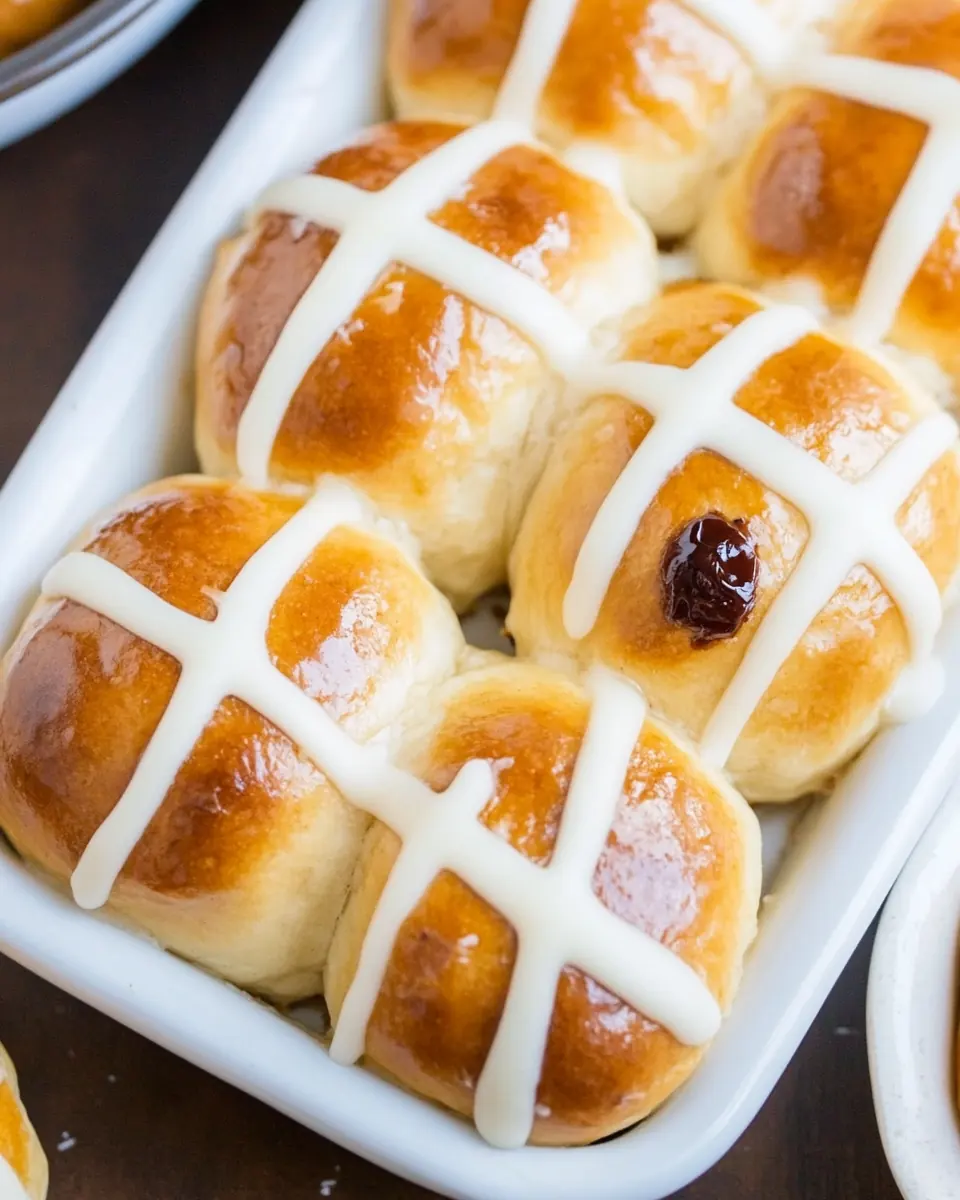
These directions cover every stage from proofing the yeast to piping the final crosses. I walk through the process precisely, with sensory cues and troubleshooting to ensure your buns emerge soft and beautifully spiced.
- Combine the milk, yeast, and 1 teaspoon of granulated sugar in a small bowl. Let sit 5 minutes.: When you whisk these together you will notice tiny foam forming on the surface within minutes, which smells faintly yeasty and sweet, an encouraging sign that your active dry yeast is alive. The warm temperature of the whole milk should feel like a warm bath on your wrist, not hot, because overly hot liquid will kill the yeast. If no foam appears after 10 minutes, that likely means the yeast is inactive, and you should start again with fresh yeast. Keep the bowl in a warm draft free spot, and avoid stirring aggressively, as you want gentle activation not dispersal.
- Place yeast mixture in the bowl of a stand mixer. Add brown sugar, butter, vanilla, eggs, salt, cinnamon, nutmeg, allspice, and 1 cup flour. Beat on LOW speed for 30 seconds. Scrape down the sides of the bowl.: As the mixer starts, you will hear a soft whir and begin to smell the spice perfume rising from the bowl, a comforting sign that aromas are melding. The initial low speed helps hydrate the dry ingredients and starts gluten formation without overworking. Scraping the bowl is crucial to ensure no pockets of dry flour remain, which would yield an uneven dough. A common mistake here is rushing to high speed too soon, which can overdevelop gluten and make the buns tough, so keep it gentle and patient.
- Add the rest of the flour and raisins. Beat on Medium speed for 2 minutes. Dough should be sticky, but it should pull away from the sides of the bowl. If it doesn't add more flour 1 tablespoon at a time.: As you increase speed, the dough will become more cohesive and you will hear a change in texture from slappy to smooth. The raisins will disperse and tuck into the dough, visible as dark specks against the pale mix. The dough should remain slightly tacky, which means it will yield tender buns after baking. If it clings heavily to your fingers, add flour sparingly. Avoid adding too much flour at once, because dry dough leads to dense buns rather than soft, airy ones.
- Knead the dough by hand on a lightly floured surface for 2 minutes. OR you can beat it at medium speed in the electric mixer for 2 more minutes.: During kneading you will feel the dough transform, becoming smoother and more elastic, and it should spring back slightly when poked. The sound changes to a subtle stretch and the surface takes on a satiny sheen, which is the gluten aligning. If you knead too vigorously, especially by hand, you risk warming the dough excessively, which can speed fermentation unpredictably. A common error is underkneading, which results in a weak structure and flat buns, so aim for that elastic feel.
- Lightly grease a large bowl with oil. Place the dough in the bowl and turn to coat it with oil. Cover and let rise for 1 to 2 hours or until doubled in size.: As the dough rests, you will notice it puff up and the surface smooth out, with tiny air pockets forming beneath. The aroma will shift to a yeasty, sweet scent with spice notes, a pleasant signal that fermentation is progressing. Ensure the bowl is in a warm spot away from drafts, because uneven temperatures can cause a slow or inconsistent rise. Overproofing here will flatten the dough, so keep an eye on visual doubling rather than only the clock.
- Grease a 9 x 13-inch pan. Divide the dough into 15 equal pieces and shape each one into a ball. Place in the prepared pan. Cover and let rise until doubled, about 1 hour.: As you shape each piece, the surface should be smooth and taut, producing a soft dome when rolled in your palms. Placing them close together helps them support each other while baking, yielding pillowy sides. During the second rise the buns will almost touch, and the airy feel is a good sign. A frequent slip is making uneven portions, which bakes unevenly, so I use a scale or careful measurement to keep sizes uniform.
- Preheat oven to 350 degrees. Bake rolls for 20 to 25 minutes.: In the oven the buns will bloom and develop a golden top, filling the kitchen with spiced fragrance. You will hear a gentle crackle as the crust sets and see steam briefly escape from the pan when you open it. Bake until the tops are golden and a skewer comes out clean, because underbaked centers can feel gummy. Avoid opening the oven frequently, because temperature fluctuations can impede even rise and color.
- Bring the water and granulated sugar to a boil in a small saucepan. Let boil for a few minutes to thicken. Brush the tops of the rolls with syrup.: The syrup will bubble and smell sweet as the sugar dissolves, and brushing while the buns are hot helps the glaze soak in slightly, creating that glossy finish. The liquid should be slightly thickened but still pourable, otherwise it will set too firmly. A common error is waiting too long to glaze, which reduces shine and adhesion, so brush immediately after baking for the best sheen.
- In a medium bowl, whisk together the powdered sugar, cream cheese, butter, and vanilla. Whisk in enough milk to get it a good piping consistency.: The texture should be smooth and viscous enough to hold a shape when piped, with a cool, creamy aroma from the cream cheese . If the glaze feels too stiff add milk sparingly, and if it is too loose, add a touch more confectioners' sugar. Overwhisking can incorporate too much air, making the glaze less stable for piping, so aim for a creamy, lump free texture.
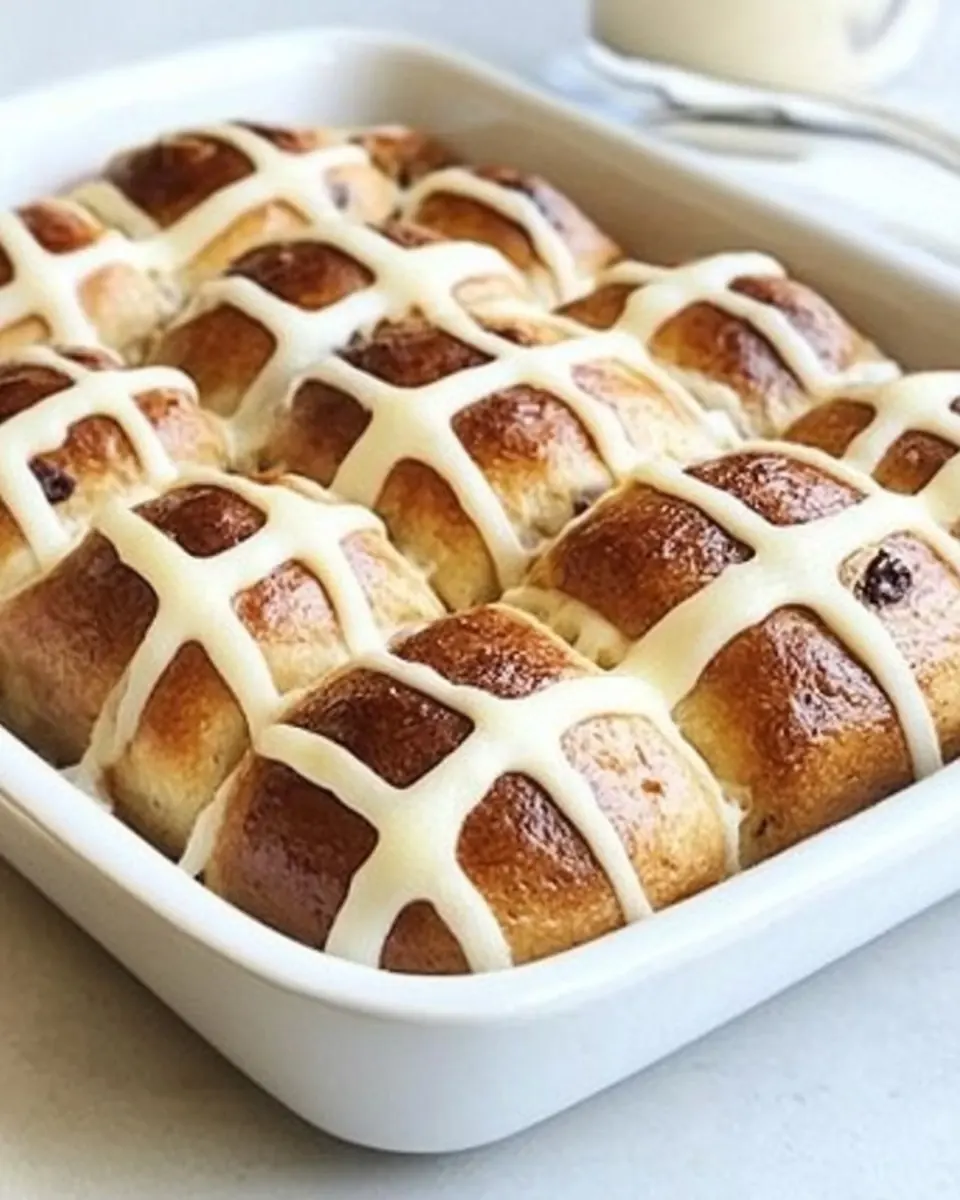
- Place cream cheese glaze in a plastic zip top bag. Snip the corner and pipe a cross on each roll.: As you pipe, the cross should look clean and defined, with the glaze setting slightly on the warm bun. The contrast between the white cross and the golden roll is classic and satisfying. If the glaze runs, chill it briefly to thicken, and avoid cutting too large a hole in the bag which will make the lines too thick. Steady pressure and a consistent motion create the neat crosses that make these buns iconic.
Make It Your Own
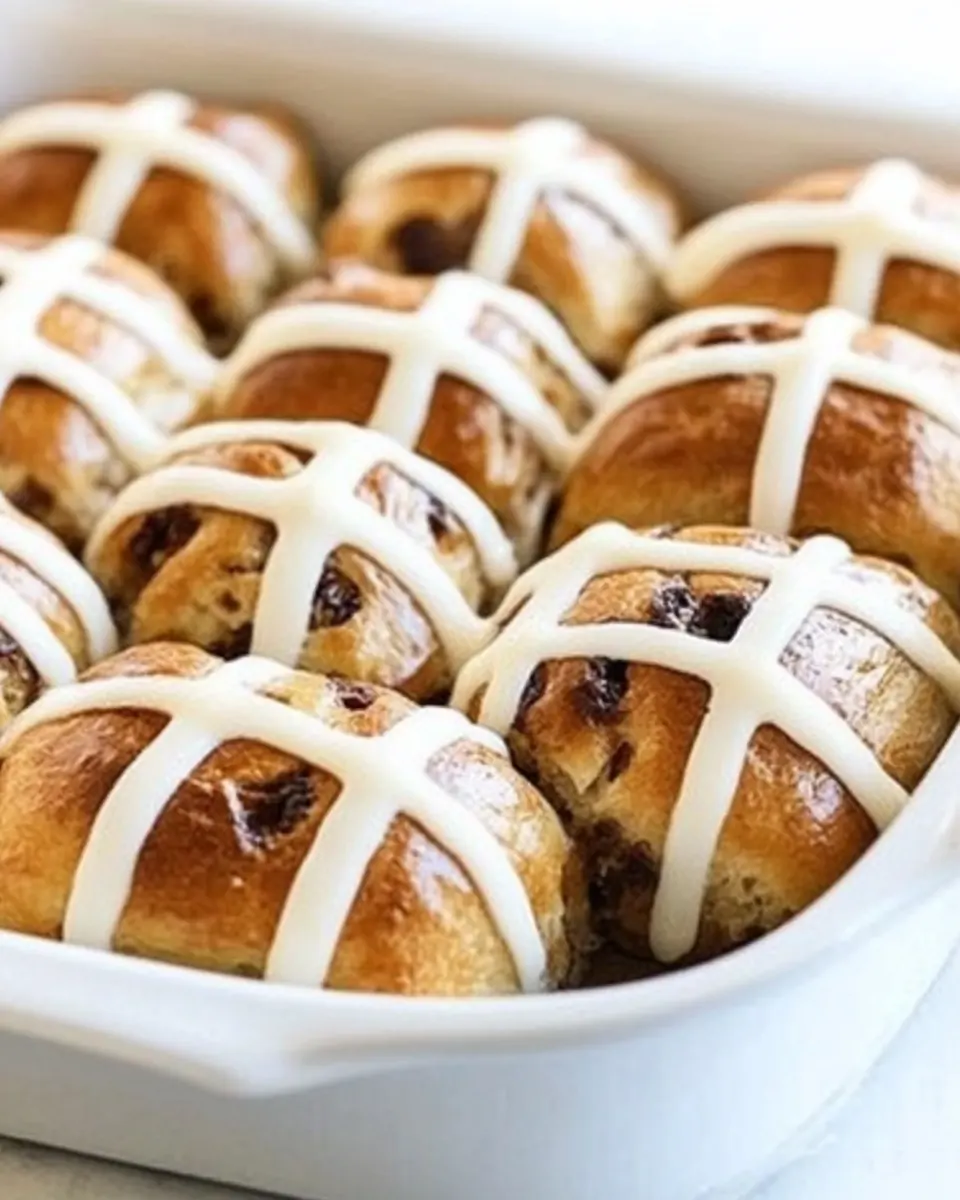
I like to offer ways to personalize these buns while keeping the core technique intact. Below are practical suggestions to adjust texture, flavor, and presentation so your batch reflects your style.
- Swap-proofing spot: If your kitchen is cool, place the dough in an oven with the light on to maintain gentle warmth for steady rises, which prevents slow fermentation that dulls flavor.
- Adjust sweetness: If you prefer less sweetness, slightly reduce the granulated sugar used in the syrup, but keep the brown sugar in the dough for moisture and depth.
- Raisin prep: Plump dry raisins in warm water for 10 minutes if they seem dry, then drain thoroughly to avoid pulling moisture from the dough while baking.
- Even shaping: Use a kitchen scale to divide the dough into equal portions so they bake uniformly, producing consistent texture across all 15 buns.
- Glaze thickness: Whisk the glaze to a pipeable consistency, adding whole milk a teaspoon at a time, so the crosses stay defined rather than running into the bun tops.
- Make ahead: For convenience, shape the buns, cover and refrigerate overnight for a slow proof, then bring to room temperature and bake the next morning for fresh buns with minimal morning effort.
Best Served With
These buns shine as a centerpiece for seasonal breakfasts and special occasions. Below I describe pairing ideas, serving suggestions, and storage tips to make the most of each batch. Use the list to match your occasion and serving style.
- Morning brunch pairing: Serve warm with a mug of coffee or tea and a small dish of softened butter so guests can spread and enjoy the contrast of warm bun and cool butter.
- Holiday table: For spring holidays like Easter, present the buns on a warm platter, allowing guests to pull one apart; they work beautifully as part of a festive spread with fresh fruit and light cheeses.
- Casual snack: Offer them slightly warmed in the afternoon with plain tea or a citrusy beverage to balance the spice and sweetness.
- Storage for freshness: Store cooled buns in an airtight container at room temperature for up to two days, or freeze individually wrapped for up to one month, reheating gently to refresh texture.
- Serving style: Serve the buns warm straight from the oven after glazing so the syrup is tacky and the glaze has a slight set, making them most inviting for guests.
FAQ
Conclusion
What makes this recipe special is the balance of warm spices, tender enriched dough, and small finishing touches like the syrup and cream cheese cross that elevate each bun. I encourage you to give these Hot Cross Buns a try, following the sensory cues for proofing and baking rather than watching the clock alone. Enjoy the process, share the warm results, and let the aromas fill your kitchen as you make this comforting, seasonal treat your own.
Hot Cross Buns
Ingredients
Equipment
Method
- Combine the milk, yeast, and 1 teaspoon of granulated sugar in a small bowl. Let sit 5 minutes.: When you whisk these together you will notice tiny foam forming on the surface within minutes, which smells faintly yeasty and sweet, an encouraging sign that your active dry yeast is alive. The warm temperature of the whole milk should feel like a warm bath on your wrist, not hot, because overly hot liquid will kill the yeast. If no foam appears after 10 minutes, that likely means the yeast is inactive, and you should start again with fresh yeast. Keep the bowl in a warm draft free spot, and avoid stirring aggressively, as you want gentle activation not dispersal.
- Place yeast mixture in the bowl of a stand mixer. Add brown sugar, butter, vanilla, eggs, salt, cinnamon, nutmeg, allspice, and 1 cup flour. Beat on LOW speed for 30 seconds. Scrape down the sides of the bowl.: As the mixer starts, you will hear a soft whir and begin to smell the spice perfume rising from the bowl, a comforting sign that aromas are melding. The initial low speed helps hydrate the dry ingredients and starts gluten formation without overworking. Scraping the bowl is crucial to ensure no pockets of dry flour remain, which would yield an uneven dough. A common mistake here is rushing to high speed too soon, which can overdevelop gluten and make the buns tough, so keep it gentle and patient.
- Add the rest of the flour and raisins. Beat on Medium speed for 2 minutes. Dough should be sticky, but it should pull away from the sides of the bowl. If it doesn't add more flour 1 tablespoon at a time.: As you increase speed, the dough will become more cohesive and you will hear a change in texture from slappy to smooth. The raisins will disperse and tuck into the dough, visible as dark specks against the pale mix. The dough should remain slightly tacky, which means it will yield tender buns after baking. If it clings heavily to your fingers, add flour sparingly. Avoid adding too much flour at once, because dry dough leads to dense buns rather than soft, airy ones.
- Knead the dough by hand on a lightly floured surface for 2 minutes. OR you can beat it at medium speed in the electric mixer for 2 more minutes.: During kneading you will feel the dough transform, becoming smoother and more elastic, and it should spring back slightly when poked. The sound changes to a subtle stretch and the surface takes on a satiny sheen, which is the gluten aligning. If you knead too vigorously, especially by hand, you risk warming the dough excessively, which can speed fermentation unpredictably. A common error is underkneading, which results in a weak structure and flat buns, so aim for that elastic feel.
- Lightly grease a large bowl with oil. Place the dough in the bowl and turn to coat it with oil. Cover and let rise for 1 to 2 hours or until doubled in size.: As the dough rests, you will notice it puff up and the surface smooth out, with tiny air pockets forming beneath. The aroma will shift to a yeasty, sweet scent with spice notes, a pleasant signal that fermentation is progressing. Ensure the bowl is in a warm spot away from drafts, because uneven temperatures can cause a slow or inconsistent rise. Overproofing here will flatten the dough, so keep an eye on visual doubling rather than only the clock.
- Grease a 9 x 13-inch pan. Divide the dough into 15 equal pieces and shape each one into a ball. Place in the prepared pan. Cover and let rise until doubled, about 1 hour.: As you shape each piece, the surface should be smooth and taut, producing a soft dome when rolled in your palms. Placing them close together helps them support each other while baking, yielding pillowy sides. During the second rise the buns will almost touch, and the airy feel is a good sign. A frequent slip is making uneven portions, which bakes unevenly, so I use a scale or careful measurement to keep sizes uniform.
- Preheat oven to 350 degrees. Bake rolls for 20 to 25 minutes.: In the oven the buns will bloom and develop a golden top, filling the kitchen with spiced fragrance. You will hear a gentle crackle as the crust sets and see steam briefly escape from the pan when you open it. Bake until the tops are golden and a skewer comes out clean, because underbaked centers can feel gummy. Avoid opening the oven frequently, because temperature fluctuations can impede even rise and color.
- Bring the water and granulated sugar to a boil in a small saucepan. Let boil for a few minutes to thicken. Brush the tops of the rolls with syrup.: The syrup will bubble and smell sweet as the sugar dissolves, and brushing while the buns are hot helps the glaze soak in slightly, creating that glossy finish. The liquid should be slightly thickened but still pourable, otherwise it will set too firmly. A common error is waiting too long to glaze, which reduces shine and adhesion, so brush immediately after baking for the best sheen.
- In a medium bowl, whisk together the powdered sugar, cream cheese, butter, and vanilla. Whisk in enough milk to get it a good piping consistency.: The texture should be smooth and viscous enough to hold a shape when piped, with a cool, creamy aroma from the cream cheese . If the glaze feels too stiff add milk sparingly, and if it is too loose, add a touch more confectioners' sugar. Overwhisking can incorporate too much air, making the glaze less stable for piping, so aim for a creamy, lump free texture.
- Place cream cheese glaze in a plastic zip top bag. Snip the corner and pipe a cross on each roll.: As you pipe, the cross should look clean and defined, with the glaze setting slightly on the warm bun. The contrast between the white cross and the golden roll is classic and satisfying. If the glaze runs, chill it briefly to thicken, and avoid cutting too large a hole in the bag which will make the lines too thick. Steady pressure and a consistent motion create the neat crosses that make these buns iconic.
Notes
- Swap-proofing spot: If your kitchen is cool, place the dough in an oven with the light on to maintain gentle warmth for steady rises, which prevents slow fermentation that dulls flavor.
- Adjust sweetness: If you prefer less sweetness, slightly reduce the granulated sugar used in the syrup, but keep the brown sugar in the dough for moisture and depth.
- Raisin prep: Plump dry raisins in warm water for 10 minutes if they seem dry, then drain thoroughly to avoid pulling moisture from the dough while baking.
- Even shaping: Use a kitchen scale to divide the dough into equal portions so they bake uniformly, producing consistent texture across all 15 buns.
- Glaze thickness: Whisk the glaze to a pipeable consistency, adding whole milk a teaspoon at a time, so the crosses stay defined rather than running into the bun tops.
- Make ahead: For convenience, shape the buns, cover and refrigerate overnight for a slow proof, then bring to room temperature and bake the next morning for fresh buns with minimal morning effort.