Instant Pot Mocha Rubbed Pot Roast
Instant Pot Mocha Rubbed Pot Roast is one of those recipes that felt like a happy accident the first time I made it, and it has been a household favorite ever since.
I remember the afternoon I threw together the spice mix, half curious and half stubborn, because I wanted a pot roast that tasted like comfort and surprise at the same time. While the house filled with the rich aroma of brewed coffee and cocoa, I chopped a tiny onion and measured out the dried figs, thinking that I might be inventing something odd. Friends who stopped by for dinner kept asking what was simmering in the kitchen, drawn by that warm, slightly smoky perfume.
The instant pot made the whole process feel modern, but the result was gloriously old school, tender beef that shredded easily with two forks. I loved how the mocha rub created a dark, savory crust on the cubes before they sank into a bath of broth and coffee, and how a splash of balsamic rounded everything into a glossy finish. I still grin when I serve it because it tastes like effort, even when it took so little time to pull off.
Recipe Snapshot
60 mins
10 mins
50 mins
Medium
350 kcal
American
Paleo, Whole30
Dinner
Instant Pot, Blender
The Beauty of This Instant Pot Mocha Rubbed Pot Roast
Bold, balanced flavor
I love how the combination of ground coffee, cocoa powder, and smoked paprika creates a robust layer of flavor that stands up to slow braising in the Instant Pot. The rub gives the beef depth without needing a long oven roast, so you get complexity in far less time.
Speed without compromise
Because this is an Instant Pot recipe, you get fork tender results in a fraction of the traditional braising time. I appreciate being able to make a dish that tastes like it simmered for hours while still fitting into a busy weeknight schedule, and that convenience makes it a go to when I want comfort quickly.
Sweet meets savory
The chopped dried figs and a splash of balsamic vinegar give a subtle sweetness that balances the mocha rub. I find that this contrast unlocks layers in the beef, making each bite interesting and preventing the sauce from tasting one dimensional.
Versatility at the table
You can serve this as an indulgent weeknight dinner or bring it to a holiday spread, since the flavors are familiar yet distinctive. It reheats beautifully, and the sauce can be reduced to a glossy glaze, so leftovers are just as satisfying the next day.
Comfort with a twist
Finally, the recipe feels familiar and adventurous at once. I relish serving this when I want to impress with minimal fuss, because it pairs the rustic comfort of a pot roast with a clever mocha twist that always sparks conversation.
What You’ll Need for Instant Pot Mocha Rubbed Pot Roast
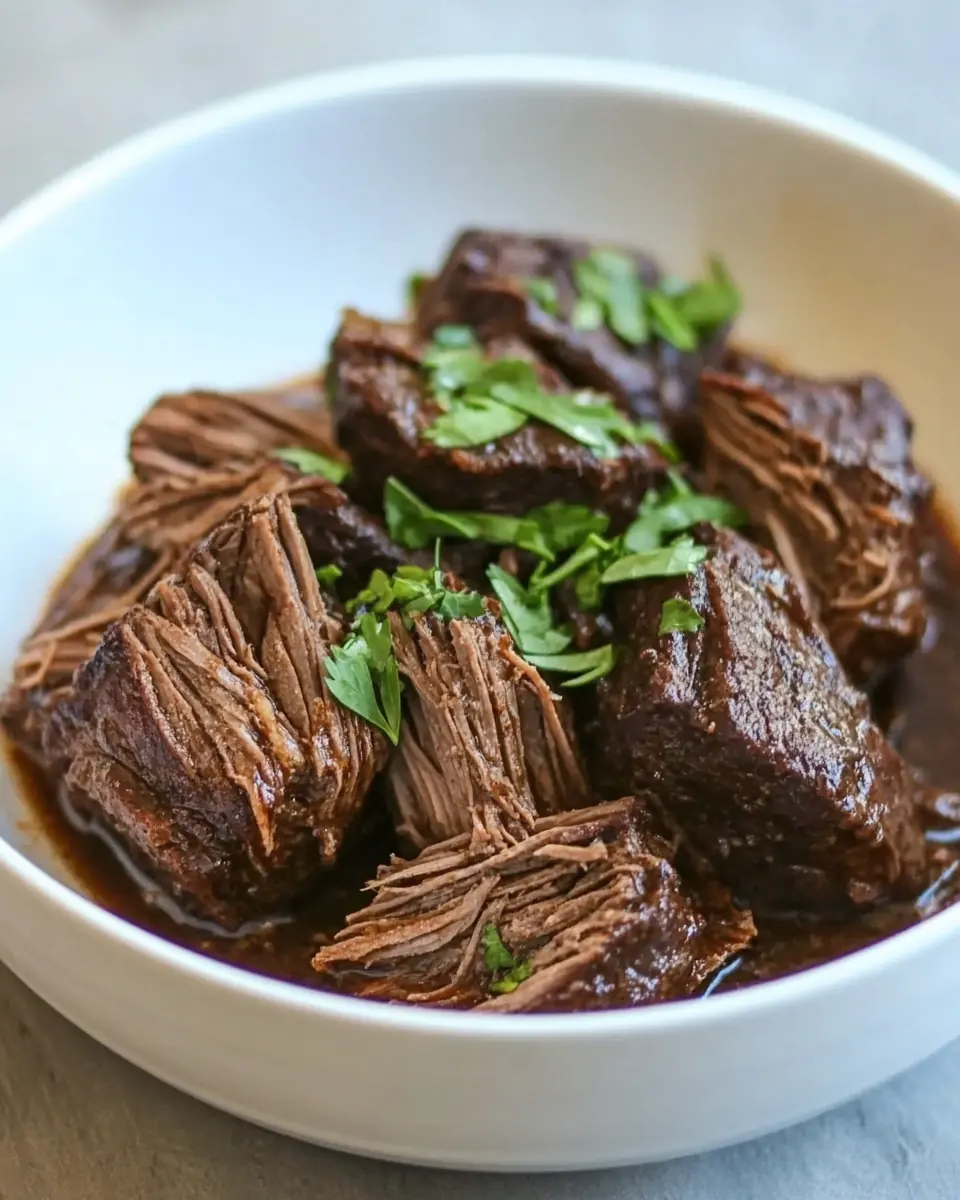
The ingredient list for Instant Pot Mocha Rubbed Pot Roast focuses on a handful of bold players that work in concert. The mocha rub is the flavor engine, while the brewed coffee and beef broth create the braising liquid that tenderizes the beef. Aromatics and a touch of sweetness from the figs round out the sauce, producing a balanced, layered final dish.
- For the mocha rub: Create the concentrated spice base for the mocha rub, combining bitter, smoky, and savory notes to form a crust that enhances the roast’s exterior during searing and pressure cooking. Use a finely ground grind to ensure even distribution and to release aromatic coffee oils that deepen the overall flavor profile. Balance intensity with other spices so coffee complements rather than overwhelms the meat. Store any leftover rub in an airtight container to preserve freshness.
- 2 tablespoons finely ground coffee you can substitute decaf: Add rustic smoky sweetness and vivid red color to the rub, contributing a barbecue-like aroma that pairs well with coffee and cocoa. Use smoked paprika to provide gentle smokiness without adding heat, helping the rub feel rounded and robust. Choose quality paprika for a brighter flavor and sprinkle evenly over the meat surface before searing. Adjust amount slightly if using unsmoked paprika to retain overall character.
- 2 tablespoons smoked paprika: Provide sharp, aromatic heat and a pungent bite that cuts through the roast’s richness and balances the sweet elements like figs and balsamic. Grind fresh for maximum aroma and fold into the rub to create a layered, peppery backbone that lifts the overall profile. Use sparingly if sensitive to heat, since freshly ground pepper can be quite potent. Season both rub and final stew liquid as needed for balance.
- 1 tablespoon freshly ground black pepper: Contribute deep, bitter chocolate notes that reinforce the coffee component and add earthy complexity to the mocha rub. Use unsweetened cocoa powder to avoid adding sugar, ensuring a savory-chocolate accent that enhances umami and caramelized meat flavors. Sift to prevent lumps and mix thoroughly into the spice blend so it disperses evenly. Monitor quantity to keep bitterness complementary rather than dominant.
- 1 tablespoon cocoa powder: Introduce a mild fruity heat and slightly tangy warmth to diversify the rub’s spice profile and brighten richer elements like coffee and cocoa. Use Aleppo pepper for its unique raisin-like warmth or substitute red pepper flakes while adjusting for heat level. Incorporate evenly into the rub to provide subtle lift without overwhelming other spices. Taste the rub on a small meat scrap if unsure about heat intensity.
- 1 teaspoon Aleppo pepper you can substitute red pepper flakes: Offer warm, rounded chili flavor with earthy undertones that supports the coffee and cocoa while contributing subtle heat to the rub. Use chili powder as a foundational spice to add depth and a touch of Southwestern character. Mix thoroughly into the spice blend to ensure cohesive seasoning across all meat pieces. Select a mild or hotter chili powder depending on desired spice level.
- 1 teaspoon chili powder: Bring a sharp, zesty note and subtle warming spice that contrasts the deeper flavors of coffee and cocoa, brightening the rub and preventing it from feeling too heavy. Use ground ginger for its aromatic, slightly sweet heat and integrate into the rub to add complexity. Avoid overuse to prevent overpowering delicate smoky and bitter components. Store in a dry place to maintain ginger’s potency.
- 1 teaspoon ground ginger: Provide essential mineral seasoning to the rub, enhancing all other flavors by reinforcing savory and sweet notes and helping meat proteins develop a seasoned crust. Use sea salt for its texture and clean saltiness, blending it evenly into the spice mixture so it penetrates the meat surface. Adjust amount based on kosher salt differences when salting the roast later. Dissolve slightly during cooking to distribute flavor into the braising liquid.
- 1 teaspoon sea salt: Signal the transition from rub components to roast components, denoting the section where the seasoned meat and braising elements are combined. Use this marker to organize preparation steps and ensure the rub is applied before assembling the roast ingredients. Treat this line as a structural cue in the recipe rather than an ingredient to measure. Refer back to the rub list when applying seasoning to the meat pieces.
- For the roast: Indicate the main protein and portioning for cooking, specifying a cut suited to braising that will become tender under pressure and absorb the mocha rub flavors. Cut into 1 1/2- to 2-inch cubes to ensure uniform cooking and faster pressure-cooking times, which promotes even tenderness. Trim excess fat if desired, but retain some for flavor and mouthfeel in the final braise. Brown cubes in batches after rubbing to develop deeper flavor before pressure cooking.
- 2 pounds beef chuck roast cut into 1 1/2- to 2-inch cubes: Provide a concentrated liquid component that reinforces the coffee notes in the rub and adds additional depth and slight bitterness to the braising liquid. Use brewed coffee (decaf acceptable) to echo the rub’s mocha character while contributing body to the sauce. Ensure coffee is hot or warm when deglazing to help release browned bits from the pot. Substitute broth for a less bitter, more savory profile if preferred.
- 1 cup brewed coffee you can substitute decaf or broth: Contribute savory, meaty backbone and gelatin-rich body to the braising liquid, enhancing mouthfeel and supporting the roast’s rich flavors. Use beef or bone broth for depth and collagen that will thicken into a silky sauce during pressure cooking. Combine with brewed coffee to balance bitterness with savory umami and to form the primary cooking liquid. Taste and adjust seasoning after cooking to account for broth saltiness.
- 1 cup beef broth or bone broth: Add aromatic sweetness and texture to the braising mix while softening during cooking to release mellow onion flavor that complements beef and coffee notes. Chop finely to allow rapid breakdown and integration into the sauce during pressure cooking. Sauté briefly before adding liquids to develop sweetness and deepen the base flavor. Use quantity to balance acidity from balsamic and bitterness from coffee.
- 1 small onion chopped: Introduce concentrated fruity sweetness and chewy texture that melts into the braising liquid, providing a counterpoint to the mocha and savory elements. Chop dried figs so they rehydrate and disperse evenly, imparting caramel-like notes and natural sugar that helps build a complex sauce. Add them with the liquids so they soften during pressure cooking and help thicken the braising juices. Adjust amount to achieve desired balance of sweetness.
- 6 dried figs chopped: Provide bright acidic lift and a touch of sweetness that balances the coffee, cocoa, and savory components while helping to tenderize meat fibers. Use balsamic vinegar for its rich, slightly sweet tang and stir into the braising liquid to meld flavors and enhance sauce complexity. Add after deglazing to preserve nuanced acidity while integrating into the pot roast. Taste post-cooking and adjust acidity if needed.
- 3 tablespoons balsamic vinegar: Enhance seasoning control and final taste by allowing precise salting of the roast and braising liquid, promoting proper protein seasoning and flavor development. Use kosher salt for its coarse texture and ease of even distribution, keeping in mind that volume measurements differ from fine salts. Season gradually during cooking, tasting at key stages, and adjust at the end for balance. Remember to account for salt already present in the broth used.
- Kosher salt: Provide adjustable pungency and subtle heat to finish the dish, complementary to black pepper already in the rub and useful for final seasoning. Use freshly ground pepper for maximum aroma and grind directly onto the meat or into the finished sauce to taste. Add cautiously while tasting the braise to avoid over-peppering, since long cooking concentrates flavors. Store remaining pepper in a cool, dark place to preserve its volatile oils.
- Freshly ground black pepper: Mark the end of the ingredient list for the roast section, serving as a final reminder to taste and adjust seasoning before serving the completed dish. Use this final instruction to ensure salt and pepper have been balanced with the braising liquid, figs, and balsamic to achieve harmonious flavor. Verify tenderness and sauce consistency prior to plating, making any last-minute adjustments. Consider resting briefly to let flavors meld before serving.
Directions for Instant Pot Mocha Rubbed Pot Roast
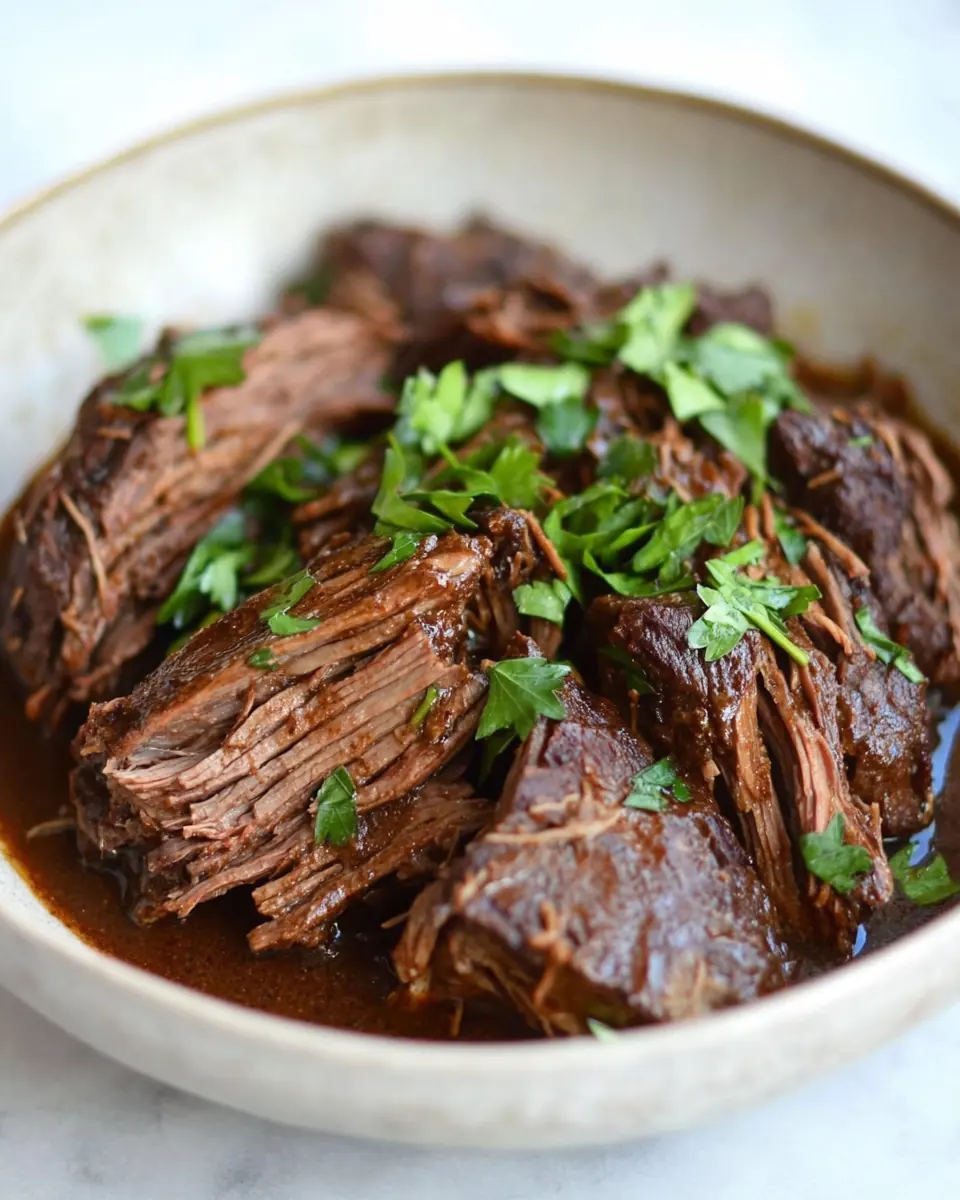
These directions will guide you step by step through building layers of flavor and using your pressure cooker confidently. I like to move at a calm pace when assembling the components, because the small choices you make early affect the final texture and sauce quality.
- Mix the ingredients for the mocha rub in a small bowl. You won’t need all of the rub, so save the extra in a tightly sealed container.: The aroma will be rich and heady, a mingling of coffee , cocoa powder , and smoked paprika that hints at the savory backbone you are creating. Smell is a great guide here, because a well balanced rub should smell complex, not overly salty or too smoky. When you combine the spices, stir until the texture is uniform, which ensures each piece of beef receives the same seasoning. One common mistake is overgrinding wet spices into the mix, make sure everything is dry and free flowing. If the rub smells too sharp, let it rest for a few minutes and recheck, because flavors will marry slightly as they sit.
- Brew a cup of coffee. When I’m making just one cup, I turn to my Aeropress—not only because it makes a mean cuppa coffee, but also because it tickles me to know that the Aeropress was invented by the same dude who made Aerobie flying rings.: You should get a fragrant, slightly bitter cup that will add depth to the braising liquid. Using a strong brew enhances the mocha character, and I often choose a medium dark roast for balance. As you brew, notice the steam and the rich scent that wafts up, it is a useful preview of the sauce that will form. Avoid using overly acidic beans, which can impart an unpleasant tang when reduced. If your brew seems weak, use less water to concentrate the flavor.
- Place the beef cubes in a large bowl and add three to four tablespoons of the mocha rub.: The cubes should be evenly coated in a dark dusting of the rub, and the dry spices will cling to the meat surface, promising a flavorful crust. Use your hands or tongs to massage the rub into the beef , ensuring the pieces are all covered. A frequent oversight is applying too little rub, which results in bland edges, so err on the side of complete coverage. If the rub is clumping, break it apart with your fingers so it distributes uniformly.
- Toss well until the beef is evenly coated.: You will see the cubes take on a deep color and feel slightly tacky from the rub, which helps them hold a seared exterior if you pan sear before pressure cooking. Even coating is crucial for consistent flavor in every bite, so inspect the pieces and reapply a pinch of rub to any pale spots. Avoid overhandling the meat, which can compress the fibers and change texture; gentle tossing is best. If the rub falls off during transfer, pat the meat again to re-adhere seasonings.
- Combine the brewed coffee, broth, onion, figs, and balsamic vinegar in a high-powered blender. Blitz until liquefied.: When you blitz these ingredients, you create a harmonious braising liquid with a silky texture and integrated sweetness. The blended onion will add body and natural sugars, while the chopped dried figs will liquefy and thicken slightly, marrying with the balsamic vinegar to give a glossy sauce. A common pitfall is underblending, which leaves chunks that can burn or separate, so blend until smooth. If the sauce smells overwhelmingly sharp, a short simmer will mellow it.
- Transfer the seasoned beef to your pressure cooker and pour the sauce on top.: The visual should be the dark, seasoned cubes nested in a deep, coffee colored liquid. The sauce level should come up around the meat but not completely cover it, allowing the intense surface seasonings to remain distinct. Pour carefully to avoid disturbing the rub too much, and use a rubber spatula to scrape remaining sauce from the blender. An error I see is adding too much liquid, which dilutes flavor and prevents proper browning during any pre sear step.
- Cover and lock the lid of your pressure cooker.: You will hear a soft click or feel the mechanism seat, a tactile cue that the pot is ready to build pressure. Ensuring the seal is clean is important, because a faulty seal can cause slow pressure buildup and inconsistent results. If your lid does not lock smoothly, sit the pot aside and check the sealing ring for food residue. Never force the lid closed, as that can damage the equipment.
- If you’re using an Instant Pot, turn it on and press the 'Meat/Stew' button to switch it to the pressure cooking mode. And if your cubes are smaller than mine, you can press the 'minus' button to decrease the cooking time from the preset 35-minute cooking time. Once the pot is programmed, walk away. (Or, if you’re like me, sit down and eat dinner.): The display and gentle hum will tell you the cooker is working, and the preset timing does a lot of the heavy lifting. Walk away while it builds pressure, as fiddling can change the cycle. If your cubes are smaller, adjust the time to avoid overcooking. A common mistake is opening the pot too soon after cooking, which causes the meat to lose juices and become dry.
- When the stew is finished cooking, the Instant Pot will switch automatically to a 'Keep Warm' mode. At this point, turn it off and let the pressure release naturally (about 15 minutes).: At this point, turn it off and let the pressure release naturally about 15 minutes; you will hear soft hisses as steam escapes gradually. Natural release allows the meat fibers to relax and retain moisture, resulting in tender, shreddable beef . Forced release can tighten the meat and make it tougher, so practice patience here. If you need to speed things up, be aware the texture will change.
- (Using a stove-top pressure cooker? You won’t have all those buttons to press; instead, just cook on high heat until high pressure is reached. Then, reduce the heat to low to maintain high pressure for about 30 minutes. Remove the pot from the heat, and let the pressure release naturally.): You should be greeted by a fragrant cloud of mocha scented steam and a glossy sauce. The beef should be fork tender, easily yielding when probed. If the meat still resists, you can resecure the lid and pressure cook a few more minutes. A misstep is stirring immediately and shredding while the meat is too hot, which can make it stringy rather than tender, so let it rest briefly.
- Pop open the lid. The meat should be fork tender. If it’s not, cook it under high pressure for 5 more minutes.: As you lift the pieces, notice the gelatinous sheen that forms, a sign of properly broken down collagen. Leaving the sauce behind lets you reduce it if desired, concentrating flavors into a finishing glaze. Avoid dumping everything at once if you plan to reduce the sauce, since separating gives you control over texture and thickness.
- Transfer the cooked beef to a serving platter.: The meat should fall apart with minimal effort, producing tender strands that soak up the sauce. Shredding exposes more surface area, helping each bite carry both meat and sauce in harmony. If the pieces feel chewy, they likely need a touch more cooking time; return them to the cooker briefly. Over shredding can create mushy bits, so aim for uniform strands.
- Shred the meat with two forks.: A short simmer will intensify the flavors and produce a lacquer like finish that clings to the shredded beef . Watch closely while reducing, stirring occasionally so nothing sticks or scorches. Season with kosher salt and freshly ground black pepper to taste, because reduction amplifies both salt and acidity. A common error is reducing too long and ending up with an overly salty syrup, so taste as you go.
- If desired, heat the remaining sauce to a boil to reduce and thicken it. Adjust the seasoning with salt and pepper to taste.: The final presentation should be glossy, richly colored strands of beef generously coated in the mocha fig sauce. A finishing crack of fresh black pepper brightens the plate and a sprinkle of kosher salt if needed will elevate the flavors. Serve immediately while warm for the best textural contrast and enjoyment.
Recipe Variations about Instant Pot Mocha Rubbed Pot Roast
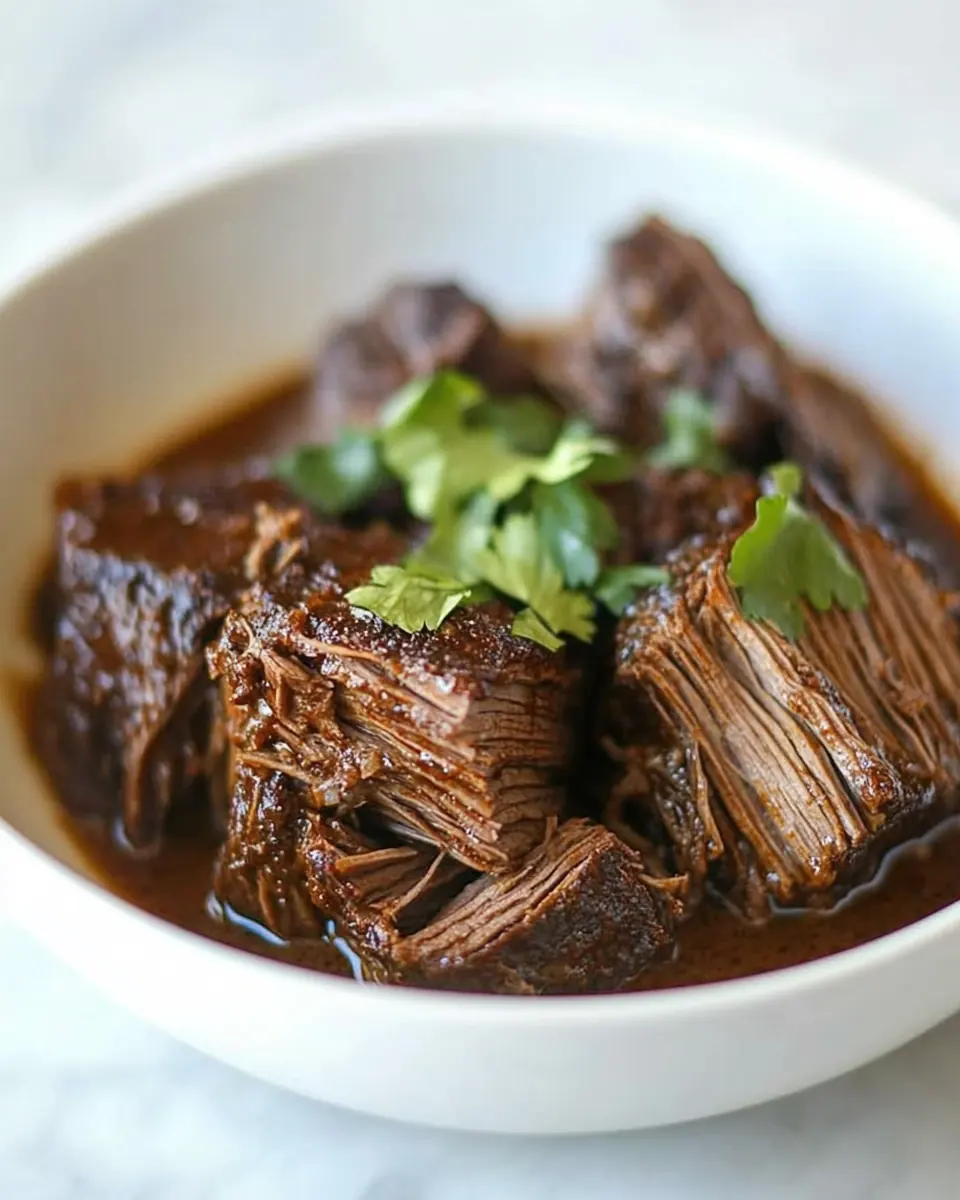
I enjoy experimenting with small variations to highlight different aspects of this recipe, whether you want a sweeter finish, an earthier profile, or less heat. Below are practical, tested ideas to adapt the dish without straying from the core flavors.
- Swap coffee strength: Use a bold brew for pronounced mocha notes, or choose a milder cup if you want subtler coffee presence while keeping the rest of the profile intact.
- Adjust heat level: Reduce the Aleppo pepper or chili powder if you prefer a gentler warmth, which lets the balsamic and figs shine more clearly.
- Make it ahead: Prepare the rub and sauce a day early and refrigerate; flavors meld overnight and the reheat in the Instant Pot is forgiving.
- Sauce finish: After removing the meat, simmer the sauce until it reaches a glaze like thickness for a more restaurant style presentation that clings to the shredded beef.
- Portion control: If you have smaller cubes, reduce pressure cooking time slightly to prevent over tenderizing and losing bite in the meat.
- Storage tip: Store leftovers in an airtight container in the refrigerator for up to four days, and reheat gently to retain moisture and texture.
What to Serve With Instant Pot Mocha Rubbed Pot Roast
This dish pairs well with simple, complementary sides that soak up the rich mocha fig sauce and balance the savory intensity. Think creamy textures, bright greens, and hearty starches that make the meal feel complete and comforting.
- Creamy mashed potatoes: A classic partner, they provide a neutral, silky bed for the shredded beef and glossy sauce.
- Roasted root vegetables: Carrots and parsnips roasted until caramelized add sweetness and texture contrast to every bite.
- Steamed greens: Lightly steamed greens like Swiss chard or spinach cut through the richness and add a fresh, slightly bitter counterpoint.
- Crusty bread: A sturdy loaf helps mop up the sauce and makes the meal feel relaxed and convivial, ideal for weekend dinners.
- Simple grain pilaf: Serve over rice or barley to soak up juices, giving a comforting, rustic accompaniment that stretches the meal for guests.
- Occasion suggestions: This recipe works well for weeknight dinners, cozy weekend meals, and holiday gatherings such as Thanksgiving when you want something different yet familiar.
- Make ahead serving tip: Reheat gently on low and add a splash of broth if the sauce tightens, keeping the shredded beef succulent and saucy.
- Seasonal pairings: In winter serve with root vegetables and braised greens, while in transitional seasons lighter sides like a grain salad help balance the richness.
- Storage guidance: Refrigerate cooled leftovers in an airtight container for up to four days, or freeze portions for longer keeping; thaw slowly and reheat gently.
- Presentation idea: Serve family style on a large platter with sauce ladled over, letting guests help themselves to the tender shredded beef and glossy reduction.
FAQ
Conclusion
This Instant Pot Mocha Rubbed Pot Roast stands out because it marries deep coffee and cocoa notes with tender, fall apart beef and a balanced fig and balsamic sauce. Give it a try when you want a special tasting dinner with very little hands on time, because the pressure cooker does the work while you relax. I hope this recipe becomes one you turn to whenever you want bold flavors and comforting textures together at the table.
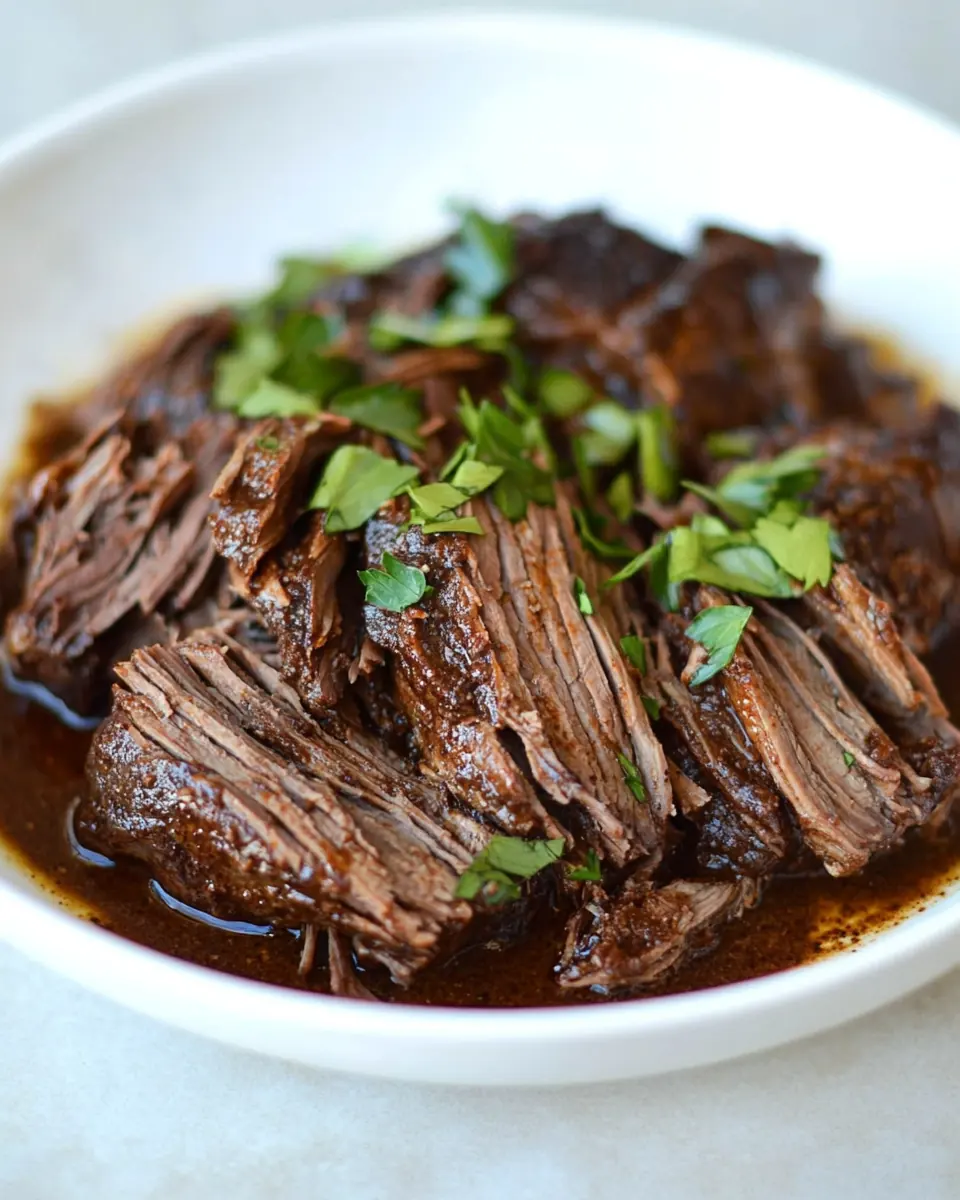
Instant Pot Mocha Rubbed Pot Roast
Ingredients
Equipment
Method
- Mix the ingredients for the mocha rub in a small bowl. You won’t need all of the rub, so save the extra in a tightly sealed container.: The aroma will be rich and heady, a mingling of coffee , cocoa powder , and smoked paprika that hints at the savory backbone you are creating. Smell is a great guide here, because a well balanced rub should smell complex, not overly salty or too smoky. When you combine the spices, stir until the texture is uniform, which ensures each piece of beef receives the same seasoning. One common mistake is overgrinding wet spices into the mix, make sure everything is dry and free flowing. If the rub smells too sharp, let it rest for a few minutes and recheck, because flavors will marry slightly as they sit.
- Brew a cup of coffee. When I’m making just one cup, I turn to my Aeropress—not only because it makes a mean cuppa coffee, but also because it tickles me to know that the Aeropress was invented by the same dude who made Aerobie flying rings.: You should get a fragrant, slightly bitter cup that will add depth to the braising liquid. Using a strong brew enhances the mocha character, and I often choose a medium dark roast for balance. As you brew, notice the steam and the rich scent that wafts up, it is a useful preview of the sauce that will form. Avoid using overly acidic beans, which can impart an unpleasant tang when reduced. If your brew seems weak, use less water to concentrate the flavor.
- Place the beef cubes in a large bowl and add three to four tablespoons of the mocha rub.: The cubes should be evenly coated in a dark dusting of the rub, and the dry spices will cling to the meat surface, promising a flavorful crust. Use your hands or tongs to massage the rub into the beef , ensuring the pieces are all covered. A frequent oversight is applying too little rub, which results in bland edges, so err on the side of complete coverage. If the rub is clumping, break it apart with your fingers so it distributes uniformly.
- Toss well until the beef is evenly coated.: You will see the cubes take on a deep color and feel slightly tacky from the rub, which helps them hold a seared exterior if you pan sear before pressure cooking. Even coating is crucial for consistent flavor in every bite, so inspect the pieces and reapply a pinch of rub to any pale spots. Avoid overhandling the meat, which can compress the fibers and change texture; gentle tossing is best. If the rub falls off during transfer, pat the meat again to re-adhere seasonings.
- Combine the brewed coffee, broth, onion, figs, and balsamic vinegar in a high-powered blender. Blitz until liquefied.: When you blitz these ingredients, you create a harmonious braising liquid with a silky texture and integrated sweetness. The blended onion will add body and natural sugars, while the chopped dried figs will liquefy and thicken slightly, marrying with the balsamic vinegar to give a glossy sauce. A common pitfall is underblending, which leaves chunks that can burn or separate, so blend until smooth. If the sauce smells overwhelmingly sharp, a short simmer will mellow it.
- Transfer the seasoned beef to your pressure cooker and pour the sauce on top.: The visual should be the dark, seasoned cubes nested in a deep, coffee colored liquid. The sauce level should come up around the meat but not completely cover it, allowing the intense surface seasonings to remain distinct. Pour carefully to avoid disturbing the rub too much, and use a rubber spatula to scrape remaining sauce from the blender. An error I see is adding too much liquid, which dilutes flavor and prevents proper browning during any pre sear step.
- Cover and lock the lid of your pressure cooker.: You will hear a soft click or feel the mechanism seat, a tactile cue that the pot is ready to build pressure. Ensuring the seal is clean is important, because a faulty seal can cause slow pressure buildup and inconsistent results. If your lid does not lock smoothly, sit the pot aside and check the sealing ring for food residue. Never force the lid closed, as that can damage the equipment.
- If you’re using an Instant Pot, turn it on and press the 'Meat/Stew' button to switch it to the pressure cooking mode. And if your cubes are smaller than mine, you can press the 'minus' button to decrease the cooking time from the preset 35-minute cooking time. Once the pot is programmed, walk away. (Or, if you’re like me, sit down and eat dinner.): The display and gentle hum will tell you the cooker is working, and the preset timing does a lot of the heavy lifting. Walk away while it builds pressure, as fiddling can change the cycle. If your cubes are smaller, adjust the time to avoid overcooking. A common mistake is opening the pot too soon after cooking, which causes the meat to lose juices and become dry.
- When the stew is finished cooking, the Instant Pot will switch automatically to a 'Keep Warm' mode. At this point, turn it off and let the pressure release naturally (about 15 minutes).: At this point, turn it off and let the pressure release naturally about 15 minutes; you will hear soft hisses as steam escapes gradually. Natural release allows the meat fibers to relax and retain moisture, resulting in tender, shreddable beef . Forced release can tighten the meat and make it tougher, so practice patience here. If you need to speed things up, be aware the texture will change.
- (Using a stove-top pressure cooker? You won’t have all those buttons to press; instead, just cook on high heat until high pressure is reached. Then, reduce the heat to low to maintain high pressure for about 30 minutes. Remove the pot from the heat, and let the pressure release naturally.): You should be greeted by a fragrant cloud of mocha scented steam and a glossy sauce. The beef should be fork tender, easily yielding when probed. If the meat still resists, you can resecure the lid and pressure cook a few more minutes. A misstep is stirring immediately and shredding while the meat is too hot, which can make it stringy rather than tender, so let it rest briefly.
- Pop open the lid. The meat should be fork tender. If it’s not, cook it under high pressure for 5 more minutes.: As you lift the pieces, notice the gelatinous sheen that forms, a sign of properly broken down collagen. Leaving the sauce behind lets you reduce it if desired, concentrating flavors into a finishing glaze. Avoid dumping everything at once if you plan to reduce the sauce, since separating gives you control over texture and thickness.
- Transfer the cooked beef to a serving platter.: The meat should fall apart with minimal effort, producing tender strands that soak up the sauce. Shredding exposes more surface area, helping each bite carry both meat and sauce in harmony. If the pieces feel chewy, they likely need a touch more cooking time; return them to the cooker briefly. Over shredding can create mushy bits, so aim for uniform strands.
- Shred the meat with two forks.: A short simmer will intensify the flavors and produce a lacquer like finish that clings to the shredded beef . Watch closely while reducing, stirring occasionally so nothing sticks or scorches. Season with kosher salt and freshly ground black pepper to taste, because reduction amplifies both salt and acidity. A common error is reducing too long and ending up with an overly salty syrup, so taste as you go.
- If desired, heat the remaining sauce to a boil to reduce and thicken it. Adjust the seasoning with salt and pepper to taste.: The final presentation should be glossy, richly colored strands of beef generously coated in the mocha fig sauce. A finishing crack of fresh black pepper brightens the plate and a sprinkle of kosher salt if needed will elevate the flavors. Serve immediately while warm for the best textural contrast and enjoyment.
Notes
- Swap coffee strength: Use a bold brew for pronounced mocha notes, or choose a milder cup if you want subtler coffee presence while keeping the rest of the profile intact.
- Adjust heat level: Reduce the Aleppo pepper or chili powder if you prefer a gentler warmth, which lets the balsamic and figs shine more clearly.
- Make it ahead: Prepare the rub and sauce a day early and refrigerate; flavors meld overnight and the reheat in the Instant Pot is forgiving.
- Sauce finish: After removing the meat, simmer the sauce until it reaches a glaze like thickness for a more restaurant style presentation that clings to the shredded beef.
- Portion control: If you have smaller cubes, reduce pressure cooking time slightly to prevent over tenderizing and losing bite in the meat.
- Storage tip: Store leftovers in an airtight container in the refrigerator for up to four days, and reheat gently to retain moisture and texture.