Vegetarian Mushroom Stew
Vegetarian Mushroom Stew is the kind of cozy, satisfying dish I turn to when I want something warming yet simple to make on a chilly night.
I remember the first time I made this, the apartment smelled like a little roadside bistro, all caramelized onion and roasted mushrooms. I was tired from a long day and needed dinner that felt thoughtful without being fussy, so I pulled together a few humble pantry ingredients. The act of slicing the vegetables slowly, hearing the oil hiss as it hit the pan, and watching the paprika bloom into a fragrant red dust felt like a small ritual that eased the day away. That evening I served the stew over cauliflower rice and felt instantly comforted.
Over the years I tweaked little things, like the timing for adding sour cream so it heats through without separating, and learning to let the mushrooms brown properly so they develop a deep, savory note. Friends who tasted it remarked on how the stew manages to be rich without heaviness, which is exactly what I aim for when cooking meatless meals that still satisfy. I often make a double batch because leftovers taste even better the next day when the flavors have melded together.
Recipe Snapshot
45 mins
15 mins
30 mins
Medium
250 kcal
American
Keto, Gluten-Free
Dinner
Large heavy frying pan, Mixing bowls, Knife, Cutting board
Why You’ll Love This Vegetarian Mushroom Stew
Deep, savory mushroom flavor
I love how mushroom texture becomes almost meaty when cooked until well browned. I make sure to let the pan get hot and avoid overcrowding so each slice sears and concentrates flavor, rather than steams. This step creates the backbone of the stew, so the final dish feels substantial rather than watery. One time I rushed this and the result was limp, so patience here pays big dividends.
Bright, caramelized vegetables
The combination of sautéed onion and roasted red bell pepper gives the stew sweetness and a gentle char. I prefer cooking them separately at first to coax out the natural sugars, then bringing them together to meld. The contrast between sweet veggies and earthy mushrooms keeps each bite interesting, and the paprika ties the components with warm, smoky notes.
Comforting creaminess without heaviness
Adding sour cream at the end, after the pan has cooled slightly, gives the stew a silky finish while keeping it light. I always wait a minute with the heat low so the dairy doesn’t curdle, that way the texture stays smooth and the tang lifts the whole dish. It feels indulgent, yet the overall profile remains clean and satisfying.
Simple pantry ingredients, big impact
I appreciate recipes that rely on a handful of ingredients and still sing, and this stew is a perfect example. With just olive oil, paprika, and a few vegetables, you get layers of flavor. That economy makes it easy to pull together on a weeknight, and it’s forgiving if you need to adjust seasoning as you go.
Versatile serving options
The stew works equally well over a pile of grain, vegetable rice, or simply with crusty bread for dipping. I often switch accompaniments depending on the season and what I have on hand. That flexibility means you can tailor it to your mood, whether you want something light or a heartier plate to share.
Everything You Need for Vegetarian Mushroom Stew
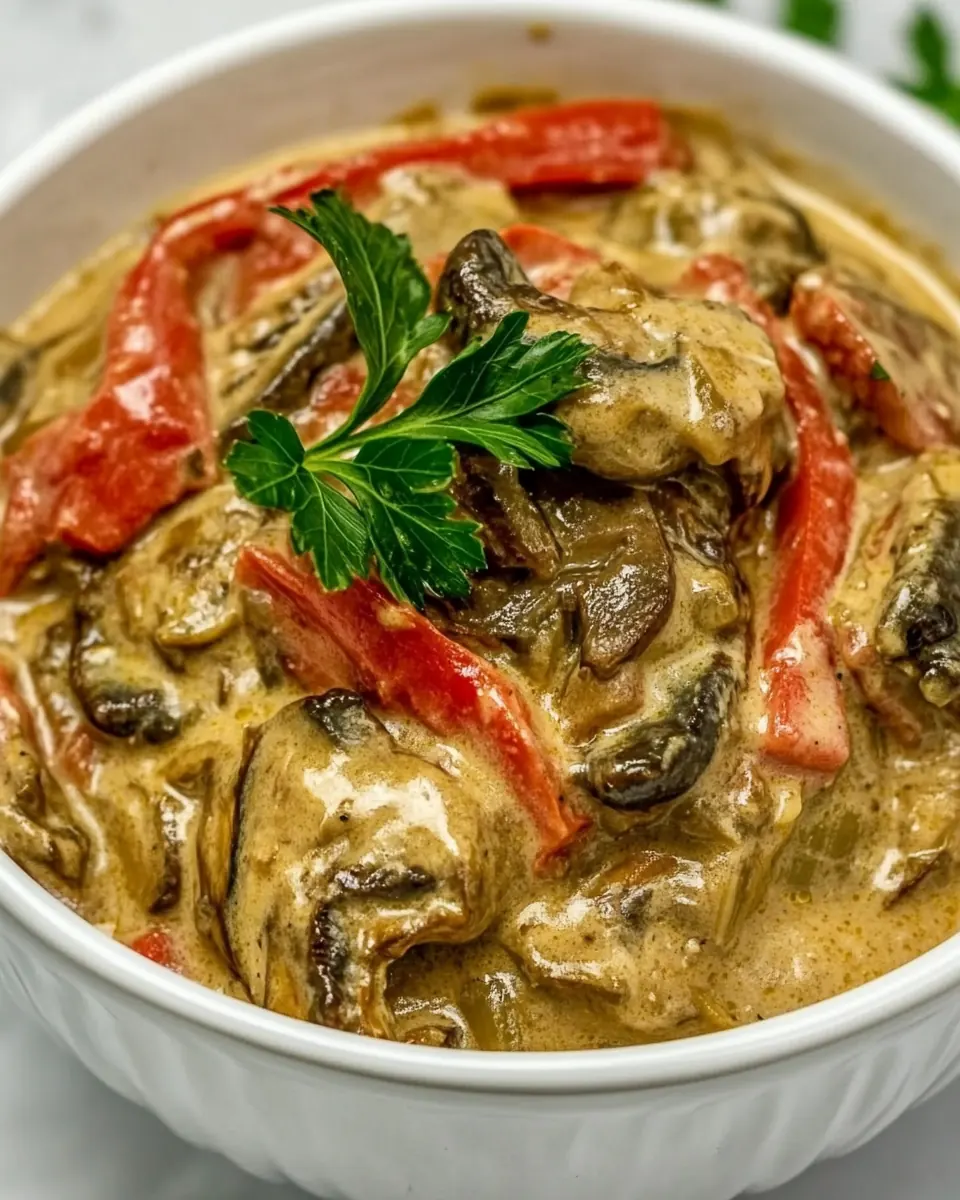
These ingredients come together to create a balanced, savory stew where each element plays a clear role. The mushroom provides earthiness and texture, the onion and red bell pepper add sweetness and bright notes, and a little paprika brings warmth. The sour cream finishes the dish with a smooth tang that rounds everything out. I focus on quality and proper technique to let these modest ingredients shine.
- 1 large onion, peeled and cut into short strips: Sautéed until soft and translucent to build a sweet, savory base that enhances the stew's overall flavor; cut into short strips to provide tender texture and quick cooking. Adds aromatic depth and balances richer ingredients when caramelized slowly over medium heat.
- 1 large red bell pepper, seeds cut out and cut into short strips: Roasted or sautéed briefly to contribute bright, sweet, and slightly smoky notes; cut into short strips for even cooking and pleasing bite-size pieces. Provides color contrast and a fresh vegetal element that lifts the richness of the mushrooms and sour cream.
- 6 tsp . olive oil, divided: Divided between cooking stages to both prevent sticking and develop flavor layers; measured as teaspoons to control fat without overwhelming the dish. Use early for sautéing vegetables and reserve some for finishing to add sheen and a mellow olive fruitiness.
- 1 lb . brown Cremini mushrooms, washed and cut into 1/2 inch slices: Pan-seared until golden to concentrate earthy, savory mushroom flavors; sliced into 1/2 inch pieces to retain body and meaty texture within the stew. Adds umami depth and soaks up spices and liquids, becoming a hearty centerpiece for the dish.
- 2 tsp . Hungarian paprika, or more (see notes): Sprinkled in during cooking to deliver warm, sweet, and slightly smoky flavor; adjust amount to taste as it strongly colors and flavors the stew. Hungarian paprika also complements the mushrooms and peppers, creating a cohesive, Eastern European-inspired profile.
- salt and fresh ground black pepper to taste: Seasoned to taste to balance and enhance all flavors in the stew; added gradually and adjusted at the end to achieve the desired seasoning. Black pepper contributes gentle heat and aromatic complexity while salt brings forward the natural tastes of the other ingredients.
- 1/2 cup sour cream: Stirred in off the heat or at low temperature to introduce creaminess and a slight tang that rounds the stew's flavors without curdling. Provides a silky finish and cooling contrast to the paprika's warmth while enriching the sauce body's mouthfeel.
Putting Together Vegetarian Mushroom Stew
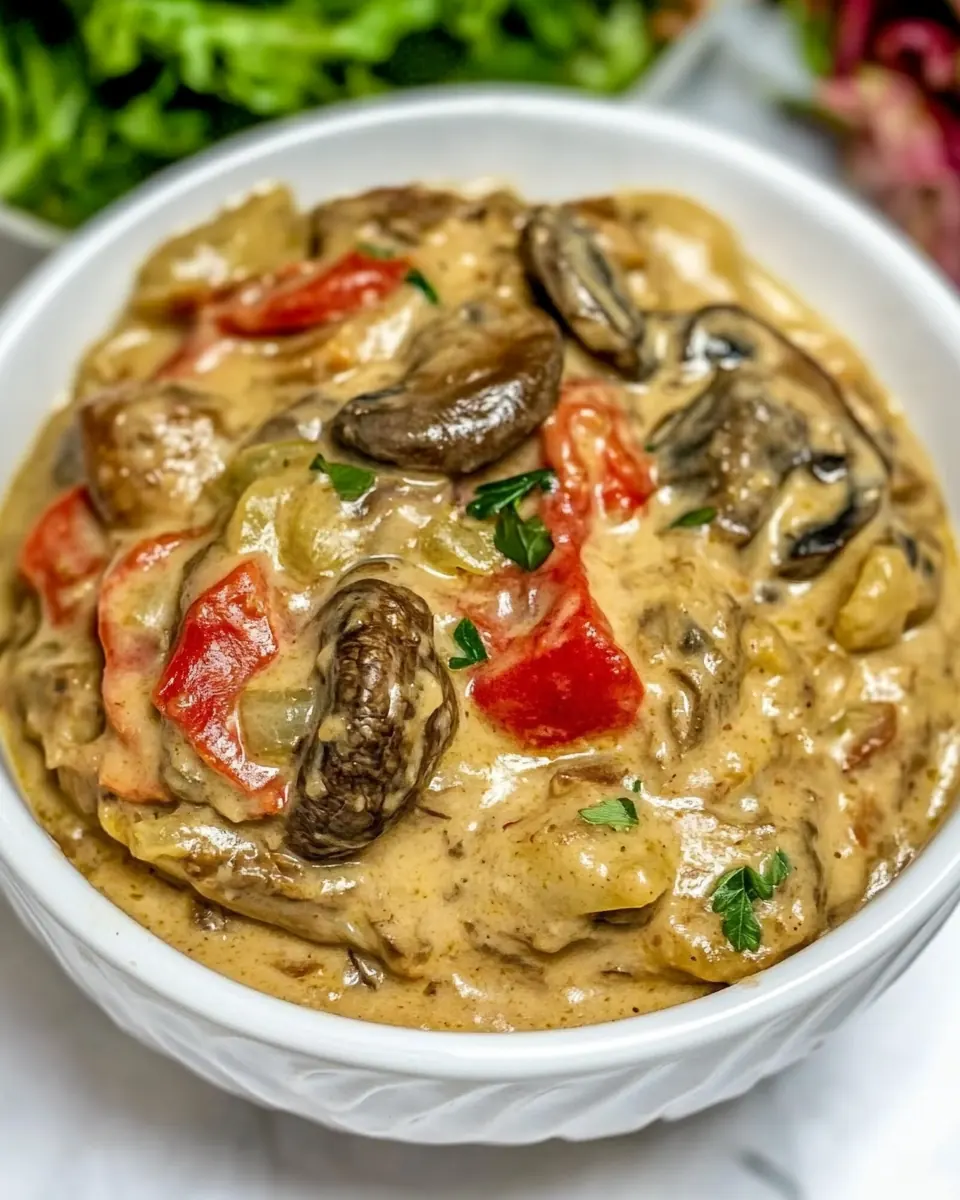
Bringing this stew together is all about timing and sensory cues, so read through the steps first, then cook with confidence. Below I expand each direction into detailed guidance so you can replicate the texture and flavor I aim for. Keep a timer handy, but trust what you see, smell, and hear.
- Cut the onion and the red bell pepper into short strips or slivers.: The first sensory clue is the sound of the knife as it moves through the onion and red bell pepper , a crisp, satisfying rhythm that tells you you are prepping well. Uniform strips ensure even cooking, so take a moment to slice thoughtfully, and you will notice more consistent caramelization and char during sautéing. Mistakes to avoid include cutting uneven pieces which can lead to some pieces burning while others remain undercooked, so keep a steady pace and a sharp knife.
- Heat 2 tsp. oil in a large heavy frying pan over medium-high heat, add the onions and cook until onion is starting to brown, about 5 minutes.: When the olive oil shimmers, add the sliced onion and listen for a gentle sizzle, that sound means the pan is hot enough to start browning. As the minutes pass you will smell sweet, nutty aromas and see edges pick up golden color, which builds a flavorful base. Stir intermittently to promote even browning, and watch closely around the five minute mark so the onion caramelizes without burning. A common mistake is using too low heat, which causes the onion to sweat and become pale instead of developing those deeper flavors.
- Remove the onion to a bowl.: After the onion has started to brown, its aroma will be rich and slightly caramelized, a sign it is ready to rest. Transferring it to a bowl prevents it from continuing to cook while you work on other elements. This pause helps preserve texture and prevents overcooking, which would make the onion lose its pleasant chew. Avoid leaving it in the hot pan where residual heat can push it past the sweet spot into bitterness.
- Add another 2 tsp. olive oil, add the bell pepper and cook until done and starting to char, about 5 minutes. (You can also cook onions and peppers together if your pan is extra large.): Introduce the next batch of olive oil , then the red bell pepper , and notice the brighter, higher pitched sizzle. As the pepper softens and occasional blackened edges appear, you will smell a slightly smoky sweetness that complements the onion. Stir so the pieces char lightly without turning mushy; if the pan is overcrowded they will steam instead, which reduces that pleasant caramelized flavor. If you have a very large pan you can cook peppers and onions together, but when space is limited I prefer separate stages for optimal color.
- While onions and bell peppers cook, wash the mushrooms, dry, and cut into 1/2 inch thick slices.: As you prep the mushrooms , their earthy aroma becomes more pronounced after rinsing and slicing. Dry them well so they brown instead of steaming in the pan; a damp surface prevents searing and leads to soggier texture. Cut evenly into half inch slices to ensure consistent cooking. A typical error here is to skip drying, which results in a soft, less flavorful finish.
- Add a 2 tsp. more oil to the pan, heat the oil, and then cook the mushrooms until they are softened and well-browned. (You might need to do this in two batches if your pan isn’t large enough but I fit them in the big frying pan I used.): When the third portion of olive oil is heated and the pan radiates warmth, add the sliced mushrooms . You should hear an immediate sizzle and see moisture bead and then disappear as the surface browns. The goal is to achieve deep golden edges and concentrated savory notes, which happens when mushrooms are left undisturbed for short intervals so they can sear. If your pan is not large enough, cook in batches to avoid steam and loss of color. Overcrowding is the most frequent misstep at this stage, because it prevents the desired caramelization.
- Remove the mushrooms to a different bowl.: Moving the well browned mushrooms to their own bowl preserves their texture and keeps them from overcooking while you finish the vegetables. You will notice a rich, concentrated mushroom scent in the bowl, indicating you achieved good searing. This separation also allows you to control the final combined cooking time, ensuring each component maintains its best texture. Leaving them in the pan too long can make them mushy and reduce the dish's overall appeal.
- Put the onions and red peppers back into the pan, turn heat to medium, sprinkle paprika over the veggies, and saute for about 2 minutes, until the paprika is fragrant.: Return the cooked onion and red bell pepper to medium heat and sprinkle the paprika evenly. As you stir, the spice will bloom, releasing a toasty perfume and deepening the pan's color. This brief sauté is crucial because it transforms paprika from a dry powder into a fragrant flavor booster. Avoid letting the paprika sit too long without stirring as it can scorch and turn bitter.
- Season to taste with salt and fresh ground black pepper.: As the paprika wakes up, sprinkle salt and fresh ground black pepper incrementally, tasting as you go. Salt helps extract moisture and concentrate flavors, while pepper adds a sharp lift. Seasoning at this stage ensures flavors build layer by layer rather than being flat at the end. Over-salting can be a pitfall, so add in small amounts and correct later if needed.
- Then add mushrooms and any accumulated juice and cook until the liquid has evaporated.: Reunite the browned mushrooms with the vegetables along with any juices they released, and simmer until the liquid reduces. You will see the pan transform as the liquids concentrate and flavors intensify, producing a glossy coating on the vegetables. This reduction stage concentrates umami, and it ensures the final texture is stew like rather than watery. If the liquid does not reduce, raise the heat slightly and stir to encourage evaporation, but avoid burning.
- Turn heat to low, wait about one minute to let the mixture cool down so the sour cream doesn't curdle, and then add the sour cream and gently stir to combine with the vegetables.: Lowering the heat and pausing is a small but essential step; the residual warmth is enough to incorporate the sour cream without curdling. After a minute you can add the sour cream and stir gently until it melds into a silky sauce that clings to the vegetables. The aroma will shift to a creamy tang, and the texture will smooth out nicely. Adding dairy to very hot food risks separation, so this cooling pause prevents that common error.
- Cook just until the sour cream is heated through, do not boil.: Warm the stew briefly so the sour cream becomes pleasantly warm but never let it reach a rolling boil. You should see gentle steam and feel the heat through the pan, with a glossy, cohesive sauce. Boiling can cause the dairy to split and change texture, so keep the heat low and stir occasionally until everything is uniformly heated.
- Serve hot, over cauliflower rice if desired.: Serve the stew while it is steaming and fragrant, spooning it over a bed of cauliflower rice or your preferred base. The visual contrast of the deep brown mushrooms and bright peppers is inviting, and you will notice the aroma of paprika and sautéed vegetables as soon as you lift the lid. If serving with a grain or vegetable base, ensure it is warm so the textures marry well. A cold accompaniment can dull the experience, so reheat briefly if needed before plating.
Variations to Try
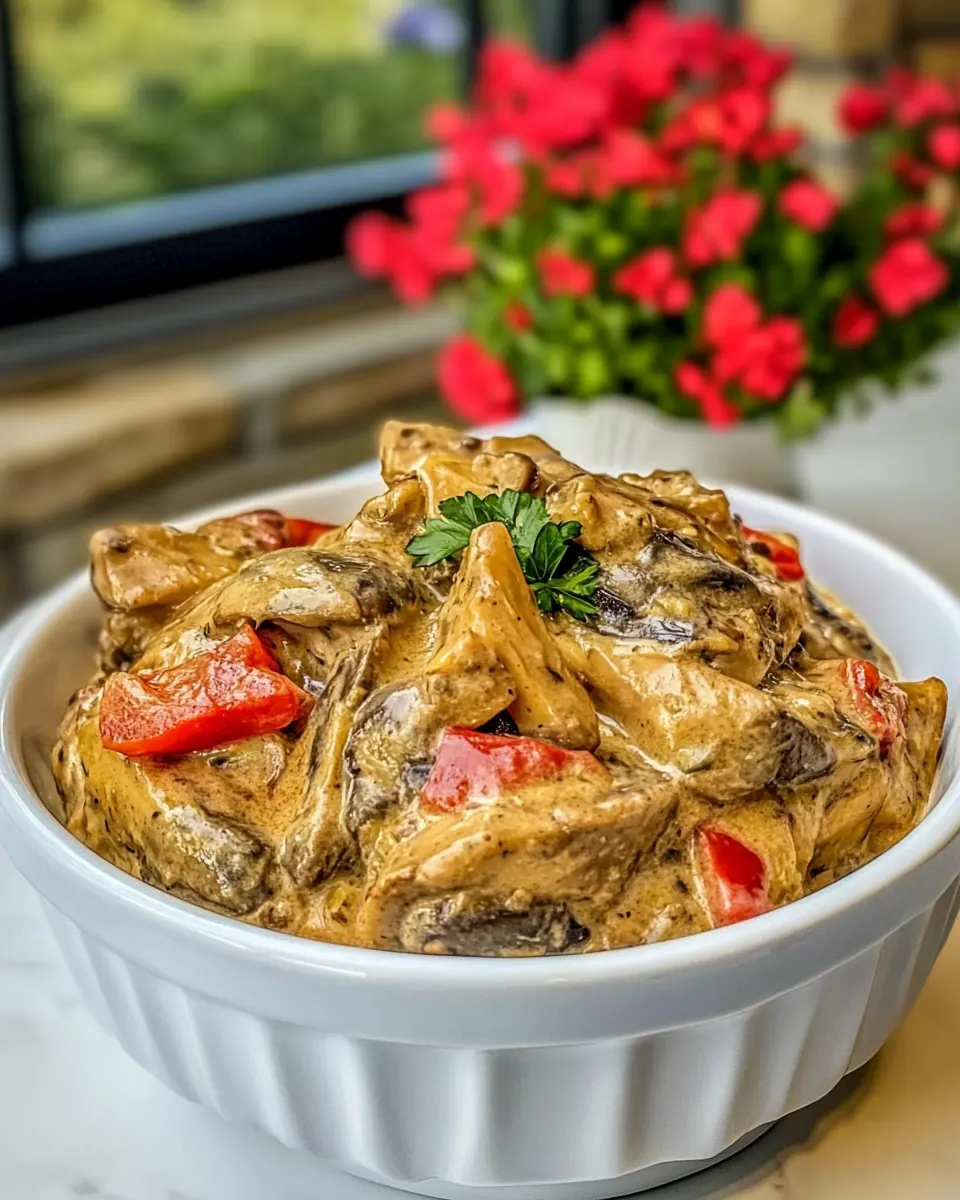
If you enjoy experimenting, there are simple tweaks that shift the stew’s character while keeping the same comforting base. Below are practical variations that highlight different textures and flavor profiles, each expandable to suit weeknights or company meals.
- Smokier twist Add a touch more paprika for deeper smokiness and a richer color; toast it briefly with the vegetables to bloom the flavor.
- Extra creamy Stir in a dollop more sour cream off heat for a silkier finish, tasting as you go to avoid overwhelming the balance.
- Heartier serving Serve the stew over warm cauliflower rice or another vegetable base to keep the dish light while adding volume.
- Batch friendly Double the recipe and cool before refrigerating, the flavors deepen overnight and it reheats beautifully on low heat.
- Adjust spice If you want more warmth, increase the paprika slightly, but add gradually since intensity varies by brand.
Side Dish Ideas for Vegetarian Mushroom Stew
This stew pairs well with simple, comforting sides and adapts to many occasions from a solo weeknight dinner to a shared meal. Below I outline serving suggestions, seasonal pairings, storage tips, and ideas for different occasions.
- Cauliflower rice A light, low carb base that soaks up the sauce while keeping the plate bright and vegetable forward, ideal for a cozy solo dinner.
- Crusty bread Thick slices or a rustic loaf work for sopping up the silky sauce, making the meal feel homey and satisfying for casual gatherings.
- Steamed grains Serve over warm quinoa, bulgur, or brown rice for a more filling option that is great for meal prep lunches or heartier dinners.
- Weeknight dinner This dish is perfectly suited for an easy weeknight plan, requiring minimal hands on time while delivering comforting, layered flavors.
- Winter comfort Especially in colder months, the warm paprika and sautéed vegetables make it a seasonal favorite for relaxed dinners at home.
- Storage tips Cool completely before refrigerating in an airtight container; it will keep for three to four days and the flavor often improves overnight.
- Reheating Gently warm on low heat with a splash of water if needed, stirring until just heated through to preserve the texture of the sour cream.
- Holiday sides For informal holiday spreads, place the stew in a shallow serving dish so guests can spoon it over grains or bread as they like.
- Seasonal pairings In winter, pair with roasted root vegetables; in spring, serve alongside a light green salad for contrast.
- Make ahead Prepare the components separately, then combine and warm before serving to streamline hosting.
FAQ
Conclusion
This Vegetarian Mushroom Stew stands out because it layers simple techniques and humble ingredients to create a deeply satisfying, creamy dish. The careful browning of mushrooms and vegetables, the fragrant bloom of paprika, and the gentle finish with sour cream combine into a textured, flavorful stew that feels both comforting and refined. I encourage you to give it a try on a quiet weeknight or when you want something warming and unfussy; the process is meditative and the result is reliably comforting. Share it with friends or enjoy leftovers the next day, the flavors only deepen with time.
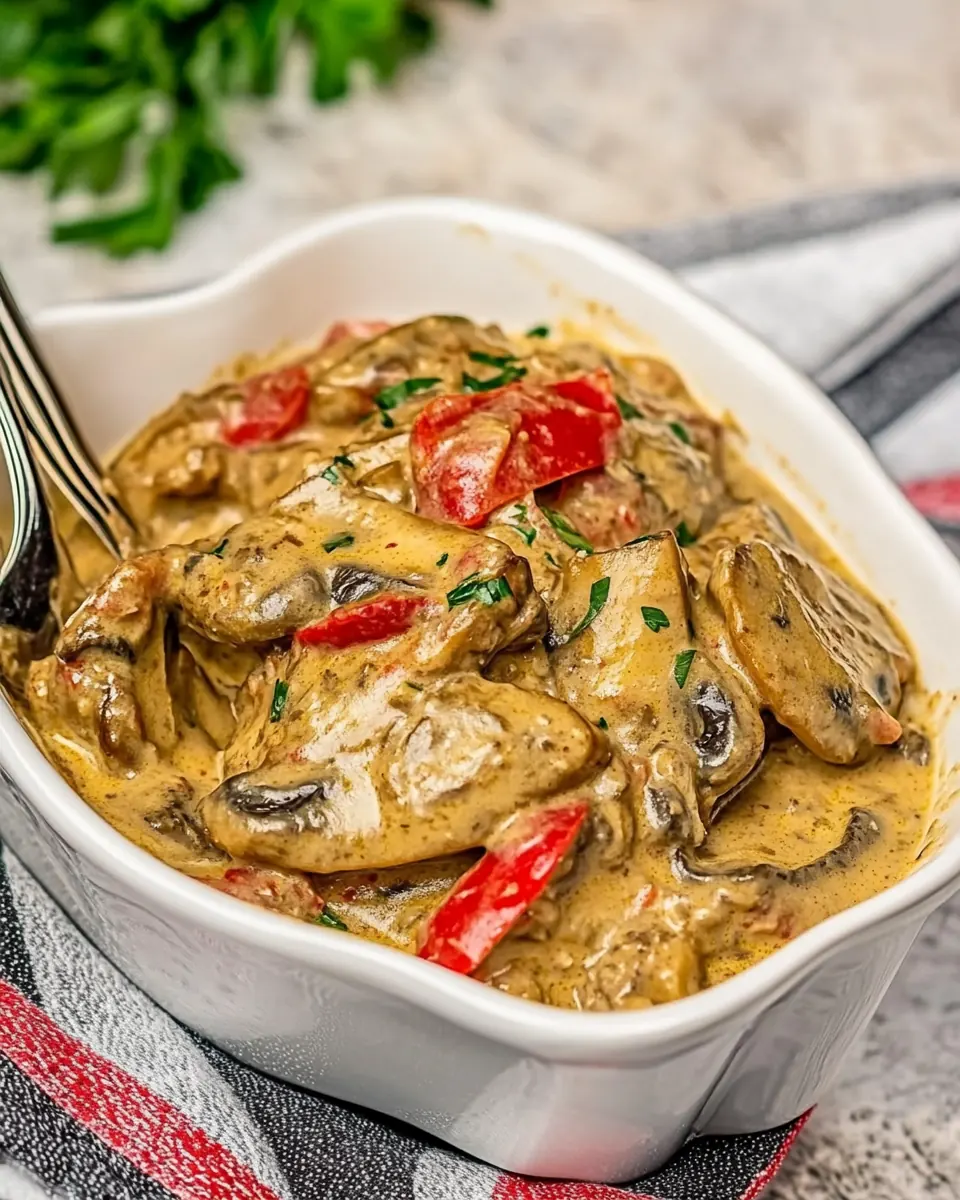
Vegetarian Mushroom Stew
Ingredients
Equipment
Method
- Cut the onion and the red bell pepper into short strips or slivers.: The first sensory clue is the sound of the knife as it moves through the onion and red bell pepper , a crisp, satisfying rhythm that tells you you are prepping well. Uniform strips ensure even cooking, so take a moment to slice thoughtfully, and you will notice more consistent caramelization and char during sautéing. Mistakes to avoid include cutting uneven pieces which can lead to some pieces burning while others remain undercooked, so keep a steady pace and a sharp knife.
- Heat 2 tsp. oil in a large heavy frying pan over medium-high heat, add the onions and cook until onion is starting to brown, about 5 minutes.: When the olive oil shimmers, add the sliced onion and listen for a gentle sizzle, that sound means the pan is hot enough to start browning. As the minutes pass you will smell sweet, nutty aromas and see edges pick up golden color, which builds a flavorful base. Stir intermittently to promote even browning, and watch closely around the five minute mark so the onion caramelizes without burning. A common mistake is using too low heat, which causes the onion to sweat and become pale instead of developing those deeper flavors.
- Remove the onion to a bowl.: After the onion has started to brown, its aroma will be rich and slightly caramelized, a sign it is ready to rest. Transferring it to a bowl prevents it from continuing to cook while you work on other elements. This pause helps preserve texture and prevents overcooking, which would make the onion lose its pleasant chew. Avoid leaving it in the hot pan where residual heat can push it past the sweet spot into bitterness.
- Add another 2 tsp. olive oil, add the bell pepper and cook until done and starting to char, about 5 minutes. (You can also cook onions and peppers together if your pan is extra large.): Introduce the next batch of olive oil , then the red bell pepper , and notice the brighter, higher pitched sizzle. As the pepper softens and occasional blackened edges appear, you will smell a slightly smoky sweetness that complements the onion. Stir so the pieces char lightly without turning mushy; if the pan is overcrowded they will steam instead, which reduces that pleasant caramelized flavor. If you have a very large pan you can cook peppers and onions together, but when space is limited I prefer separate stages for optimal color.
- While onions and bell peppers cook, wash the mushrooms, dry, and cut into 1/2 inch thick slices.: As you prep the mushrooms , their earthy aroma becomes more pronounced after rinsing and slicing. Dry them well so they brown instead of steaming in the pan; a damp surface prevents searing and leads to soggier texture. Cut evenly into half inch slices to ensure consistent cooking. A typical error here is to skip drying, which results in a soft, less flavorful finish.
- Add a 2 tsp. more oil to the pan, heat the oil, and then cook the mushrooms until they are softened and well-browned. (You might need to do this in two batches if your pan isn’t large enough but I fit them in the big frying pan I used.): When the third portion of olive oil is heated and the pan radiates warmth, add the sliced mushrooms . You should hear an immediate sizzle and see moisture bead and then disappear as the surface browns. The goal is to achieve deep golden edges and concentrated savory notes, which happens when mushrooms are left undisturbed for short intervals so they can sear. If your pan is not large enough, cook in batches to avoid steam and loss of color. Overcrowding is the most frequent misstep at this stage, because it prevents the desired caramelization.
- Remove the mushrooms to a different bowl.: Moving the well browned mushrooms to their own bowl preserves their texture and keeps them from overcooking while you finish the vegetables. You will notice a rich, concentrated mushroom scent in the bowl, indicating you achieved good searing. This separation also allows you to control the final combined cooking time, ensuring each component maintains its best texture. Leaving them in the pan too long can make them mushy and reduce the dish's overall appeal.
- Put the onions and red peppers back into the pan, turn heat to medium, sprinkle paprika over the veggies, and saute for about 2 minutes, until the paprika is fragrant.: Return the cooked onion and red bell pepper to medium heat and sprinkle the paprika evenly. As you stir, the spice will bloom, releasing a toasty perfume and deepening the pan's color. This brief sauté is crucial because it transforms paprika from a dry powder into a fragrant flavor booster. Avoid letting the paprika sit too long without stirring as it can scorch and turn bitter.
- Season to taste with salt and fresh ground black pepper.: As the paprika wakes up, sprinkle salt and fresh ground black pepper incrementally, tasting as you go. Salt helps extract moisture and concentrate flavors, while pepper adds a sharp lift. Seasoning at this stage ensures flavors build layer by layer rather than being flat at the end. Over-salting can be a pitfall, so add in small amounts and correct later if needed.
- Then add mushrooms and any accumulated juice and cook until the liquid has evaporated.: Reunite the browned mushrooms with the vegetables along with any juices they released, and simmer until the liquid reduces. You will see the pan transform as the liquids concentrate and flavors intensify, producing a glossy coating on the vegetables. This reduction stage concentrates umami, and it ensures the final texture is stew like rather than watery. If the liquid does not reduce, raise the heat slightly and stir to encourage evaporation, but avoid burning.
- Turn heat to low, wait about one minute to let the mixture cool down so the sour cream doesn't curdle, and then add the sour cream and gently stir to combine with the vegetables.: Lowering the heat and pausing is a small but essential step; the residual warmth is enough to incorporate the sour cream without curdling. After a minute you can add the sour cream and stir gently until it melds into a silky sauce that clings to the vegetables. The aroma will shift to a creamy tang, and the texture will smooth out nicely. Adding dairy to very hot food risks separation, so this cooling pause prevents that common error.
- Cook just until the sour cream is heated through, do not boil.: Warm the stew briefly so the sour cream becomes pleasantly warm but never let it reach a rolling boil. You should see gentle steam and feel the heat through the pan, with a glossy, cohesive sauce. Boiling can cause the dairy to split and change texture, so keep the heat low and stir occasionally until everything is uniformly heated.
- Serve hot, over cauliflower rice if desired.: Serve the stew while it is steaming and fragrant, spooning it over a bed of cauliflower rice or your preferred base. The visual contrast of the deep brown mushrooms and bright peppers is inviting, and you will notice the aroma of paprika and sautéed vegetables as soon as you lift the lid. If serving with a grain or vegetable base, ensure it is warm so the textures marry well. A cold accompaniment can dull the experience, so reheat briefly if needed before plating.
Notes
- Smokier twist Add a touch more paprika for deeper smokiness and a richer color; toast it briefly with the vegetables to bloom the flavor.
- Extra creamy Stir in a dollop more sour cream off heat for a silkier finish, tasting as you go to avoid overwhelming the balance.
- Heartier serving Serve the stew over warm cauliflower rice or another vegetable base to keep the dish light while adding volume.
- Batch friendly Double the recipe and cool before refrigerating, the flavors deepen overnight and it reheats beautifully on low heat.
- Adjust spice If you want more warmth, increase the paprika slightly, but add gradually since intensity varies by brand.