Instant Pot Spaghetti and Meatballs
Instant Pot Spaghetti and Meatballs is the kind of dinner I turn to when the week has been long and everyone needs something warm, familiar, and effortless on the table. The first time I made this dish I remember juggling homework, work calls, and a baby who refused a nap, yet the kitchen smelled like a tiny trattoria by the time we sat down. That evening taught me that a comforting, saucy pasta supper does not require hours or complicated steps, just a few smart moves in the Instant Pot and a handful of dependable ingredients.
Over the years I have tweaked the balance of seasoning, the size of the meatballs, and how I layer the spaghetti and sauce so the noodles cook evenly without clumping. I love the ritual of browning the meat so the pot is strewn with caramelized bits, then deglazing the pot so those flavors dissolve into the beef broth. When friends ask for a no fuss family favorite, this recipe is top of my list because it feels intentional yet effortless. It’s also a forgiving formula, whether you shape homemade meatballs or drop in frozen ones on busy nights.
Recipe Snapshot
17 mins
10 mins
7 mins
Medium
450 kcal
Italian
Gluten-Free, Paleo
Dinner
Instant Pot, Wooden spoon, Tongs
The Best Thing About This Instant Pot Spaghetti and Meatballs
Speed without sacrificing flavor
I adore how Instant Pot Spaghetti and Meatballs delivers deep, layered flavor in a fraction of the time of a stovetop simmer. Pressurized cooking melds the tomato sauce, beef, and aromatics fast, so you get that slow cooked savory quality even on a weeknight.
One pot, fewer dishes
We all appreciate less cleanup. Browning the meatballs right in the same pot concentrates flavor and means one vessel handles most of the work. That makes dinner smoother and the kitchen tidier, which I always celebrate after a busy day.
Comfort that’s customizable
This recipe is a foundation. I like it as written, but you can easily adjust meatball size or swap store bought meatballs for convenience. The structure of layering ensures the spaghetti cooks through while still soaking up sauce, so you end up with tender noodles instead of gluey clumps.
Kid friendly, crowd pleasing
Families gravitate toward familiar textures and flavors, and the mix of tender meatballs, tangy pasta sauce, and soft spaghetti is universally appealing. For gatherings, doubling the batch and serving bowls of grated Parmesan cheese lets everyone personalize their plate.
Reliable technique, repeatable results
I love that the steps here are easy to replicate. Browning, deglazing, layering, and pressure cooking are techniques anyone can master. Once you get comfortable with the rhythm, this becomes a go to for busy evenings and casual dinner parties alike.
What to Buy for Instant Pot Spaghetti and Meatballs
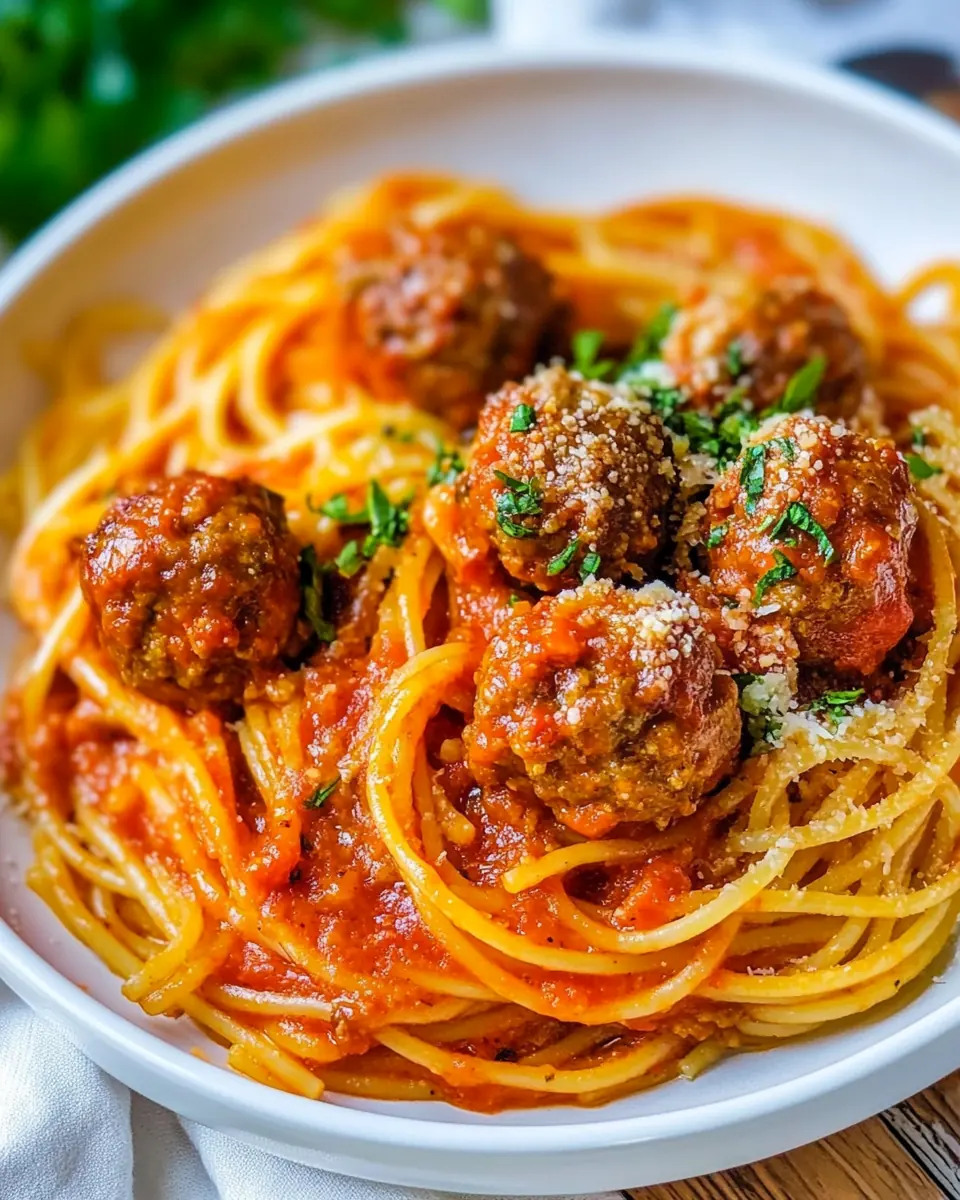
These ingredients are chosen to create a balanced, hearty bowl of pasta. The key players are the lean ground beef for meaty depth, the spaghetti for comforting texture, and the combination of pasta sauce and petite diced tomatoes for bright tomato character. Simple pantry items like Italian bread crumbs and Parmesan cheese bind and flavor the meatballs, while aromatics like onion and garlic add savory complexity.
- 2 tbsp olive oil: Sauté gently in the Instant Pot to build a glossy base and infuse oil with flavor; olive oil helps prevent sticking and aids in browning aromatics for depth in the sauce. Use moderate heat to avoid burning and retain smooth texture that melds with tomatoes and spices. Contributes healthy fats that carry and amplify other flavors throughout the dish.
- 2 c low-sodium beef broth: Provide a savory cooking liquid that deglazes the pot and supplies moisture for the pasta to absorb while pressure-cooking; low-sodium beef broth adds umami without overpowering saltiness. Helps control final sauce consistency and prevents the spaghetti from clumping. Allows better management of sodium levels compared to regular broth.
- 8 oz spaghetti broken in thirds: Break into thirds so strands fit the pot and release starch evenly during pressure-cooking; spaghetti supplies the primary carbohydrate and structure of the dish. Cooks quickly when immersed in liquid, absorbing sauce flavors for cohesive texture. The broken pieces intermix with meatballs for balanced bites in every serving.
- 24 oz jar pasta sauce: Pour in as the main tomato base to provide body, flavor, and seasoning; pasta sauce brings a seasoned, smooth consistency that forms the backbone of the final sauce. Combines with diced tomatoes and broth to create a layered tomato profile. Reduces the need for additional herbs while contributing richness and color.
- 14.5 oz can petite diced tomatoes: Add for bright tomato chunks and acidity that contrast the smooth sauce; petite diced tomatoes introduce texture and fresh tomato flavor. Their juices blend with broth and sauce to enrich overall taste and mouthfeel. Provide pockets of tomato bits that complement the meatballs and pasta.
- 1 1/2 lb lean ground beef: Combine into a seasoned mixture for forming meatballs that supply protein and savory richness; lean ground beef keeps meatballs lower in fat while retaining meaty texture. Binds with breadcrumbs, cheese, and aromatics to hold shape during cooking. Releases savory juices into the sauce, enhancing umami and depth.
- 3/4 c Italian bread crumbs: Bind within the meatball mixture to absorb moisture and provide structure; Italian bread crumbs contribute seasoning and help prevent dense, tough meatballs. Soak up juices to keep meatballs tender and evenly textured. Also distributes Italian herb flavors throughout the mixture.
- 1/2 c finely minced onion: Meld with meat and breadcrumbs to add subtle sweetness and moisture; finely minced onion enhances savory depth and aromatic complexity in both meatballs and sauce. Soften during cooking to become translucent and integrate flavor without noticeable chunks. Helps balance acidity from tomatoes and seasoning.
- 1/4 c finely grated Parmesan cheese: Incorporate into the meat mixture to add salty, nutty umami and assist with binding; finely grated Parmesan cheese enriches flavor and gives a savory finish. Melts into the warm meatballs, contributing to a cohesive texture and nuanced cheese undertone. Also helps season the overall dish subtly.
- 1 tsp minced garlic: Sauté briefly or mix into meatballs to impart pungent, savory aroma and brighten the sauce; minced garlic delivers sharp, aromatic flavor that complements tomatoes and beef. Releases flavor when cooked and melds with olive oil for an even distribution. Enhances overall savory profile and depth.
- 1 tsp salt: Season the meatballs and sauce to elevate and balance flavors without overwhelming them; salt intensifies savory notes and enhances sweetness of tomatoes. Use measured quantity to avoid oversalting, especially with broth and cheese present. Ensures the final dish tastes well-rounded and satisfying.
- 1/4 tsp ground black pepper: Add a subtle sharpness to balance flavors and provide mild heat; ground black pepper adds complexity and a warm finish to both meatballs and sauce. Use sparingly to avoid dominating the palate, allowing other seasonings to shine. Rounds out the seasoning profile with a gentle kick.
How to Prepare Instant Pot Spaghetti and Meatballs
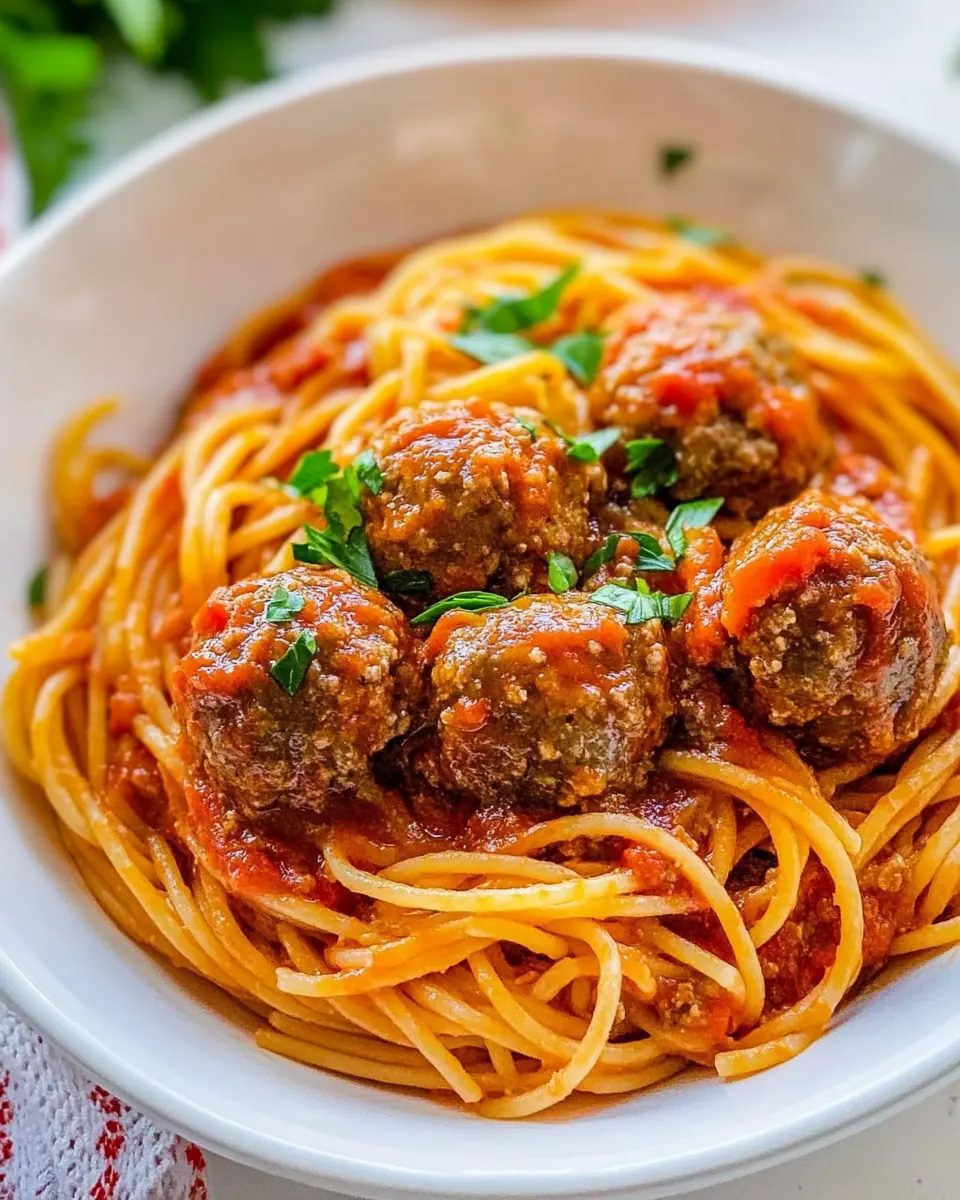
I like to approach the cooking here like staging a small performance. Browning and deglazing are quick, intentional acts that build a foundation before the pressure sealing brings everything together. Follow the sequence and you will be rewarded with balanced texture and flavor.
- In a large bowl combine the ingredients for the meatballs, using your hands or a wooden spoon to combine. Form into about 24 meatballs about 1 – 1 1/2 inches in diameter. Place on a plate until ready to use.: The aroma of raw beef , onion , and Parmesan cheese mingling is upfront and slightly sweet, and when you press the mixture gently it should hold shape without feeling dry. This tactile check is important because it tells you whether the Italian bread crumbs have absorbed enough moisture; overly wet mix will fall apart, overly dry mix will produce dense meatballs. I usually test one small ball by frying it briefly to confirm seasoning and texture before shaping the rest. A common mistake is overmixing, which makes the meatballs tough, so mix just until combined and stop. The visual cue is a cohesive surface that still looks slightly loose before forming into uniform balls, about the size of a ping pong ball.
- Set the Instant Pot to the saute setting. Add olive oil to the pot. When it’s hot place the meatballs in Instant Pot, you may need to work in batches, and cook until all sides are brown, rotating as they cook. Remove meatballs from Instant Pot when they are browned and set aside.: The sizzling sound as the olive oil hits the pot is immediate, and you want a steady sizzle rather than furious spitting. Browning creates deep, caramelized flavors that will dissolve back into the sauce, giving complexity you cannot get without this step. Work in batches to avoid overcrowding, which traps steam and prevents browning; each meatball should show golden brown patches all around before turning. Use tongs to rotate them gently so they keep their shape. A typical error is rushing this step and crowding the pot, leading to pale, steamed meatballs instead of browned ones. The visual cue is a rich mahogany color on multiple sides, and the pot should have browned bits clinging to the bottom, which you will use in the next step.
- Stir in beef broth while IP is still on saute setting, deglazing the bottom of the pot to loosen about bits of meatballs to prevent burn warning.: When you pour in the warm beef broth it should hiss gently and lift those fond bits from the bottom, turning them into a flavorful base for the sauce. Stir with a wooden spoon, scraping the bottom until you see the pot clear of dark stuck-on pieces, because trapped residue can trigger the burn warning during pressure cooking. The aroma becomes richer and slightly roasted as those browned fragments dissolve into the liquid. One pitfall is adding cold liquid and not scraping properly, which can leave stuck bits and risk an error; use warm broth and vigorous scraping. The pot will smell meaty and savory, a clear sign you’ve rescued all the concentrated flavors into the cooking liquid.
- Then place meatballs back in the pot, add spaghetti making sure it’s spread evenly out and not in clumps to prevent them from sticking together. Then pour the pasta sauce and diced tomatoes on top.: Layering is visual and tactile, and spreading the broken spaghetti in a single even layer prevents overlapped clumps that cook unevenly. As you nestle the meatballs back in, you will feel the pot filling but not packed. Pouring the pasta sauce and petite diced tomatoes on top creates a tomato blanket that steams the noodles beneath. The mixture should look evenly distributed with no big dry pockets. A common mistake is stirring the noodles in dry, which can cause them to clump; instead, leave them spread and pour liquids gently so everything cooks uniformly. The sound will be quiet bubbling as liquid settles around the pasta, and the appearance should be saucy and cohesive.
- Put the lid on the pot and set the steam release knob to the sealing position.: As you close the lid you will hear the valve click into place, giving a sense of finality. The sealing position traps steam efficiently so pressure can build, which is essential for even cooking. Make sure the rubber gasket is seated and nothing is obstructing the vent, because a poor seal will prevent pressure buildup and lead to undercooked spaghetti . A mistake I sometimes see is neglecting to check the seal; if you have trouble sealing, open and reseat the lid and gasket. The visual cue here is that the valve remains down, indicating a proper seal until pressure begins to form.
- Press the manual button and adjust to 8 minutes on high pressure.: When the cooker ramps to pressure you will hear a deepening sound as steam accumulates, and the timer will begin its countdown once full pressure is reached. This timing gives the spaghetti enough time to hydrate thoroughly while the meatballs finish cooking through. The why is simple, pressure cooks rapidly penetrate ingredients so textures meld without prolonged simmering. An error to avoid is setting too high a time, which can overcook pasta into mush. The correct cue is a steady, low hum from the pot and the timer counting down after the float valve pops up, signaling pressure is established.
- After the cook time has finished, turn off the pot and do a quick release of steam.: Releasing steam quickly makes the pressure drop fast so you can open the lid and check the dish, and the first burst of steam carries rich tomato fragrance that fills the kitchen. Use a long utensil and keep your hand clear when flipping the steam release to vent, because hot steam will blast upward. This technique stops carryover cooking of the spaghetti , helping it retain a better texture instead of becoming overly soft. A common slip is attempting to open the lid before the float valve drops; always ensure the pressure is fully released and the valve has returned down. When you lift the lid, the sauce will steam and you will see plump noodles and glossy meatballs nestled in sauce.
- Serve immediately.: The final sensory reward is the warm plate, the steam that curls off the sauced spaghetti , and the first bite combining tender meatball interior with tangy sauce. Serve right away so the texture stays ideal, and if you like a finishing sprinkle of Parmesan cheese add it table side for freshness. A common mistake is letting the pot sit closed too long, which can make noodles overly soft from residual heat; plating promptly preserves the intended mouthfeel. The visual sign of readiness is glossy sauce clinging to each strand and meatballs with moist, slightly springy centers.
Variations to Try
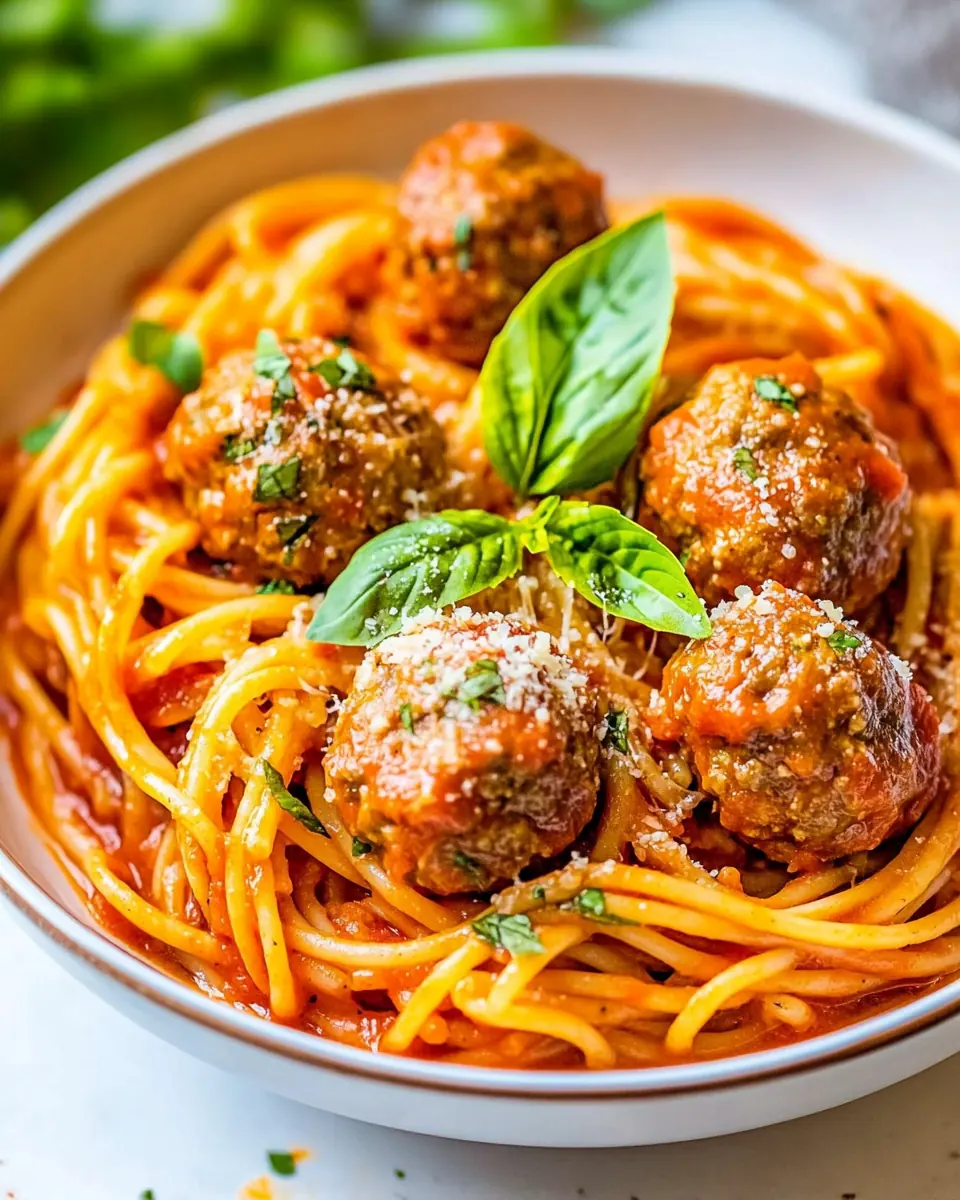
There are several easy ways to adapt this recipe to your pantry and schedule. Below are practical variations and swaps that preserve the core method while offering different textures and conveniences.
- Swap with frozen meatballs You can substitute a 32 oz bag of frozen meatballs in place of the homemade mixture. Layer the frozen meatballs as directed, then add the spaghetti, pasta sauce, and petite diced tomatoes and cook the same; this saves time on busy nights and still yields satisfying results.
- Adjust meatball size Making slightly larger or smaller meatballs changes cook time sensitivity. Smaller meatballs absorb heat faster and feel lighter, while larger ones give a firmer bite. Keep sizes consistent so they cook evenly.
- Control sodium Use low sodium beef broth as listed so you can season at the end with salt to taste. This helps avoid an overly salty final dish, particularly if your jarred pasta sauce contains added salt.
- Serve timing If you need to hold the dish briefly before eating, remove the lid and let steam escape for a few minutes to arrest overcooking. Rewarm gently using the pot’s keep warm or on low heat when ready to serve.
- Texture tweak If you prefer a chunkier sauce, choose a chunky jarred pasta sauce or stir in extra petite diced tomatoes after cooking. For a smoother sauce, blend part of the cooked mixture briefly and then stir back in.
Accompaniments for Instant Pot Spaghetti and Meatballs
This recipe pairs well with simple sides and versatile serving suggestions. Below are ideas for plating, occasions, and storage that match the homey nature of this dish.
- Classic green salad A crisp mixed green salad with a light vinaigrette balances the richness of the meatballs and sauce, adding freshness and textural contrast for dinner.
- Toasted bread Warm slices of crusty bread are perfect for sopping up sauce. Offering bread alongside the pasta makes the meal feel abundant and is ideal for casual family dinners.
- Family style serving Serve the Instant Pot Spaghetti and Meatballs family style from the pot or on a large platter so everyone can choose portion sizes, making it welcoming for gatherings and weeknight meals alike.
- Occasion suggestions This dish is excellent for easy weeknight dinners, cozy weekend suppers, and casual get togethers where hands free time matters. It’s also a comforting option for cooler months, though it works all year.
- Storage tips Store leftovers in an airtight container in the refrigerator for up to three days. Reheat gently on low with a splash of water or broth to revive the sauce and avoid drying the spaghetti.
- Make ahead You can prepare the meatball mixture and form balls a day ahead, storing them covered in the refrigerator to save time when you want to assemble and cook.
FAQ
Conclusion
What makes this Instant Pot Spaghetti and Meatballs special is how it captures deep, homey flavor with minimal hands on time, delivering tender meatballs and saucy pasta in one comforting pot. It’s a practical, family friendly dish that still feels thoughtfully prepared, and the layering technique ensures even cooking and great texture. Give it a try on a busy weeknight or when friends drop by, and enjoy a satisfying meal that keeps cleanup light and smiles abundant.
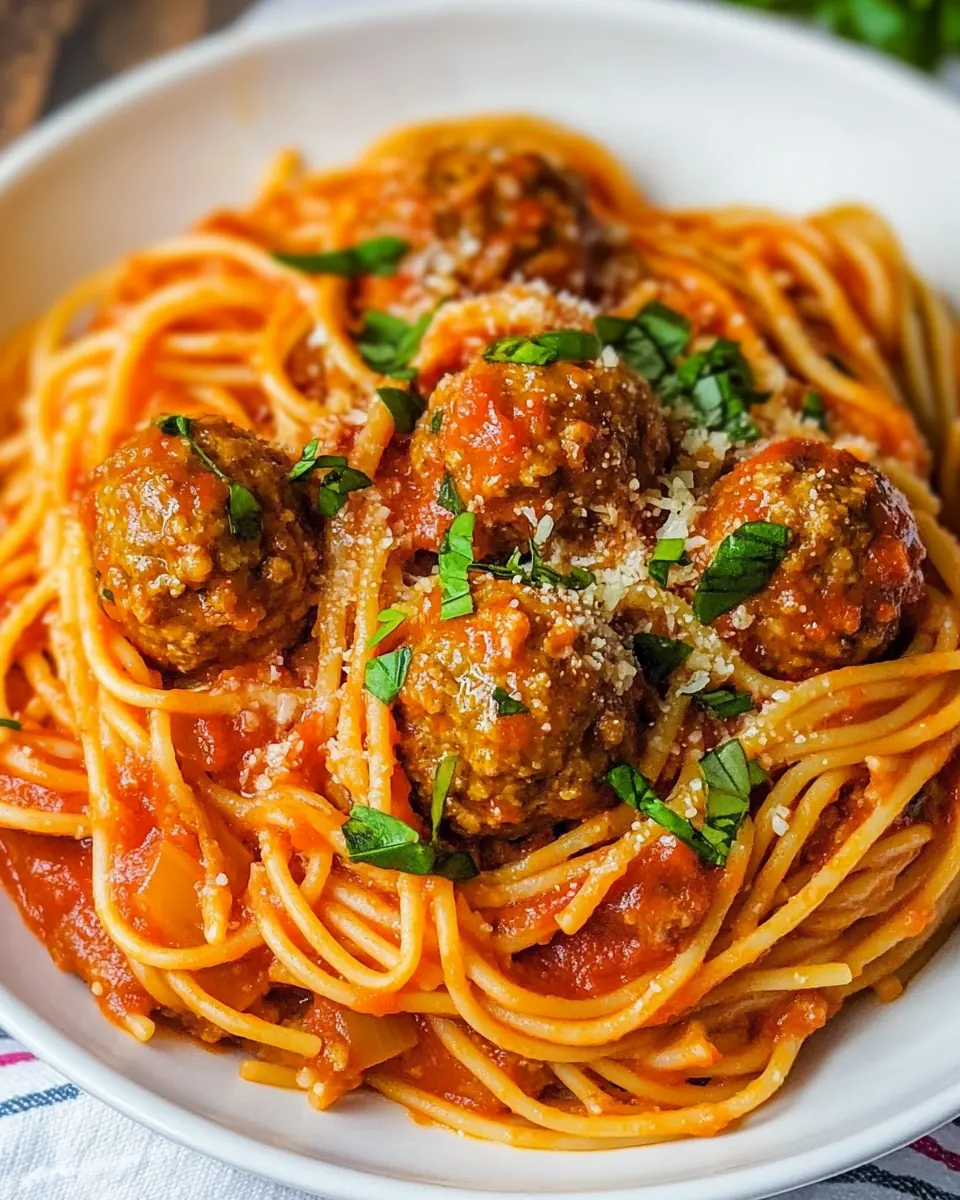
Instant Pot Spaghetti and Meatballs
Ingredients
Equipment
Method
- In a large bowl combine the ingredients for the meatballs, using your hands or a wooden spoon to combine. Form into about 24 meatballs about 1 – 1 1/2 inches in diameter. Place on a plate until ready to use.: The aroma of raw beef , onion , and Parmesan cheese mingling is upfront and slightly sweet, and when you press the mixture gently it should hold shape without feeling dry. This tactile check is important because it tells you whether the Italian bread crumbs have absorbed enough moisture; overly wet mix will fall apart, overly dry mix will produce dense meatballs. I usually test one small ball by frying it briefly to confirm seasoning and texture before shaping the rest. A common mistake is overmixing, which makes the meatballs tough, so mix just until combined and stop. The visual cue is a cohesive surface that still looks slightly loose before forming into uniform balls, about the size of a ping pong ball.
- Set the Instant Pot to the saute setting. Add olive oil to the pot. When it’s hot place the meatballs in Instant Pot, you may need to work in batches, and cook until all sides are brown, rotating as they cook. Remove meatballs from Instant Pot when they are browned and set aside.: The sizzling sound as the olive oil hits the pot is immediate, and you want a steady sizzle rather than furious spitting. Browning creates deep, caramelized flavors that will dissolve back into the sauce, giving complexity you cannot get without this step. Work in batches to avoid overcrowding, which traps steam and prevents browning; each meatball should show golden brown patches all around before turning. Use tongs to rotate them gently so they keep their shape. A typical error is rushing this step and crowding the pot, leading to pale, steamed meatballs instead of browned ones. The visual cue is a rich mahogany color on multiple sides, and the pot should have browned bits clinging to the bottom, which you will use in the next step.
- Stir in beef broth while IP is still on saute setting, deglazing the bottom of the pot to loosen about bits of meatballs to prevent burn warning.: When you pour in the warm beef broth it should hiss gently and lift those fond bits from the bottom, turning them into a flavorful base for the sauce. Stir with a wooden spoon, scraping the bottom until you see the pot clear of dark stuck-on pieces, because trapped residue can trigger the burn warning during pressure cooking. The aroma becomes richer and slightly roasted as those browned fragments dissolve into the liquid. One pitfall is adding cold liquid and not scraping properly, which can leave stuck bits and risk an error; use warm broth and vigorous scraping. The pot will smell meaty and savory, a clear sign you’ve rescued all the concentrated flavors into the cooking liquid.
- Then place meatballs back in the pot, add spaghetti making sure it’s spread evenly out and not in clumps to prevent them from sticking together. Then pour the pasta sauce and diced tomatoes on top.: Layering is visual and tactile, and spreading the broken spaghetti in a single even layer prevents overlapped clumps that cook unevenly. As you nestle the meatballs back in, you will feel the pot filling but not packed. Pouring the pasta sauce and petite diced tomatoes on top creates a tomato blanket that steams the noodles beneath. The mixture should look evenly distributed with no big dry pockets. A common mistake is stirring the noodles in dry, which can cause them to clump; instead, leave them spread and pour liquids gently so everything cooks uniformly. The sound will be quiet bubbling as liquid settles around the pasta, and the appearance should be saucy and cohesive.
- Put the lid on the pot and set the steam release knob to the sealing position.: As you close the lid you will hear the valve click into place, giving a sense of finality. The sealing position traps steam efficiently so pressure can build, which is essential for even cooking. Make sure the rubber gasket is seated and nothing is obstructing the vent, because a poor seal will prevent pressure buildup and lead to undercooked spaghetti . A mistake I sometimes see is neglecting to check the seal; if you have trouble sealing, open and reseat the lid and gasket. The visual cue here is that the valve remains down, indicating a proper seal until pressure begins to form.
- Press the manual button and adjust to 8 minutes on high pressure.: When the cooker ramps to pressure you will hear a deepening sound as steam accumulates, and the timer will begin its countdown once full pressure is reached. This timing gives the spaghetti enough time to hydrate thoroughly while the meatballs finish cooking through. The why is simple, pressure cooks rapidly penetrate ingredients so textures meld without prolonged simmering. An error to avoid is setting too high a time, which can overcook pasta into mush. The correct cue is a steady, low hum from the pot and the timer counting down after the float valve pops up, signaling pressure is established.
- After the cook time has finished, turn off the pot and do a quick release of steam.: Releasing steam quickly makes the pressure drop fast so you can open the lid and check the dish, and the first burst of steam carries rich tomato fragrance that fills the kitchen. Use a long utensil and keep your hand clear when flipping the steam release to vent, because hot steam will blast upward. This technique stops carryover cooking of the spaghetti , helping it retain a better texture instead of becoming overly soft. A common slip is attempting to open the lid before the float valve drops; always ensure the pressure is fully released and the valve has returned down. When you lift the lid, the sauce will steam and you will see plump noodles and glossy meatballs nestled in sauce.
- Serve immediately.: The final sensory reward is the warm plate, the steam that curls off the sauced spaghetti , and the first bite combining tender meatball interior with tangy sauce. Serve right away so the texture stays ideal, and if you like a finishing sprinkle of Parmesan cheese add it table side for freshness. A common mistake is letting the pot sit closed too long, which can make noodles overly soft from residual heat; plating promptly preserves the intended mouthfeel. The visual sign of readiness is glossy sauce clinging to each strand and meatballs with moist, slightly springy centers.
Notes
- Swap with frozen meatballs You can substitute a 32 oz bag of frozen meatballs in place of the homemade mixture. Layer the frozen meatballs as directed, then add the spaghetti, pasta sauce, and petite diced tomatoes and cook the same; this saves time on busy nights and still yields satisfying results.
- Adjust meatball size Making slightly larger or smaller meatballs changes cook time sensitivity. Smaller meatballs absorb heat faster and feel lighter, while larger ones give a firmer bite. Keep sizes consistent so they cook evenly.
- Control sodium Use low sodium beef broth as listed so you can season at the end with salt to taste. This helps avoid an overly salty final dish, particularly if your jarred pasta sauce contains added salt.
- Serve timing If you need to hold the dish briefly before eating, remove the lid and let steam escape for a few minutes to arrest overcooking. Rewarm gently using the pot’s keep warm or on low heat when ready to serve.
- Texture tweak If you prefer a chunkier sauce, choose a chunky jarred pasta sauce or stir in extra petite diced tomatoes after cooking. For a smoother sauce, blend part of the cooked mixture briefly and then stir back in.