Vanilla Cornmeal Crumb Cake with Candied Cherry Tomatoes
Vanilla Cornmeal Crumb Cake with Candied Cherry Tomatoes started as a stubborn idea during a sun soaked afternoon when my garden tomatoes outpaced my imagination. The first time I paired cornmeal crumb cake with sweet roasted cherry tomatoes I remember being oddly delighted by how the bright, jammy tomatoes cut through the cake’s buttery grainy crumb. I had half a springform pan on the counter and thought, why not push this into the realm of breakfast turning into dessert, and so I did.
That first slice was a moment of quiet rebellion, a forkful of all purpose flour and cornmeal flecked with browned crumbs, served with a spoonful of candied cherry tomatoes. The texture contrast hooked me immediately the tender cake crumb, the crunchy crumb topping, and the sticky sweet tomatoes made each bite feel like a small celebration. I started bringing it to brunches, and people would ask where the tomatoes came from as if they were a secret ingredient I’d been hiding.
I keep coming back to this recipe when I want something a little surprising on the table, something that reads cozy but also adventurous. The balance is why I love it: a simple cake base infused with two kinds of vanilla, a buttery crumb that toasts gently in the oven, and tomatoes that transform into a glossy, candy like topping. If you like desserts that flirt with savory accents you’ll find this one irresistible. Over time I’ve tuned the sugar and the roast time for the tomatoes to hit that perfect syrupy state, so it is reliably impressive without being fussy.
Recipe Snapshot
1 hr 10 mins
30 mins
40 mins
Medium
300 kcal
American
Gluten-Free, Low FODMAP
Desserts
9 inch springform pan, Mixing bowls, Whisk, Wooden spoon, Baking sheet, Parchment paper
The Magic of This Vanilla Cornmeal Crumb Cake with Candied Cherry Tomatoes
Flavor harmony you did not know you needed
I love how Vanilla Cornmeal Crumb Cake with Candied Cherry Tomatoes brings together sweet, nutty, and bright notes. The cake’s cornmeal lends a faintly toasty, almost nutty backbone that carries the sugar and two kinds of vanilla without getting lost. The tomatoes when candied become syrupy and concentrate their acidity, giving a lively contrast that keeps each bite from becoming cloying.
Texture play that keeps forks returning
There are three distinct textures at work, and I adore that. The cake crumb is tender and slightly coarse from the cornmeal, the crumb topping crisps up into golden pockets of butter and sugar, and the roasted tomatoes become sticky and jewel like. Those differences make it feel like a composed dessert even though it is simple to assemble.
Approachable but impressive
I bring this to gatherings because it looks like effort but behaves like a home baker’s reliable friend. You do not need advanced tools, and yet guests often assume it is from a bakery. The candied tomatoes are the sort of flourish that feels gourmet, but they are just sugar and heat doing their slow alchemy.
Flexible for different occasions
I’ve served this at lazy weekend brunches, summer potlucks, and calm weekday dinners when I want dessert without fuss. It fits a range of plates and can be dressed up with a dollop of whipped cream or enjoyed plain. You can scale the recipe, and the elements keep well for short term advance prep.
Simple techniques that teach confidence
Everything here is a small lesson in baking and roasting. Whisking dry ingredients teaches you how to aerate a batter, gently folding in melted butter shows how fat affects crumb, and slow roasting the tomatoes demonstrates caramelization with minimal babysitting. Each step builds your instincts for texture and timing.
What to Gather for Vanilla Cornmeal Crumb Cake with Candied Cherry Tomatoes
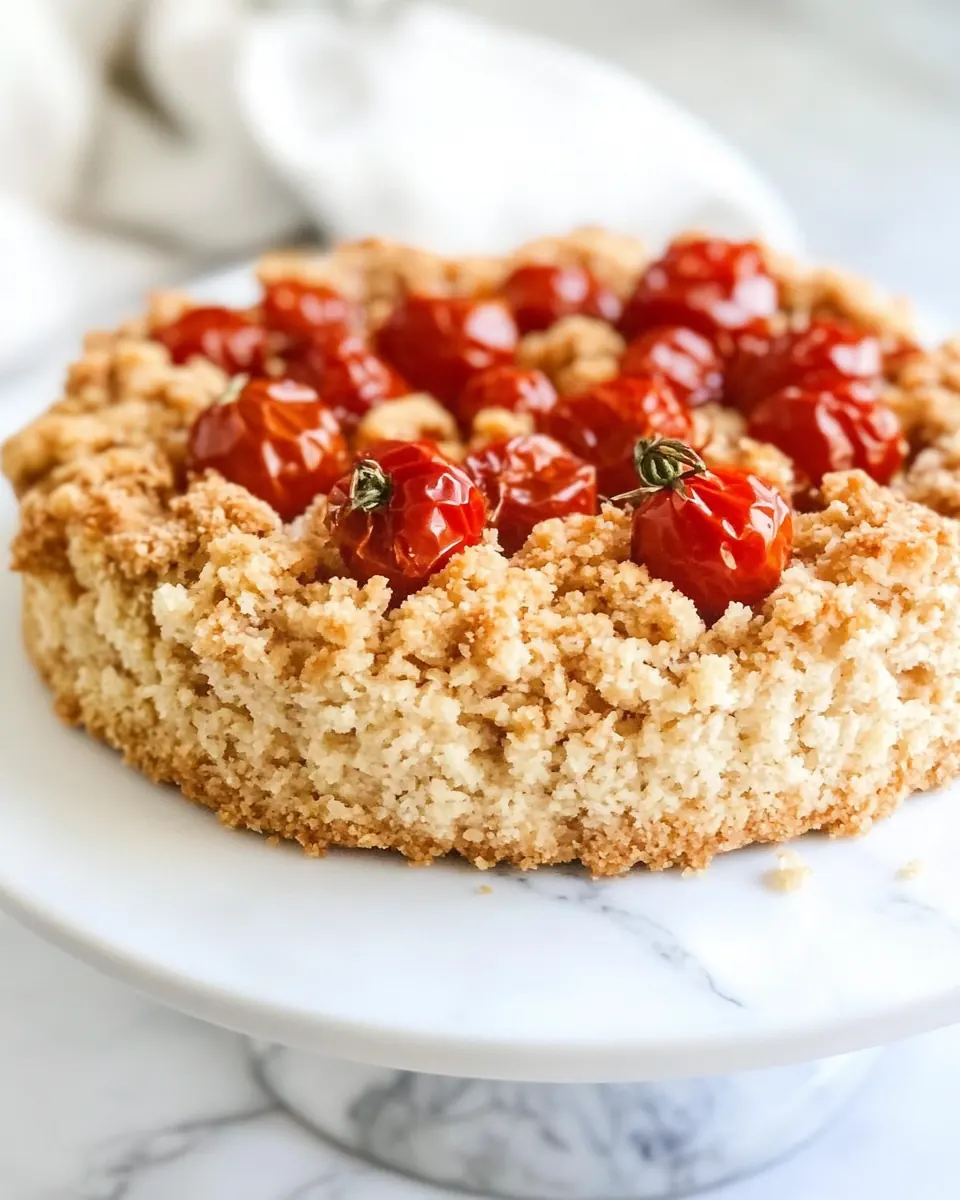
I choose ingredients that are straightforward but intentional. The combination of all purpose flour and cornmeal creates a tender, slightly gritty crumb that stands up to the buttery topping. Two forms of vanilla layer aroma while the roasted cherry tomatoes add a glossy, sweet acid finish. The following list contains every element you’ll need, each one pulling its weight to produce contrast in texture and flavor.
- 1 1/2 cups all-purpose flour: Provide structure and gluten development to the cake batter, helping the crumb set while producing a tender interior when combined with fats and liquids. Use measured sifted flour to avoid dense spots and ensure even mixing for best texture. Balance with leavening so cake rises evenly.
- 1 cup finely ground cornmeal: Add a slightly gritty, corn-forward texture and mildly sweet, nutty flavor that contrasts with the soft cake crumb. Combine with the flour to create a pleasant crumb and provide body that holds moisture. Use finely ground cornmeal to avoid graininess in the cake.
- 3/4 cups sugar: Sweeten the cake batter and assist with browning for a lightly caramelized crust while balancing acidity from other components. Cream or mix into the batter until dissolved to ensure even sweetness. Adjust slightly if other sweeteners are present to maintain overall balance.
- 3 teaspoons baking powder: Leaven the batter by releasing carbon dioxide when combined with wet ingredients, producing a light, airy crumb and lift during baking. Distribute evenly through the dry ingredients to prevent uneven rising or metallic tastes. Use fresh baking powder for optimal rising power.
- 1/4 teaspoons salt: Enhance overall flavor by balancing sweetness and intensifying other flavors while slightly strengthening gluten structure in the presence of liquid. Dissolve thoroughly into the dry mix to ensure even salt distribution. Keep quantity small to avoid over-salting the delicate cake.
- 1 1/4 cups milk: Provide moisture and help dissolve dry ingredients while contributing to the cake's tenderness and crumb; dairy also enriches flavor and encourages a finer crumb. Warm or room-temperature milk blends more evenly into batter for consistent texture. Adjust slightly for batter thickness as needed.
- 2 large eggs: Incorporate air when beaten and provide structure through coagulation during baking, contributing to rise and stability. Bring eggs to room temperature for better emulsification and more even batter. Beat properly with sugars to improve texture and volume.
- 1 tablespoon vanilla bean paste: Impart concentrated vanilla flavor with specks of bean for a rich, aromatic profile that complements cornmeal and enhances overall taste. Add with other flavorings so the aroma disperses evenly through the batter. Use high-quality paste for pronounced vanilla notes.
- 1 teaspoon vanilla extract: Contribute a clean, familiar vanilla aroma and deepen flavor complexity when used alongside vanilla bean paste for layered vanilla character. Mix with wet ingredients for uniform distribution. Small quantity prevents cloying sweetness while boosting fragrance.
- 1/2 cup unsalted butter, melted and slightly cooled: Provide fat for tenderness and moistness while contributing to richness and flavor; melted butter also helps bind dry ingredients and encourages a tender crumb. Cool slightly to avoid cooking eggs when combined. Incorporate thoroughly for consistent crumb and flavor.
- whipped cream for serving: Offer a light, airy accompaniment with creamy richness and mild sweetness that balances the cake's texture and brightens each bite. Dollop or pipe softly just before serving to maintain texture and appearance. Whipped cream also provides a neutral canvas for candied tomatoes.
- 1/3 cup brown sugar: Create a caramelized, molasses-like sweetness for the candied tomatoes, adding depth and a sticky glaze when cooked down with tomatoes. Combine with spices and butter to form a glossy coating that contrasts with the cake. Use quality brown sugar for best flavor.
- 1/3 cup sugar: Add rapid sweetness and help form a syrupy glaze with tomatoes that heightens their natural sugars and balances acidity. Dissolve with other sugars to ensure even caramelization. Use measured white sugar for predictable sweetness and texture.
- 1/4 teaspoon cinnamon: Bring warm, aromatic spice notes that complement the tomatoes' sweetness and provide a gentle, comforting background flavor. Sprinkle evenly into the candied tomato mixture to avoid clumping and to ensure consistent spice distribution. Adjust to taste for mild cinnamon presence.
- 1/4 teaspoons salt: Enhance flavor balance by subtly strengthening sweetness and moderating the tomatoes' acidity, used sparingly in the candying process. Mix thoroughly with other dry components to ensure even seasoning. Small quantities prevent oversalting the delicate glaze.
- 1/2 cup unsalted butter, melted: Contribute richness and help create a glossy, silky caramel coating for the candied tomatoes while adding buttery flavor. Melted butter aids in dissolving sugars and carrying spices, producing a cohesive glaze. Cool slightly before combining with hot sugar to control texture.
- 1 1/2 cups all-purpose flour: Provide additional bulk and structure for the crumb topping or streusel component, lending a tender, slightly crunchy contrast to the cake when mixed with butter and sugar. Use measured flour to achieve a cohesive streusel that bakes to golden consistency. Combine with cornmeal and sugars if specified.
- 2 pints cherry tomatoes, quartered: Offer bright, juicy acidity and natural sweetness that become concentrated and glossy when candied, delivering a surprising fresh element to each cake slice. Quarter for even cooking and efficient syrup absorption. Select ripe, firm cherry tomatoes for best texture retention.
- 6 tablespoons sugar: Supply extra sweetness to the tomato candying syrup that ensures glossy caramelization and balances tomato acidity while thickening the glaze. Dissolve with the other sugars and heat gently to avoid burning. Measure precisely to attain desired syrup consistency.
Instructions for Vanilla Cornmeal Crumb Cake with Candied Cherry Tomatoes
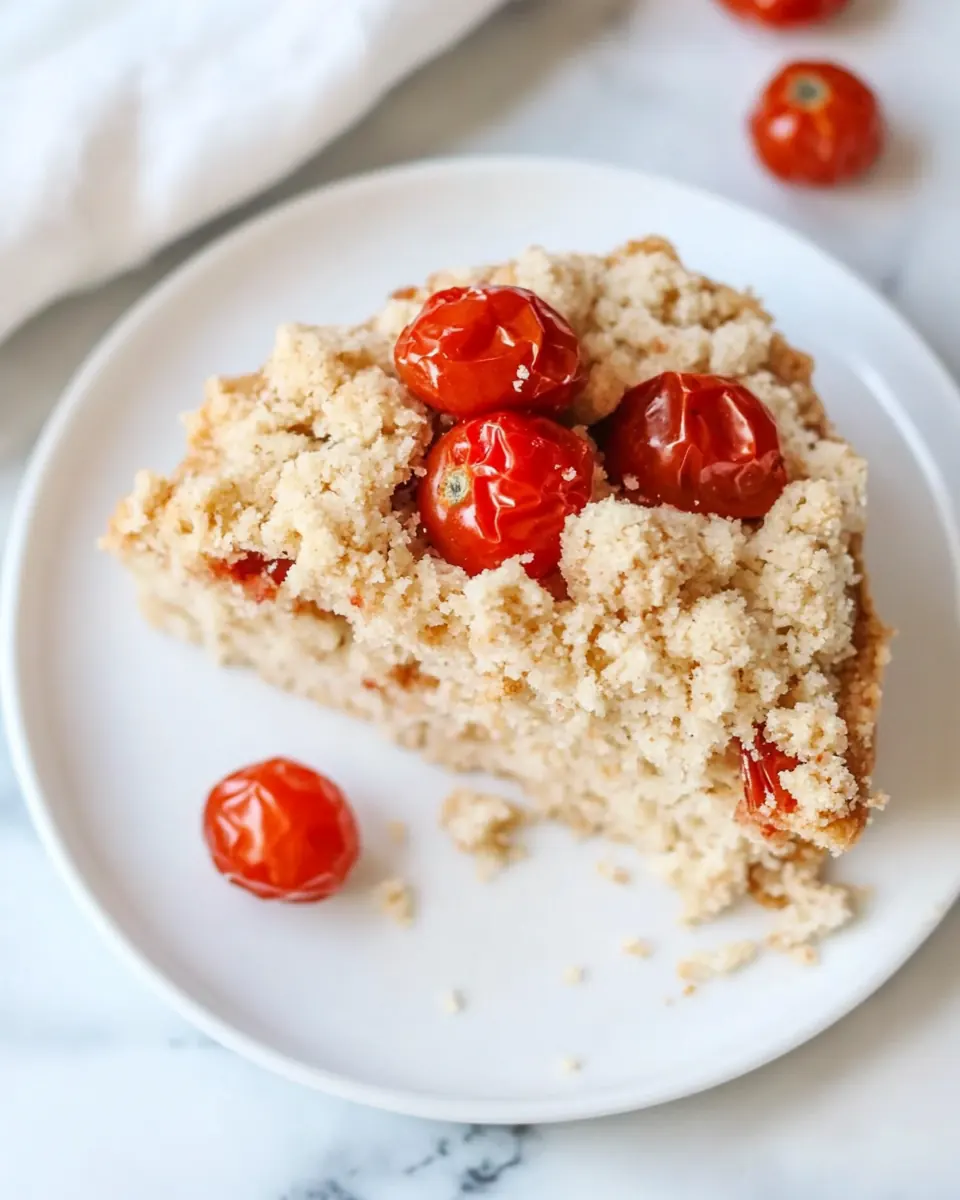
I like to walk through this recipe with a calm, steady rhythm, tackling the cake batter first and finishing the tomatoes while the cake bakes. The steps below follow the original directions but I expand on sensory cues, technique, and pitfalls so you can master each stage with confidence.
- Preheat the oven to 350 degrees F. In a large bowl whisk together the flour, cornmeal, sugar, baking powder and salt.: As the oven heats you will notice a faint warm scent of electronics and insulation settling into the kitchen air, which signals that your baking environment is consistent. Ensuring the oven reaches the correct temperature before the batter goes in gives the cake its initial oven spring, creating a light crumb instead of a dense loaf. A common mistake is starting with a cold oven which causes uneven rise and a gummy center. If your oven runs hot or cool, use an oven thermometer to confirm accuracy.
- In a smaller bowl, whisk together the milk, eggs, vanilla paste and extract. Add the wet ingredients to the dry and stir until just combined, then stir in the melted butter until combined. Spray a 9-inch springform pan with nonstick spray and pour the batter in the pan.: Right away you will see the mixture take on a uniform, pale tone with little specks from the cornmeal . Whisking aerates these dry ingredients, distributing the leavening so the cake rises evenly and preventing pockets of baking powder which can leave bitter spots. If you skip proper whisking, the rise may be uneven and the texture inconsistent, so take time to incorporate until the mixture looks homogeneous.
- To make the crumb topping, whisk together the sugar, cinnamon, salt and melted butter until combined. Whisk for a good minute or two until the sugar begins to dissolve, then use a wooden spoon to stir in the flour. The mixture will be crumb-like and dry. Almost like a sludge or paste. This is what you want! Sprinkle the crumb on top of the cake.: The wet mixture should become glossy and slightly thicker, with the vanilla flecks visible in the liquid. This combination infuses aroma and binds the batter, and whisking ensures the eggs break up and blend fully, which contributes to an even crumb. A common pitfall is under whisking, which can leave streaks of egg white that affect texture, so whisk until smooth and uniform.
- Bake the cake for 40 to 45 minutes or until a toothpick inserted in the center comes out clean. Allow the cake to cool before serving, then serve with the candied tomatoes and whipped cream.: At this stage, after the wet hits the dry, the batter will look slightly lumpy and moist, not glossy. Gently folding prevents developing excess gluten, which would make the cake tough, and the final addition of slightly cooled melted butter adds shine and richness. Overmixing is the most frequent error here, so stop when the streaks of flour disappear and the batter looks cohesive.
- Preheat the oven to 325 degrees F.: Pouring the batter evenly into the prepared pan gives consistent thickness and even baking. You should see the batter settle into a smooth top; if it pools in one area the cake will bake unevenly. A simple trick is to tap the pan gently on the counter to release any large air pockets. Avoid overfilling, as the cake needs room to rise without spilling over.
- Cover a baking sheet with a piece of parchment paper and place the quartered tomatoes on top. Sprinkle the sugar on the tomatoes 1 tablespoon at a time, making sure to coat each tomato (and using more if necessary!). After coating I like to push them around a bit so they are almost sitting in a bed of sugar. Roast the tomatoes for 25 to 30 minutes (I do this while making the cake) then remove the pan and allow them to cool completely.: This mixture will become glossy and slightly thick as the sugar begins to dissolve into the warm butter. The aroma of brown sugar and cinnamon will intensify, signaling that the topping is ready. If the sugar does not begin to dissolve, the crumb may be grainy and fail to clump; whisk for a minute or two until it integrates slightly.
- Whisk for a good minute or two until the sugar begins to dissolve, then use a wooden spoon to stir in the flour: As you work the flour into the buttery sugar, the mixture will transform into a crumb like, slightly dry paste with loose clusters. That texture is desirable because it bakes into crunchy pockets while leaving tender crumbs beneath. A common mistake is adding too much liquid at this stage, which results in a paste that will not crisp properly; keep the consistency crumbly.
- The mixture will be crumb like and dry: You want the topping to hold light clumps rather than forming a batter, because the dry clusters will brown and crisp in the oven creating the signature crumb texture. Pressing the mixture will allow you to test it, but avoid compacting the crumb into a single sheet, as that reduces the contrast between cake and topping. If the crumb seems too loose, a brief chill helps it clump slightly before topping the cake.
- Almost like a sludge or paste: Despite this odd description, you should aim for small clumps that are moist enough to hold together when pinched, yet still fragile. The smell will be buttery with warm sugar notes, and visually you'll see light specks of cinnamon dispersed throughout. If the topping looks oily and flat, you likely added too much melted butter ; fold in a little more flour to restore structure.
- This is what you want: The right crumb will bake into golden pockets that offer crunch and caramelization. Trust this texture because it delivers the contrast that elevates the cake. A troubleshooting pointer is to reserve some crumb aside to scatter mid bake if you want extra crispness, but generally the prepared amount is balanced for texture and flavor.
- Sprinkle the crumb on top of the cake: As you scatter the crumb, think of creating an even, rustic blanket rather than a smooth sheet, letting some pockets show through. The crumb will sink slightly during baking and then crisp at the edges, giving a collage of textures. A common error is packing the crumb down which prevents it from crisping; instead, lightly distribute for maximum contrast.
- Bake the cake for 40 to 45 minutes or until a toothpick inserted in the center comes out clean: During baking you'll notice the top turn golden, the edges pulling away slightly from the pan, and a warm, sweet aroma filling the kitchen. A clean toothpick indicates set crumb; if wet batter clings you need additional time. Overbaking will dry the cake, so check at the lower end of the window and trust visual cues like even browning and a gentle spring when touched.
- Allow the cake to cool before serving, then serve with the candied tomatoes and whipped cream: Cooling lets the crumb set and prevents the topping from sliding off when sliced. The cake will still be slightly warm which pairs beautifully with chilled whipped cream and the sticky tomatoes. A frequent misstep is slicing too soon, which leads to a collapsed crumb and messy presentation, so wait until the cake is mostly cooled.
- Preheat the oven to 325 degrees F: Lowering the oven for the tomatoes ensures they slow roast and concentrate sugars without shriveling too quickly. The lower heat lets them release juices and caramelize gently, creating glossy, jam like pieces. If you roast at higher temperatures the tomatoes can split and burn rather than candy.
- Cover a baking sheet with a piece of parchment paper and place the quartered tomatoes on top: Arranging the quartered cherry tomatoes cut side up helps them hold a small pool of sugar and juice as they roast, and the parchment prevents sticking while making cleanup easy. Spread them evenly so air circulates and they roast uniformly. Crowding the pan will steam the tomatoes instead of caramelizing them.
- Sprinkle the sugar on the tomatoes 1 tablespoon at a time, making sure to coat each tomato: Adding the sugar gradually allows you to control coverage so each tomato is lightly coated and not buried. The sugar draws moisture out as it melts, creating a syrupy coating that glazes the tomatoes during roasting. Too much sugar at once can cause clumps that burn, so distribute carefully and press lightly if needed to ensure contact.
- After coating I like to push them around a bit so they are almost sitting in a bed of sugar: This technique ensures even contact between sugar and tomato surfaces, helping the tomatoes roast into little sugar pools that become intensely flavored. The gentle movement also helps small tomatoes nestle so their juices mingle, amplifying the final syrup. Avoid overhandling, which can bruise the tomatoes and make them release too much liquid.
- Roast the tomatoes for 25 to 30 minutes then remove the pan and allow them to cool completely: You will see the tomatoes collapse slightly and develop edges of deepened color, and the kitchen will smell like concentrated tomato jam with caramel notes. Cooling is essential because the syrup firms up and the tomatoes finish attaining a candy like texture. A common error is serving them while still hot which makes them too runny on the plate; cool fully for the best presentation and texture.
Pro Tips and Tweaks
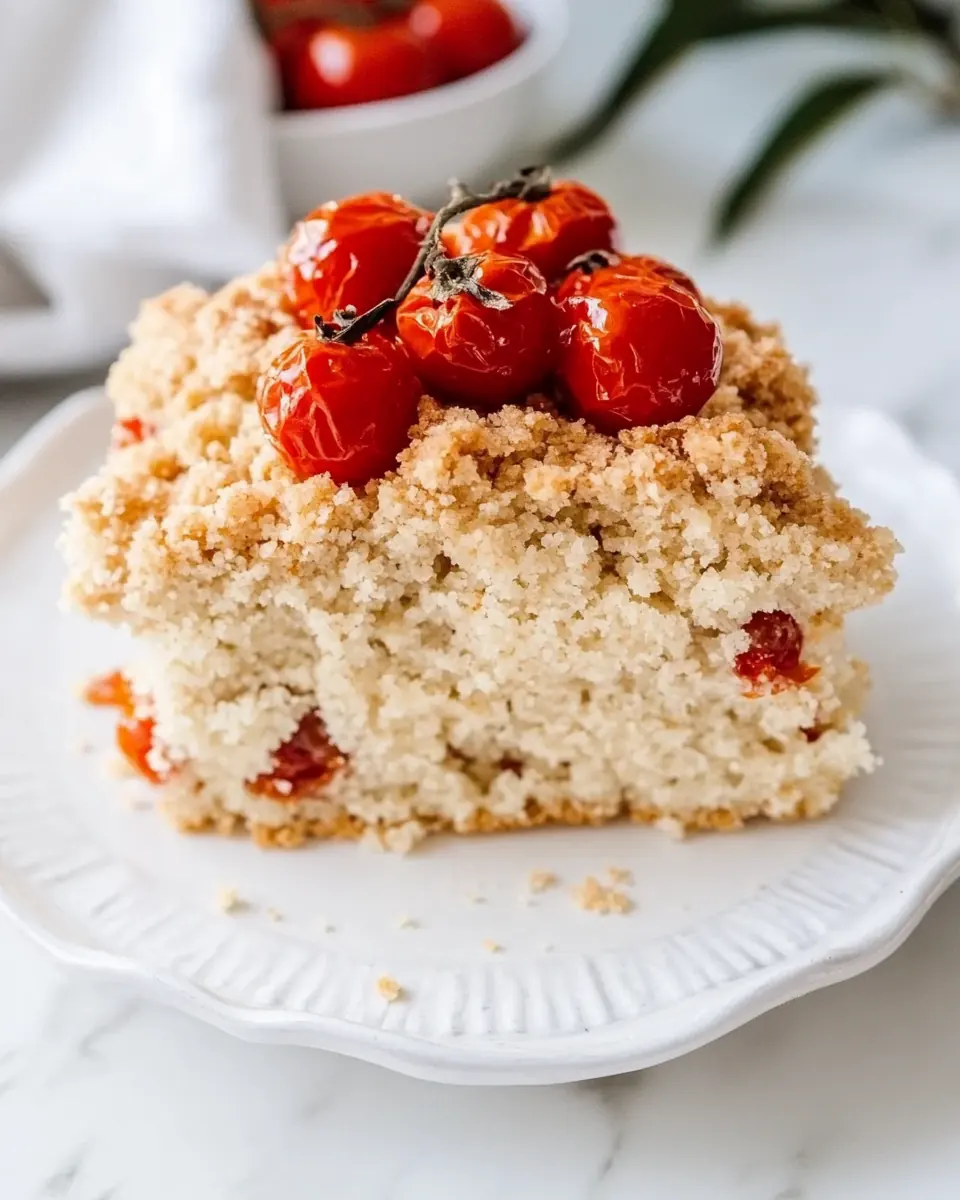
This section dives into practical adjustments I use regularly when making Vanilla Cornmeal Crumb Cake with Candied Cherry Tomatoes. The tips below expand on timing, texture control, and presentation to help you personalize the recipe without losing its core character.
- Measure flour correctly by fluffing and spooning into the cup, then leveling, to avoid a dense cake.
- Let melted butter cool slightly before adding to the batter so it does not cook the eggs and alter texture.
- Reserve some crumb to add midway through baking if you prefer extra crunchy pockets on top.
- Use an oven thermometer to ensure accurate temperature for both cake rise and tomato candying.
- Quarter tomatoes uniformly so they roast at the same rate, preventing some from burning while others remain underdone.
- Serve at room temperature with a dollop of whipped cream to balance warm cake and cool cream for pleasing contrast.
Accompaniments for Vanilla Cornmeal Crumb Cake with Candied Cherry Tomatoes
This cake pairs with simple, fresh elements that complement its unique mix of sweet and bright flavors. The ideas below cover serving styles, occasions, and storage guidance to help you present it beautifully and keep leftovers lively.
- Brunch centerpiece, serve slices with a bowl of extra candied tomatoes and whipped cream for guests to customize.
- Afternoon tea, pair thin slices with a light herbal tea or coffee to highlight the cake’s vanilla and cornmeal notes.
- Summer potluck, transport the cake in the springform pan and bring the tomatoes in a separate container to add just before serving to prevent sogginess.
- Store properly, keep leftover cake covered at room temperature for up to two days or refrigerate for up to four days; store tomatoes separately in a small airtight container.
- Seasonal twist, this is ideal for summer when cherry tomatoes are at their sweetest, making the candied topping especially vibrant on warm weather menus.
- Special occasions, the cake’s surprising tomato garnish makes it a conversation starter for dinner parties or celebratory gatherings.
FAQ
Conclusion
This cake stands out for its smart contrasts, marrying a tender cornmeal crumb and crunchy buttery topping with unexpectedly sweet, roasted tomatoes. Give it a try the next time you want a dessert that sparks conversation and offers layered textures and flavors. I hope it becomes a recipe you reach for when you want something familiar yet inventive, and that each slice feels like a small, satisfying discovery.
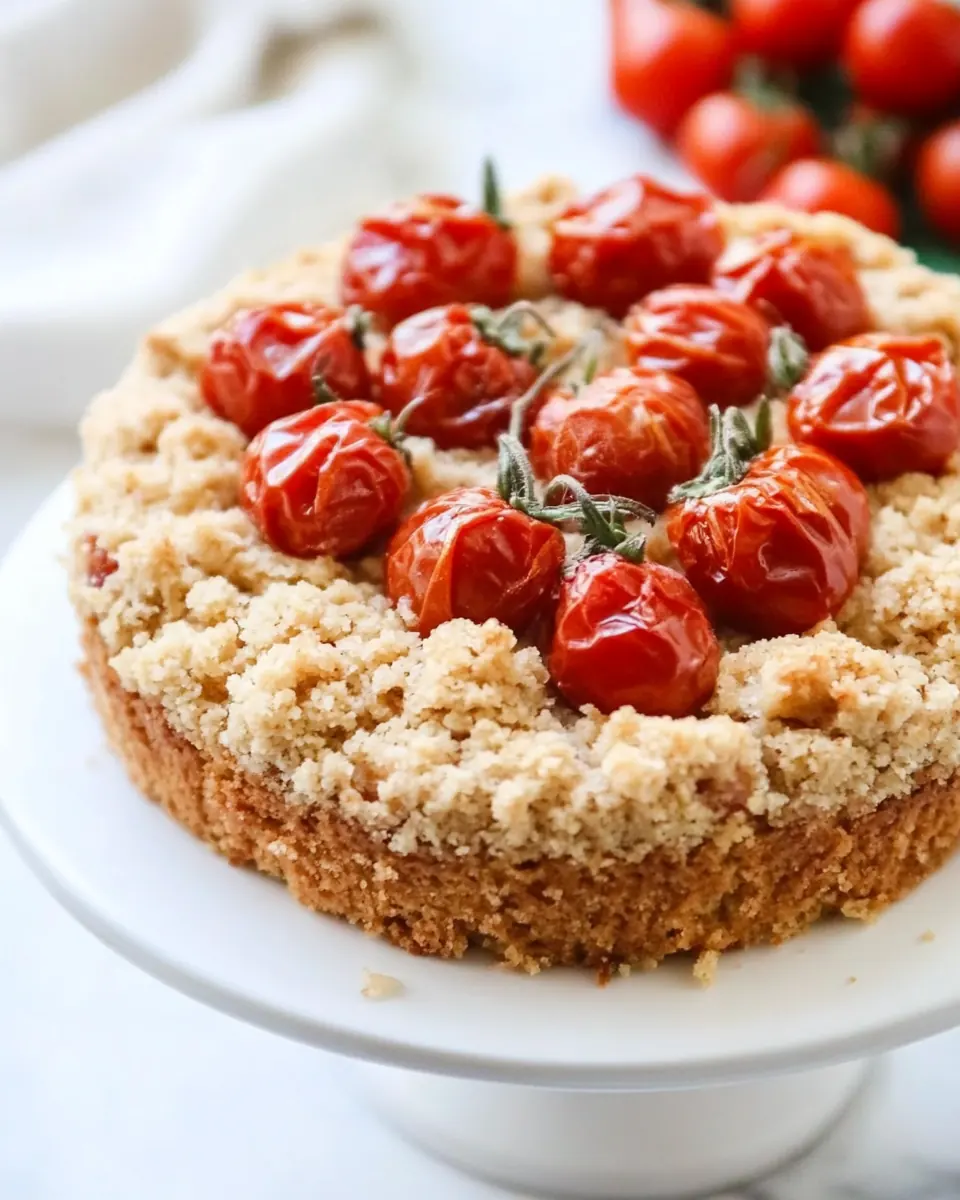
Vanilla Cornmeal Crumb Cake with Candied Cherry Tomatoes
Ingredients
Equipment
Method
- Preheat the oven to 350 degrees F. In a large bowl whisk together the flour, cornmeal, sugar, baking powder and salt.: As the oven heats you will notice a faint warm scent of electronics and insulation settling into the kitchen air, which signals that your baking environment is consistent. Ensuring the oven reaches the correct temperature before the batter goes in gives the cake its initial oven spring, creating a light crumb instead of a dense loaf. A common mistake is starting with a cold oven which causes uneven rise and a gummy center. If your oven runs hot or cool, use an oven thermometer to confirm accuracy.
- In a smaller bowl, whisk together the milk, eggs, vanilla paste and extract. Add the wet ingredients to the dry and stir until just combined, then stir in the melted butter until combined. Spray a 9-inch springform pan with nonstick spray and pour the batter in the pan.: Right away you will see the mixture take on a uniform, pale tone with little specks from the cornmeal . Whisking aerates these dry ingredients, distributing the leavening so the cake rises evenly and preventing pockets of baking powder which can leave bitter spots. If you skip proper whisking, the rise may be uneven and the texture inconsistent, so take time to incorporate until the mixture looks homogeneous.
- To make the crumb topping, whisk together the sugar, cinnamon, salt and melted butter until combined. Whisk for a good minute or two until the sugar begins to dissolve, then use a wooden spoon to stir in the flour. The mixture will be crumb-like and dry. Almost like a sludge or paste. This is what you want! Sprinkle the crumb on top of the cake.: The wet mixture should become glossy and slightly thicker, with the vanilla flecks visible in the liquid. This combination infuses aroma and binds the batter, and whisking ensures the eggs break up and blend fully, which contributes to an even crumb. A common pitfall is under whisking, which can leave streaks of egg white that affect texture, so whisk until smooth and uniform.
- Bake the cake for 40 to 45 minutes or until a toothpick inserted in the center comes out clean. Allow the cake to cool before serving, then serve with the candied tomatoes and whipped cream.: At this stage, after the wet hits the dry, the batter will look slightly lumpy and moist, not glossy. Gently folding prevents developing excess gluten, which would make the cake tough, and the final addition of slightly cooled melted butter adds shine and richness. Overmixing is the most frequent error here, so stop when the streaks of flour disappear and the batter looks cohesive.
- Preheat the oven to 325 degrees F.: Pouring the batter evenly into the prepared pan gives consistent thickness and even baking. You should see the batter settle into a smooth top; if it pools in one area the cake will bake unevenly. A simple trick is to tap the pan gently on the counter to release any large air pockets. Avoid overfilling, as the cake needs room to rise without spilling over.
- Cover a baking sheet with a piece of parchment paper and place the quartered tomatoes on top. Sprinkle the sugar on the tomatoes 1 tablespoon at a time, making sure to coat each tomato (and using more if necessary!). After coating I like to push them around a bit so they are almost sitting in a bed of sugar. Roast the tomatoes for 25 to 30 minutes (I do this while making the cake) then remove the pan and allow them to cool completely.: This mixture will become glossy and slightly thick as the sugar begins to dissolve into the warm butter. The aroma of brown sugar and cinnamon will intensify, signaling that the topping is ready. If the sugar does not begin to dissolve, the crumb may be grainy and fail to clump; whisk for a minute or two until it integrates slightly.
- Whisk for a good minute or two until the sugar begins to dissolve, then use a wooden spoon to stir in the flour: As you work the flour into the buttery sugar, the mixture will transform into a crumb like, slightly dry paste with loose clusters. That texture is desirable because it bakes into crunchy pockets while leaving tender crumbs beneath. A common mistake is adding too much liquid at this stage, which results in a paste that will not crisp properly; keep the consistency crumbly.
- The mixture will be crumb like and dry: You want the topping to hold light clumps rather than forming a batter, because the dry clusters will brown and crisp in the oven creating the signature crumb texture. Pressing the mixture will allow you to test it, but avoid compacting the crumb into a single sheet, as that reduces the contrast between cake and topping. If the crumb seems too loose, a brief chill helps it clump slightly before topping the cake.
- Almost like a sludge or paste: Despite this odd description, you should aim for small clumps that are moist enough to hold together when pinched, yet still fragile. The smell will be buttery with warm sugar notes, and visually you'll see light specks of cinnamon dispersed throughout. If the topping looks oily and flat, you likely added too much melted butter ; fold in a little more flour to restore structure.
- This is what you want: The right crumb will bake into golden pockets that offer crunch and caramelization. Trust this texture because it delivers the contrast that elevates the cake. A troubleshooting pointer is to reserve some crumb aside to scatter mid bake if you want extra crispness, but generally the prepared amount is balanced for texture and flavor.
- Sprinkle the crumb on top of the cake: As you scatter the crumb, think of creating an even, rustic blanket rather than a smooth sheet, letting some pockets show through. The crumb will sink slightly during baking and then crisp at the edges, giving a collage of textures. A common error is packing the crumb down which prevents it from crisping; instead, lightly distribute for maximum contrast.
- Bake the cake for 40 to 45 minutes or until a toothpick inserted in the center comes out clean: During baking you'll notice the top turn golden, the edges pulling away slightly from the pan, and a warm, sweet aroma filling the kitchen. A clean toothpick indicates set crumb; if wet batter clings you need additional time. Overbaking will dry the cake, so check at the lower end of the window and trust visual cues like even browning and a gentle spring when touched.
- Allow the cake to cool before serving, then serve with the candied tomatoes and whipped cream: Cooling lets the crumb set and prevents the topping from sliding off when sliced. The cake will still be slightly warm which pairs beautifully with chilled whipped cream and the sticky tomatoes. A frequent misstep is slicing too soon, which leads to a collapsed crumb and messy presentation, so wait until the cake is mostly cooled.
- Preheat the oven to 325 degrees F: Lowering the oven for the tomatoes ensures they slow roast and concentrate sugars without shriveling too quickly. The lower heat lets them release juices and caramelize gently, creating glossy, jam like pieces. If you roast at higher temperatures the tomatoes can split and burn rather than candy.
- Cover a baking sheet with a piece of parchment paper and place the quartered tomatoes on top: Arranging the quartered cherry tomatoes cut side up helps them hold a small pool of sugar and juice as they roast, and the parchment prevents sticking while making cleanup easy. Spread them evenly so air circulates and they roast uniformly. Crowding the pan will steam the tomatoes instead of caramelizing them.
- Sprinkle the sugar on the tomatoes 1 tablespoon at a time, making sure to coat each tomato: Adding the sugar gradually allows you to control coverage so each tomato is lightly coated and not buried. The sugar draws moisture out as it melts, creating a syrupy coating that glazes the tomatoes during roasting. Too much sugar at once can cause clumps that burn, so distribute carefully and press lightly if needed to ensure contact.
- After coating I like to push them around a bit so they are almost sitting in a bed of sugar: This technique ensures even contact between sugar and tomato surfaces, helping the tomatoes roast into little sugar pools that become intensely flavored. The gentle movement also helps small tomatoes nestle so their juices mingle, amplifying the final syrup. Avoid overhandling, which can bruise the tomatoes and make them release too much liquid.
- Roast the tomatoes for 25 to 30 minutes then remove the pan and allow them to cool completely: You will see the tomatoes collapse slightly and develop edges of deepened color, and the kitchen will smell like concentrated tomato jam with caramel notes. Cooling is essential because the syrup firms up and the tomatoes finish attaining a candy like texture. A common error is serving them while still hot which makes them too runny on the plate; cool fully for the best presentation and texture.
Notes
- Measure flour correctly by fluffing and spooning into the cup, then leveling, to avoid a dense cake.
- Let melted butter cool slightly before adding to the batter so it does not cook the eggs and alter texture.
- Reserve some crumb to add midway through baking if you prefer extra crunchy pockets on top.
- Use an oven thermometer to ensure accurate temperature for both cake rise and tomato candying.
- Quarter tomatoes uniformly so they roast at the same rate, preventing some from burning while others remain underdone.
- Serve at room temperature with a dollop of whipped cream to balance warm cake and cool cream for pleasing contrast.