Italian Frittata with Spinach and Peas
Italian Frittata with Spinach and Peas has been one of those recipes that sneaks into my weeknight rotation because it is forgiving, quick, and utterly comforting.
I remember the first time I made Italian Frittata with Spinach and Peas on a rainy spring evening after a long day. I was tired, the market bags were still on the counter, and I needed something that felt both homey and bright. The scent of extra-virgin olive oil warming in the skillet mingled with the mild sweetness of onion as it softened, and I felt instantly soothed. The eggs came together with Parmigiano Reggiano, and the frozen peas popped a little as they hit the hot pan, releasing a sweet, fresh note that made me smile.
Since then I’ve made this simple dish for hurried breakfasts, leisurely lunches, and light dinners. I love that it adapts so well to what I have on hand, yet always feels distinctly Italian because of the bright cheese and olive oil. When I serve it, guests often ask for seconds, claiming it tastes richer than its humble parts would suggest. That always makes me proud, because the secret is technique and timing more than fuss, and I enjoy sharing that with friends and family.
Recipe Snapshot
20 mins
5 mins
15 mins
Medium
250 kcal
Italian
Gluten-Free, Low FODMAP
Breakfast
6-inch skillet, Bowl, Spatula, Whisk, Oven or broiler, Plate for flipping
Why This Italian Frittata with Spinach and Peas Is So Good
Versatile Meal Timing
I adore how Italian Frittata with Spinach and Peas works any time of day. Whether I need a fast breakfast to fuel a busy morning or a relaxed late lunch, this dish fits. The eggs make it filling, while the spinach and peas keep it feeling light and springlike.
Simple Ingredients, Big Flavor
The lineup is short and honest, but each element contributes. A good drizzle of extra-virgin olive oil and a generous grating of Parmigiano Reggiano add depth. I find the contrast of sweet peas against savory eggs brings out a bright, balanced flavor profile that feels artisan without effort.
Minimal Fuss, Maximum Reward
I love how the technique elevates the meal more than complicated steps. A quick sauté of onion and wilt of spinach, then a gentle cook with a covered pan keeps the texture tender and custardy. For a golden top, a brief broil or a confident flip gives a satisfying finish that looks like you spent hours.
Great for Sharing and Leftovers
This frittata scales well, and leftovers are reliable. I’ll often slice a wedge for lunch the next day, and the flavors mellow and knit together, which I sometimes prefer to the freshly cooked version. It reheats gently in a skillet to revive the edges and maintain creaminess.
Diet Friendly and Adaptable
If you are watching portions or focusing on whole foods, this recipe is a winner. The protein from the eggs and the vitamins from the spinach and peas make it balanced. I appreciate that it feels indulgent without being heavy, which keeps me coming back on busy nights.
What to Buy for Italian Frittata with Spinach and Peas
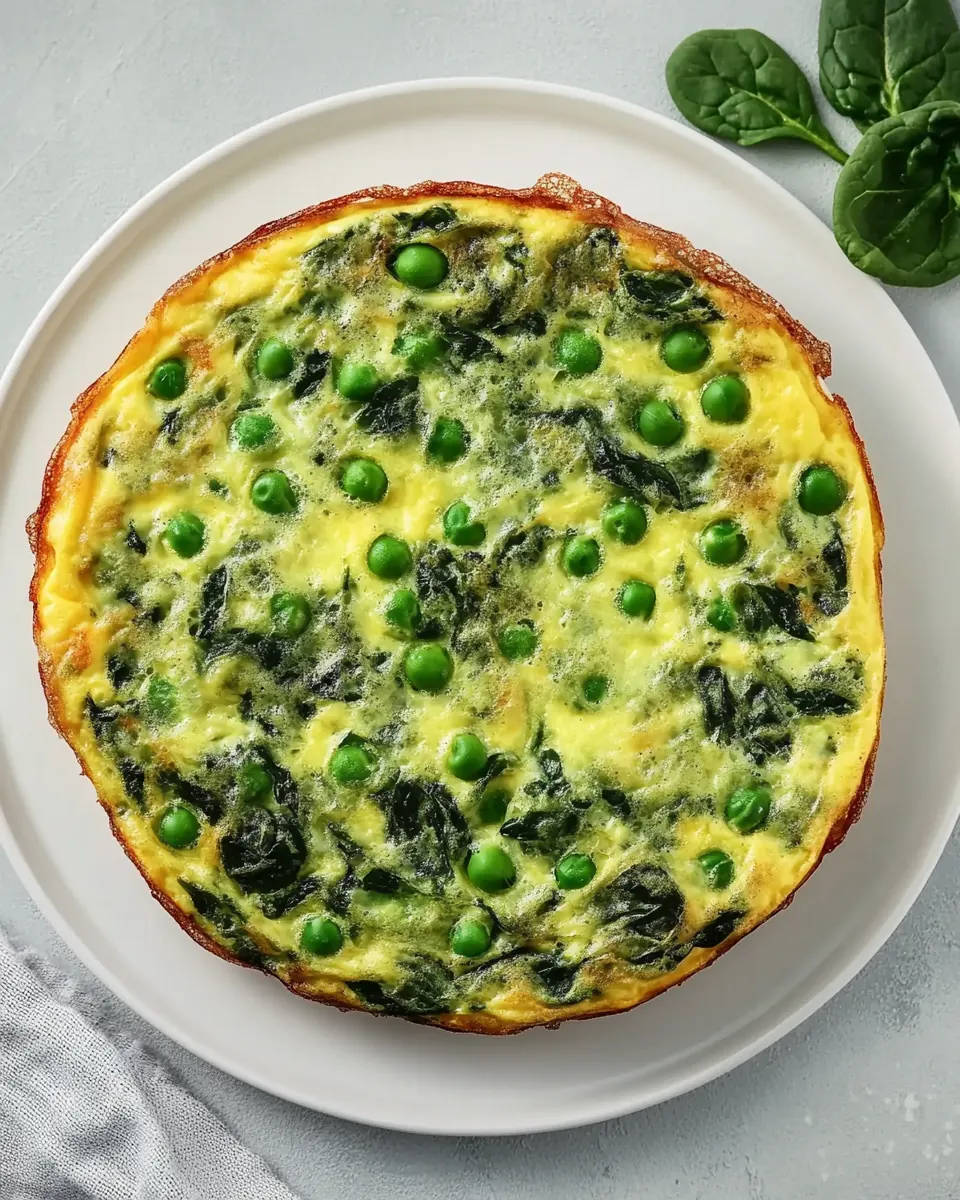
These ingredients are deliberately simple and designed to work in harmony. The foundation is creamy beaten eggs enriched with nutty Parmigiano Reggiano, brightened by sweet peas and tender spinach. The extra-virgin olive oil adds richness and helps develop golden edges while the onion provides a subtle aromatic backbone. Together they create a dish that balances texture and flavor with minimal effort.
- 3 tablespoon extra-virgin olive oil: Gently contributes a fruity, peppery base for cooking and helps prevent sticking while adding healthy fats and depth to the dish. Use to sauté the onion and wilt the spinach, building flavor layers for the frittata.
- 1 small red onion, finely chopped: Finely chopped provides sweet, aromatic complexity and caramelizes to add savory-sweet notes that balance the eggs and cheese. Sauté until soft and translucent to release sugars and enhance overall flavor.
- 150 g baby spinach leaves: Fresh leaves wilt quickly to add tender, slightly earthy greens that boost nutrition and color in the frittata. Fold into the eggs toward the end of cooking so they retain a bright green hue and delicate texture.
- 6 free-range large eggs: Whisked creates the custardy structure and rich body of the frittata, binding all components together and providing protein. Beat thoroughly to incorporate air for a lighter texture, seasoning well before pouring into the pan.
- 2 tablespoon Parmigiano Reggiano (parmesan cheese), finely grated: Finely grated supplies salty, umami-rich notes that elevate the savory profile and contribute a slight nutty finish. Sprinkle into the egg mixture to melt and integrate flavor throughout the frittata.
- 150 g frozen or fresh peas: Frozen or fresh peas add bursts of sweetness, texture, and vibrant color while complementing the spinach and eggs. If frozen, briefly thaw or blanch to avoid excess water; fold in during cooking to maintain firmness.
- Sea salt and freshly cracked black pepper: Season to enhance and balance all flavors while controlling overall taste and brightness; freshly cracked pepper adds mild heat and aromatic complexity. Adjust salt carefully to account for the salty cheese and finish with a crack of pepper.
The Method for Italian Frittata with Spinach and Peas
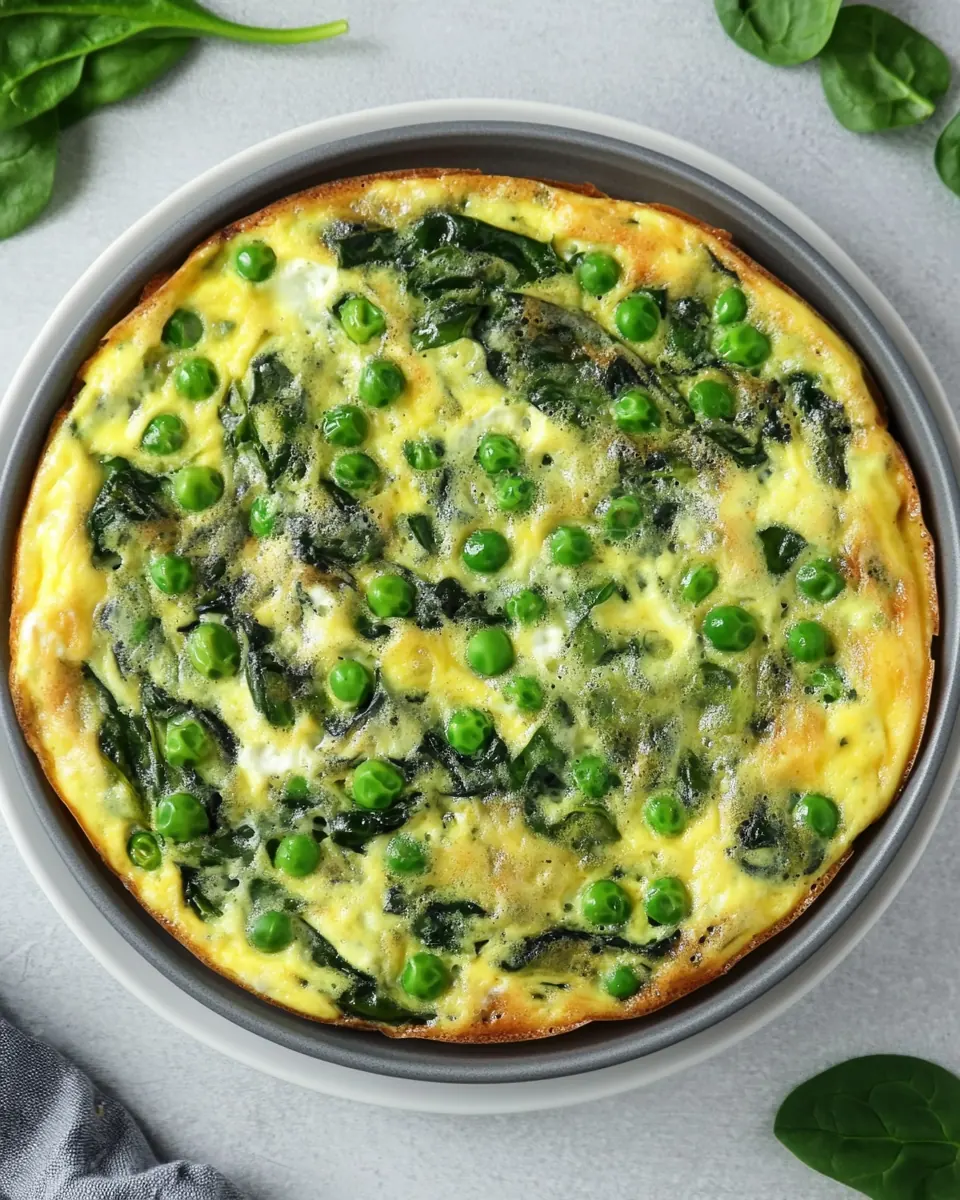
This method is straightforward and forgiving, and I’ll walk you through each step so you can achieve a tender, golden frittata. Pay attention to small sensory cues like the sound of a gentle sizzle, the softened texture of the onion, and the custardy jiggle of the cooked eggs to know you are on track.
- Heat a 6-inch (16 cm) skillet over medium heat, and drizzle evenly with 2 tablespoons of extra-virgin olive oil. Fold in the finely chopped onion, followed by the spinach leaves and cook with the lid on for about 2-3 minutes, stirring occasionally, then season with salt and black pepper to taste.: The surface should feel warm and just beginning to shimmer when the extra–virgin olive oil hits it, producing a faint, fruity aroma. As the oil settles, you may notice a barely audible ripple across the pan, a sign it is ready. This moderate heat ensures the onion softens without burning, which would introduce bitterness. A common mistake is using too high a heat, which makes the aromatics brown too quickly instead of becoming sweet. If the oil starts to smoke, lower the heat, wipe the pan, and start again with fresh oil to avoid a smoky flavor in the final dish. The even coating of oil also helps prevent sticking and promotes an even golden edge as the eggs cook.
- In a medium-sized bowl, beat the eggs together with the Parmigiano Reggiano cheese.: As the onion hits the warm oil you will hear a gentle sizzle and smell a soft sweet scent as sugars begin to caramelize. When you add the spinach , it will immediately collapse, releasing a green steam and deepening the pan aroma. Keeping the lid on traps steam which helps the spinach wilt quickly and evenly, preventing large wet pockets that could make the frittata soggy. Stirring occasionally ensures everything cooks uniformly. A frequent slip is overcooking the spinach until it releases too much water, so drain any excess liquid if the pan looks watery before proceeding. Season now so the salt can begin to penetrate, enhancing the vegetables and preventing a flat final flavor.
- Fold the cooked spinach and frozen/fresh peas into the egg and cheese mixture, and give it a quick mix, then season with sea salt and freshly cracked black pepper.: When you beat the eggs , notice the change from separate whites and yolks to a homogenous, slightly frothy mixture; this aeration contributes to a lighter texture. The grated Parmigiano Reggiano will meld in, adding tiny flecks and a savory perfume to the mixture. Whisk until the color is uniform and the surface shows small bubbles, which is a cue that air has been incorporated. Overbeating is a common error because it can create a spongier set rather than a tender custard, so aim for smoothness with some light aeration. Mixing the cheese in thoroughly ensures every bite has richness and depth.
- Return the skillet over medium-low heat, and drizzle with the remaining 1 tablespoon of extra-virgin olive oil. Pour in the frittata mixture, cover the skillet with a lid and cook for 10 minutes, gently shaking the pan every now and then.: As you fold the warm spinach and peas into the egg base you will see contrasting greens dispersed through the pale yellow custard, promising bright flavors in each bite. Folding rather than vigorously stirring preserves some texture and prevents the eggs from becoming overly foamy. If the vegetables are still warm they will slightly temper the eggs, which helps with an even set during cooking. Taste a small spoonful to judge seasoning because the Parmigiano Reggiano already contributes salt; adjust cautiously. A common pitfall is underseasoning at this stage, which results in a bland finished frittata, so correct gently.
- When the surface of the frittata looks cooked through, the frittata is almost ready. To give your frittata that golden colour, you can transfer the skillet (in this case, make sure you’re using a cast iron skillet) into a hot oven and broil for 2 minutes.: The pan should still be warm but not hot; on medium-low the oil will shimmer slowly without smoking. This second drizzle gives a protective layer so the egg mixture slides easily and forms a gently crisp base. You'll hear a soft settling sound as the batter meets the pan, a satisfying indicator that the bottom is beginning to set. Using too high heat here can create a crusty exterior with an undercooked center, so keep the temperature restrained. The extra oil also promotes an even browning and makes it easier to flip or slide later.
- Alternatively, you can go the traditional route, and flip the frittata. Slide a spatula beneath the frittata to separate it from the skillet, then place a plate with the same diameter of the frittata, on top of the frittata, and flip the frittata onto the plate. Slide the frittata back into the skillet, and cook without the lid, for a further 2 minutes, then remove from the heat.: As the eggs start to set you will see the edges firming and the center slowly gaining structure with a subtle wobble. The covered pan creates an oven-like environment, steaming the top so the inside sets smoothly without drying. Gently shaking the pan helps the uncooked egg flow to the edges and promotes even cooking. You may smell a toasty, eggy aroma developing which signals proteins coagulating. Avoid opening the lid too often, because heat loss lengthens cooking time and can make the texture uneven. If the surface still seems very runny after the time is up, give it another minute or two covered before proceeding to finish.
- Carefully slide the frittata onto a serving plate and serve nicely hot with your favorite salad or sides.: At this point the top will appear matte rather than glossy, and there will be a faint jiggle in the center when you gently tilt the skillet. Those visual cues mean the interior is nearly set but still tender. For a golden finish you have two options which produce slightly different results and textures, but both are classic. A typical mistake is rushing this step and leaving the center underdone, so make sure the jiggle is slight and not liquid. If you prefer a firmer interior, allow an extra minute covered before finishing.
- To give your frittata that golden colour, you can transfer the skillet into a hot oven and broil for 2 minutes: Under the broiler the top will bubble and take on a warm golden hue quickly, releasing a toasty cheese scent. Watch closely, because things can brown in an instant; the sugar and protein on the surface caramelize rapidly under high heat. Use an oven mitt and place the skillet on the rack, monitoring for the exact shade you want. A common error is leaving it too long which yields a dry, overcooked top, so move the skillet out at the first pleasing color change. This method gives a beautiful crust without flipping.
- Alternatively, you can go the traditional route, and flip the frittata: Carefully slide a spatula beneath the frittata to separate it from the skillet, then place a plate with the same diameter of the frittata, on top of the frittata, and flip the frittata onto the plate : The moment you slide the spatula you may hear a soft release as the edges free from the pan, and flipping will reveal the bottom, often perfectly browned. Using a plate of the same diameter helps you flip confidently without tearing. If the frittata sticks, slide the spatula around the edge and loosen before attempting the flip. Avoid tossing or jerking the plate during the flip, because that can spill the filling. This traditional flip gives an even browning on both sides and creates a rustic presentation.
- Slide the frittata back into the skillet, and cook without the lid, for a further 2 minutes, then remove from the heat: After flipping the brief finish in the skillet tightens the set and crisps the newly exposed top. You will hear a soft sizzle and see the edges take on a gentle bronzed color; the internal texture firms without drying out. Cooking uncovered lets any remaining moisture evaporate, leaving a pleasant, slightly crisp exterior. A typical mistake is overcooking at this stage, which makes the eggs rubbery rather than tender, so stick to the short finishing time and remove promptly.
- Carefully slide the frittata onto a serving plate and serve nicely hot with your favorite salad or sides: As you transfer the frittata you will notice a faint steam and a fragrant blend of olive oil and cheese. Slice into wedges to reveal ribbons of green and pockets of rich custard, and serve while still warm for the best texture. If you need to hold it briefly, tent it with foil to retain heat without steaming it excessively. Avoid cutting it too far in advance, because the texture changes as it cools, becoming denser. Serving hot preserves the contrast between the golden exterior and the creamy interior.
Make It Your Own
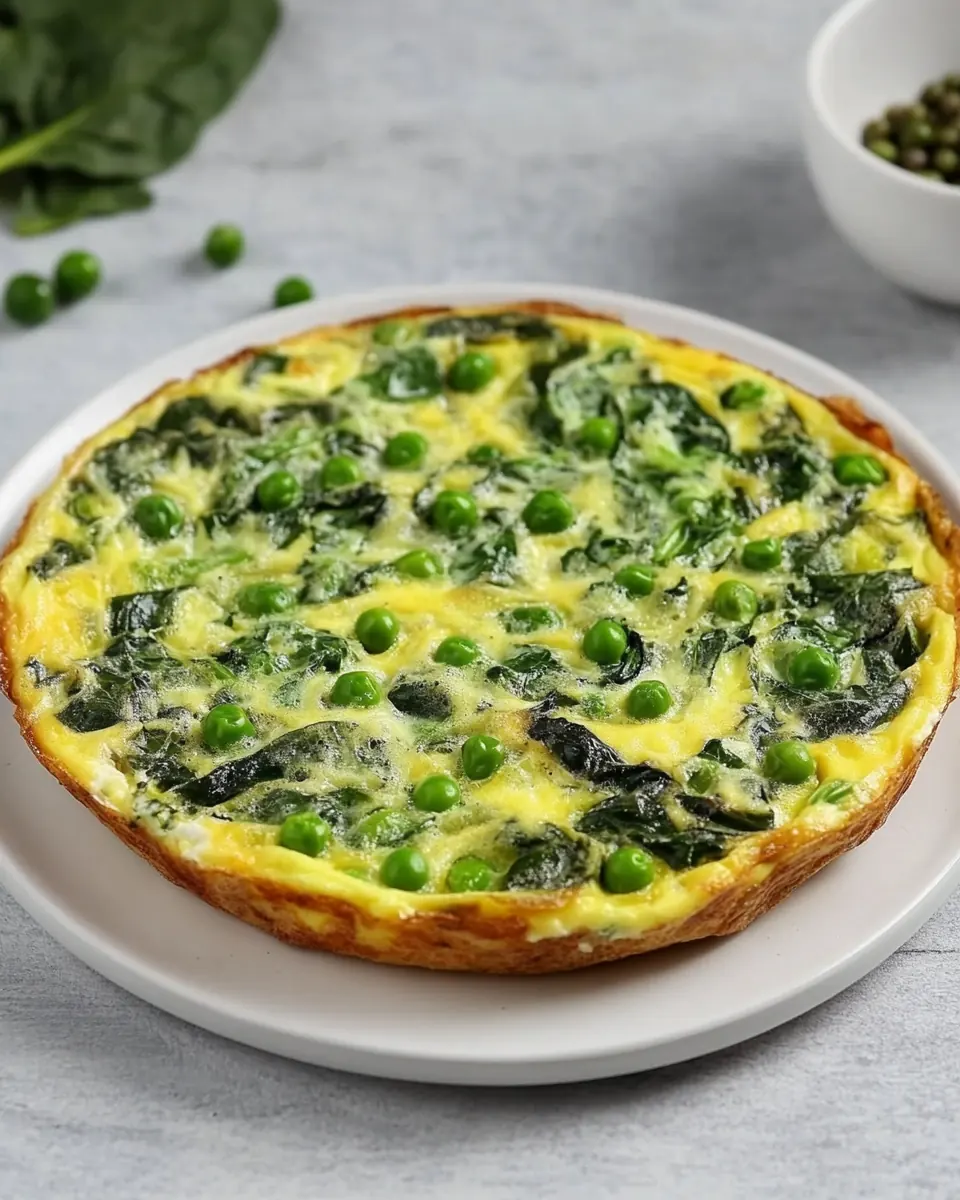
This section offers ways to personalize the recipe while respecting the original flavor profile. Use the tips below to adjust texture, seasoning, and presentation depending on the occasion or what you have on hand.
- Swap the pan size carefully If you increase the pan diameter, the frittata will cook faster and thinner, so reduce cooking time accordingly to maintain a tender center.
- Adjust cheese amount If you prefer a bolder umami hit, add an extra half tablespoon of Parmigiano Reggiano, but balance with cautious salting to avoid over seasoning.
- Control moisture For a firmer texture, squeeze the cooked spinach in a clean towel to remove excess water before folding it into the eggs.
- Use fresh peas when possible Fresh peas offer a brighter, sweeter note; blanch them briefly to keep their texture vibrant before adding.
- Try gentle finishing If you dislike broiling, finish the frittata on the stovetop over very low heat with a lid for a few extra minutes to set the center slowly.
Side Dish Ideas for Italian Frittata with Spinach and Peas
This dish pairs well with light, fresh accompaniments that complement its bright, savory flavors. Below are ideas for occasions and pairings, plus storage guidance and seasonal suggestions presented as practical serving options.
- Casual lunch Serve slices with a simple mixed green salad dressed in lemon and olive oil, adding a crisp contrast to the tender frittata.
- Brunch gathering Present wedges alongside crusty bread and a bowl of olives or marinated vegetables for an easy buffet style spread.
- Light dinner Pair with roasted cherry tomatoes or a warm grain salad to round out the meal with complementary textures and flavors.
- Ramadan iftar Use the frittata as a restorative, protein rich option to break fast, accompanied by fruit and plain yogurt for a balanced plate.
- Picnic Cool to room temperature, slice, and pack in a container with a small salad; it travels well and tastes great outdoors.
- Make ahead and store Refrigerate in an airtight container for up to two days; reheat gently in a skillet to preserve texture, or serve cold for a picnic style treat.
- Seasonal pairing In spring emphasize fresh peas and tender spinach; in later months, frozen peas still perform well and keep the flavor consistent year round.
FAQ
Conclusion
This Italian Frittata with Spinach and Peas stands out for its simplicity and satisfying balance of creamy eggs, bright greens, and nutty cheese. It is an approachable, flexible dish that performs beautifully for breakfast, brunch, or a light dinner and rewards attention to small techniques rather than complicated steps. Give it a try to experience how a few quality ingredients and a confident cook can produce something greater than the sum of its parts. I hope you enjoy the ease and flavor of this recipe, and that it becomes one of your reliable go to meals for busy days and casual gatherings.
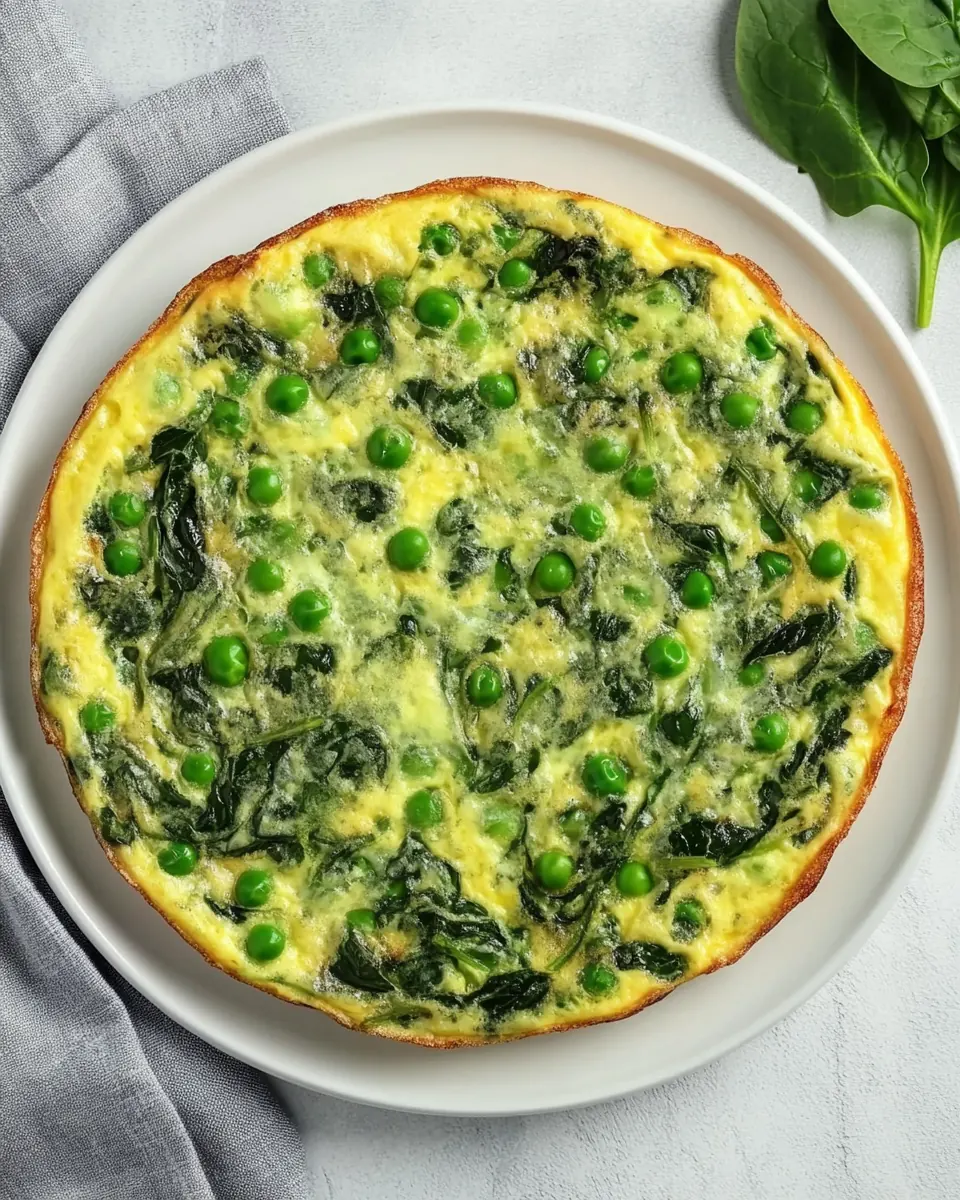
Italian Frittata with Spinach and Peas
Ingredients
Equipment
Method
- Heat a 6-inch (16 cm) skillet over medium heat, and drizzle evenly with 2 tablespoons of extra-virgin olive oil. Fold in the finely chopped onion, followed by the spinach leaves and cook with the lid on for about 2-3 minutes, stirring occasionally, then season with salt and black pepper to taste.: The surface should feel warm and just beginning to shimmer when the extra-virgin olive oil hits it, producing a faint, fruity aroma. As the oil settles, you may notice a barely audible ripple across the pan, a sign it is ready. This moderate heat ensures the onion softens without burning, which would introduce bitterness. A common mistake is using too high a heat, which makes the aromatics brown too quickly instead of becoming sweet. If the oil starts to smoke, lower the heat, wipe the pan, and start again with fresh oil to avoid a smoky flavor in the final dish. The even coating of oil also helps prevent sticking and promotes an even golden edge as the eggs cook.
- In a medium-sized bowl, beat the eggs together with the Parmigiano Reggiano cheese.: As the onion hits the warm oil you will hear a gentle sizzle and smell a soft sweet scent as sugars begin to caramelize. When you add the spinach , it will immediately collapse, releasing a green steam and deepening the pan aroma. Keeping the lid on traps steam which helps the spinach wilt quickly and evenly, preventing large wet pockets that could make the frittata soggy. Stirring occasionally ensures everything cooks uniformly. A frequent slip is overcooking the spinach until it releases too much water, so drain any excess liquid if the pan looks watery before proceeding. Season now so the salt can begin to penetrate, enhancing the vegetables and preventing a flat final flavor.
- Fold the cooked spinach and frozen/fresh peas into the egg and cheese mixture, and give it a quick mix, then season with sea salt and freshly cracked black pepper.: When you beat the eggs , notice the change from separate whites and yolks to a homogenous, slightly frothy mixture; this aeration contributes to a lighter texture. The grated Parmigiano Reggiano will meld in, adding tiny flecks and a savory perfume to the mixture. Whisk until the color is uniform and the surface shows small bubbles, which is a cue that air has been incorporated. Overbeating is a common error because it can create a spongier set rather than a tender custard, so aim for smoothness with some light aeration. Mixing the cheese in thoroughly ensures every bite has richness and depth.
- Return the skillet over medium-low heat, and drizzle with the remaining 1 tablespoon of extra-virgin olive oil. Pour in the frittata mixture, cover the skillet with a lid and cook for 10 minutes, gently shaking the pan every now and then.: As you fold the warm spinach and peas into the egg base you will see contrasting greens dispersed through the pale yellow custard, promising bright flavors in each bite. Folding rather than vigorously stirring preserves some texture and prevents the eggs from becoming overly foamy. If the vegetables are still warm they will slightly temper the eggs, which helps with an even set during cooking. Taste a small spoonful to judge seasoning because the Parmigiano Reggiano already contributes salt; adjust cautiously. A common pitfall is underseasoning at this stage, which results in a bland finished frittata, so correct gently.
- When the surface of the frittata looks cooked through, the frittata is almost ready. To give your frittata that golden colour, you can transfer the skillet (in this case, make sure you’re using a cast iron skillet) into a hot oven and broil for 2 minutes.: The pan should still be warm but not hot; on medium-low the oil will shimmer slowly without smoking. This second drizzle gives a protective layer so the egg mixture slides easily and forms a gently crisp base. You'll hear a soft settling sound as the batter meets the pan, a satisfying indicator that the bottom is beginning to set. Using too high heat here can create a crusty exterior with an undercooked center, so keep the temperature restrained. The extra oil also promotes an even browning and makes it easier to flip or slide later.
- Alternatively, you can go the traditional route, and flip the frittata. Slide a spatula beneath the frittata to separate it from the skillet, then place a plate with the same diameter of the frittata, on top of the frittata, and flip the frittata onto the plate. Slide the frittata back into the skillet, and cook without the lid, for a further 2 minutes, then remove from the heat.: As the eggs start to set you will see the edges firming and the center slowly gaining structure with a subtle wobble. The covered pan creates an oven-like environment, steaming the top so the inside sets smoothly without drying. Gently shaking the pan helps the uncooked egg flow to the edges and promotes even cooking. You may smell a toasty, eggy aroma developing which signals proteins coagulating. Avoid opening the lid too often, because heat loss lengthens cooking time and can make the texture uneven. If the surface still seems very runny after the time is up, give it another minute or two covered before proceeding to finish.
- Carefully slide the frittata onto a serving plate and serve nicely hot with your favorite salad or sides.: At this point the top will appear matte rather than glossy, and there will be a faint jiggle in the center when you gently tilt the skillet. Those visual cues mean the interior is nearly set but still tender. For a golden finish you have two options which produce slightly different results and textures, but both are classic. A typical mistake is rushing this step and leaving the center underdone, so make sure the jiggle is slight and not liquid. If you prefer a firmer interior, allow an extra minute covered before finishing.
- To give your frittata that golden colour, you can transfer the skillet into a hot oven and broil for 2 minutes: Under the broiler the top will bubble and take on a warm golden hue quickly, releasing a toasty cheese scent. Watch closely, because things can brown in an instant; the sugar and protein on the surface caramelize rapidly under high heat. Use an oven mitt and place the skillet on the rack, monitoring for the exact shade you want. A common error is leaving it too long which yields a dry, overcooked top, so move the skillet out at the first pleasing color change. This method gives a beautiful crust without flipping.
- Alternatively, you can go the traditional route, and flip the frittata: Carefully slide a spatula beneath the frittata to separate it from the skillet, then place a plate with the same diameter of the frittata, on top of the frittata, and flip the frittata onto the plate : The moment you slide the spatula you may hear a soft release as the edges free from the pan, and flipping will reveal the bottom, often perfectly browned. Using a plate of the same diameter helps you flip confidently without tearing. If the frittata sticks, slide the spatula around the edge and loosen before attempting the flip. Avoid tossing or jerking the plate during the flip, because that can spill the filling. This traditional flip gives an even browning on both sides and creates a rustic presentation.
- Slide the frittata back into the skillet, and cook without the lid, for a further 2 minutes, then remove from the heat: After flipping the brief finish in the skillet tightens the set and crisps the newly exposed top. You will hear a soft sizzle and see the edges take on a gentle bronzed color; the internal texture firms without drying out. Cooking uncovered lets any remaining moisture evaporate, leaving a pleasant, slightly crisp exterior. A typical mistake is overcooking at this stage, which makes the eggs rubbery rather than tender, so stick to the short finishing time and remove promptly.
- Carefully slide the frittata onto a serving plate and serve nicely hot with your favorite salad or sides: As you transfer the frittata you will notice a faint steam and a fragrant blend of olive oil and cheese. Slice into wedges to reveal ribbons of green and pockets of rich custard, and serve while still warm for the best texture. If you need to hold it briefly, tent it with foil to retain heat without steaming it excessively. Avoid cutting it too far in advance, because the texture changes as it cools, becoming denser. Serving hot preserves the contrast between the golden exterior and the creamy interior.
Notes
- Swap the pan size carefully If you increase the pan diameter, the frittata will cook faster and thinner, so reduce cooking time accordingly to maintain a tender center.
- Adjust cheese amount If you prefer a bolder umami hit, add an extra half tablespoon of Parmigiano Reggiano, but balance with cautious salting to avoid over seasoning.
- Control moisture For a firmer texture, squeeze the cooked spinach in a clean towel to remove excess water before folding it into the eggs.
- Use fresh peas when possible Fresh peas offer a brighter, sweeter note; blanch them briefly to keep their texture vibrant before adding.
- Try gentle finishing If you dislike broiling, finish the frittata on the stovetop over very low heat with a lid for a few extra minutes to set the center slowly.