Heat a 6-inch (16 cm) skillet over medium heat, and drizzle evenly with 2 tablespoons of extra-virgin olive oil. Fold in the finely chopped onion, followed by the spinach leaves and cook with the lid on for about 2-3 minutes, stirring occasionally, then season with salt and black pepper to taste.: The surface should feel warm and just beginning to shimmer when the extra-virgin olive oil hits it, producing a faint, fruity aroma. As the oil settles, you may notice a barely audible ripple across the pan, a sign it is ready. This moderate heat ensures the onion softens without burning, which would introduce bitterness. A common mistake is using too high a heat, which makes the aromatics brown too quickly instead of becoming sweet. If the oil starts to smoke, lower the heat, wipe the pan, and start again with fresh oil to avoid a smoky flavor in the final dish. The even coating of oil also helps prevent sticking and promotes an even golden edge as the eggs cook.
In a medium-sized bowl, beat the eggs together with the Parmigiano Reggiano cheese.: As the onion hits the warm oil you will hear a gentle sizzle and smell a soft sweet scent as sugars begin to caramelize. When you add the spinach , it will immediately collapse, releasing a green steam and deepening the pan aroma. Keeping the lid on traps steam which helps the spinach wilt quickly and evenly, preventing large wet pockets that could make the frittata soggy. Stirring occasionally ensures everything cooks uniformly. A frequent slip is overcooking the spinach until it releases too much water, so drain any excess liquid if the pan looks watery before proceeding. Season now so the salt can begin to penetrate, enhancing the vegetables and preventing a flat final flavor.
Fold the cooked spinach and frozen/fresh peas into the egg and cheese mixture, and give it a quick mix, then season with sea salt and freshly cracked black pepper.: When you beat the eggs , notice the change from separate whites and yolks to a homogenous, slightly frothy mixture; this aeration contributes to a lighter texture. The grated Parmigiano Reggiano will meld in, adding tiny flecks and a savory perfume to the mixture. Whisk until the color is uniform and the surface shows small bubbles, which is a cue that air has been incorporated. Overbeating is a common error because it can create a spongier set rather than a tender custard, so aim for smoothness with some light aeration. Mixing the cheese in thoroughly ensures every bite has richness and depth.
Return the skillet over medium-low heat, and drizzle with the remaining 1 tablespoon of extra-virgin olive oil. Pour in the frittata mixture, cover the skillet with a lid and cook for 10 minutes, gently shaking the pan every now and then.: As you fold the warm spinach and peas into the egg base you will see contrasting greens dispersed through the pale yellow custard, promising bright flavors in each bite. Folding rather than vigorously stirring preserves some texture and prevents the eggs from becoming overly foamy. If the vegetables are still warm they will slightly temper the eggs, which helps with an even set during cooking. Taste a small spoonful to judge seasoning because the Parmigiano Reggiano already contributes salt; adjust cautiously. A common pitfall is underseasoning at this stage, which results in a bland finished frittata, so correct gently.
When the surface of the frittata looks cooked through, the frittata is almost ready. To give your frittata that golden colour, you can transfer the skillet (in this case, make sure you’re using a cast iron skillet) into a hot oven and broil for 2 minutes.: The pan should still be warm but not hot; on medium-low the oil will shimmer slowly without smoking. This second drizzle gives a protective layer so the egg mixture slides easily and forms a gently crisp base. You'll hear a soft settling sound as the batter meets the pan, a satisfying indicator that the bottom is beginning to set. Using too high heat here can create a crusty exterior with an undercooked center, so keep the temperature restrained. The extra oil also promotes an even browning and makes it easier to flip or slide later.
Alternatively, you can go the traditional route, and flip the frittata. Slide a spatula beneath the frittata to separate it from the skillet, then place a plate with the same diameter of the frittata, on top of the frittata, and flip the frittata onto the plate. Slide the frittata back into the skillet, and cook without the lid, for a further 2 minutes, then remove from the heat.: As the eggs start to set you will see the edges firming and the center slowly gaining structure with a subtle wobble. The covered pan creates an oven-like environment, steaming the top so the inside sets smoothly without drying. Gently shaking the pan helps the uncooked egg flow to the edges and promotes even cooking. You may smell a toasty, eggy aroma developing which signals proteins coagulating. Avoid opening the lid too often, because heat loss lengthens cooking time and can make the texture uneven. If the surface still seems very runny after the time is up, give it another minute or two covered before proceeding to finish.
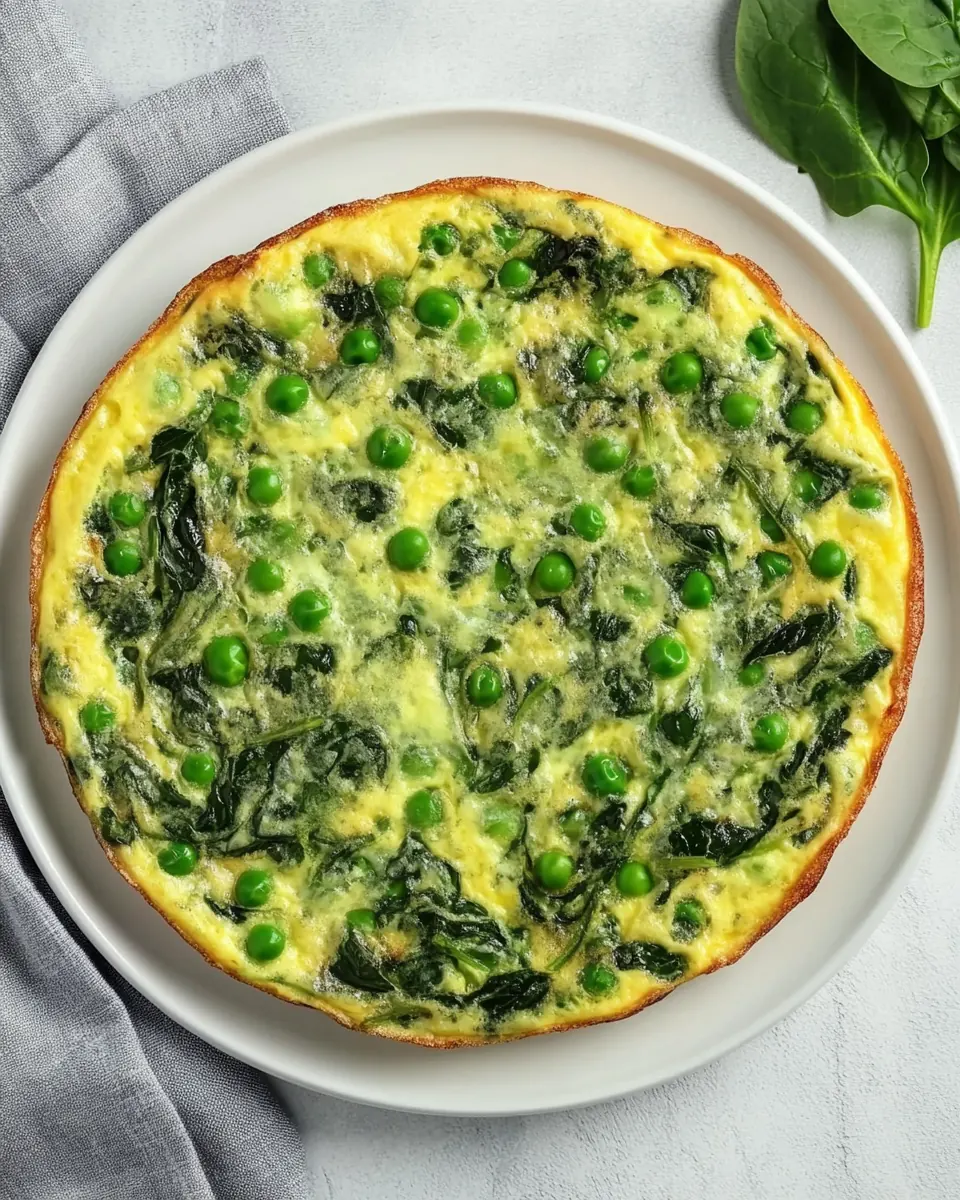
Carefully slide the frittata onto a serving plate and serve nicely hot with your favorite salad or sides.: At this point the top will appear matte rather than glossy, and there will be a faint jiggle in the center when you gently tilt the skillet. Those visual cues mean the interior is nearly set but still tender. For a golden finish you have two options which produce slightly different results and textures, but both are classic. A typical mistake is rushing this step and leaving the center underdone, so make sure the jiggle is slight and not liquid. If you prefer a firmer interior, allow an extra minute covered before finishing.
To give your frittata that golden colour, you can transfer the skillet into a hot oven and broil for 2 minutes: Under the broiler the top will bubble and take on a warm golden hue quickly, releasing a toasty cheese scent. Watch closely, because things can brown in an instant; the sugar and protein on the surface caramelize rapidly under high heat. Use an oven mitt and place the skillet on the rack, monitoring for the exact shade you want. A common error is leaving it too long which yields a dry, overcooked top, so move the skillet out at the first pleasing color change. This method gives a beautiful crust without flipping.
Alternatively, you can go the traditional route, and flip the frittata: Carefully slide a spatula beneath the frittata to separate it from the skillet, then place a plate with the same diameter of the frittata, on top of the frittata, and flip the frittata onto the plate : The moment you slide the spatula you may hear a soft release as the edges free from the pan, and flipping will reveal the bottom, often perfectly browned. Using a plate of the same diameter helps you flip confidently without tearing. If the frittata sticks, slide the spatula around the edge and loosen before attempting the flip. Avoid tossing or jerking the plate during the flip, because that can spill the filling. This traditional flip gives an even browning on both sides and creates a rustic presentation.
Slide the frittata back into the skillet, and cook without the lid, for a further 2 minutes, then remove from the heat: After flipping the brief finish in the skillet tightens the set and crisps the newly exposed top. You will hear a soft sizzle and see the edges take on a gentle bronzed color; the internal texture firms without drying out. Cooking uncovered lets any remaining moisture evaporate, leaving a pleasant, slightly crisp exterior. A typical mistake is overcooking at this stage, which makes the eggs rubbery rather than tender, so stick to the short finishing time and remove promptly.
Carefully slide the frittata onto a serving plate and serve nicely hot with your favorite salad or sides: As you transfer the frittata you will notice a faint steam and a fragrant blend of olive oil and cheese. Slice into wedges to reveal ribbons of green and pockets of rich custard, and serve while still warm for the best texture. If you need to hold it briefly, tent it with foil to retain heat without steaming it excessively. Avoid cutting it too far in advance, because the texture changes as it cools, becoming denser. Serving hot preserves the contrast between the golden exterior and the creamy interior.